Portret van Maarten van Rossum — History & Analysis
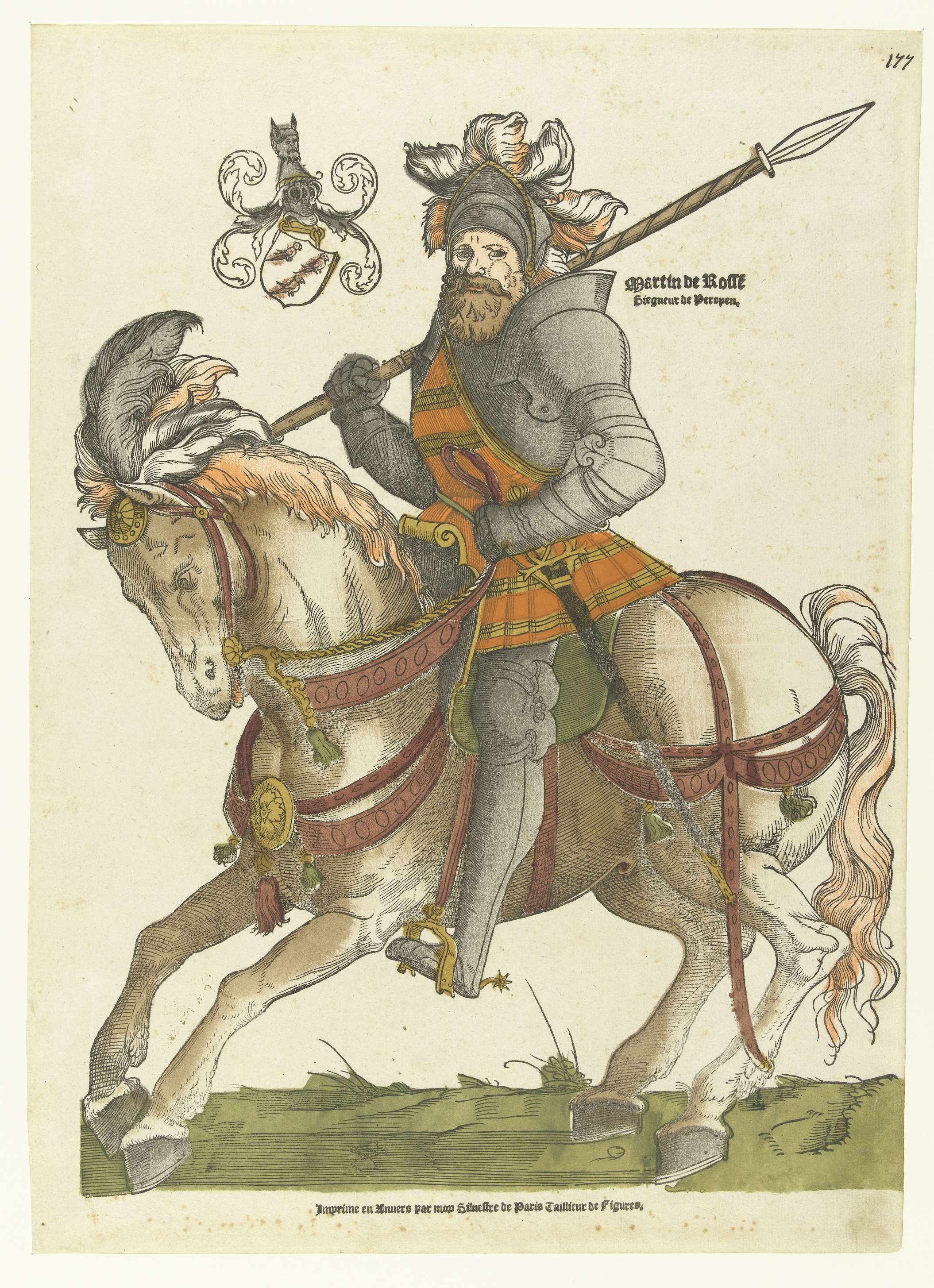
What if beauty was never meant to be finished? This question hangs in the air, echoing through time as it invites viewers to confront the unresolved complexities of remembrance captured in the essence of a single portrait. Look closely at the face of Maarten van Rossum, where the artist guides your gaze to the striking intensity of his eyes, a deep well of experience and authority. Notice how the light caresses his features, highlighting the textures of his skin and the intricate details of his clothing.
The rich, warm palette gives life to the fabric, each thread meticulously rendered, establishing a stark contrast against the dark, unembellished backdrop that suggests both isolation and gravitas. Delve into the posture of van Rossum, as his confident stance speaks volumes about his stature, yet an underlying vulnerability makes the viewer question the true nature of power. The slight tilt of his head and the subtle furrow of his brow convey a probing introspection, hinting at the burdens of leadership during a time of tumult. Each brushstroke intertwines memory with identity, suggesting that beauty is not merely a visual feast but a tapestry woven with the threads of history and personal narrative.
Cornelis Anthonisz, painting in the aftermath of the Dutch Reformation, captured this portrait between 1542 and 1548. At this time, he was solidifying his status as a prominent portraitist in Amsterdam, a city grappling with the social and political shifts of the era. This period of artistic innovation and personal exploration significantly influenced his work, culminating in a compelling representation that transcends mere likeness to evoke the enduring essence of its subject.