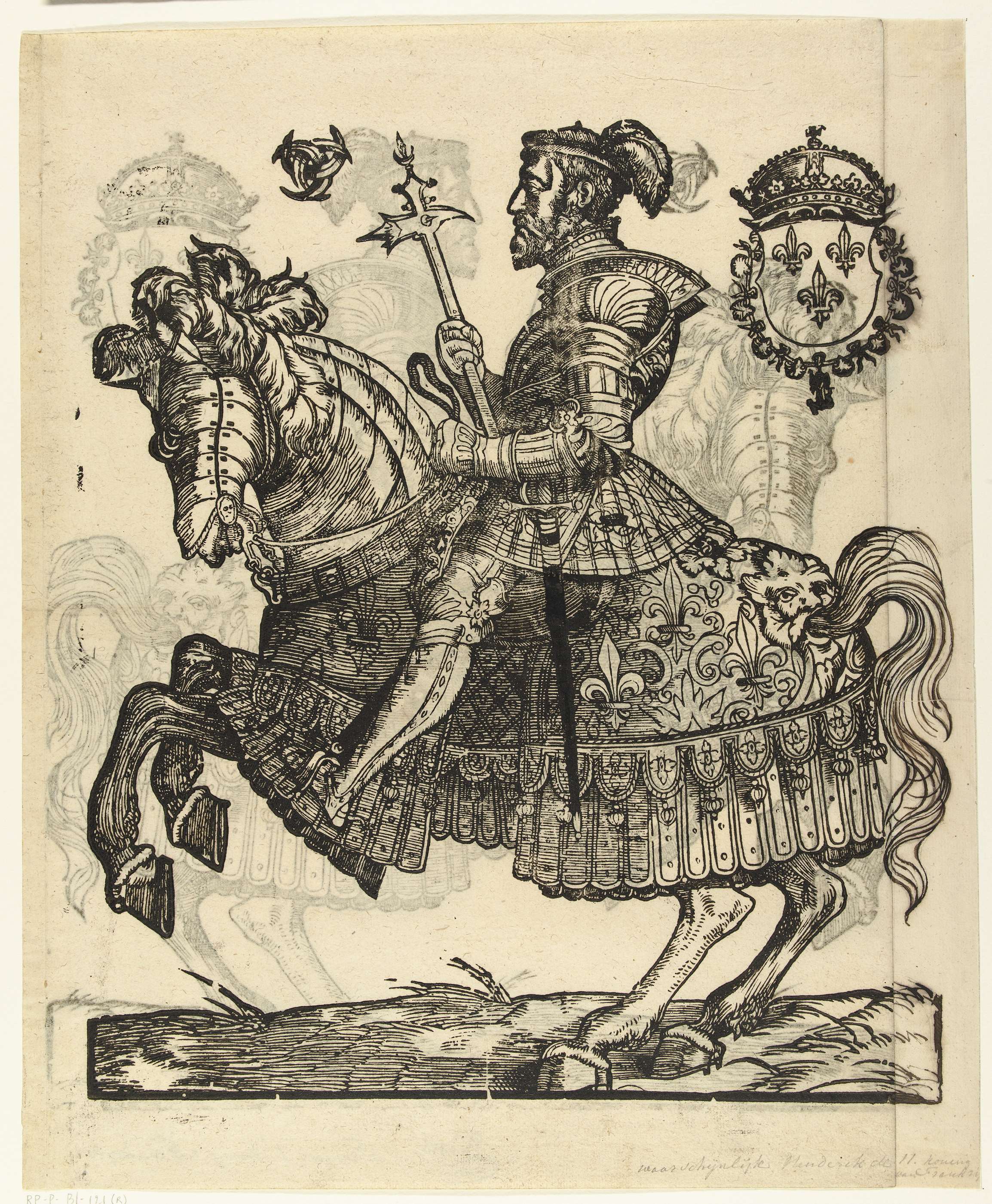
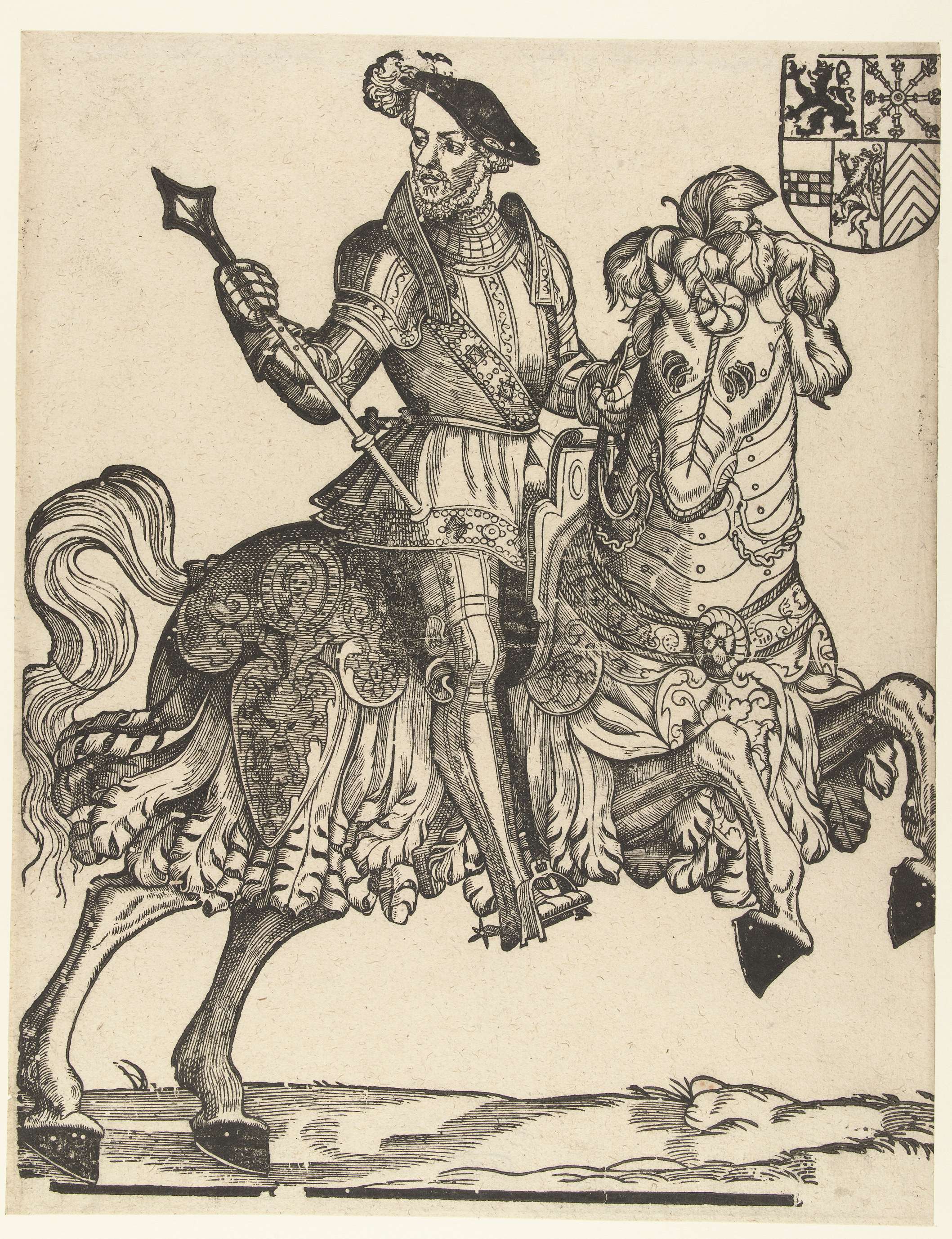
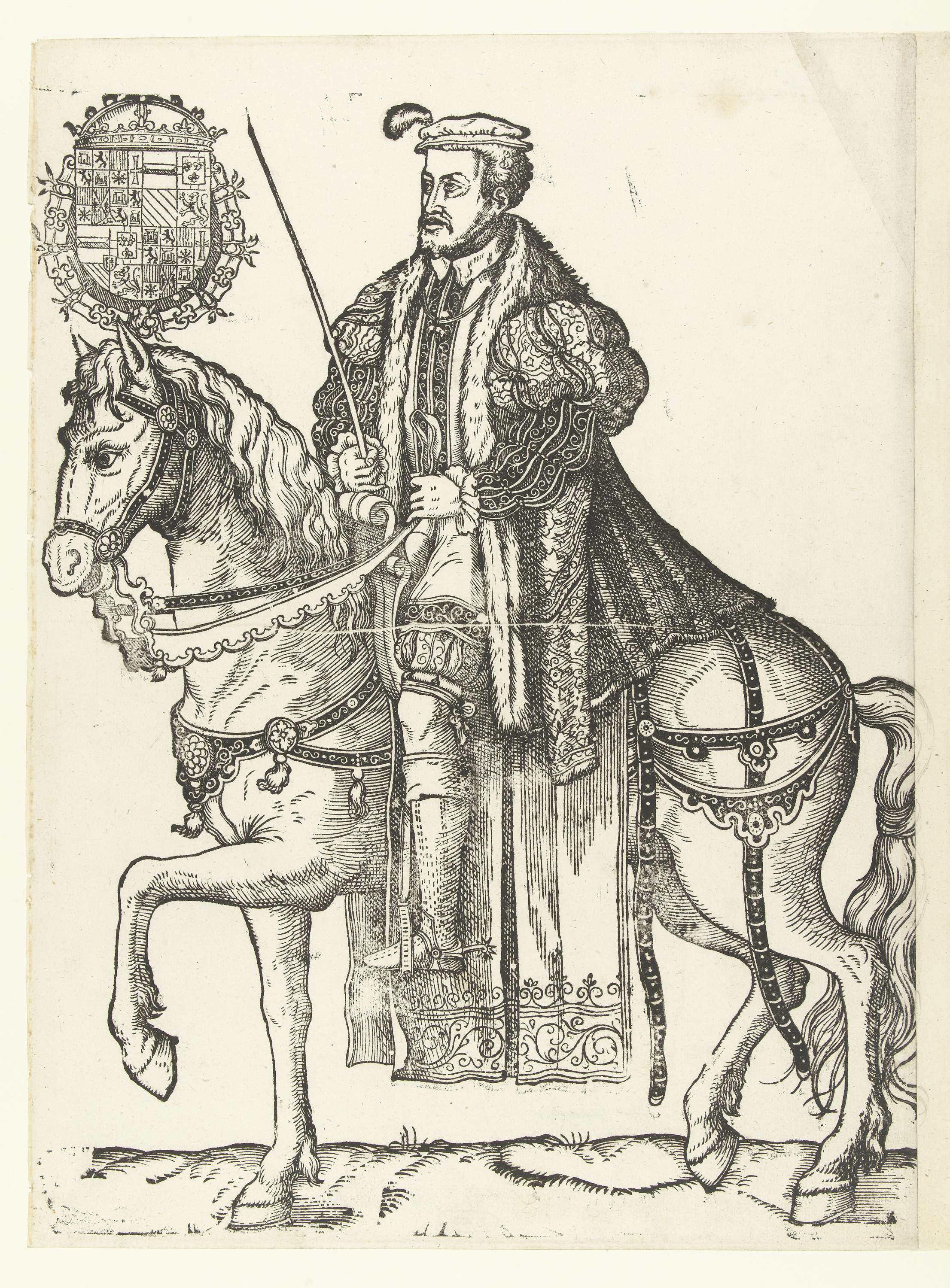
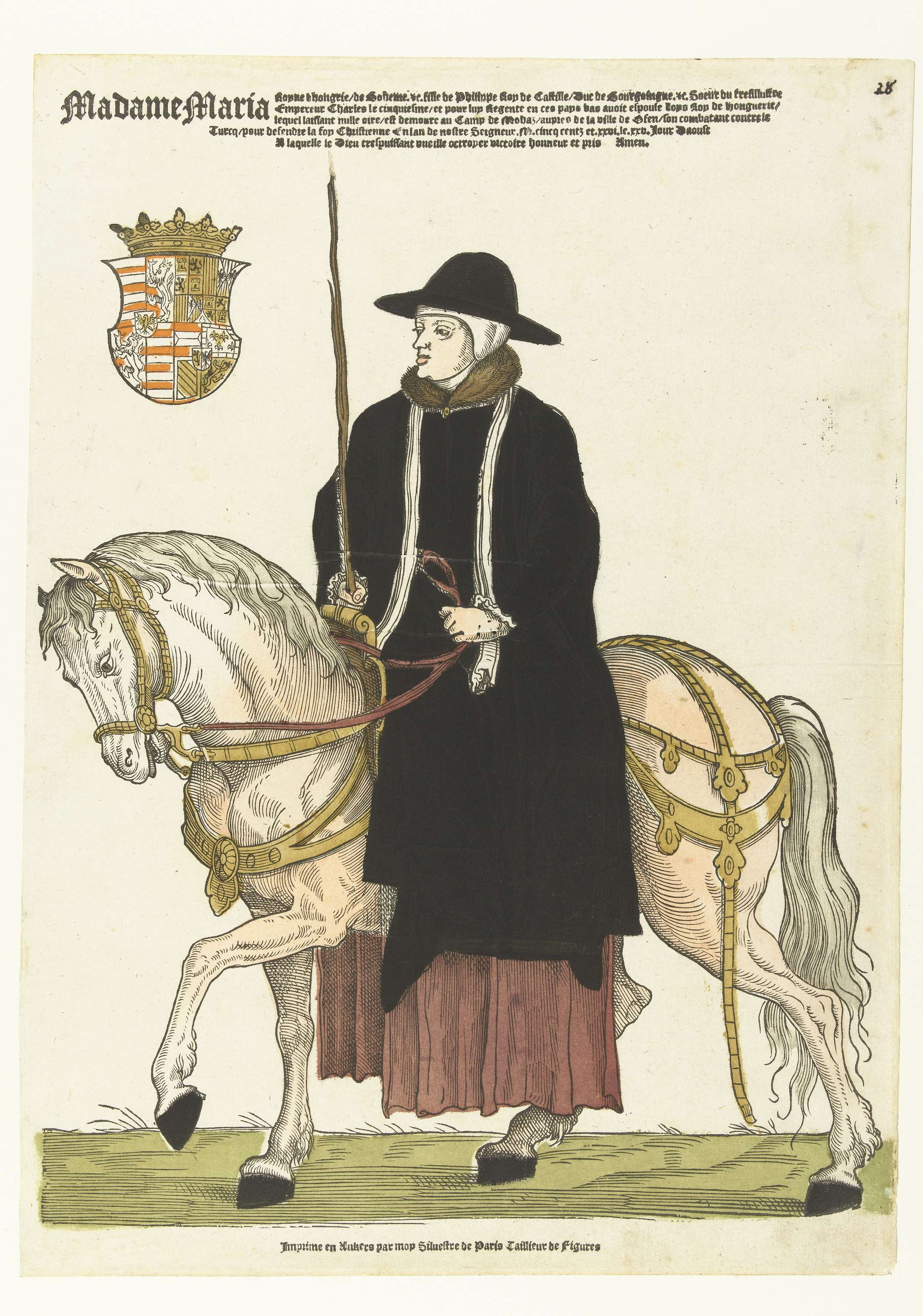
Portret van Hendrik VIII van Engeland — History & Analysis
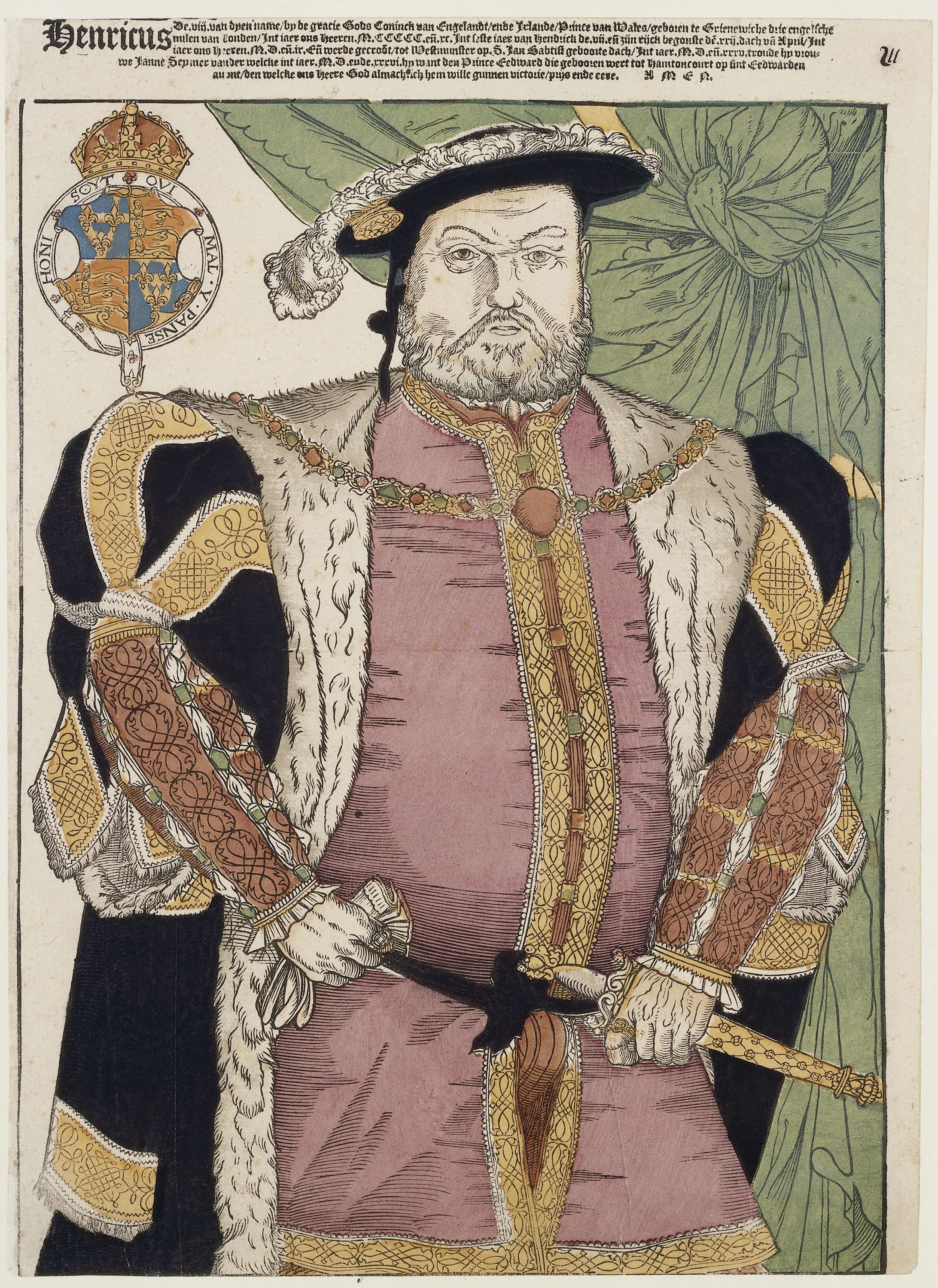
“Sometimes beauty is just pain, disguised in gold.” This sentiment lingers in the air, drawing an invisible line between the grandeur of a crown and the weight of a kingdom's expectations. In the depths of a painter's palette lies the truth of ambition, painted with an exquisite hand yet shadowed by the complexities of humanity. Focus first on the imposing figure at the center, draped in opulent fabrics that gleam with rich hues of crimson and gold. The intricate details of the robe contrast sharply with his stern expression, an invitation to explore the juxtaposition of power and vulnerability.
Notice how the light cascades across the ornate collar, illuminating each carefully crafted embellishment, while the darker tones of the background emphasize the isolation that often accompanies such stature. Within this portrait, layers of meaning unfurl like the folds of the garments. The king's gaze, both regal and contemplative, speaks volumes about the burdens he bears—each brushstroke a reminder of the past's glory and future's uncertainties. The subtle tension between his confident pose and the hint of weariness in his eyes suggests a man ensnared by his own legacy, where dreams may shimmer but are often entwined with sacrifice.
Cornelis Anthonisz. painted this striking portrait between 1538 and 1548, during a period when the artist was deeply involved in the thriving cultural life of Amsterdam. In a Europe grappling with political change and religious upheaval, the work reflects not just the individual but the larger tides of history, capturing the essence of a monarch who was as much an architect of his dreams as a prisoner of his reign.