Portret van Karel V te paard — History & Analysis
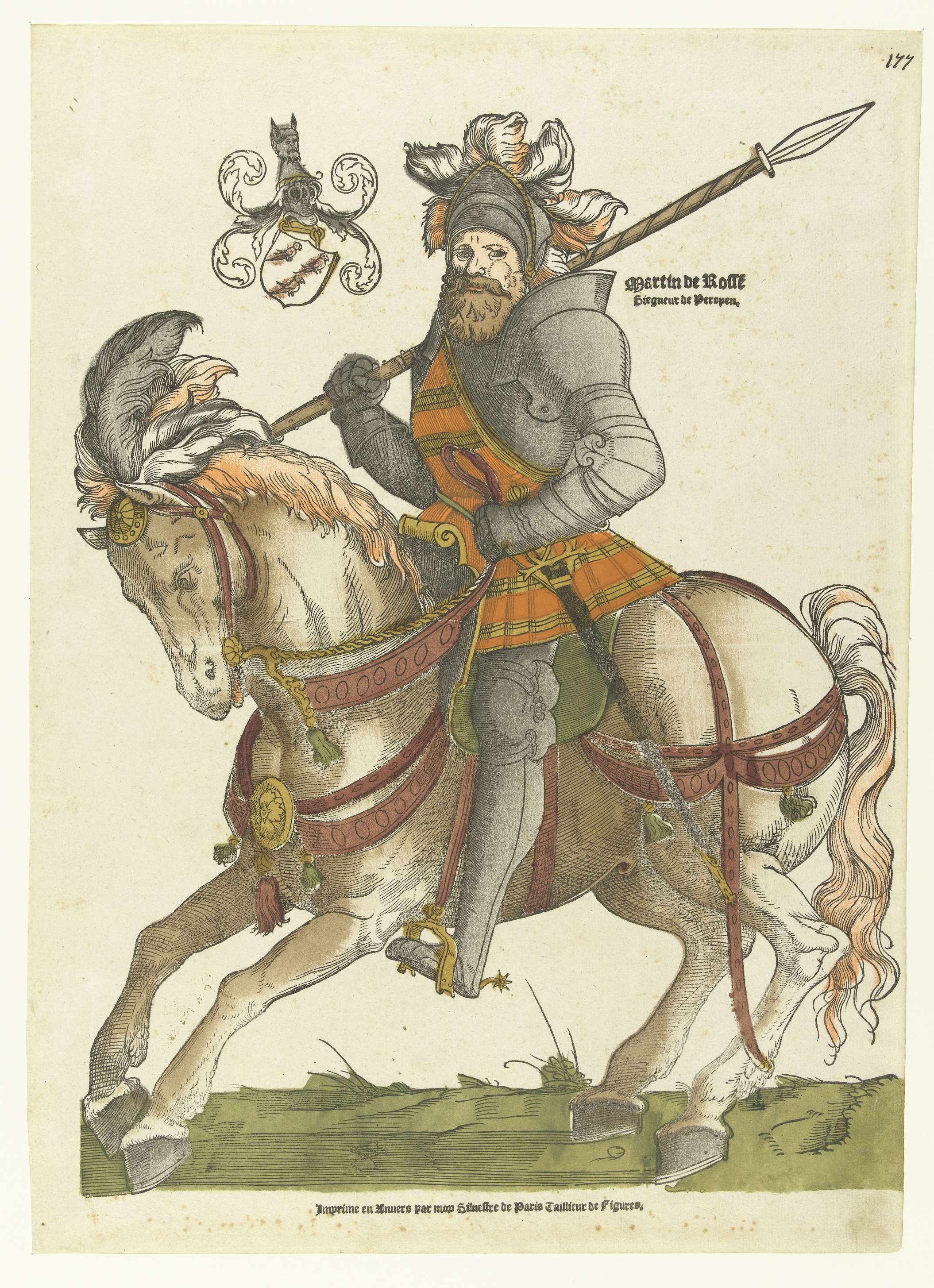
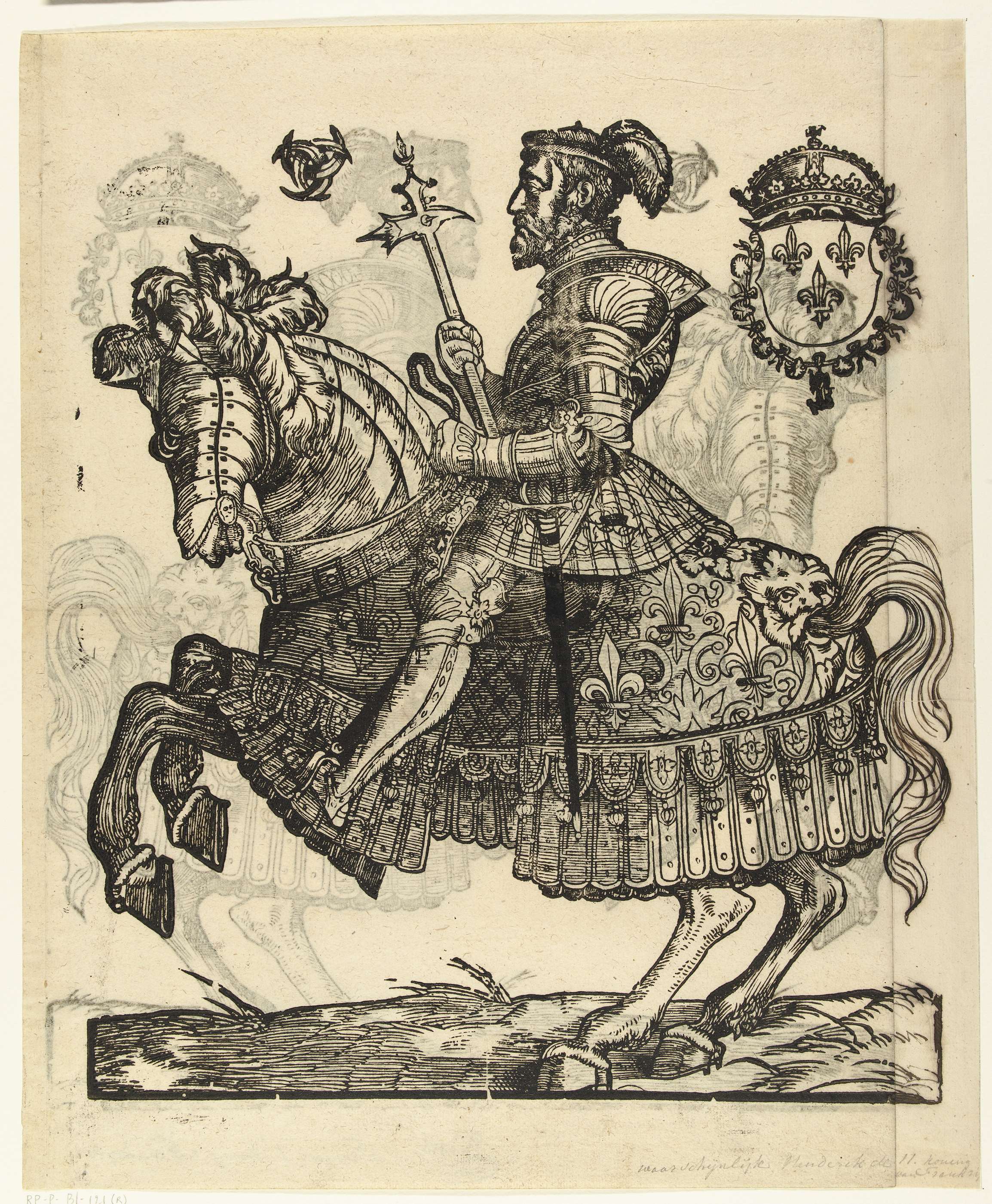
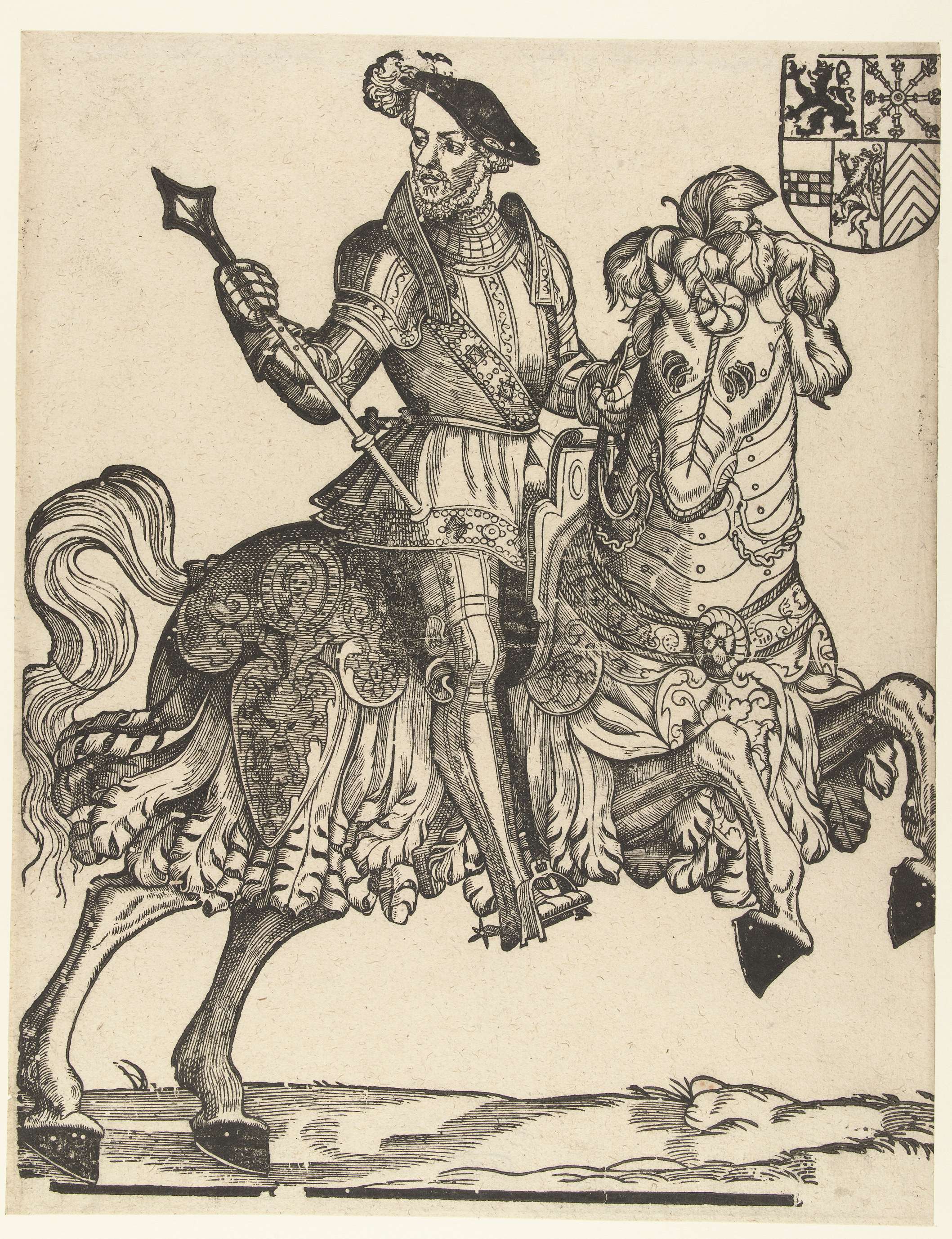
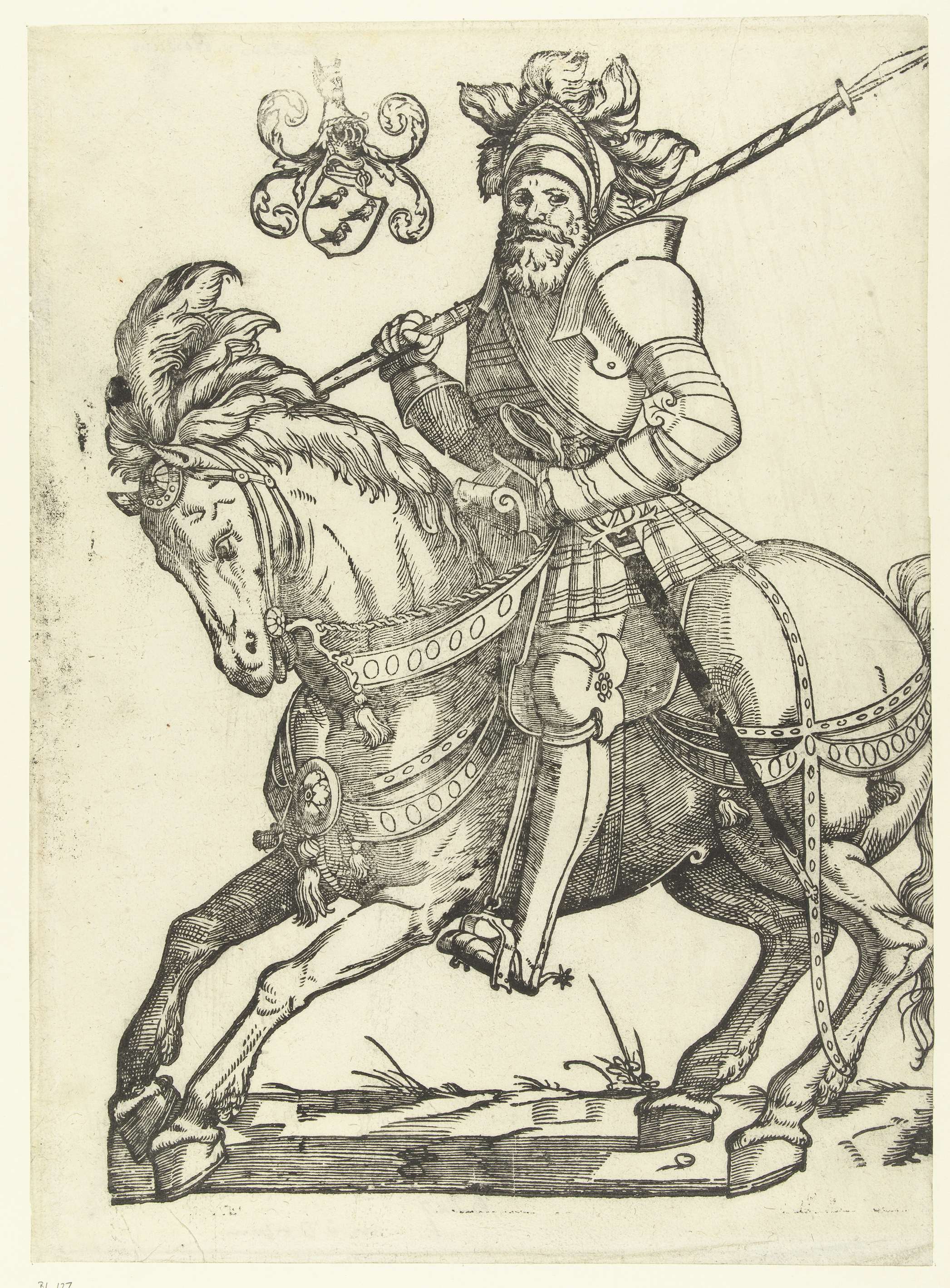
“Sometimes beauty is just pain, disguised in gold.” This profound sentiment echoes through the regal representation of a powerful figure, a portrait that bridges valor and an undercurrent of melancholy. Look to the right at the commanding presence of Karel V, mounted proudly upon his steed. The meticulous detail of the armor glints under the subtle illumination, showcasing the artist’s deft hand in rendering metallic textures. Notice how the muted earth tones of the landscape contrast with the vibrant, royal attire, emphasizing the duality of nobility and the weight of leadership.
The horse’s stance, poised yet restless, encapsulates the tension between power and vulnerability. The painting whispers of a complex inner world, one where glory and isolation coexist. The king's downcast gaze suggests a burden carried beneath the crown, a reminder of the heavy responsibilities that accompany greatness. Additionally, the lush background hints at a realm waiting to be conquered, yet the stillness of the moment evokes a sense of hesitant contemplation, as if the ruler recognizes the cost of ambition and the solitude it can breed.
Created between 1538 and 1542, this portrait emerged during a period of significant political upheaval and artistic evolution in Europe. Anthonisz, working in the Netherlands, was deeply influenced by the burgeoning Renaissance ideals, which emphasized the representation of individual character and emotion. This work not only reflects Karel V's status as a formidable leader but also encapsulates the tension of the era—an age grappling with power, identity, and the inexorable march of time.