Portret van Maria van Hongarije te paard — History & Analysis
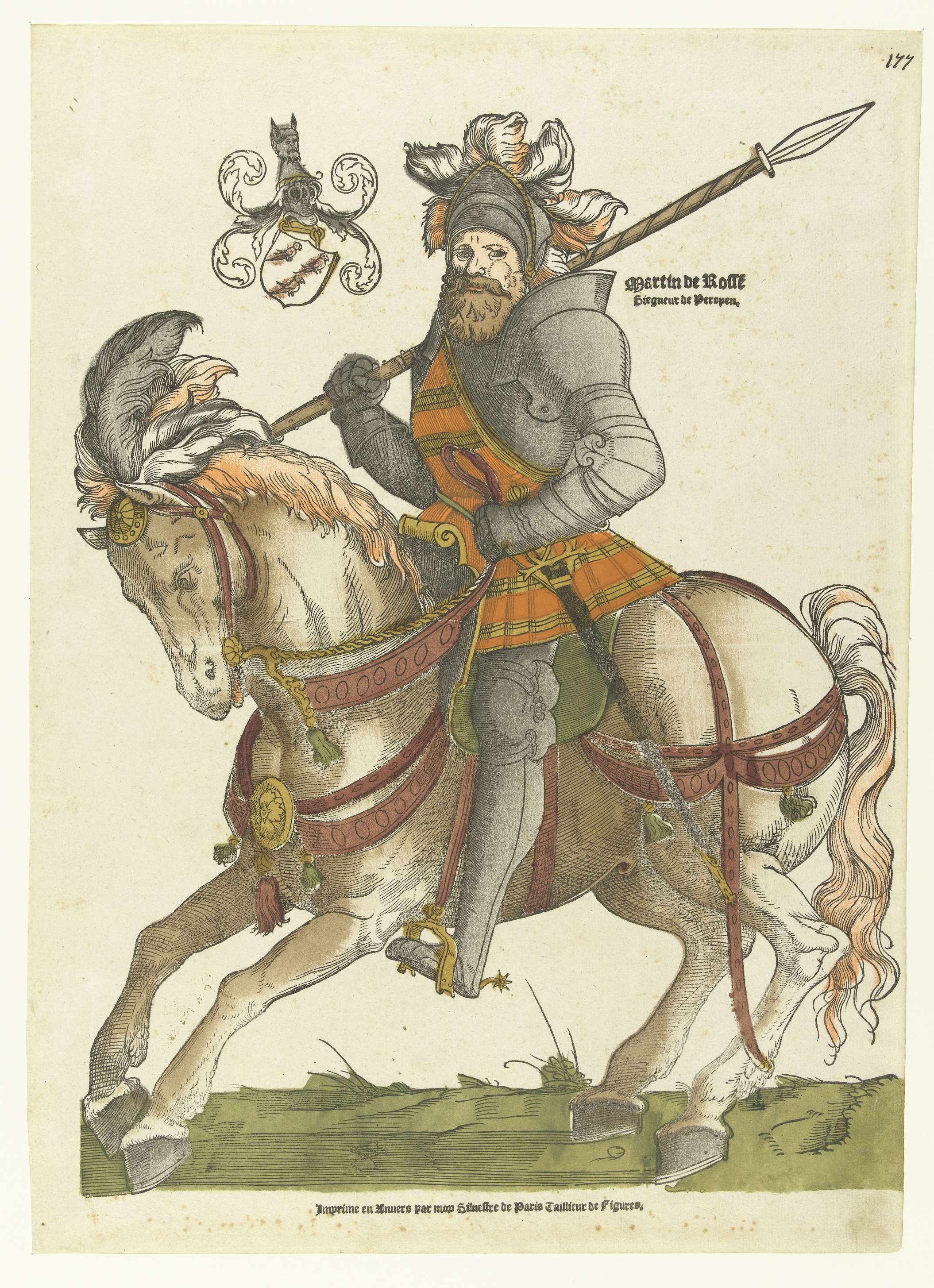
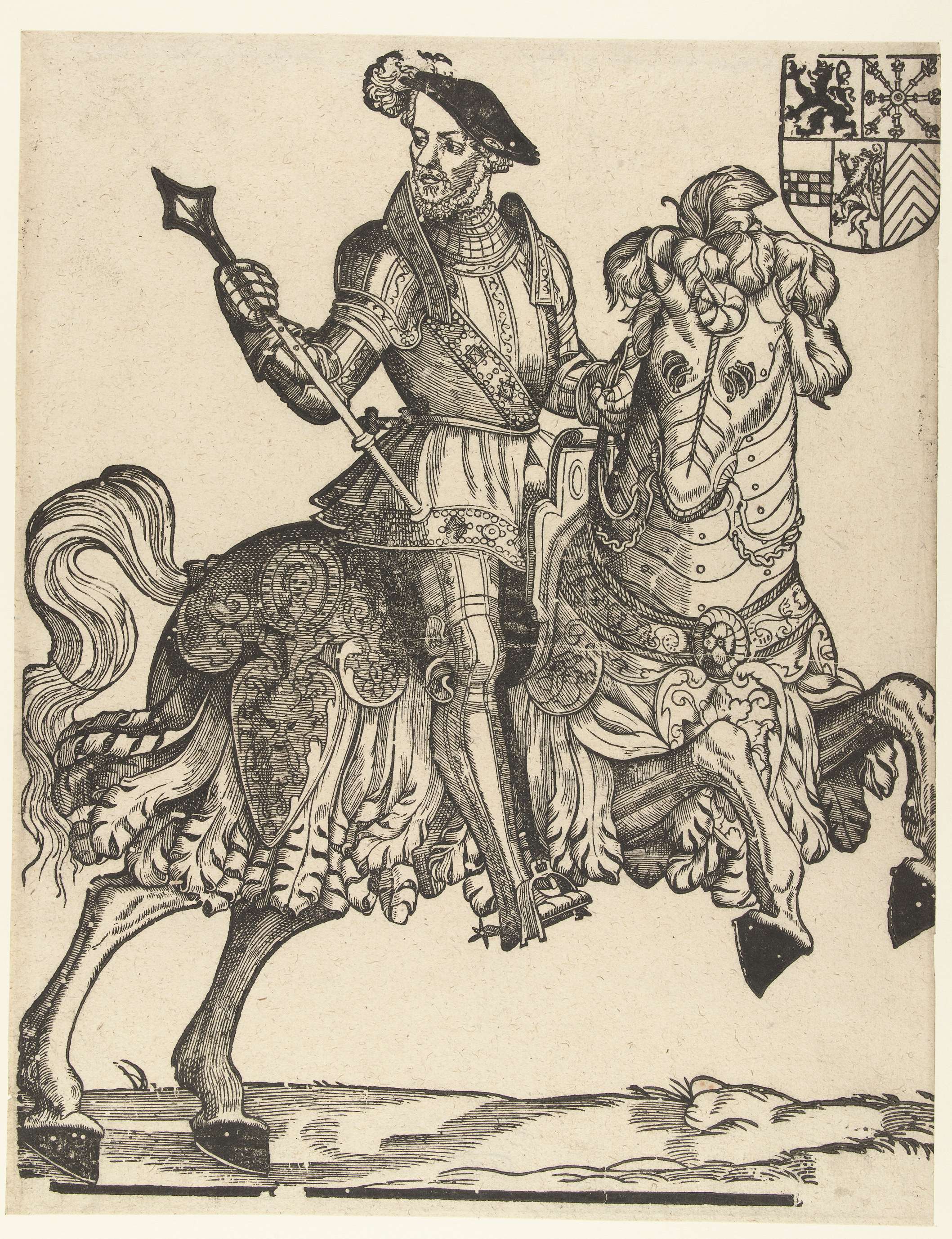
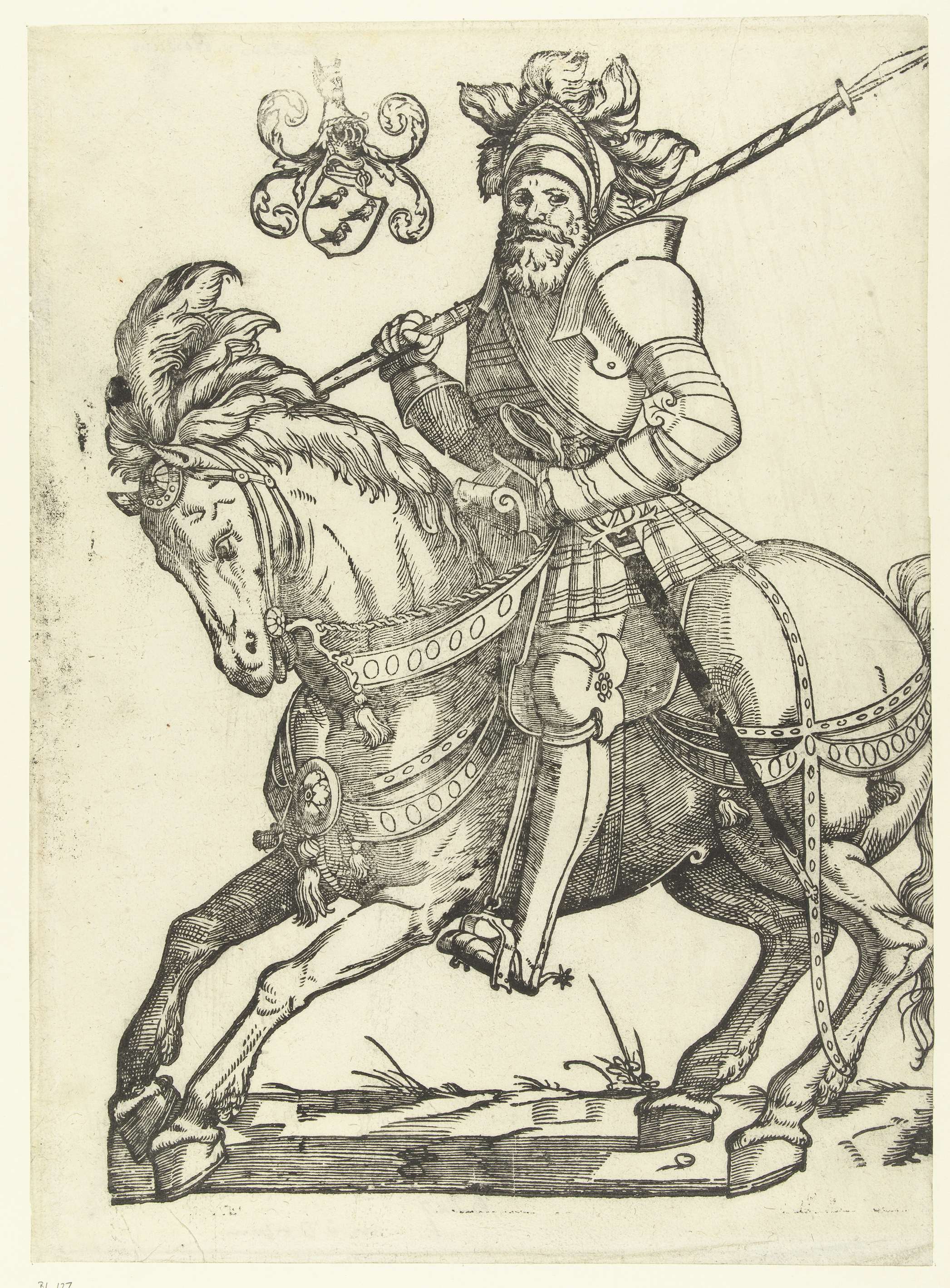
Can beauty exist without sorrow? In Portret van Maria van Hongarije te paard, serene grace is entwined with an unspoken melancholy, inviting contemplation on the duality of existence. Focus on the poised figure of Maria, her form elegantly seated atop a powerful steed. The meticulous detailing of her ornate garments, rich in color and texture, draws the eye, while the soft light gently caresses her face, highlighting her noble features. The background fades into an ethereal landscape, where muted tones suggest a world beyond, almost whispering secrets of her regal life, leaving viewers to ponder the distance between her reality and her aura of tranquility.
Yet, beneath the surface of this portrait lies a tension that speaks to both power and vulnerability. Maria's expression embodies a quiet strength, but her downcast gaze elicits questions of her inner world. The horse, a symbol of nobility and freedom, stands still, grounding the serene image in its own silent strength, hinting at the burdens that accompany her status. Together, they evoke a harmonious balance of control and surrender, illustrating the complex interplay of beauty and sorrow.
Cornelis Anthonisz. created this work between 1538 and 1553, amidst a period marked by shifting political landscapes and artistic innovation in the Northern Renaissance. As he painted, the world was evolving, and so was the role of portraiture, increasingly becoming a means to reflect individual identity and power. This rich historical context adds depth to how we perceive Maria's portrait, infusing it with layers that resonate with the viewer long after they leave the canvas behind.