Allegorie op de Vrede van Westfalen, 1648 — History & Analysis
Could a single brushstroke hold eternity? In Allegorie op de Vrede van Westfalen, Wenceslaus Hollar masterfully captures the delicate interplay of light and symbolism, inviting us to reflect on the profound significance of peace amidst chaos. Look to the center of the composition, where the radiant light streams down, illuminating the figures gathered in a rich tapestry of muted colors. Notice how the soft greens and deep blues harmonize, creating a tranquil backdrop against which the allegorical figures emerge. Each character is meticulously detailed, their gestures and expressions conveying a sense of hope and resolution.
The careful arrangement guides the viewer's eye, leading us through the complex narrative woven into this historic moment. Delve deeper into the subtle contrasts that pulse through the artwork. The juxtaposition of light and shadow serves not only to enhance the figures but also to symbolize the duality of conflict and harmony. The ethereal glow seems to envelop the images of war-torn elements, transforming them into a vision of reconciliation.
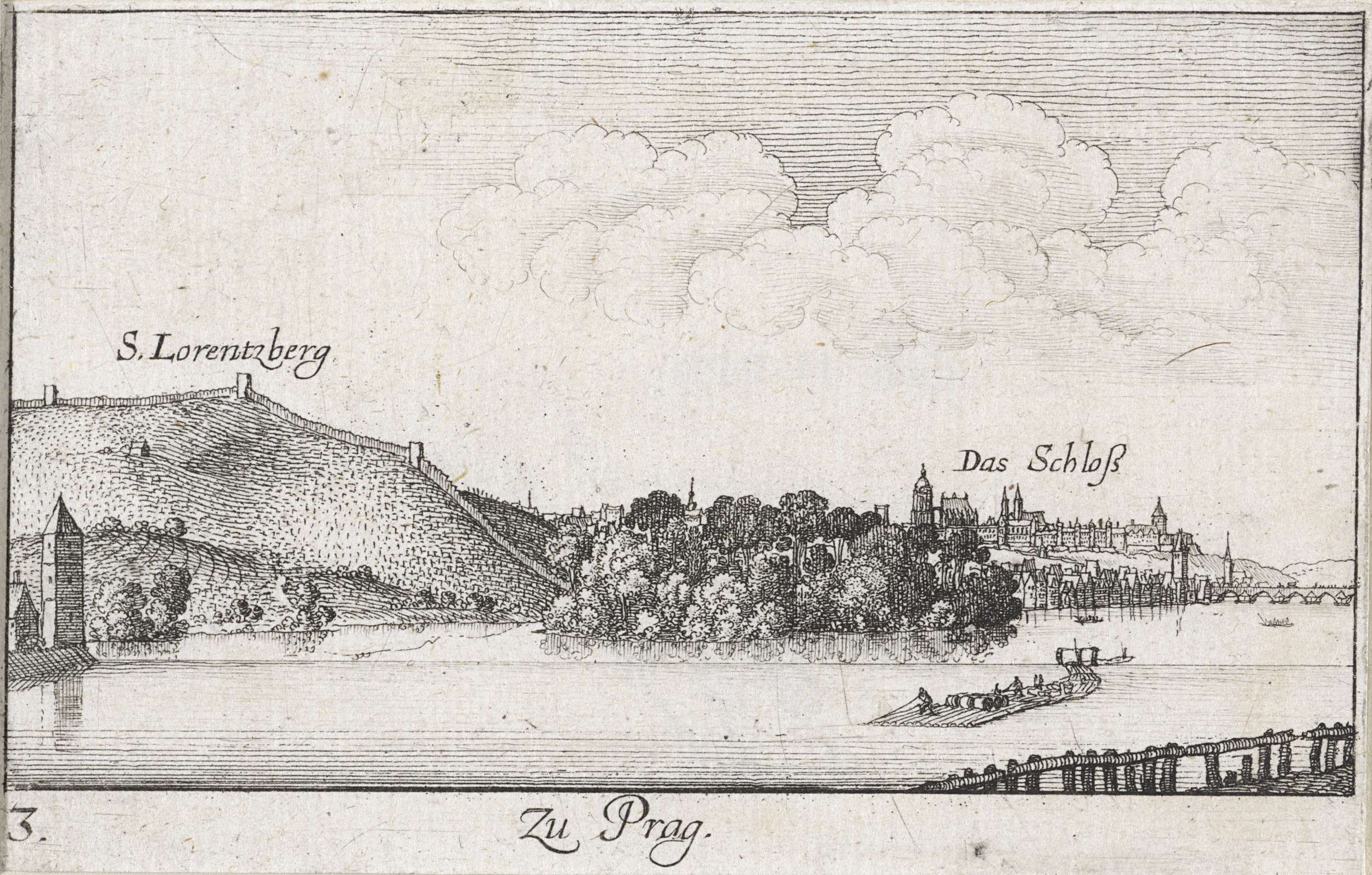
Each intricate motif—like the olive branch and the dove—whispers of aspirations for a brighter future, offering a poignant reminder of the fragility of peace. In 1648, Hollar was in the thick of artistic turmoil, having fled to Amsterdam from his native Prague due to the Thirty Years' War. This period marked a turning point in his career, as Europe grappled with the aftermath of conflict. The creation of this piece, coinciding with the signing of the Peace of Westphalia, reflected both a personal and collective yearning for stability, allowing Hollar to articulate a universal message through the lens of his own experiences.