Allegorie op het huweljk tussen prins Willem II en Maria Stuart, 1641 — History & Analysis
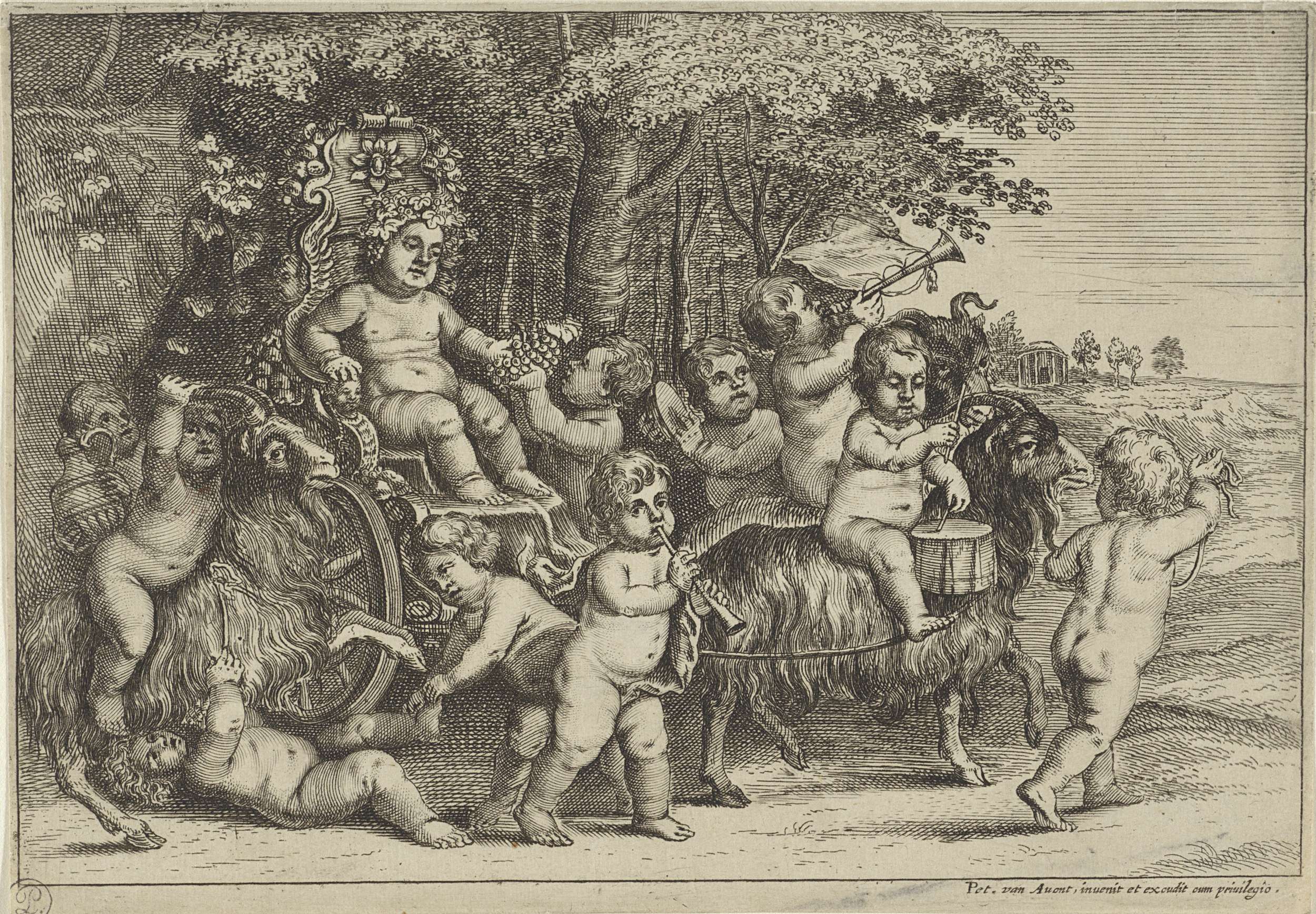
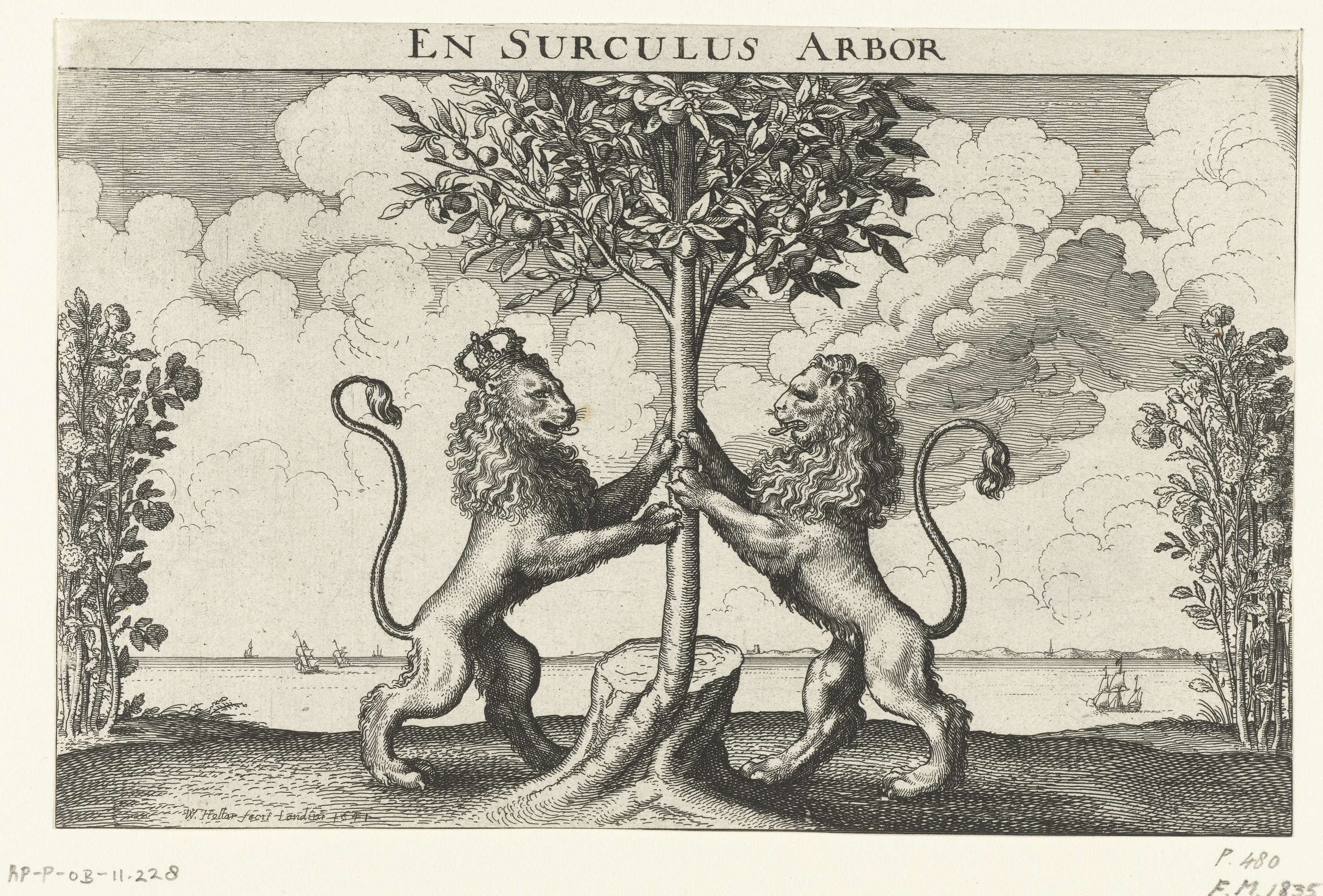
When did color learn to lie? The delicate dance between truth and illusion weaves itself through the vibrant imagery of a marriage celebration, revealing the paradox of appearances. Look closely at the figures encircling the central couple; your eyes will be drawn first to the intricate patterns of their garments. The artist employs a rich palette of reds and golds that shimmer with opulence, yet beneath the surface lies a tension between reality and representation.
Notice how the light catches the gilded edges and enhances the ethereal quality of the scene, pulling you deeper into the jubilant atmosphere while simultaneously hinting at the artifice of the celebration itself. Amidst the festivity, hidden meanings emerge. The ornate details on the figures’ clothing illustrate the grandeur expected from a royal union, yet the exaggerated characteristics of the allegorical figures suggest a critique of the very ideals they symbolize. The jovial expressions teeter on the edge of irony, as the viewer senses a deeper narrative of political maneuvering and the complexities of duty versus desire.
It begs the question: do these colors reveal or obscure the true nature of the event they commemorate? Wenceslaus Hollar crafted this work in 1641, a time when he was residing in Amsterdam, having fled his native Prague. The artist was deeply engaged with the Baroque style and was influenced by the burgeoning techniques of printmaking, which allowed him to merge intricate detail with dramatic composition. This piece reflects not only a significant royal alliance but also the broader cultural and political landscape of 17th-century Europe, where art became a medium for both celebration and reflection on societal truths.