Along The Hudson — History & Analysis
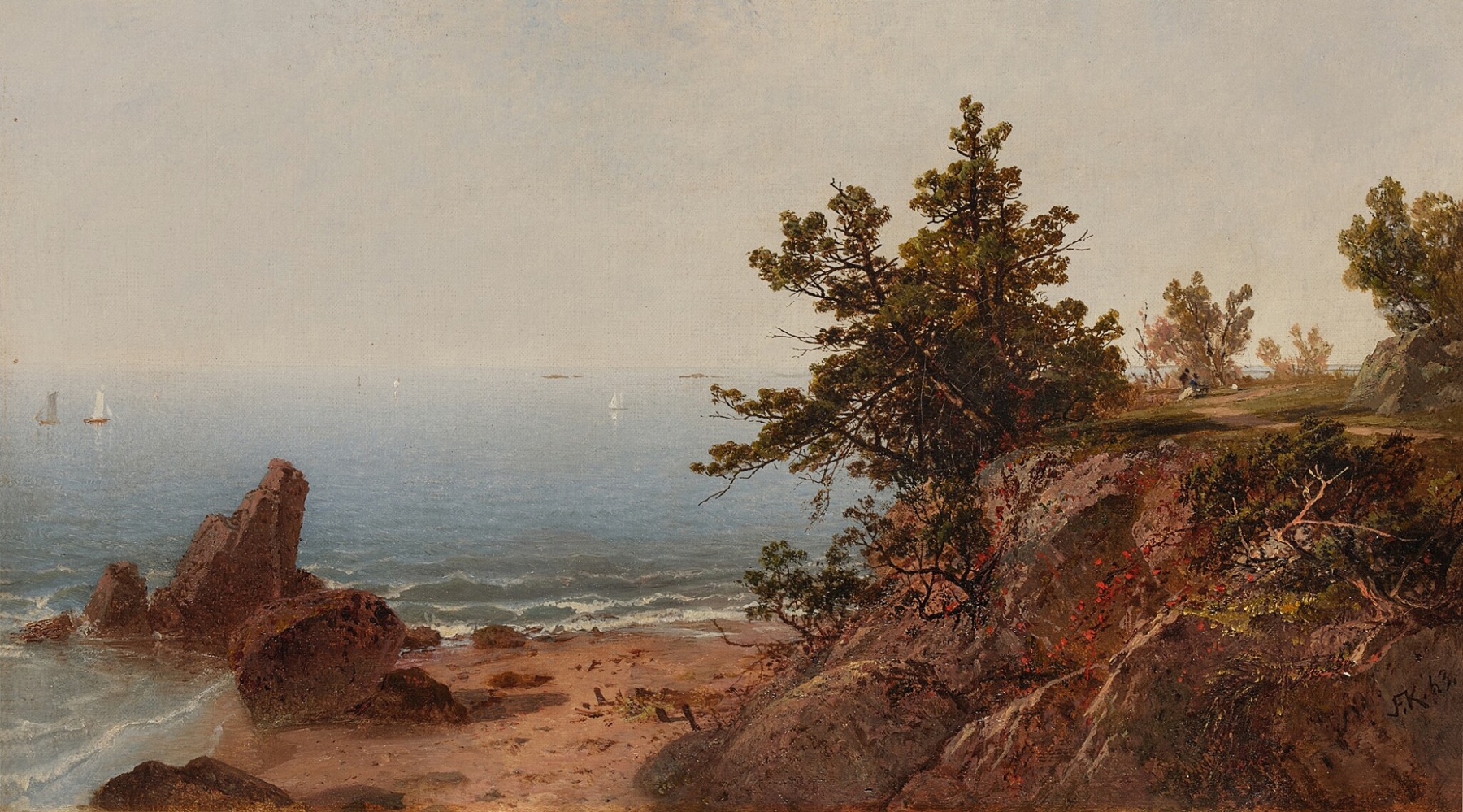
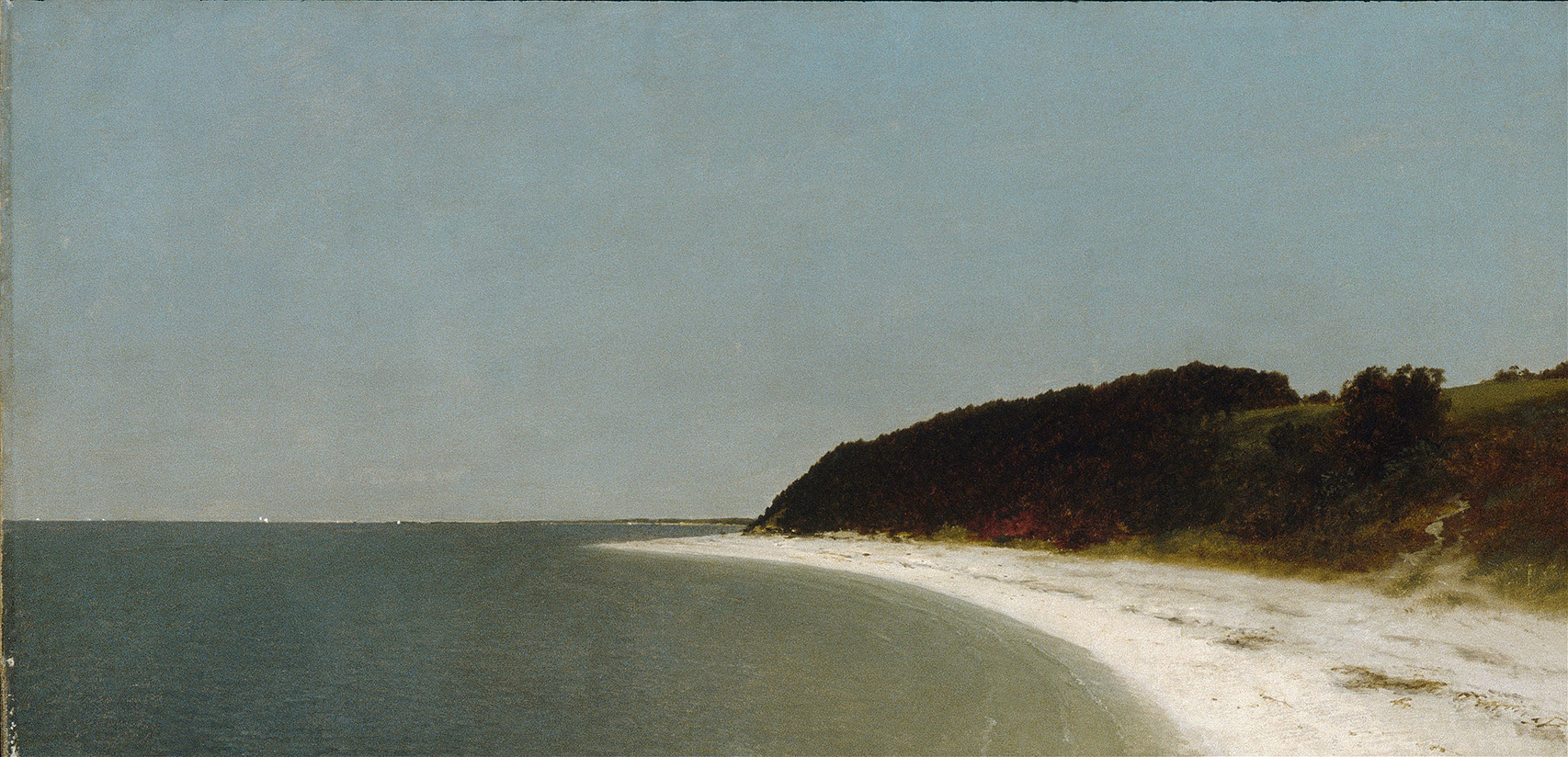
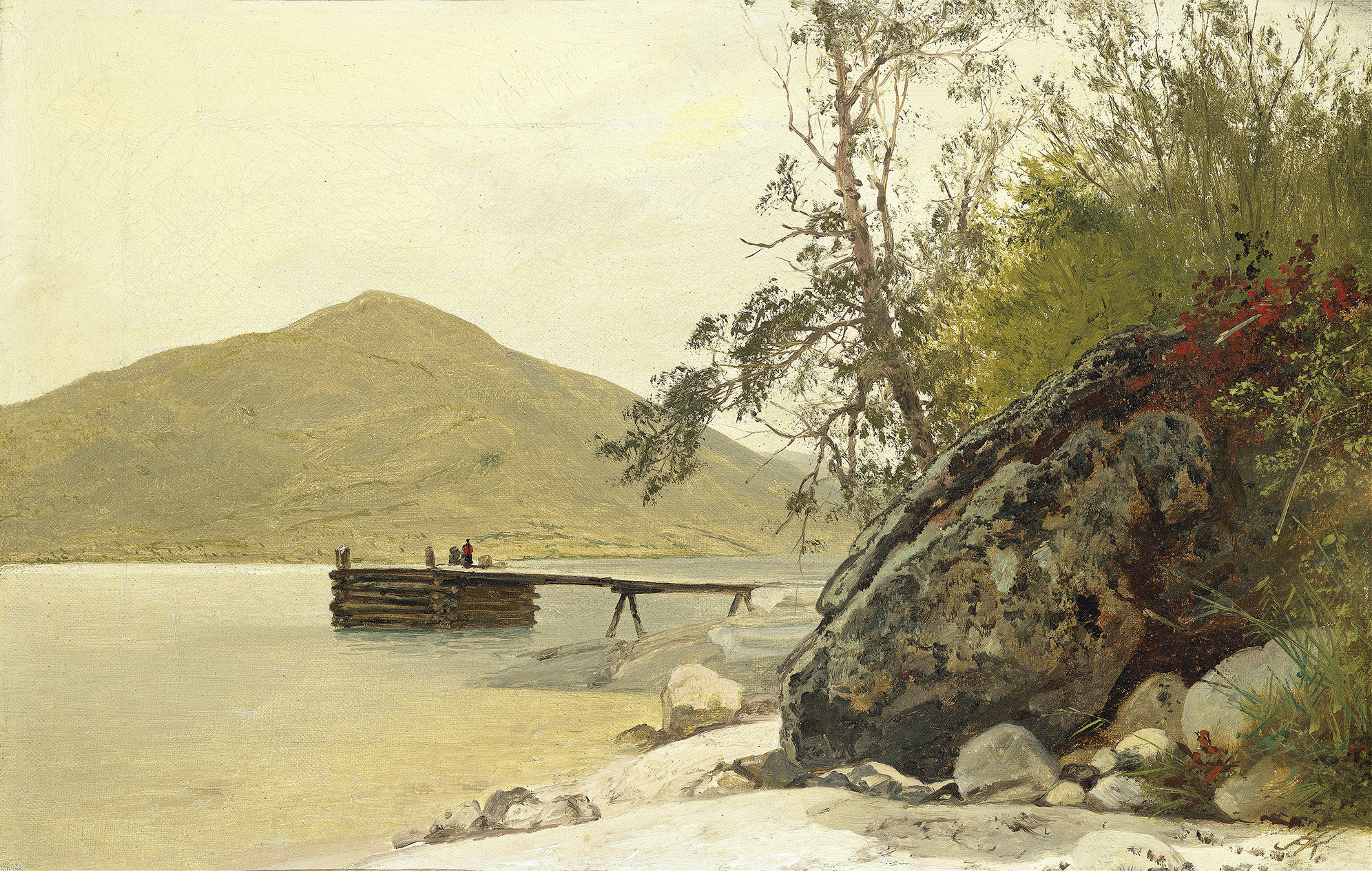
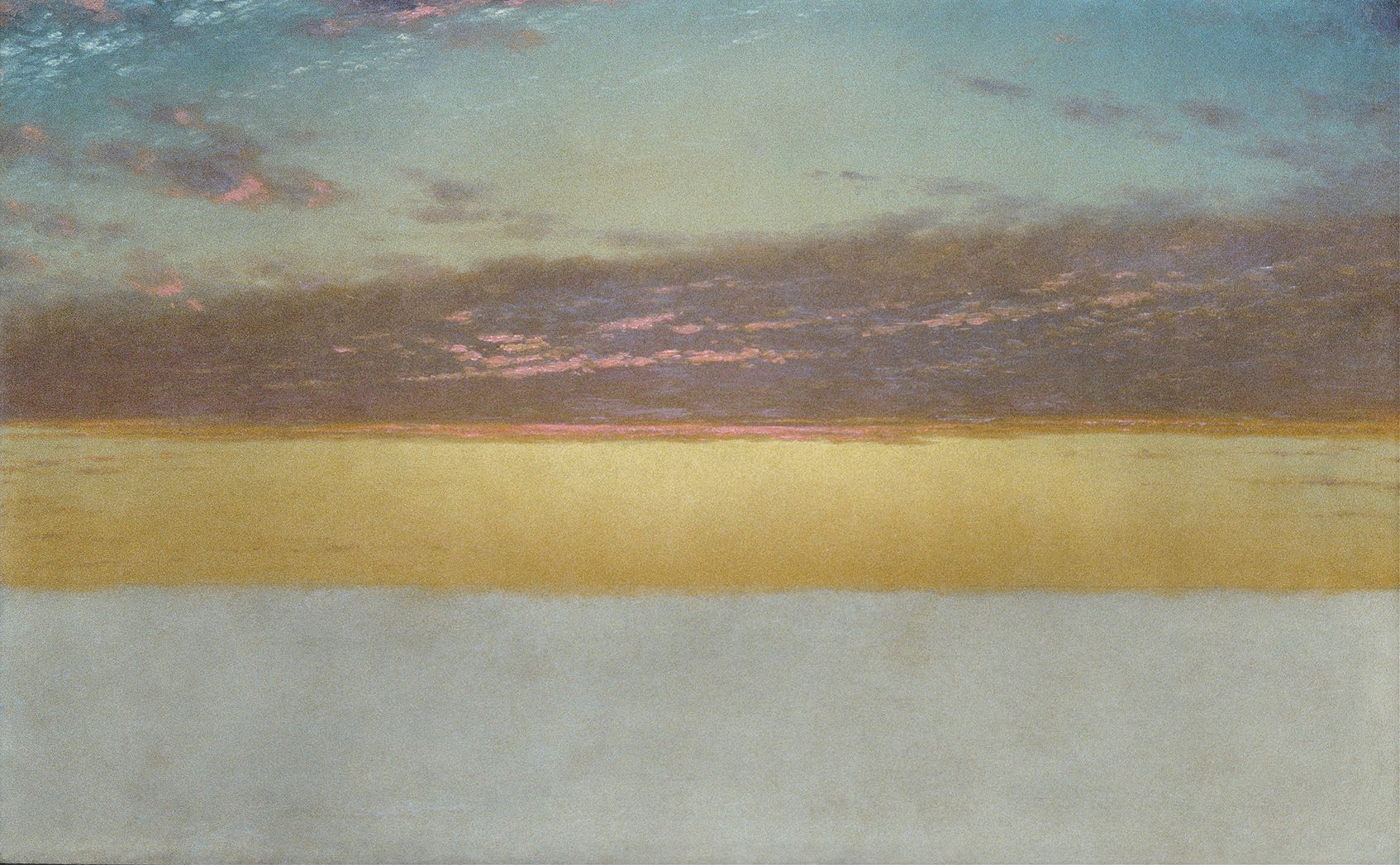
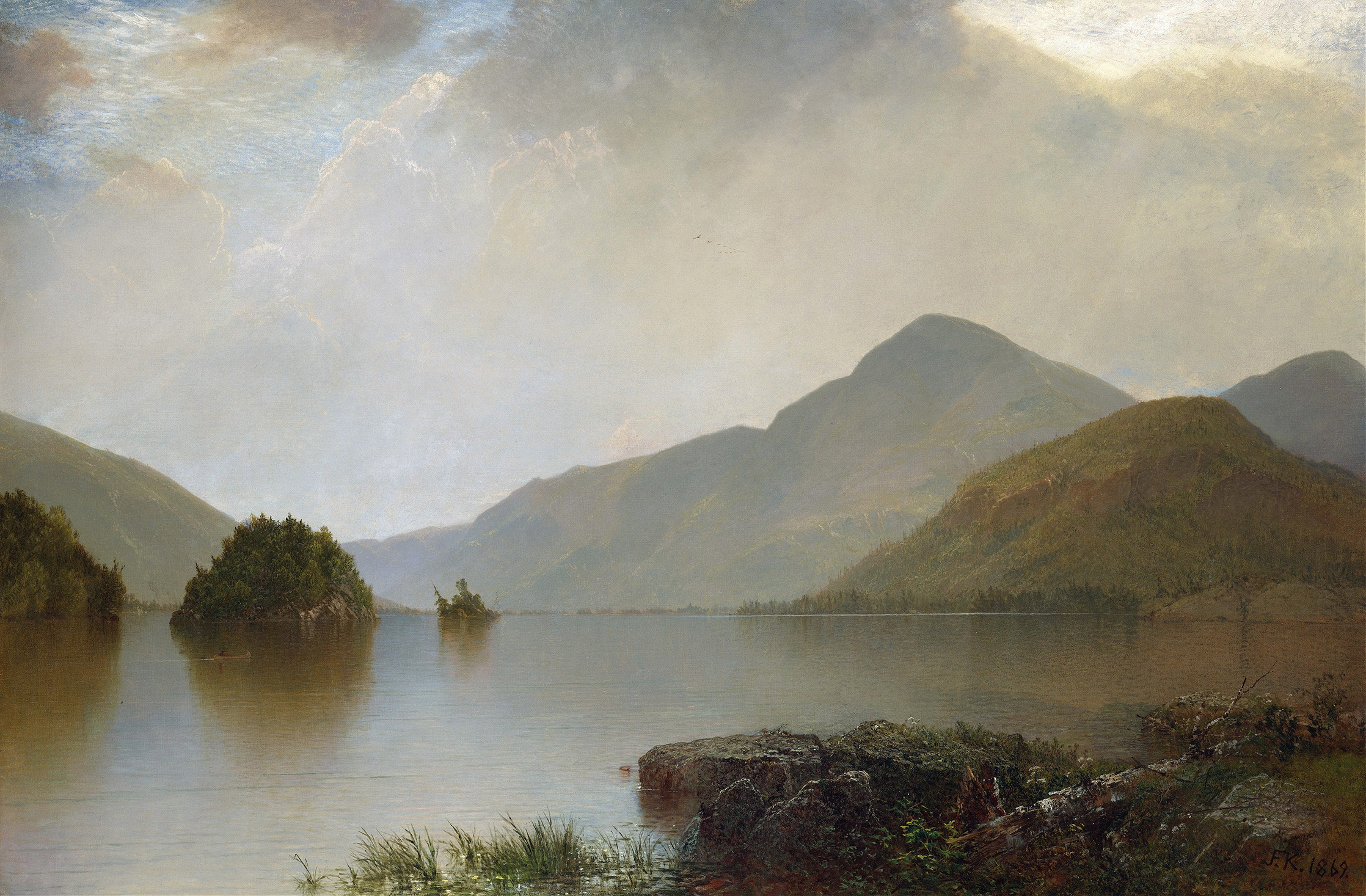
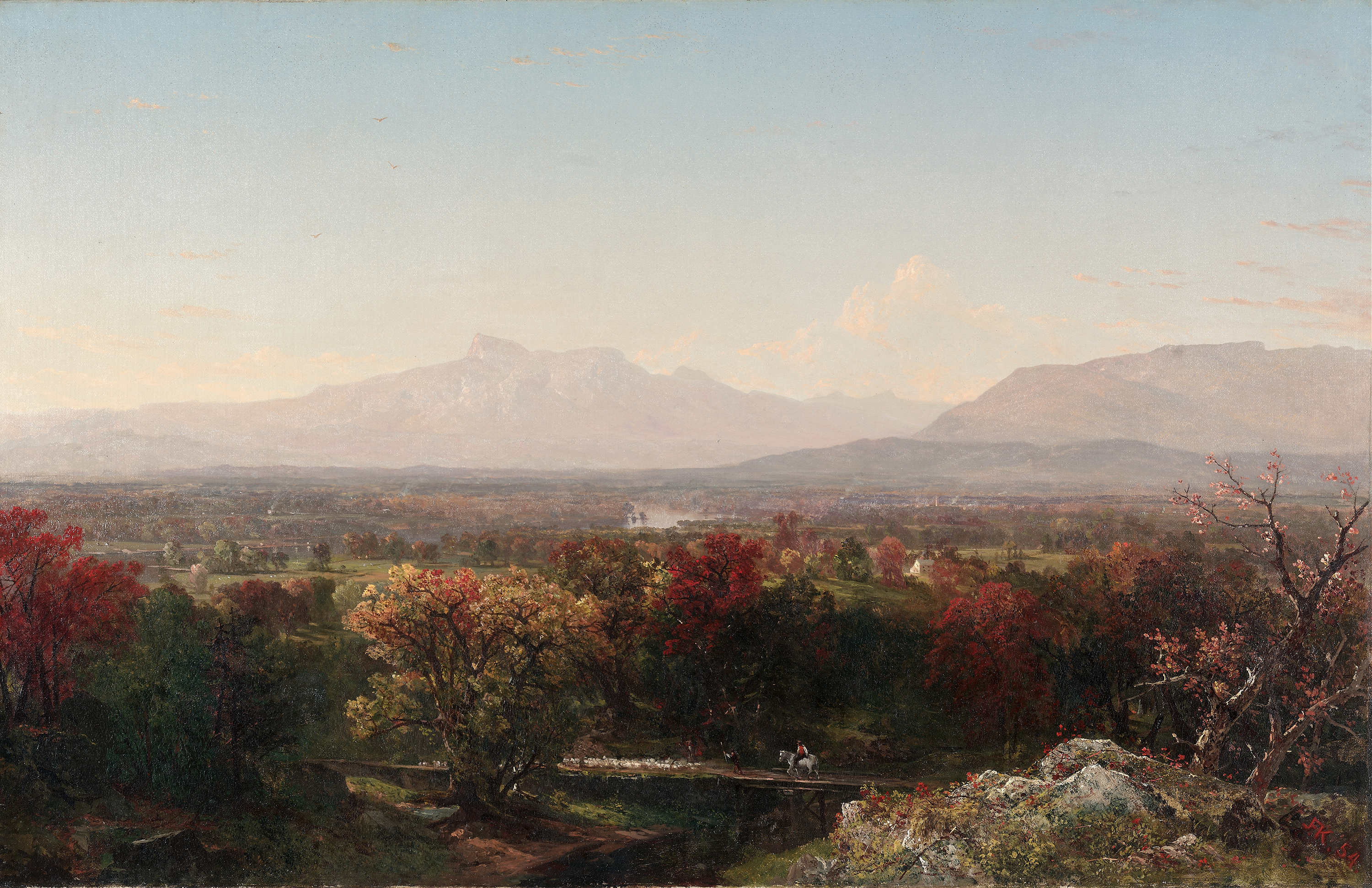
Who listens when art speaks of silence? In Along The Hudson, a serene landscape unfolds, inviting contemplation of the quiet moments that define our destinies. Look to the gentle river winding through the canvas, reflecting soft hues of blue and gold. The horizon glows with a wash of warm light, indicating the approach of dusk. Notice how the artist deftly captures the interplay of light and shadow, with majestic trees stretching their limbs toward the sky, their leaves a riot of greens, whispering secrets to the evening air.
The composition feels balanced, a harmonious blend of nature's elements that encourages the viewer to pause and breathe. In this tranquil scene, the stillness is palpable, yet it hints at a deeper tension—the relentless passage of time. The river, a symbol of continuity, flows steadily beneath the looming cliffs, a reminder of life’s inevitable changes. The soft, ethereal clouds above suggest the transient beauty of nature, evoking a sense of both peace and melancholy.
Each brushstroke encapsulates a moment, yet also raises questions about the journey that lies ahead, reflecting the intersection of fate and choice. Painted in 1852, during a period of burgeoning American Romanticism, the artist was immersed in the exploration of nature's beauty and its spiritual dimensions. Kensett, associated with the Hudson River School, sought to evoke emotional responses through landscape, capturing the essence of his surroundings. This work emerged at a time when American identity was being shaped, reflecting a deep appreciation for the land and a desire to convey its profound impact on human experience.