Alpine Landscape — History & Analysis
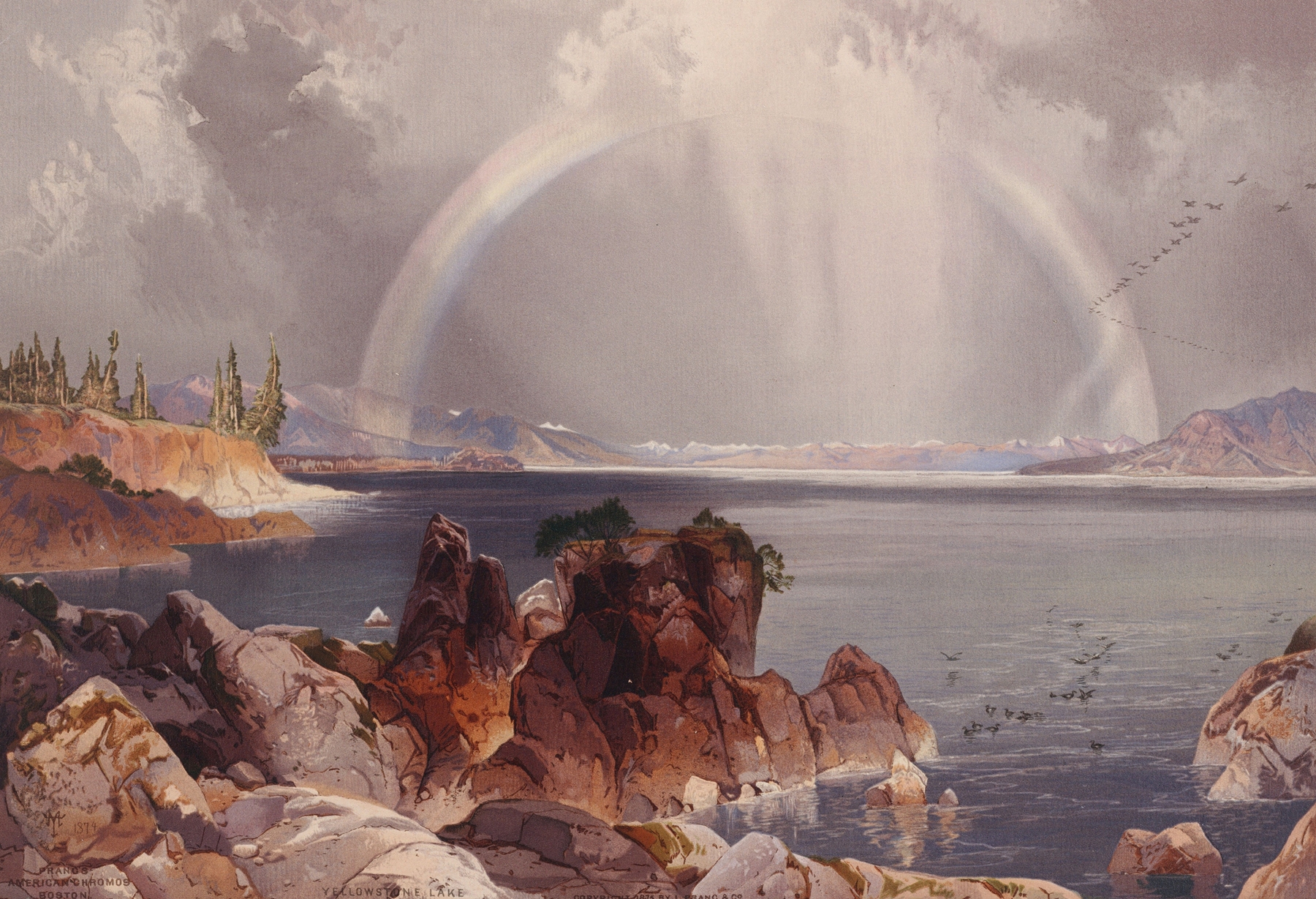
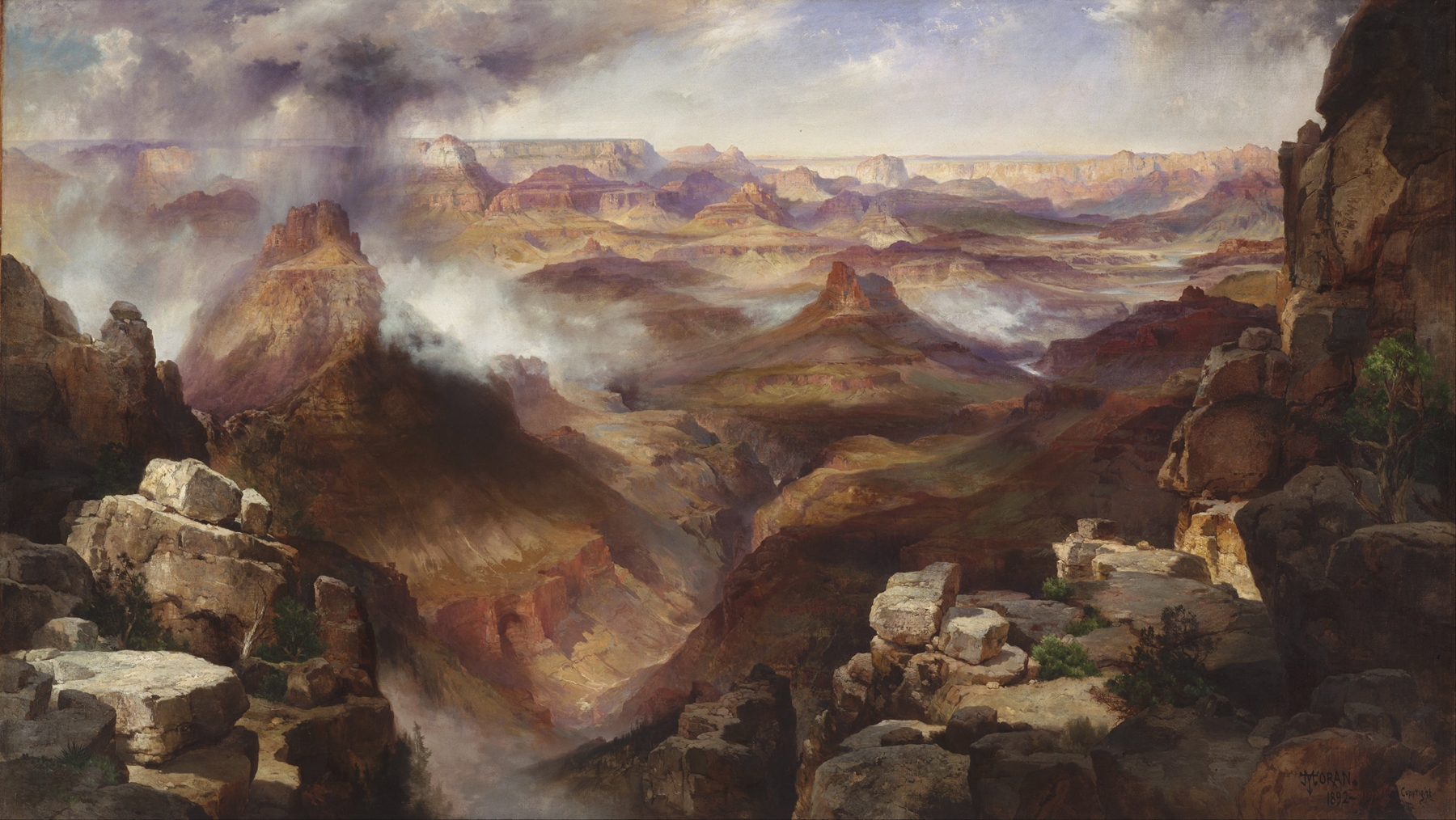
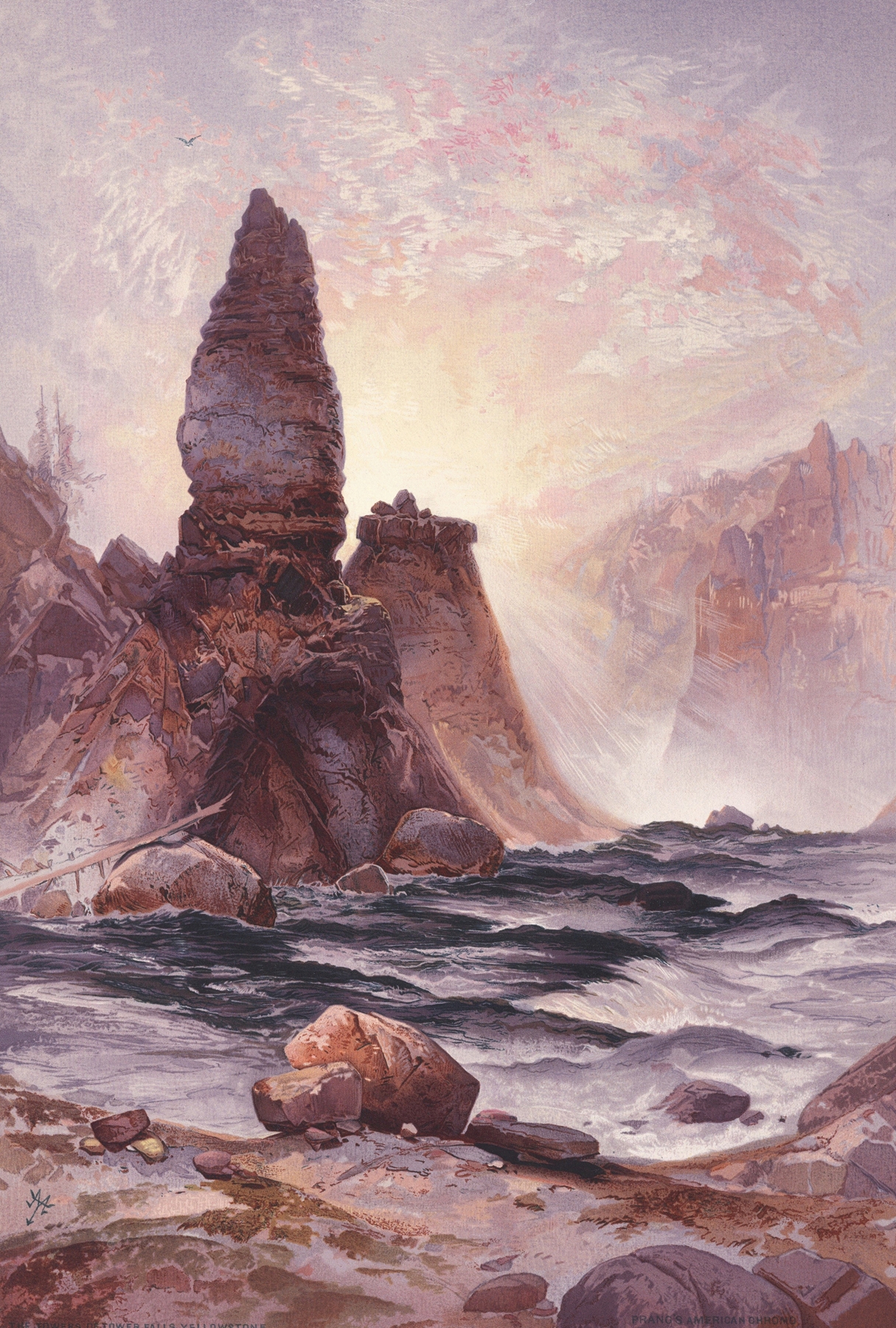
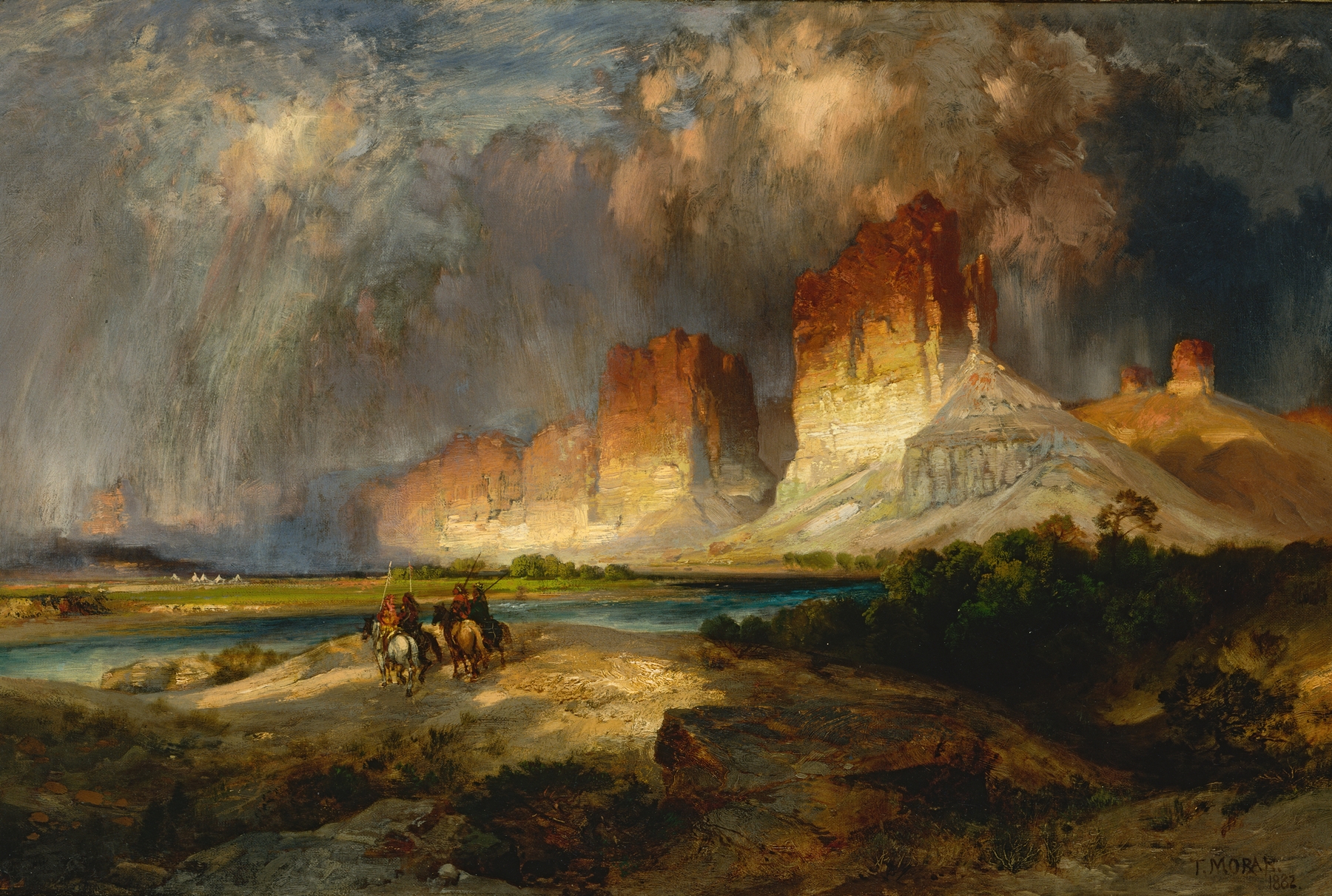
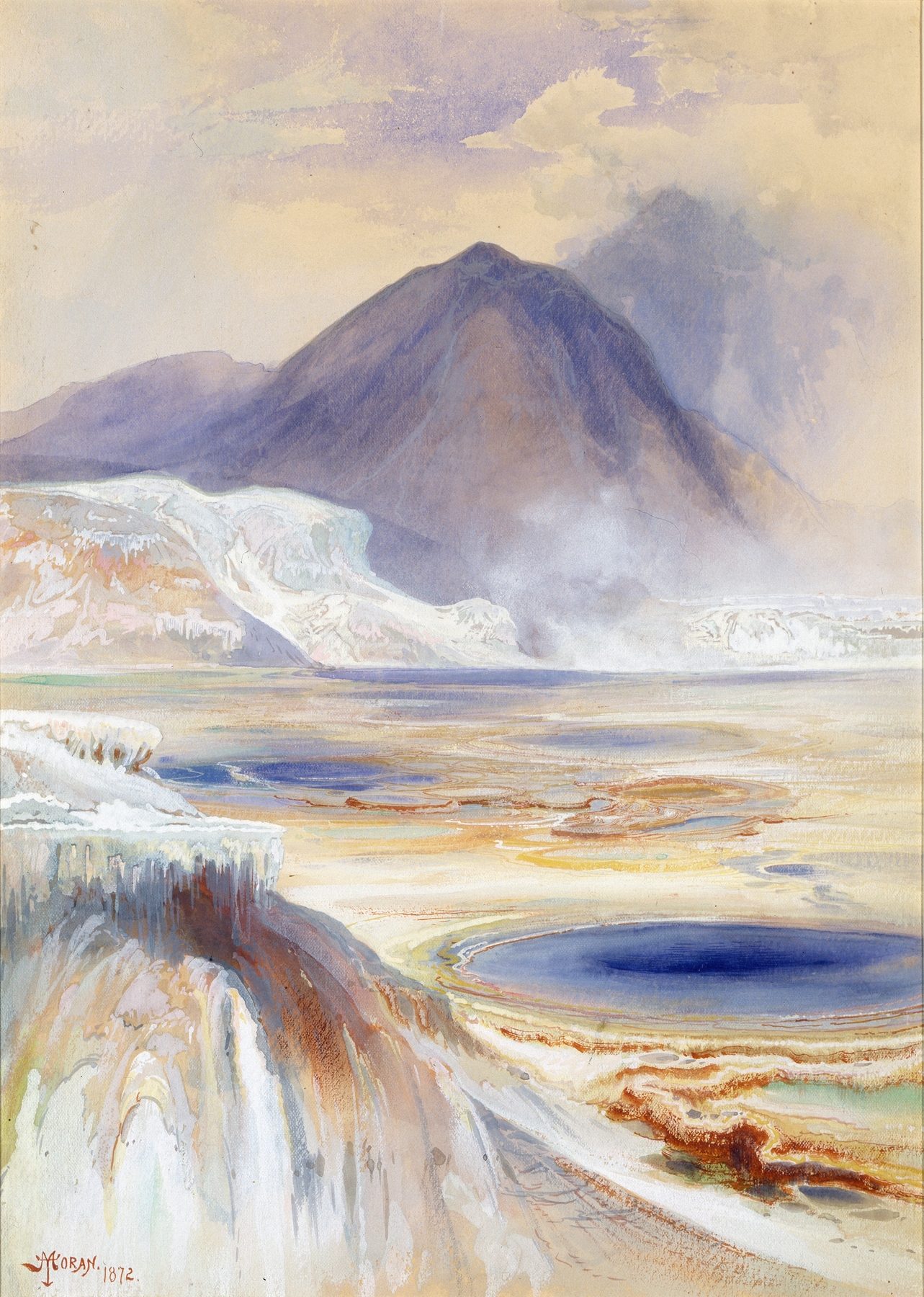
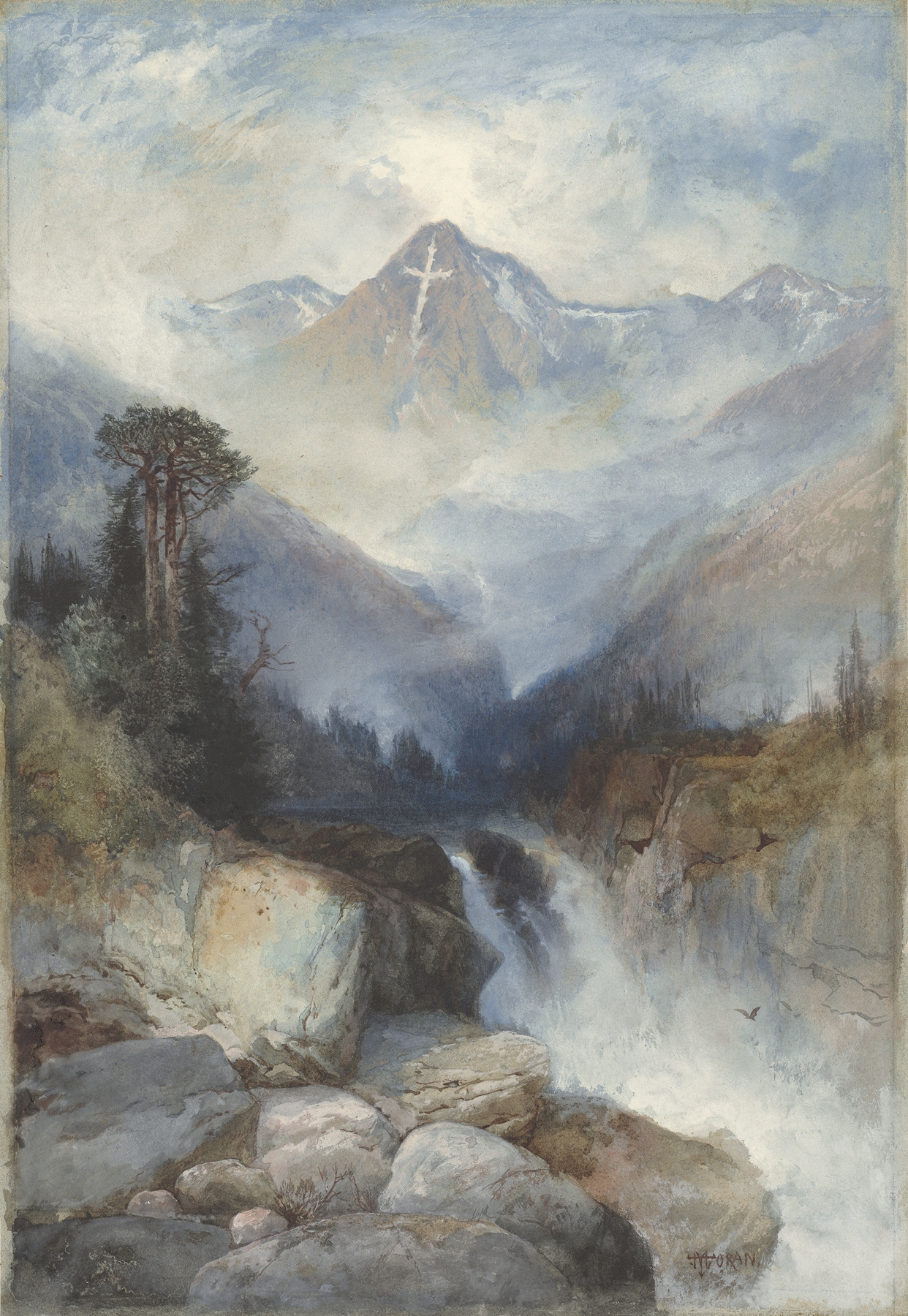
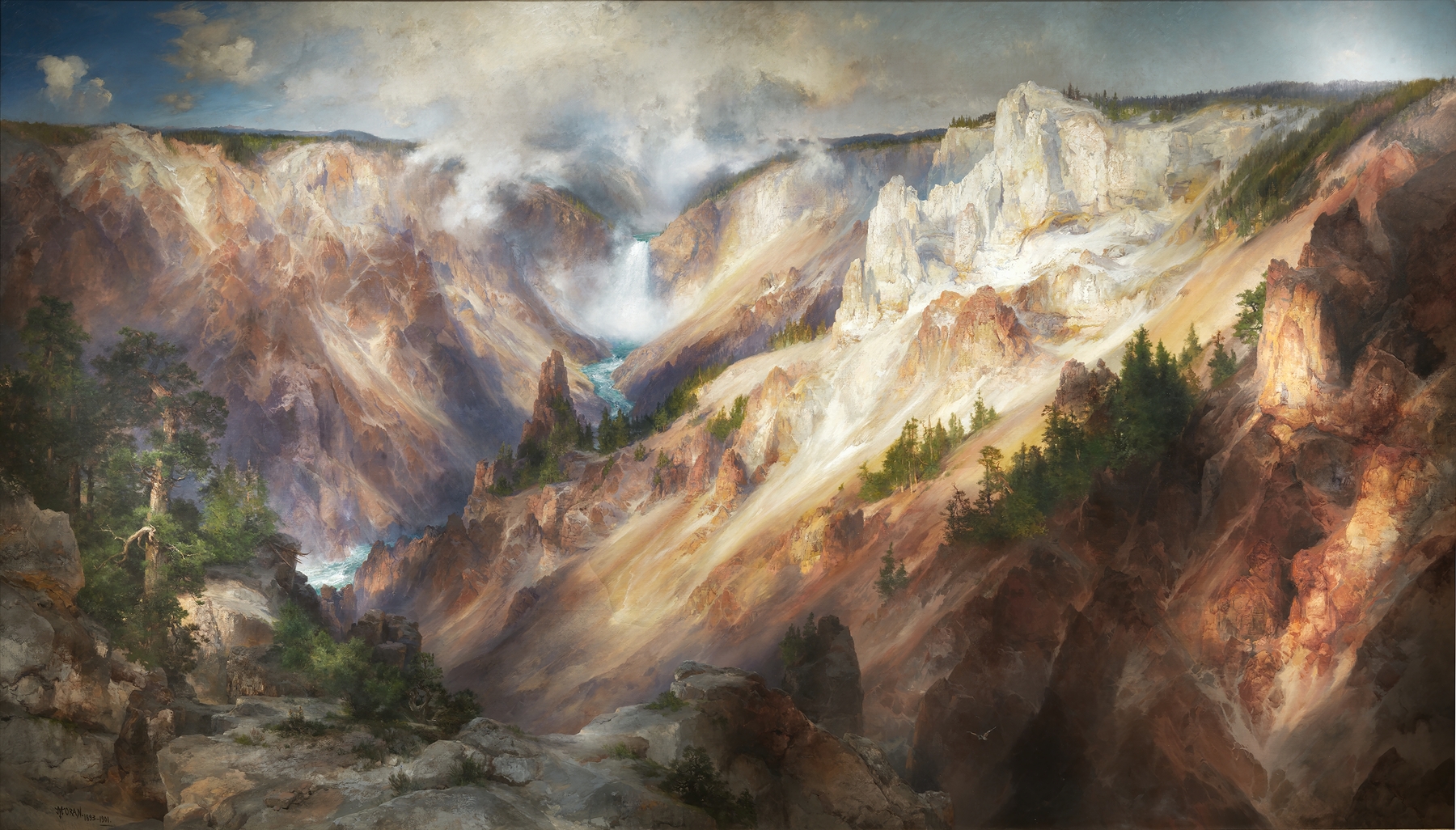
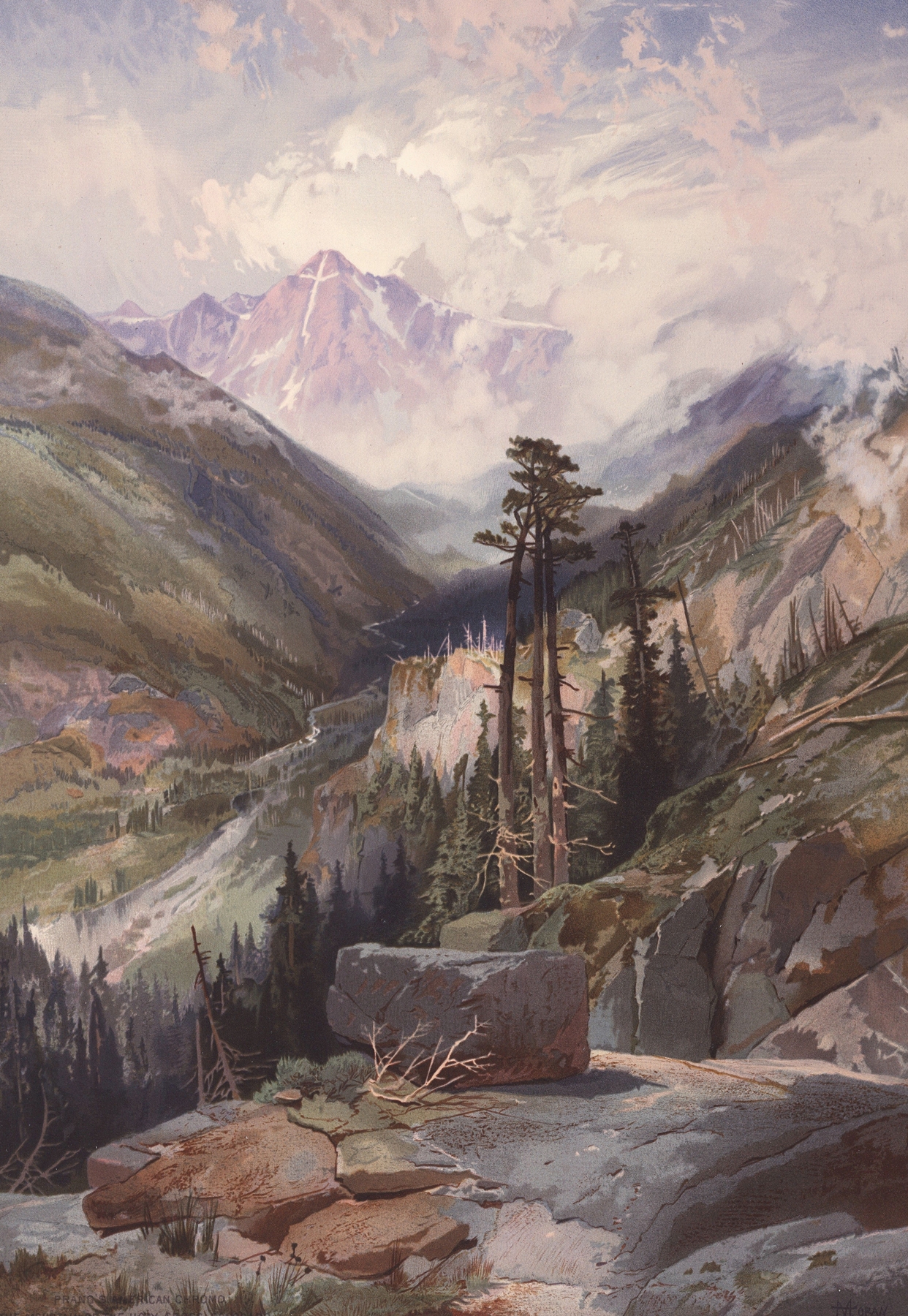
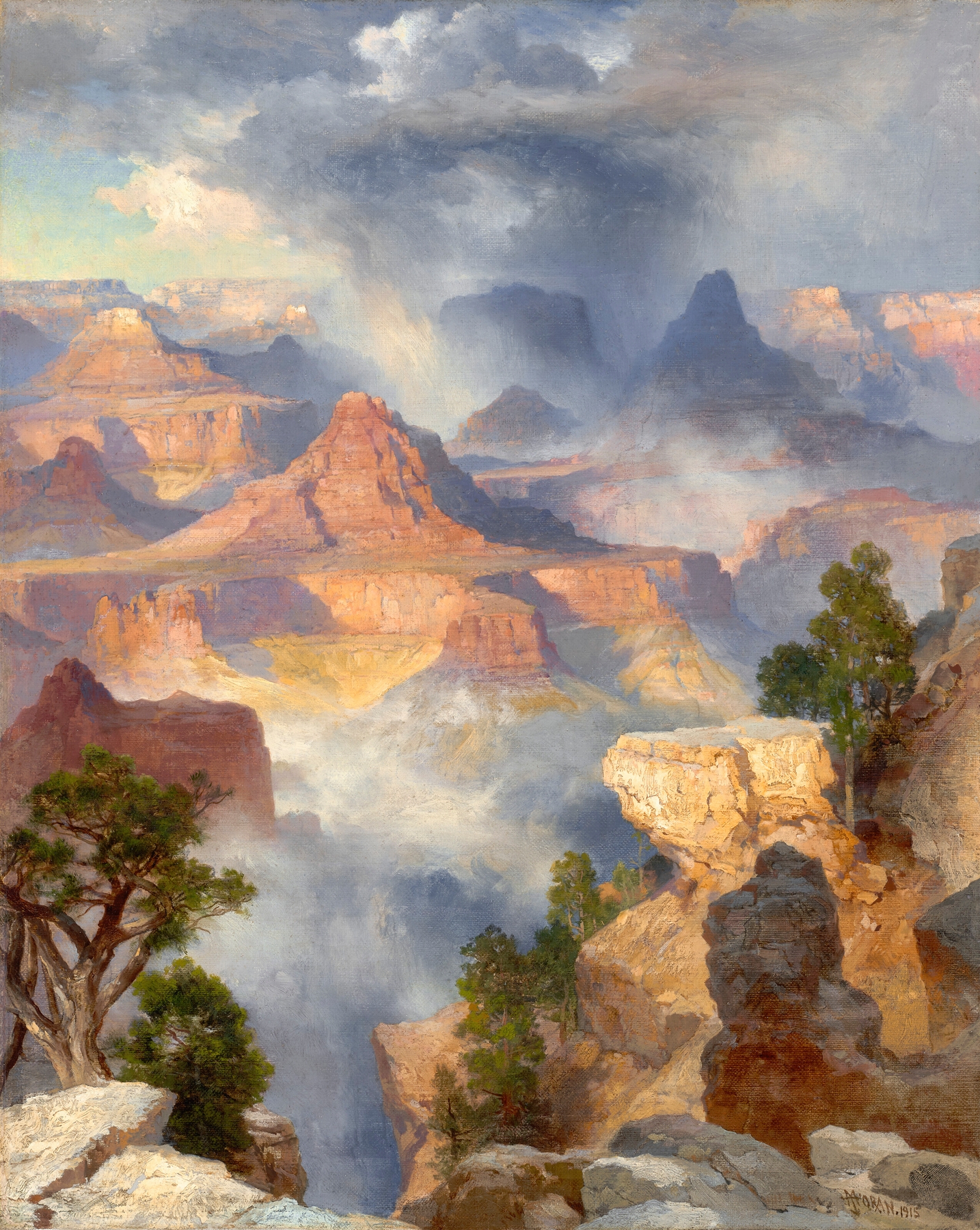
“Every silence here is a confession.” The vastness of the mountains whispers secrets of solitude, while the untouched snow becomes a canvas for reflection and introspection. Look to the center of the painting, where the towering peaks ascend into a churning sky, their jagged lines carved with brushstrokes that convey both majesty and menace. The foreground, dusted in soft, cool whites and muted greens, draws the eye toward a tranquil lake that mirrors the tumult above. Notice how the play of light dances on the water's surface, revealing an ethereal quality that invites contemplation, contrasting with the stark, imposing formations that dominate the horizon.
Delve deeper into the juxtaposition of the serene landscape and the foreboding clouds that loom overhead. The emptiness that permeates the scene evokes a sense of longing, as if the landscape itself holds its breath, caught between tranquility and unrest. Each brushstroke reflects an emotional tension, hinting at the tumult of human experience against the backdrop of nature’s awesomeness. The silence speaks volumes, capturing the essence of isolation in a world so grand yet so empty.
In 1867, Thomas Moran was deeply immersed in the exploration of American wilderness, inspired by his travels in the Rocky Mountains. This period marked a significant moment in his career, as he sought to convey the unspoiled beauty of the landscape amidst the tumultuous changes in society and art. The burgeoning of the Hudson River School's ideals influenced his work, blending romanticism with a growing awareness of the natural environment's fragility.