Ame no Okutama — History & Analysis
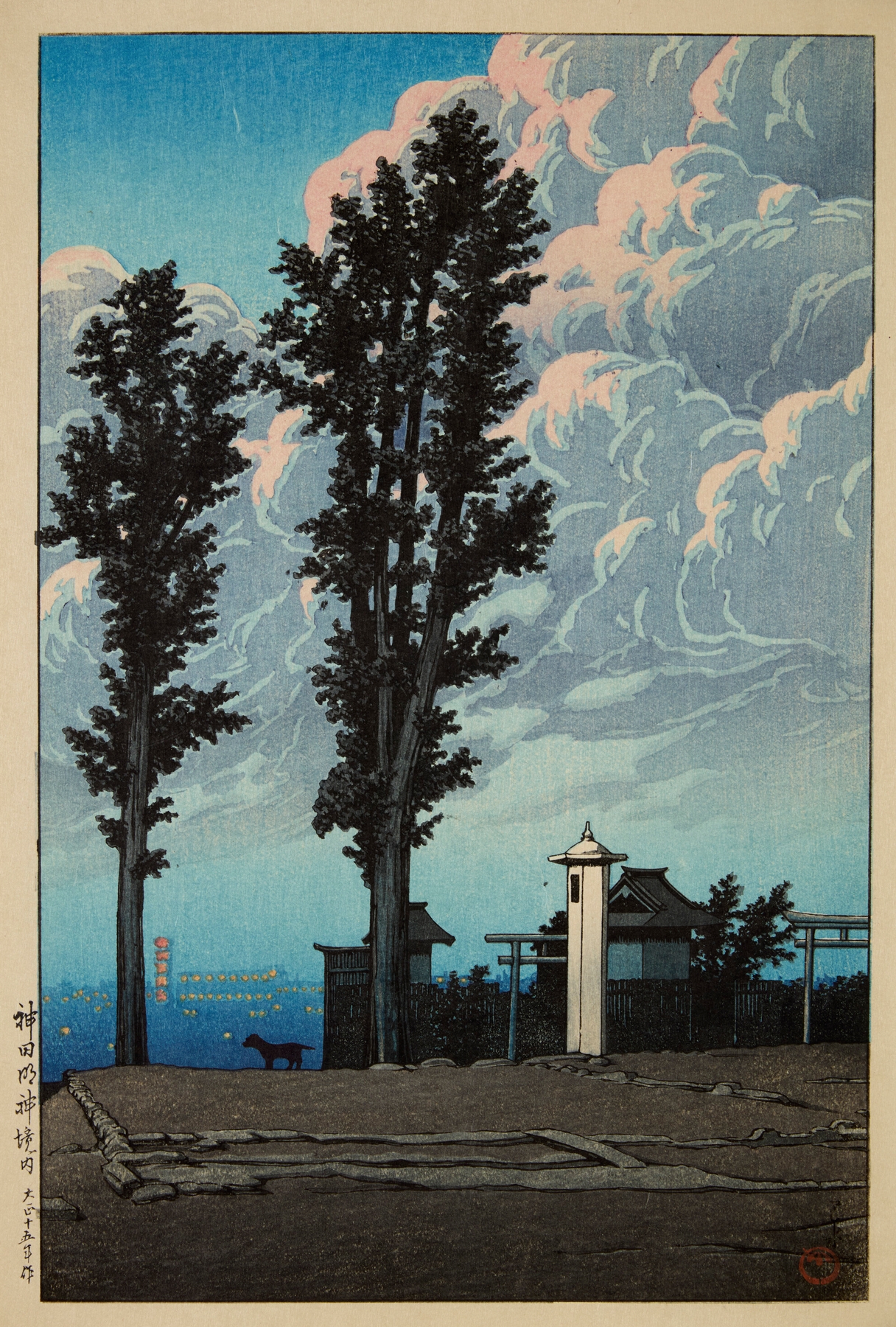
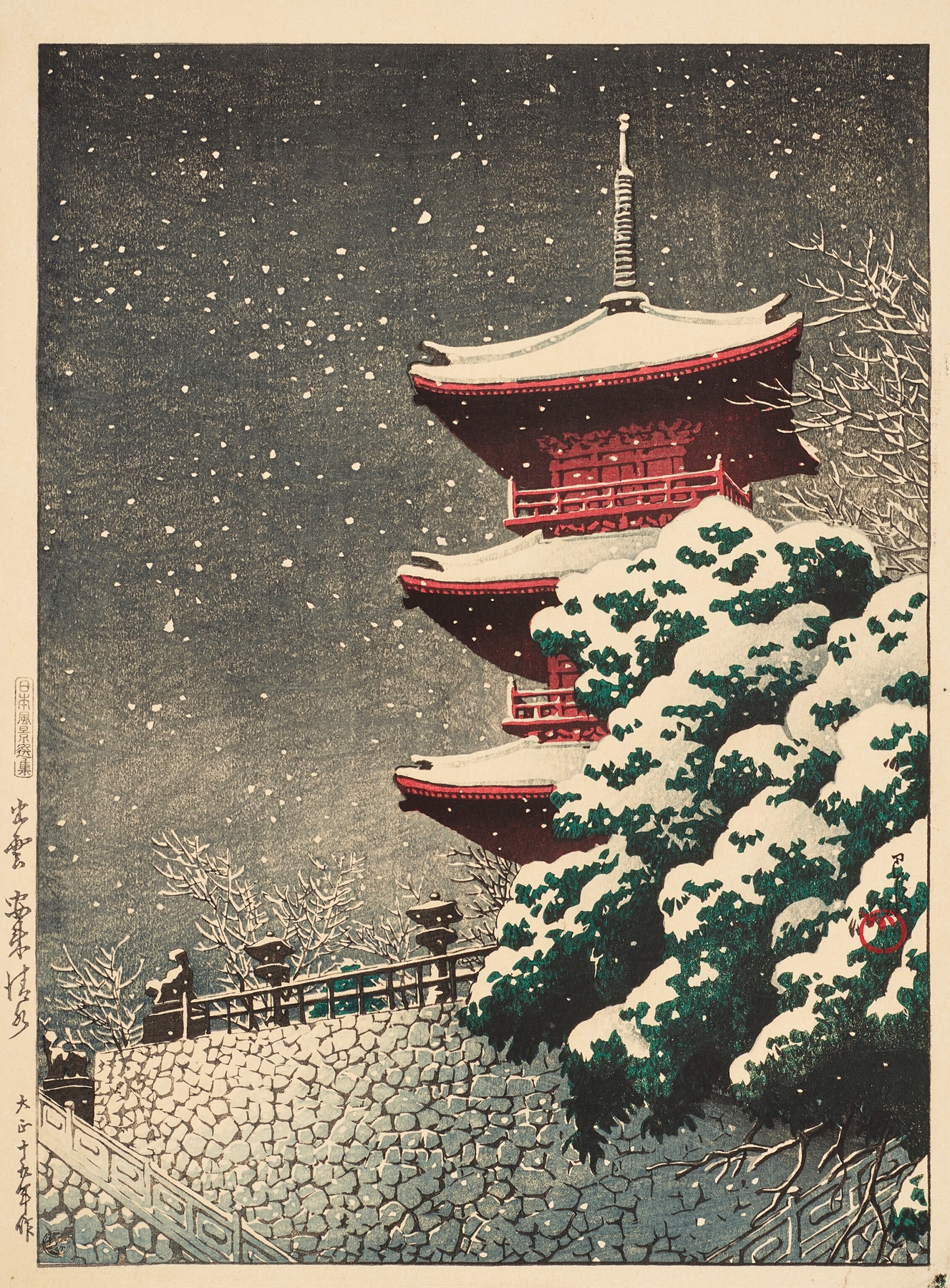
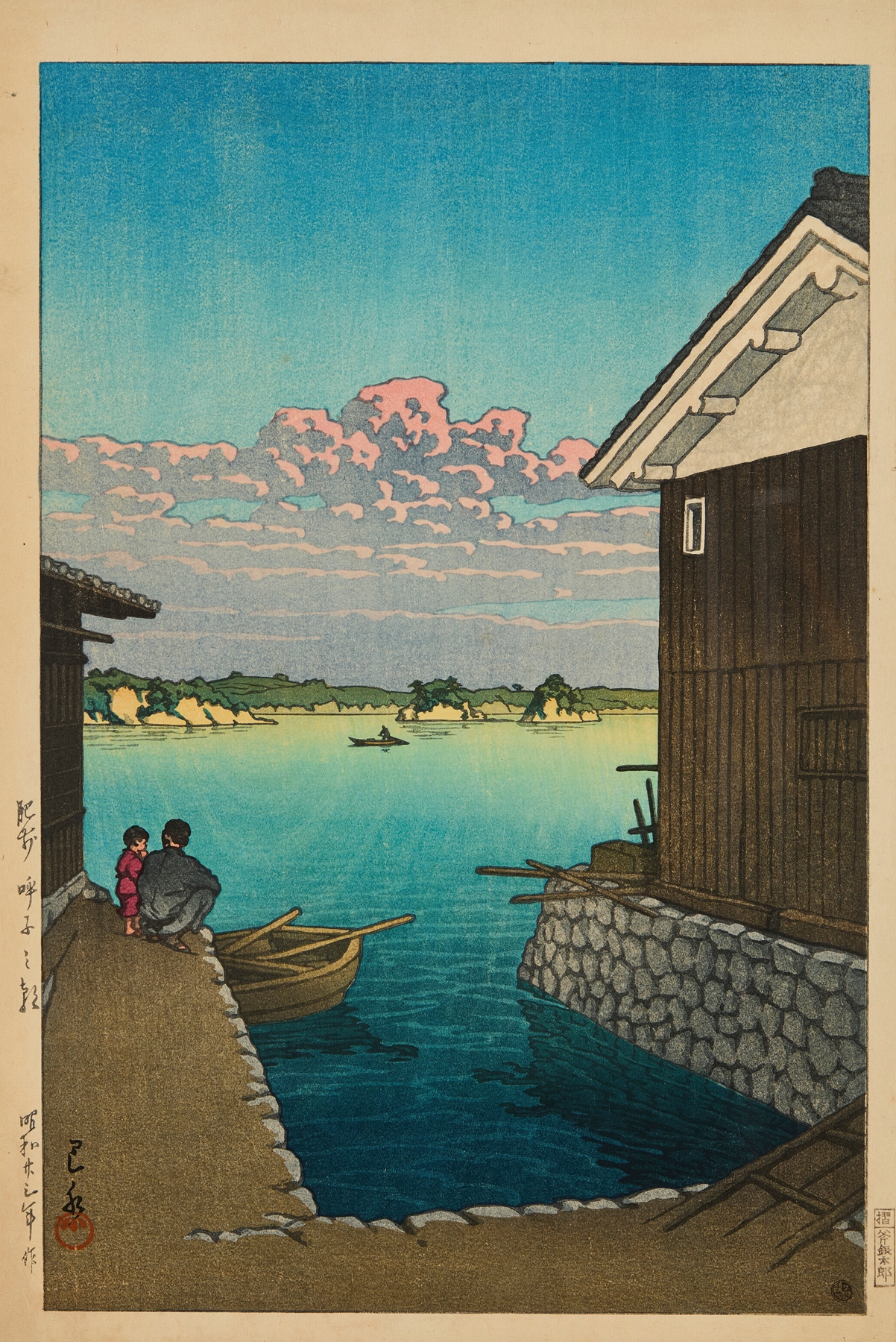
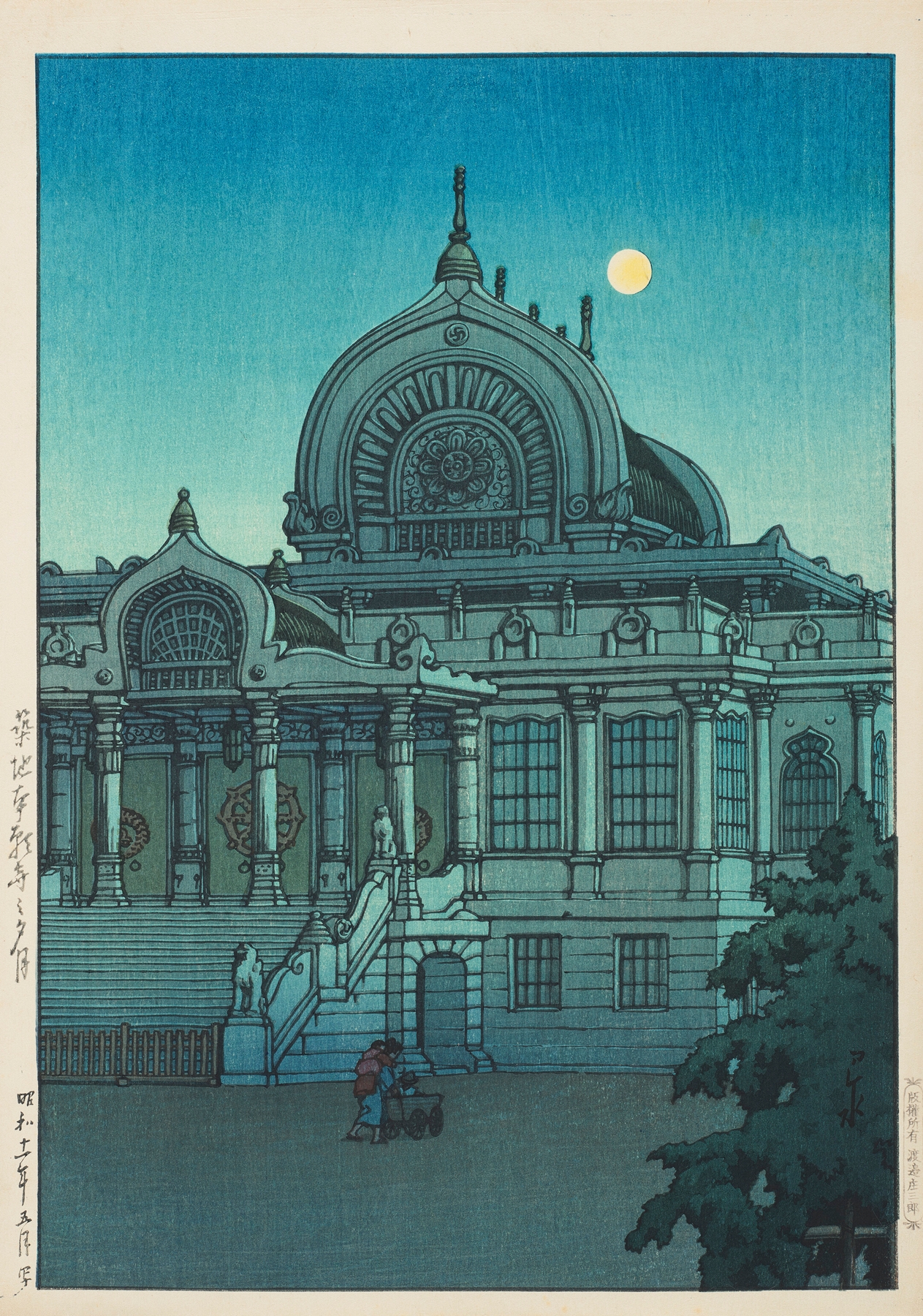
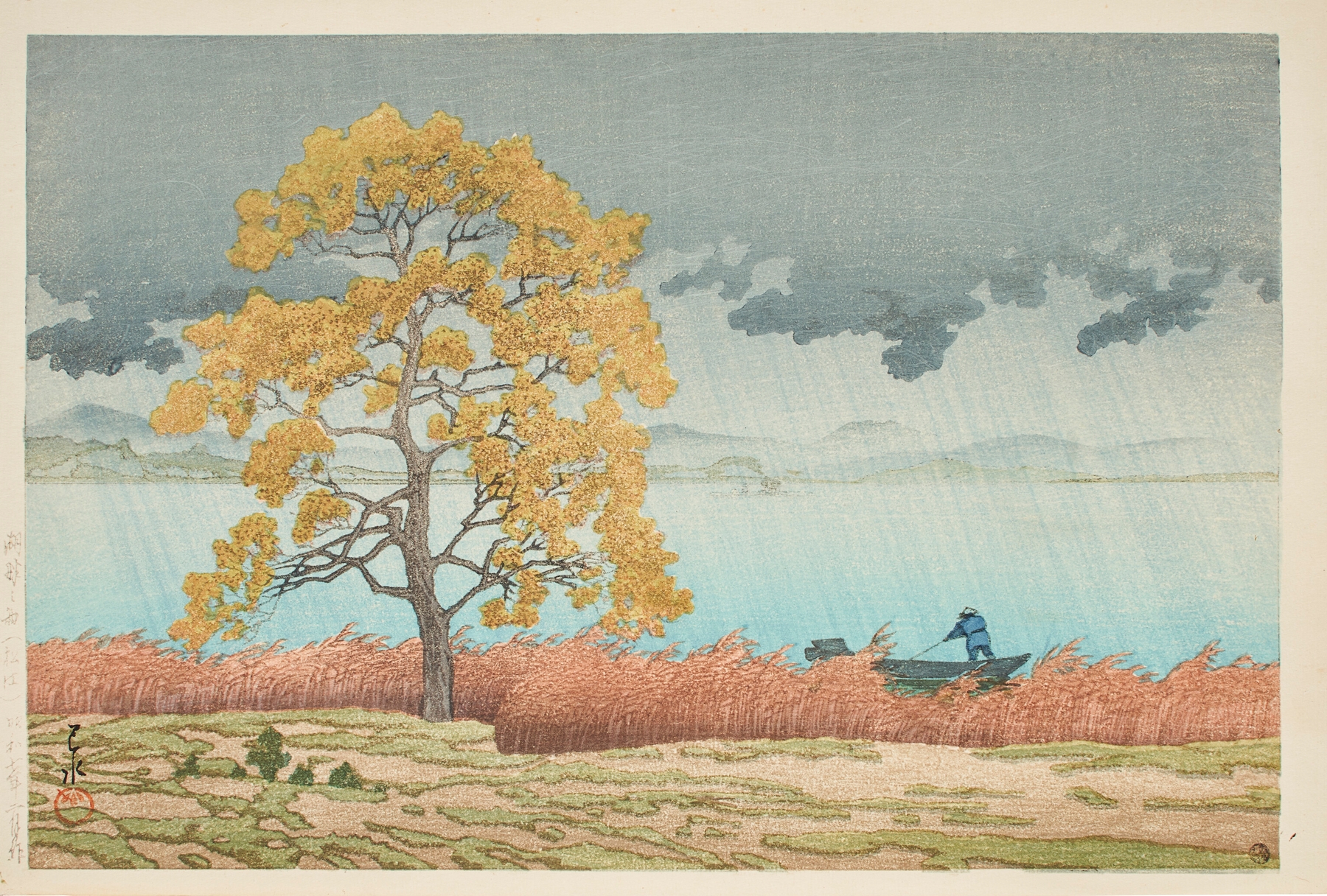
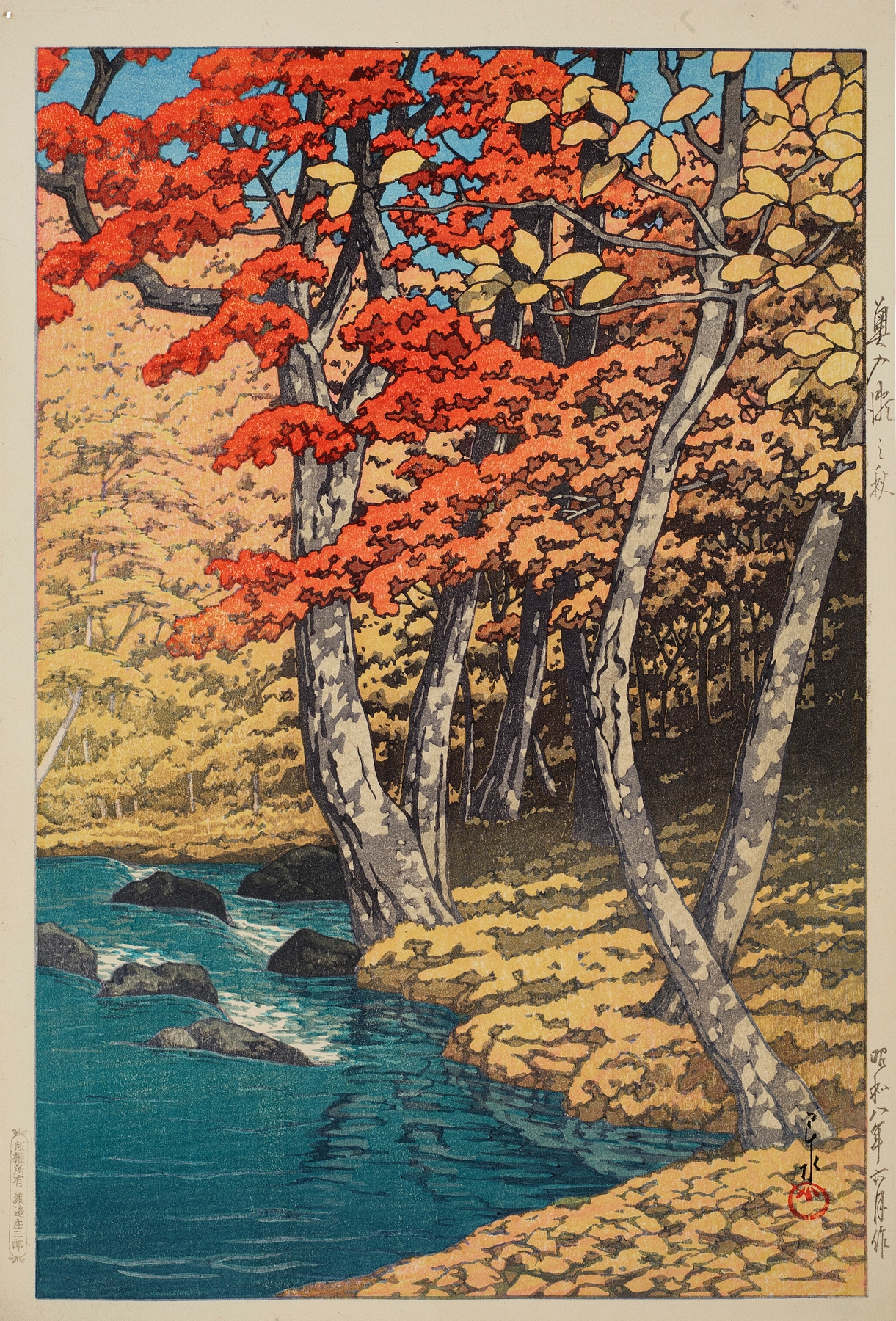
“To paint is to remember what time wants us to forget.” In the midst of tranquility, the chaos of nature whispers a haunting tale of violence. The stillness of the rain may conceal deeper truths, slumbering beneath the surface of a serene landscape. Look closely at the brushwork; the water-laden trees stand tall, their greens and browns a tapestry of hope and despair. Notice how the rain, falling in delicate curtains, creates a rhythm that dances upon the surface of the water below, blurring the boundaries of solid and liquid.
The muted color palette evokes a melancholic reverie, with soft gradients that invite contemplation and reflection, giving a sense of nature enveloping its secrets. Yet, beneath this apparent calm lies an undercurrent of tension. The relentless rain can signify both nourishment and destruction, a duality that reveals the fragility of life. The darkness creeping into the corners of the scene hints at storms not yet passed, echoing the historical violence of nature itself, which shapes and reshapes the land with ferocity.
The viewer is left pondering the stories held within this rain-soaked vista, the whispers of the past mingling with the promise of renewal. Kawase Hasui painted this piece in the early 20th century, amidst a flourishing of the shin-hanga movement in Japan, which sought to blend traditional landscape aesthetics with Western techniques. At this time, Japan was navigating the tensions of modernization, prompting artists to reflect on their cultural heritage. The serene yet poignant atmosphere of this work is a testament to Hasui’s mastery in balancing silence with the echoes of history, inviting us to witness the beauty—and the violence—of the natural world.