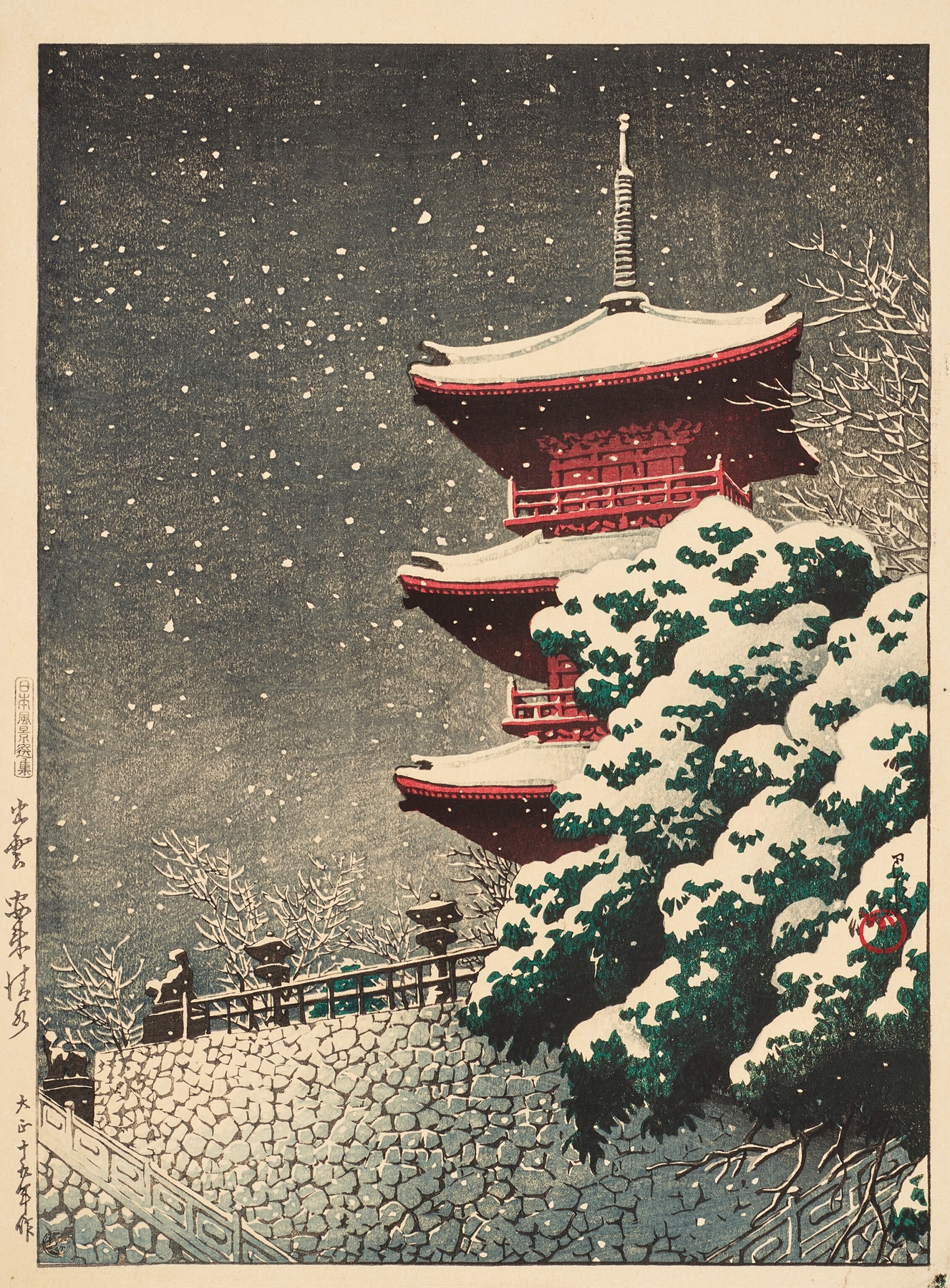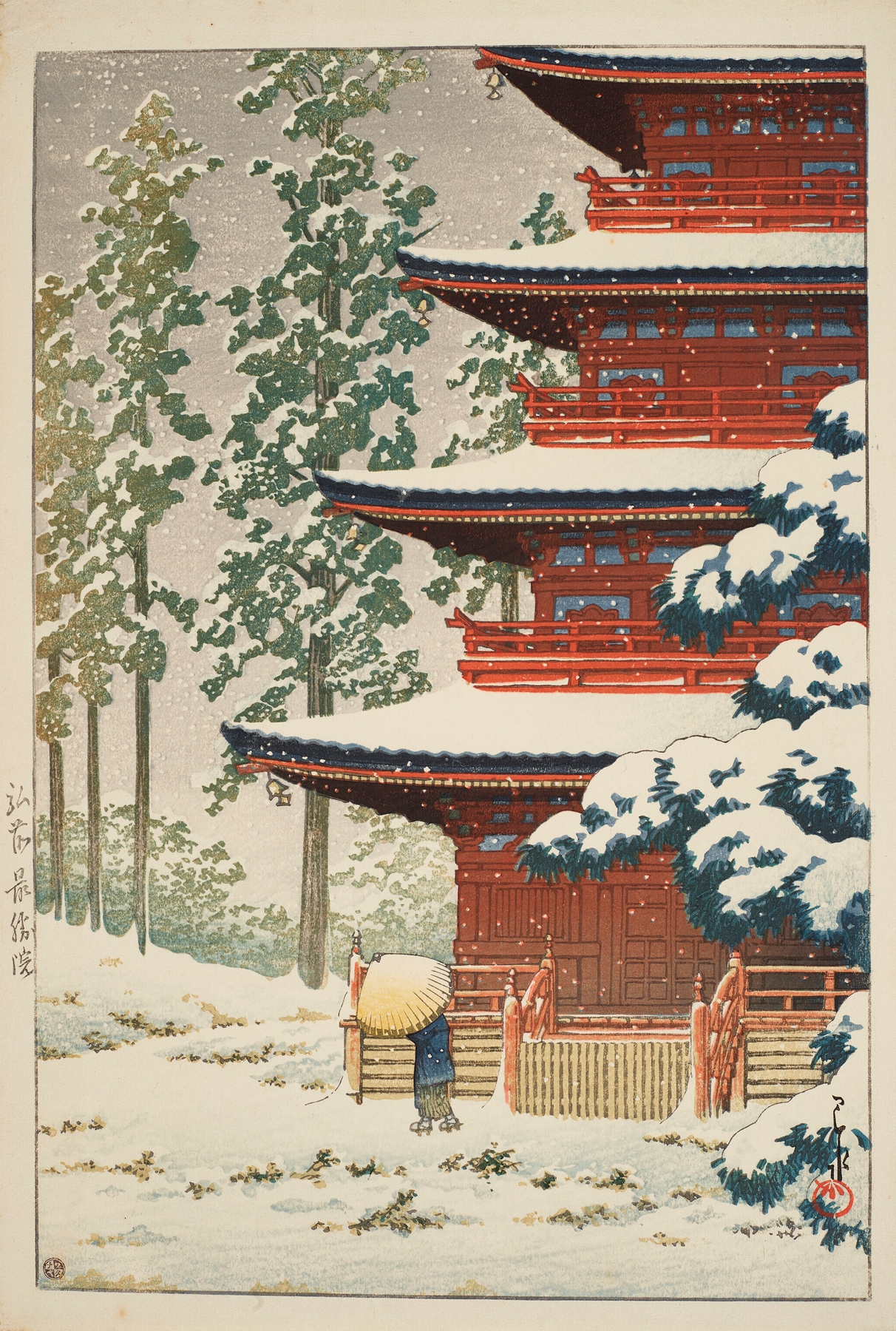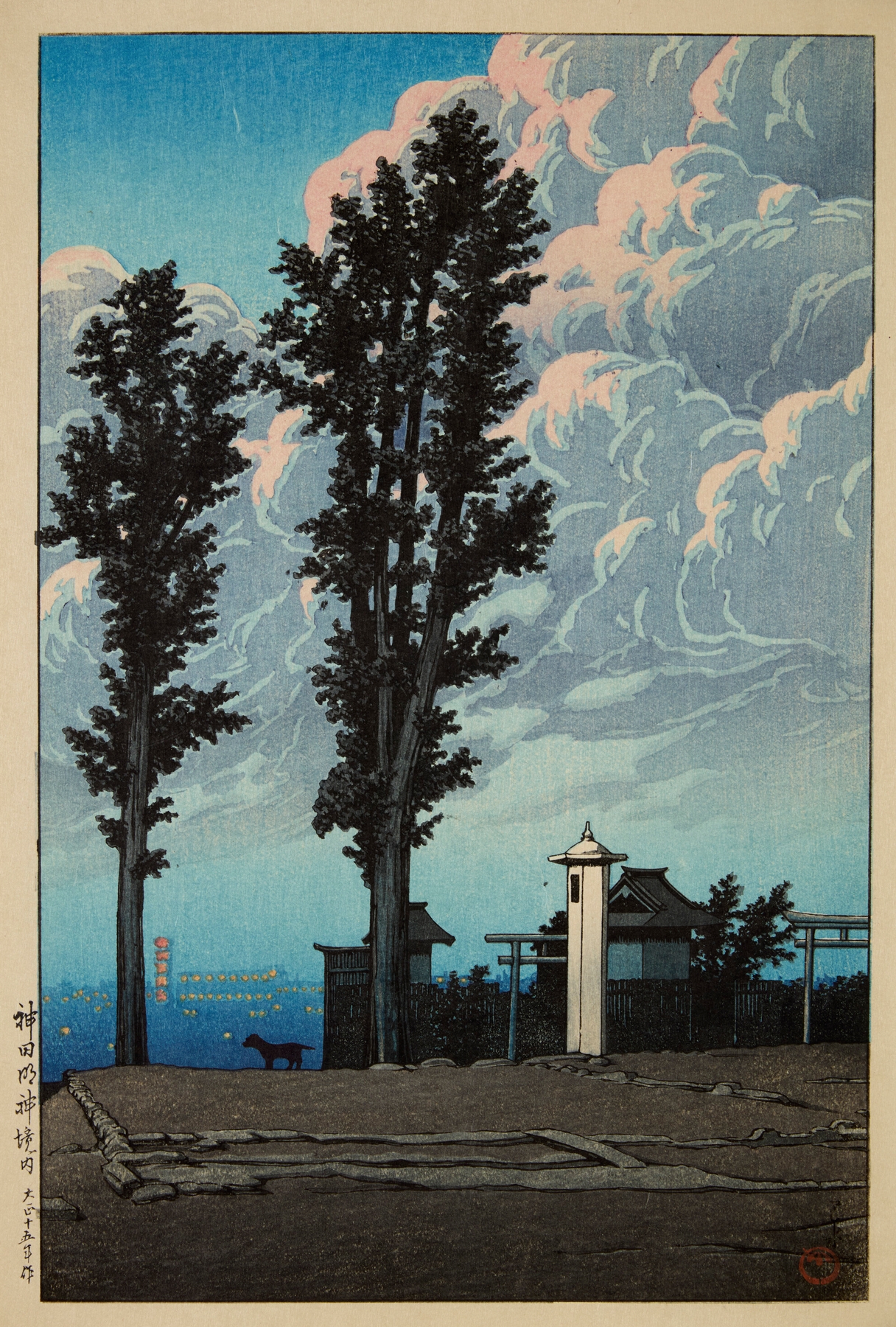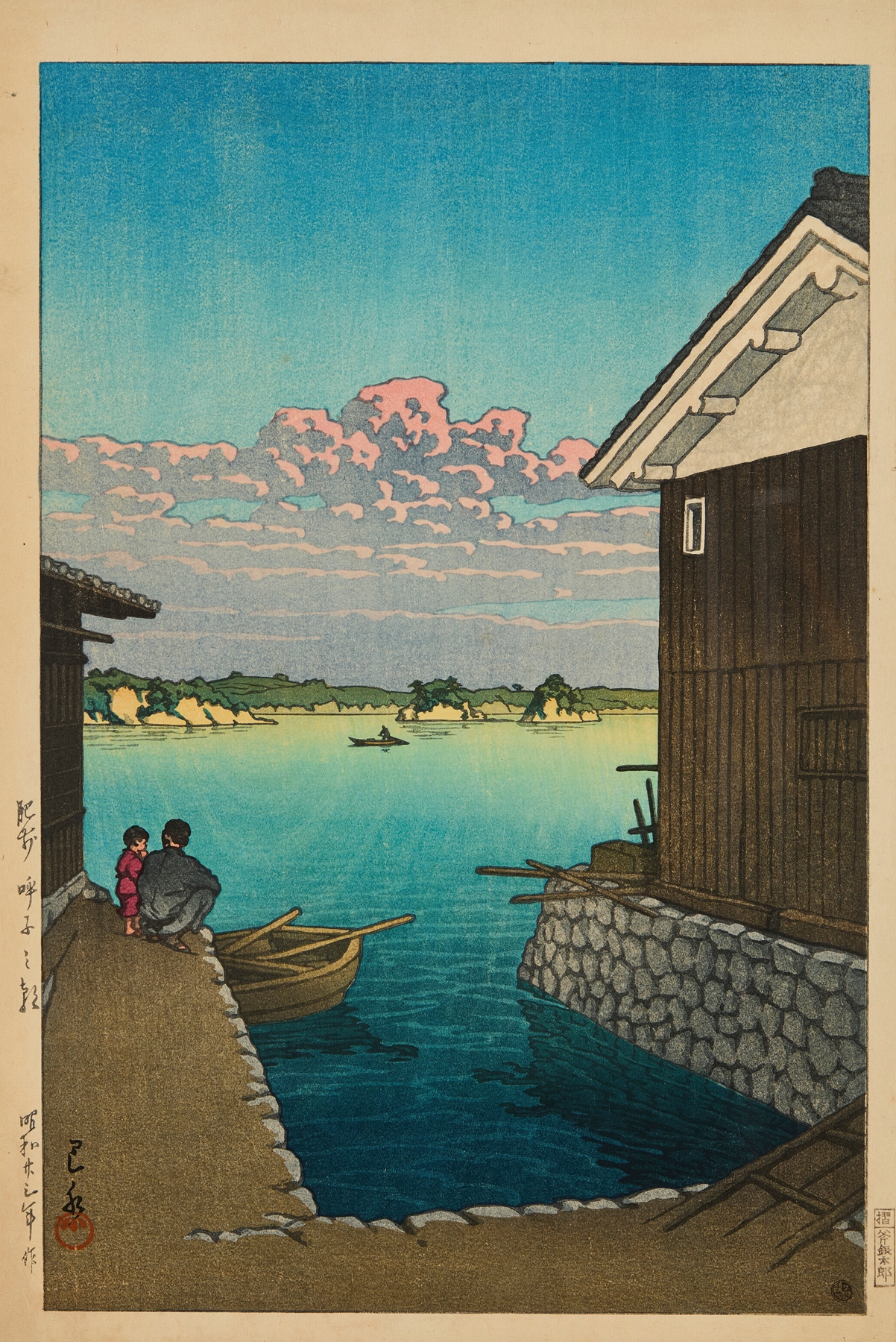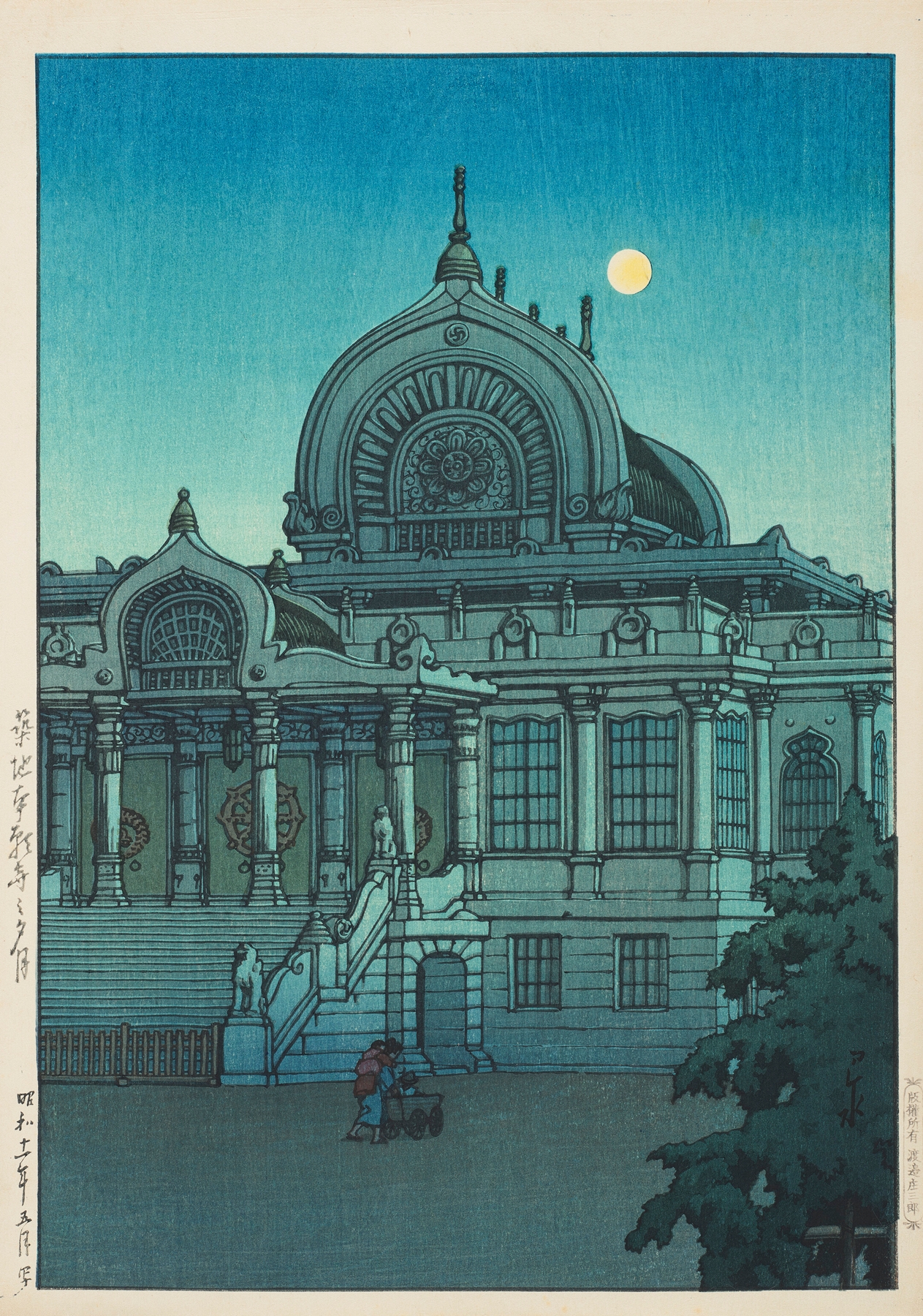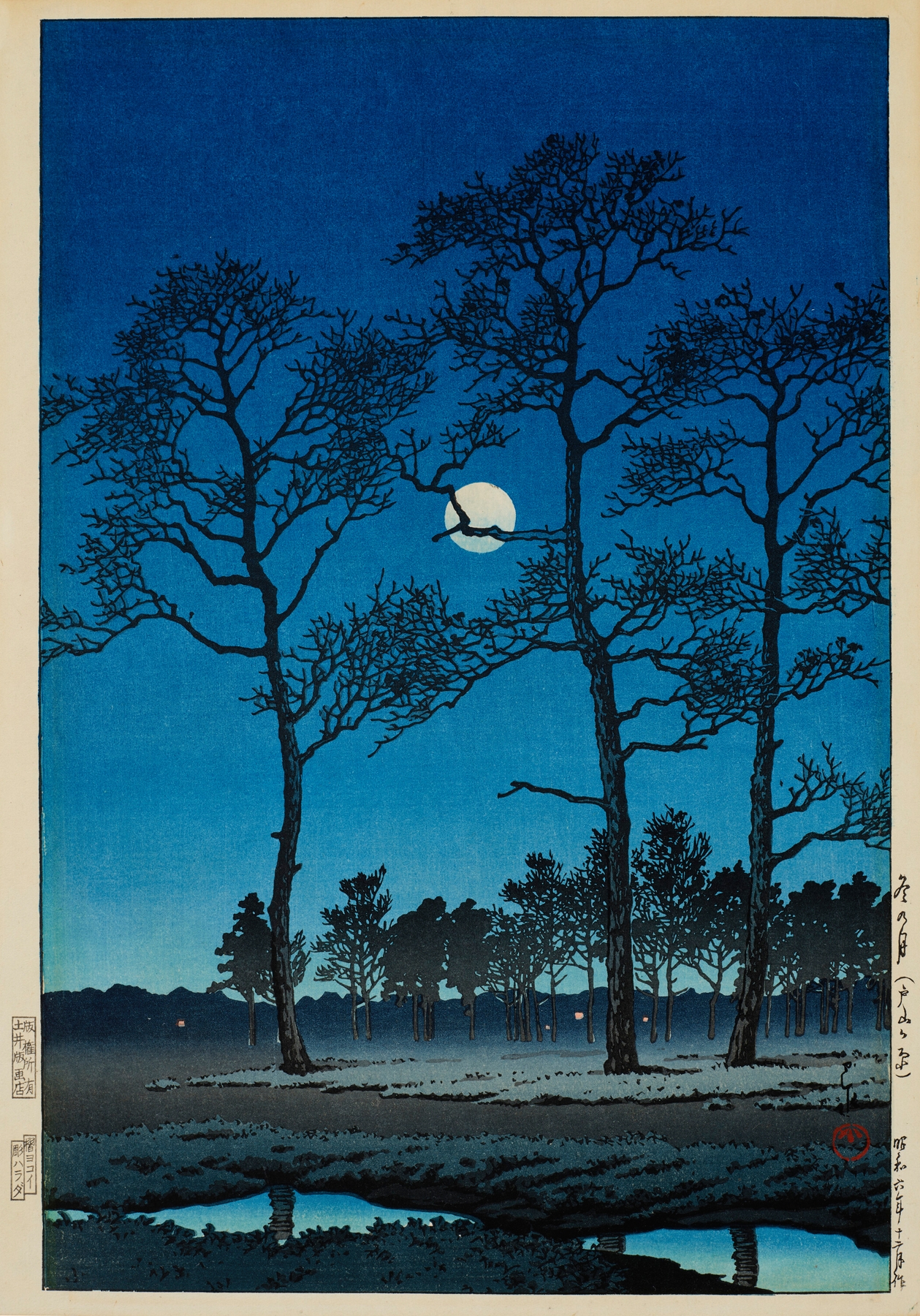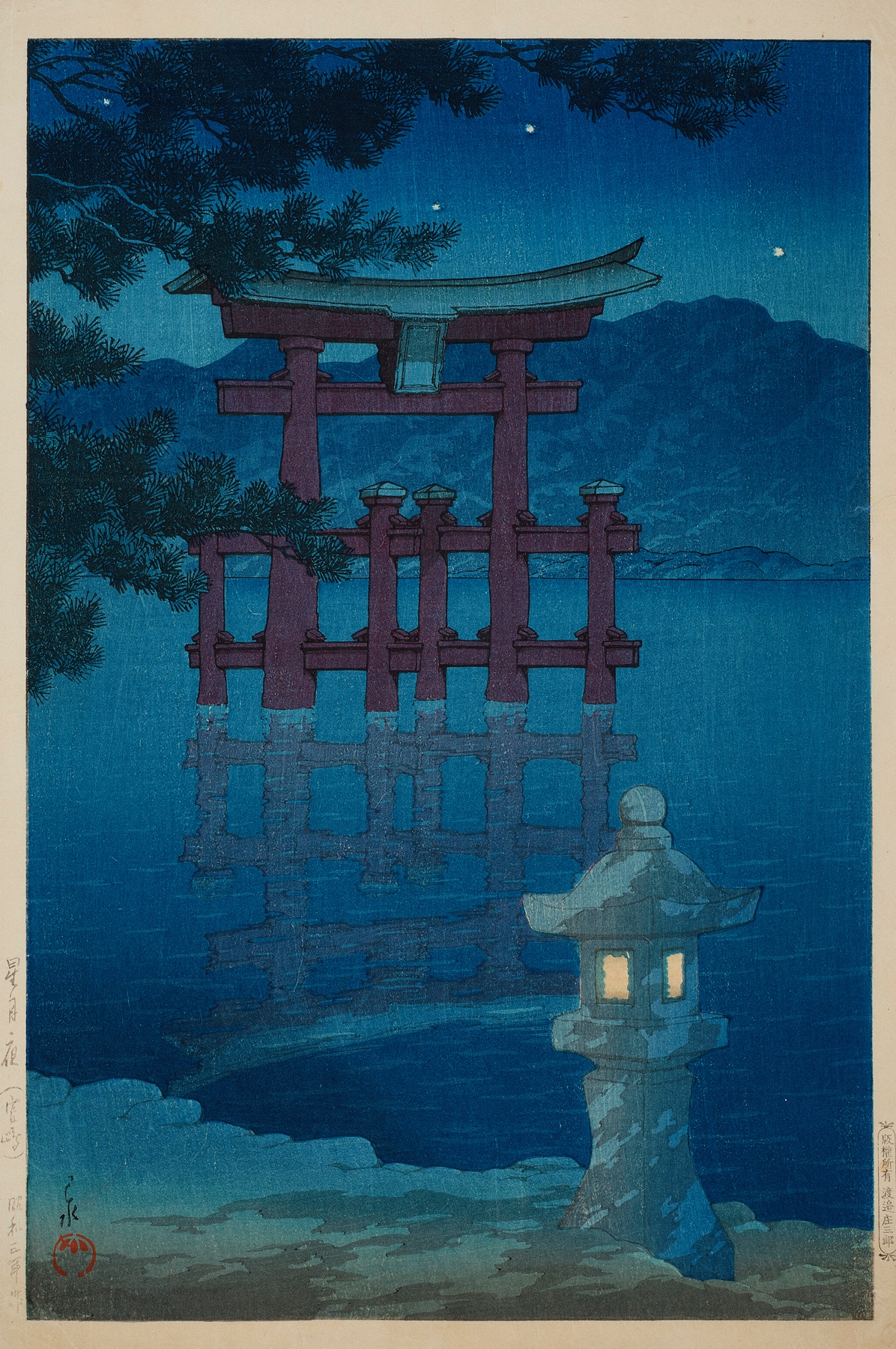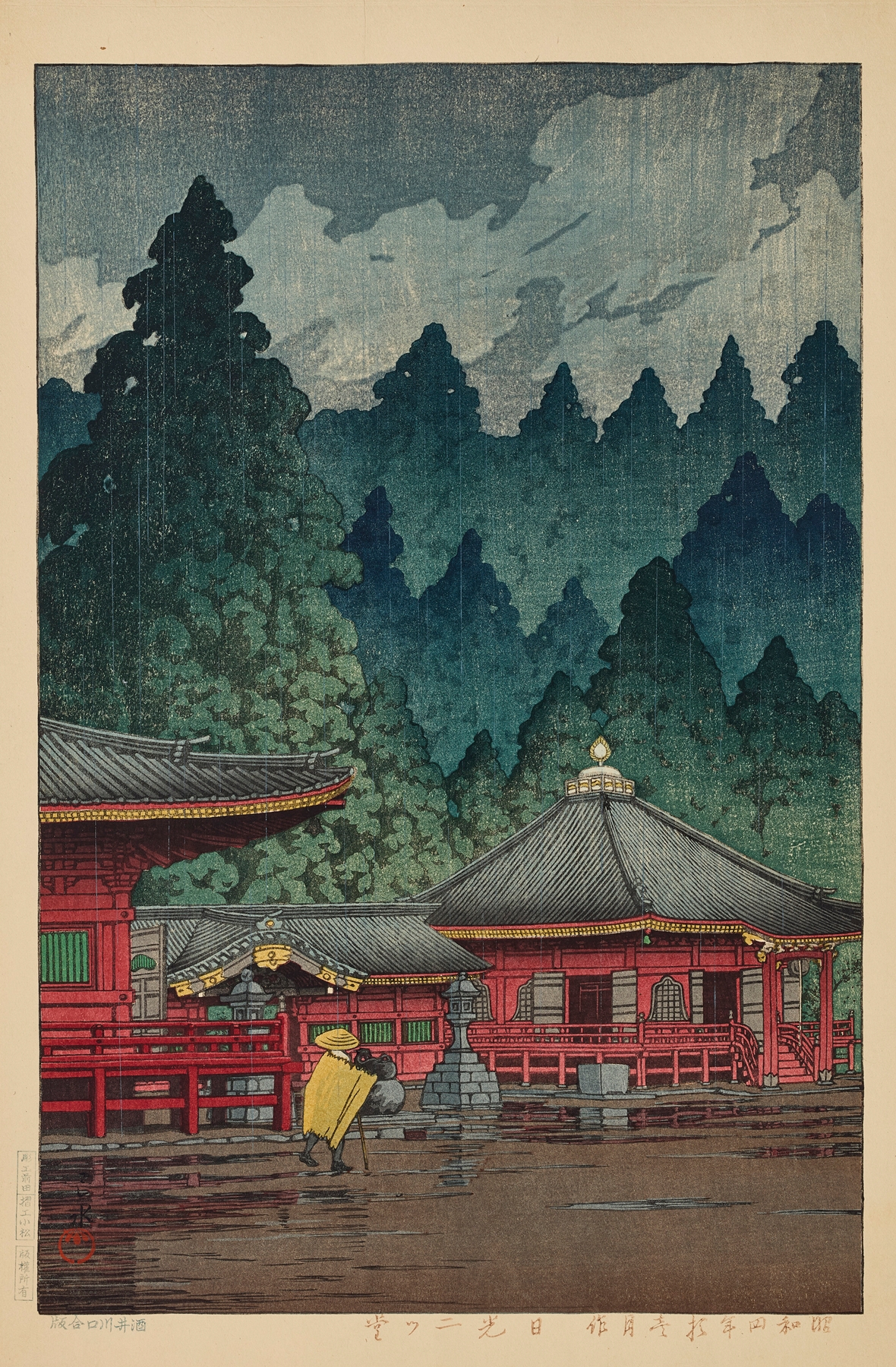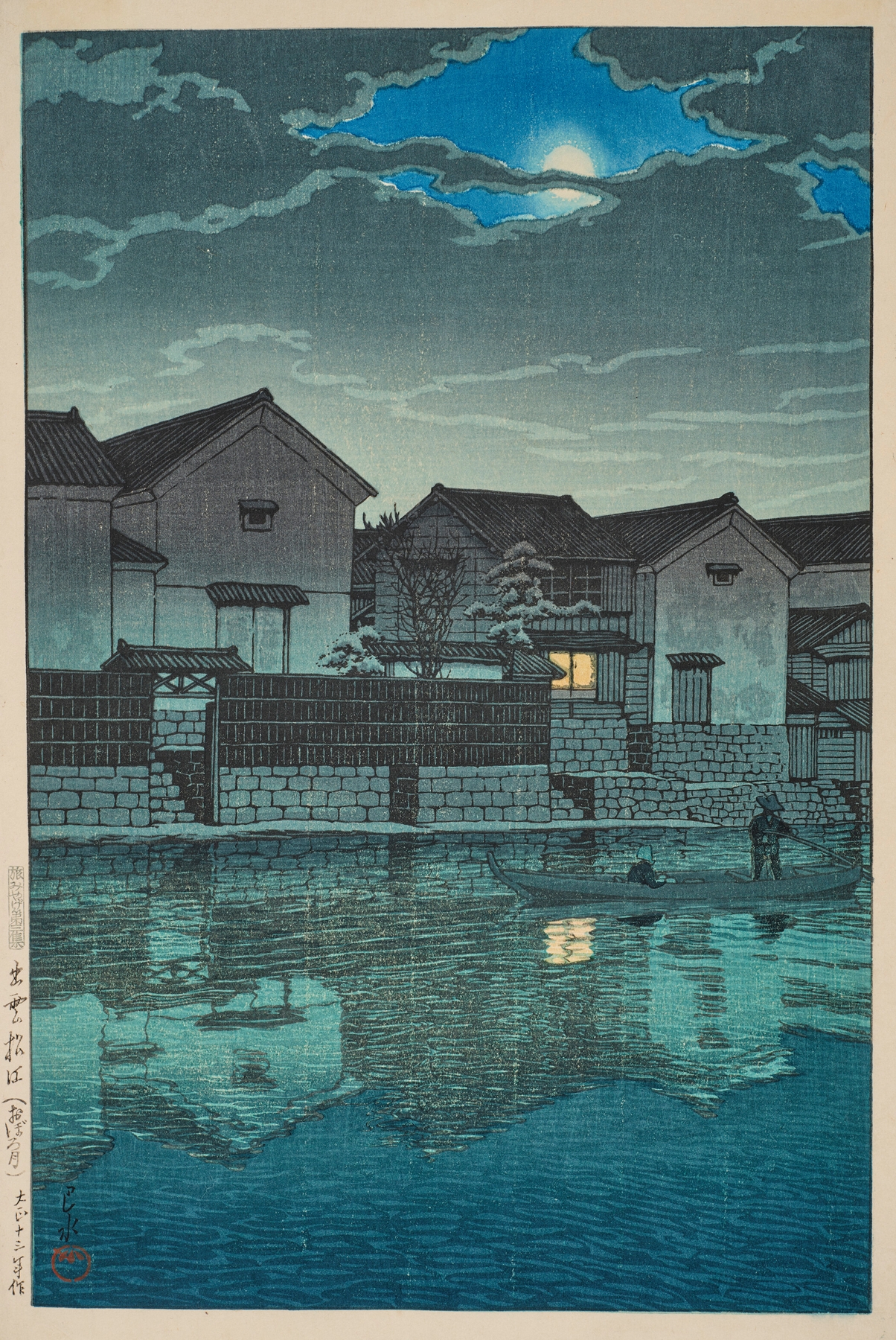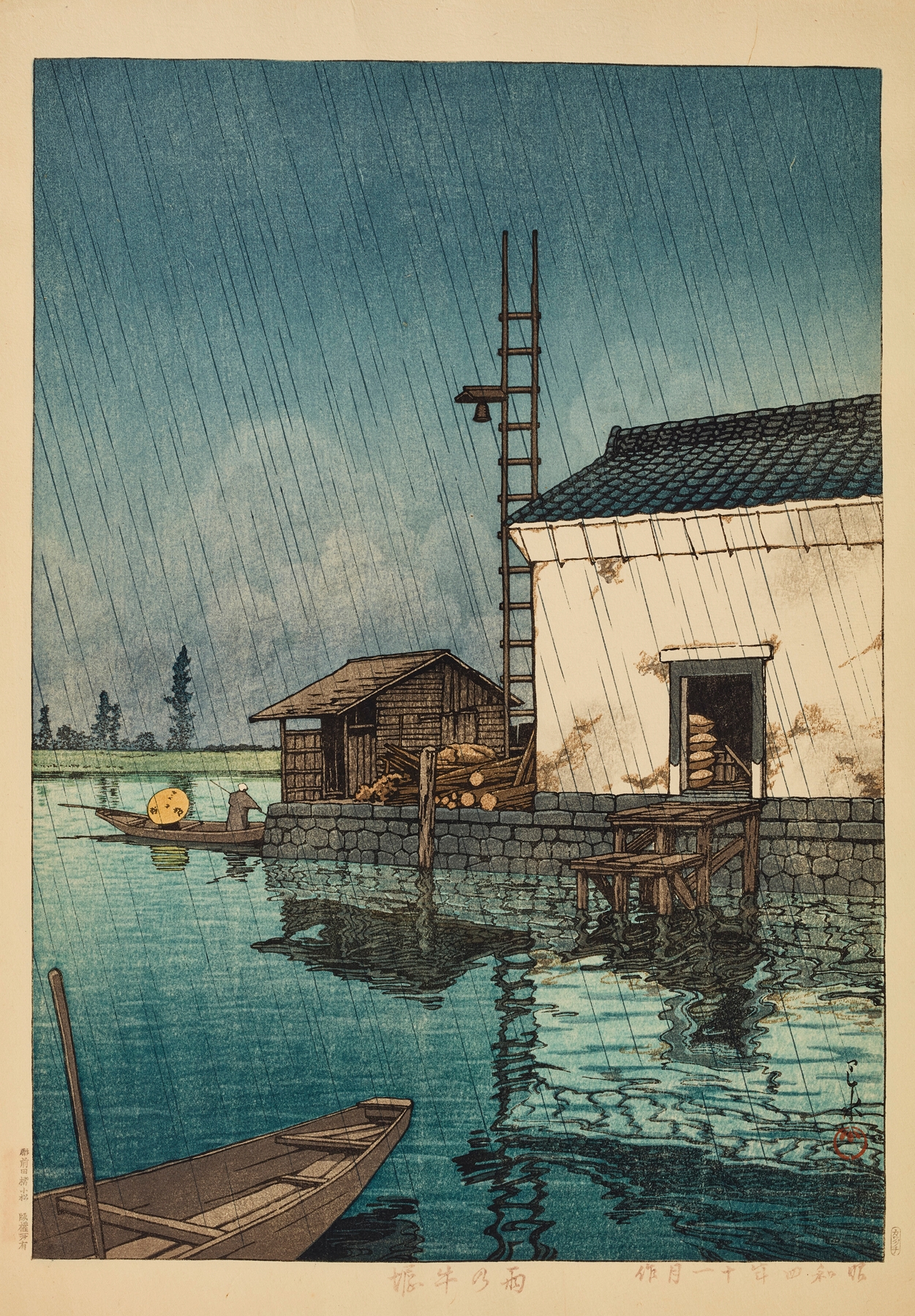
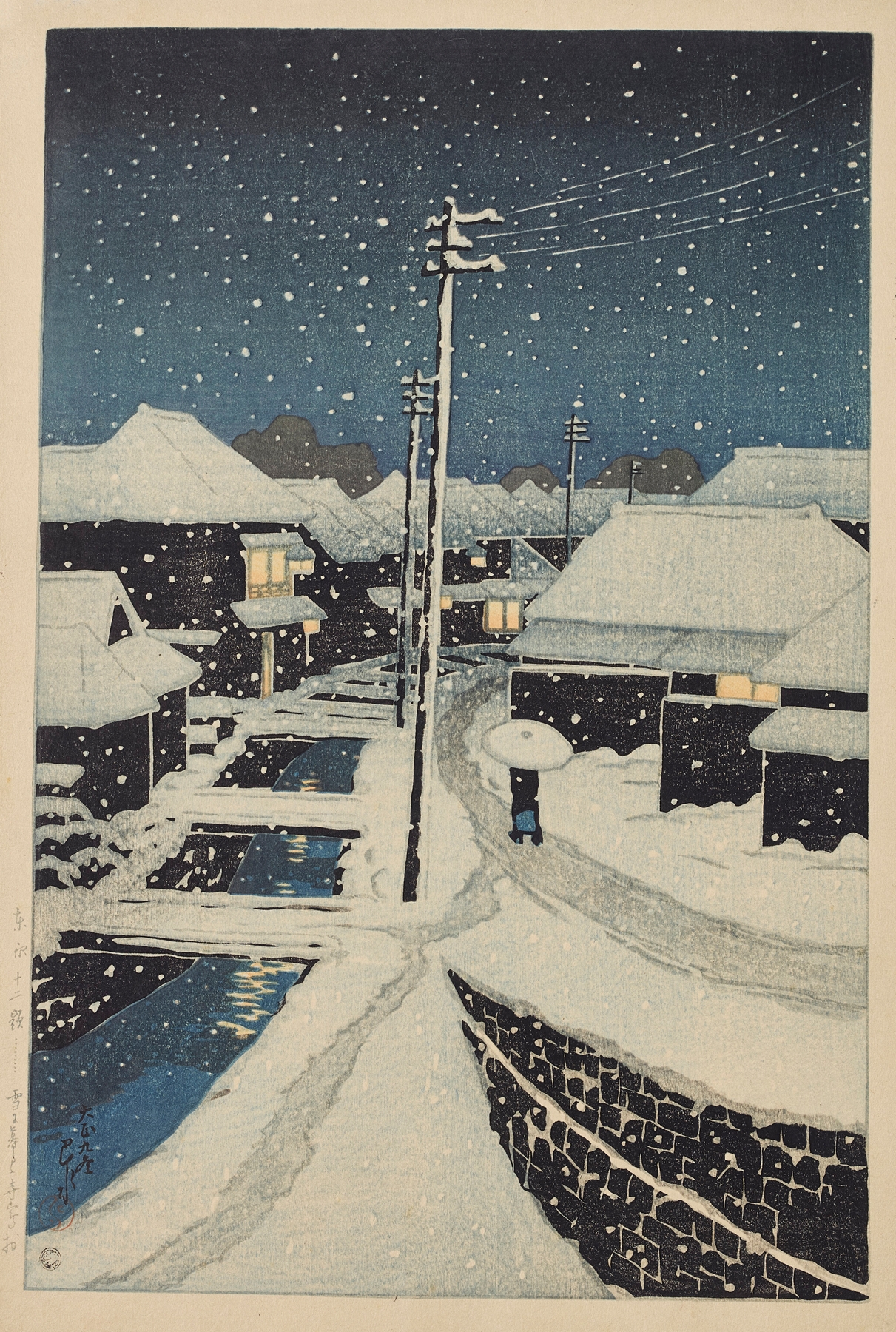
When did color learn to lie? The vivid hues of twilight often mask the silences of truth, challenging our perception of reality even as they beckon us to pause in awe. Look to the left at the rich indigo sky, a canvas where the deepening shades of dusk merge seamlessly with the gentle brushstrokes of rain. The stillness of the scene is punctuated by the delicate silhouette of a solitary figure, umbrella raised, navigating the glistening cobblestones below. Notice how the artist captures light not merely as illumination but as an emotional state, transforming the mundane into a moment of introspection. Beneath the surface, hidden narratives unfurl. The rain, both a barrier and a bridge, symbolizes the isolation often found in urban life, while the figure moves through a world that blurs the lines between solitude and connection. The contrast of the vibrant colors against the darkened surroundings evokes a sense of longing, as if the viewer is invited to share in this quiet contemplation. The color palette, with its blues and grays, creates a melancholic harmony, emphasizing the fleeting nature of moments spent in reflection. In 1929, Kawase Hasui created *Ame no Ushibori* during the height of the shin-hanga movement in Japan, which sought to modernize traditional ukiyo-e woodblock prints. Living in a rapidly changing Tokyo, he found inspiration in the interplay of light and water, encapsulating the beauty of an urban landscape marked by both nature and human presence. This work exemplifies his ability to intertwine emotion and technique, highlighting his significant role in 20th-century Japanese art.