
Amstel, Café ‘t Vissertje II — History & Facts
In an age where every hue speaks volumes, decay lays the foundation for beauty unmasked. Look to the left at the atmospheric interplay of deep blues and earthy browns, where the café emerges from the shadows, cloaked in a nostalgic embrace. Notice how the vibrant splashes of red and yellow punctuate the canvas, guiding your gaze through the bustling scene into a moment caught in time. The brushstrokes are not merely lines but whispers of life, evoking the transient nature of both the café culture and the world outside, bustling yet ephemeral. Beneath the surface, emotional tensions rise from the contrasts of light and shadow.
The café’s lively atmosphere clashes with the muted decay hinted at in the textures of the walls and furniture, suggesting a longing for vitality amid decline. Each color choice not only defines the physical space but also reflects the fleeting joy of human connection—a reminder that even in decay, there is a vibrancy that beckons. Mondrian painted this work between 1907 and 1909, during his time in Amsterdam, where the bustling city life greatly influenced his artistic vision. He was exploring the movements of modernism and grappling with the transition from naturalistic representation to abstraction.
At this moment, he was on the verge of developing his iconic grid style, yet still deeply engaged with the organic forms of urban life, capturing the essence of experience amid the quotidian.
More Artworks by Piet Mondrian

Composition II in Red, Blue, and Yellow
Piet Mondrian

Composition with Yellow, Blue, Black and Light Blue
Piet Mondrian

Composition with Large Blue Plane, Red, Black, Yellow, and Gray
Piet Mondrian
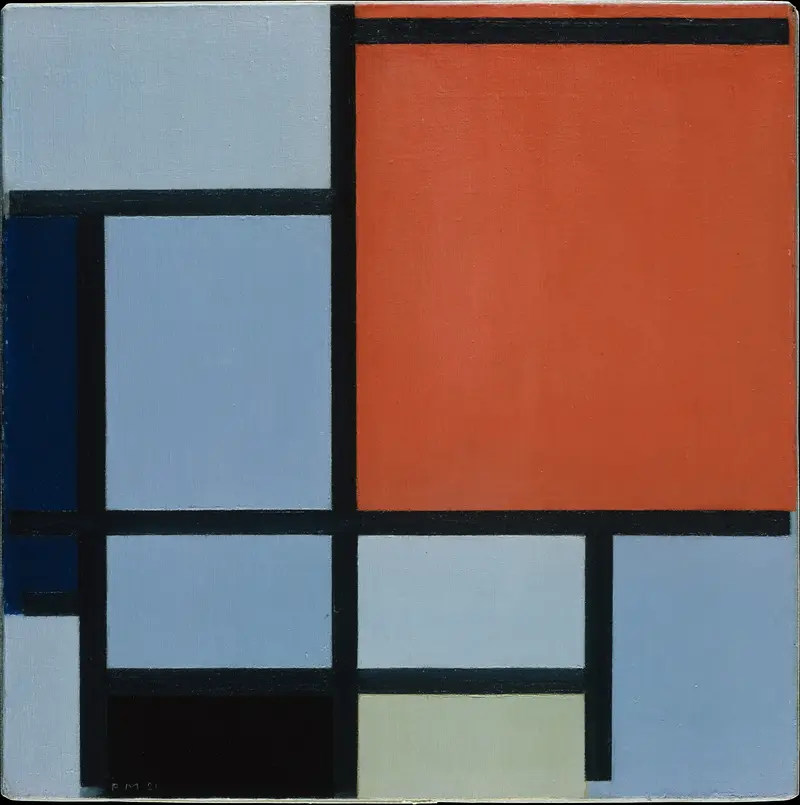
Composition
Piet Mondrian
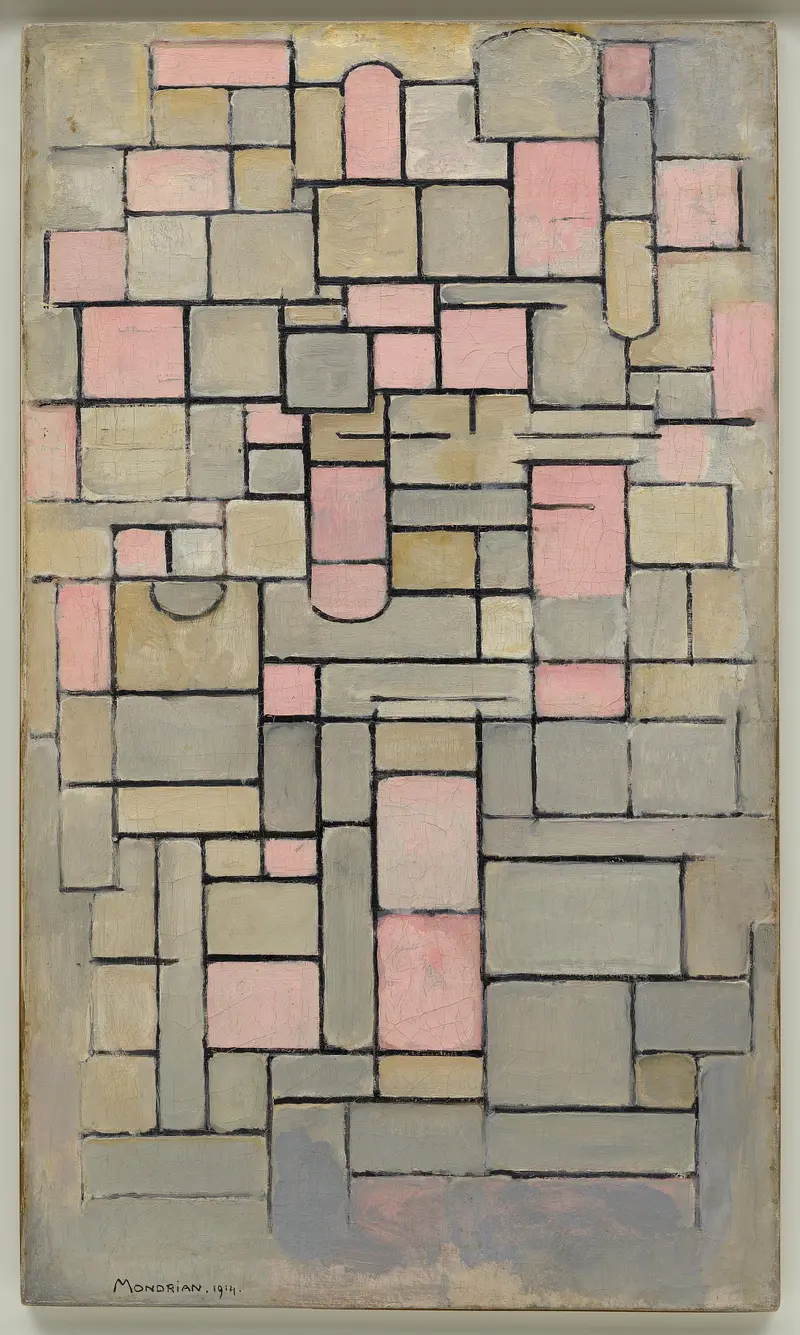
Composition 8
Piet Mondrian
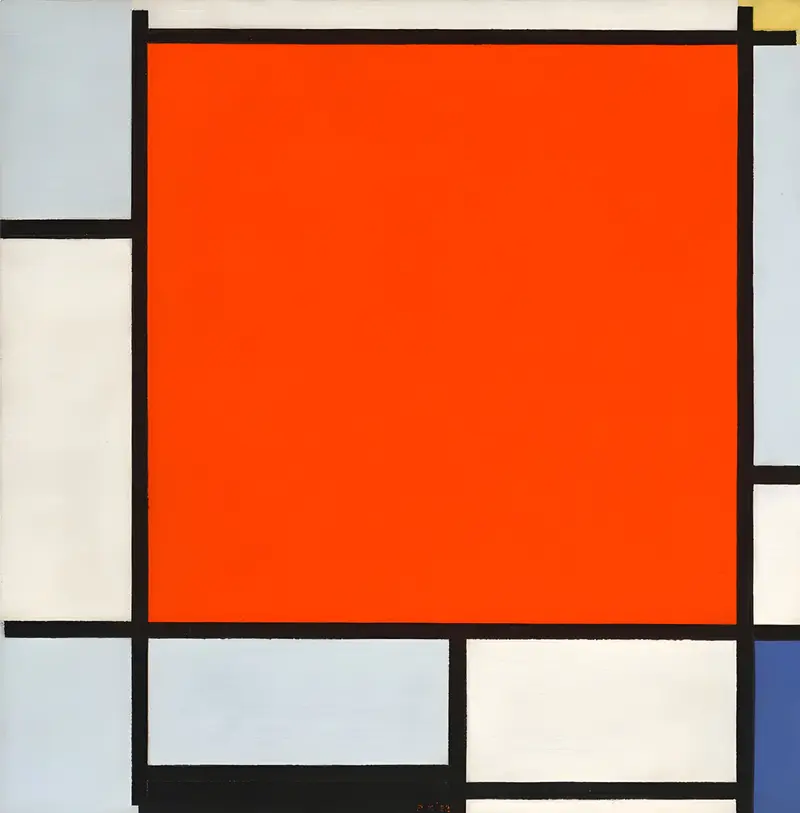
Composition with Large Red Plane, Bluish Gray, Yellow, Black and Blue
Piet Mondrian
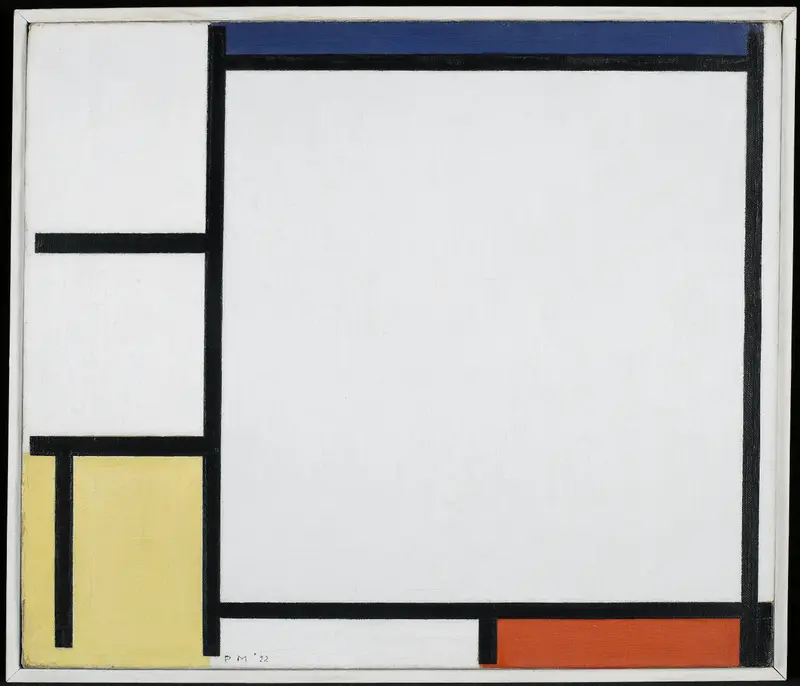
Composition with Blue, Red, Yellow, and Black
Piet Mondrian
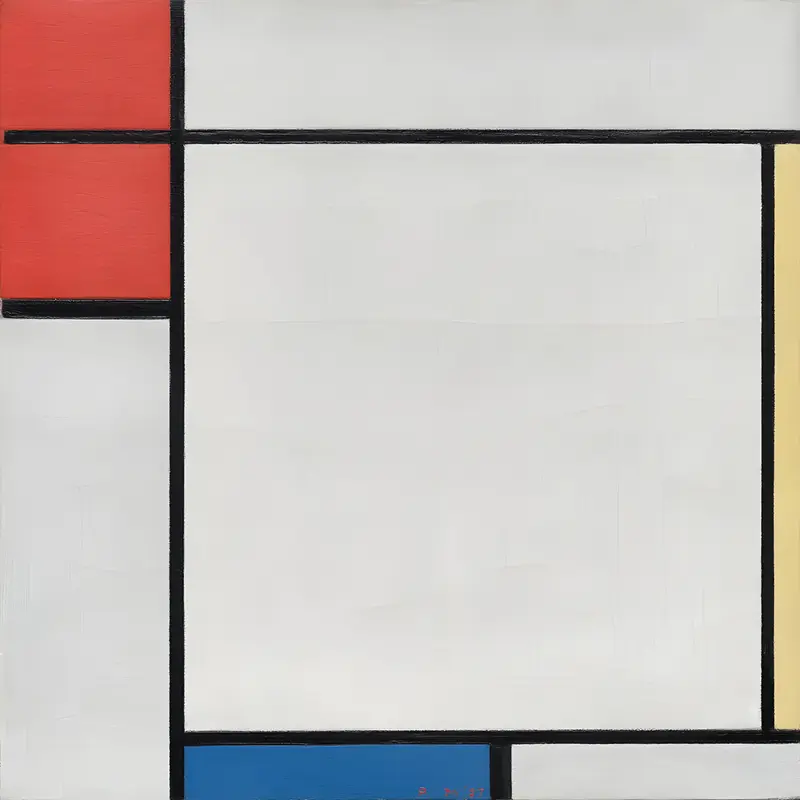
Composition with Red, Yellow, and Blue
Piet Mondrian
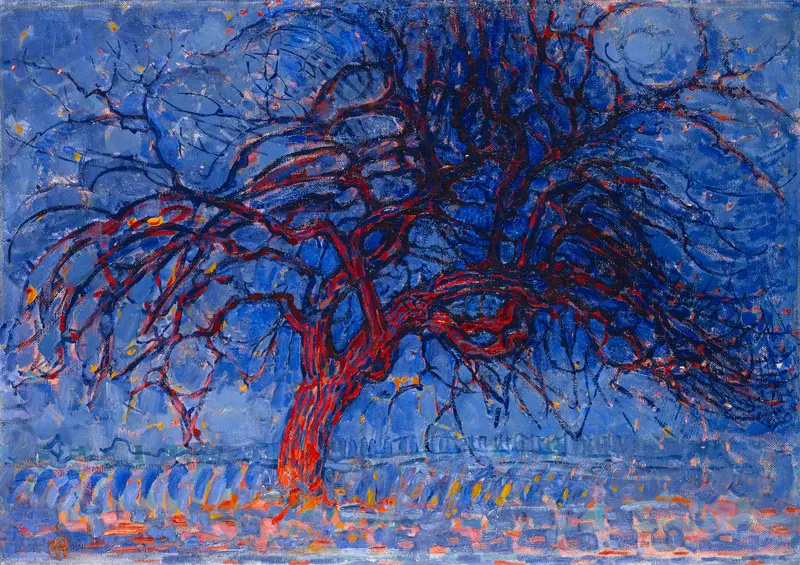
The Red Tree (Evening)
Piet Mondrian
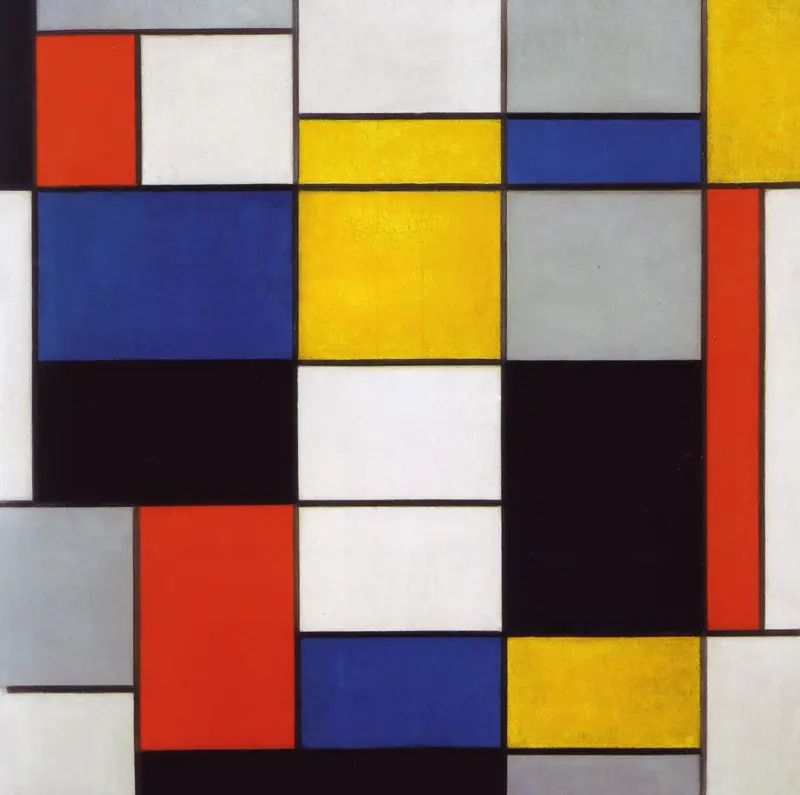
Composition A
Piet Mondrian





