Farm near Duivendrecht — History & Analysis
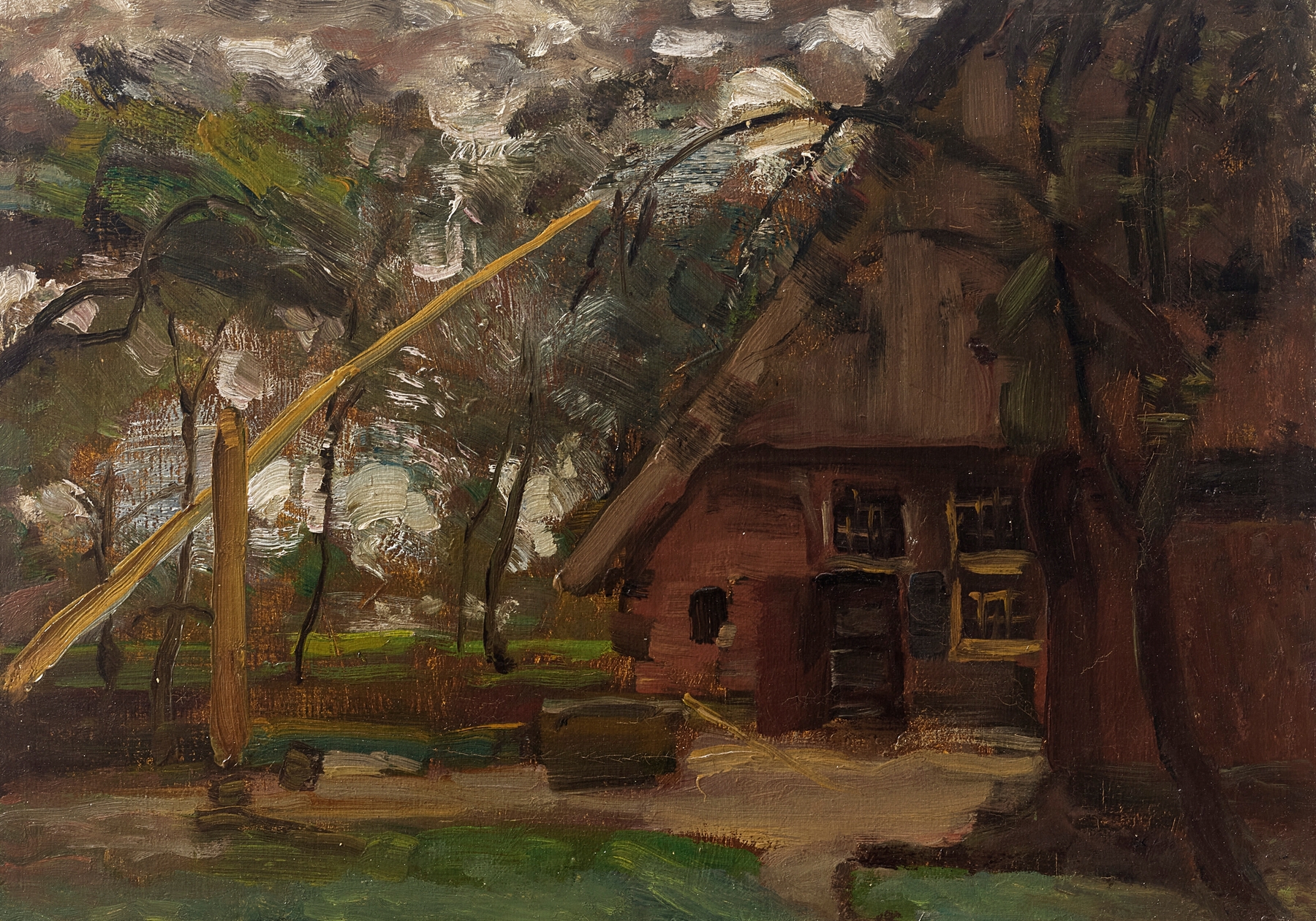
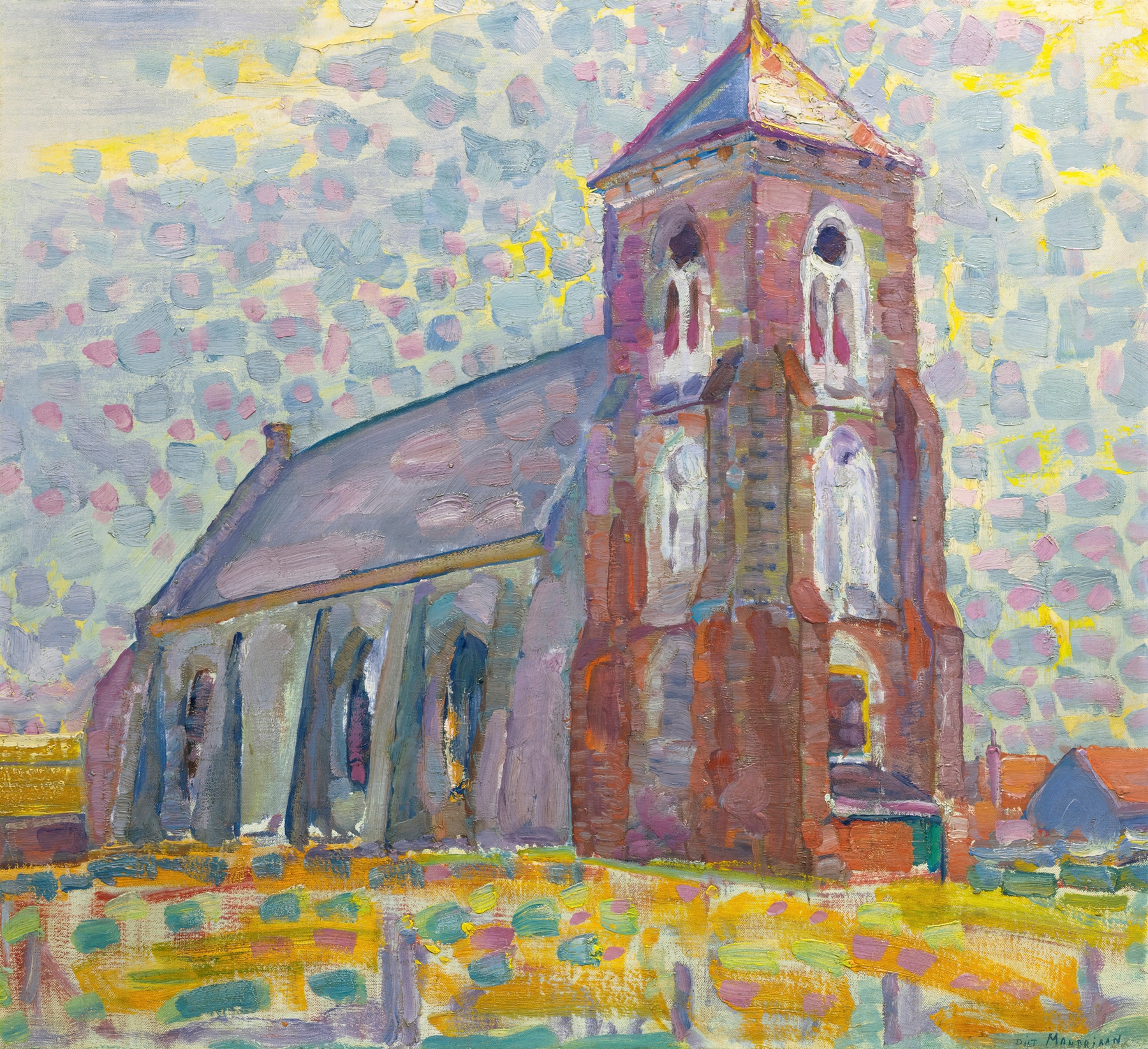
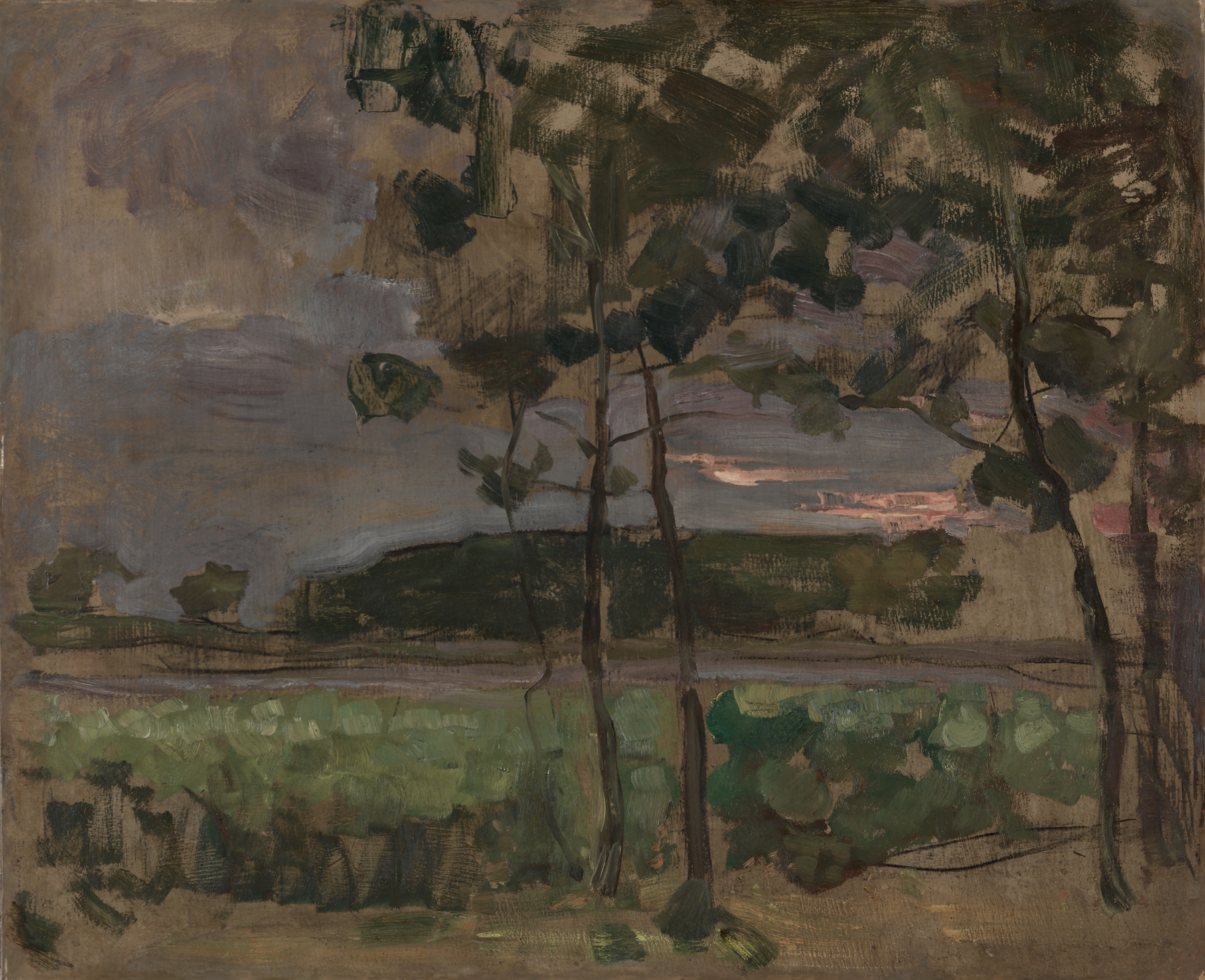
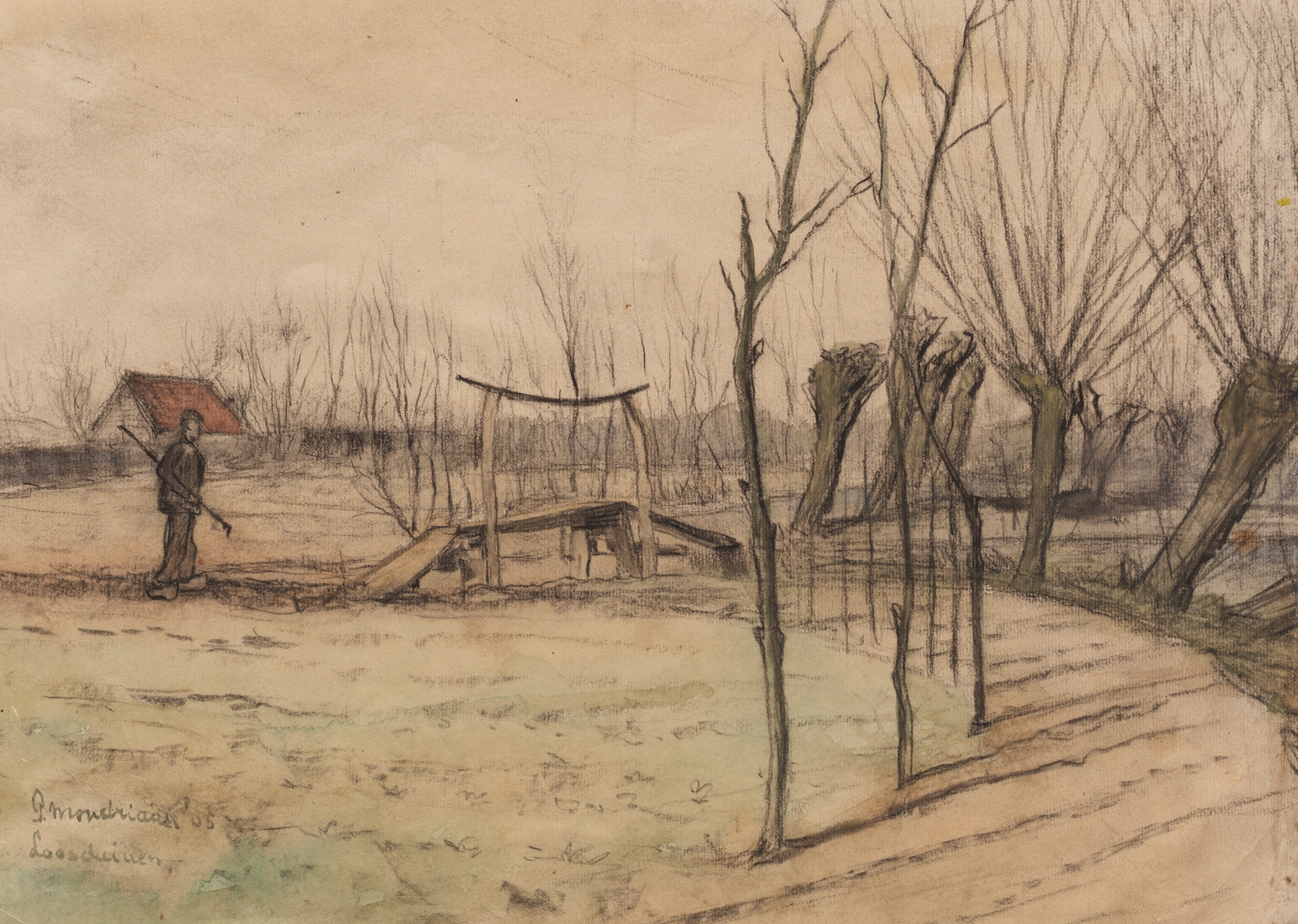
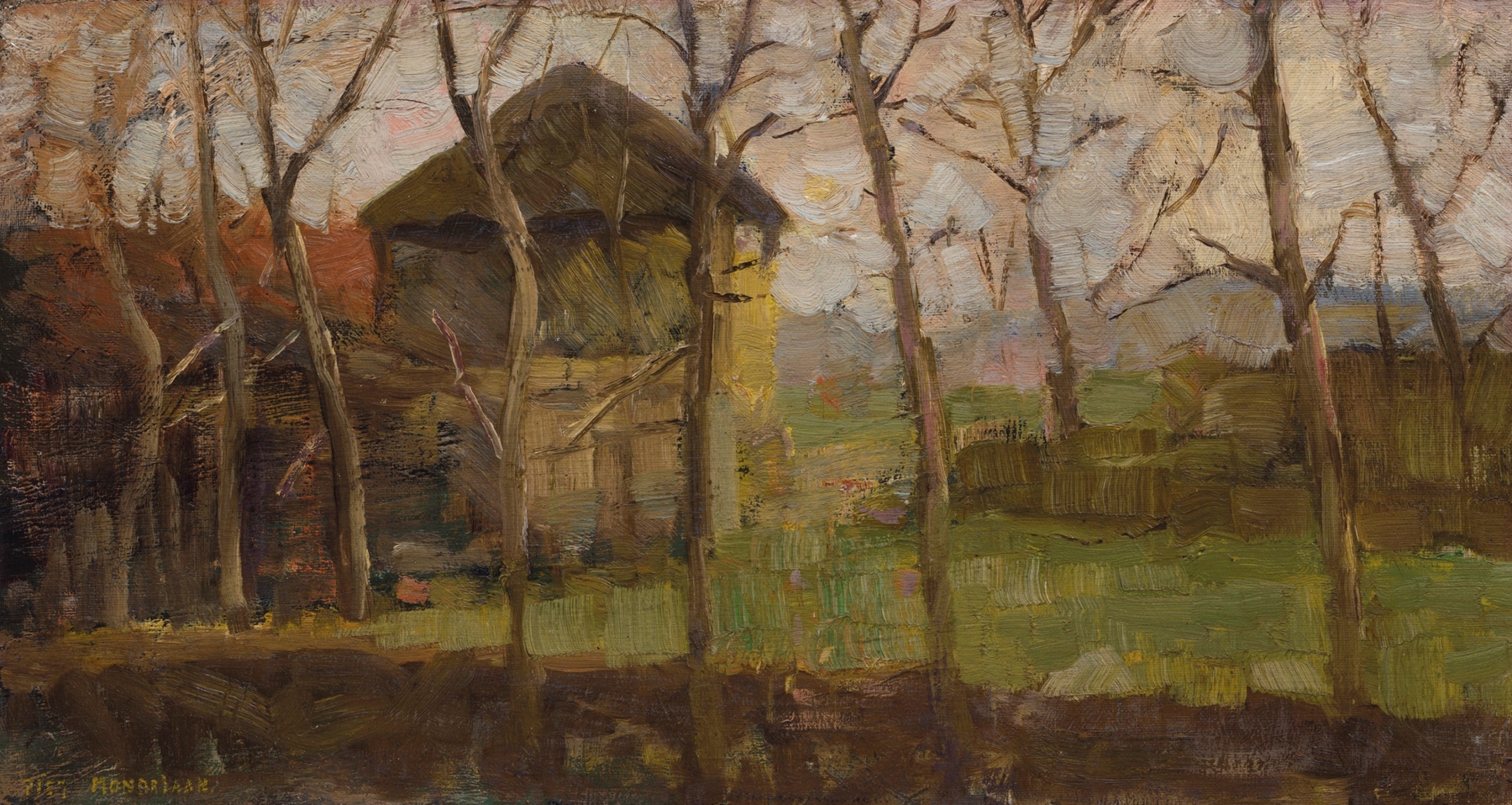
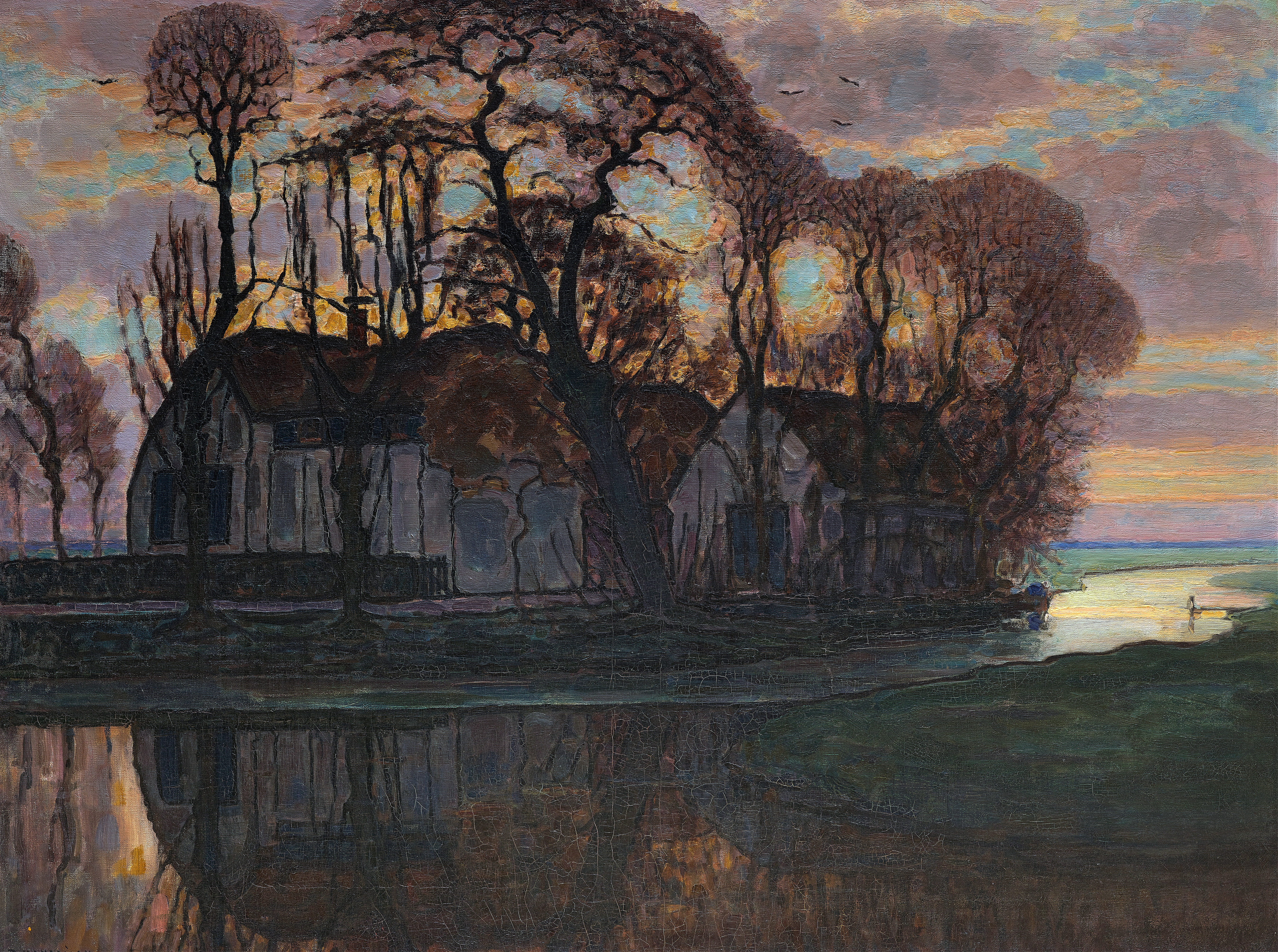
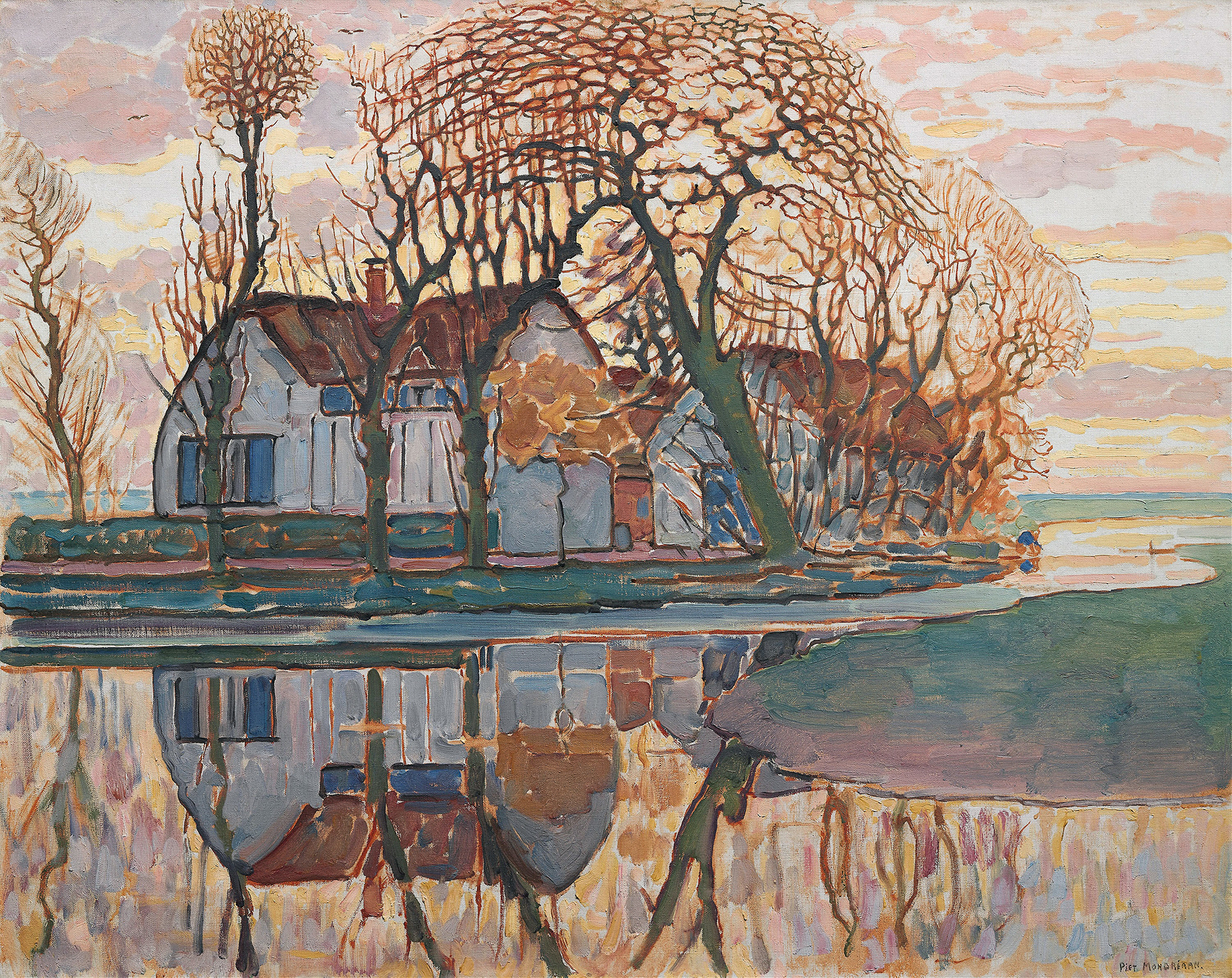
Is this a mirror — or a memory? In Farm near Duivendrecht, the canvas breathes a sense of awakening, inviting viewers into a realm where simple forms dance with the essence of life itself. Look to the lower left, where a bold yellow patch contrasts with the deep greens of the fields. The geometric shapes create a rhythm, drawing your eyes across the canvas, almost as if guiding you through the landscape.
Notice how the subtle interplay of soft and sharp edges evokes the tranquility of rural life while hinting at the underlying tension of change. The restricted palette, primarily dominated by earthy tones punctuated with vivid highlights, speaks of harmony yet suggests a world on the brink of transformation. Beneath its surface, the painting resonates with dualities — structure versus freedom, the known versus the unknown. The stark lines juxtaposed with organic forms reflect a life in transition, a moment caught between the familiar rhythms of the countryside and the burgeoning modernity that looms on the horizon.
Each element, from the distant horizon to the close, contains layers of meaning, urging the viewer to contemplate the tension between nature and human intervention in the landscape. In the midst of World War I, Piet Mondrian painted this work in the Netherlands around 1916. This period marked a pivotal point in his artistic journey where he sought to distill the essence of reality through abstraction. Amidst a world of chaos, he embraced the simplicity of the farm, echoing his desire to capture the purity of life against the backdrop of a rapidly changing society, a moment that would profoundly influence his later, more abstract works.