The Winkel Mill — History & Analysis

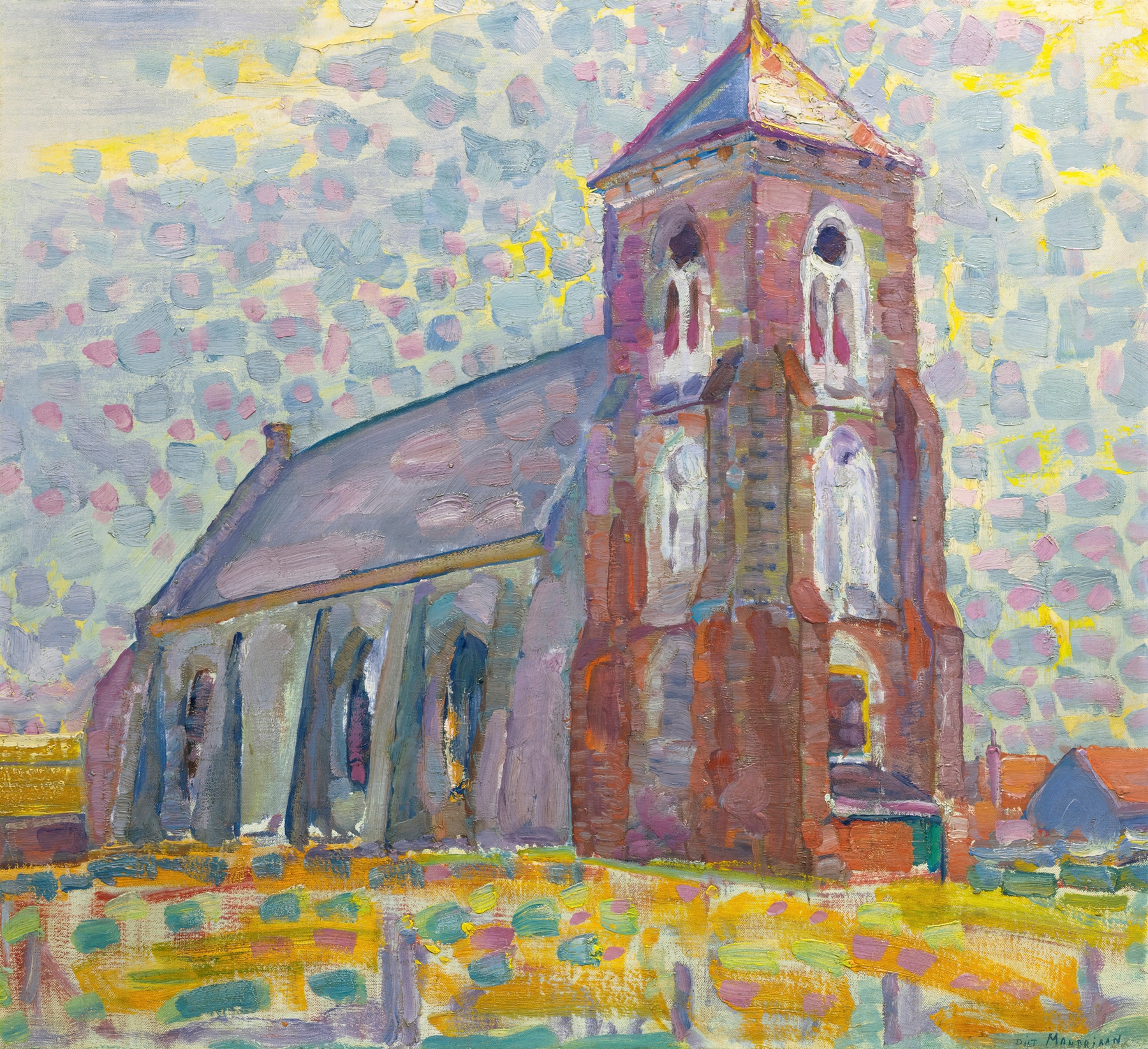
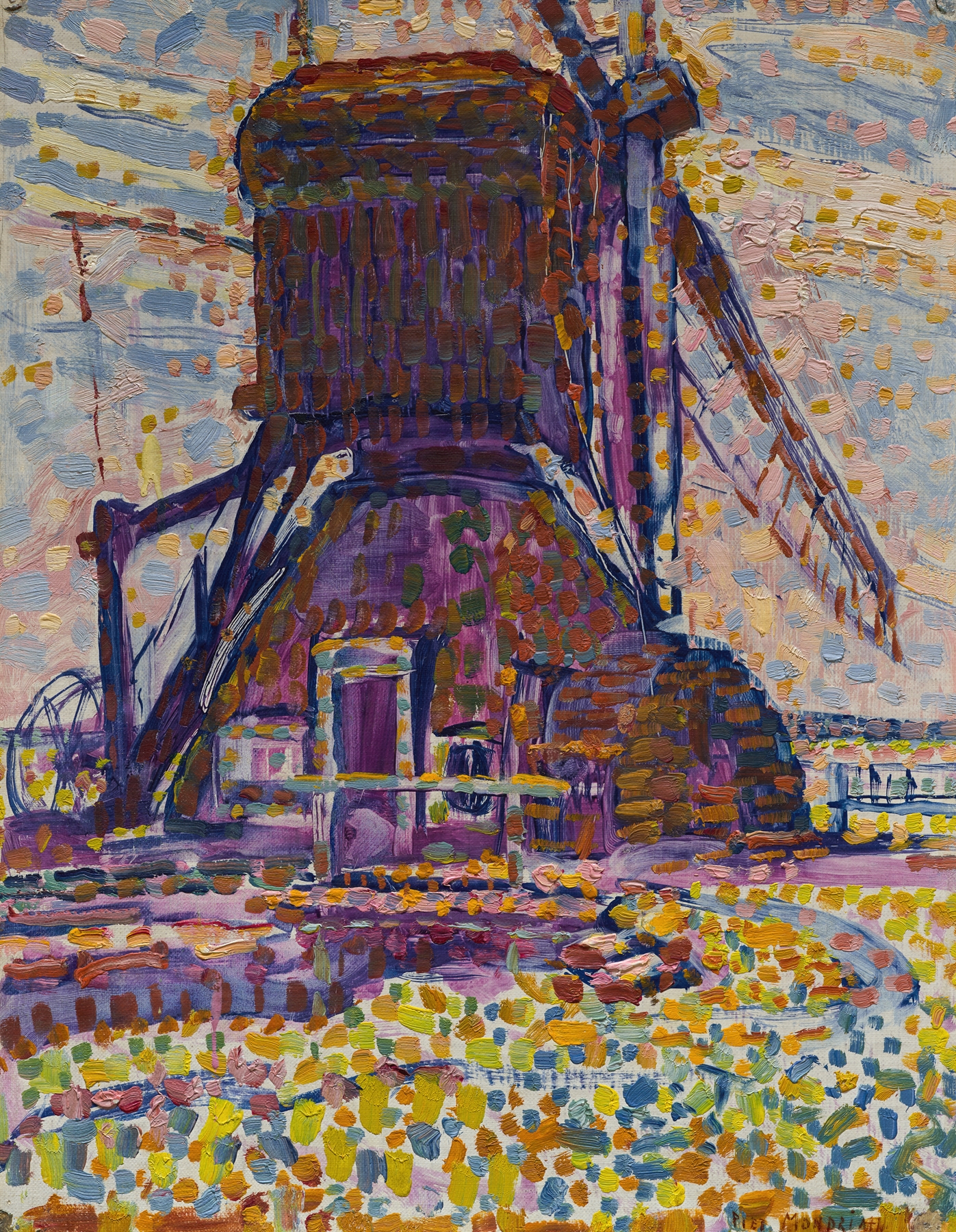
Can beauty exist without sorrow? In The Winkel Mill, the tension between form and emotion suggests a resounding “no,” as loss permeates the canvas. Look to the left at the bold, intersecting lines that outline the mill's structure, stark against the muted backdrop. The vibrant primaries poke through, hinting at life and energy, yet they coexist with the more somber gray tones that seep into the corners of the work.
Notice the way the brushstrokes are both deliberate and chaotic, creating a visual dialogue that draws the eye toward the heart of the painting while simultaneously pulling it back into shadow. In the juxtaposition of the rigid geometry and the organic forms of the landscape, we find an underlying grief. The mill, a symbol of human enterprise, stands resolute yet isolated, a testament to the passing time and fading industries. The muted colors evoke a sense of nostalgia, suggesting that beauty is not merely a celebration, but also a reminder of what has been lost and can never return.
Piet Mondrian created The Winkel Mill in 1908 during his formative years in Amsterdam. At this time, he was deeply influenced by the Dutch landscape and the symbolism of his surroundings, while simultaneously exploring the boundaries of abstraction. This work reflects not only his evolving style but also the broader shifts within the art world as artists began to reimagine the interplay of nature and geometry in the face of rapid industrialization.