Spring Sun (Lentezon); Castle Ruin; Brederode — History & Analysis
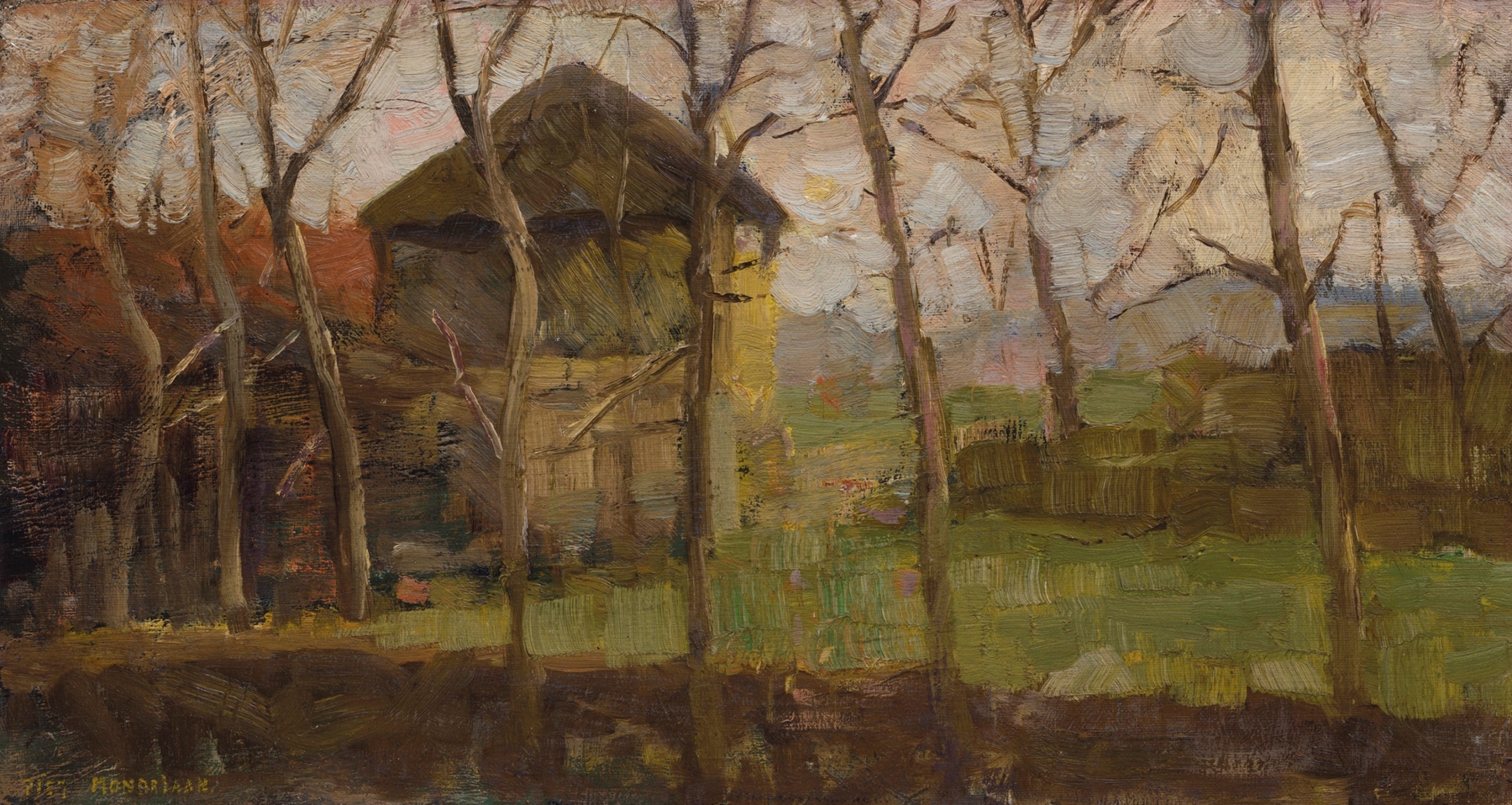
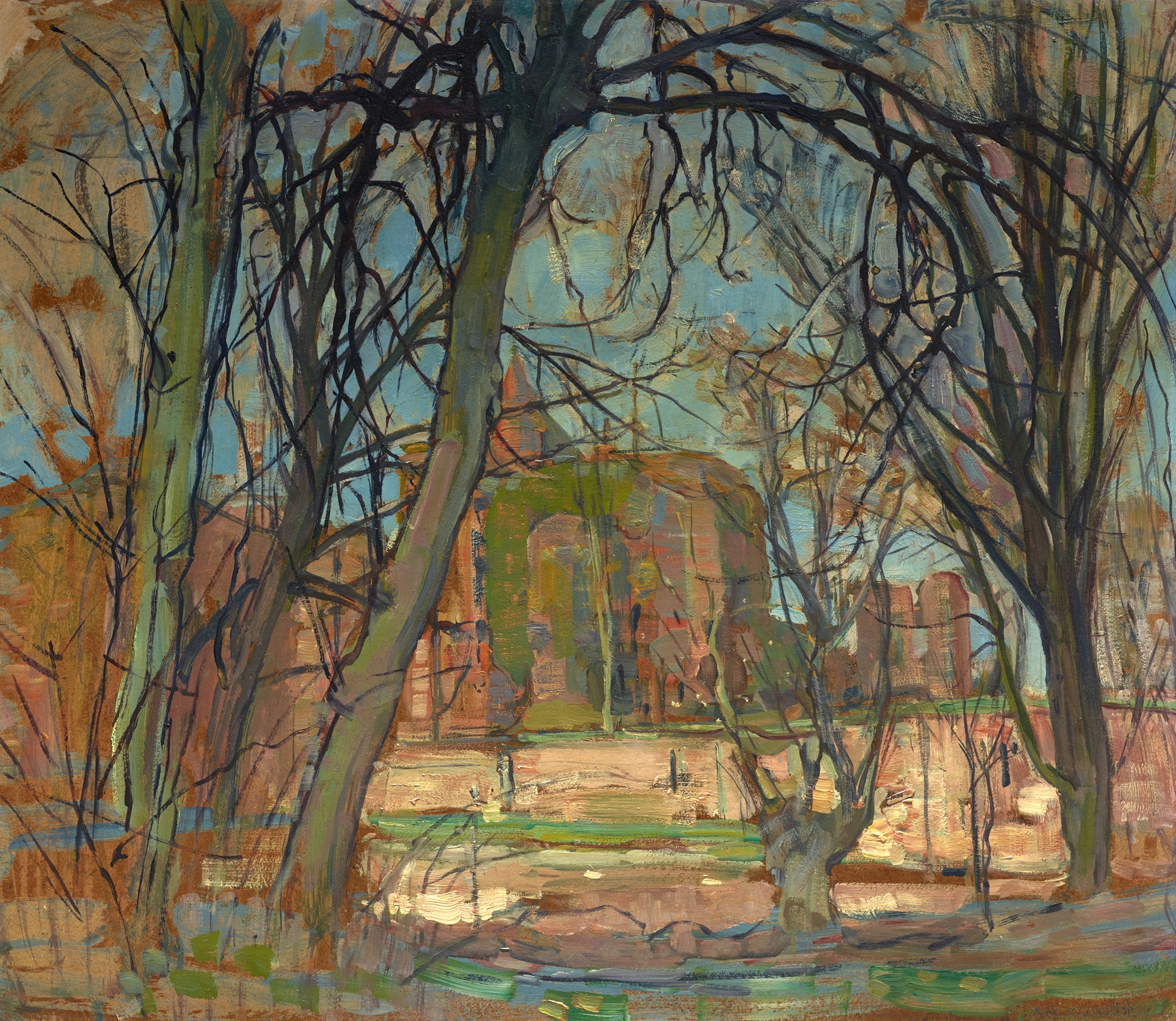
What if beauty was never meant to be finished? In Spring Sun (Lentezon); Castle Ruin, the play of shadow and light invites us to reconsider the very essence of nature and decay. Look to the center of the canvas, where the fragmentary structure of a castle ruin rises, cloaked in an aura of muted colors. The soft interplay of yellows and greens suggests sunlight filtering through burgeoning foliage, while the deep shadows reveal the architecture's loss and history.
Notice how the stark lines of the castle contrast against the organic shapes of the landscape, creating a tension that draws the eye into an embrace of both solitude and vibrancy. As you explore further, consider the emotional weight of the shadows cast by the ruins. They speak of absence—a reminder of what once stood proud, now softened by the passage of time. This duality of presence and absence weaves through the work, hinting at the ephemeral nature of beauty itself, and the fleeting moments that define our experiences.
The sunlight brings life, while the ruins whisper the story of decay, evoking a profound sense of nostalgia and reflection. In the early 1900s, Mondrian was deeply entrenched in the Symbolist movement and exploring the tension between abstraction and representation, primarily in the Netherlands. During this period, he grappled with the tension of modernity and tradition, seeking to convey deeper truths through his art. Spring Sun reflects his early experimentation with form and color, laying the groundwork for the more geometric and abstract works that would come to define his later career.