Field with Young Trees in the Foreground — History & Analysis
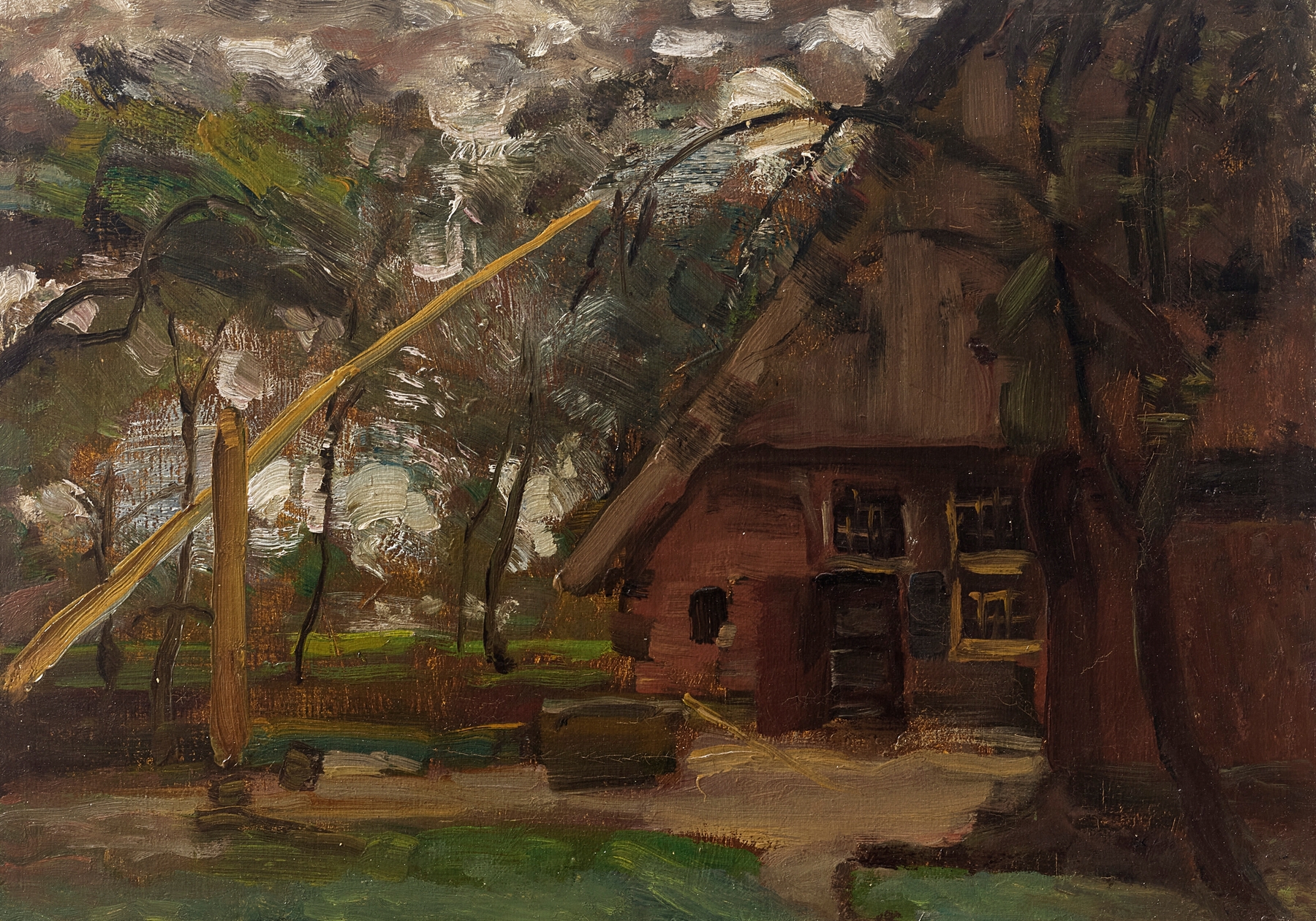
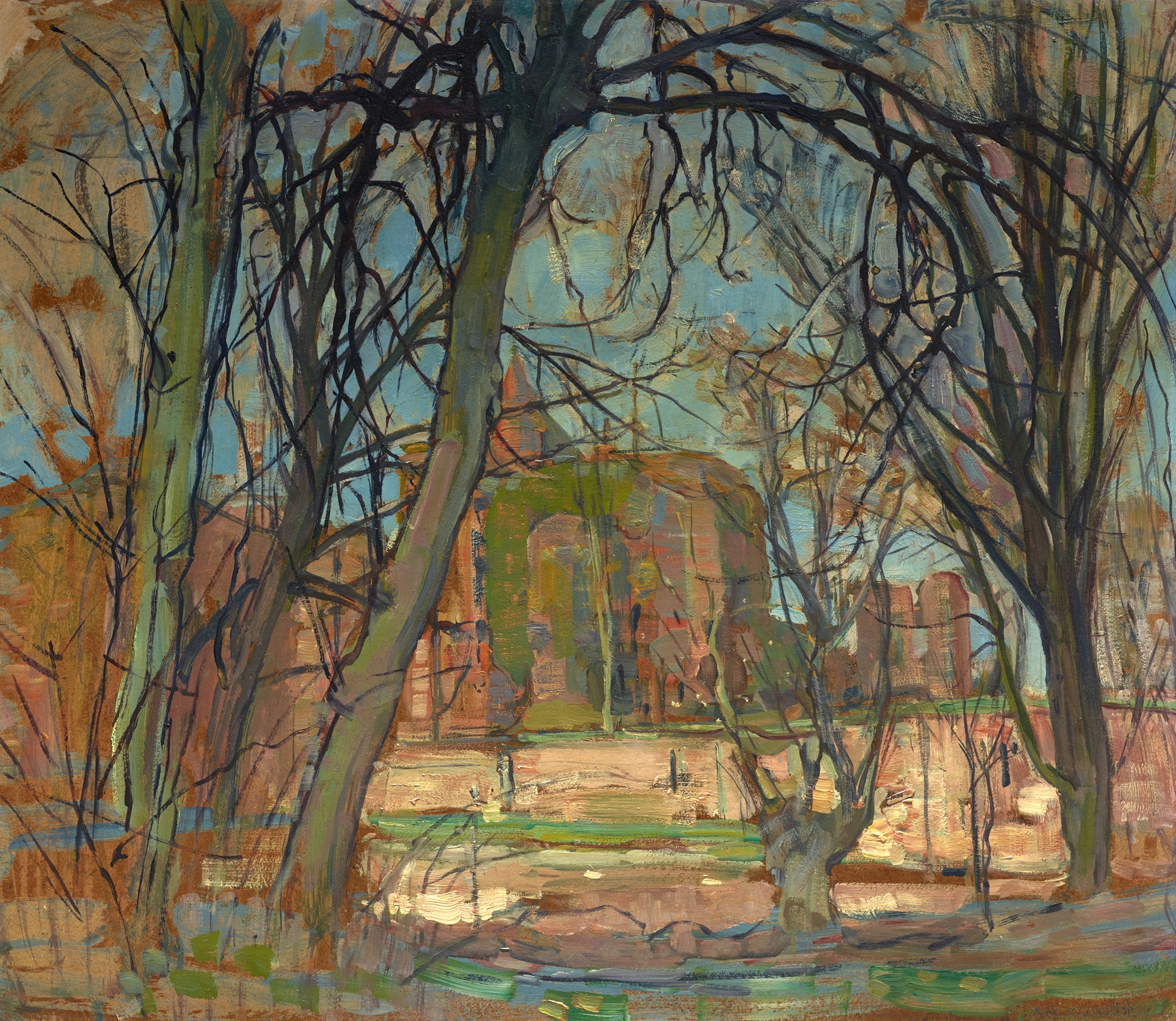
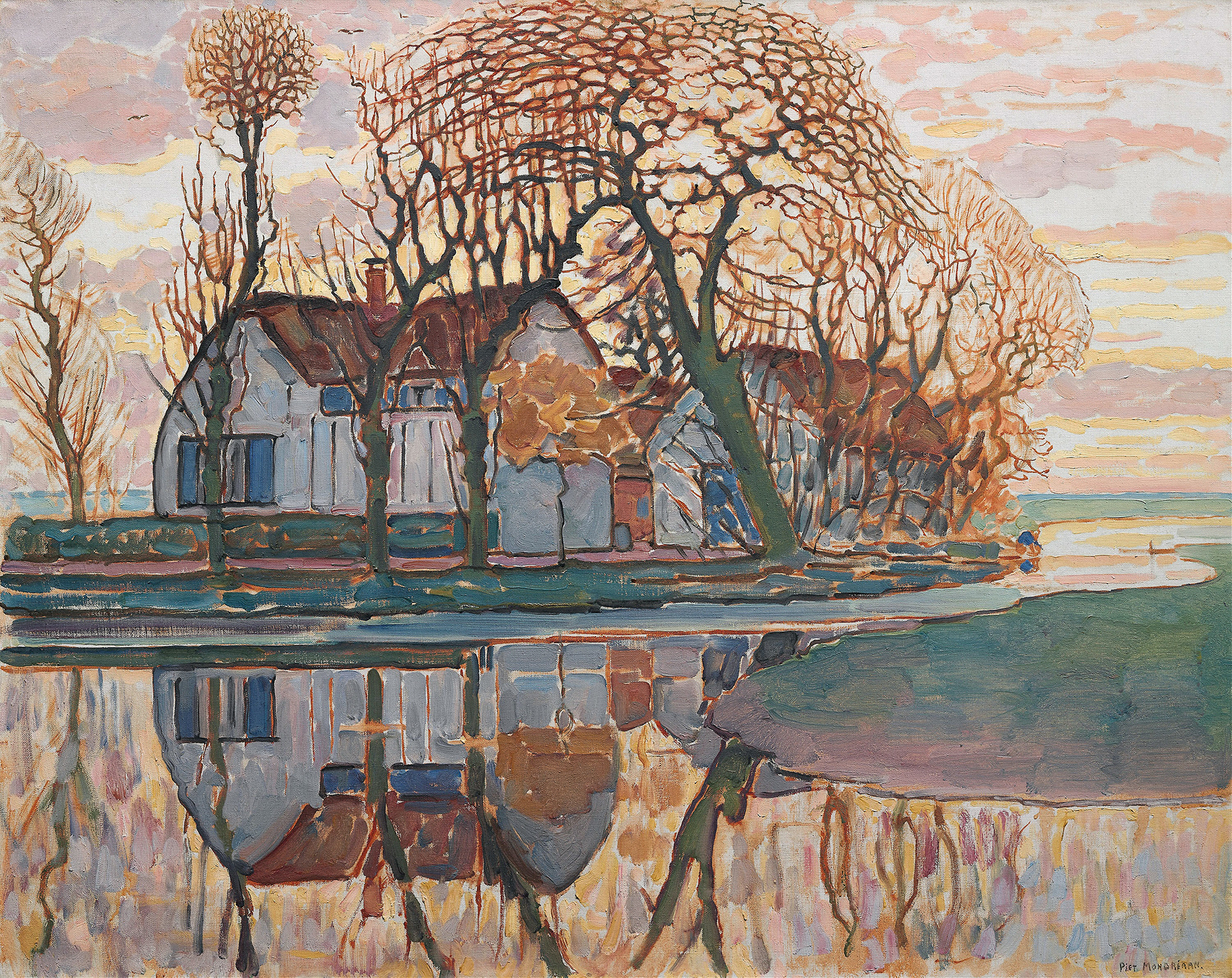
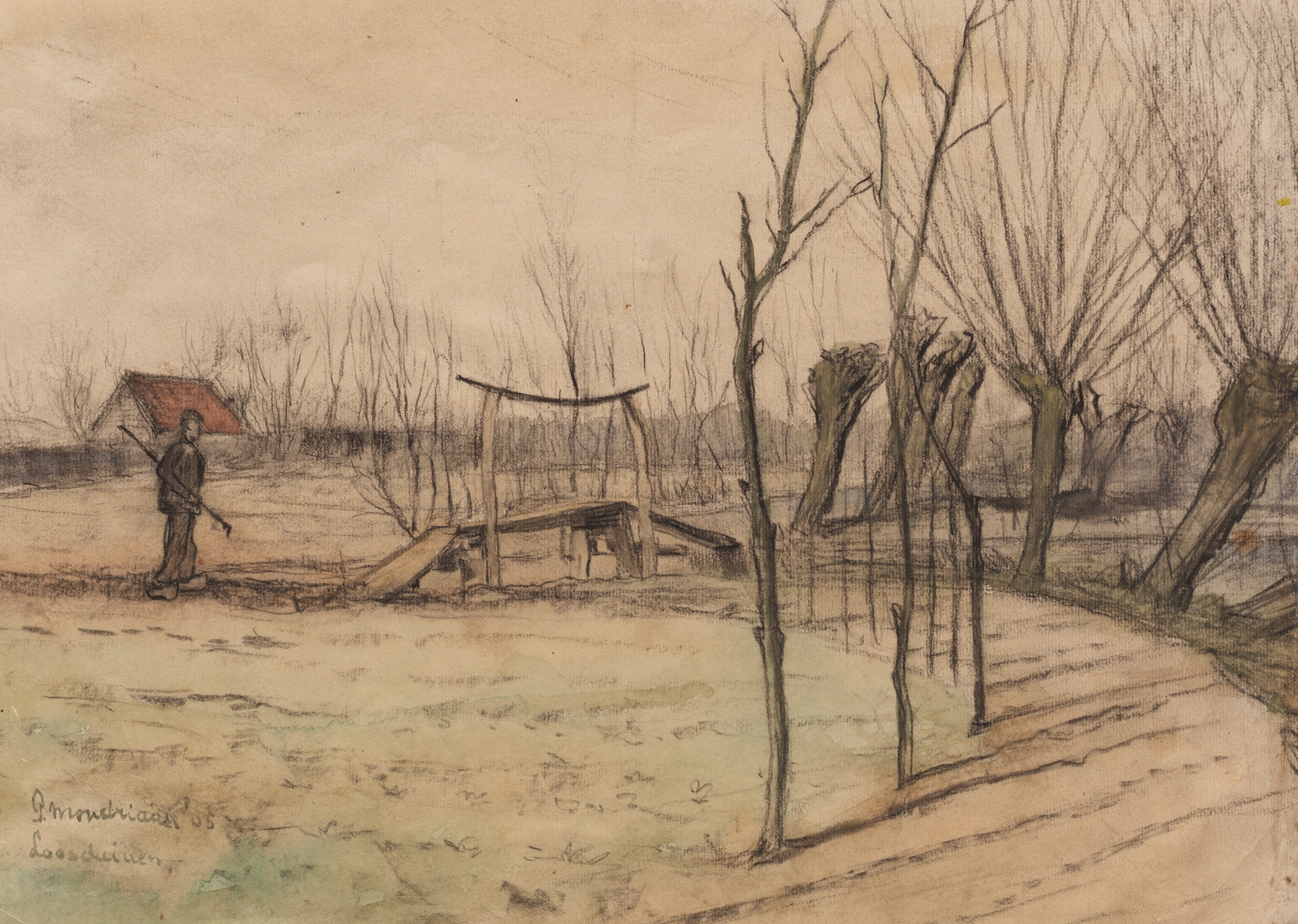
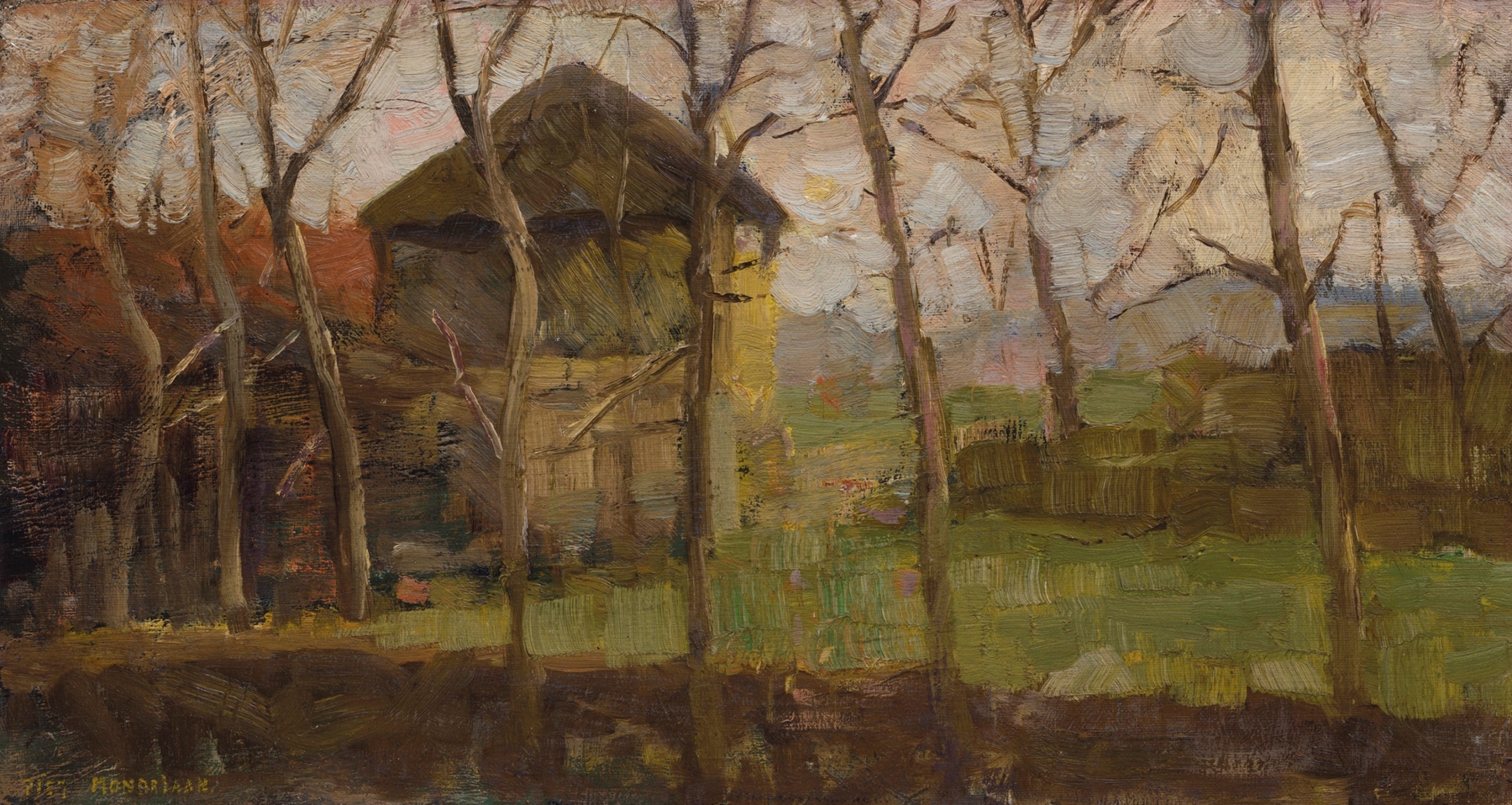
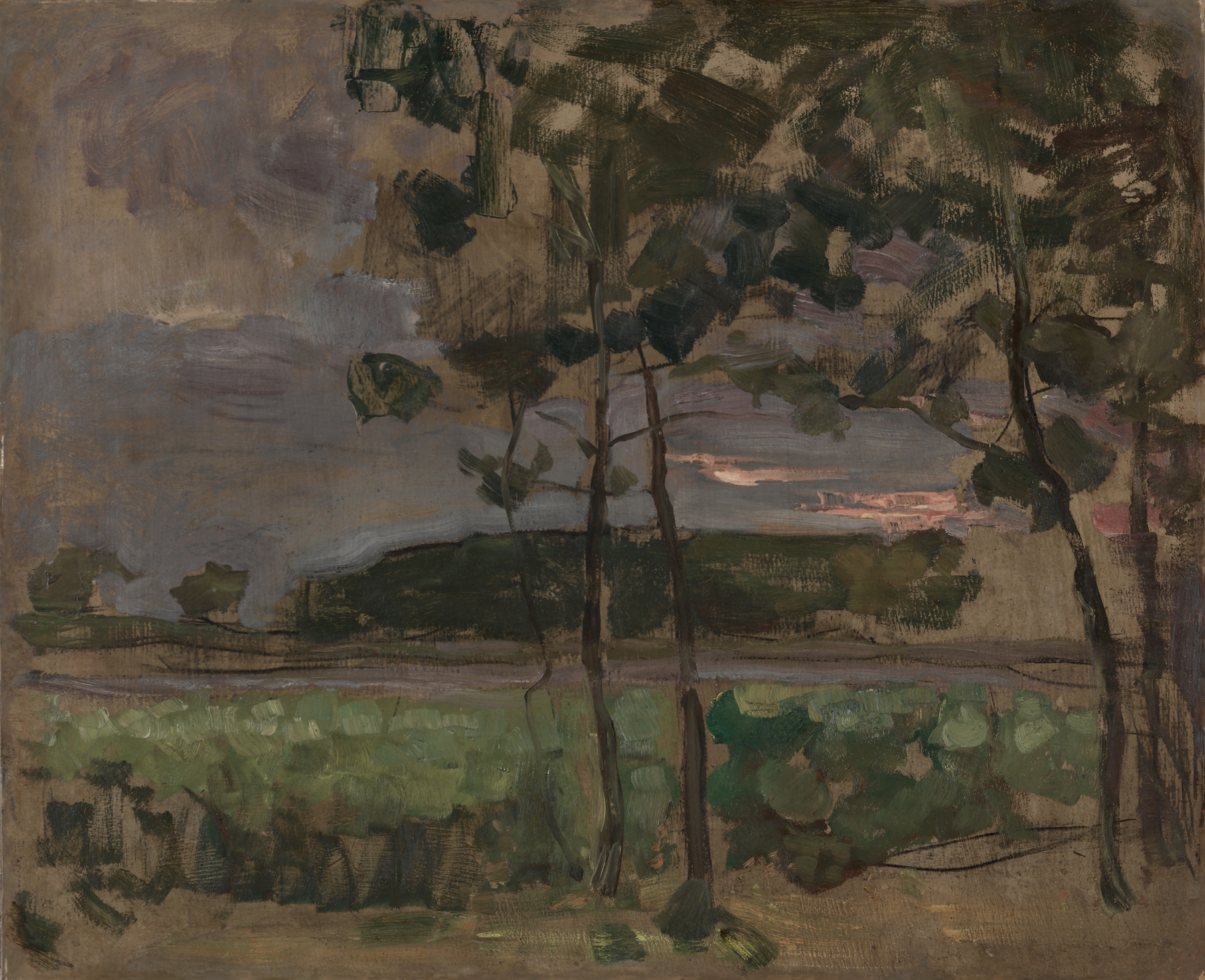
What if beauty was never meant to be finished? This question lingers as we gaze upon the delicate interplay of shapes and colors in the work before us, evoking a sense of tranquility infused with a hint of yearning. Look to the left at the lattice of subtle greens and ochres that form a tapestry of young trees, their slender trunks gently swaying in an imagined breeze. The brushstrokes, both precise and spontaneous, create a rhythm, guiding the viewer’s eye across the canvas.
Notice how the light seems to filter through the foliage, illuminating patches of earth and sky with soft, dappled hues, invoking the essence of a serene landscape that speaks to the heart. As you delve deeper, consider the contrast between the organic forms and the structured arrangement on the canvas. The young trees, symbols of growth and vitality, stand against a background that hints at an underlying order, reflecting the tension between nature and human perception. This duality suggests a fleeting moment of beauty, where the ephemeral quality of light captures the essence of life itself, urging us to pause and embrace the present.
In the summer of 1907, while living in Paris, the artist explored the relationship between form and color, moving away from representational art toward abstraction. This period marked a significant shift in his work, as he began to investigate the essence of his surroundings, seeking to distill them into their purest forms. The world of art was evolving rapidly, and Mondrian, influenced by movements such as Impressionism and Cubism, was at the forefront of this transformative journey.