Church In Zoutelande — History & Analysis
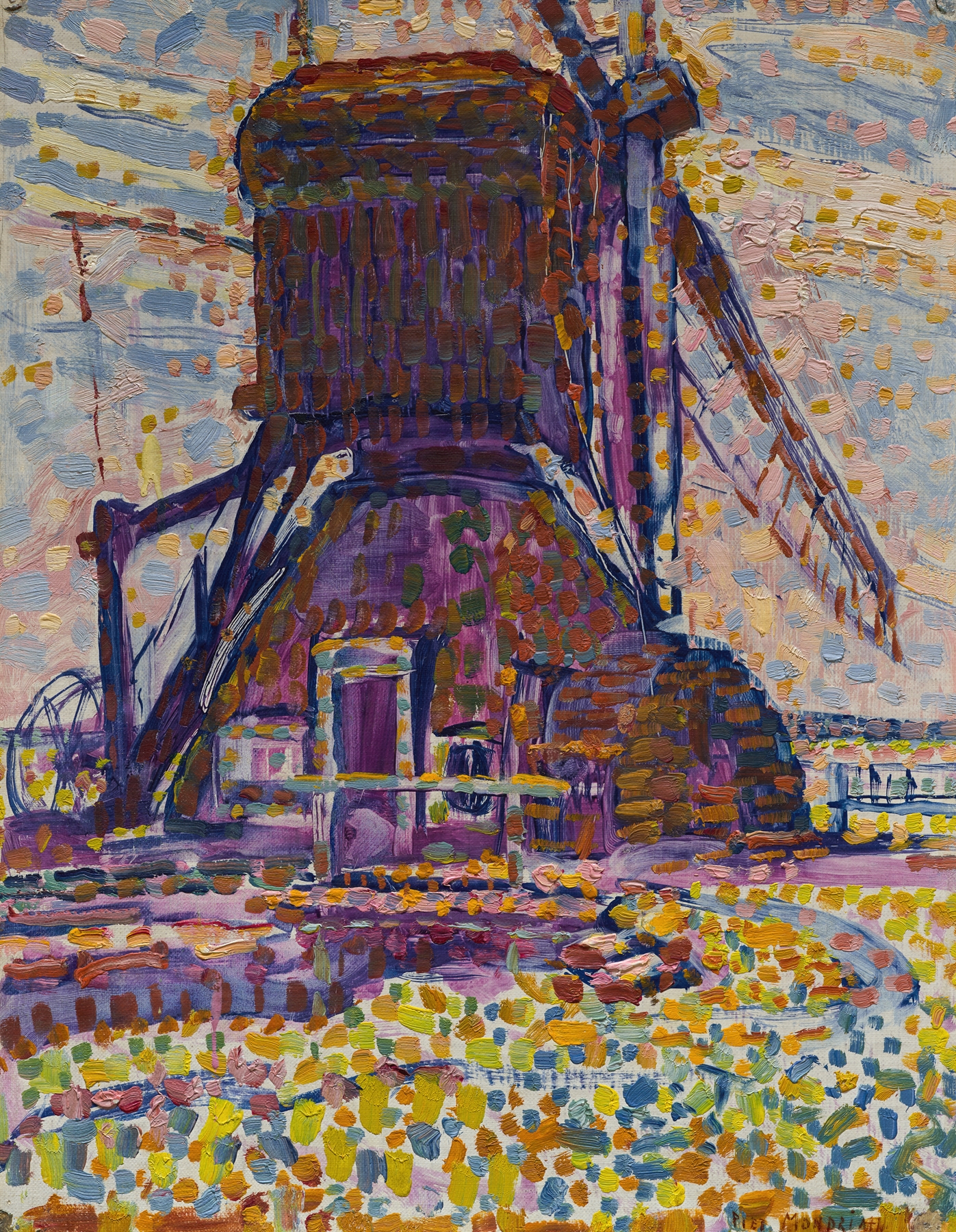
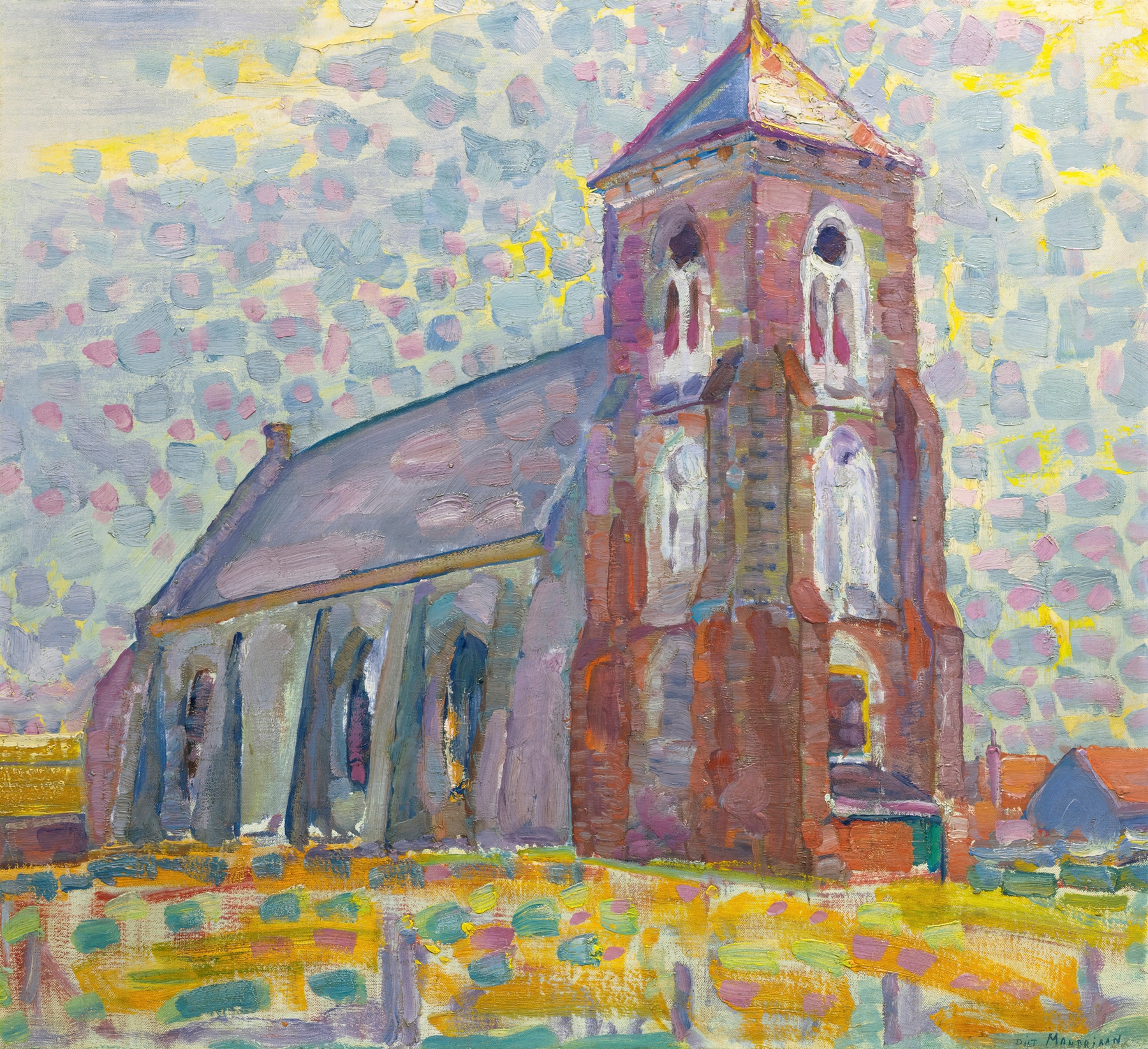
“Art reveals the soul when the world turns away.” In the stillness of an empty landscape, we confront that profound void within ourselves. The interplay of abstraction and reality invites contemplation, urging us to explore what lies beyond the mere façade of existence. Look closely at the vibrant squares of color that dance across the canvas, grounding your gaze in the structured composition. Notice how the bold lines are not merely boundaries but pathways, leading your eye through the piece. The use of white space around the church evokes a sense of isolation—this iconic structure stands alone, a beacon of presence in a sea of absence.
The palette, with its earthy tones juxtaposed against stark whites, creates a dialogue between warmth and desolation. Within the simplicity of this scene, deeper meanings emerge. The church, a symbol of refuge and community, contrasts sharply with the surrounding emptiness. Each color block embodies the tension between human aspiration and the overwhelming solitude of the natural world.
The absence of figures enhances this feeling, suggesting that the quest for connection may ultimately be a solitary journey. Piet Mondrian created this piece in 1909 while living in Paris, amidst the rise of modernism and the search for new artistic languages. During this period, he explored the intersection of abstraction and representation, seeking to convey deeper truths through simplified forms. The world was shifting, and Mondrian was at the forefront of this evolution, experimenting with the emotional power of color and line.