Anstieg in einer Mondnacht — History & Analysis
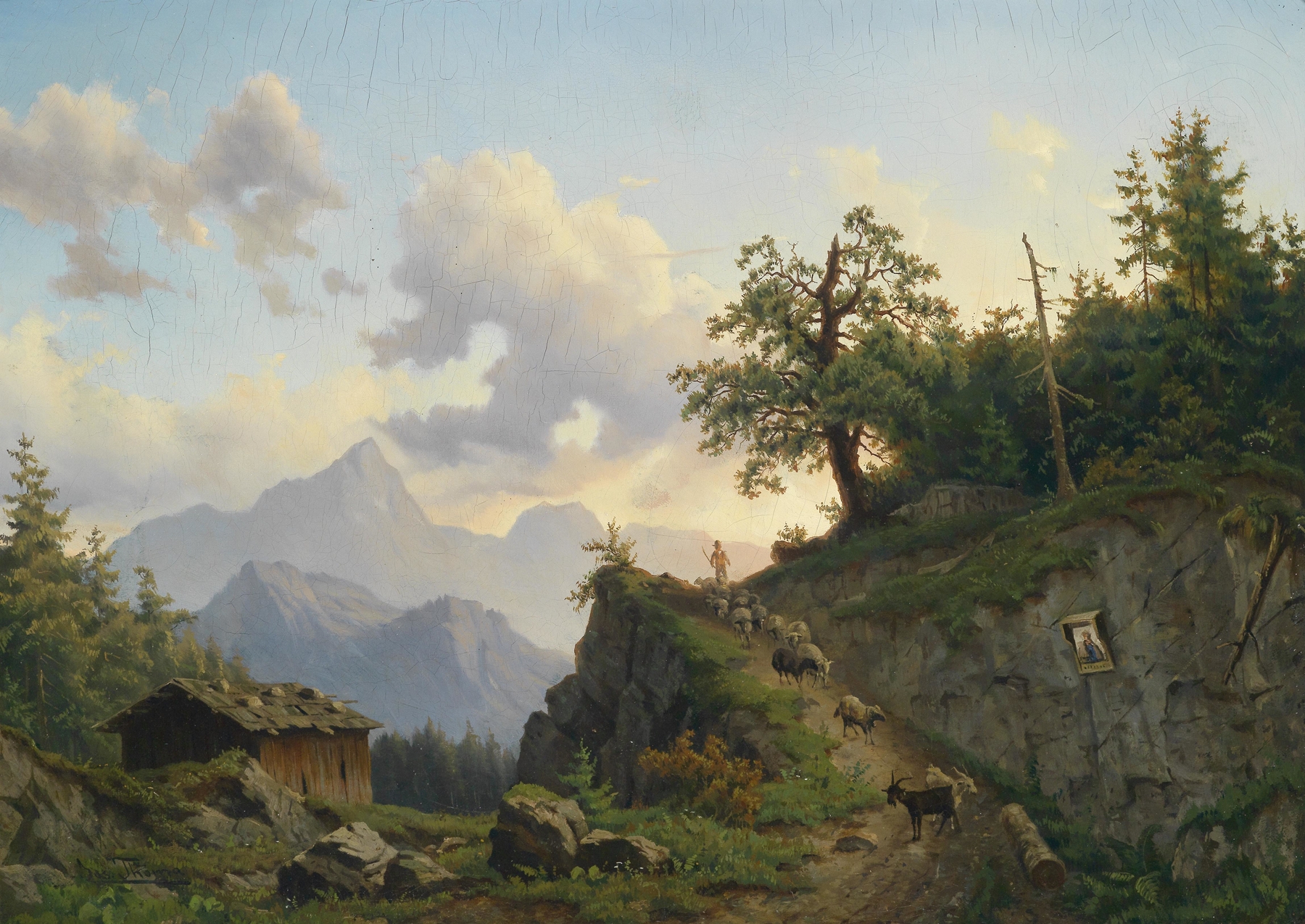
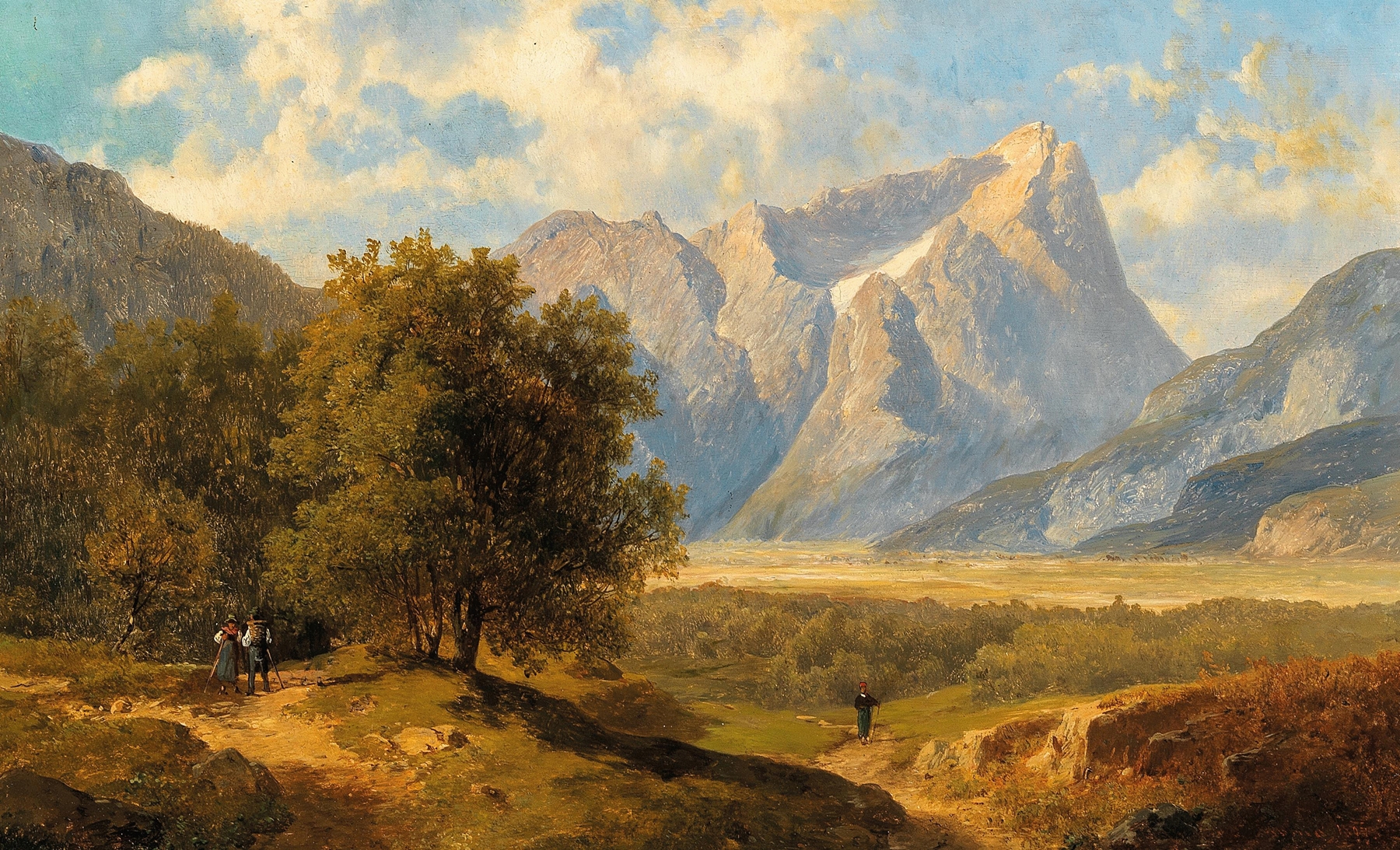
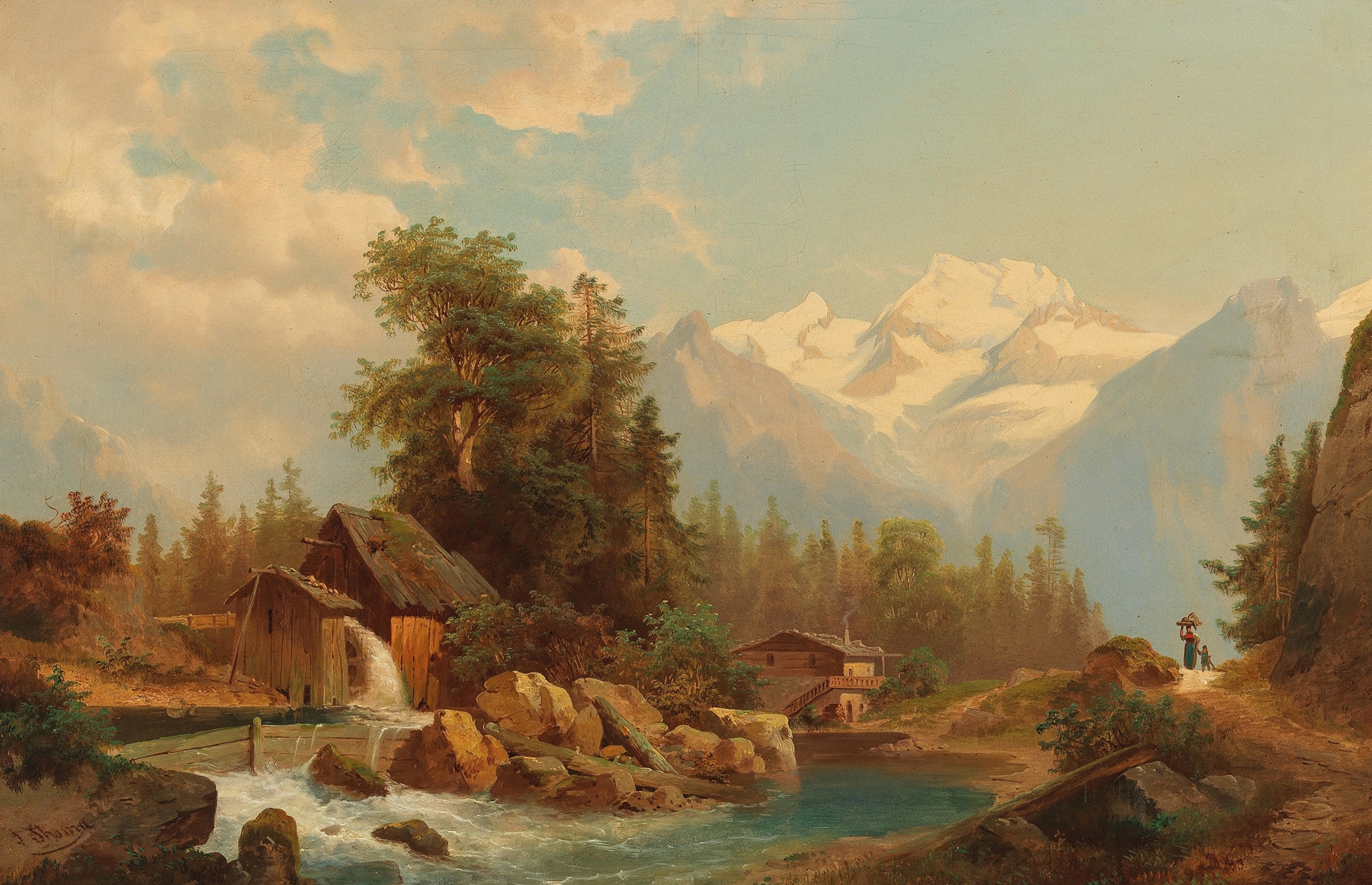
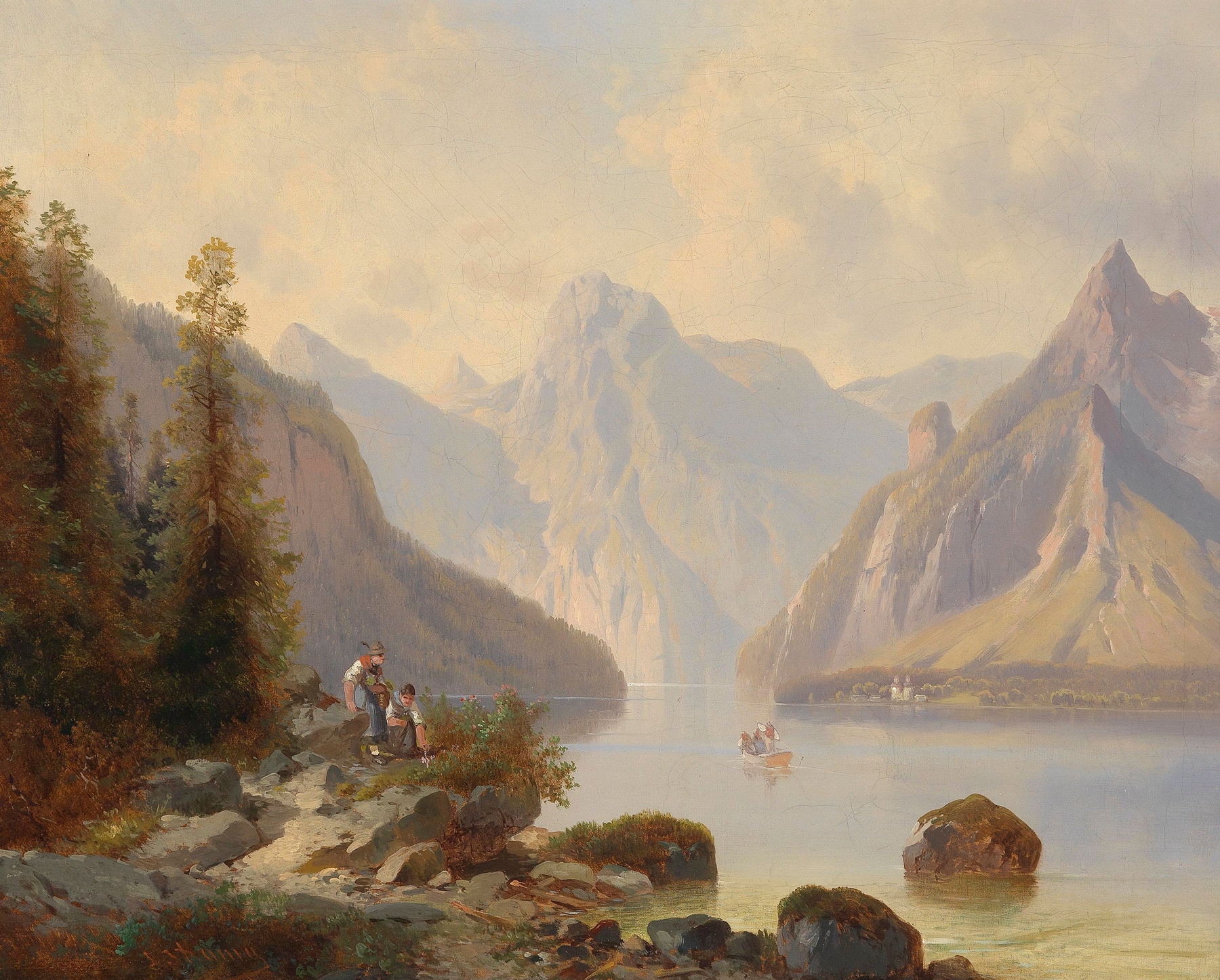
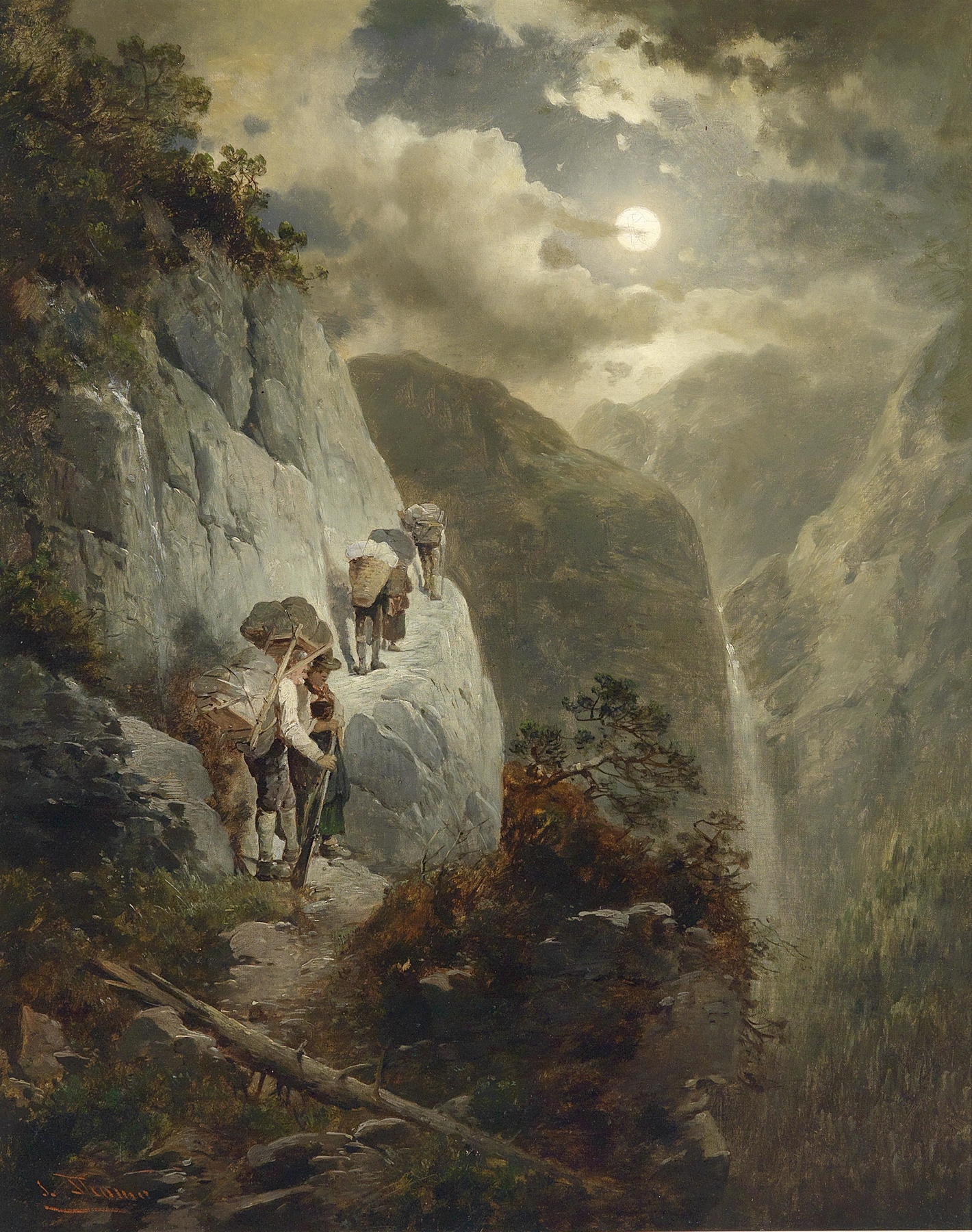
“Art reveals the soul when the world turns away.” In the stillness of night, innocence thrives under the watchful gaze of the moon, casting a soft glow that envelops the unseen. Here, beauty emerges unforced, beckoning us to contemplate the purity hidden within life’s shadows. Focus on the gentle undulation of colors that blend seamlessly in the background, creating a luminous tapestry of blues and silvers. Notice how the moonlight caresses the delicate surfaces, enhancing textures and evoking a sense of tranquility.
The artist’s brushstrokes reflect a serene rhythm, inviting you to linger in the quietude of this nocturnal landscape. Each element harmonizes, forming a sanctuary that bridges the known and the ethereal. Delve deeper into the painting’s layers, and you’ll discover an interplay of light and dark that speaks to the contrasts of innocence and experience. The moon represents enlightenment, illuminating both beauty and hidden fears, while the obscured elements remind us of the fragility of purity.
This work prompts reflection on the transient nature of innocence, urging viewers to confront their own lost moments of simplicity amidst life’s complexities. Created in a time where the world was rife with turmoil, the artist found solace in expressing the serene beauty of nature. Working in the late 19th century, Thoma was influenced by the Symbolist movement, which sought to convey deeper emotional truths through art. During these years, he turned his back on the chaos of modernity to embrace a more idyllic vision of life, invoking the innocence that often goes unnoticed in the clamor of existence.