Antibes — History & Analysis
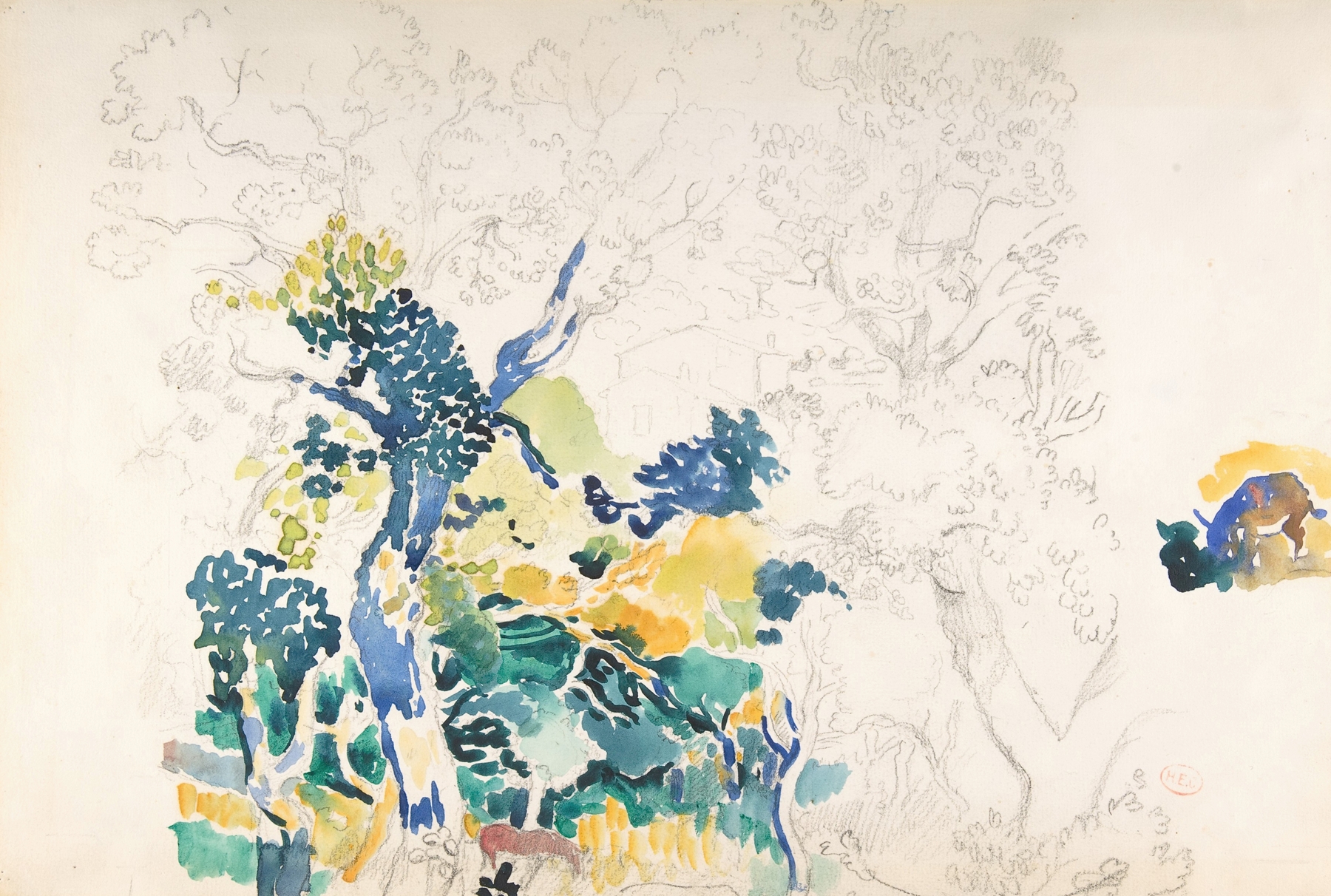
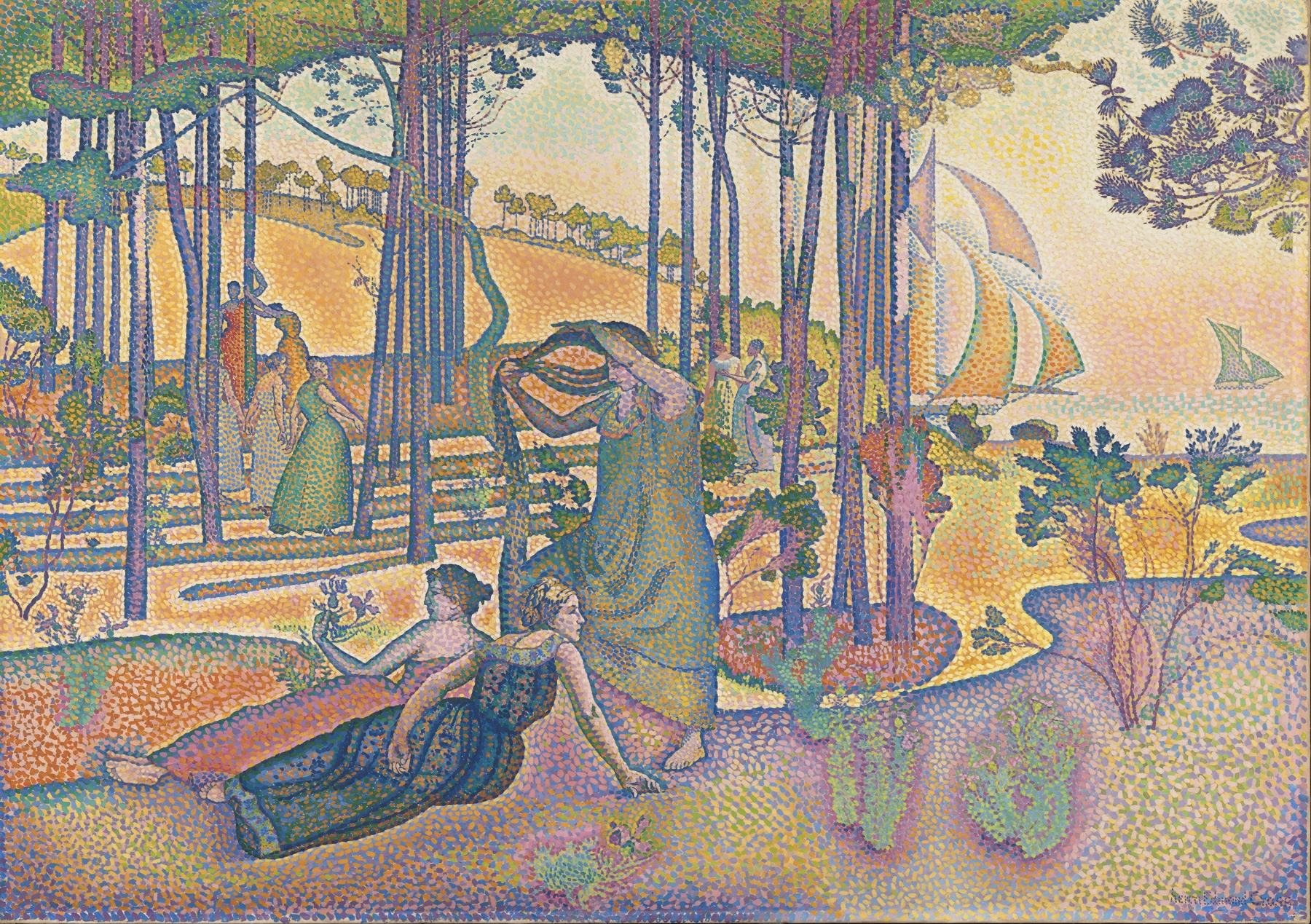
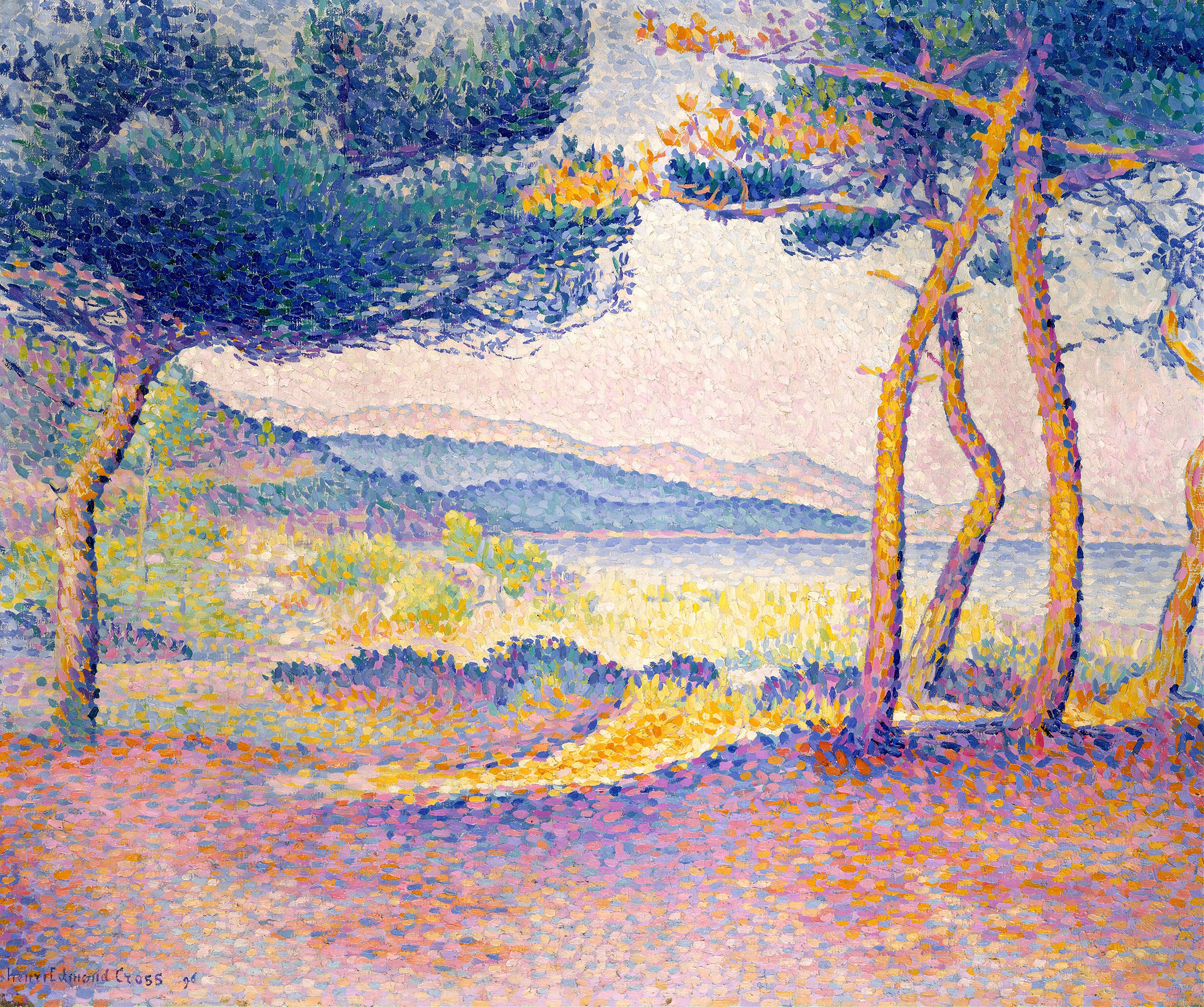
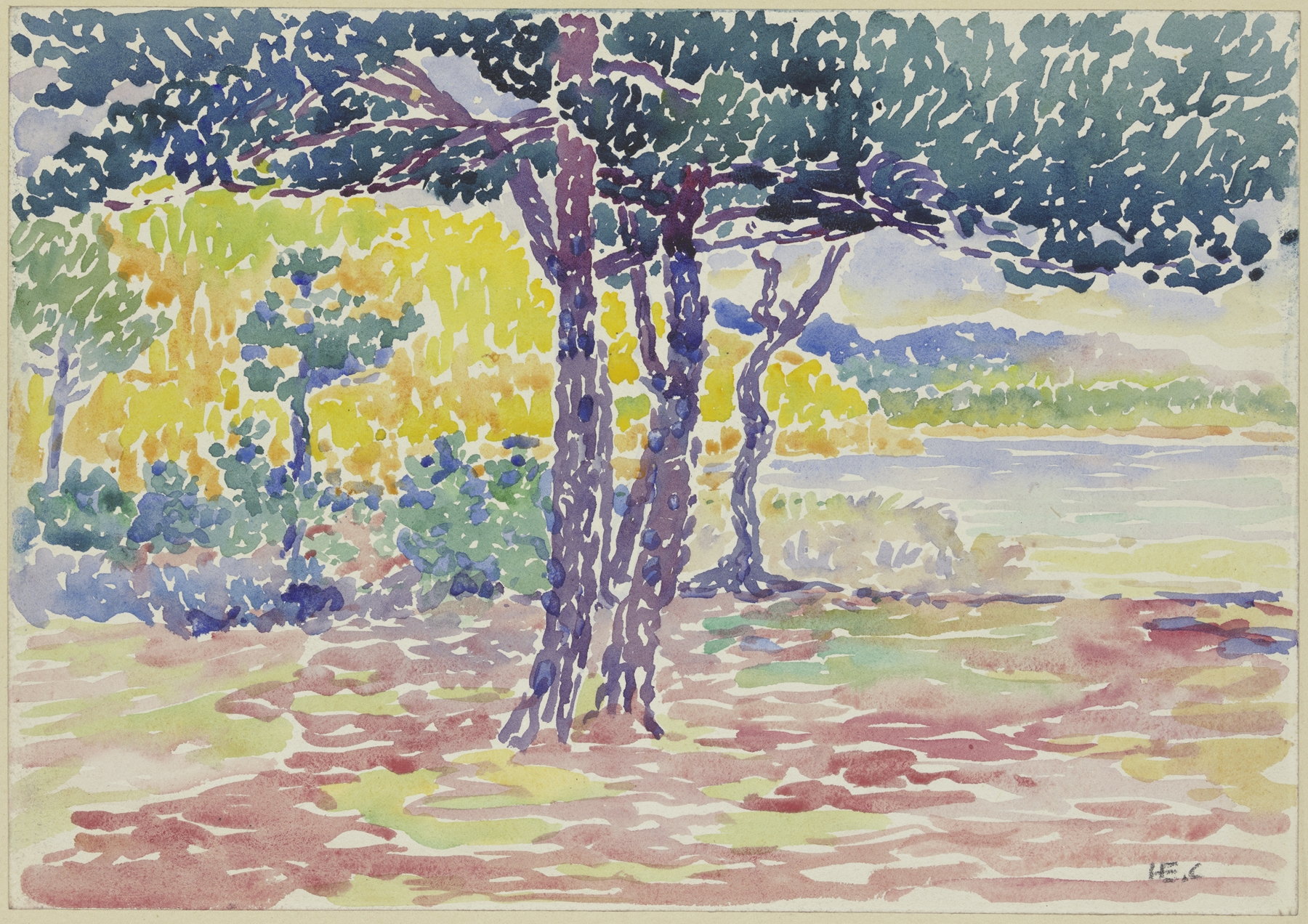
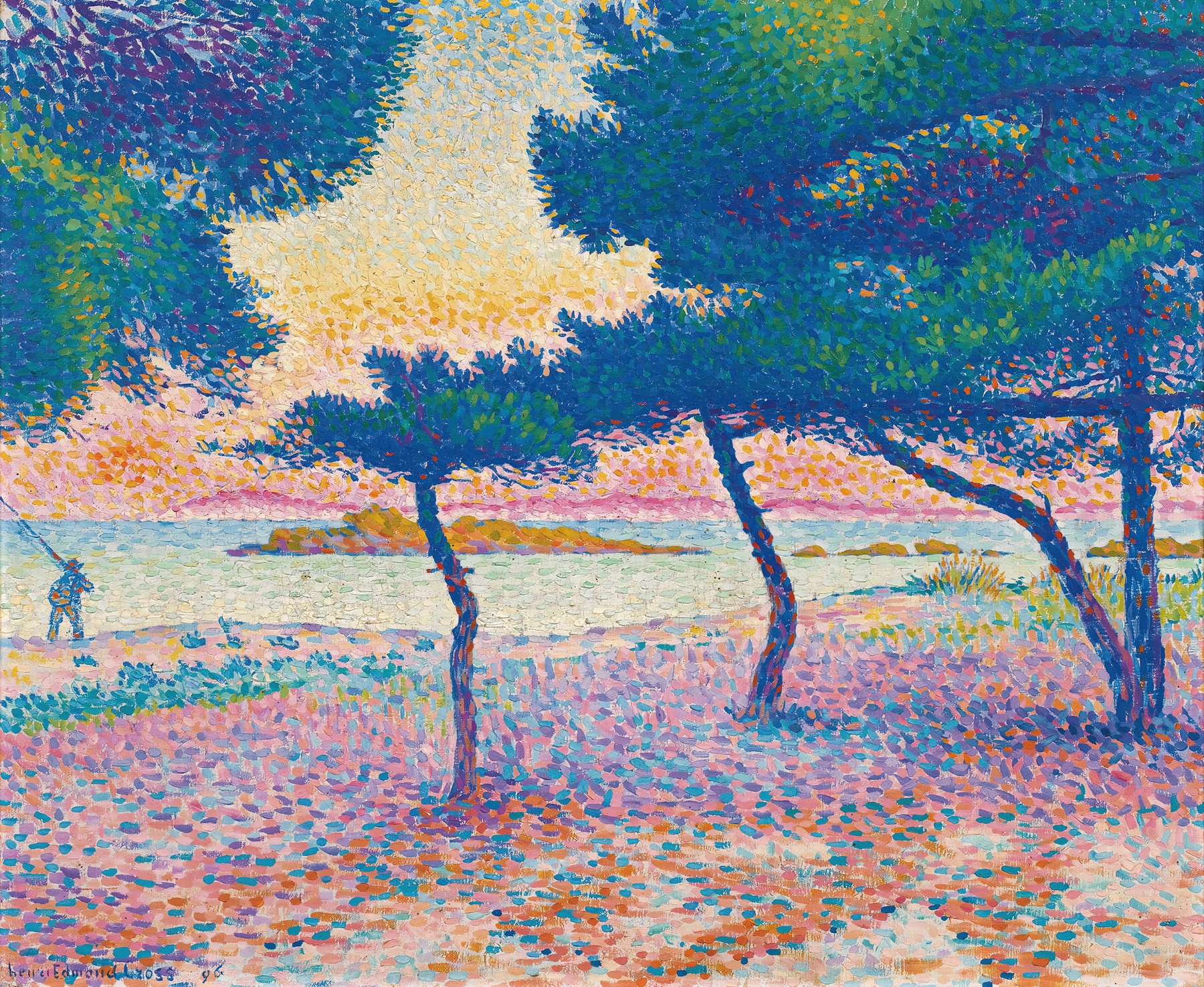
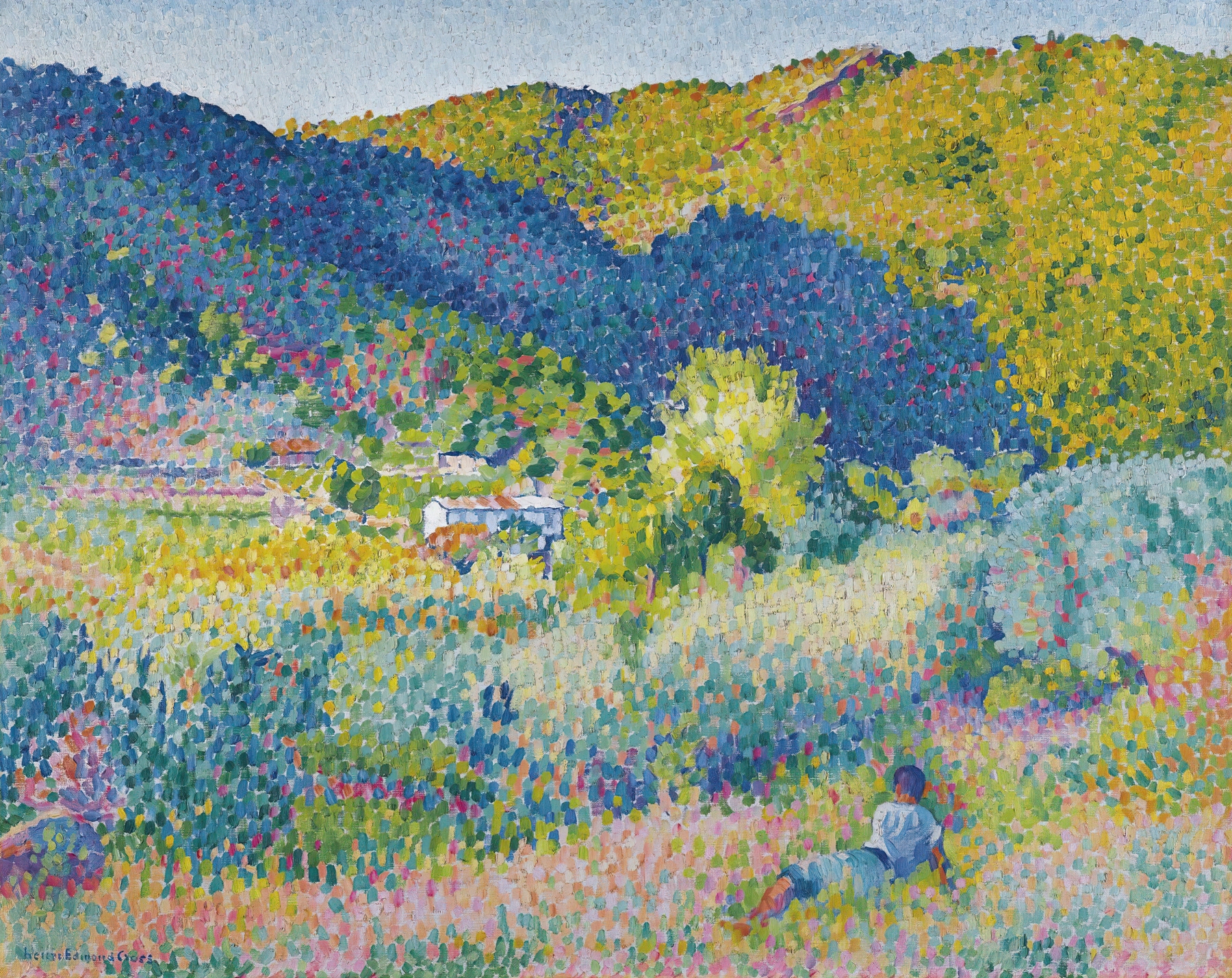
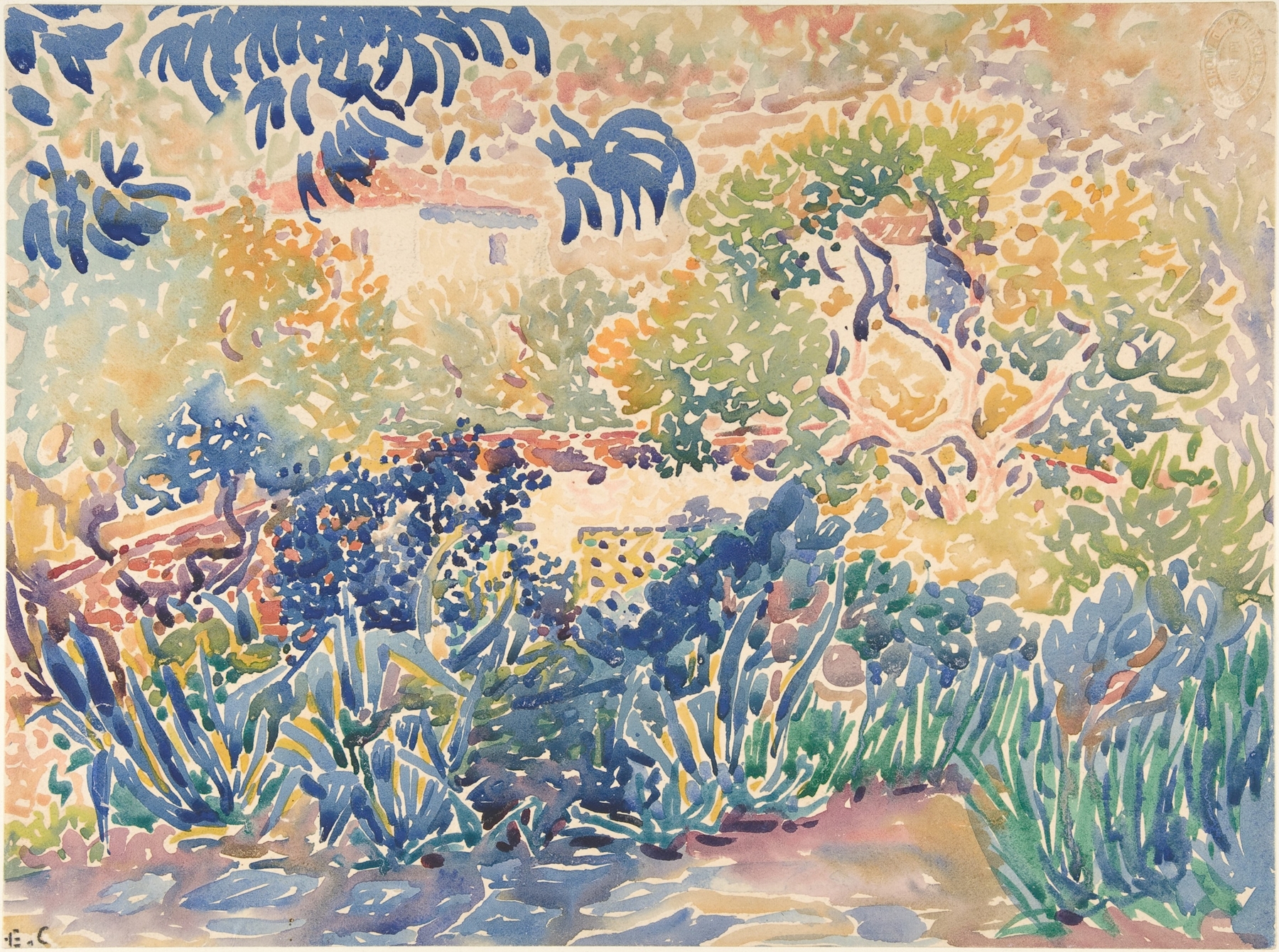
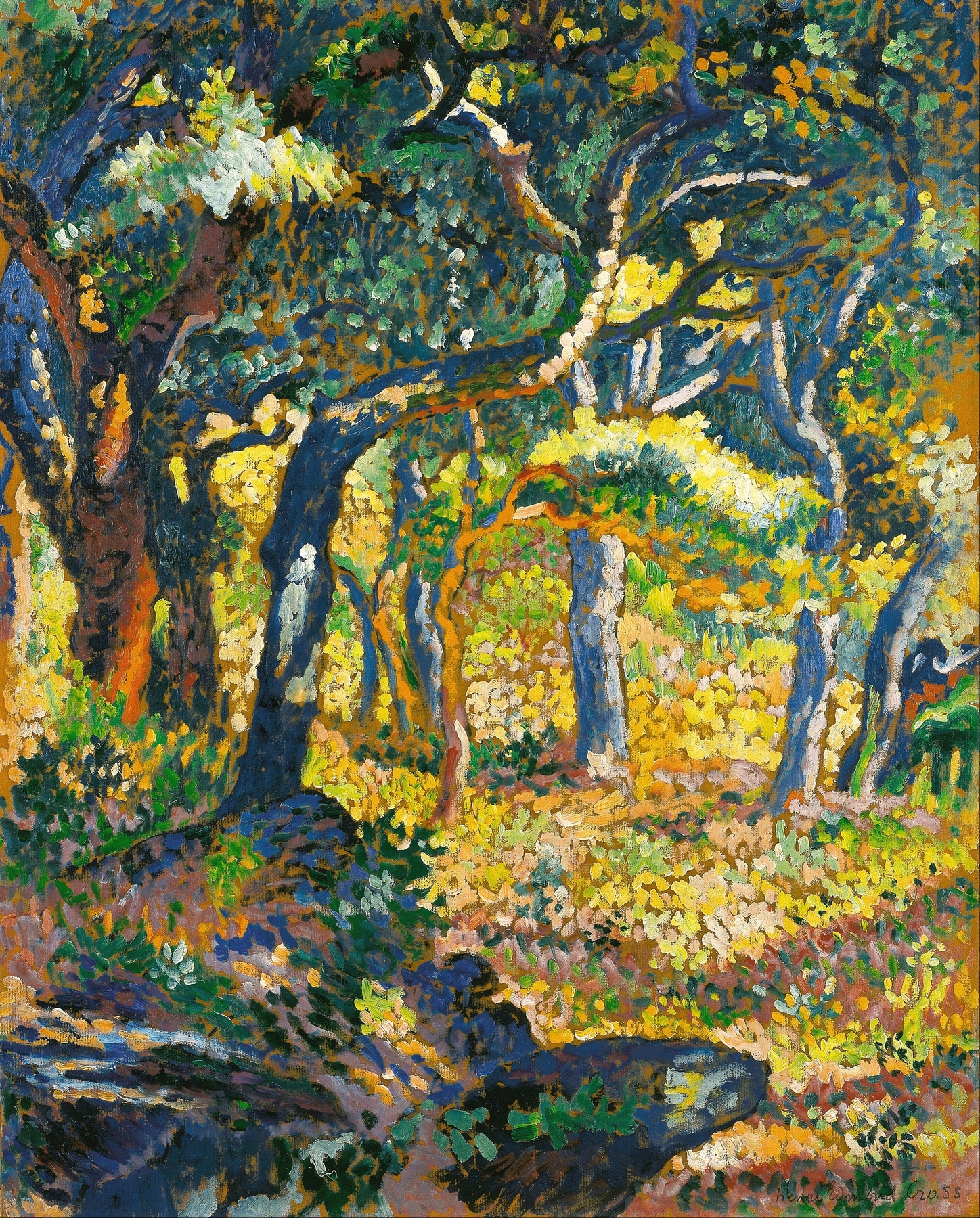
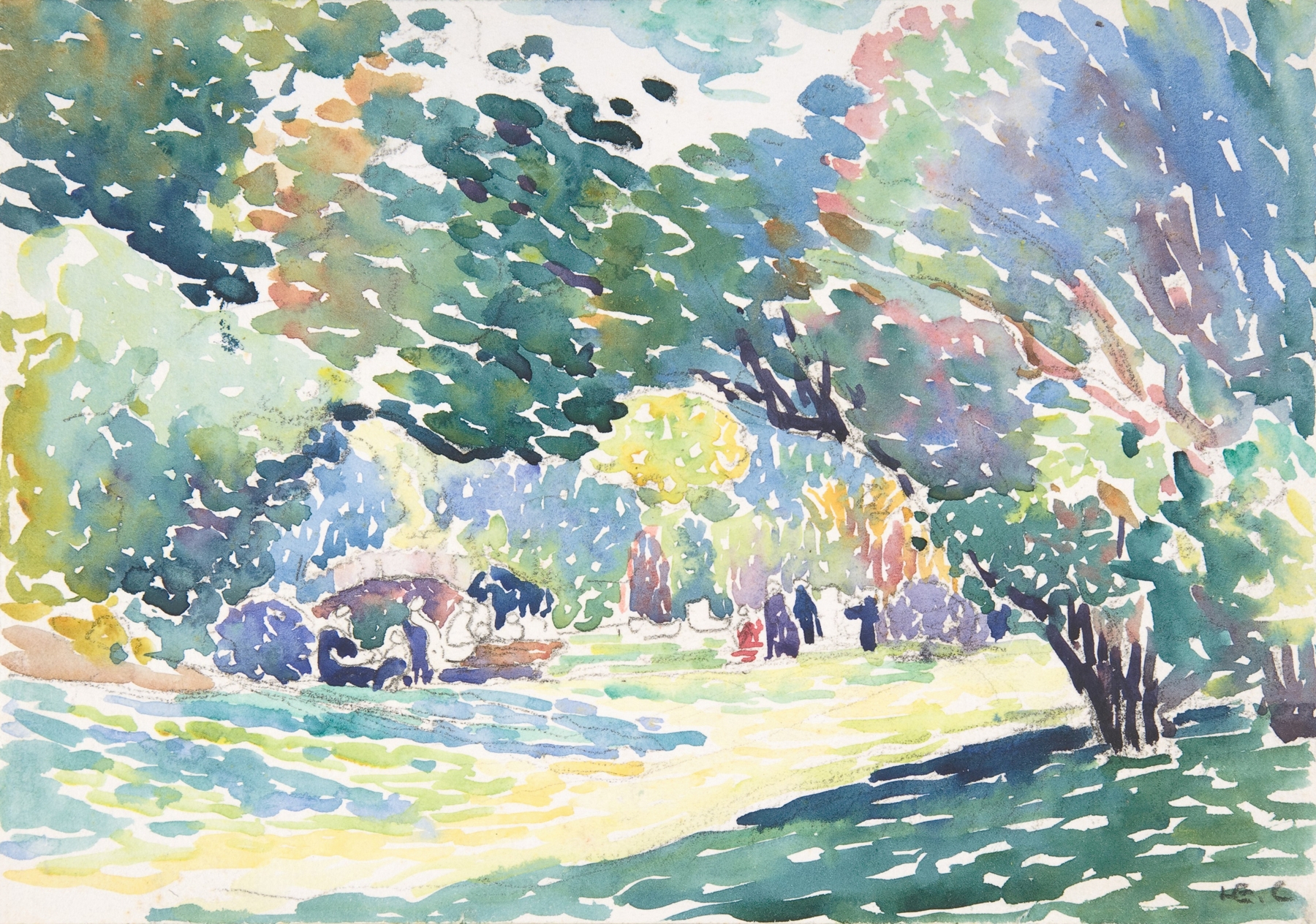
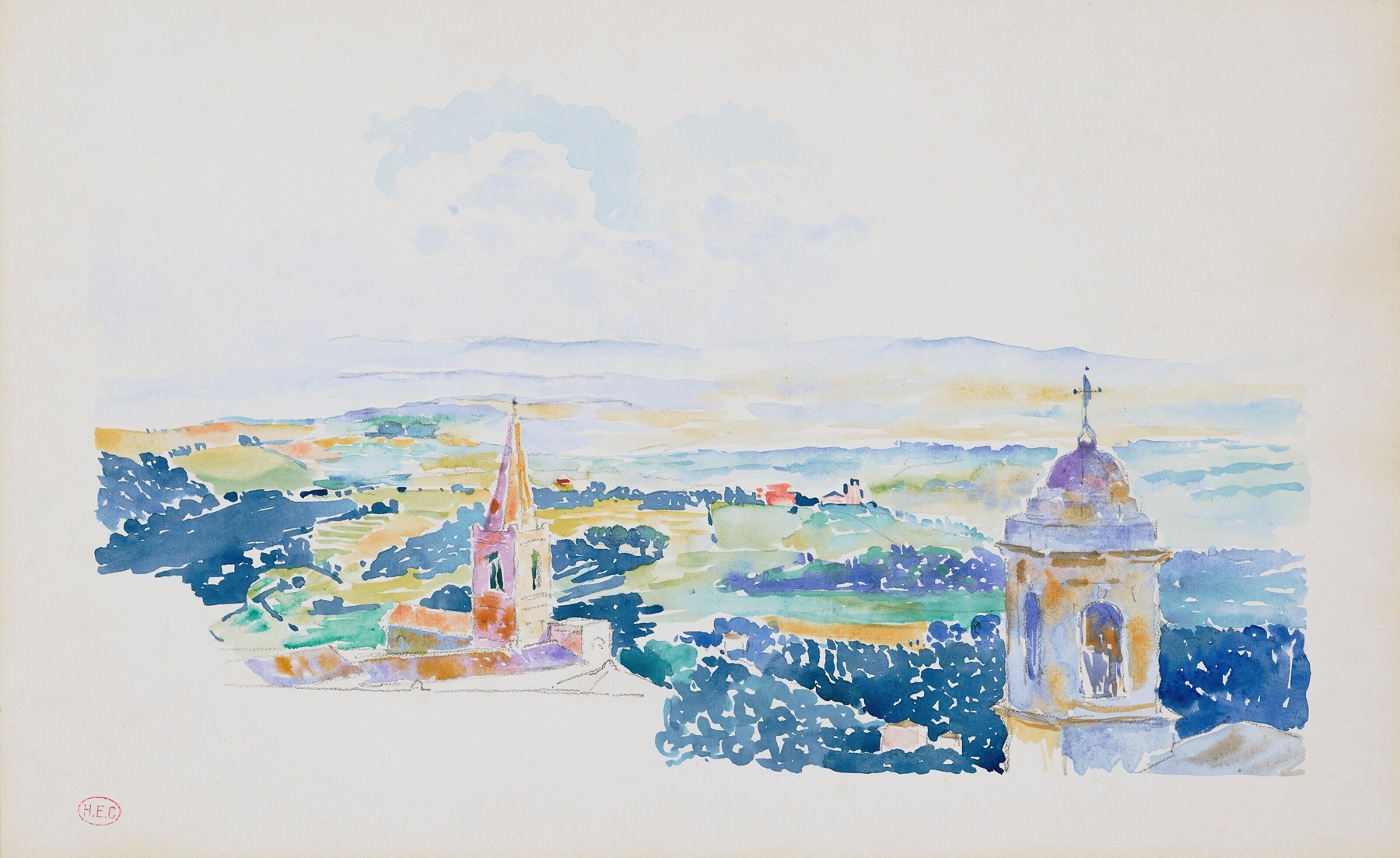
Can paint confess what words never could? In Antibes, a vivid exploration of solitude unfurls, echoing the unspoken emotions of isolation nestled within the human experience. Look to the left at the bold strokes of cobalt blue that frame the azure waters, inviting you into the serene tableau. The vibrant interplay of color conjures a sun-soaked landscape, while the dappled sunlight dances across the canvas, creating a shimmering effect that draws the eye.
Notice how the gentle curve of the shoreline leads us toward the horizon, creating a sense of both movement and stillness that encapsulates the essence of longing. Beneath the utopian beauty lies a poignant tension; the harmonious landscape quietly juxtaposes with an underlying sense of emptiness. The solitary figures dotting the beach suggest companionship but remain distant, amplifying the theme of loneliness amidst a vibrant world.
The juxtaposition of vivid colors against the starkness of the figures reveals a complex emotional narrative—one that speaks to the beauty of nature while highlighting the alienation of its observers. Created in 1907 during a period of experimentation in color and form, Antibes reflects Henri-Edmond Cross’s engagement with Pointillism and his search for a balance between impressionistic and post-impressionistic styles. At this time, he resided in the south of France, where the landscape and light inspired his work, even as he grappled with feelings of detachment from the bustling artistic movements around him.