The Artist’s Garden at Saint-Clair — History & Analysis
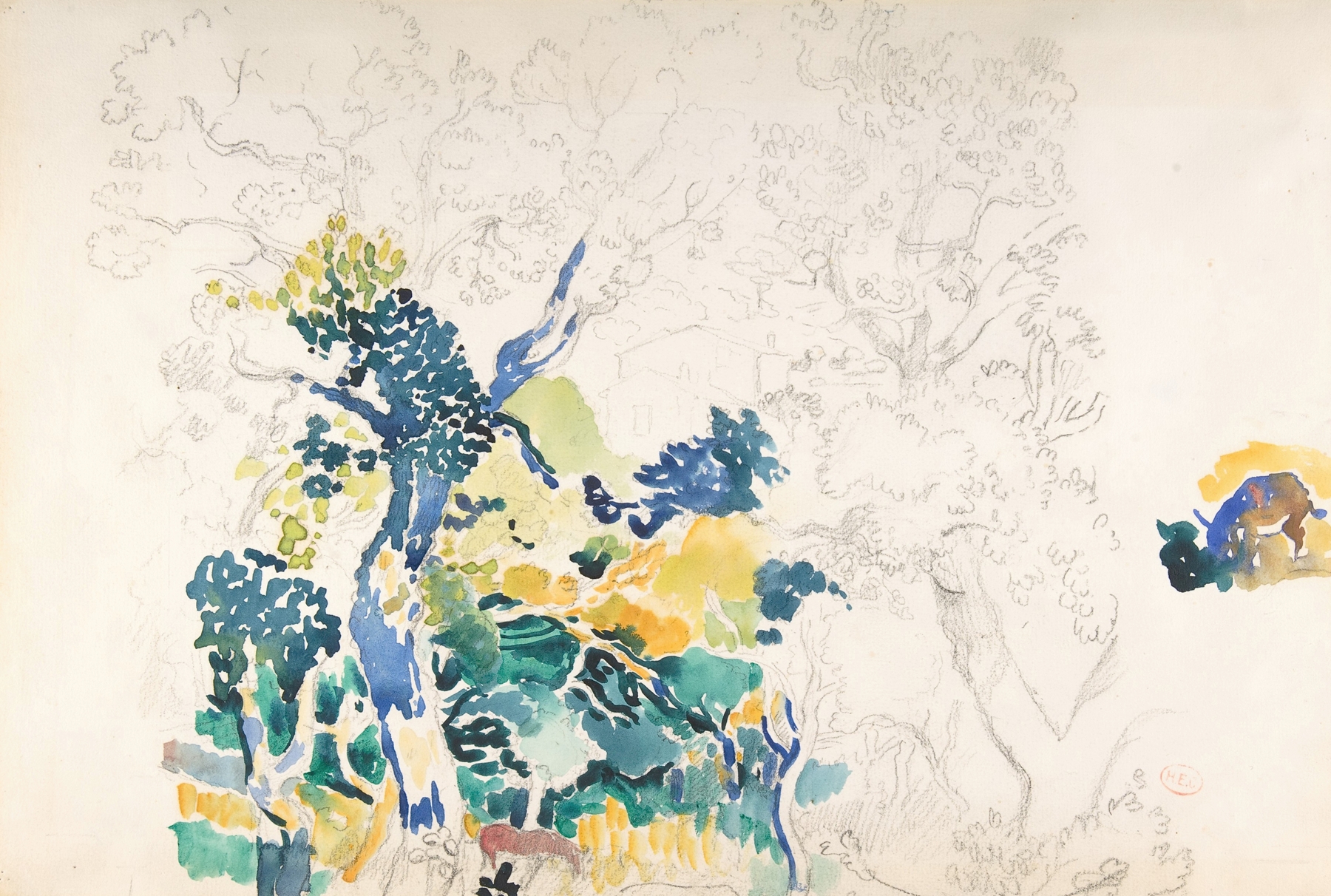
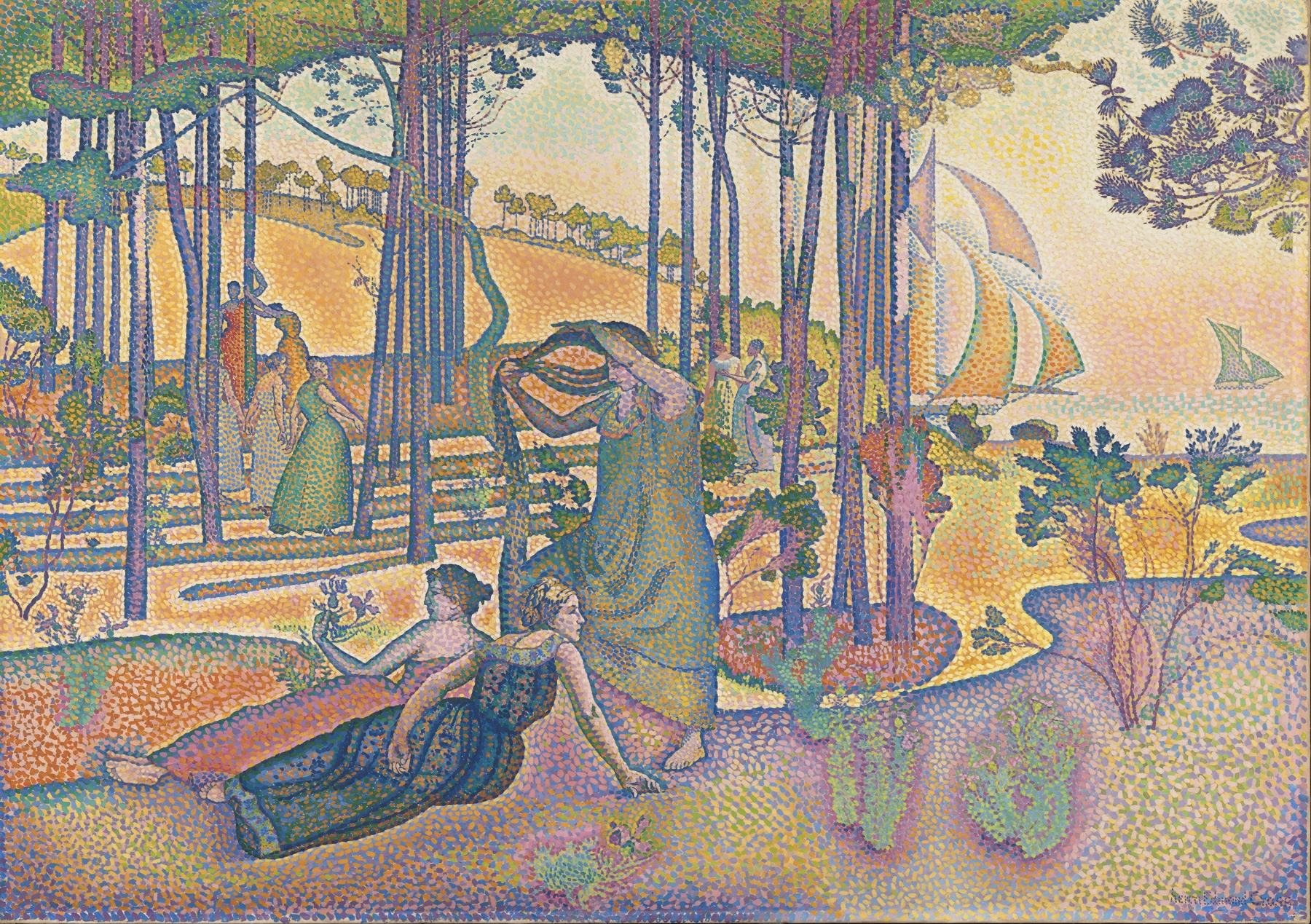
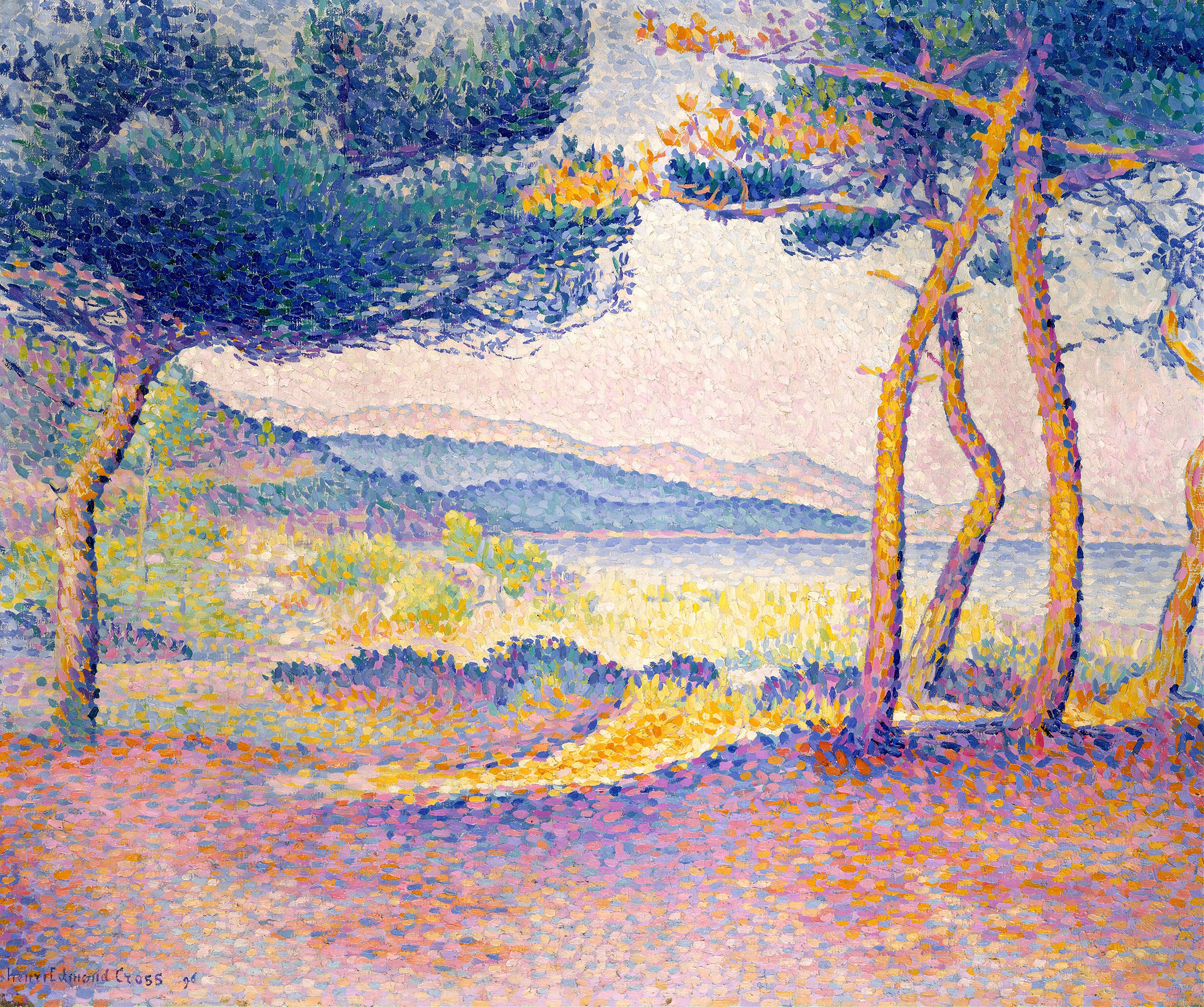
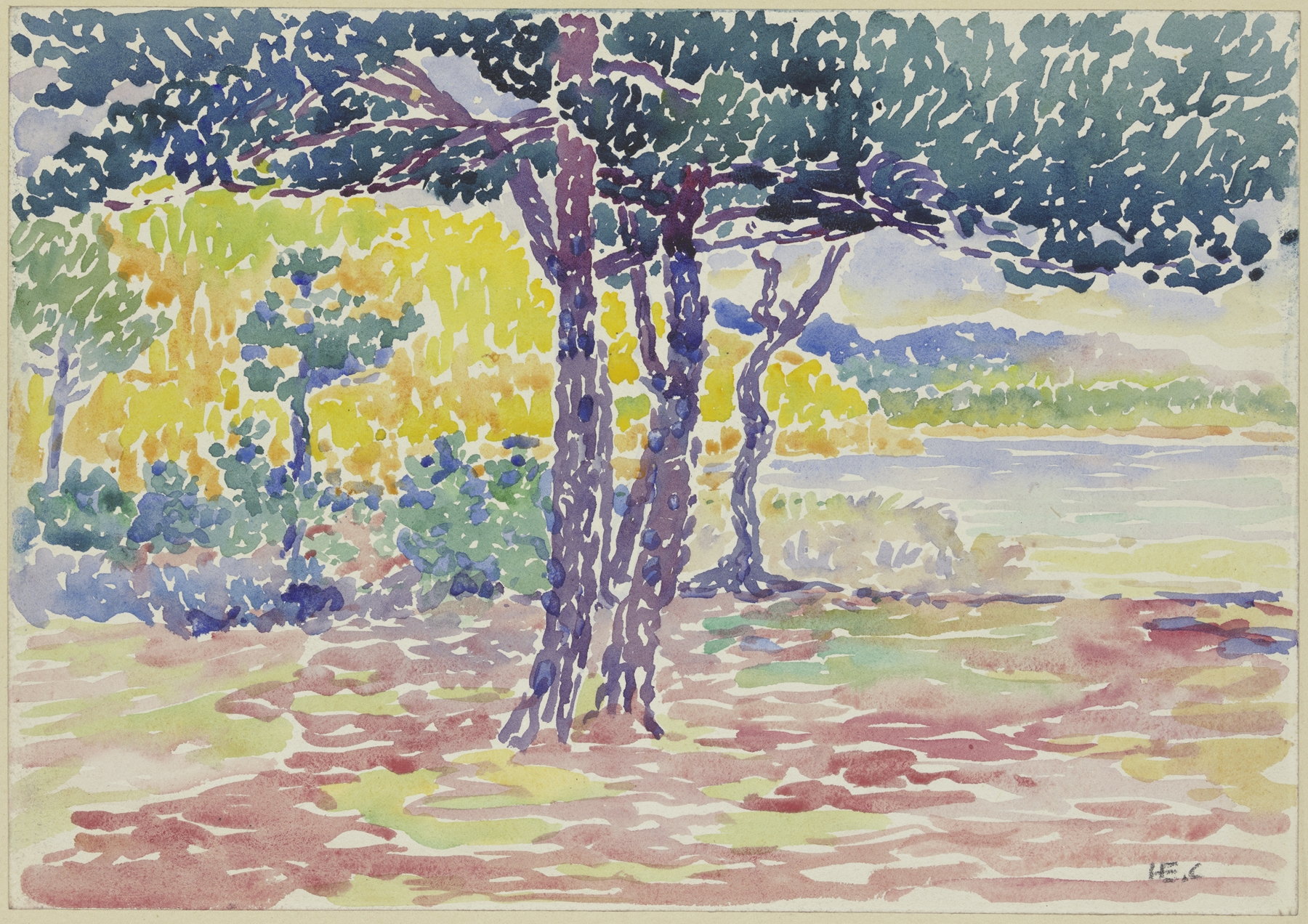
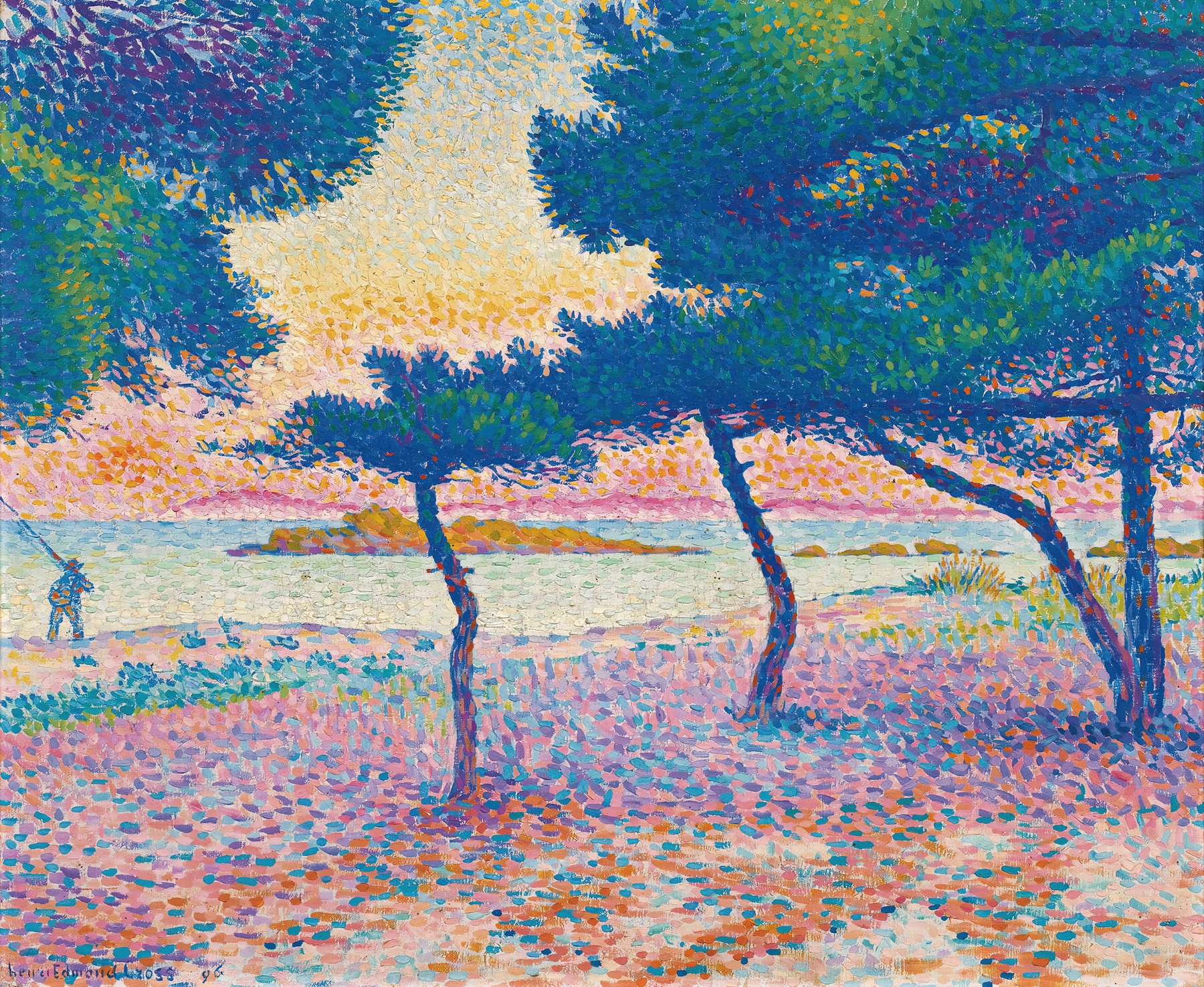
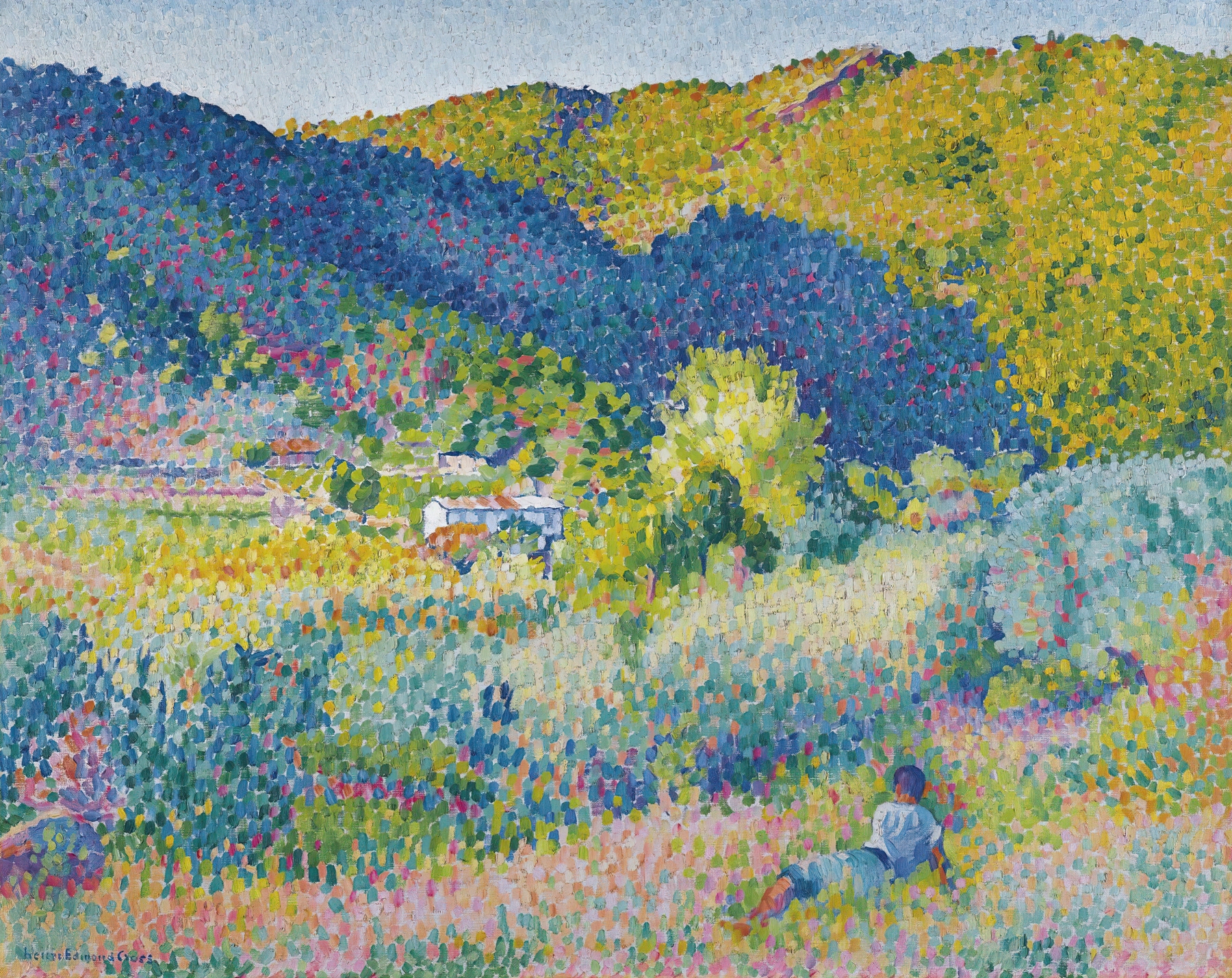
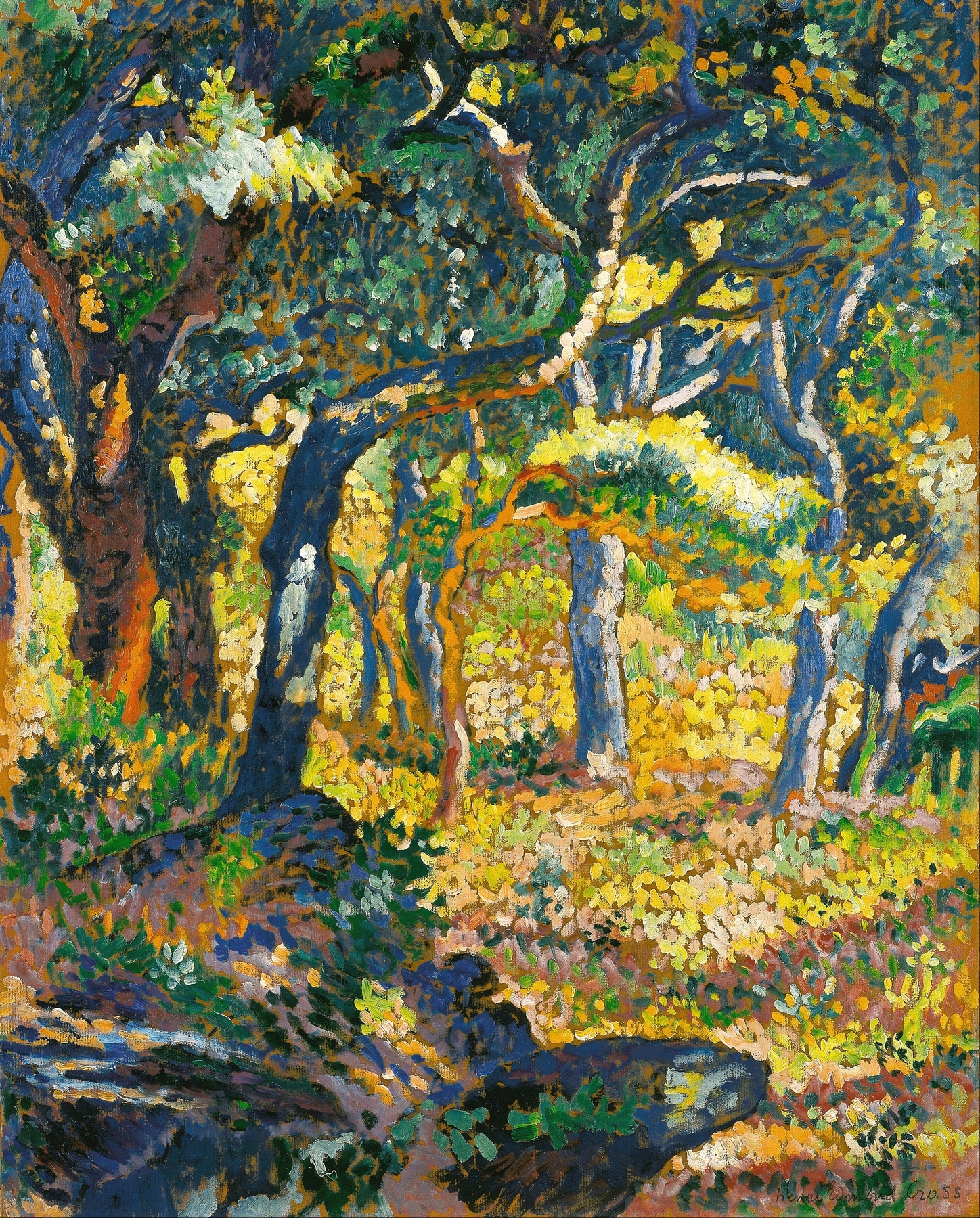
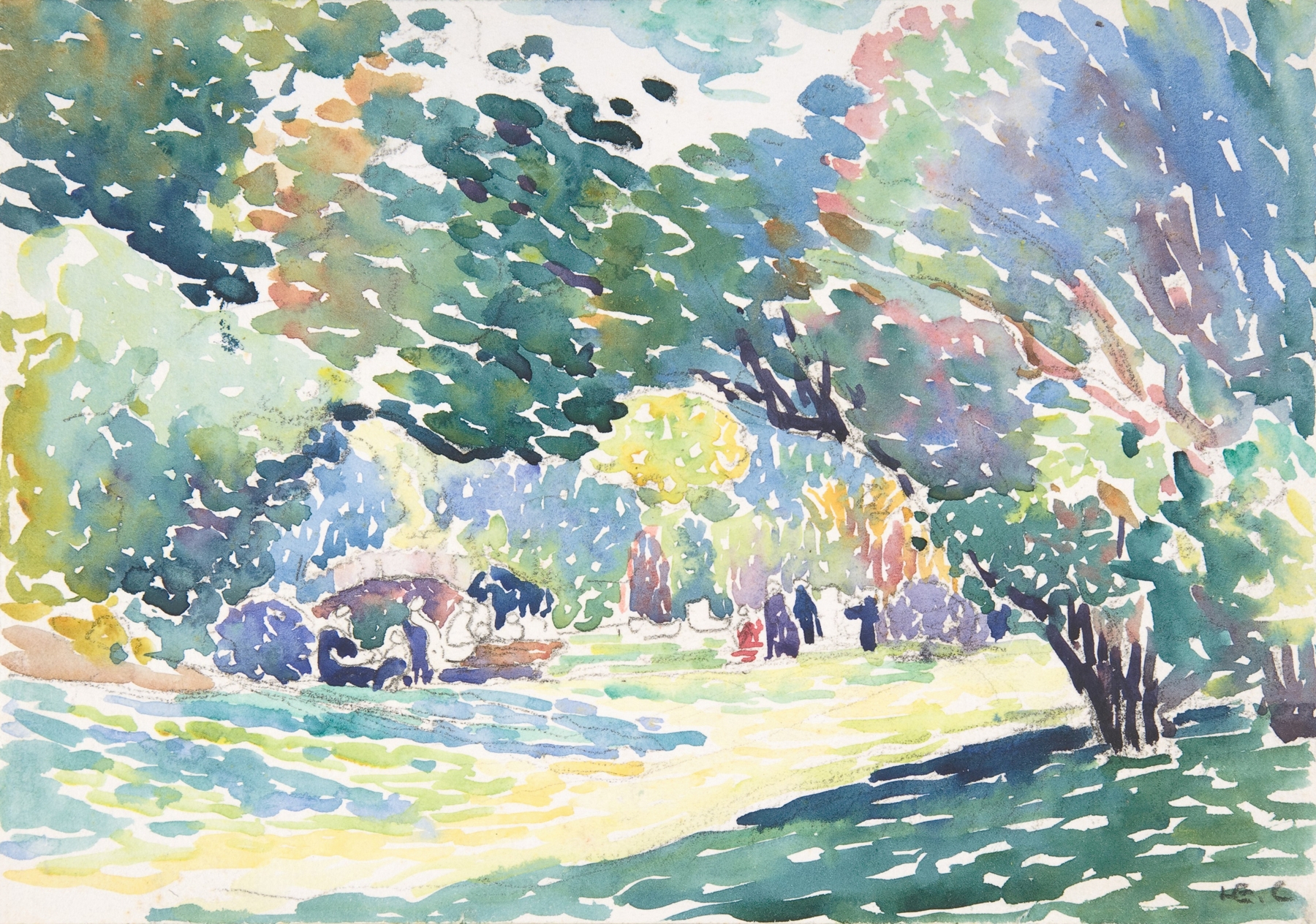
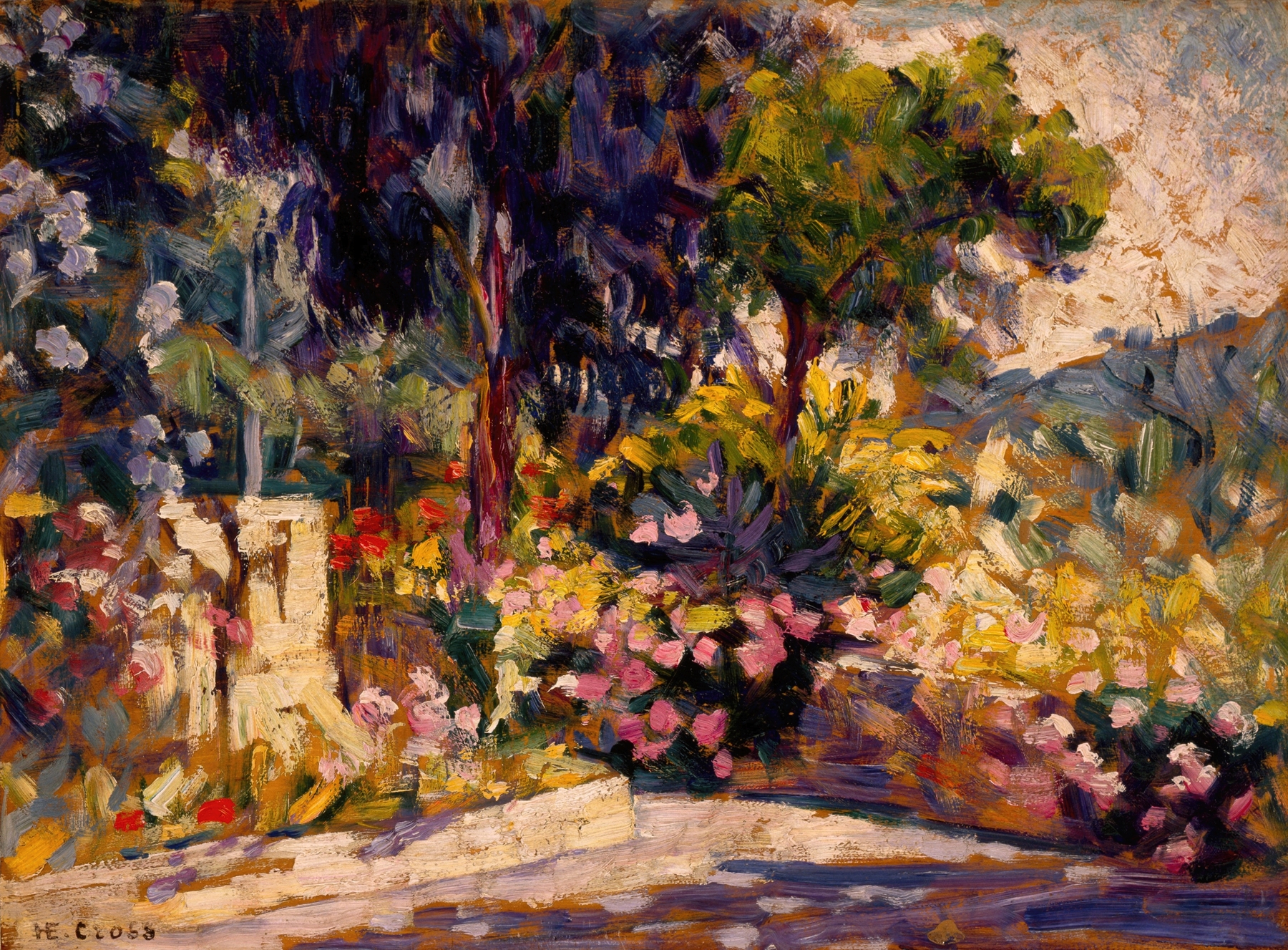
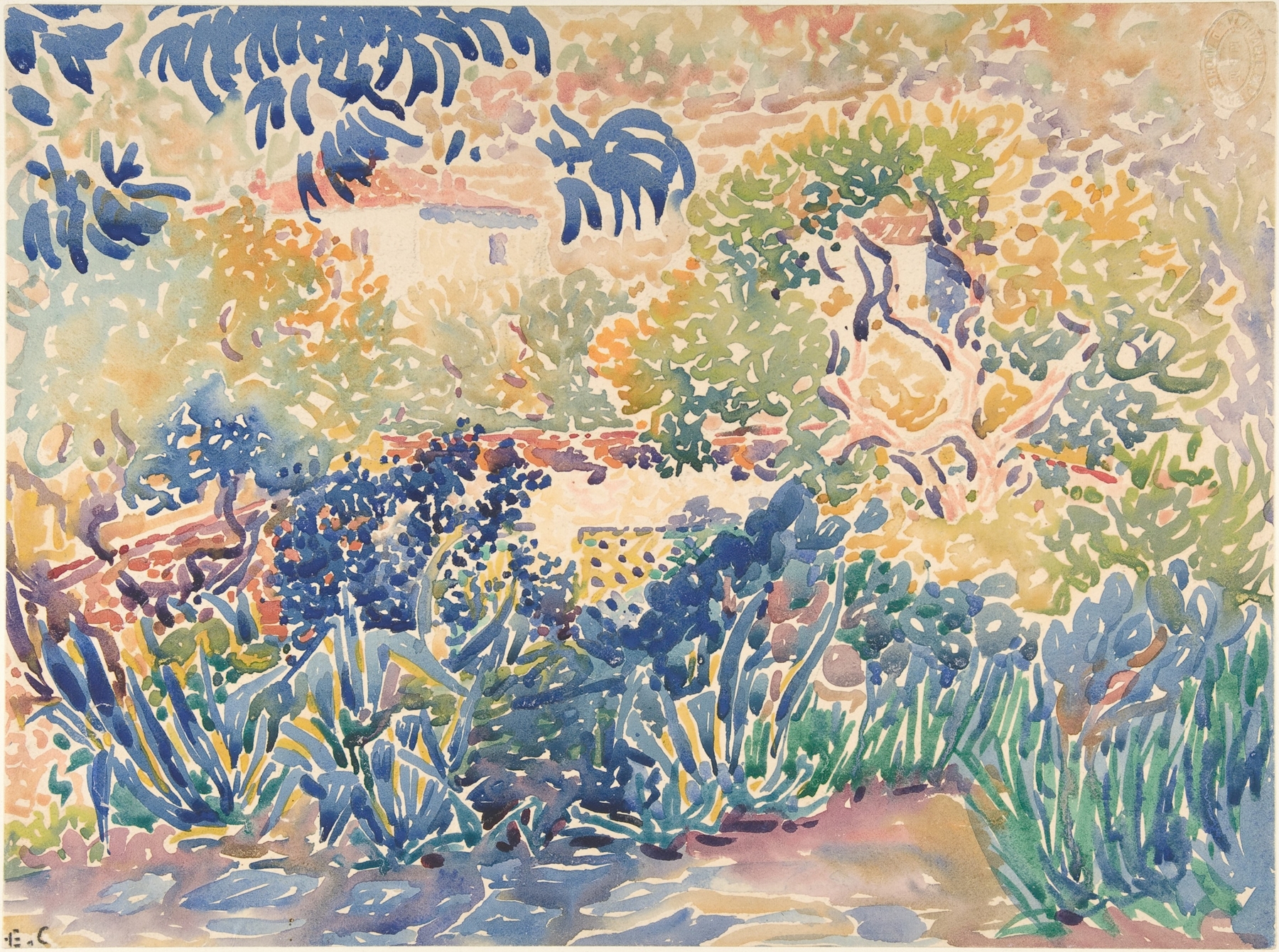
The sun-drenched garden unfolds like a vibrant tapestry, where strokes of color collide in joyous abandon. A gentle breeze stirs, rustling the lush foliage, while blooms dance in a symphony of hues. In the distance, a solitary figure tends to the sacred space, hands immersed in the earth, embodying both reverence and yearning. Look to the left at the sweeping arcs of wildflowers, punctuated by dabs of violet and gold that reveal Cross's masterful use of pointillism.
The play of light cascades through the branches, casting soft shadows that deepen the greens of the garden. Notice how the composition draws your eye toward the figure, whose presence anchors the vibrant chaos, inviting contemplation of both the scene and the artist's intention. Within this idyllic setting, layers of meaning emerge. The artist’s hands, stained with dirt, symbolize a deep connection to nature, suggesting an intimate dialogue with the world around him.
The wildflowers, untamed and flourishing, echo a sense of freedom, contrasting with the quiet solitude of the figure—perhaps a reflection of the artist’s own search for belonging amid a rapidly changing artistic landscape. Henri-Edmond Cross painted The Artist’s Garden at Saint-Clair between 1904 and 1905 while residing in southern France. During this period, he was deeply involved with the Neo-Impressionist movement, seeking to unify light and color in innovative ways. The art world was evolving, marked by vigorous debates on technique and expression, compelling Cross to explore new avenues in his work, infusing his garden with both personal significance and broader artistic inquiry.