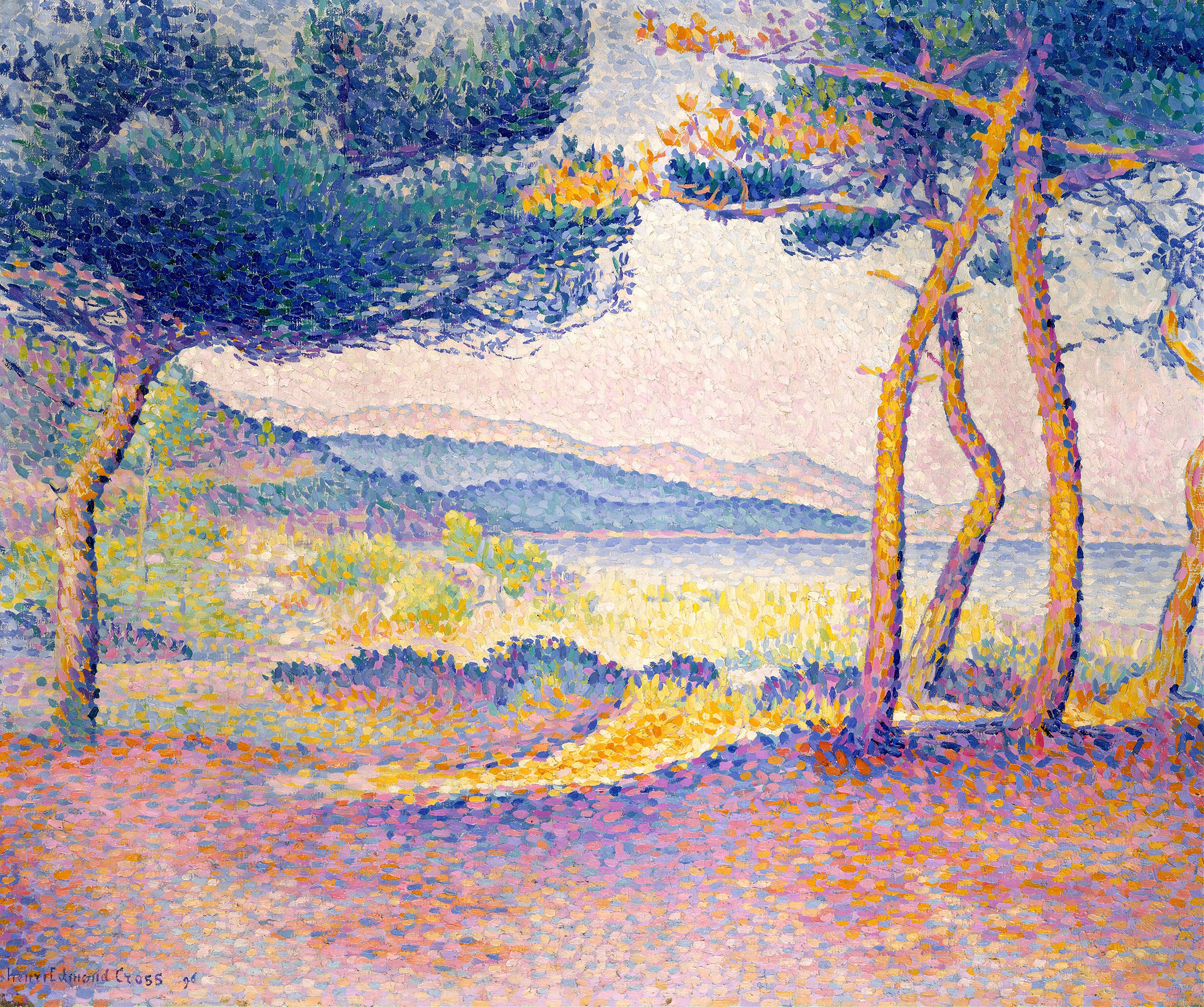
Pines Along the Shore — History & Analysis
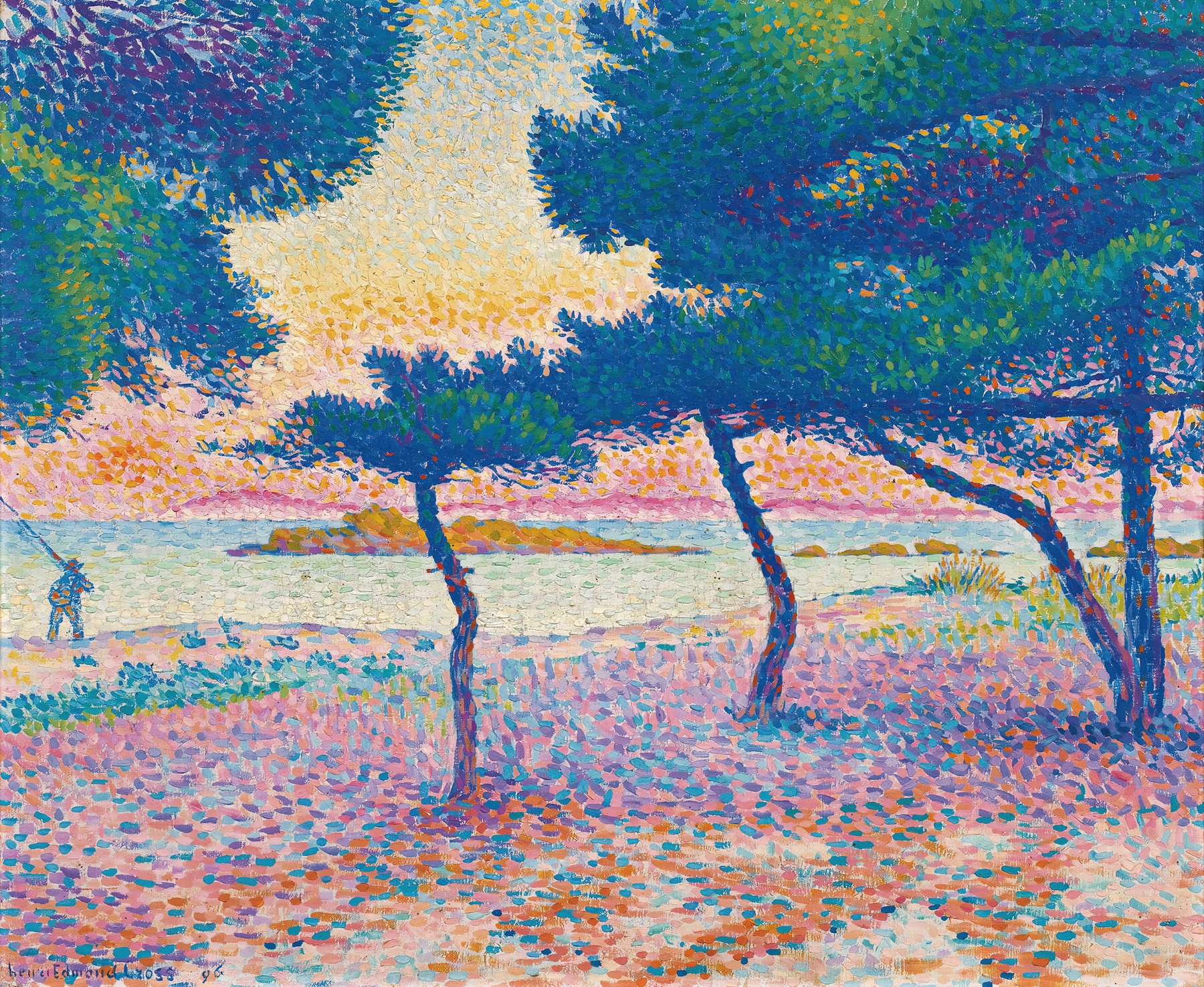
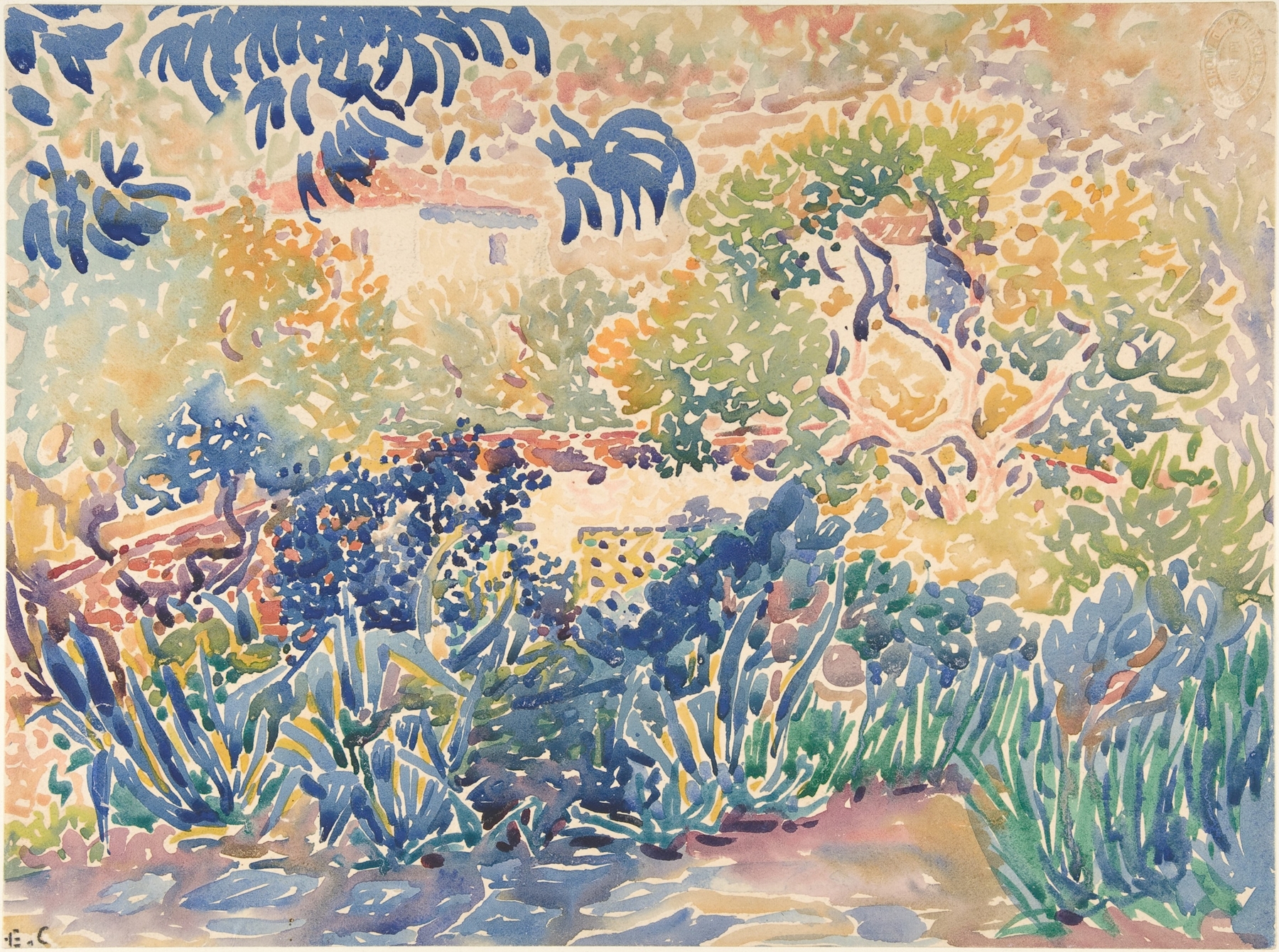
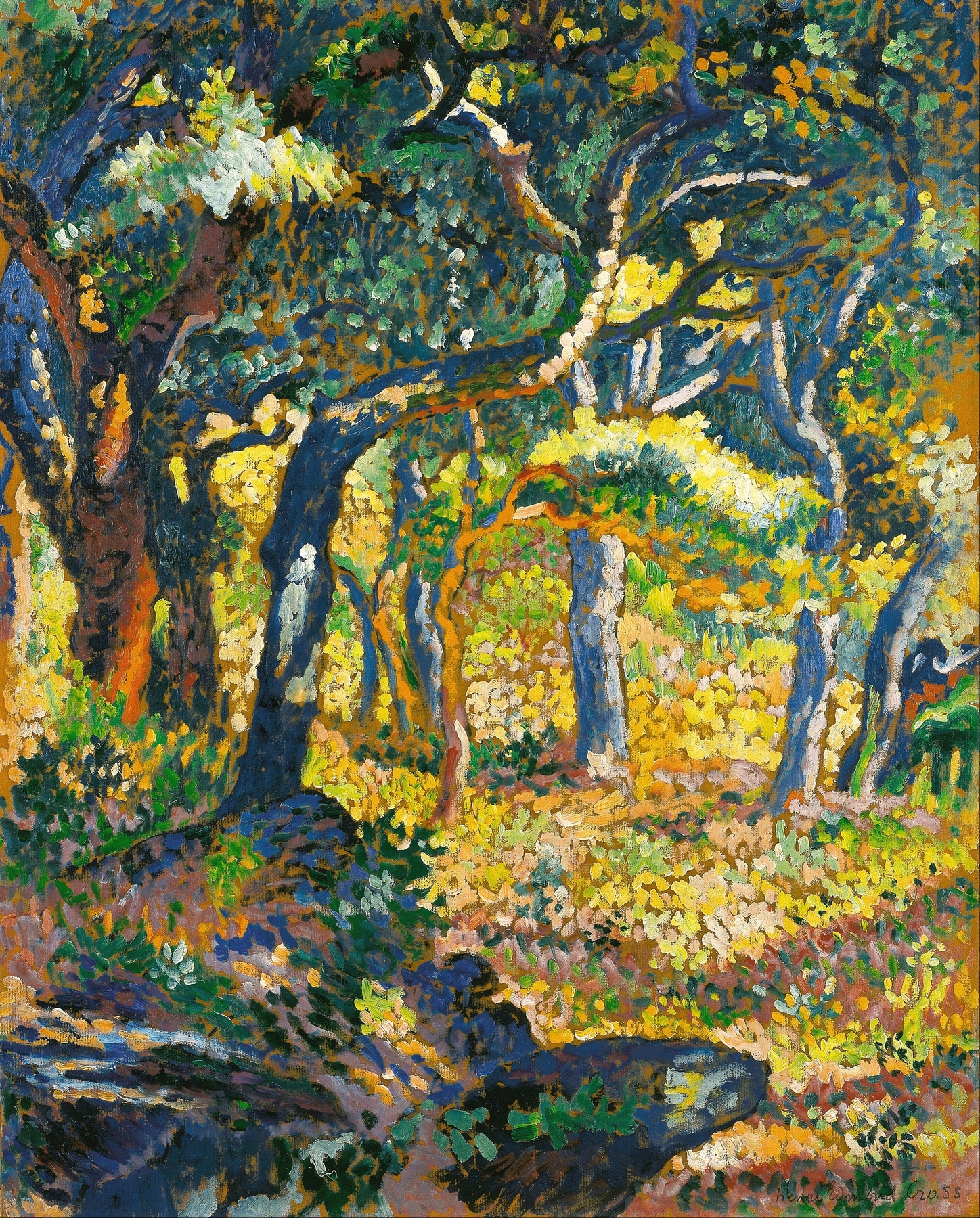
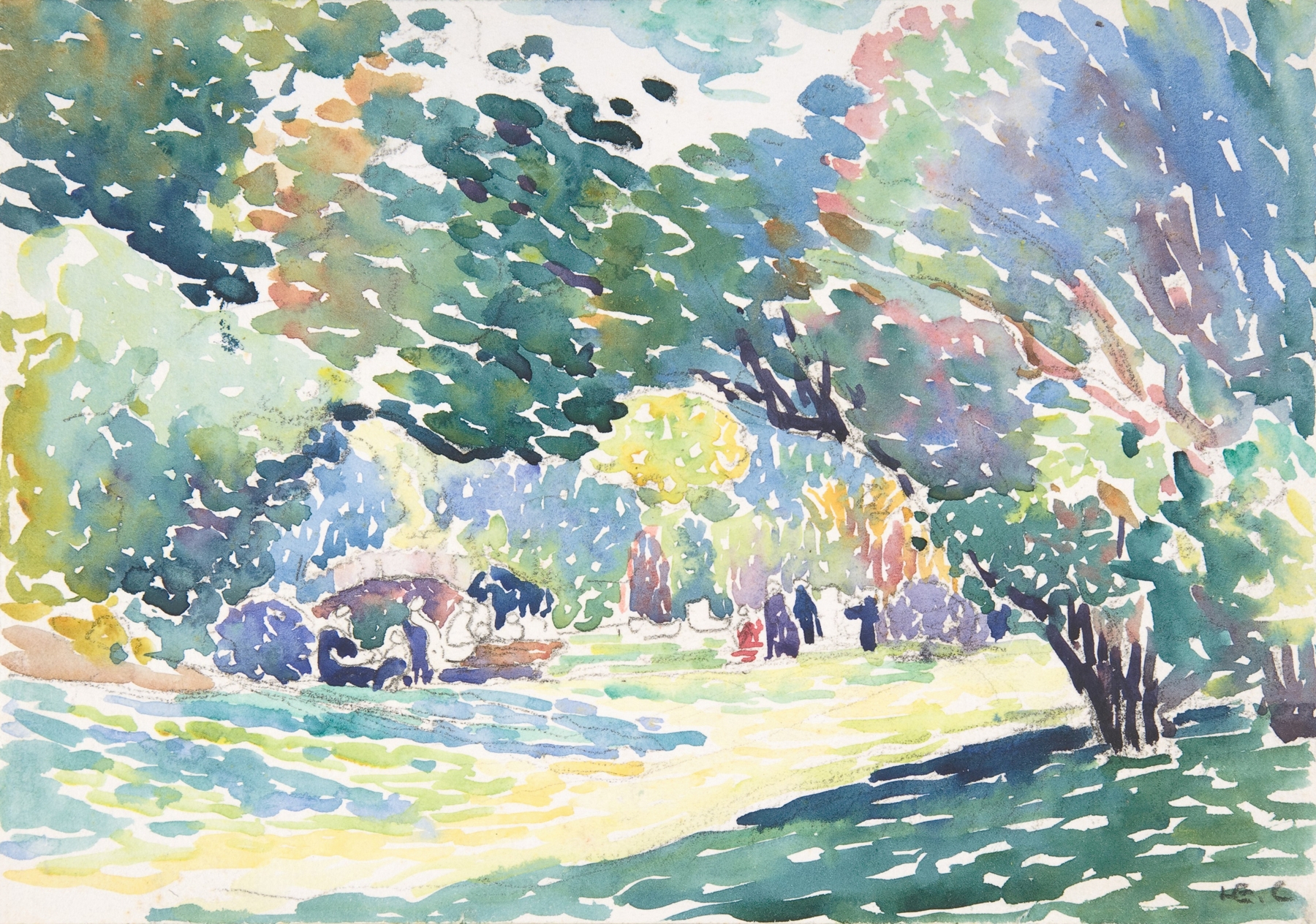
When did color learn to lie? The vivid hues of Pines Along the Shore weave a tale of yearning that transcends the canvas, inviting us into a world where nature breathes in vibrant strokes. Look to the left at the towering pines, their silhouettes dancing against the backdrop of a shimmering sea. Notice how each brushstroke, thick and deliberate, creates a sense of wind and movement. The lush greens and deep blues contrast with the soft yellows and pinks of the sunlit sky, offering a kaleidoscope of emotion that pulls the viewer into a serene yet electric moment.
The interplay of light reflects the artist's intent, suggesting not just the beauty of the landscape but also a deeper connection to the soul. As you delve deeper, consider the tension between the pines and the sea. The trees stand resolute, symbolizing strength and stability, while the undulating waves evoke a sense of longing and transience. This juxtaposition might reflect the artist's internal struggle, capturing that bittersweet feeling of being anchored yet adrift.
Each detail, from the gentle ripples to the sweeping branches, resonates with a poignant narrative, inviting contemplation on the nature of existence. Henri-Edmond Cross painted Pines Along the Shore in 1896 in the South of France during a time of burgeoning Impressionism and Divisionism. He was influenced by the work of his contemporaries while also forging his own path, exploring color and light in ways that would shape modern art. This period was marked by a desire to capture the essence of fleeting moments, a quest that is palpably felt in this painting, revealing the artist’s pursuit of harmony between nature and emotion.