Pérouse, la terrasse — History & Analysis
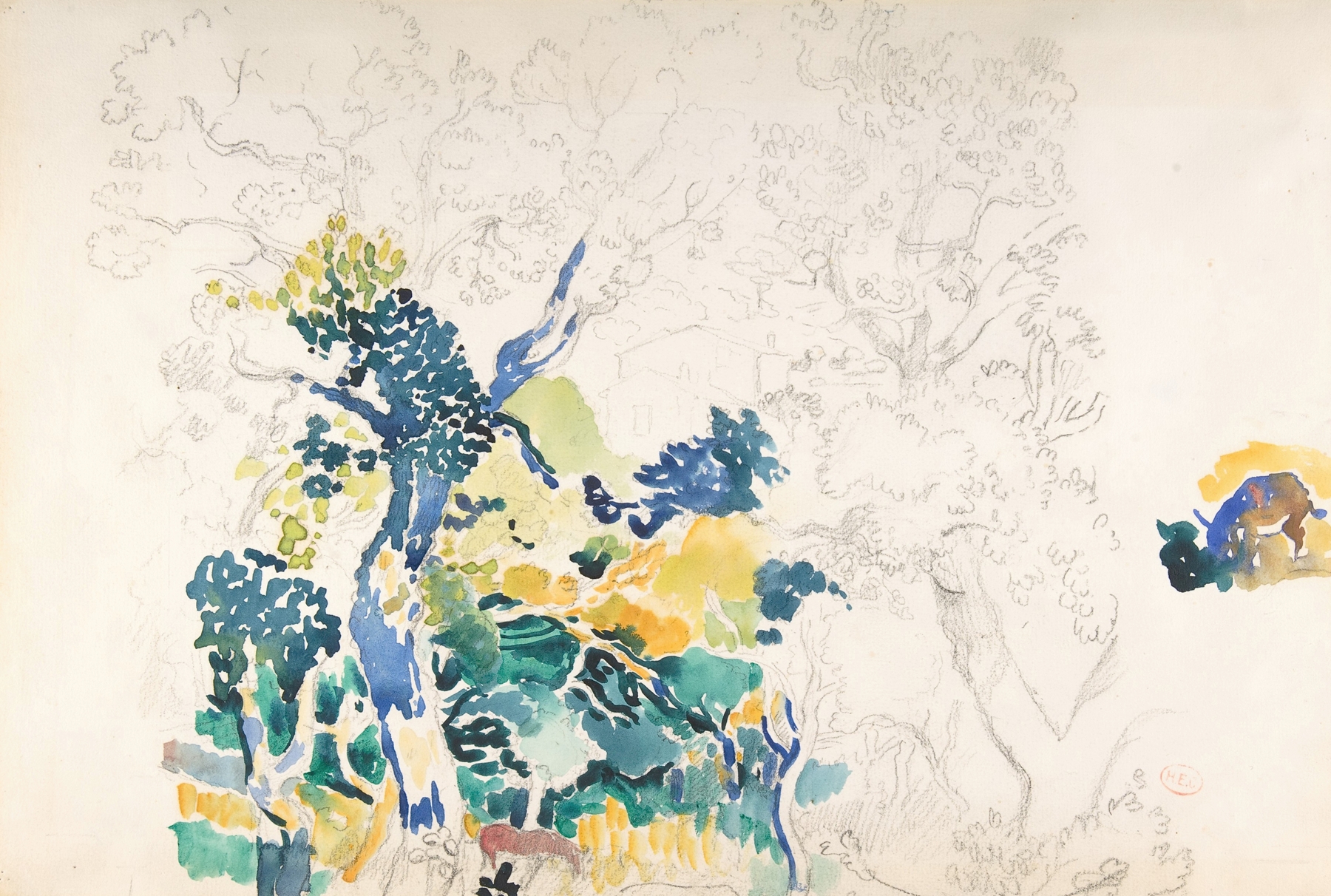
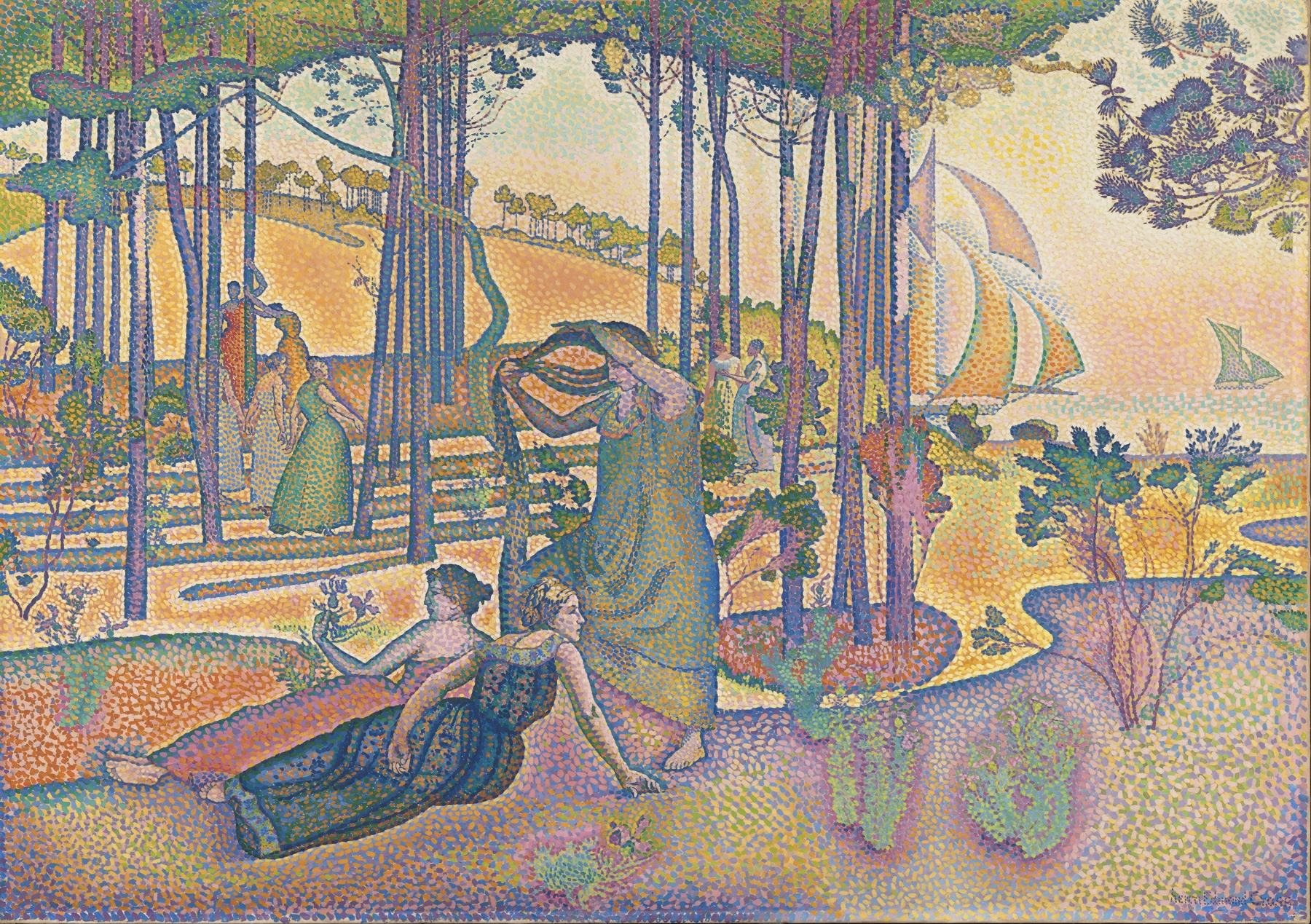
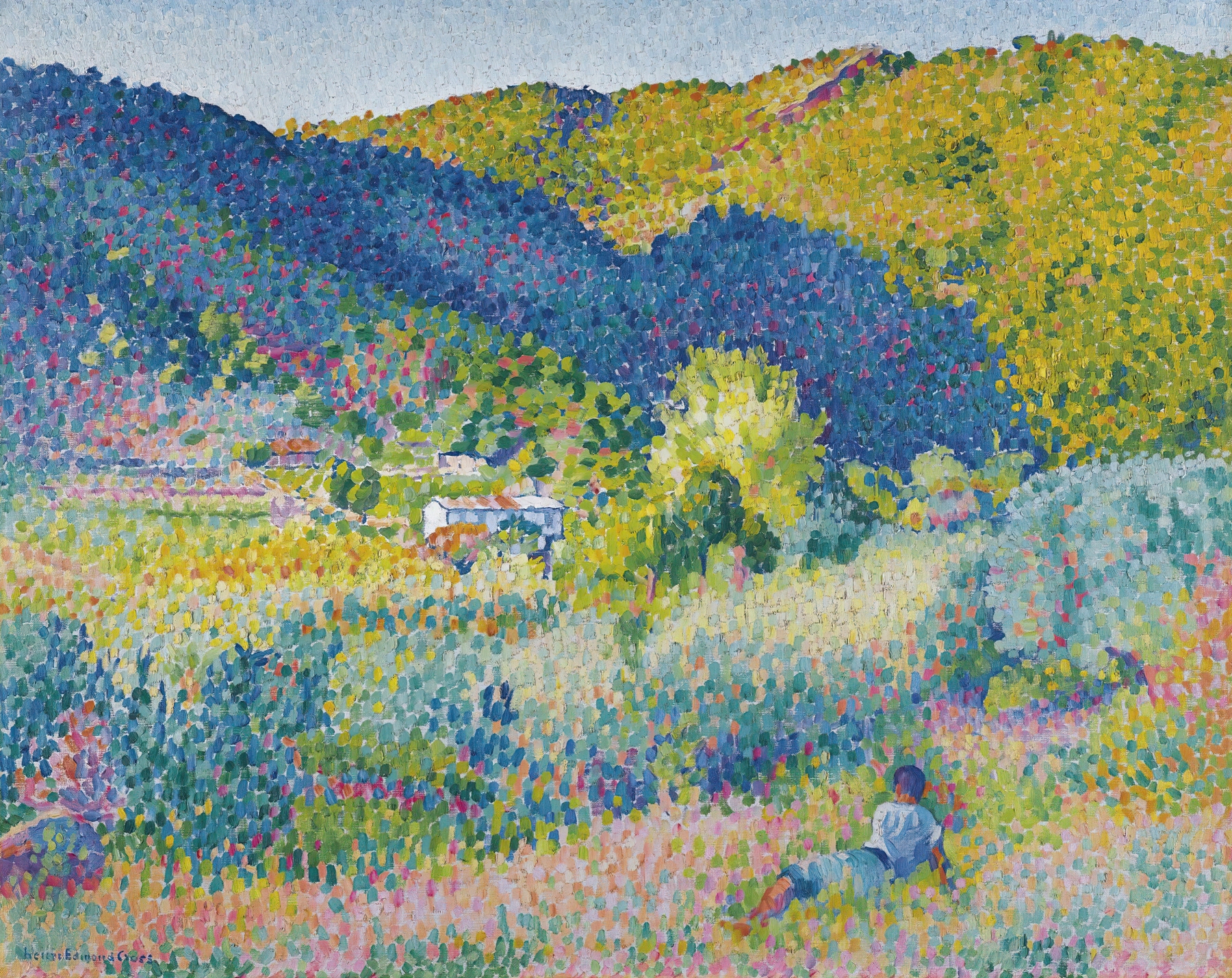
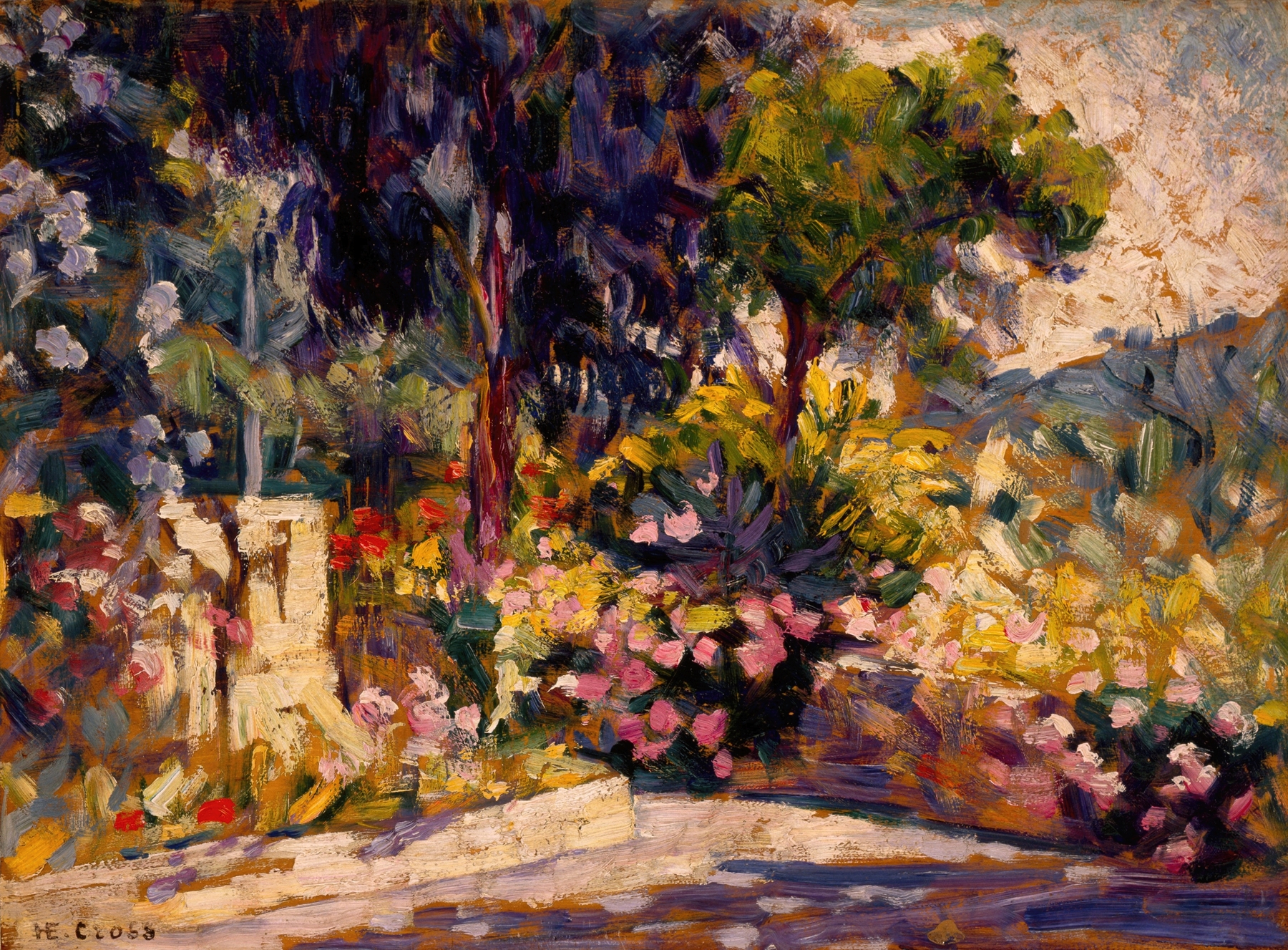
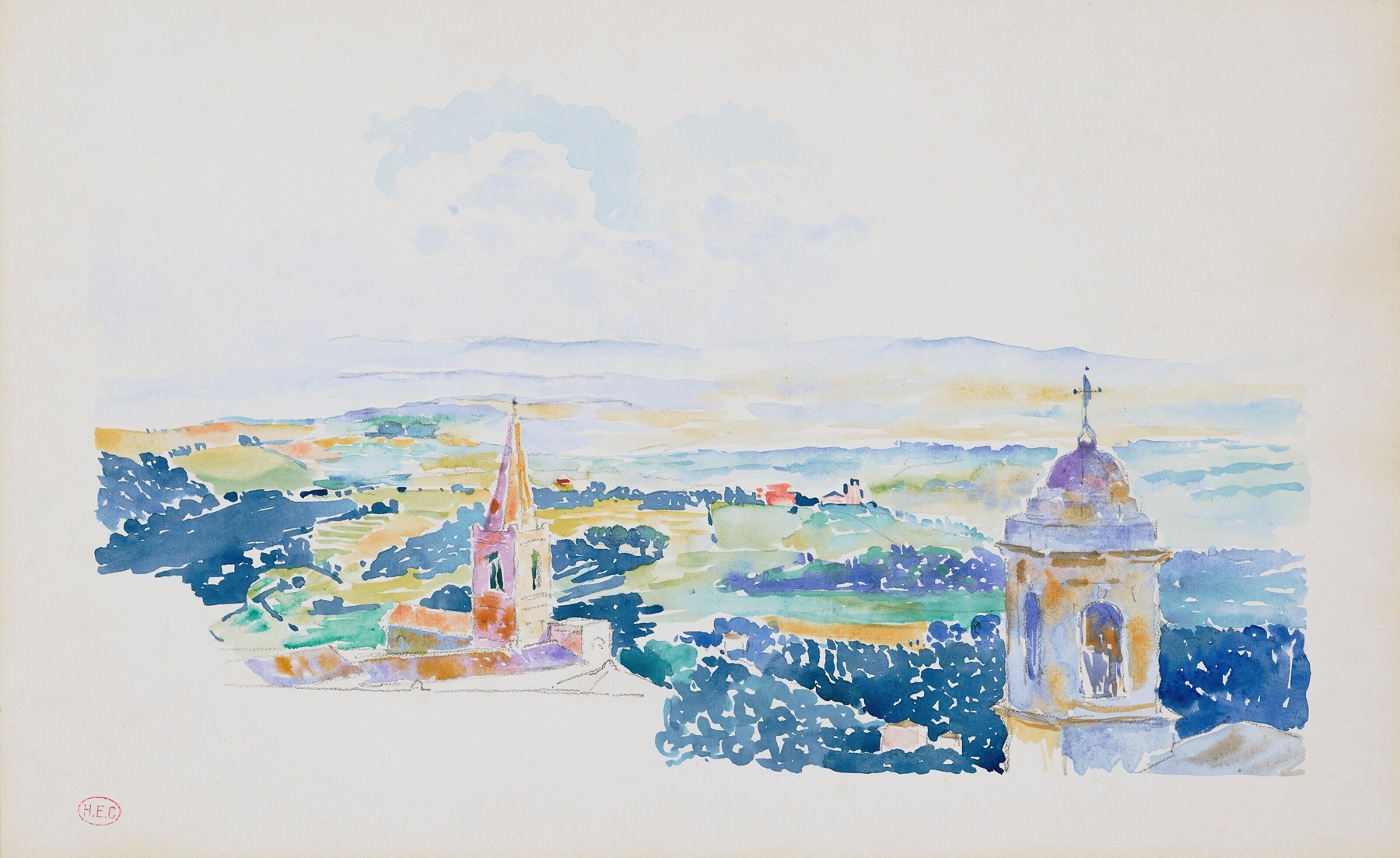
Can beauty exist without sorrow? In the vibrant hues of this painting, one might find a poignant reflection of solitude amid splendor. Look to the left at the brilliantly colored terrace, where the bright patches of yellow and green burst against a contrasting backdrop of deep blue sky. Your eye is drawn to the intriguing silhouettes of figures, their postures suggesting moments of contemplation or quiet exchange.
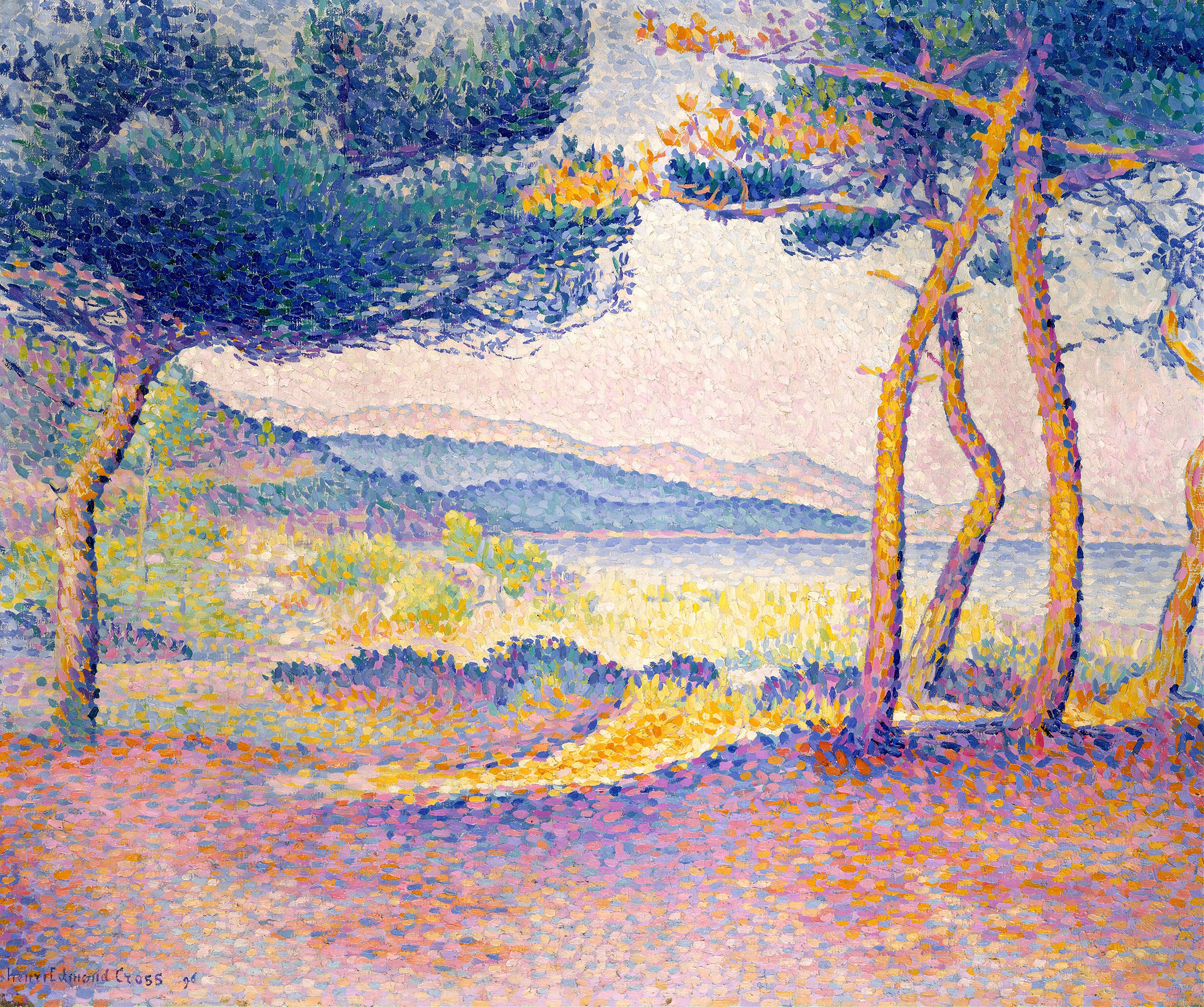
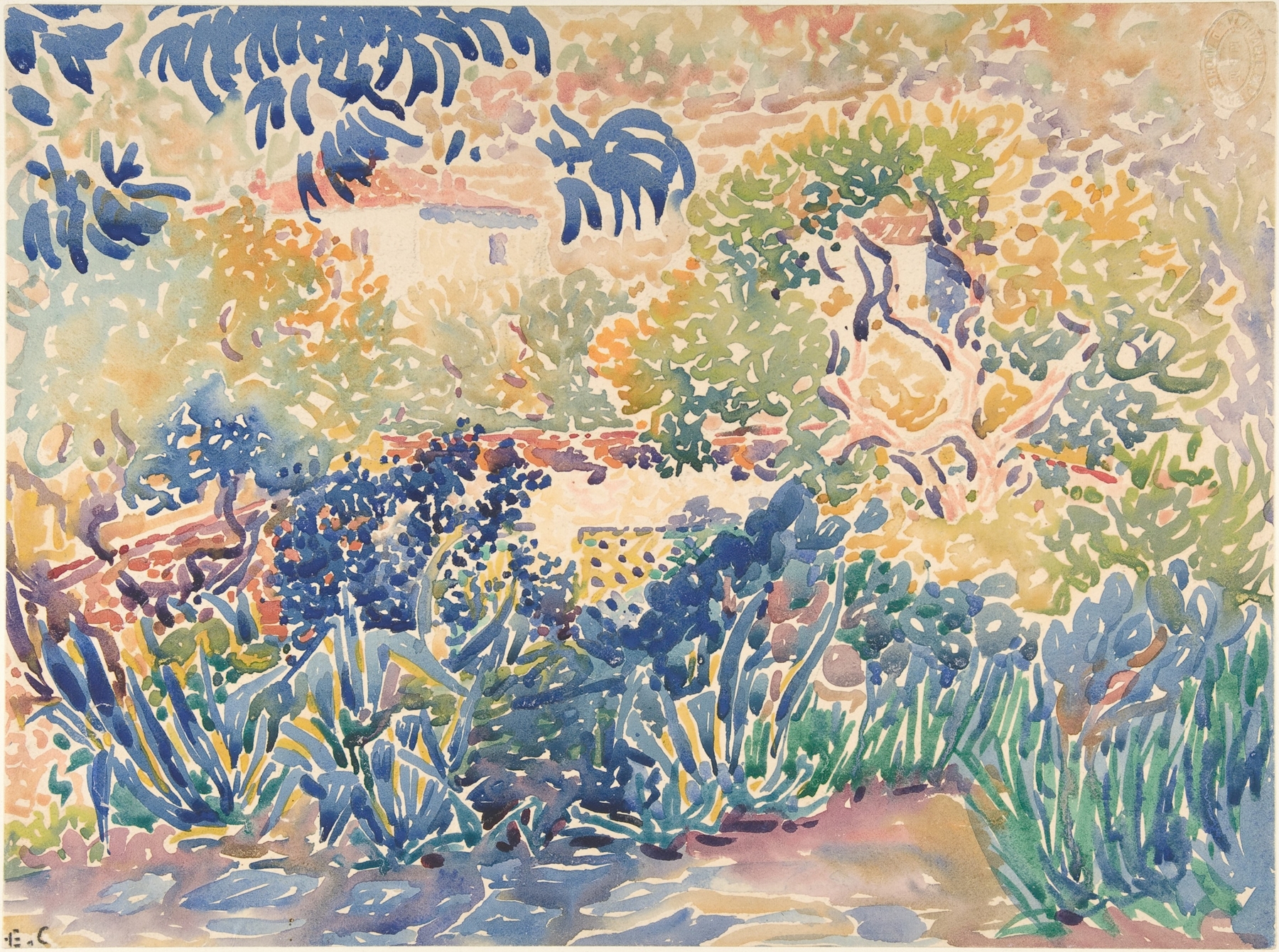
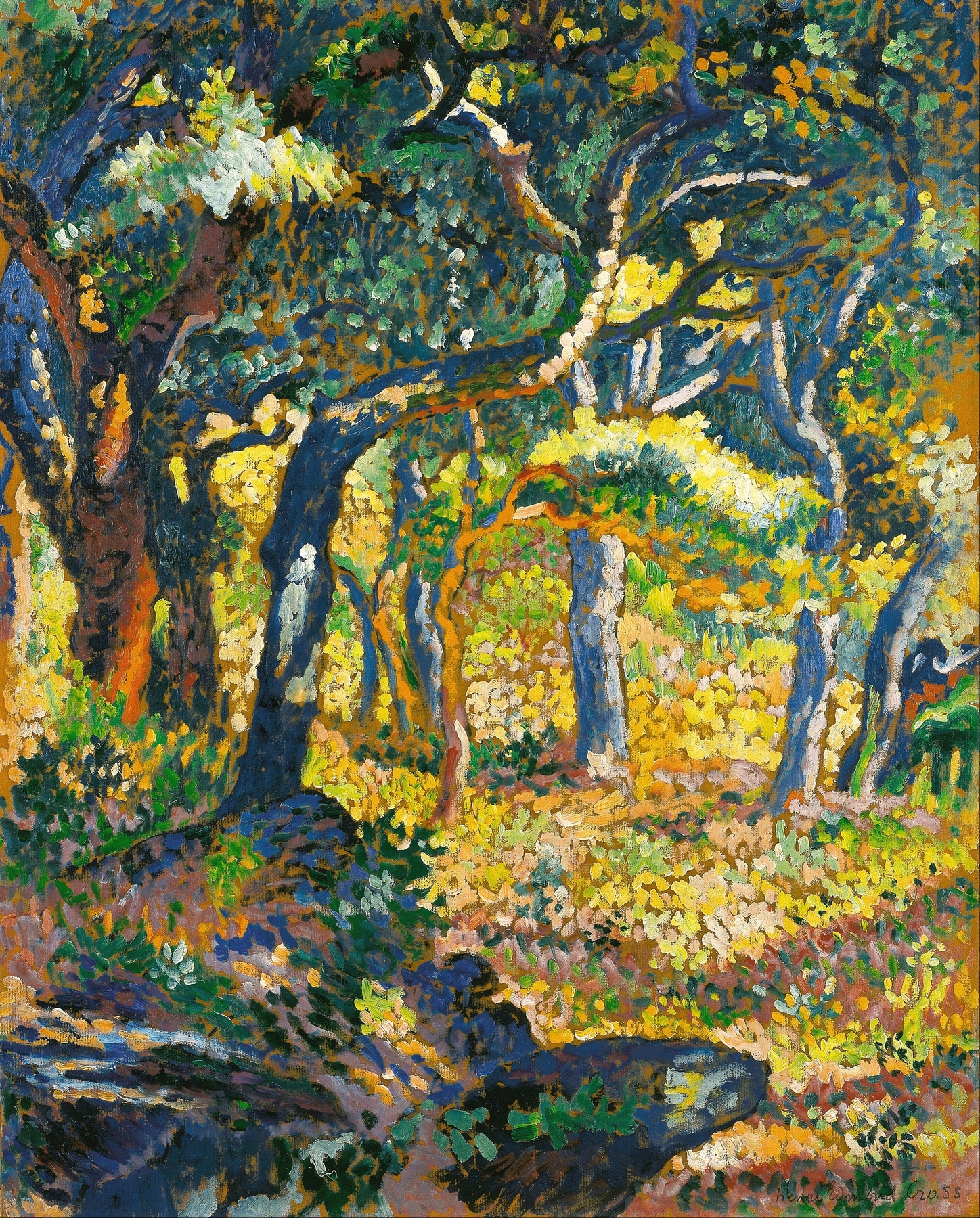
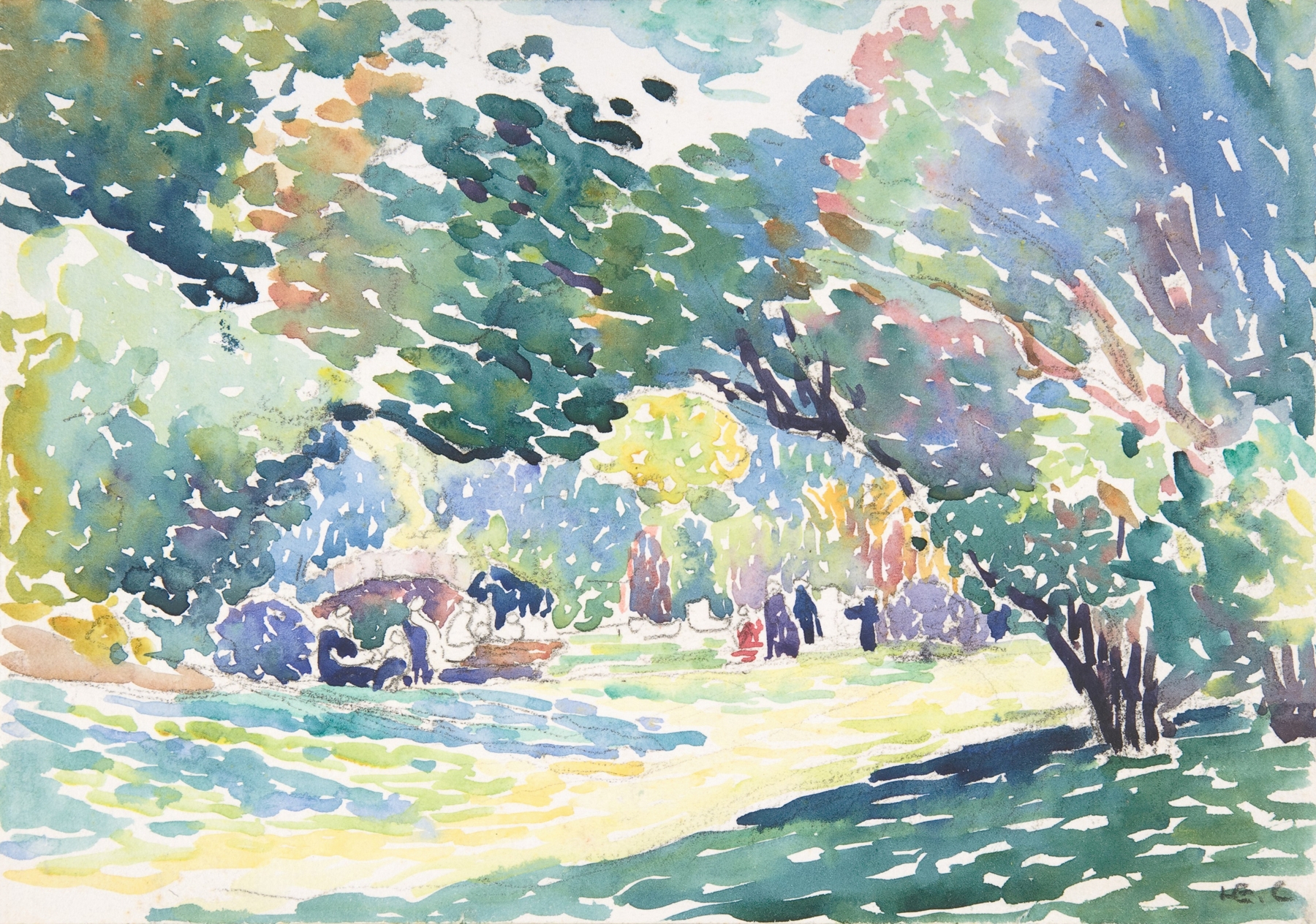
The brushstrokes are both energetic and tender, with a playfulness in the way light dances across the surface—each stroke carefully placed, revealing the artist's mastery of color that enhances the emotional undertone. As you explore further, notice the delicate tension between the figures and their surrounding environment. The sprawling landscape, though enchanting, feels expansive and isolating, echoing the loneliness that often accompanies beauty. Each character appears lost in their thoughts, adding an undercurrent of introspection that invites the viewer to ponder their own relationship with solitude.
The contrast between the lively colors and the stillness of the figures amplifies the theme of yearning for connection, even in the company of others. Henri-Edmond Cross painted this work during a period of transition in the late 19th century, specifically in the context of the Pointillist movement, which he embraced with enthusiasm. Living in France, he was influenced by the avant-garde shifts in art as society grappled with modernity and the fleeting nature of joy. This painting reflects not only the personal explorations of Cross as an artist but also the broader cultural questioning of beauty and isolation during this transformative era.