Paysage De La Chaine Des Maures — History & Analysis
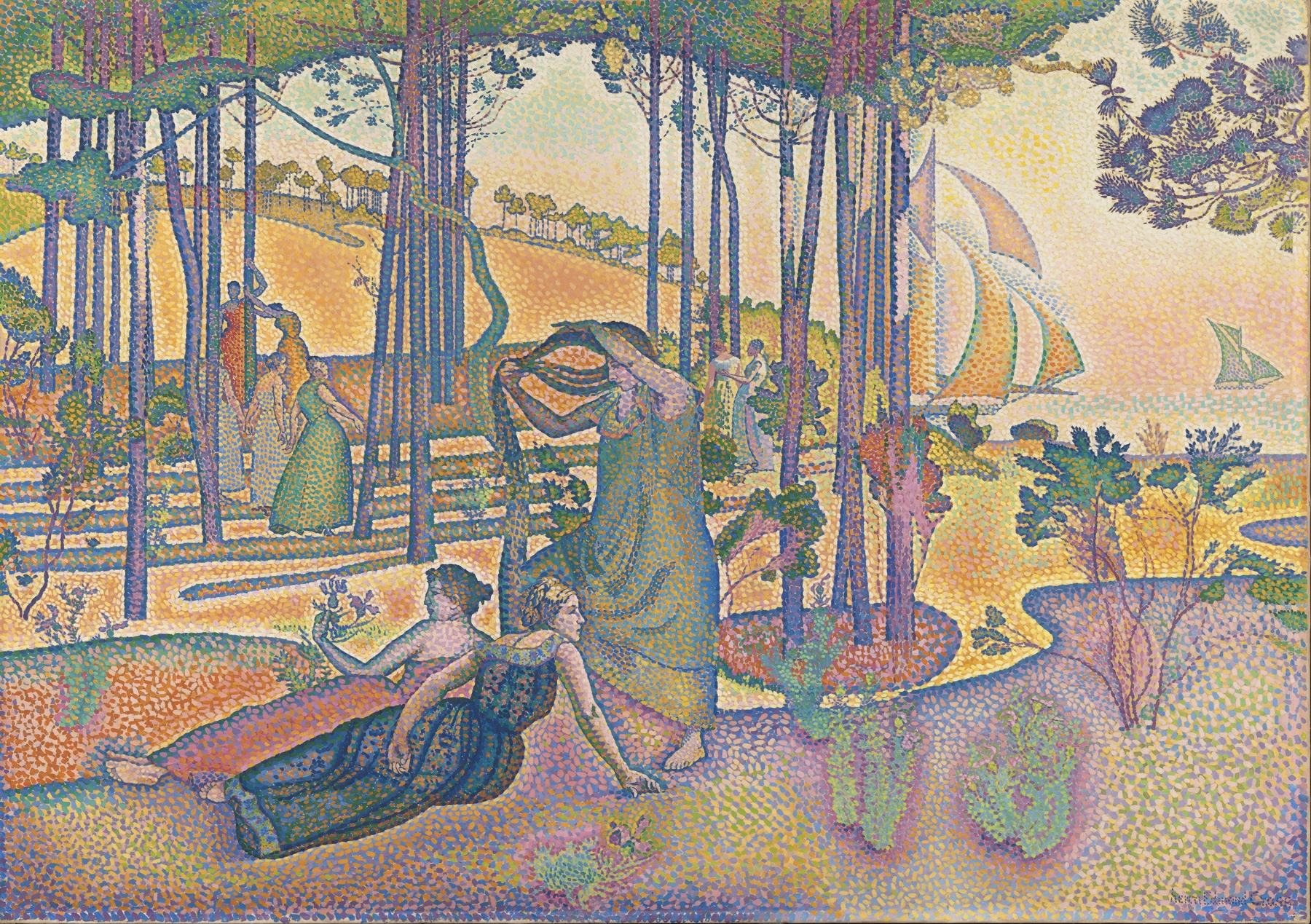
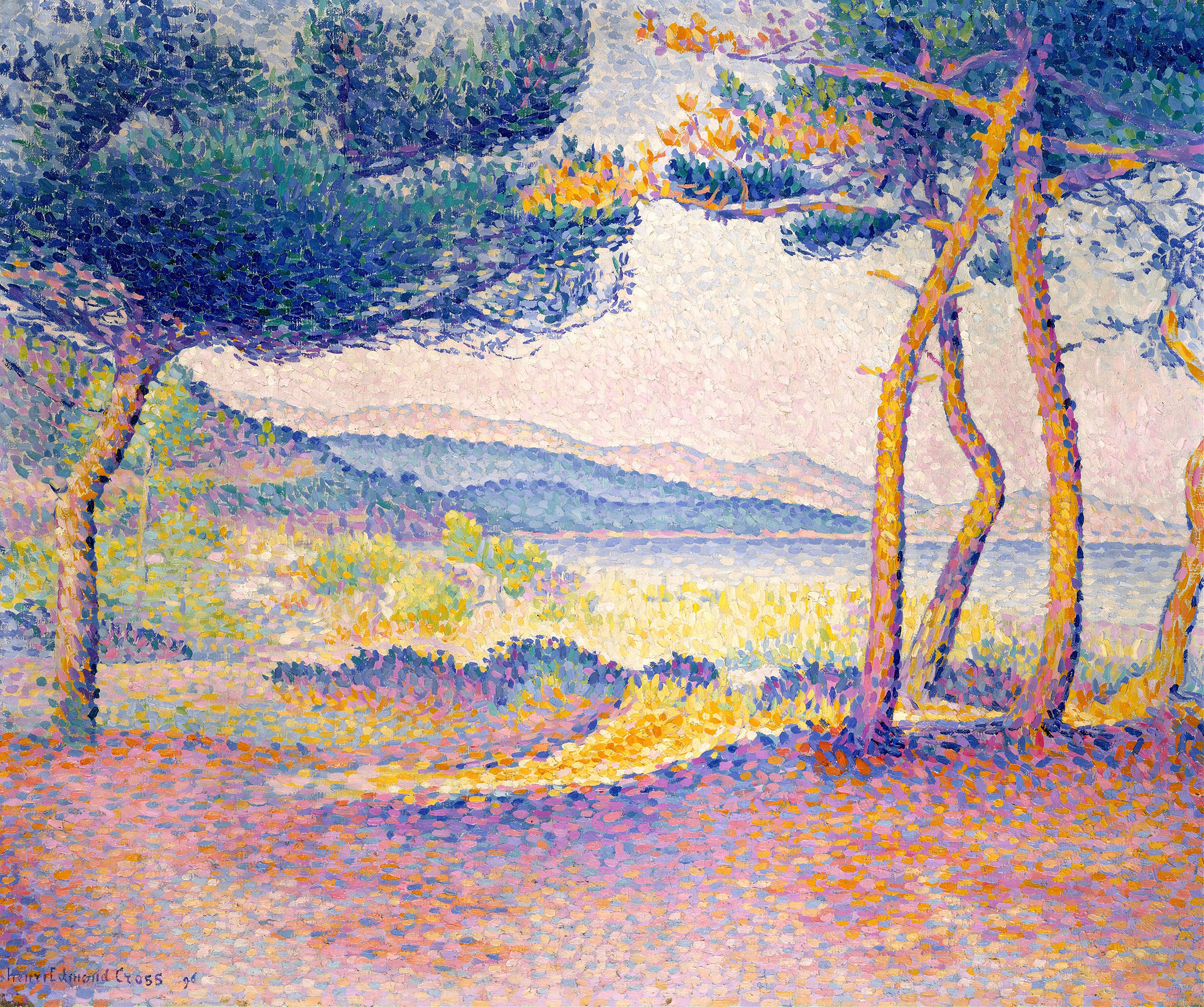
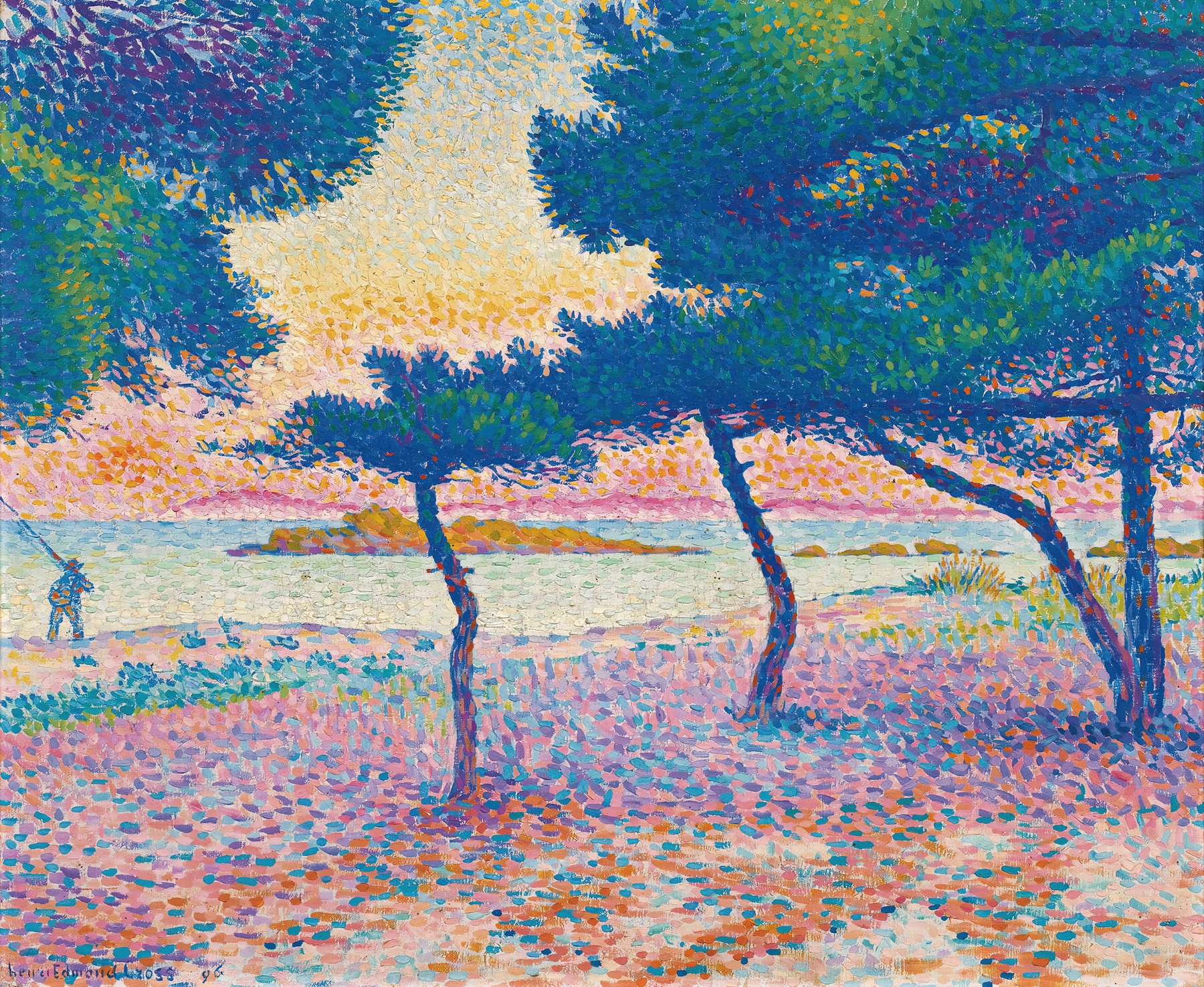
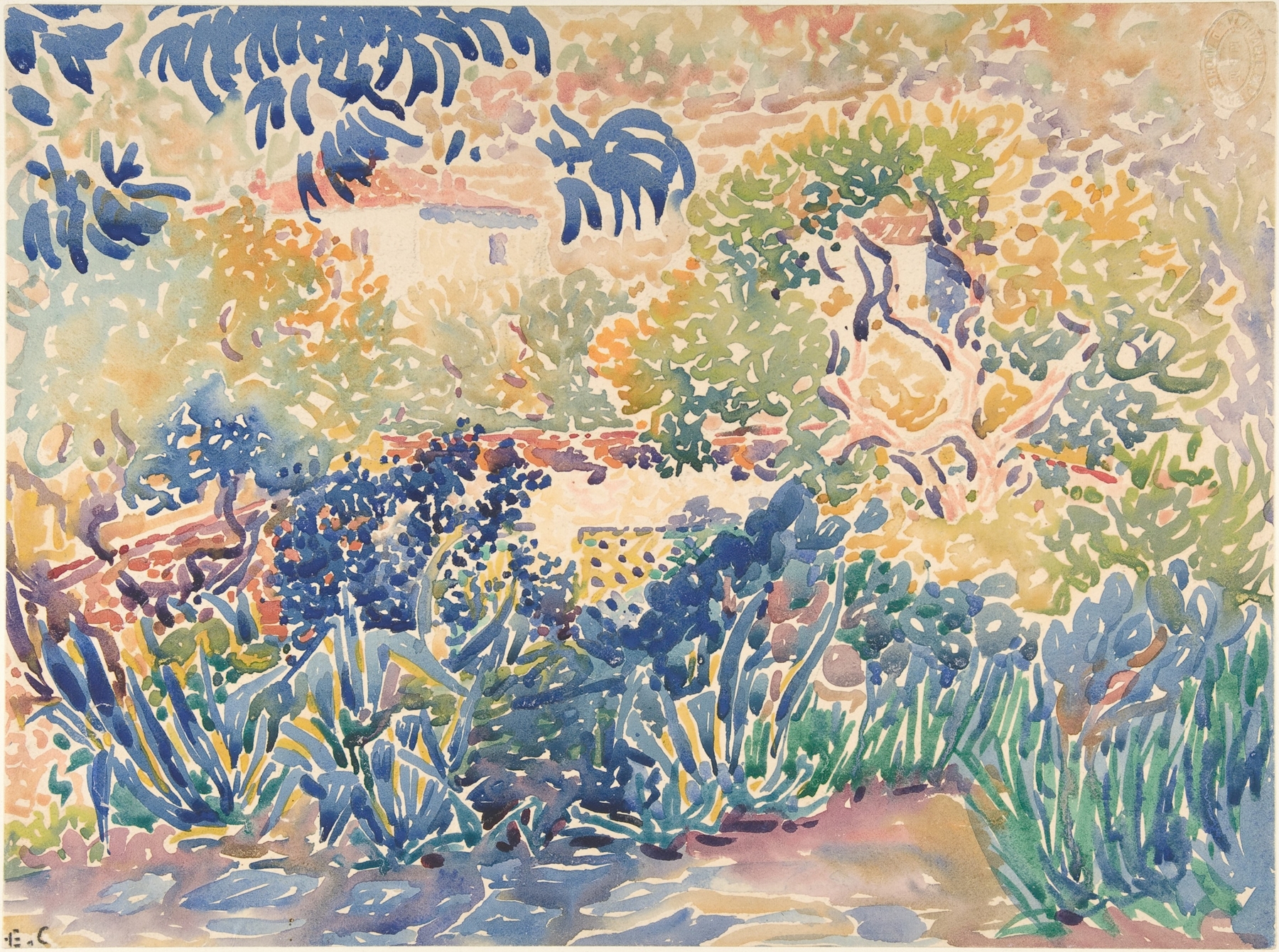
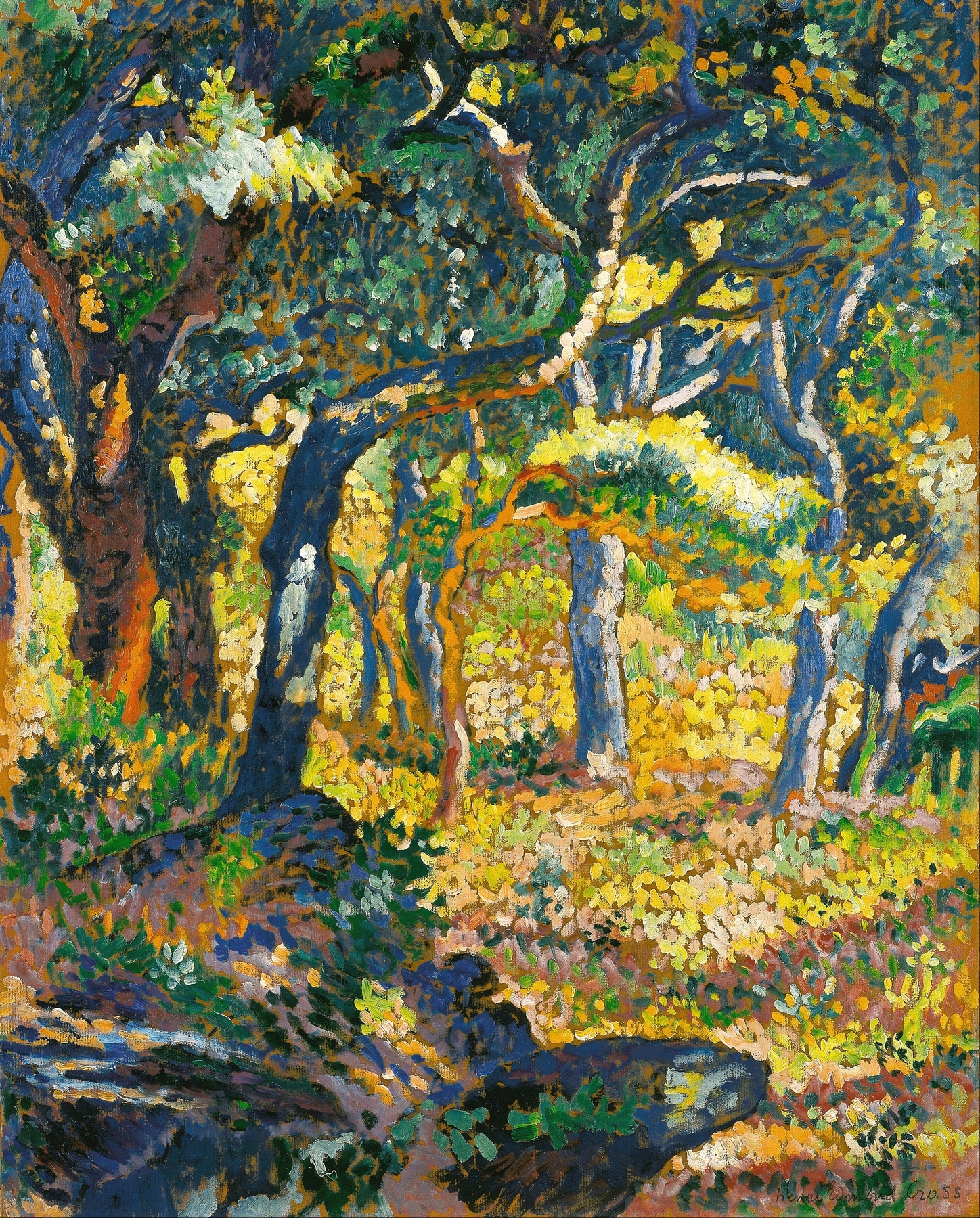
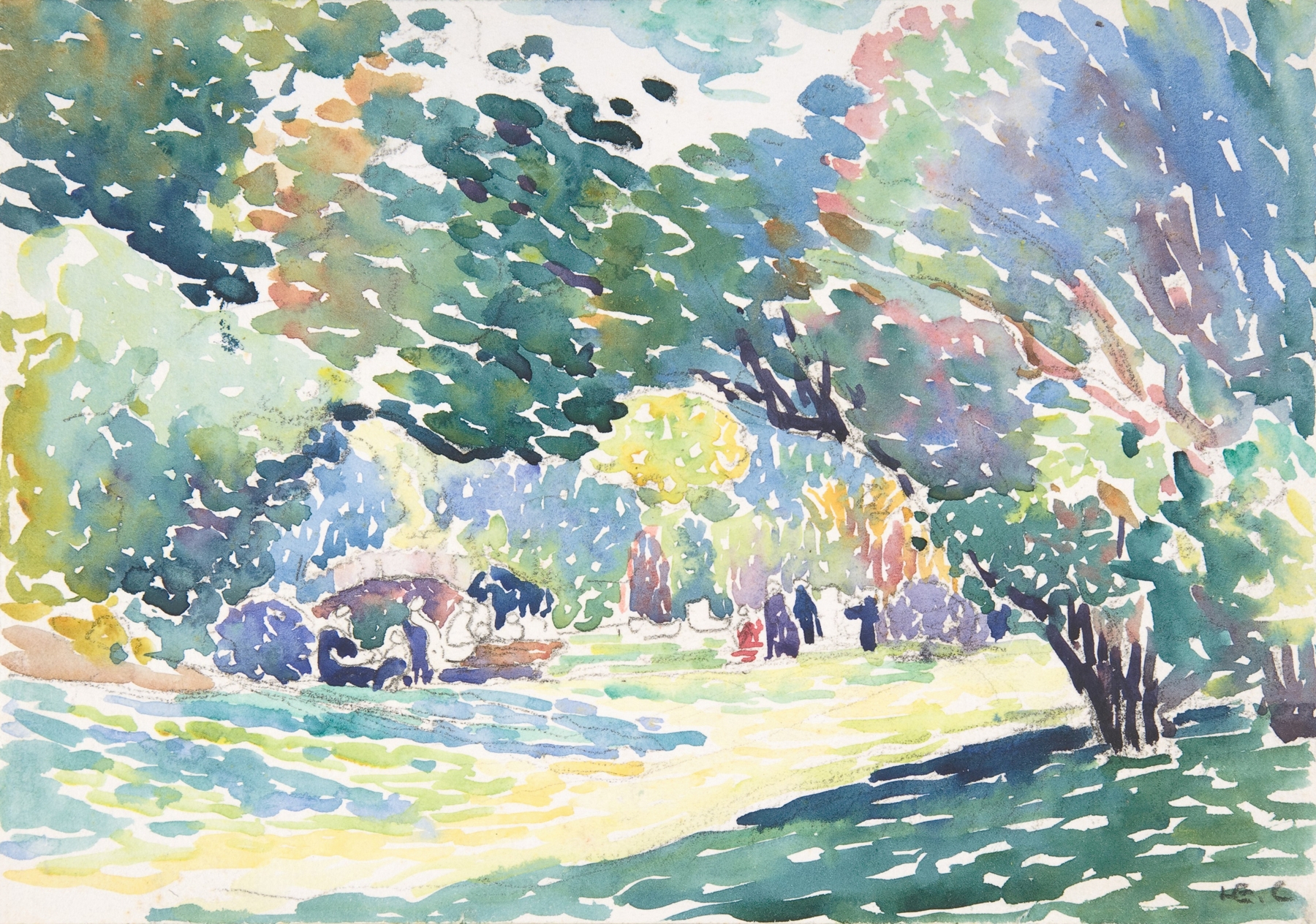
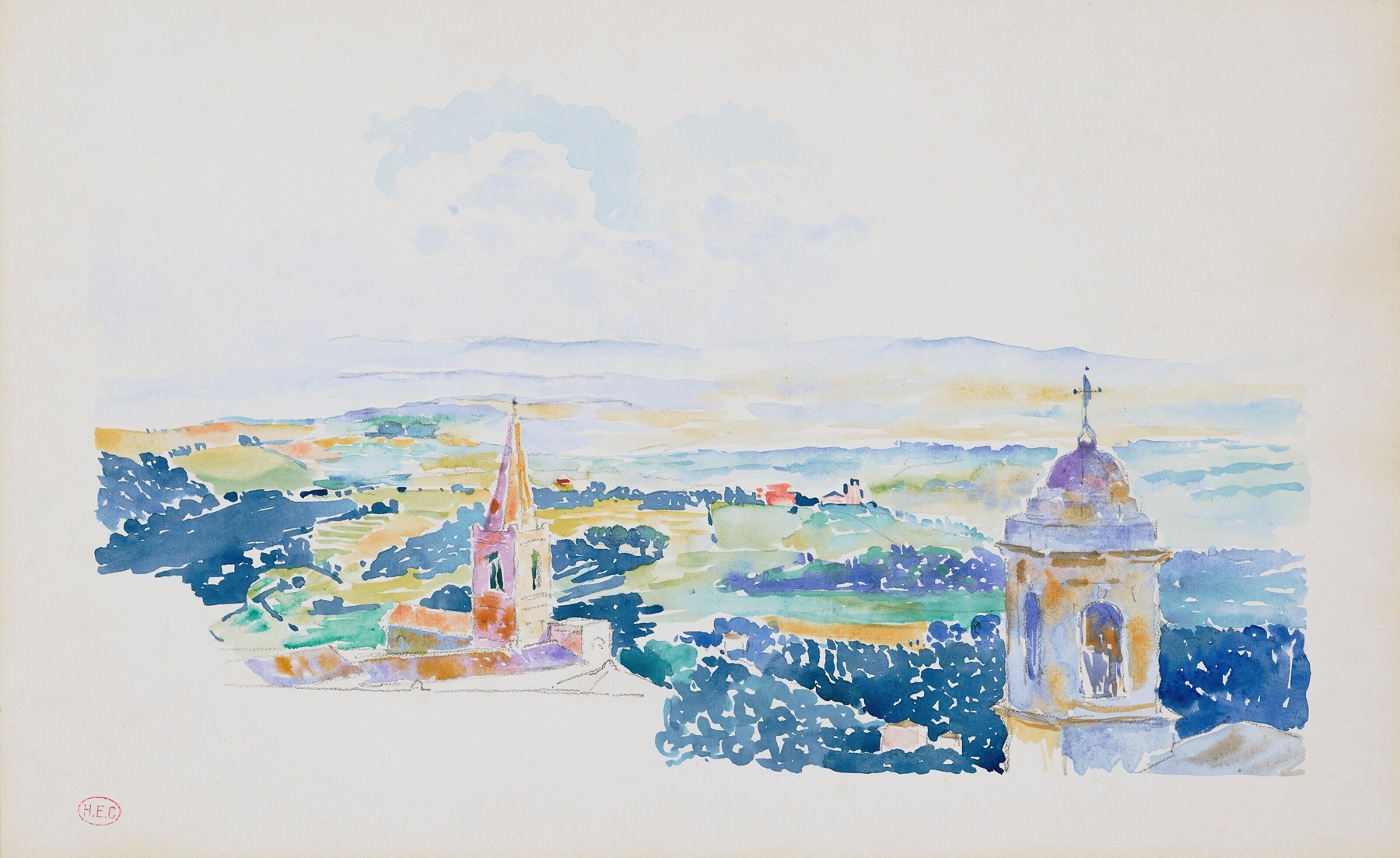
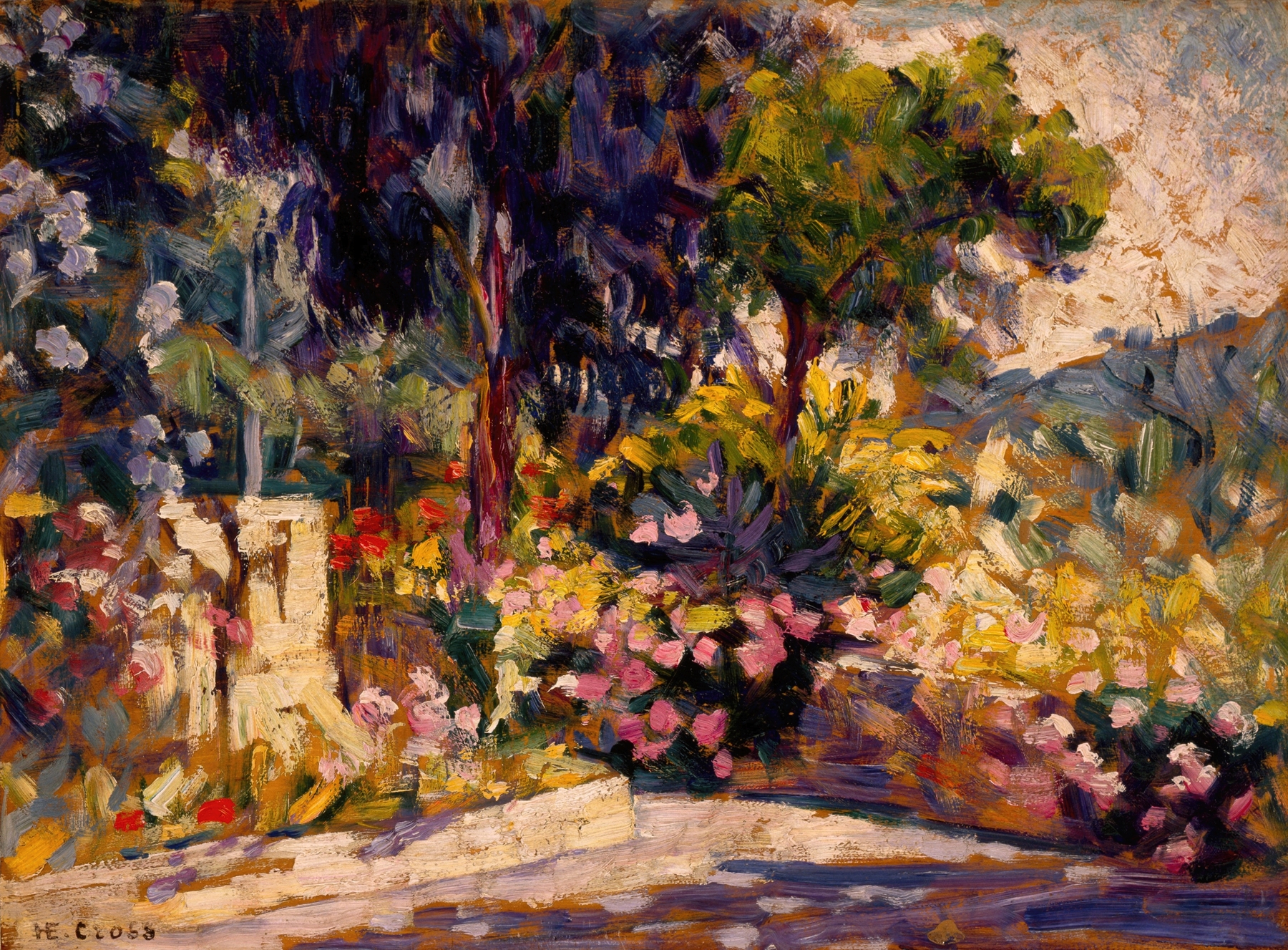
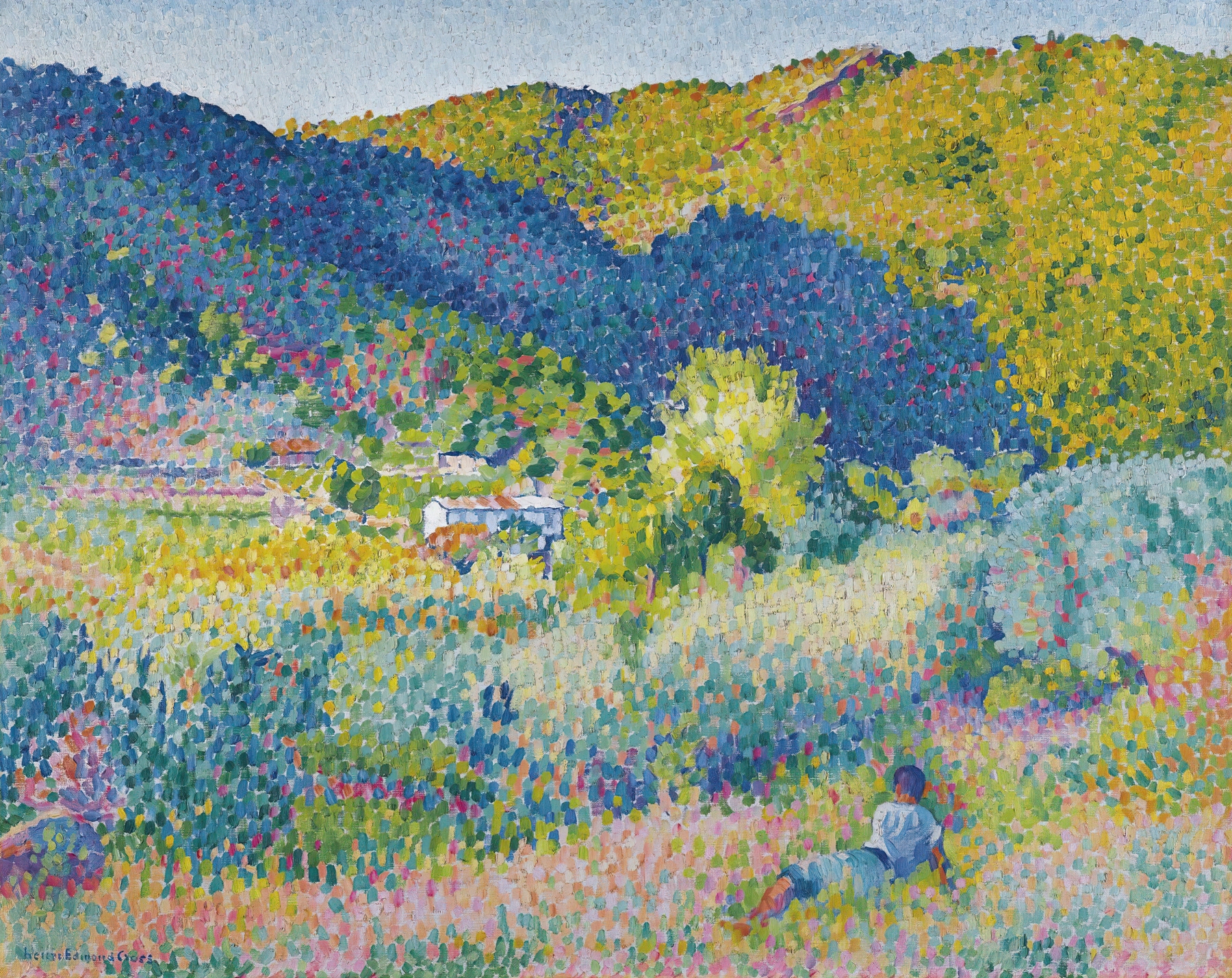
When did color learn to lie? The vibrant hues of a landscape can evoke memories long buried, whispering secrets of nostalgia and longing even as they seduce the eye. In Paysage De La Chaine Des Maures, the brushstrokes dance across the canvas, inviting you to wander through a world where light and shadow play tricks on the heart. Look to the left, where the undulating hills rise gently, rendered in rich greens and sunlit yellows. Notice how the light falls upon the trees, casting elongated shadows that stretch towards the horizon, creating a sense of depth.
The swirling clouds overhead swirl with gentle pastels, blending seamlessly into the tranquil blues, inviting a breath of fresh air. The composition, alive with movement, brings forth a serene yet dynamic ambiance that engages the viewer’s senses. Yet, behind this serene beauty lies a tension between reality and memory. The vibrant colors, while alluring, seem to distort the landscape, suggesting a longing for an idealized past that never truly existed. The juxtaposition of the vivid foreground and the subtly muted distance hints at the passage of time, capturing both the enchantment of the moment and the bittersweet ache of remembrance.
This emotional duality lies at the heart of the work, challenging the observer to ponder what is real and what is simply a dream. Created in 1904, this painting reflects Cross's involvement in the Fauvist movement, where the use of color took precedence over naturalism. Living in the south of France, he was surrounded by the landscapes that inspired him, even as the world of art was shifting towards new forms and expressions. The early 20th century was a time of experimentation, and in this piece, Cross masterfully captured the essence of a moment while inviting a deeper exploration of memory and perception.