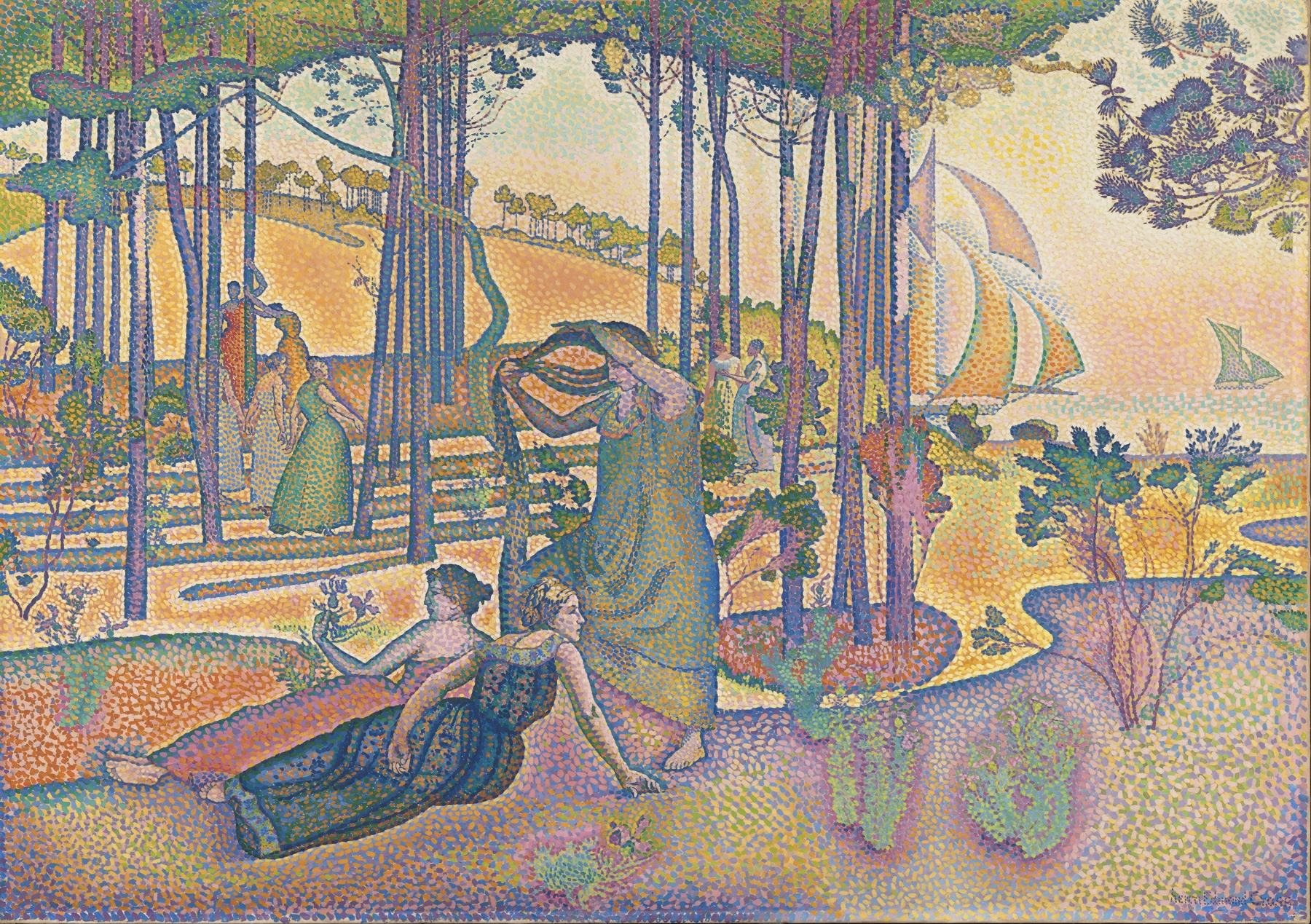
The Evening Air — History & Analysis
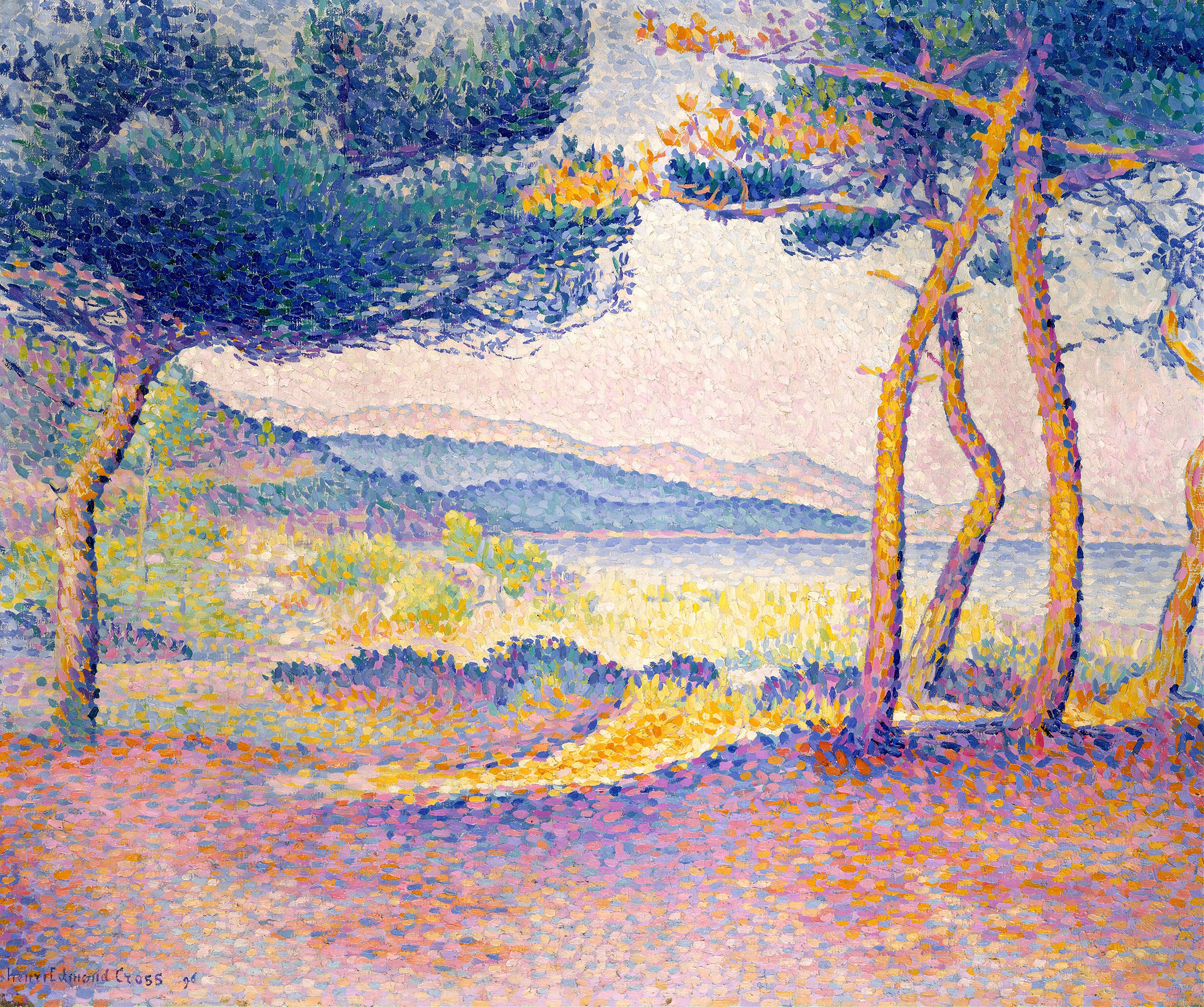
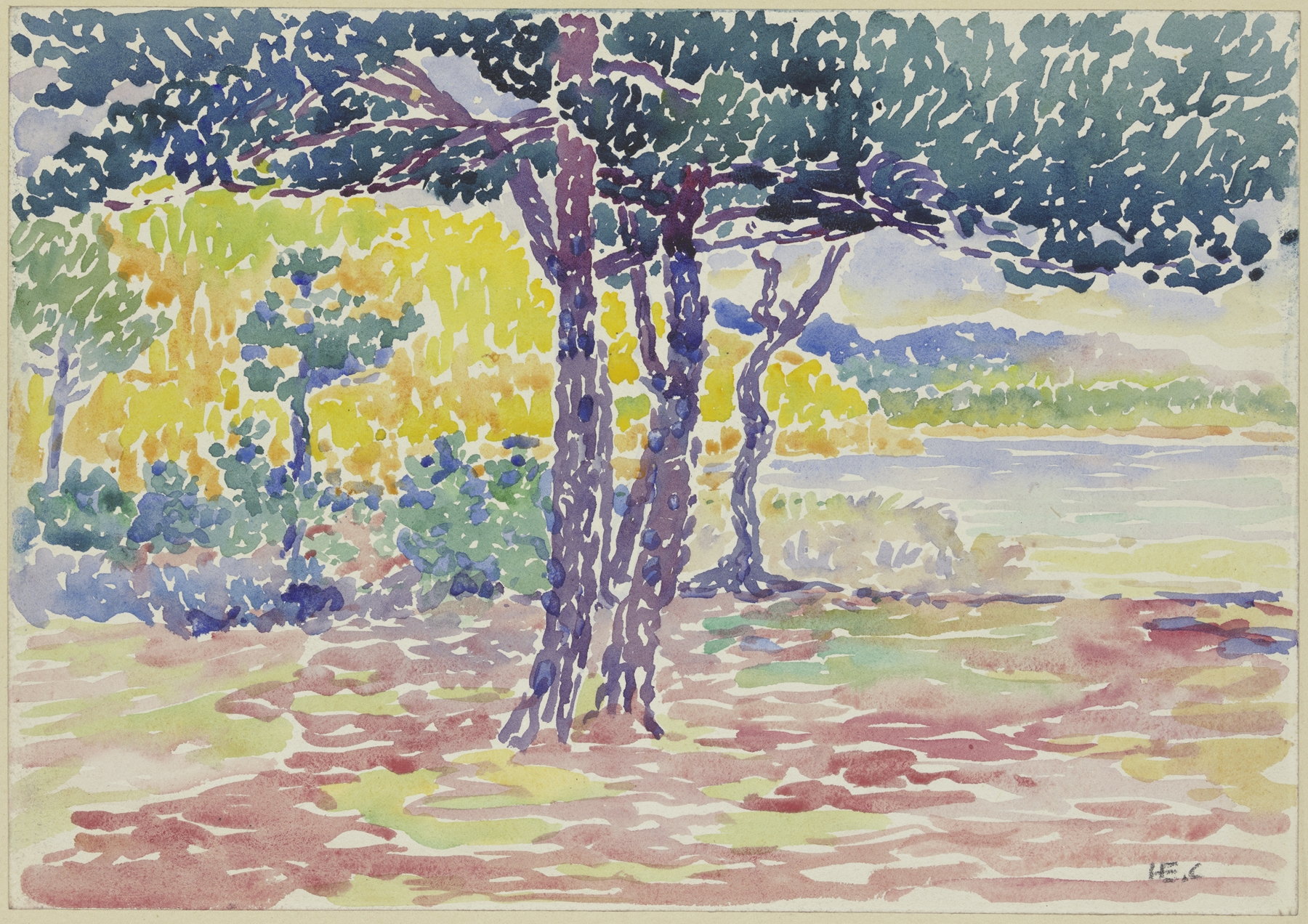
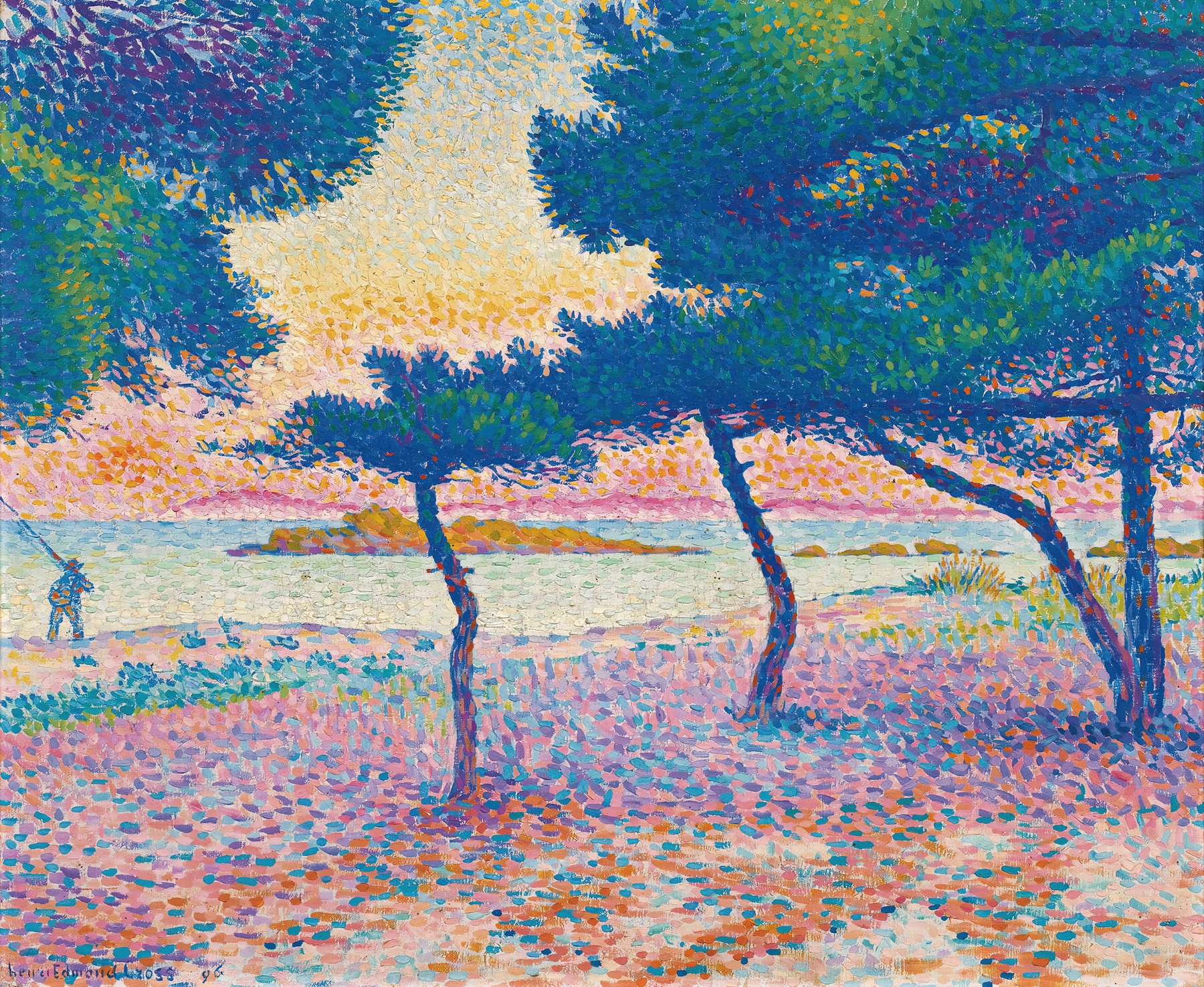
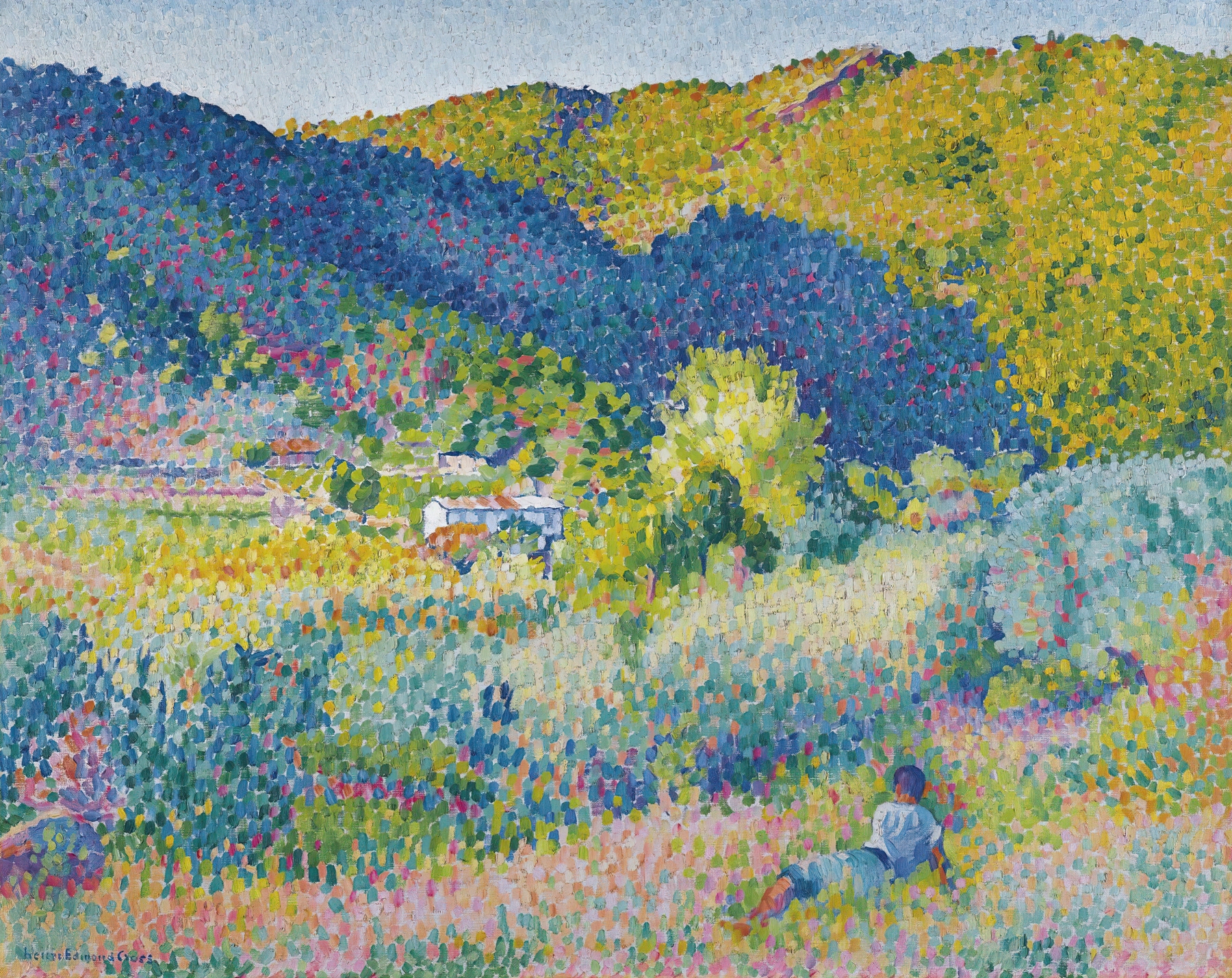
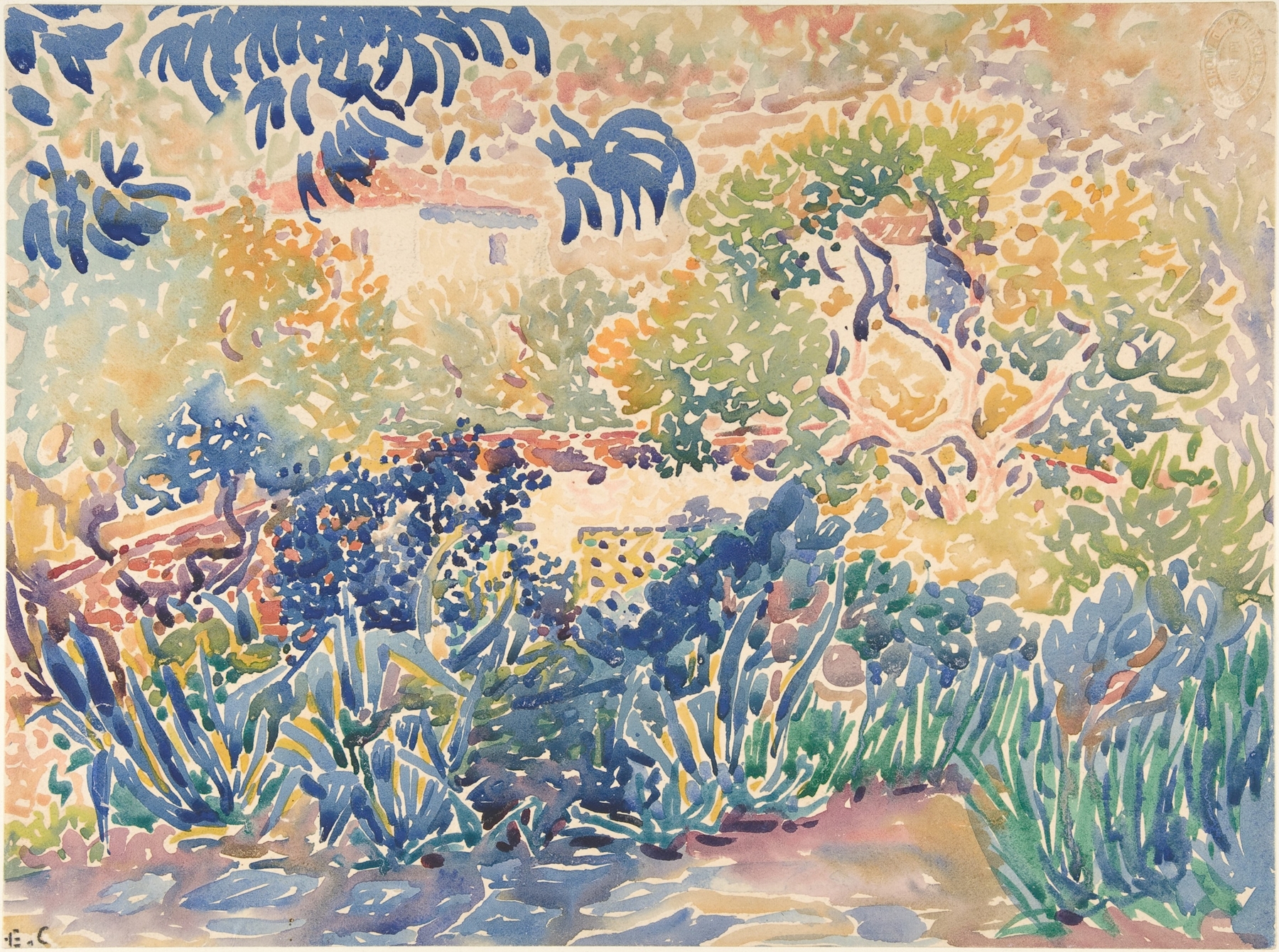
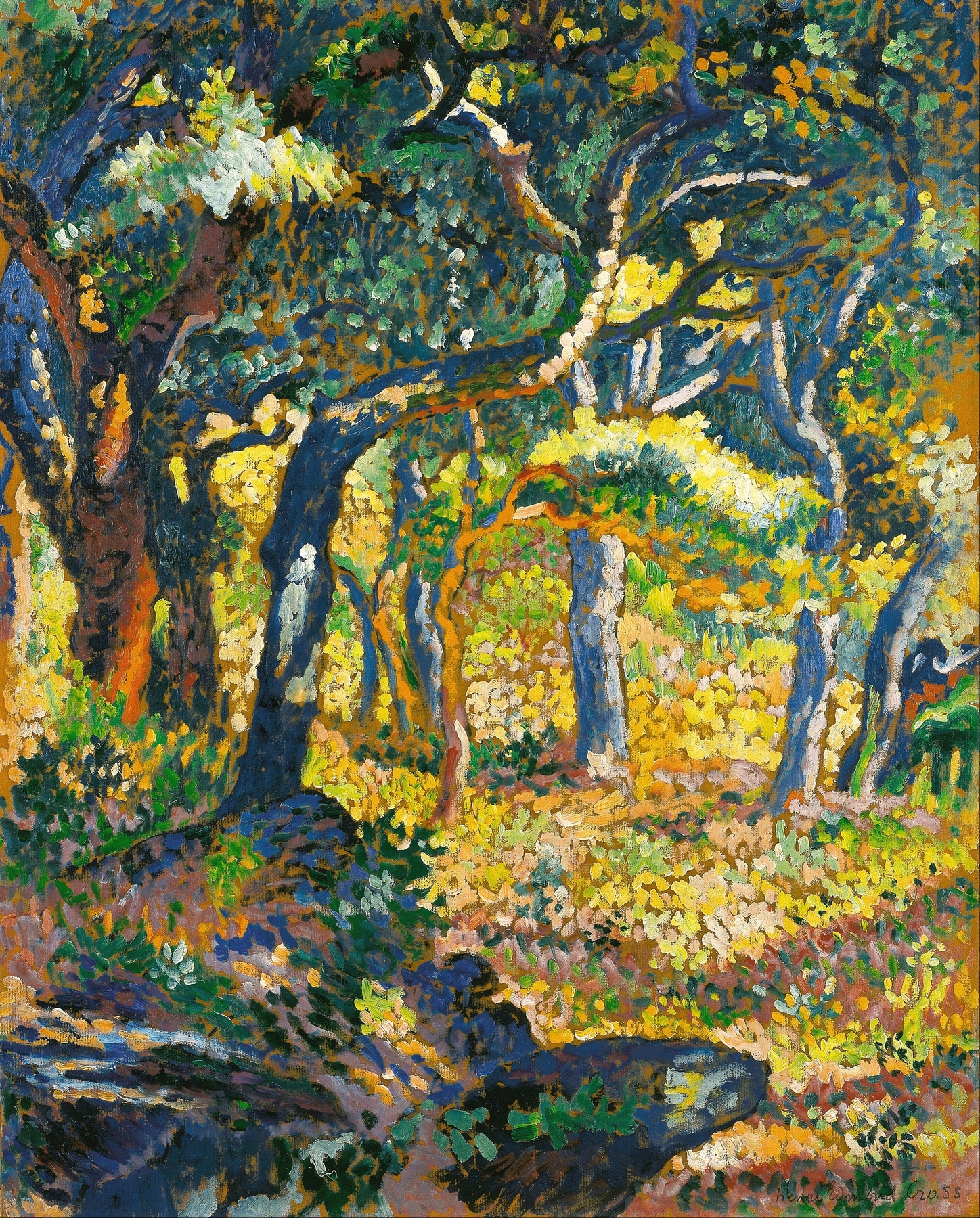
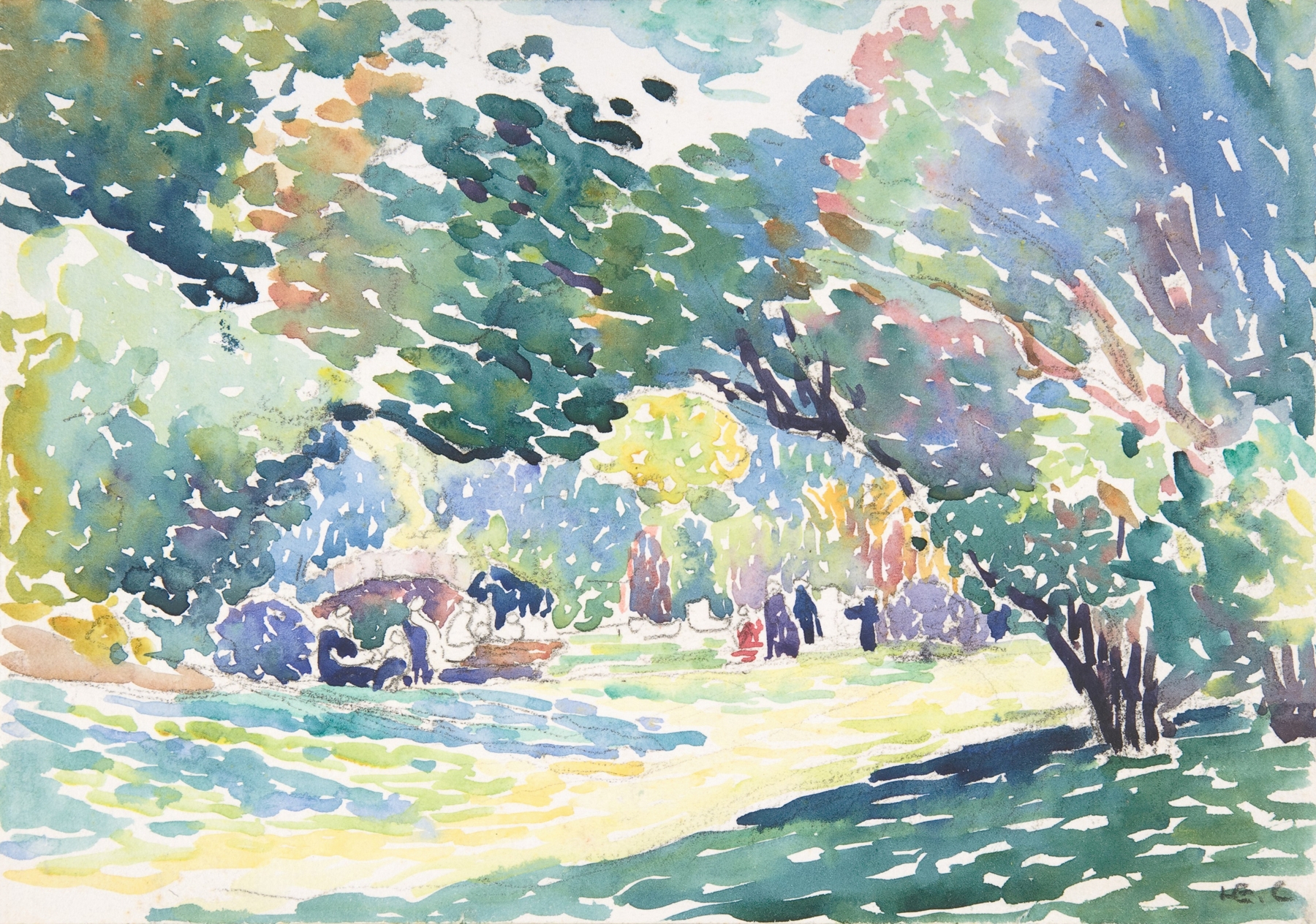
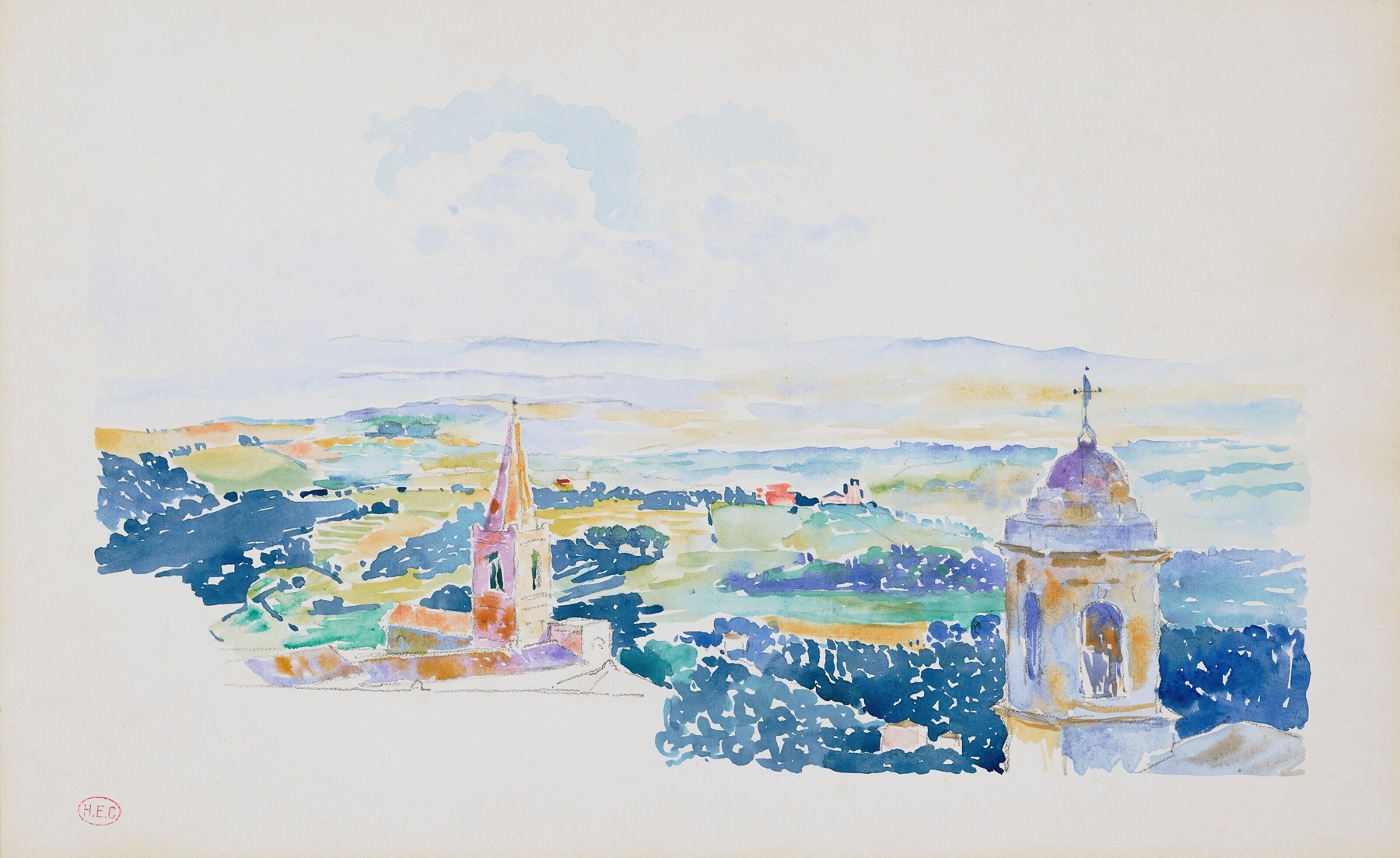
“Between color and silence, truth hides.” In the spaces of solitude, one finds echoes of profound loneliness that resonate through the heart. Look to the center, where gentle hues of blue and lavender swirl together, inviting you into the calm embrace of dusk. Notice how the vibrant strokes dance across the canvas, creating an atmosphere both serene and melancholic. The interplay of light and shadow captures the fleeting moment between day and night, evoking a sense of longing that lingers in the air.
Your gaze is drawn to the horizon, where the sky meets the earth, signaling a transition that resonates with the quietude of the scene. Delve deeper into the details and you'll uncover layers of emotional complexity. The soft, undulating lines of the landscape suggest a rhythm, perhaps a breath, that mirrors the inner turmoil of solitude. The sparse, almost ghostly figures scattered within the scene evoke feelings of isolation, their presence barely tangible against the vibrant backdrop.
This dichotomy between the vivid colors and the implicit loneliness creates a poignant contrast, inviting contemplation of what it means to exist within beauty yet feel profoundly alone. In 1893, during a period of artistic exploration, the creator worked from his studio in the south of France. Cross was immersed in the evolving techniques of Impressionism and Neo-Impressionism, seeking to capture light and its effects on nature. Amid the backdrop of societal transition and personal introspection, the artist conveyed a unique vision that reflected both the external world and the complexities of human emotion.