Aquatic landscape with Ahlbeck on the island of Usedom — History & Analysis
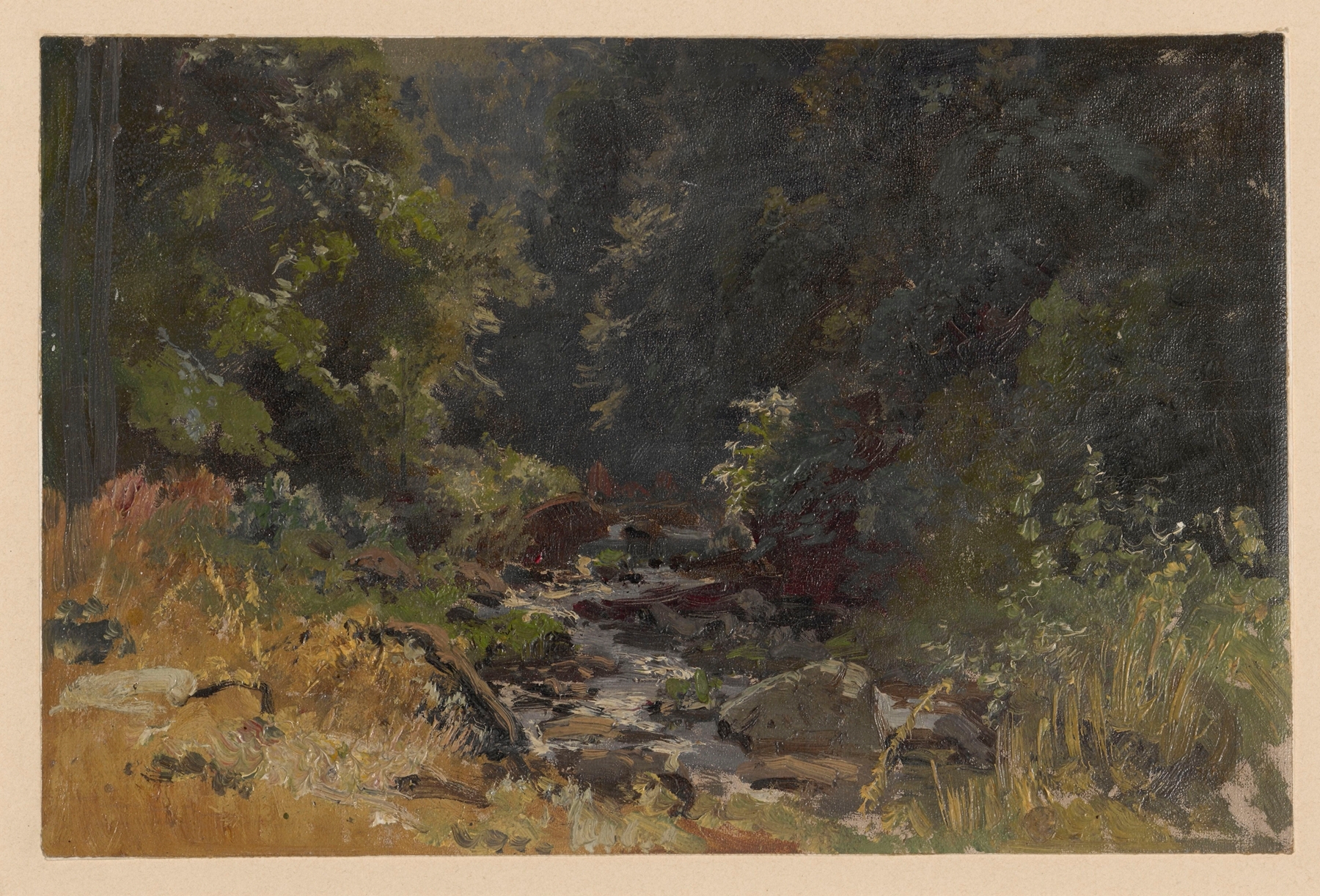
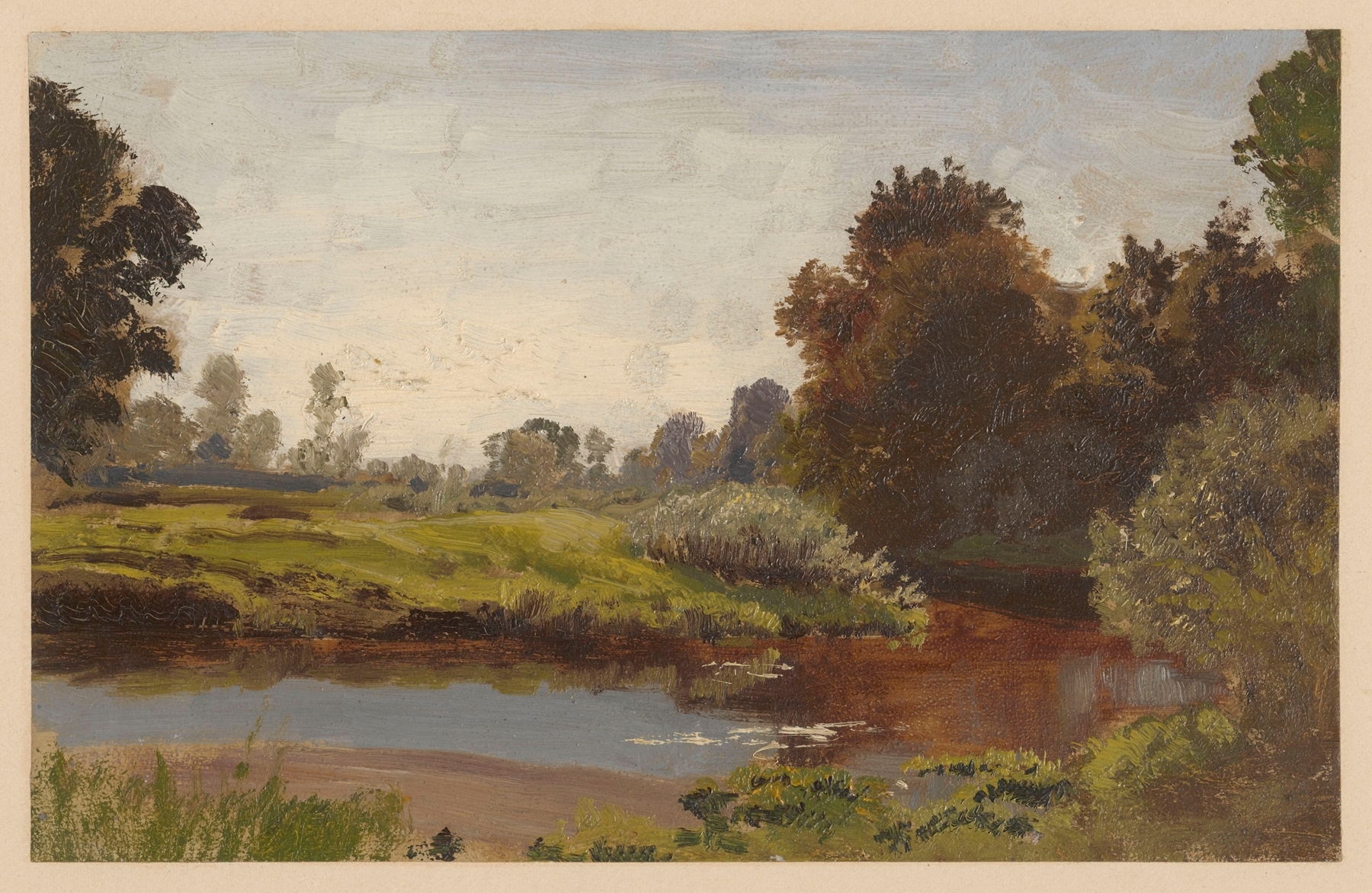
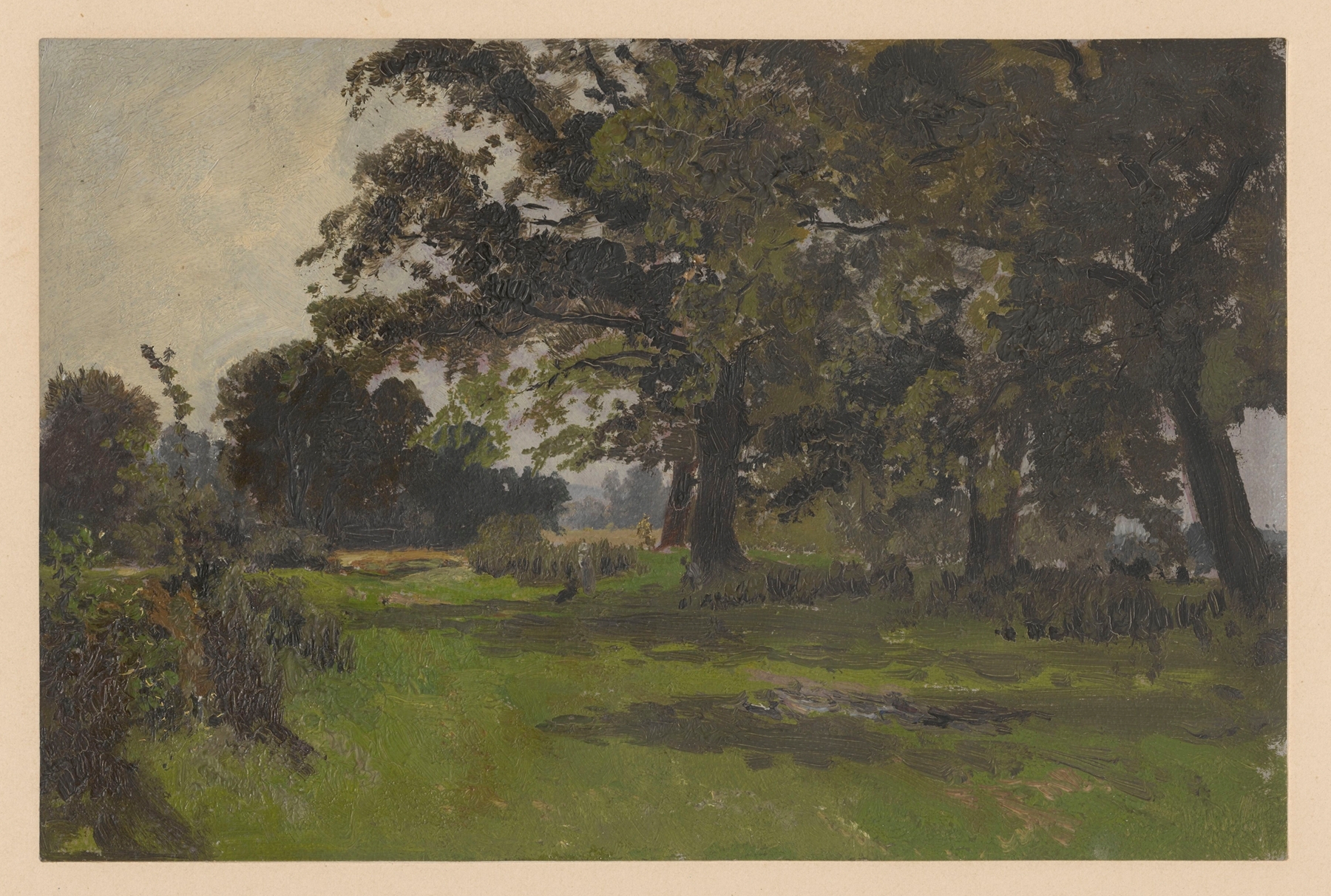
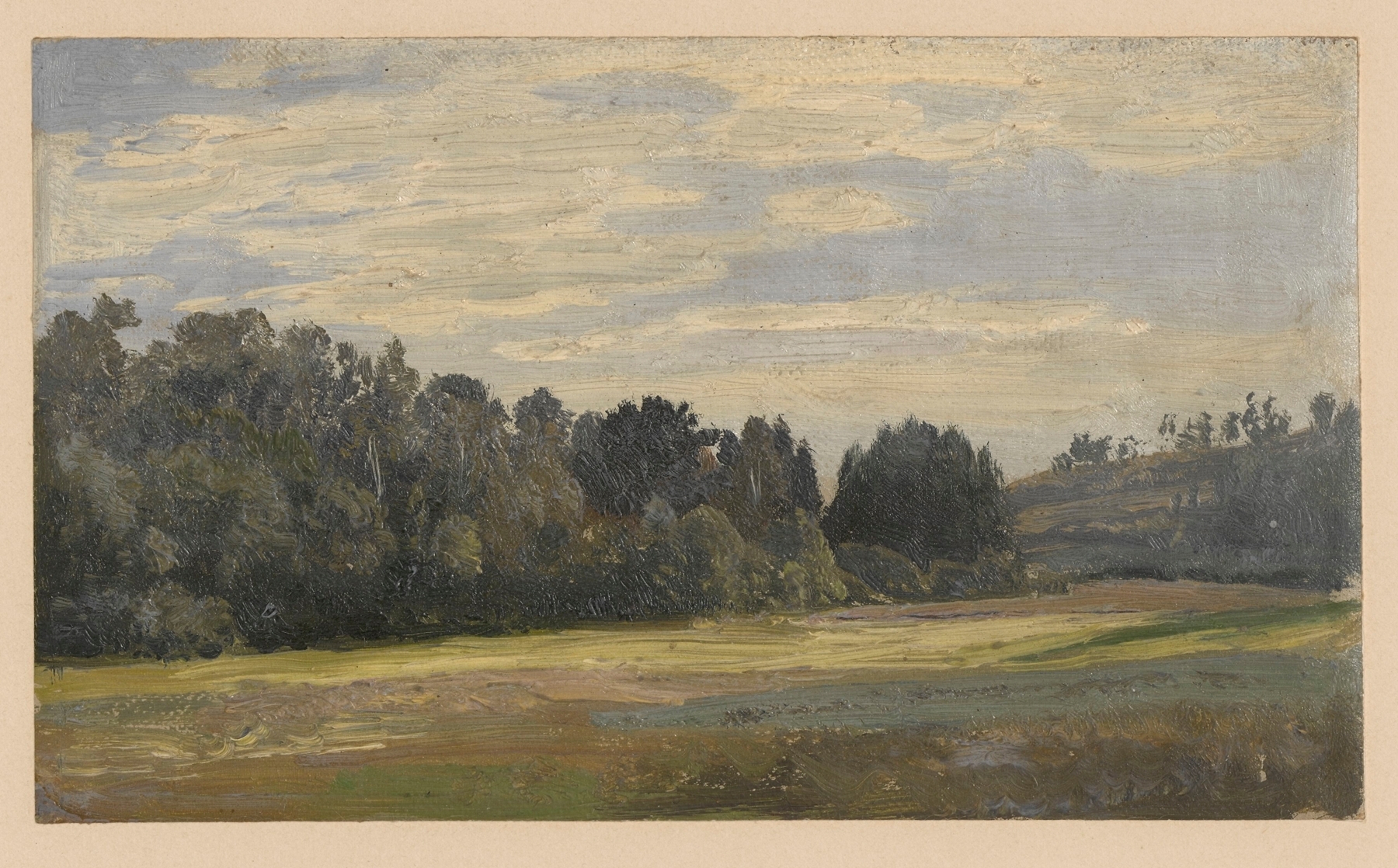
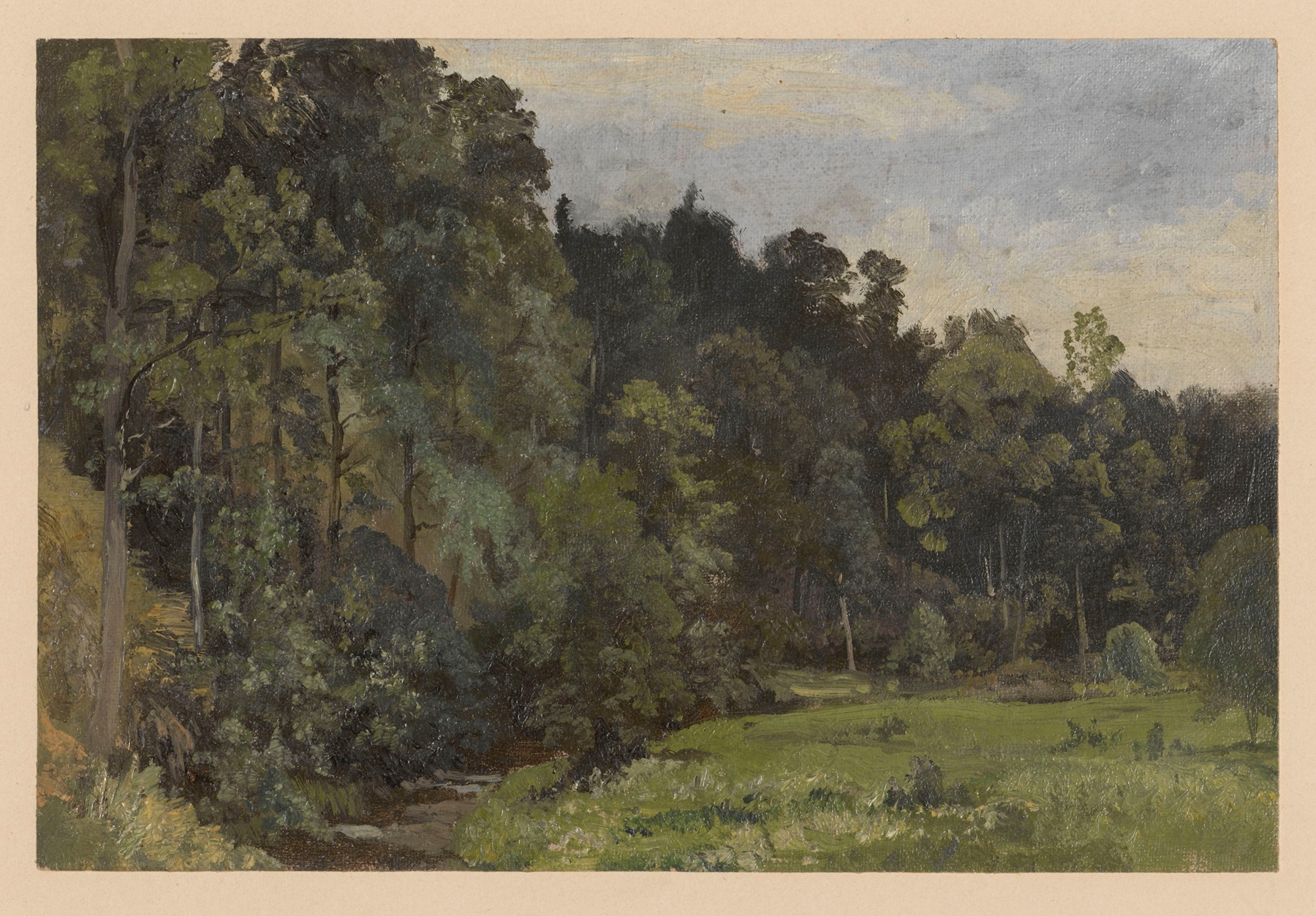
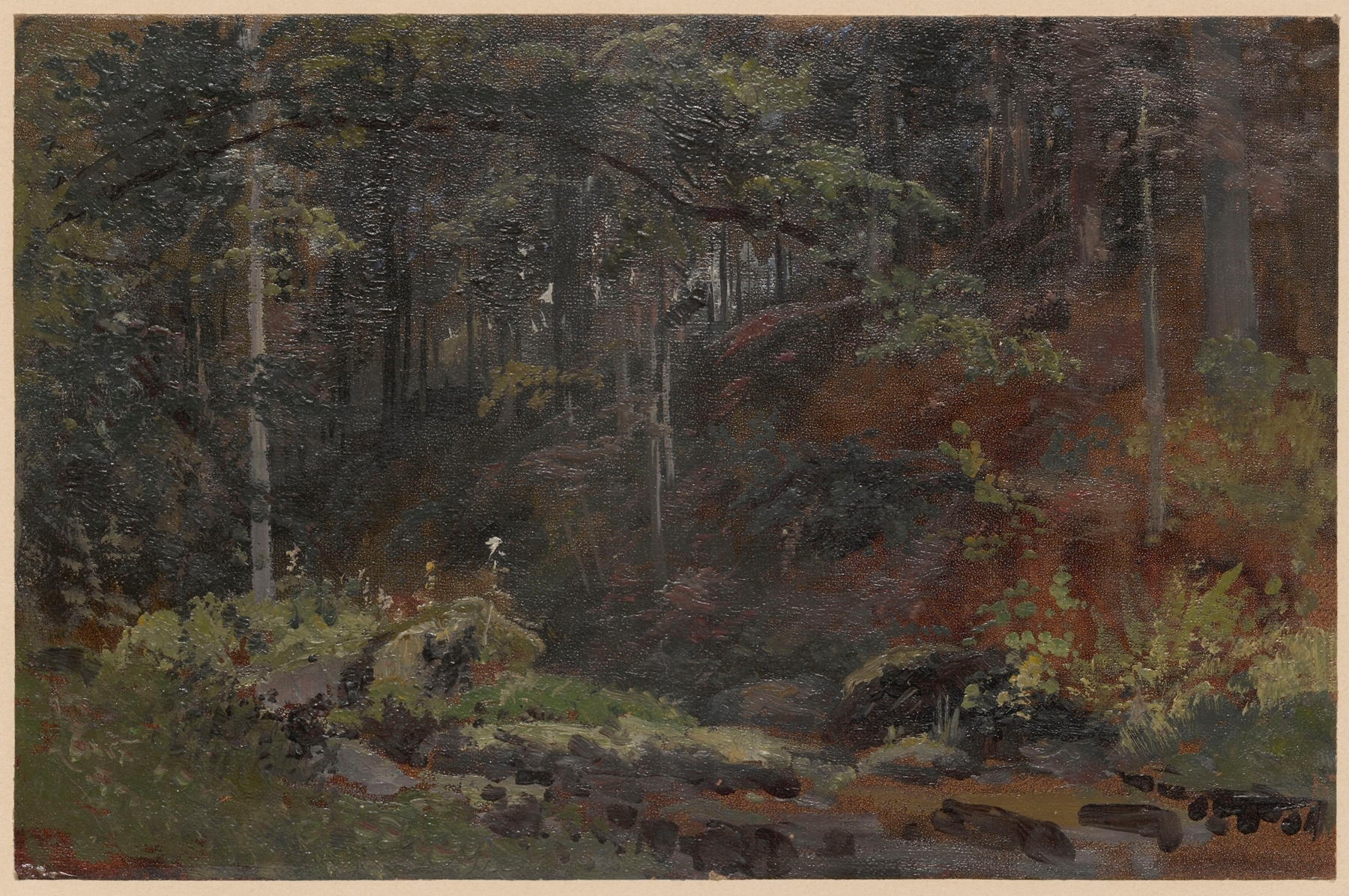
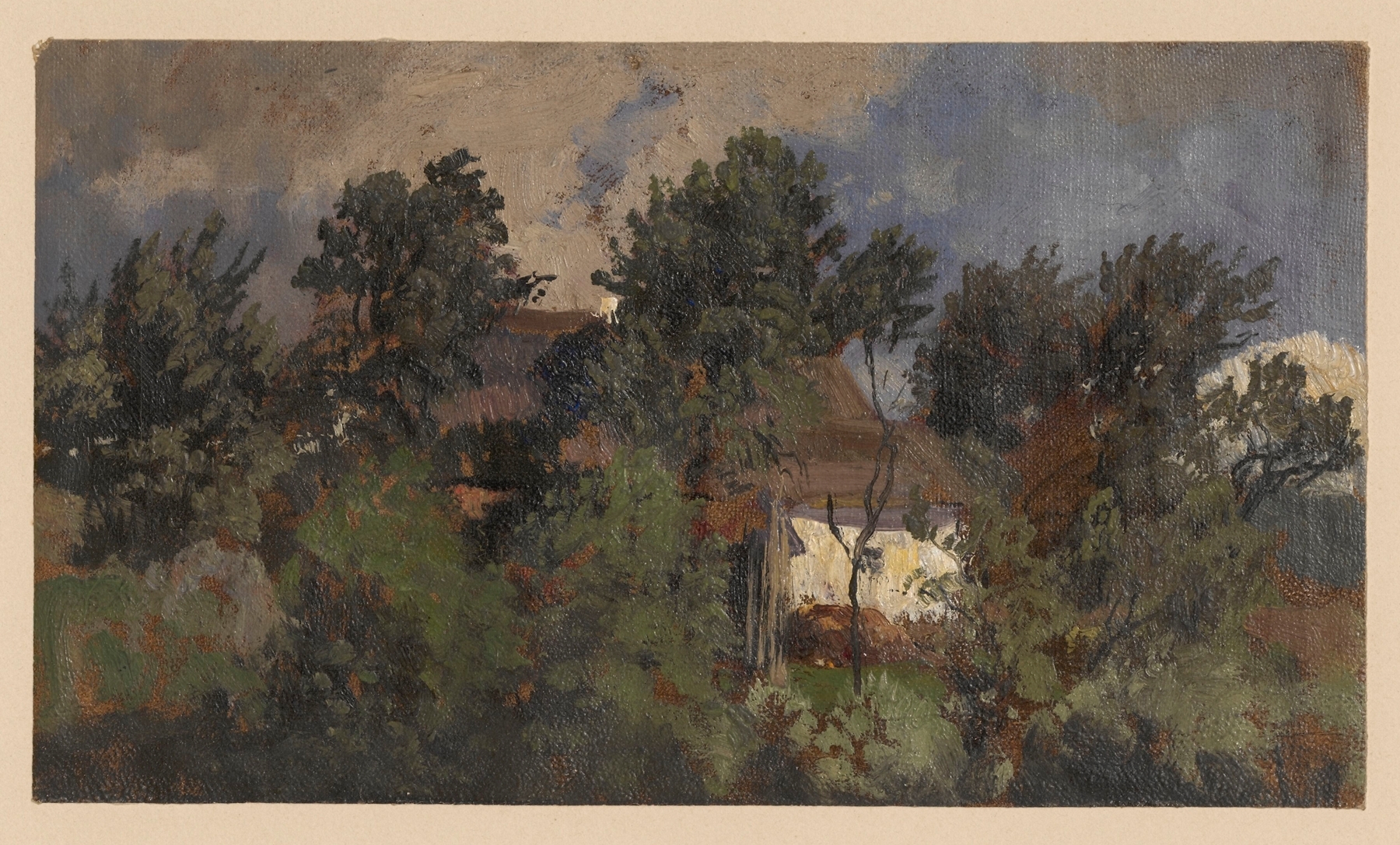
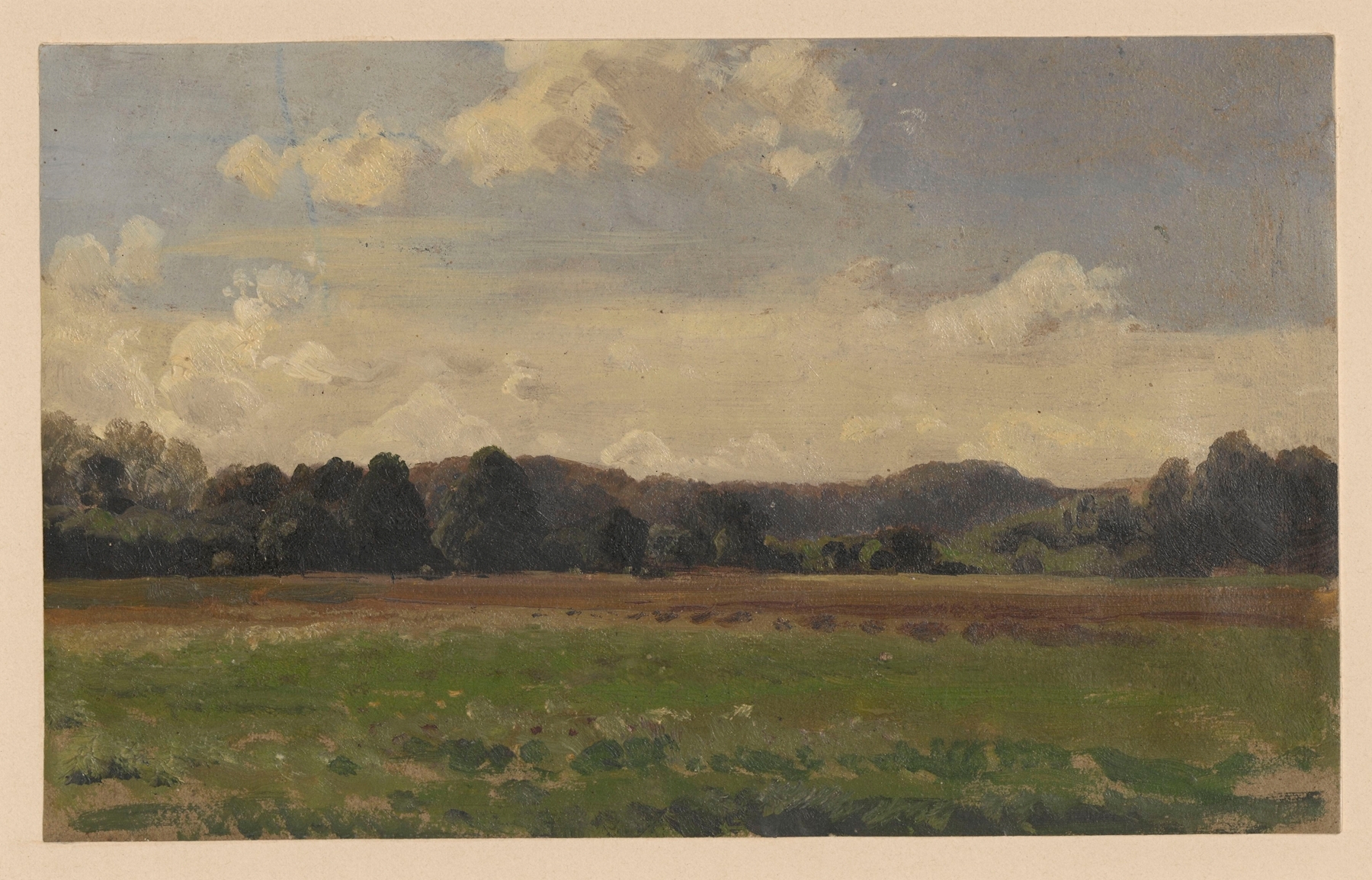
Who listens when art speaks of silence? In the haunting beauty of fading landscapes, the echo of decay resonates deep within our souls. Look to the horizon where delicate brush strokes cradle the tranquil waters of Usedom. The interplay of soft blues and muted greens invites your gaze across the canvas, leading to a horizon slowly swallowed by mist. Notice how the artist employs dappled light to capture the essence of an ephemeral moment, as if the scene is both alive and fading.
The gentle ripples suggest movement, yet a stillness blankets the space, creating an atmosphere that is at once serene and haunting. In the distant shoreline, where land meets water, the remnants of human presence—weathered structures stand as silent witnesses to the passage of time. Here, the tension between nature's resilience and human fragility unfolds. The decaying buildings hint at stories long forgotten, urging the viewer to consider the relationship between beauty and transience. This juxtaposition evokes a melancholic nostalgia, inviting reflection on the inevitable cycle of decay that touches all existence.
Adolf Dressler created this work between 1850 and 1881, a period when he was deeply engaged with the landscapes of Germany. Influenced by Romanticism, he sought to reflect both the splendor and the vulnerability of nature. The era was marked by a burgeoning interest in capturing the essence of place, as well as the emotional undertones that landscapes could convey. In a world grappling with industrial change, his art serves as a reminder of the delicate balance between human life and the natural world.