Arab Encampment at Sunset — History & Analysis
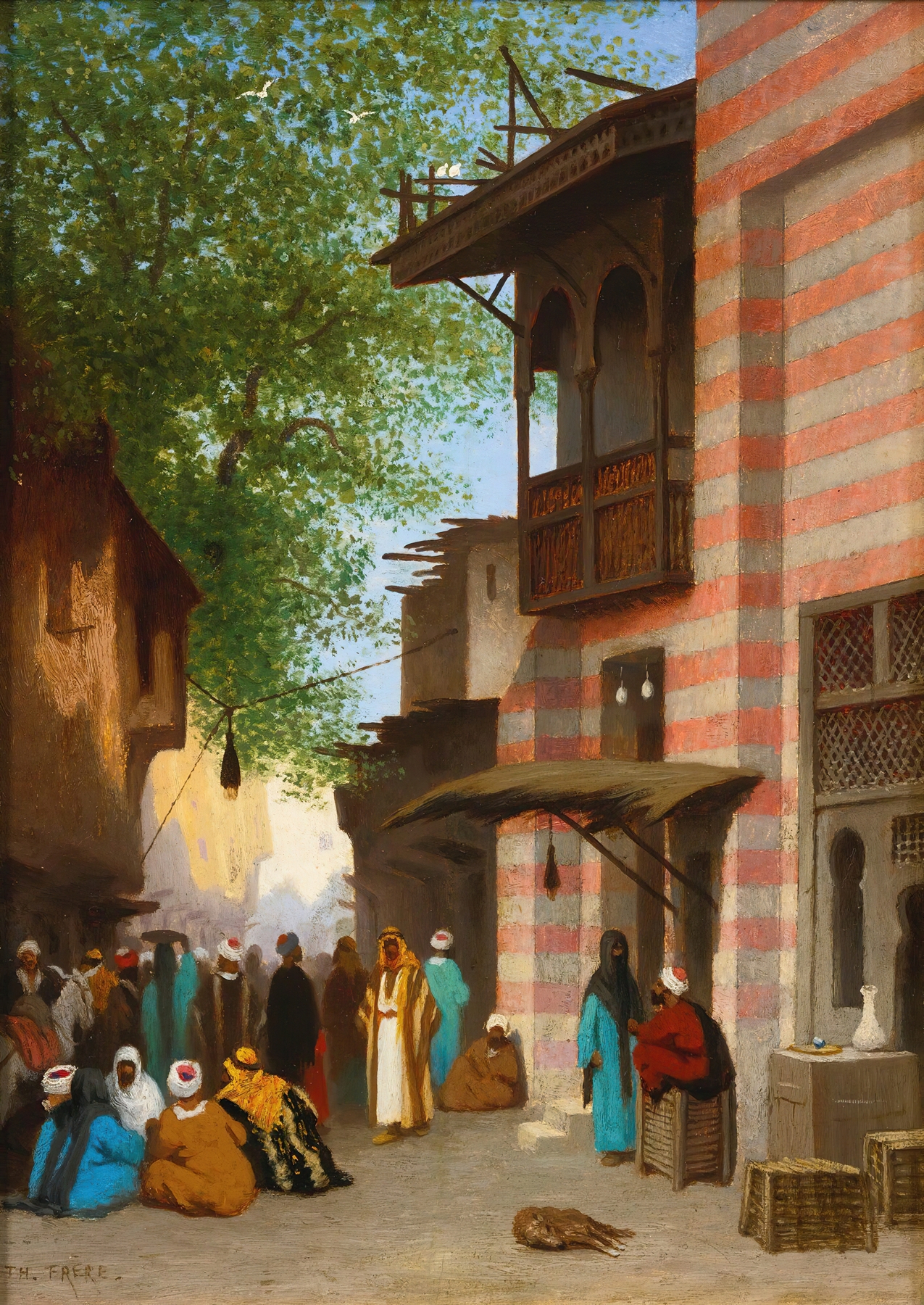
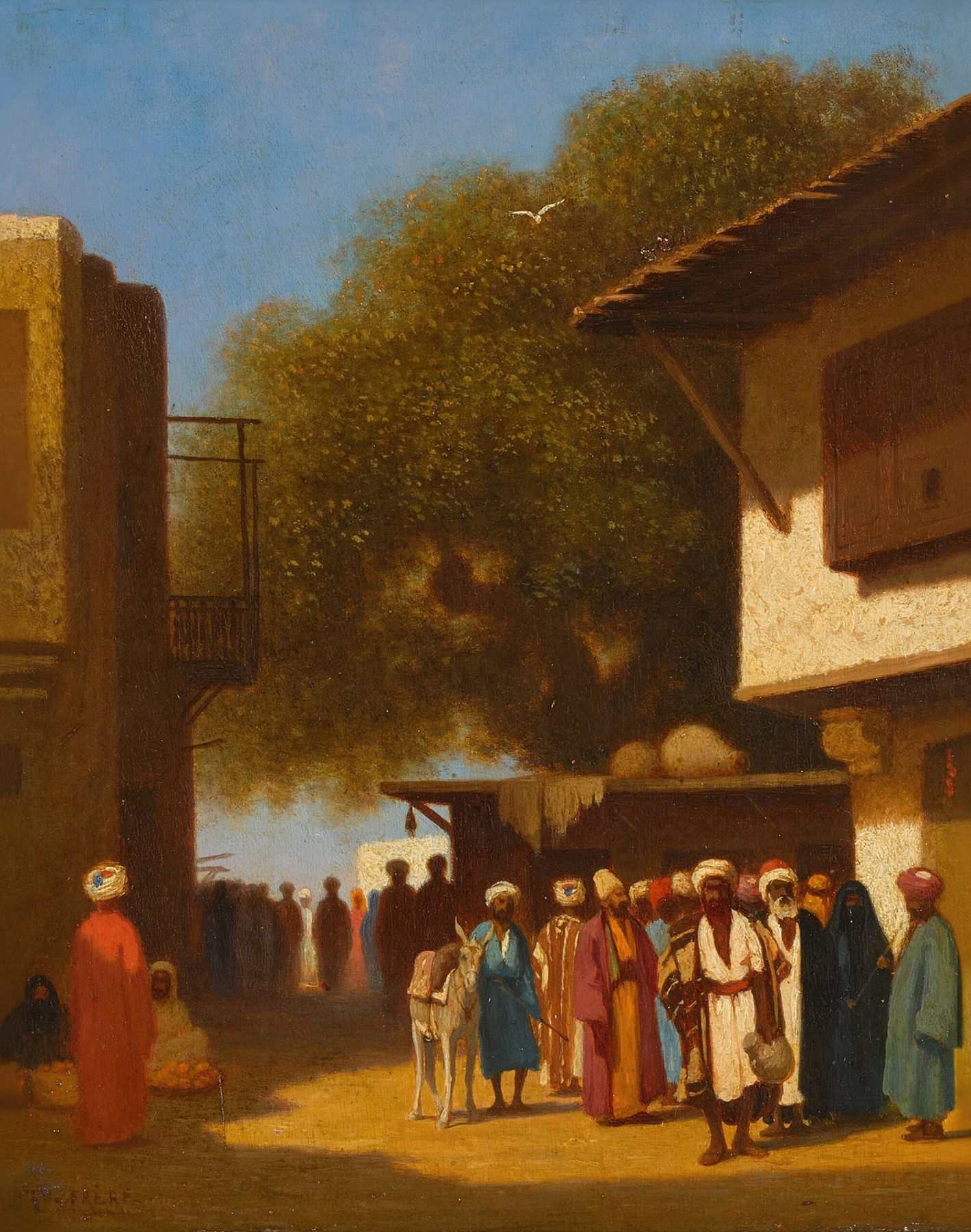
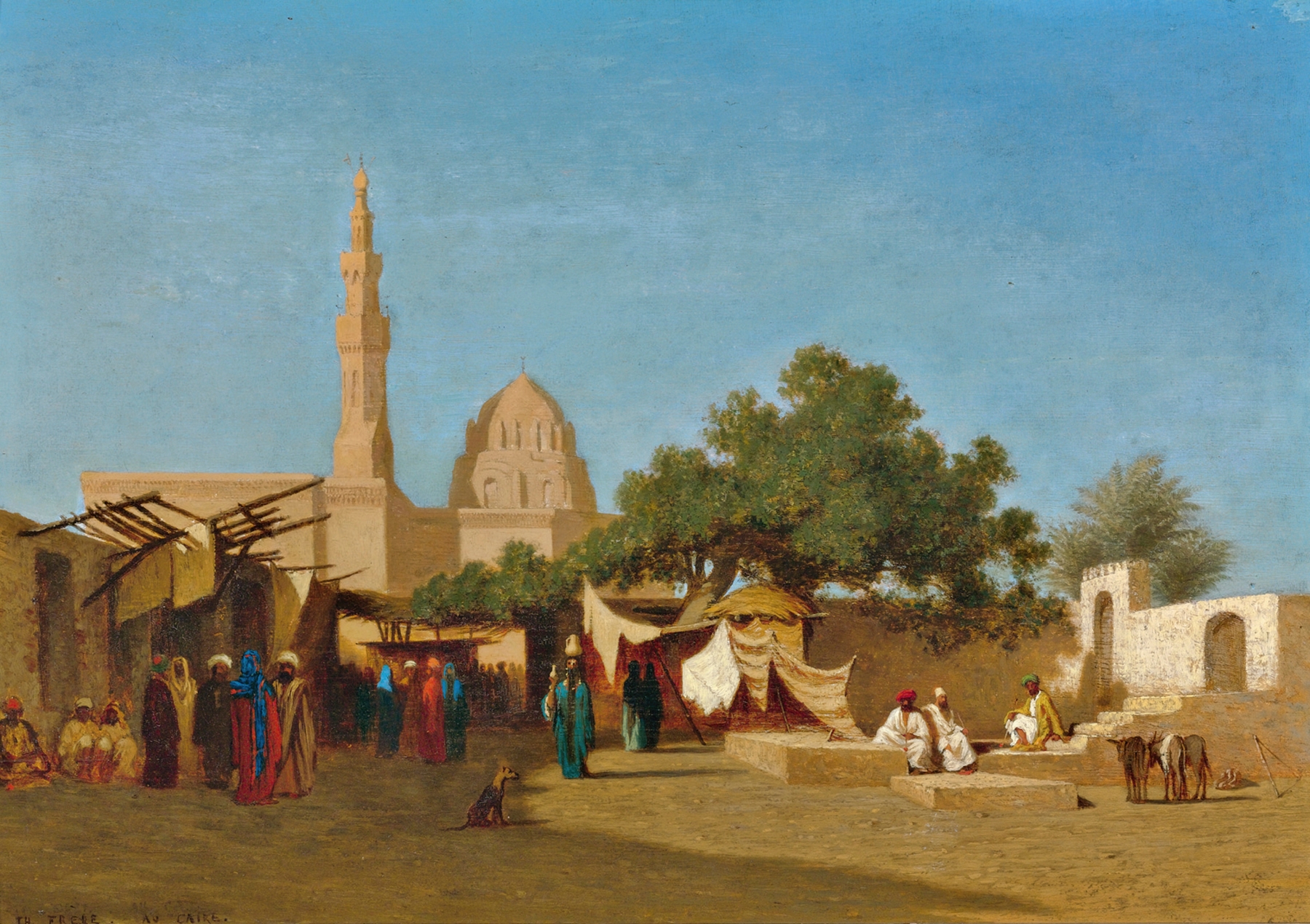
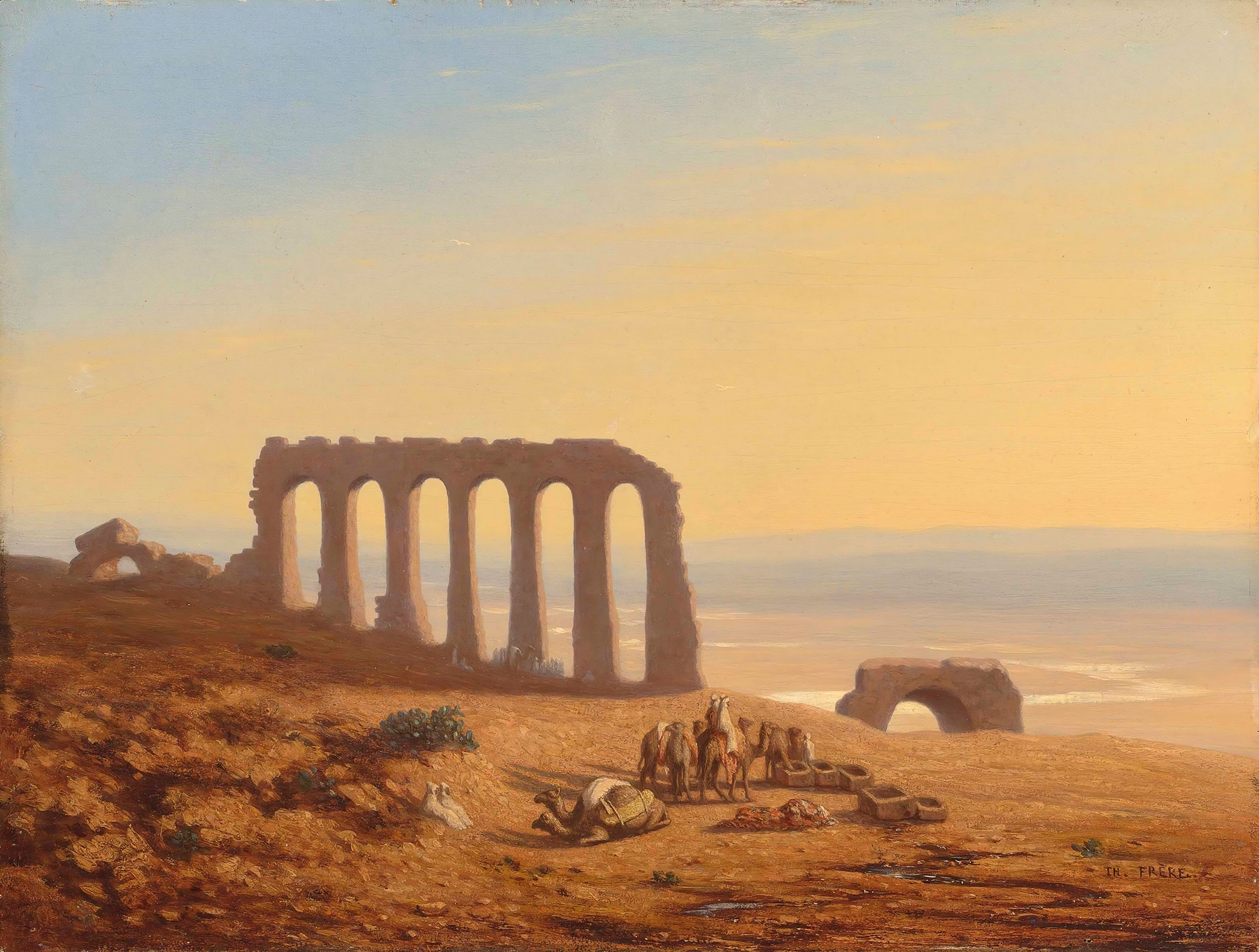
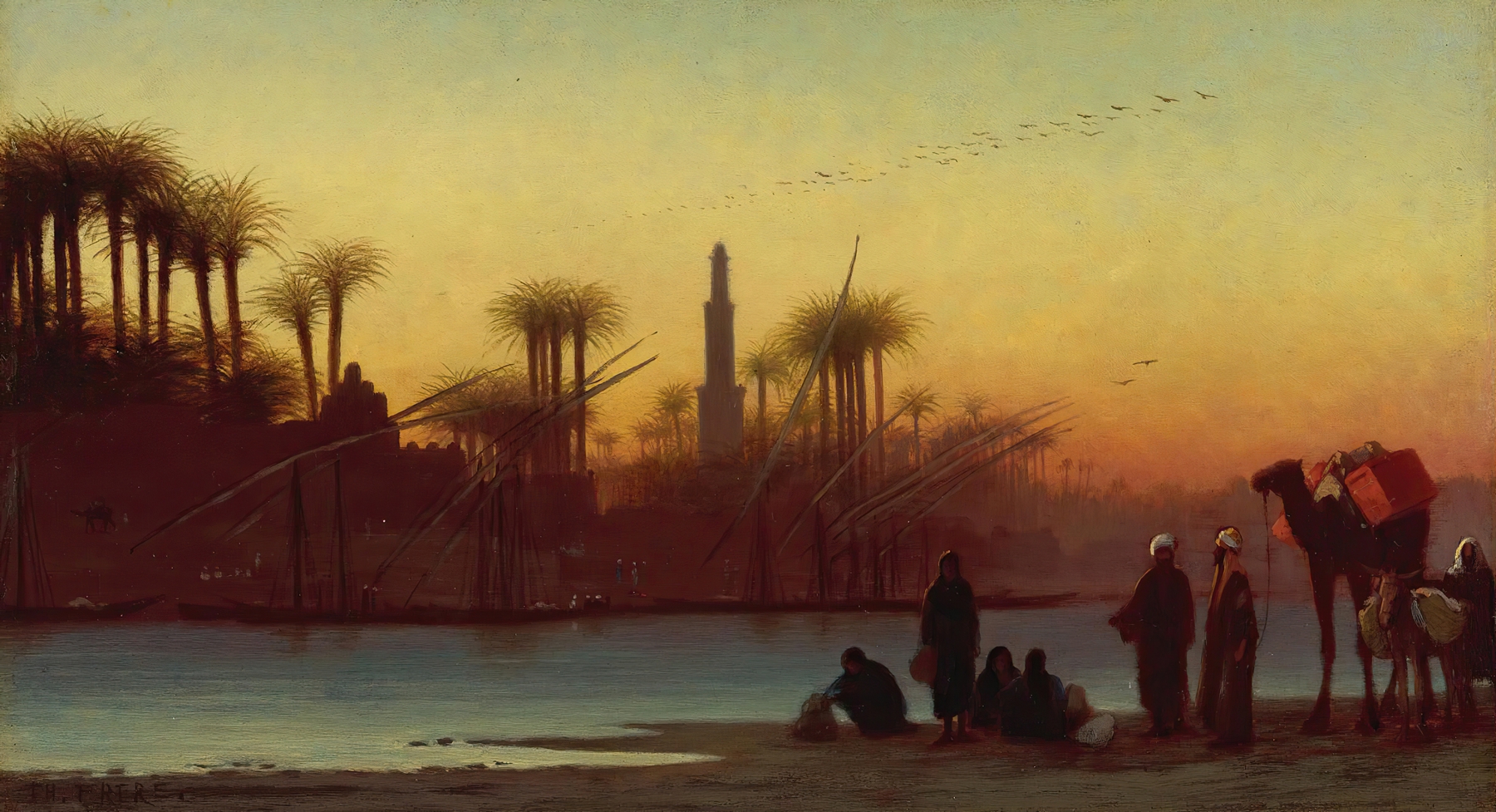
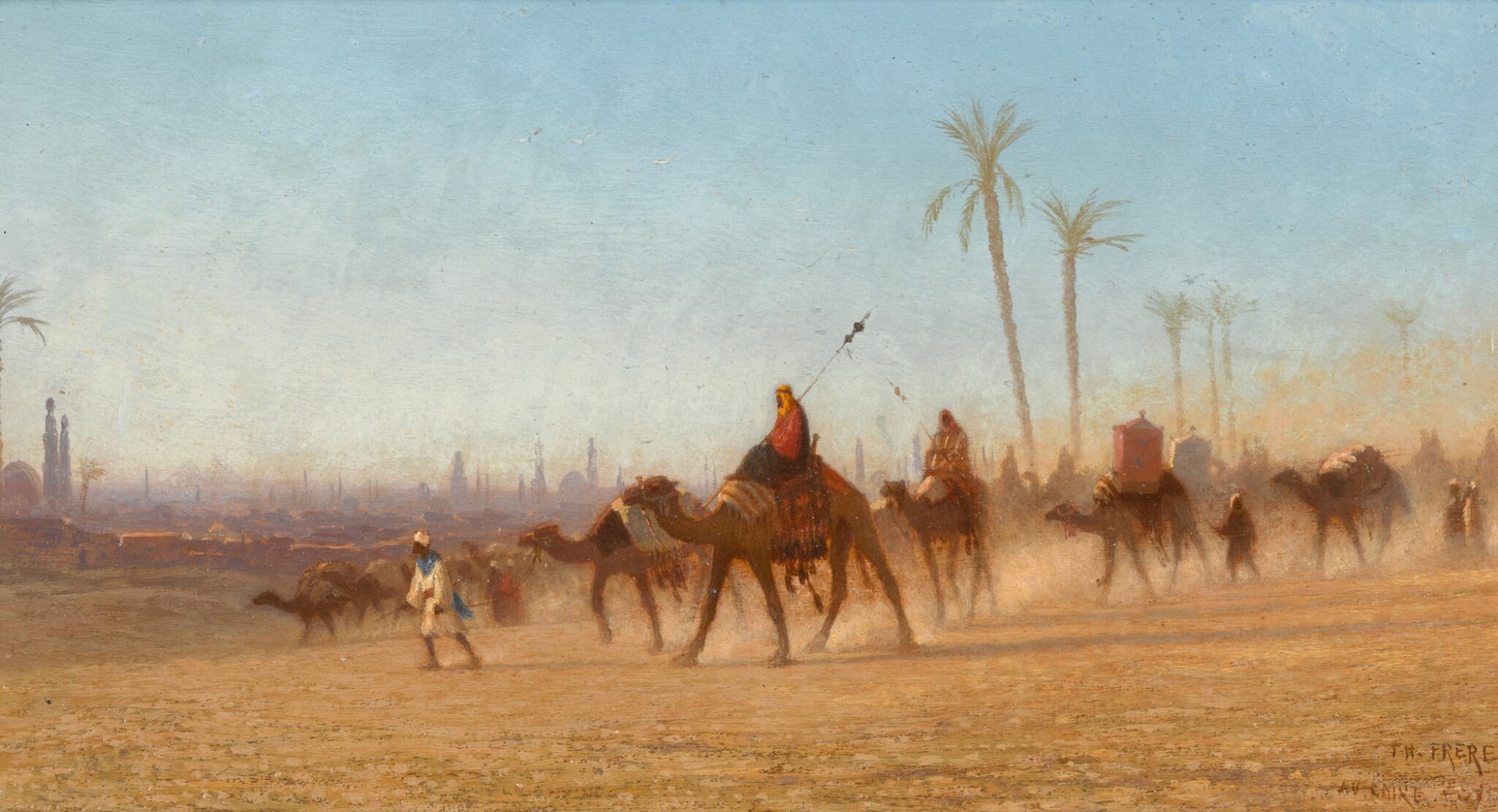
Can beauty exist without sorrow? In the dusky embrace of sunset, a serene yet charged atmosphere unfolds, hinting at untold stories that linger between the shadows of a vibrant Arab encampment. Look to the left at the delicate interplay of light and shadow, where the fading sun casts a warm glow over the canvas. The tents, bathed in hues of rich ochre and deep umber, stand proudly against the fading light, their textures inviting touch.
Notice how the figures, draped in flowing garments, seem to blend into the earth, embodying a harmony that defies the tumult of their times. The artist skillfully juxtaposes the tranquil scene with an undercurrent of tension, as if the encampment is poised on the edge of a moment that may shift irrevocably. Delve deeper into the details, and you will find subtle signs of contrast and duality. The vibrant colors of the tents suggest life and culture, while the dimming light alludes to the encroaching shadows of change and conflict.
The figures, though engaged in daily activities, carry an air of contemplation, hinting at a collective consciousness shaped by revolution and uncertainty. This scene speaks not only to the beauty of existence but also to the fragility that underpins it, echoing the struggle for identity and belonging. In the mid-19th century, the artist found himself captivated by the allure of North African landscapes and culture, a fascination that resonated amid the broader Romantic movement in Europe. Living in Paris during a time of political upheaval and artistic innovation, he sought to capture the essence of a world rich in stories waiting to be told, bridging the gap between the East and West—a pursuit that would leave a lasting imprint on the art world.