Arleux-Palluel, The Bridge of Trysts — History & Analysis
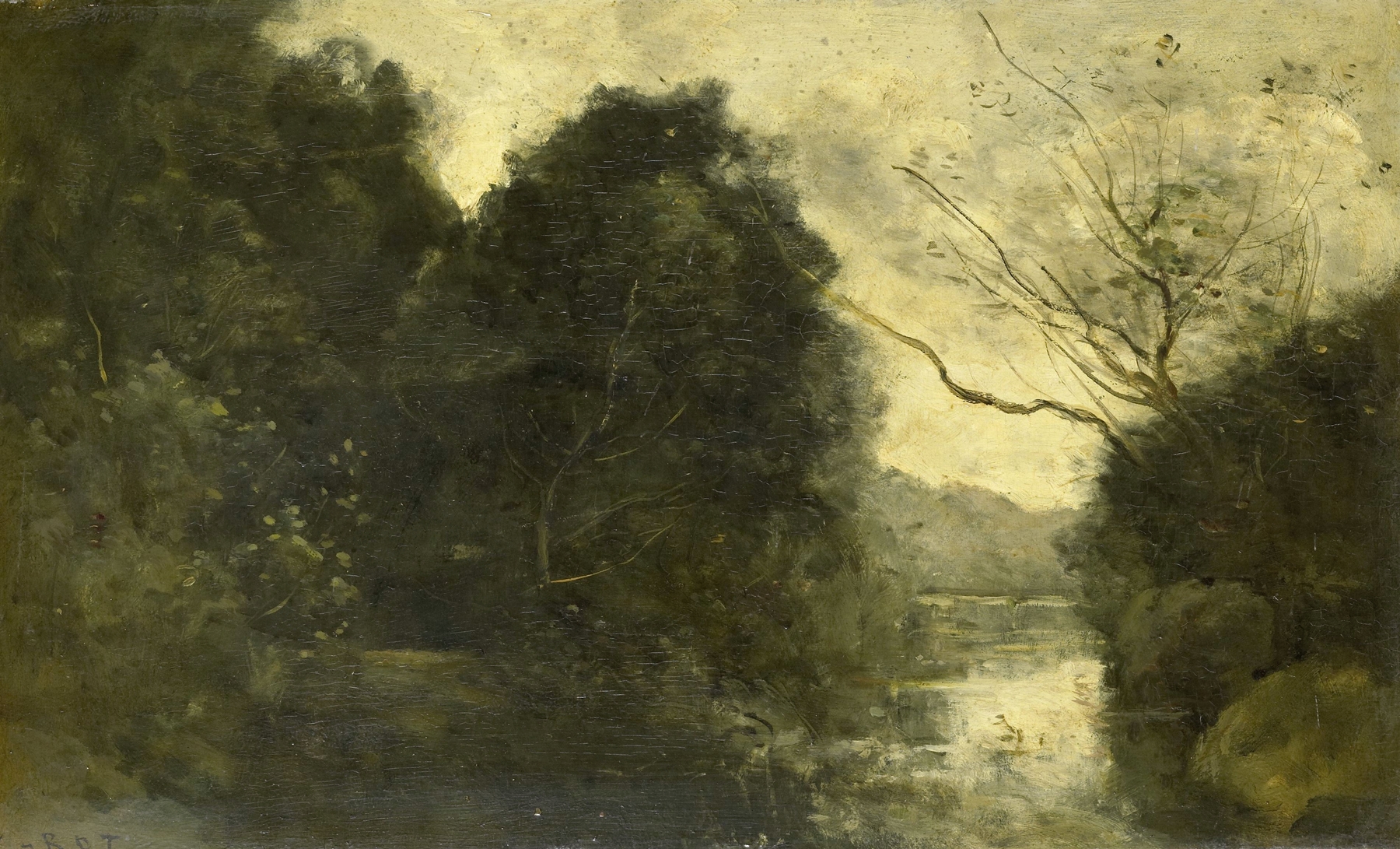
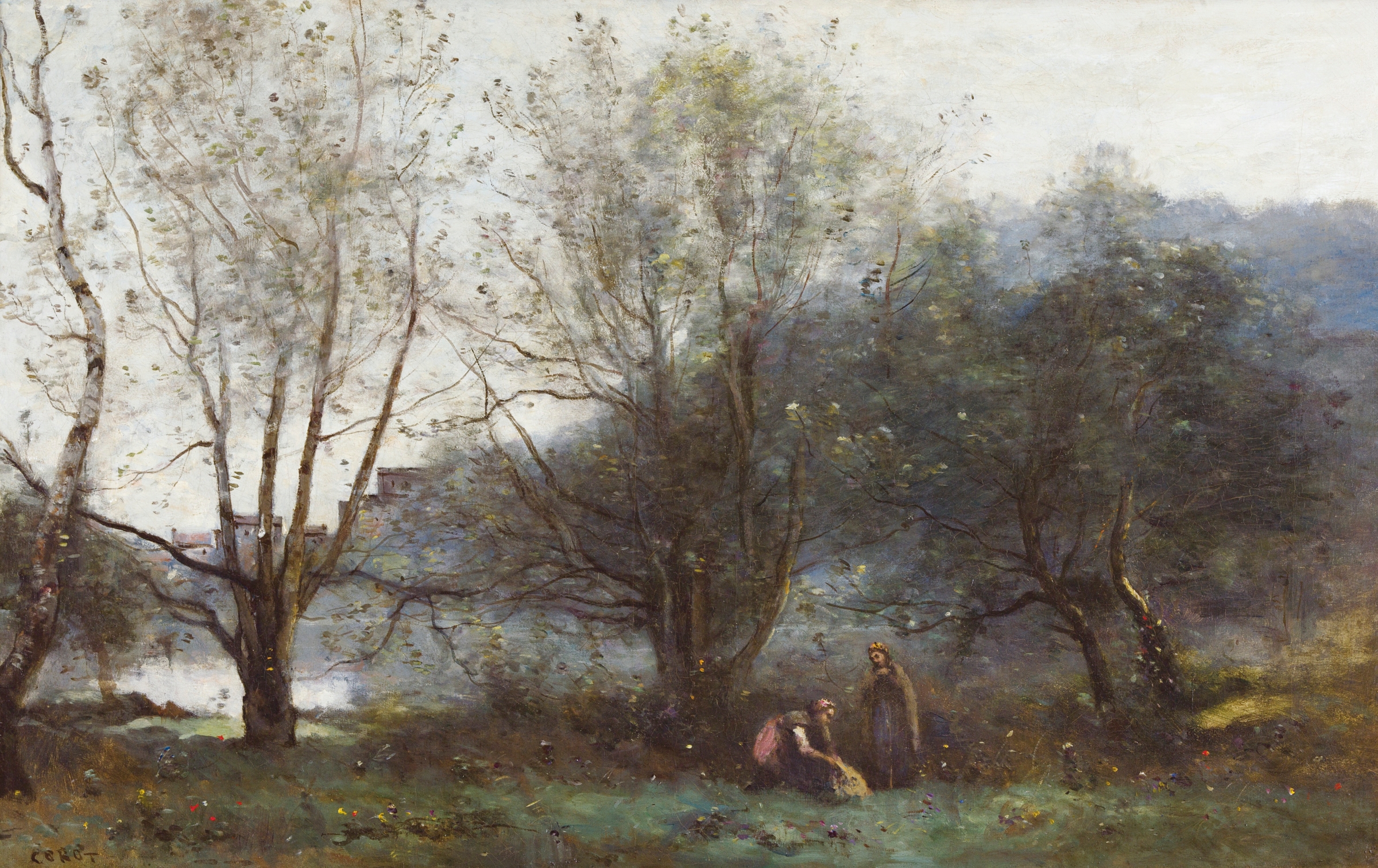
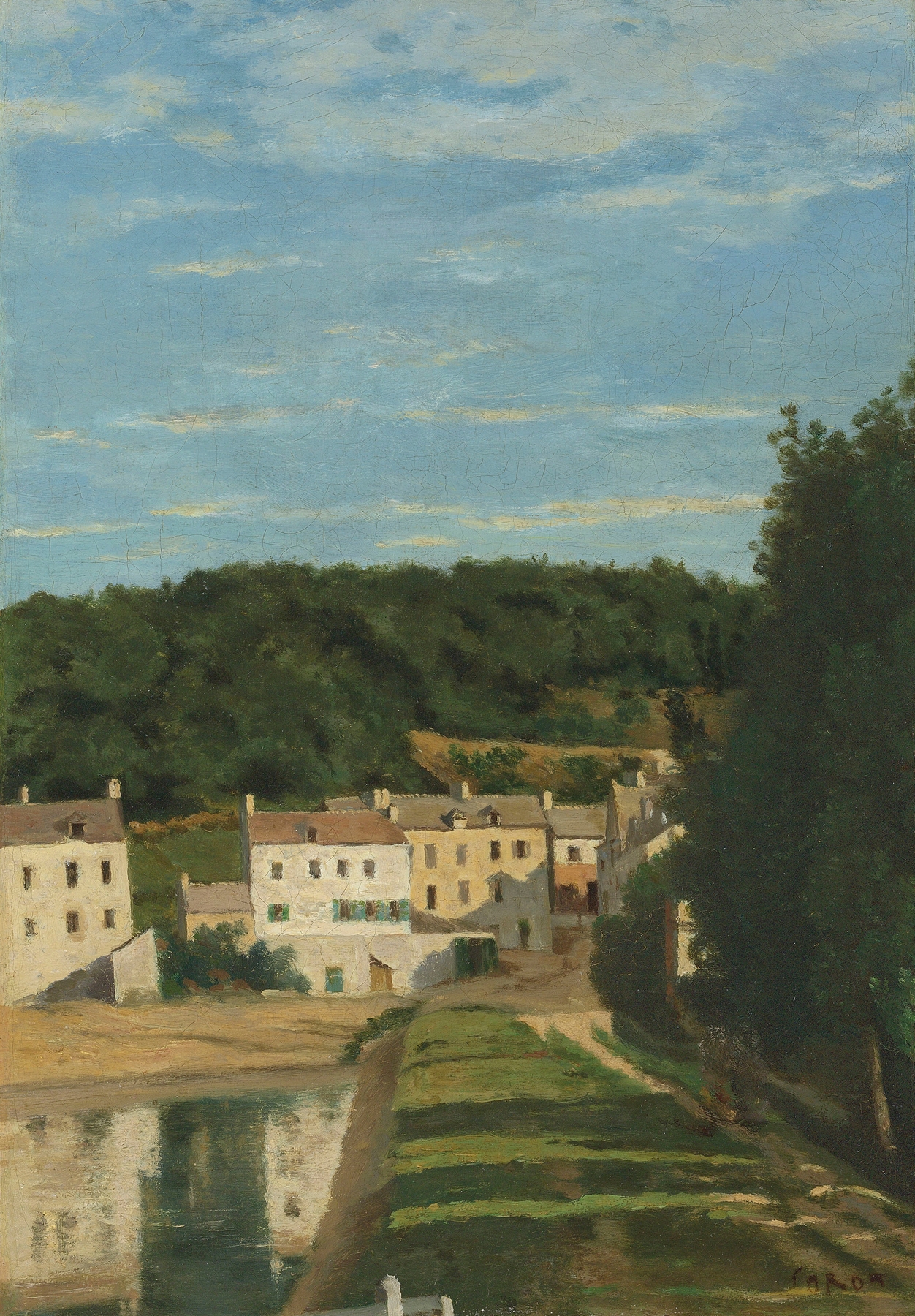
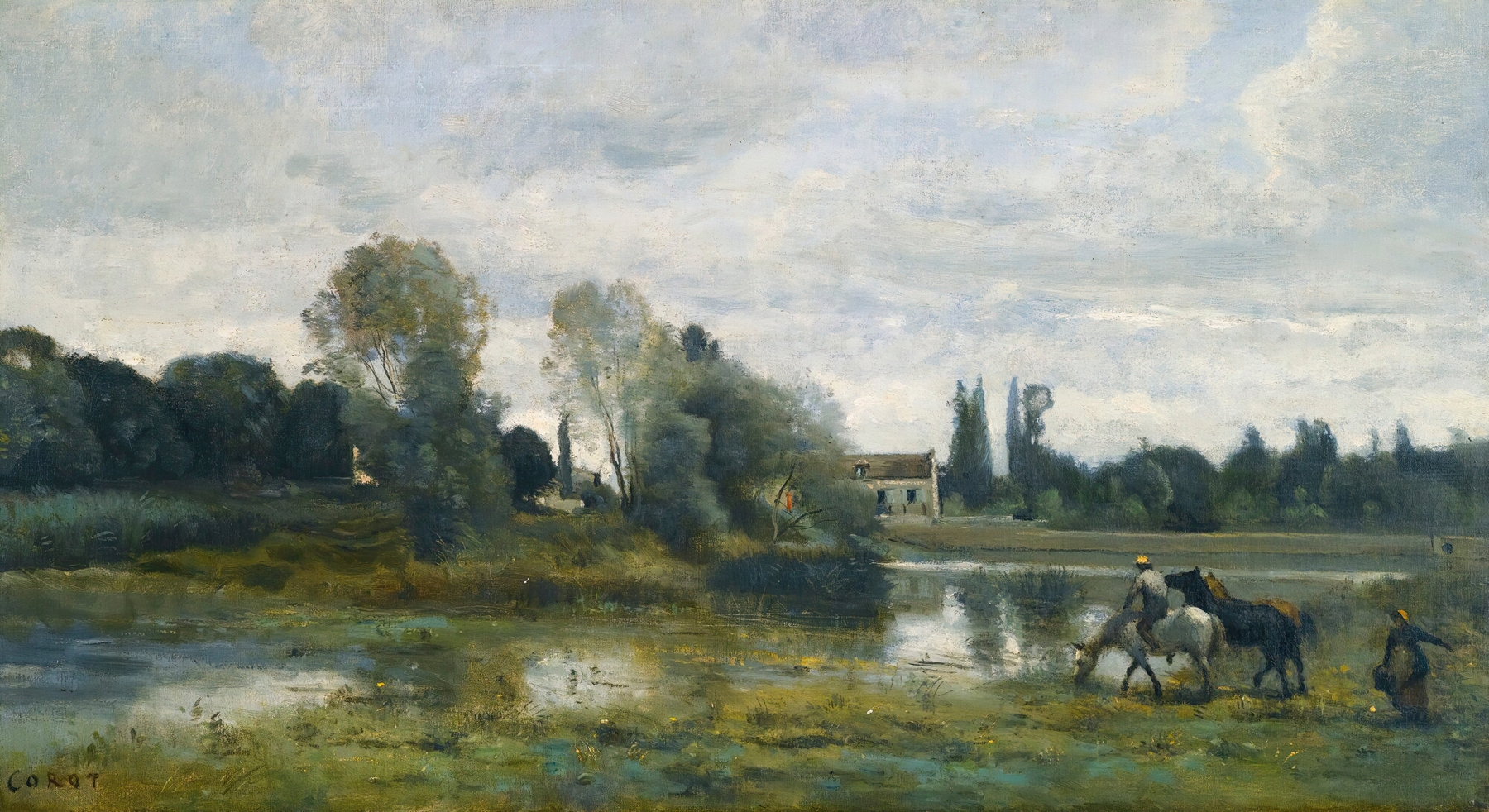
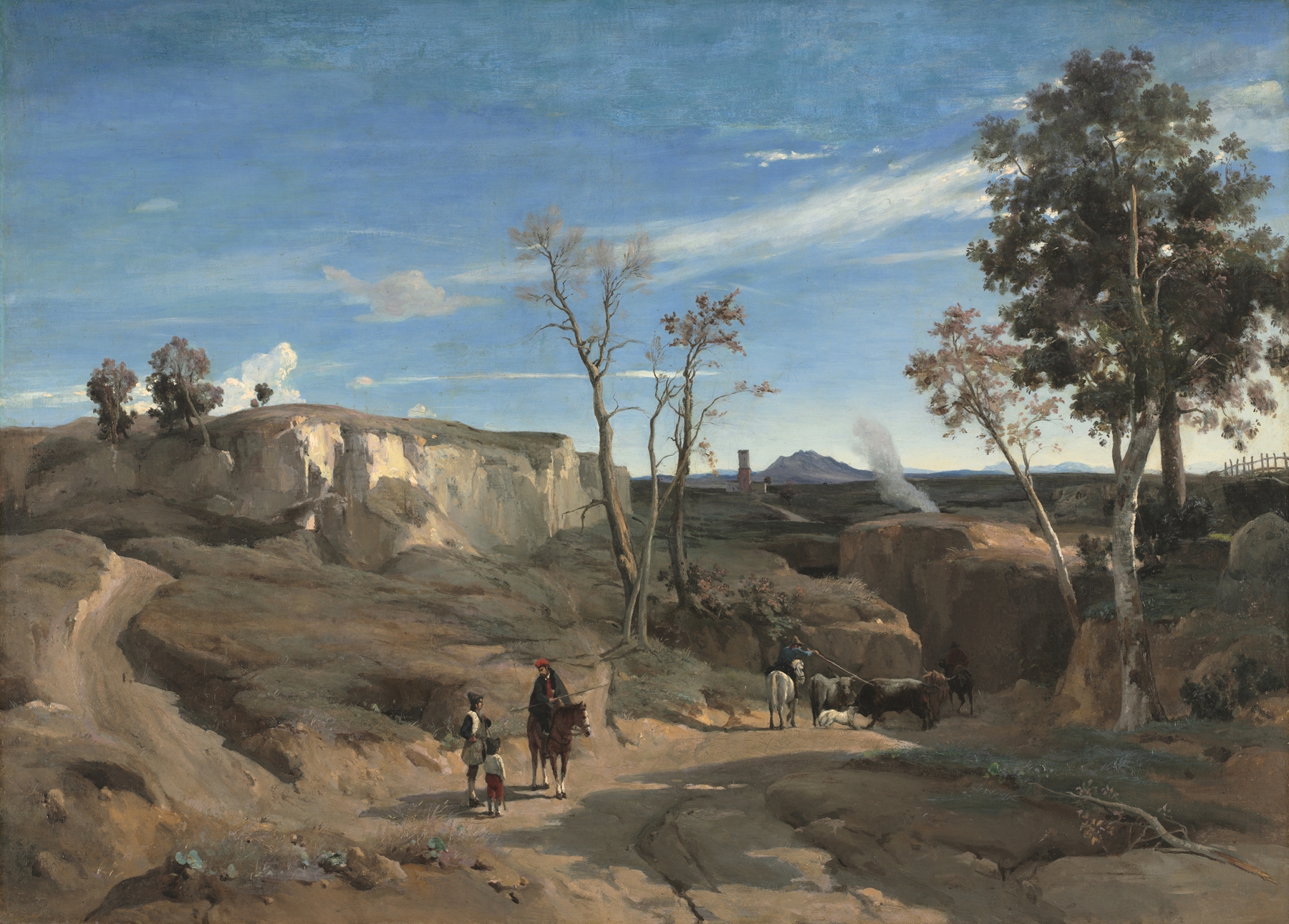
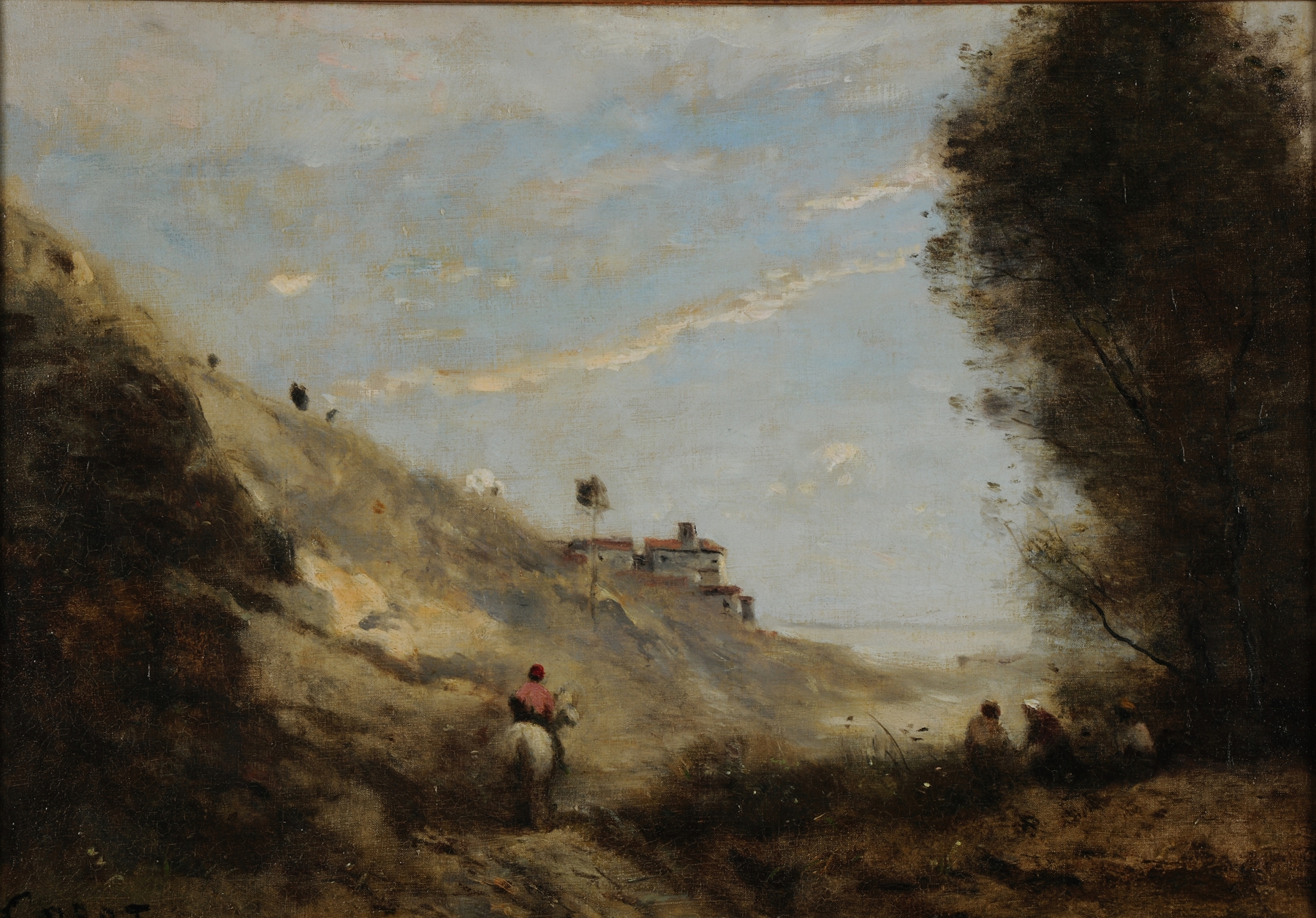
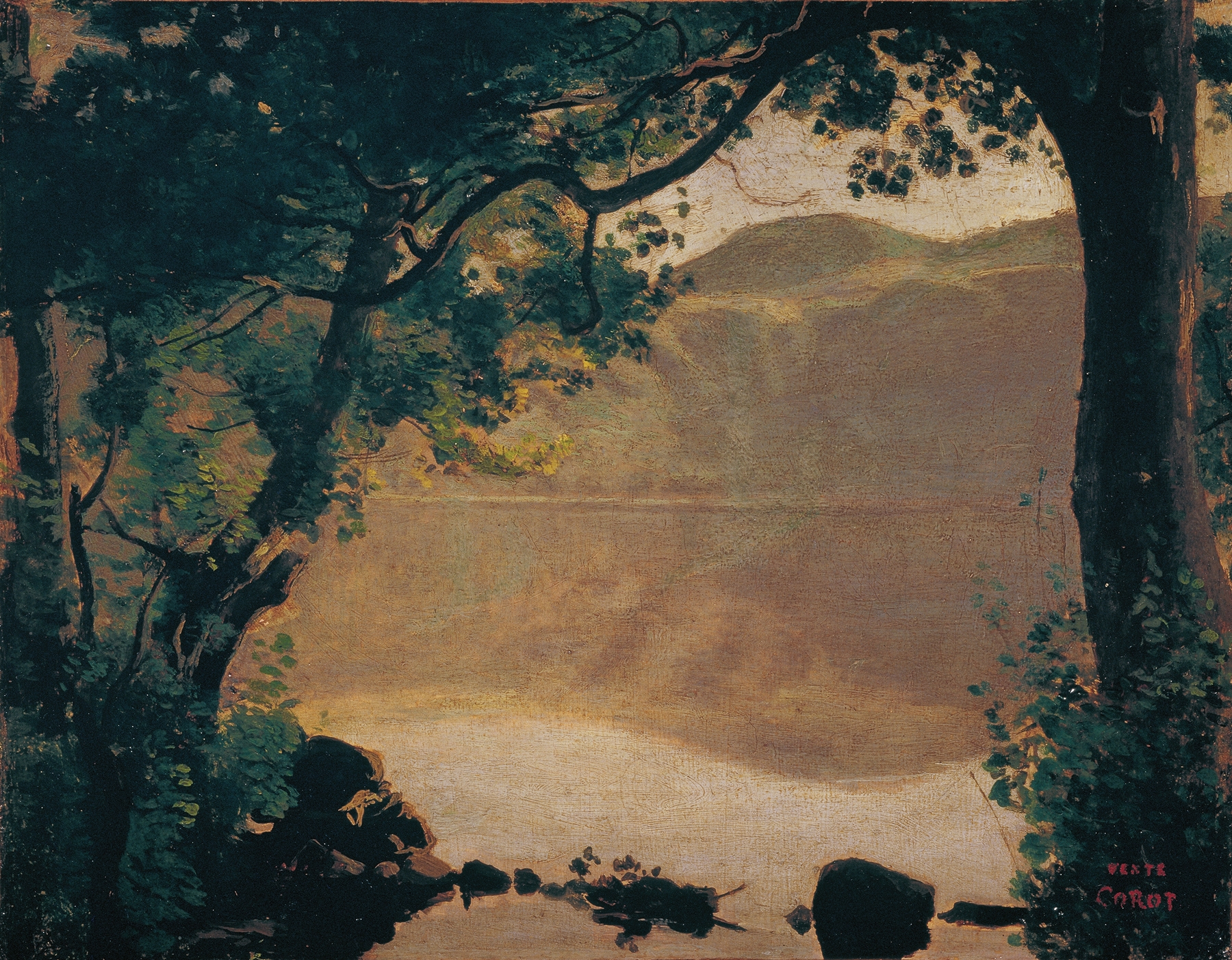
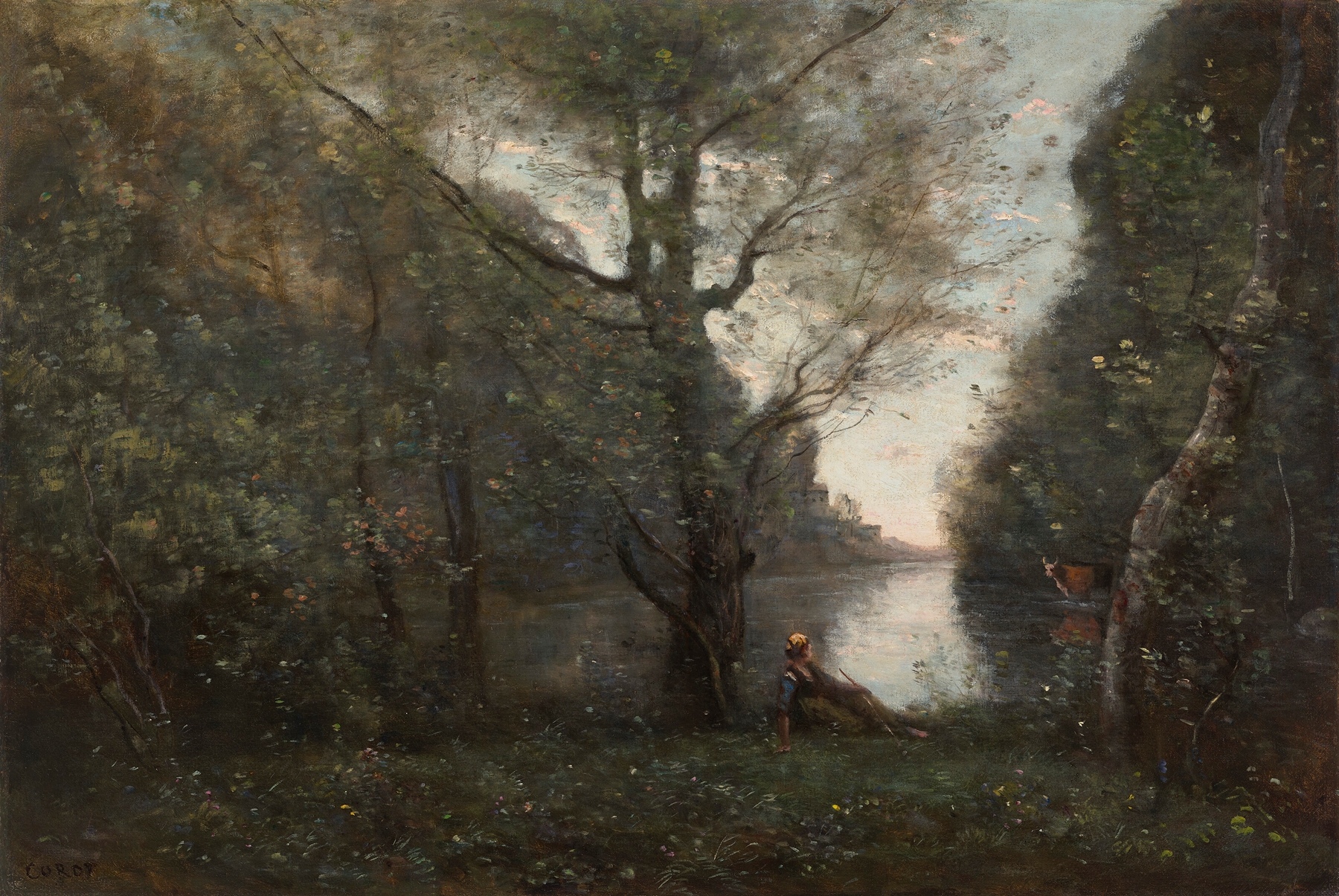
What secret hides in the quiet of the canvas? In Arleux-Palluel, The Bridge of Trysts, a stillness envelops the landscape, inviting viewers to delve into the serene void of nature’s embrace. Look to the center of the painting, where a delicate bridge arches over a shallow stream, its reflection softly rippling in the water below. The muted palette of greens and browns is expertly balanced by the gentle highlights of sunlight filtering through the overhanging trees, creating a luminous atmosphere.
Notice how the brushwork varies – the smooth strokes of the foliage contrast with the more textured approach of the wooden planks, drawing the eye across the scene and into the tranquility that surrounds it. Yet beneath this calm, whispers of emotional tension linger. The bridge, a symbol of connection, contrasts with the surrounding solitude, suggesting longing or unfulfilled desires. The empty space between the trees hints at unseen figures or narratives waiting to unfold, evoking a sense of mystery.
This quiet landscape, with its interplay of light and shadow, encapsulates a moment of introspection, inviting us to ponder what remains unsaid. In 1871, Corot painted this work during a time of personal and artistic reflection, as France was reeling from the Franco-Prussian War. Living in a period marked by upheaval, he sought solace in his landscapes, blending the real with the idealized. His commitment to capturing the essence of nature, coupled with a desire to convey emotional depth through simplicity, positions this piece within the broader context of 19th-century art, where the exploration of the soul began to emerge from the shadows of realism.