Arrival of the caravan — History & Analysis
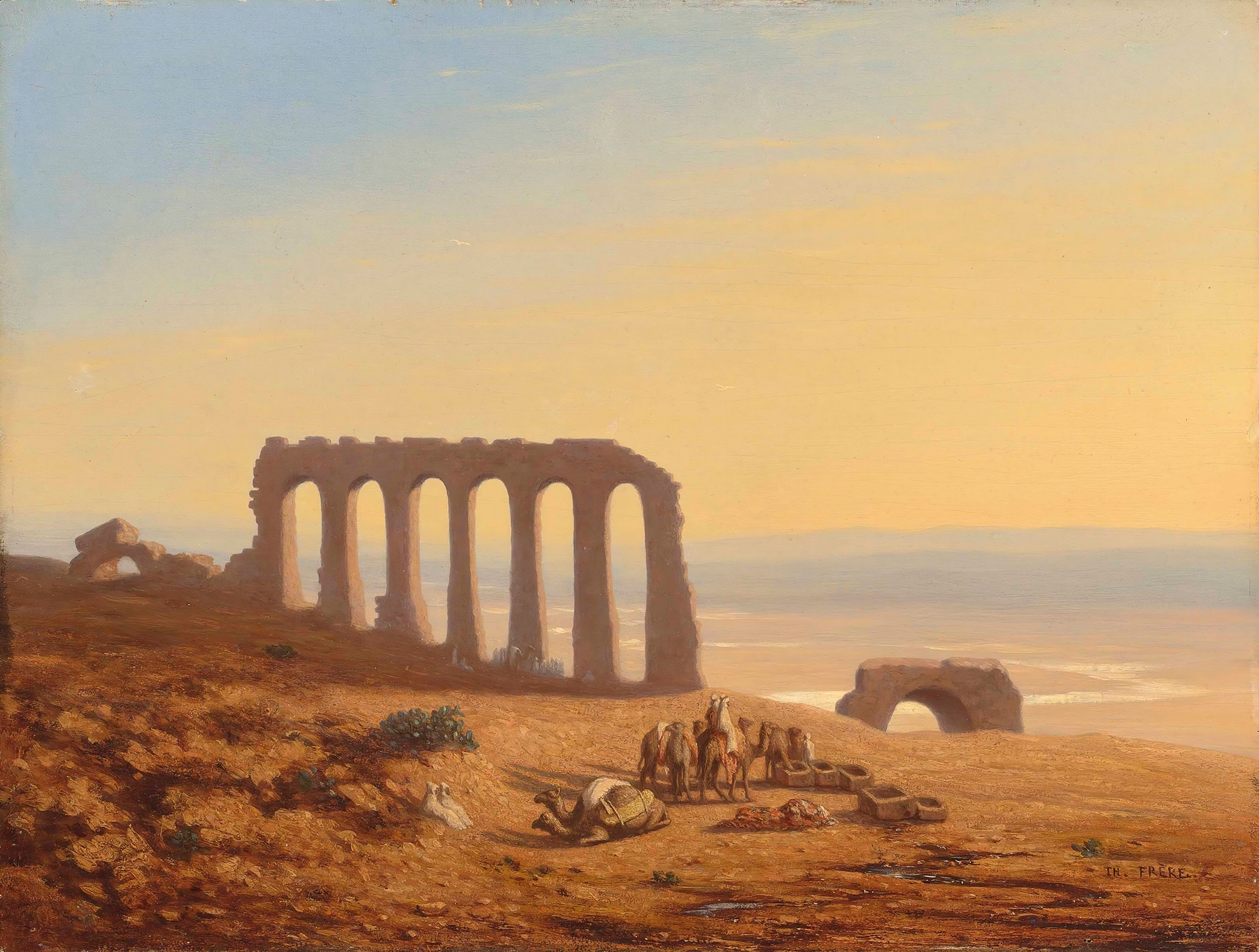
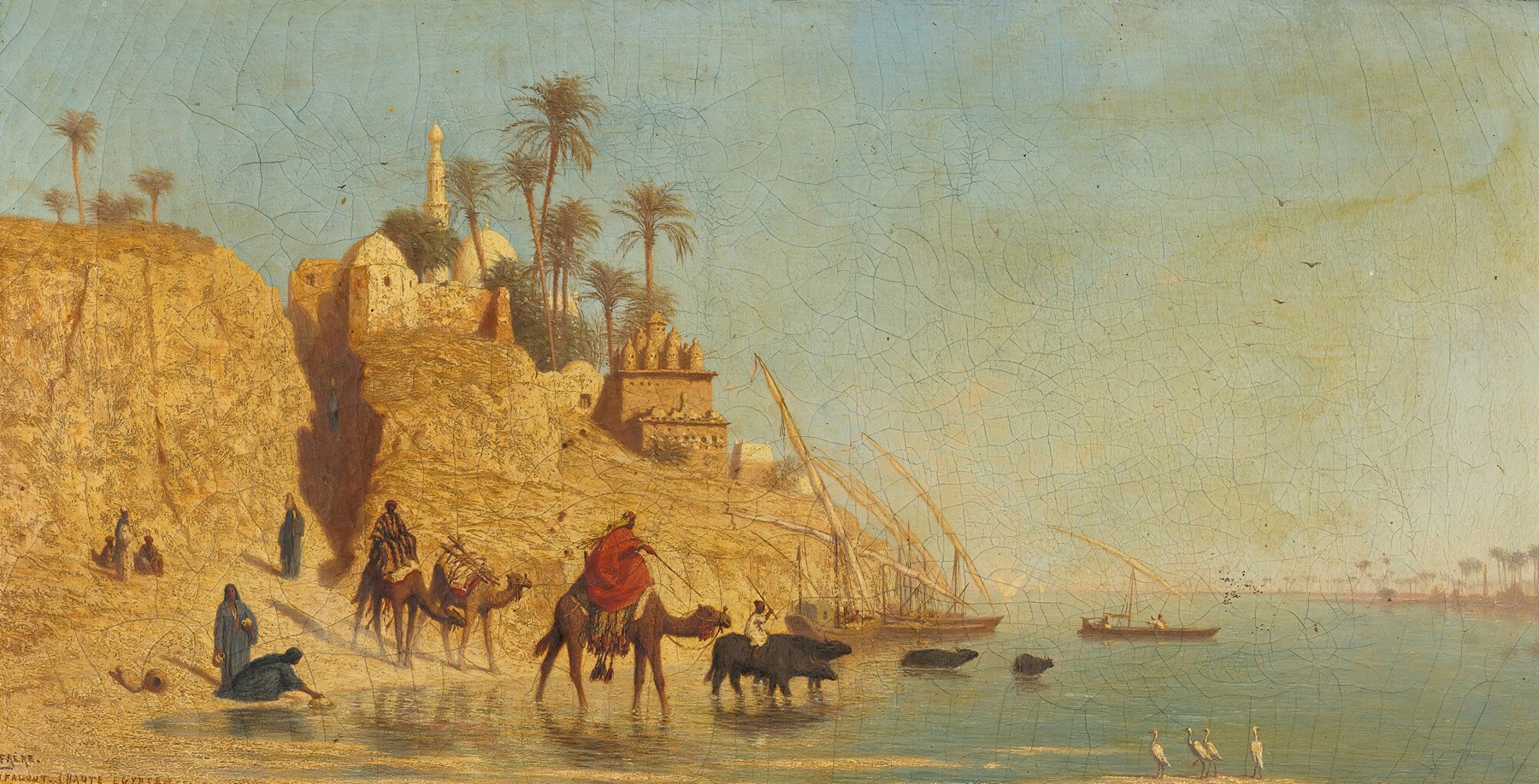
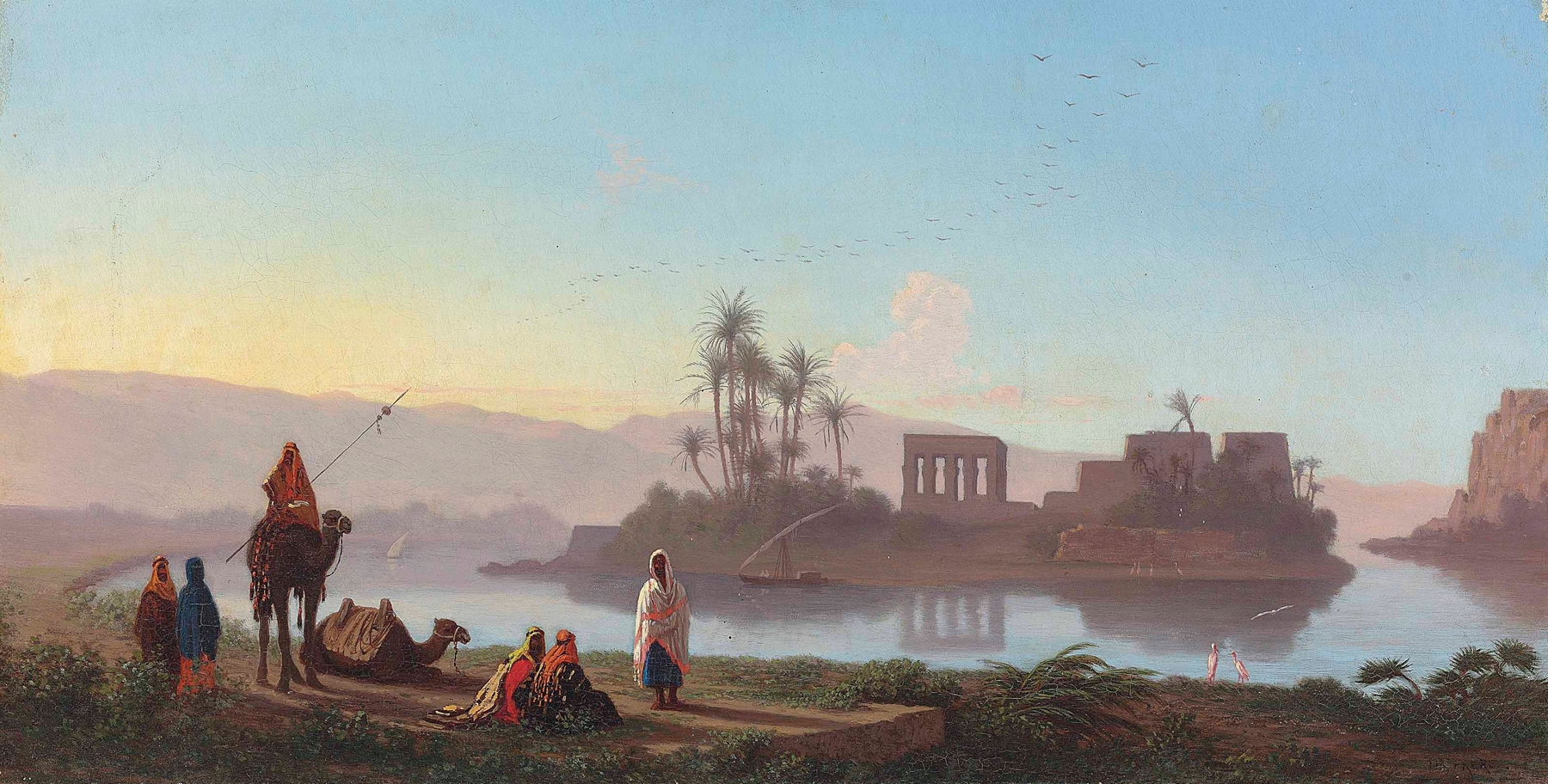
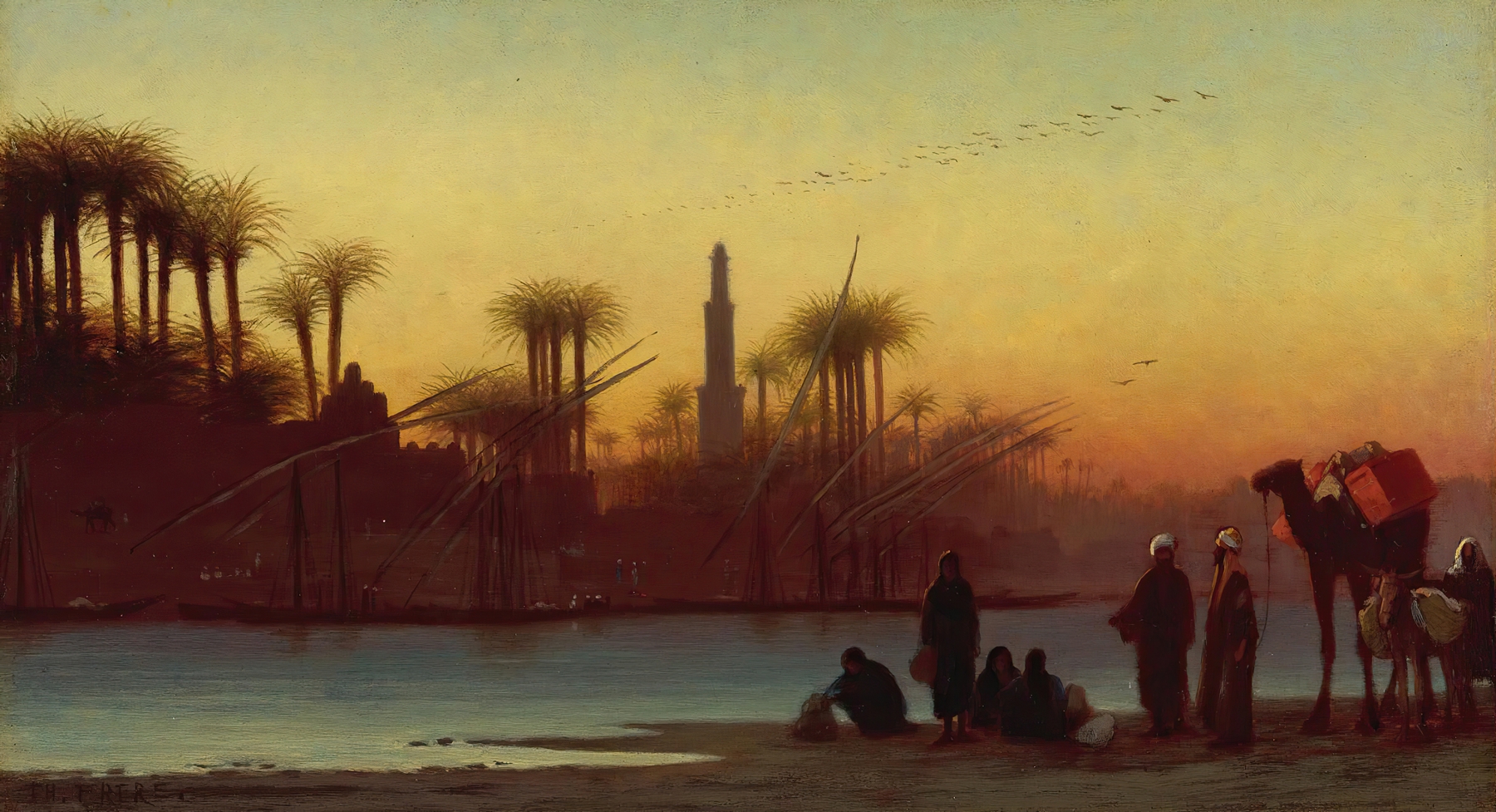
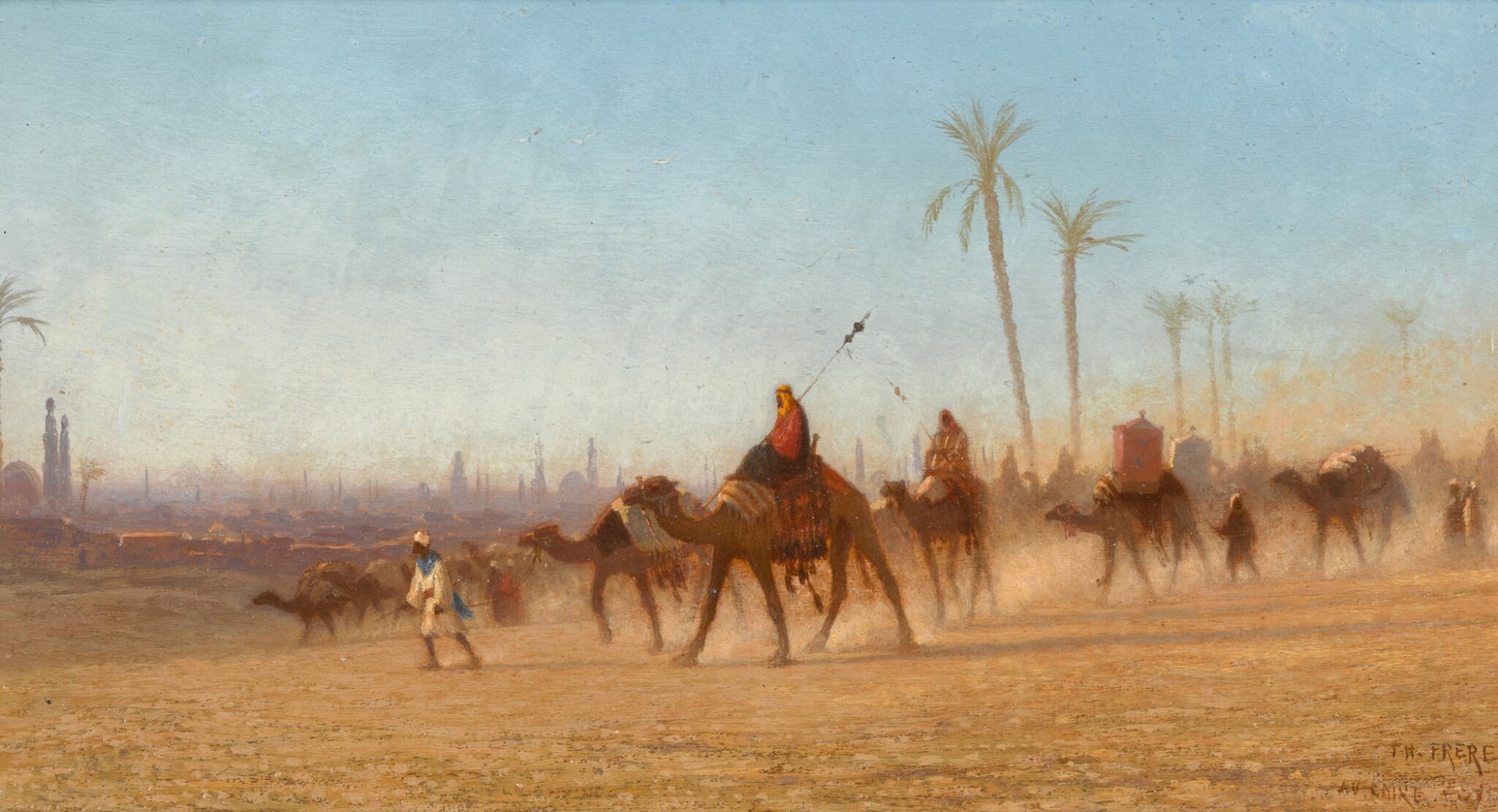
“Under the brush, chaos becomes grace.” This sentiment resonates deeply within the rich tapestry of life depicted in the painting. With each stroke, a world unfolds, inviting the viewer to explore the nuanced transitions between order and disorder, stillness and motion. Focus on the horizon, where the caravan emerges against a backdrop of undulating dunes, bathed in the golden glow of a setting sun. The warm hues blend seamlessly, being punctuated by the deep shadows that stretch across the sand, guiding your eyes toward the figures below.
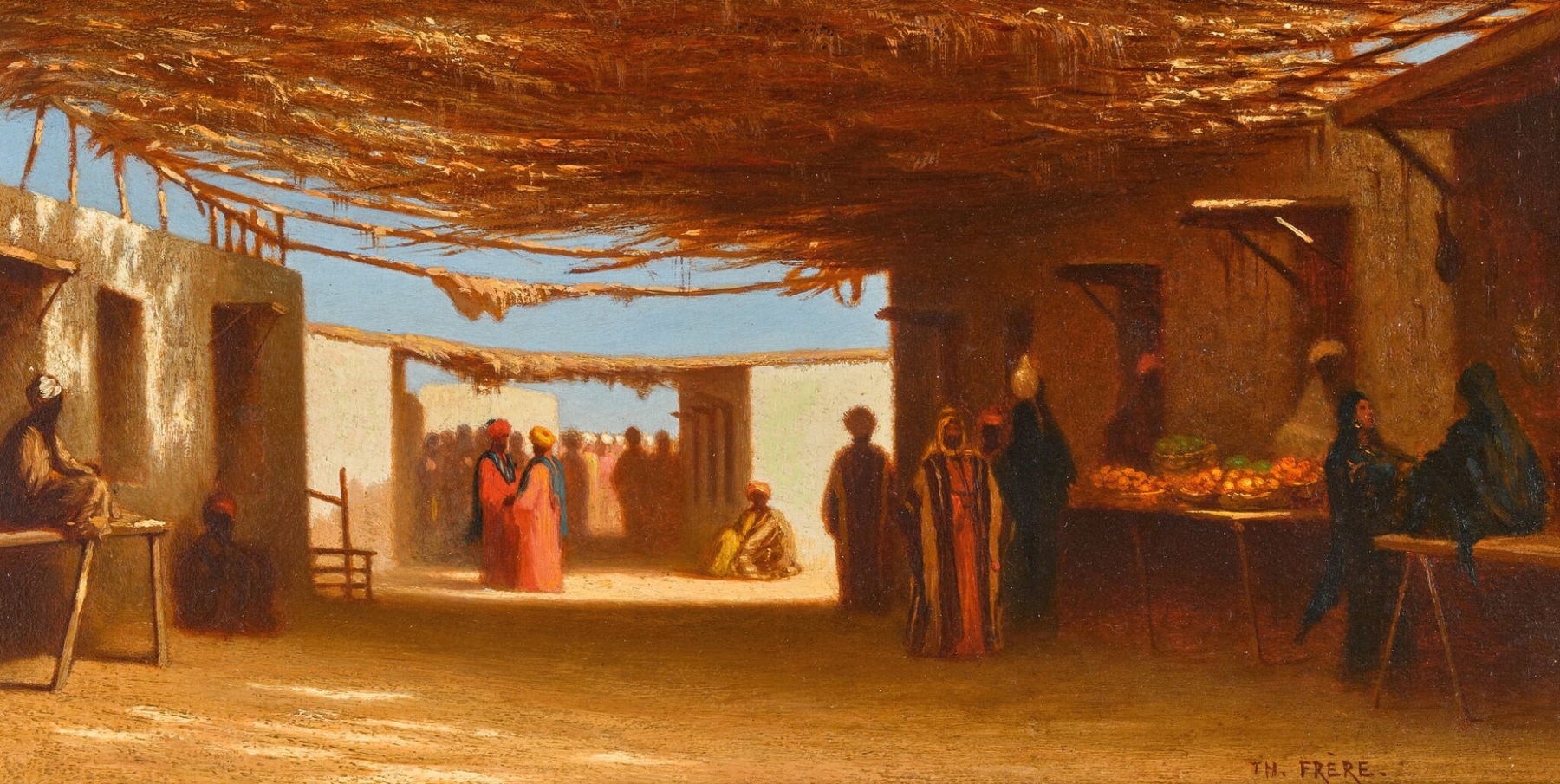
Notice the details in their garments: flowing fabrics adorned with intricate patterns, each ripple suggesting the rhythm of their journey, while the camels—majestic yet humble—move with a grace that belies their strength. Delve deeper into the contrasts within this scene. The vibrancy of the caravan, with its energy and purpose, stands in stark relation to the vast emptiness of the desert surrounding it, evoking feelings of isolation amidst companionship. There’s a palpable tension between the fleeting moment of arrival and the timelessness of the landscape, suggesting a narrative of migration, both physical and spiritual.
The journey depicted is not merely geographic but embodies a search for transcendence, a quest for meaning amid life's inherent chaos. The artist, during the time this piece was created, was steeped in the cultural exchanges of mid-19th century Paris. Influenced by Orientalism and the romanticized depiction of distant lands, he sought to capture the essence of life beyond his own experience. His brushwork reflects a fascination with the exotic and the uncharted, mirroring the broader artistic movements seeking new horizons in a rapidly changing world.