Fireman’s funeral, George Street — History & Analysis
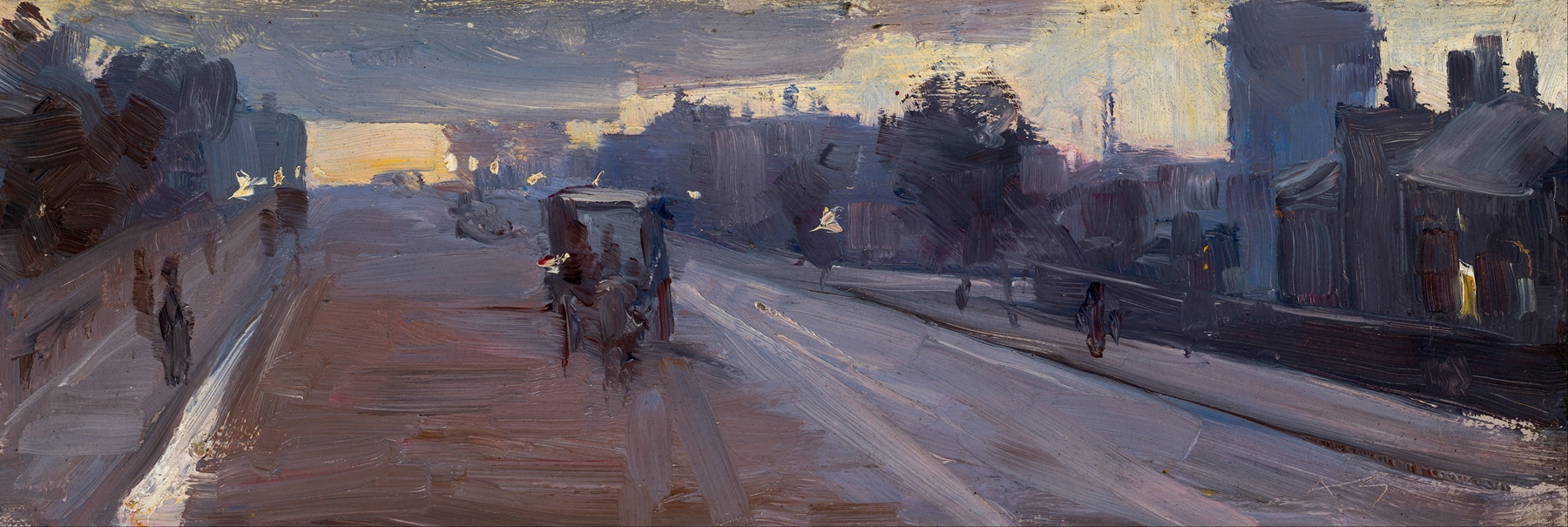
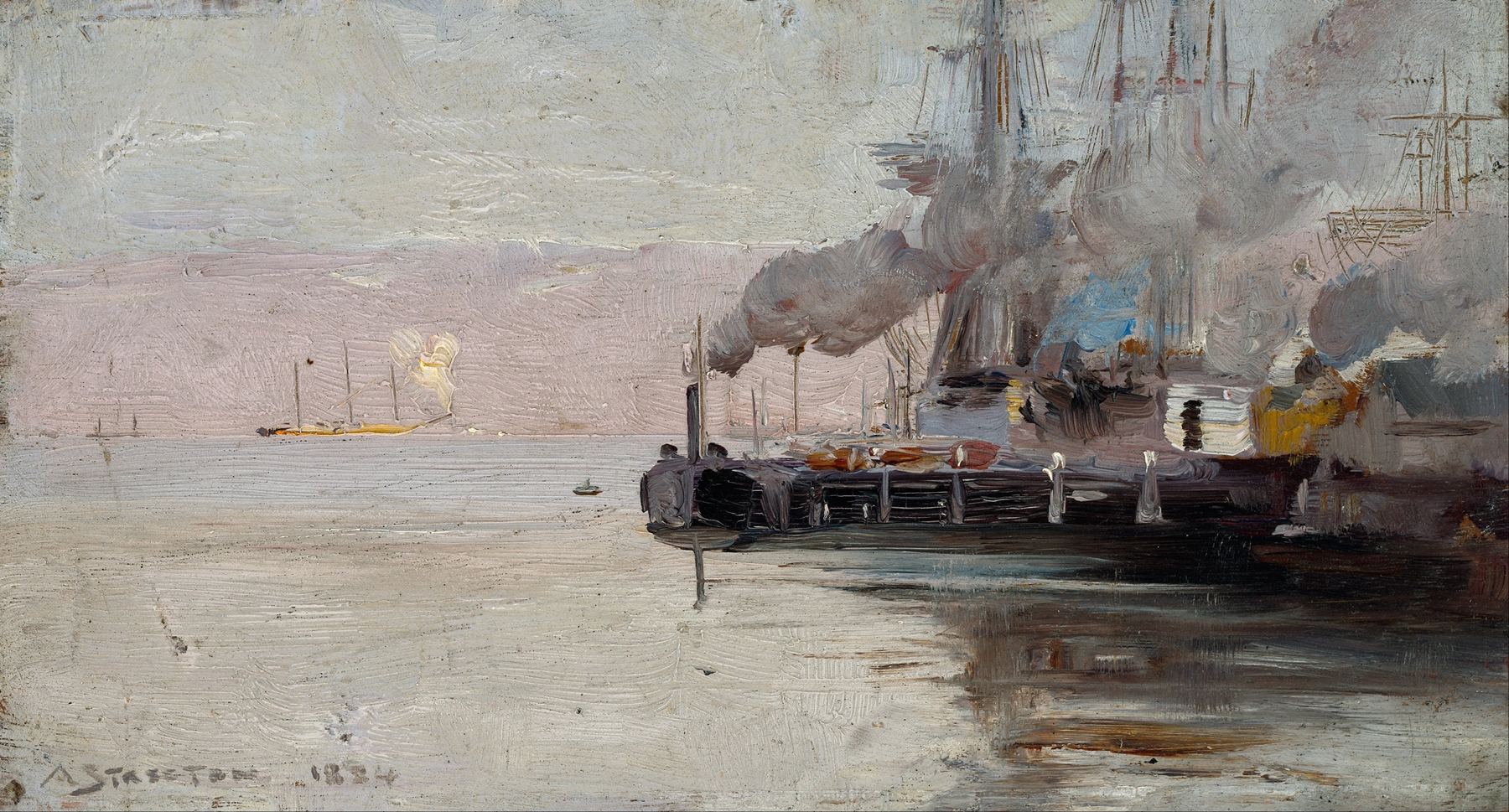
“Art reveals the soul when the world turns away.” In moments of collective grief, the artist becomes a vessel for the unspeakable emotions that pulse through humanity, capturing the fragile interplay between loss and remembrance. Focus your gaze on the central figure in Fireman’s funeral, George Street, where a solemn procession unfolds amid muted hues. The gentle brushwork conjures a haze over the scene, blurring the faces of mourners who stand in respectful silence. Notice how the varying tones of blue and gray intertwine, evoking a somber atmosphere, while the streaks of sunlight struggle to penetrate the thick gloom, illuminating the solemnity of the moment.
The juxtaposition of the lively city surrounding the procession and the stillness of the mourners articulates a poignant contrast; life continues around them, yet a profound loss has temporarily suspended time. Small details, like the white flowers held in trembling hands and the downcast eyes of the crowd, reveal unspoken stories and shared sorrow. Each figure seems to embody a unique emotional weight, transforming the canvas into a reservoir of collective memory and grief.
Arthur Streeton painted this piece in 1894, during a pivotal period for Australian art as Impressionism began to take root. Living in Melbourne, Streeton was part of a burgeoning artistic community that sought to capture the Australian landscape, yet here, he pivoted to a more human-centric narrative. The work reflects his deep connection to social issues of the time and a desire to memorialize the everyday struggles, moving beyond mere scenery to explore the essence of the human experience.