
Aurora Borealis — History & Facts
Green and red auroras burst across a dark Arctic sky, their rays fanning out above a looming cliff and its glittering ice. At the foot of the cliff, tiny against the dark water and pack ice, a ship lies frozen in place, and the Smithsonian says a dogsled hints at hope of rescue. Frederic Edwin Church based the picture on sketches by his friend Isaac Israel Hayes, the polar explorer, who gave them to him after returning from his Arctic expedition in 1861. It shows Hayes's ship, the SS United States, locked in the ice.
During the Civil War the northern lights were widely read as a sign of God's displeasure with the Confederacy, and viewers understood Church's picture as alluding to that omen in a conflict that was still unresolved. The museum's research notes say Church completed the painting around the time the war ended in April 1865, and scholars have linked the aurora in it to the war. It was given to the Smithsonian American Art Museum by Eleanor Blodgett in 1911. It is in the Smithsonian American Art Museum in Washington.
More Artworks by Frederic Edwin Church

The Icebergs
Frederic Edwin Church
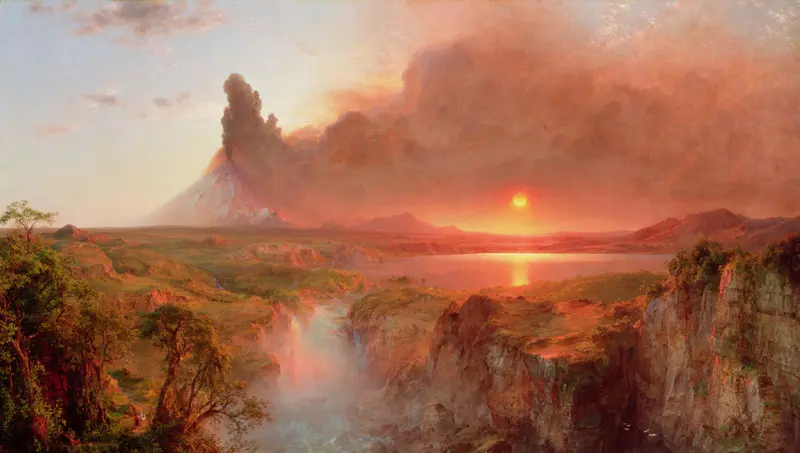
Cotopaxi
Frederic Edwin Church

Niagara
Frederic Edwin Church
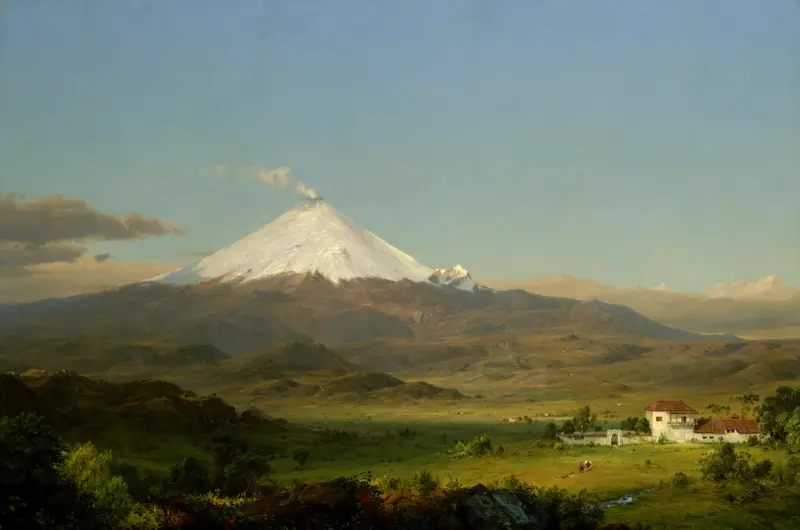
Cotopaxi
Frederic Edwin Church
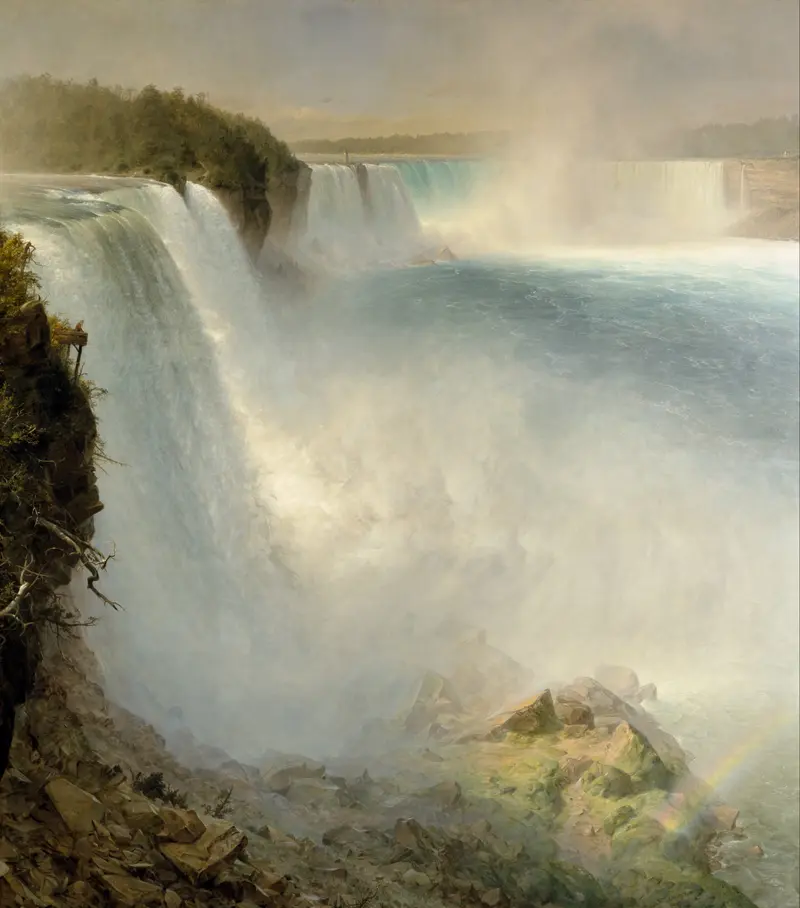
Niagara Falls, from the American Side
Frederic Edwin Church
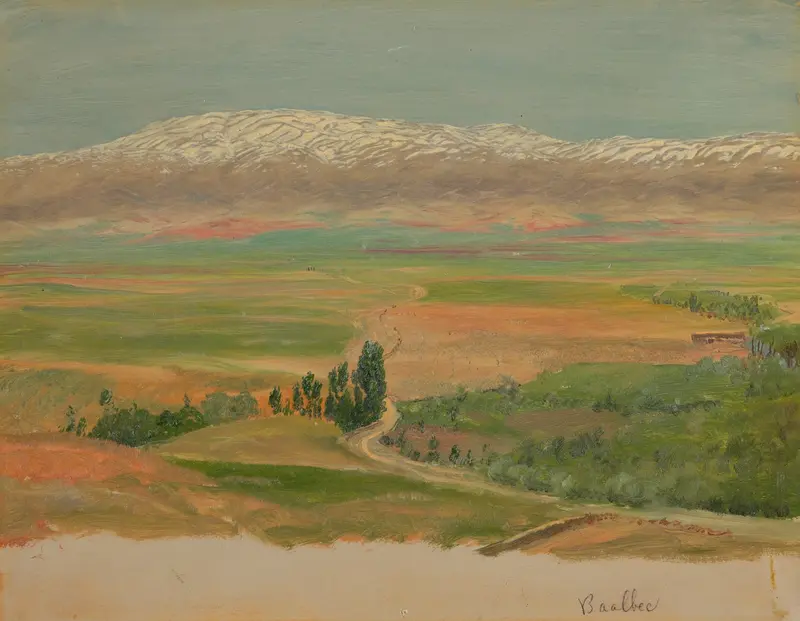
Mountains near Baalbec
Frederic Edwin Church
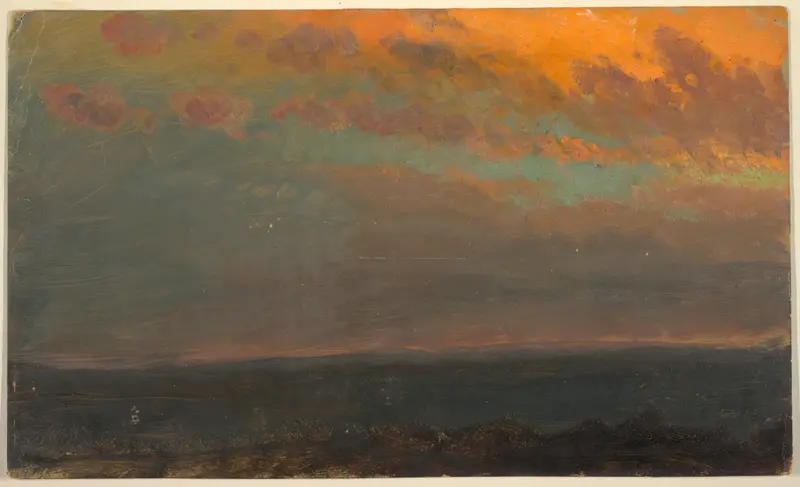
Hudson Valley at Sunset
Frederic Edwin Church

The Hintersee, near Berchtesgaden, Bavaria
Frederic Edwin Church
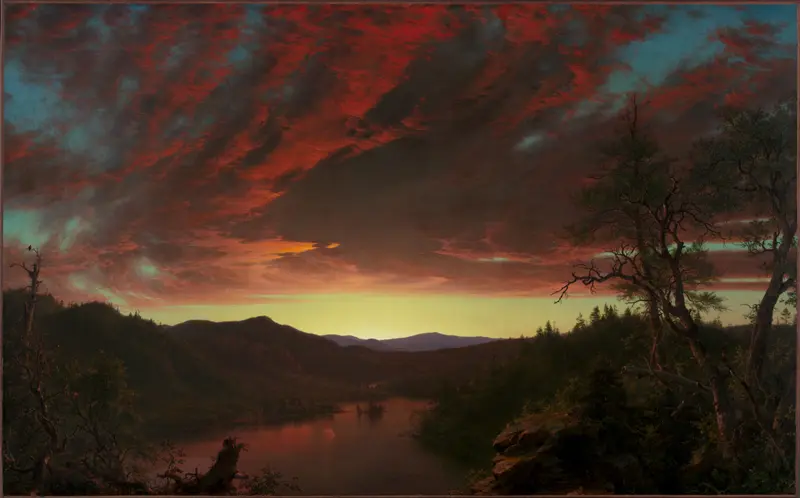
Twilight in the Wilderness
Frederic Edwin Church
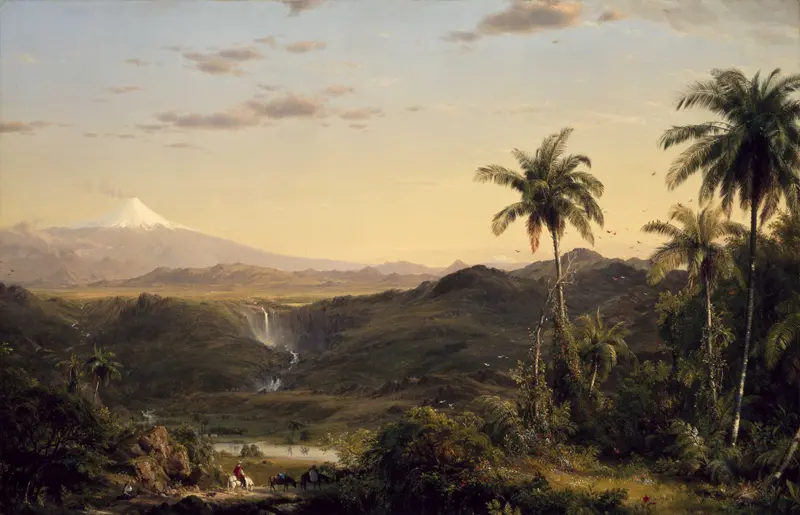
Cotopaxi
Frederic Edwin Church
More Landscape Art

The Starry Night
Vincent van Gogh

View of Delft
Johannes Vermeer

Water Lilies
Claude Monet

The Grand Canal, Venice, looking north-west from the Ca' Corner to the Ca' Contarini degli Scrigni, with the campanile of Santa Maria della Carità
Canaletto

Windsor Castle
Canaletto

The Grand Canal looking North-East from the Palazzo Dolfin-Manin to the Rialto Bridge
Canaletto