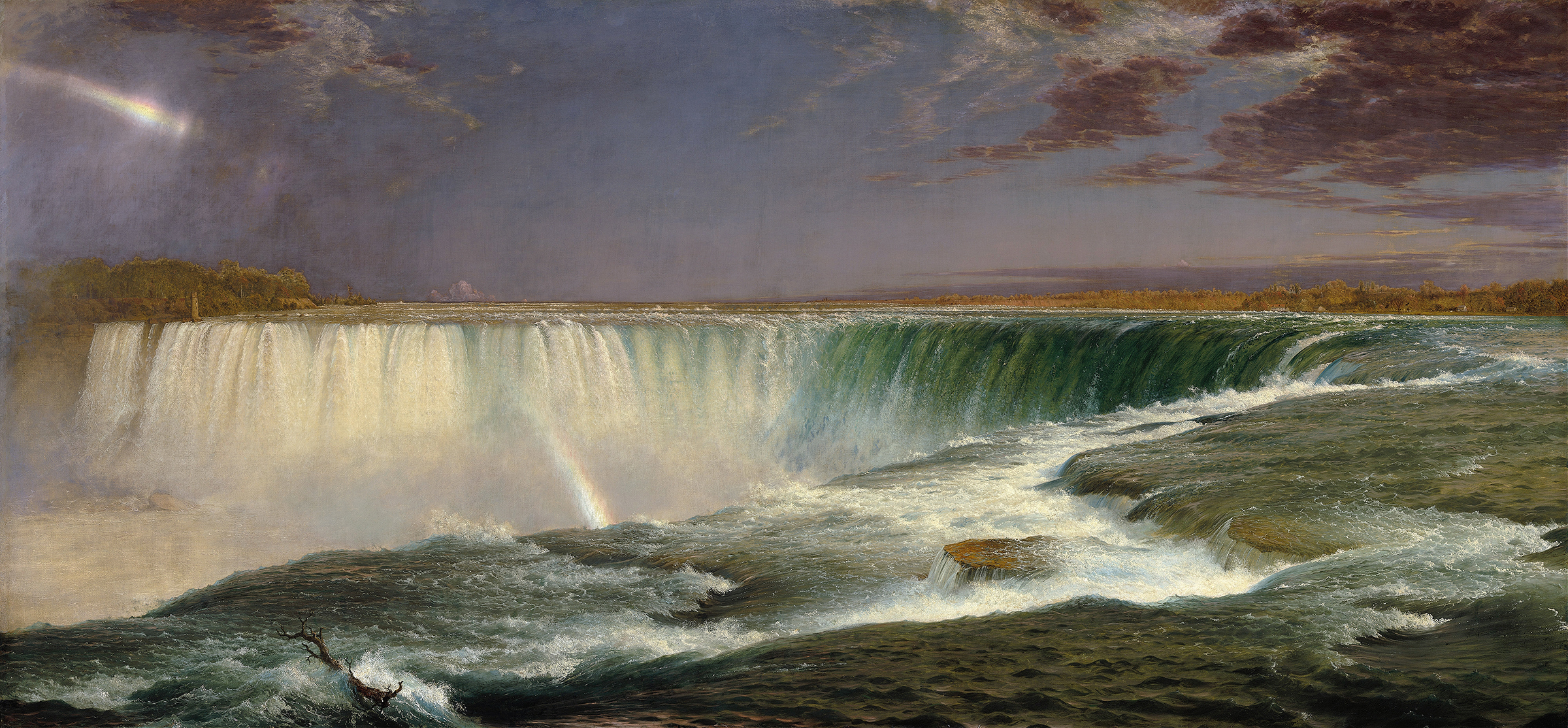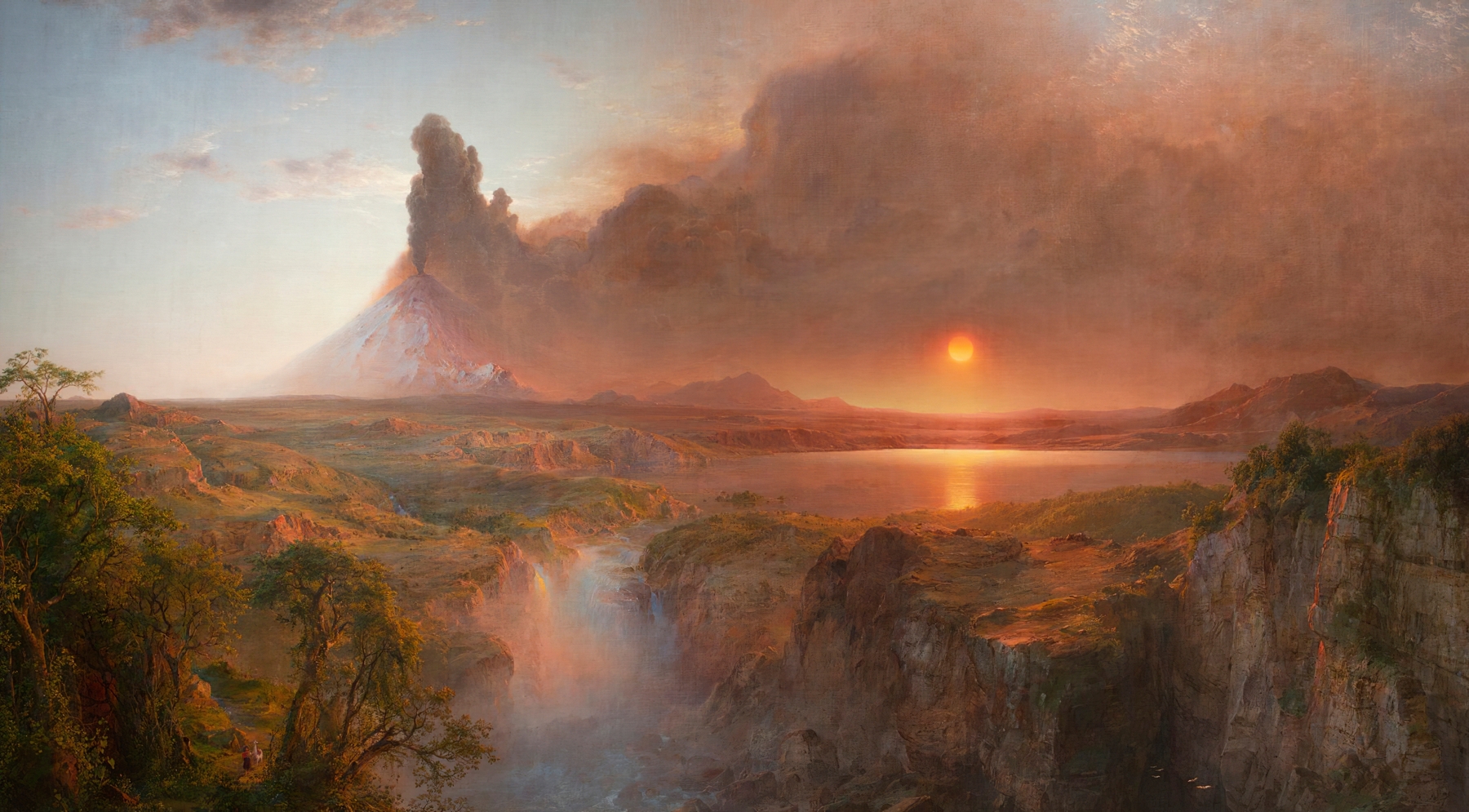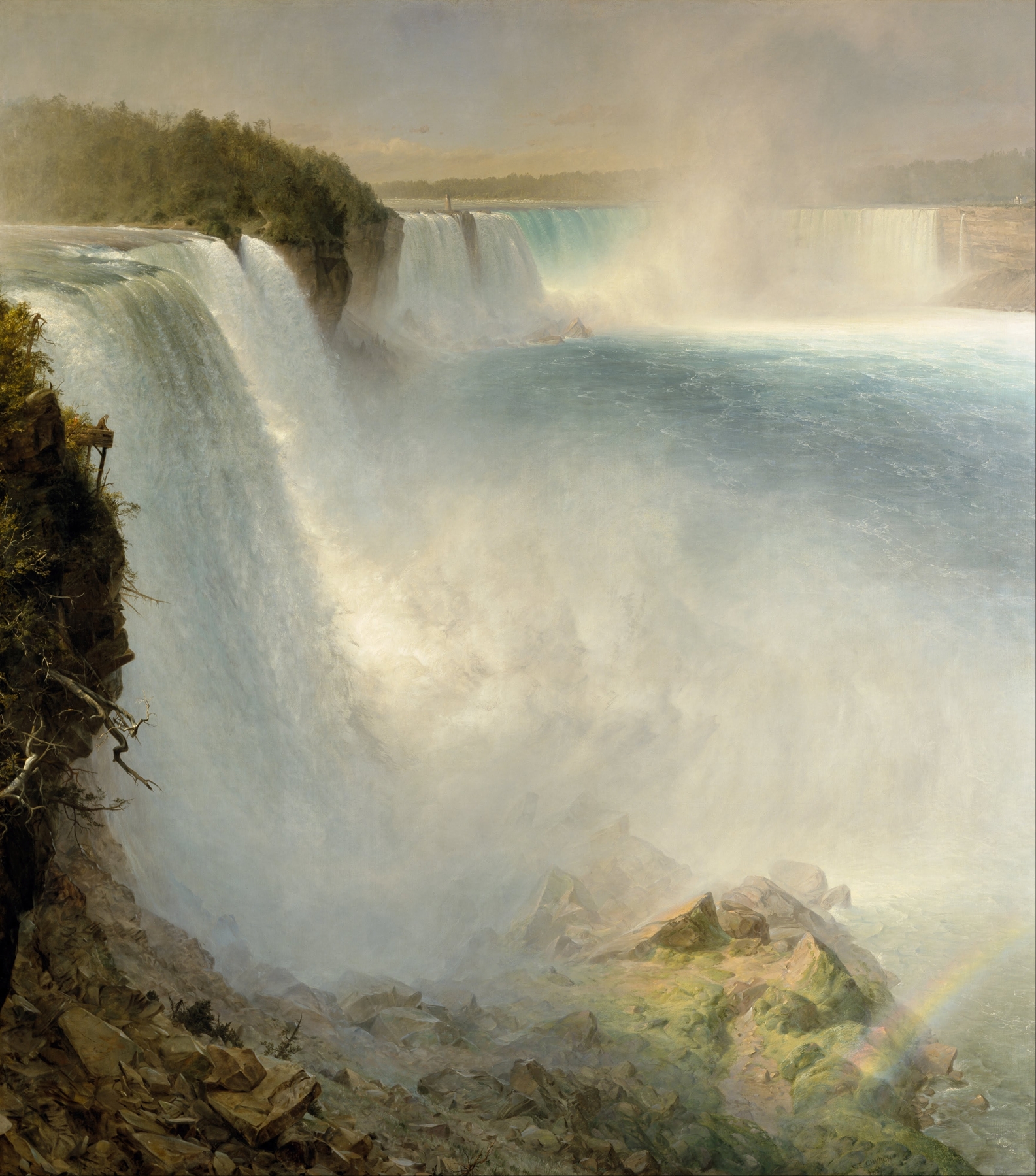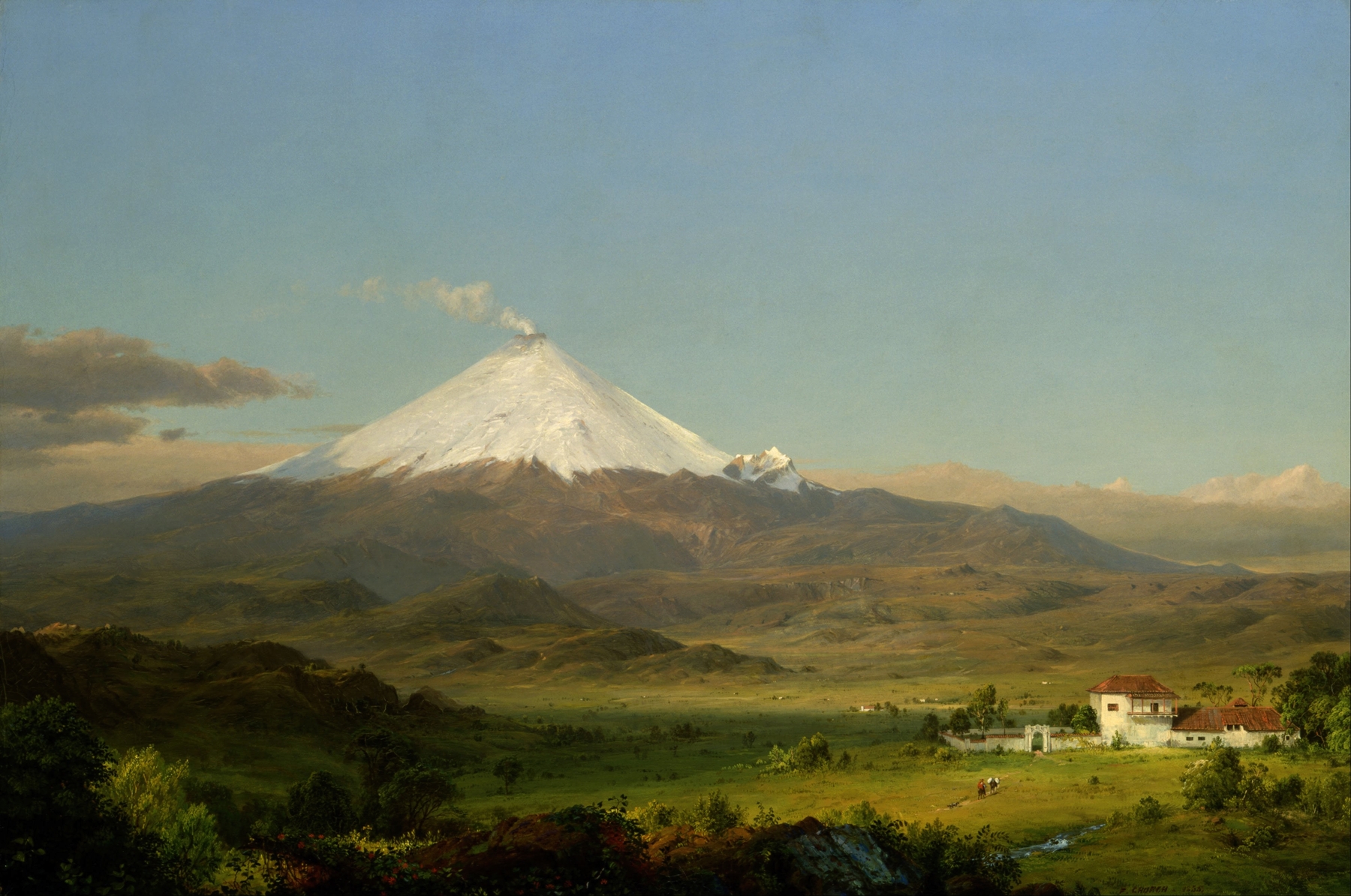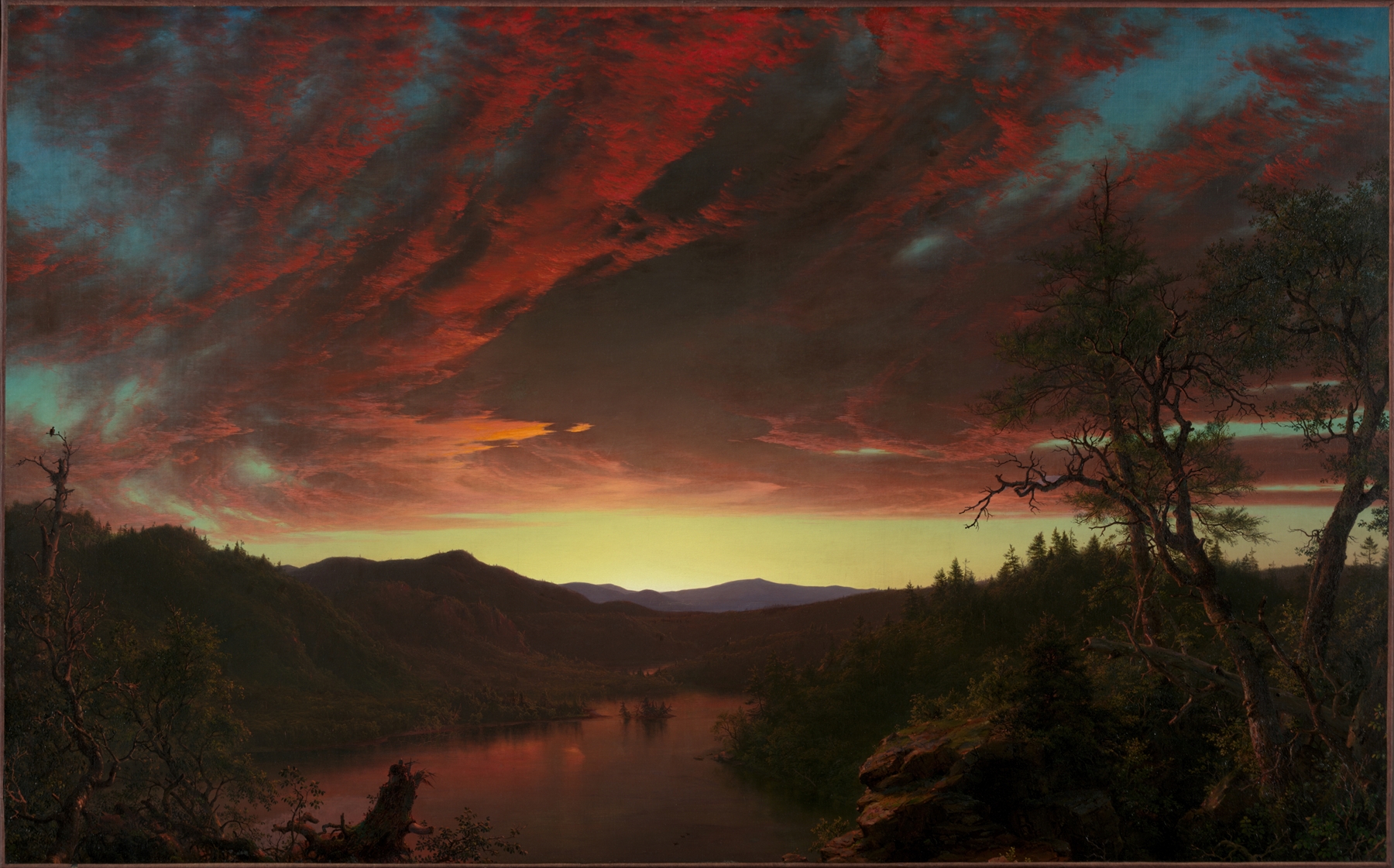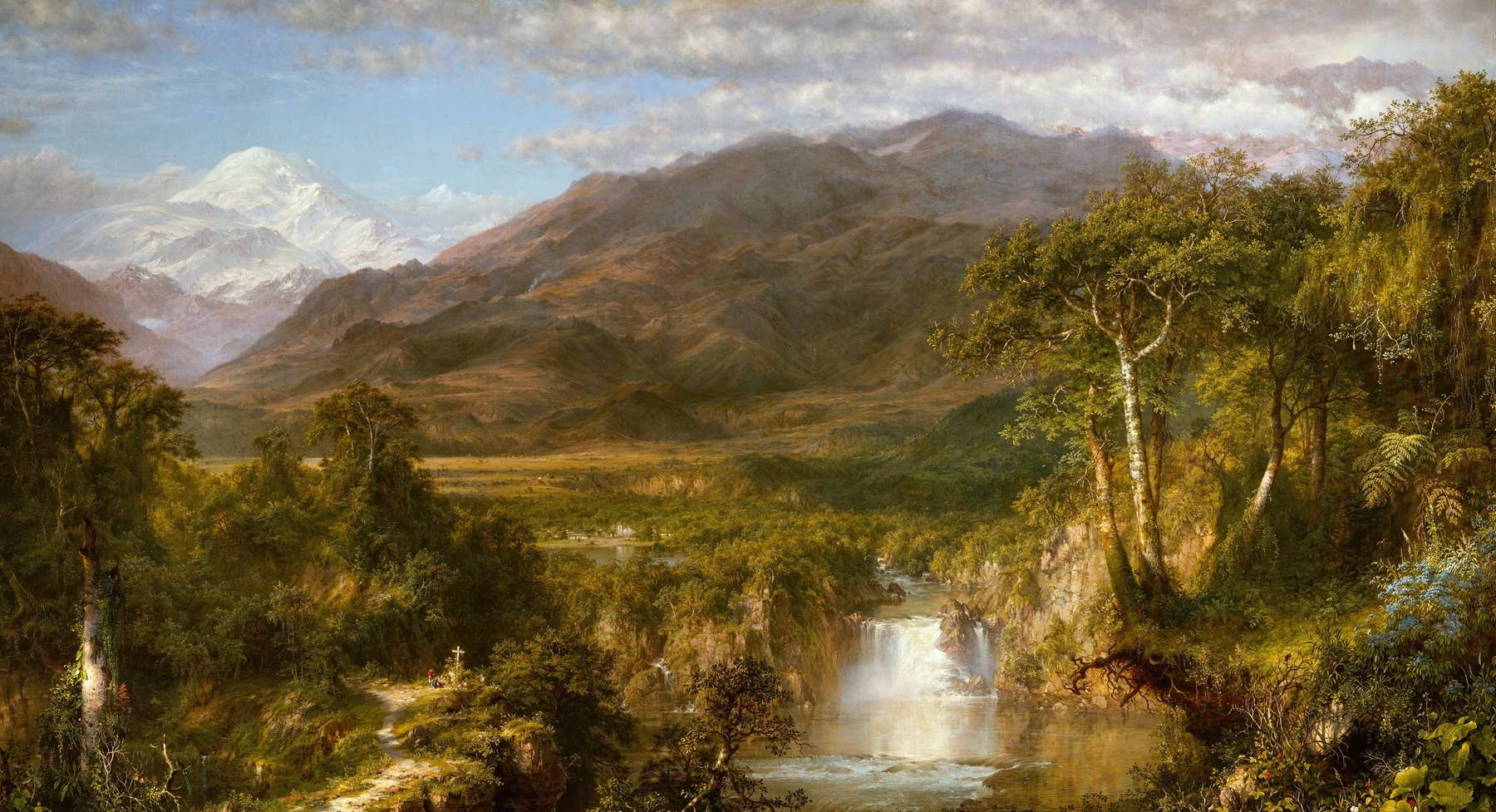
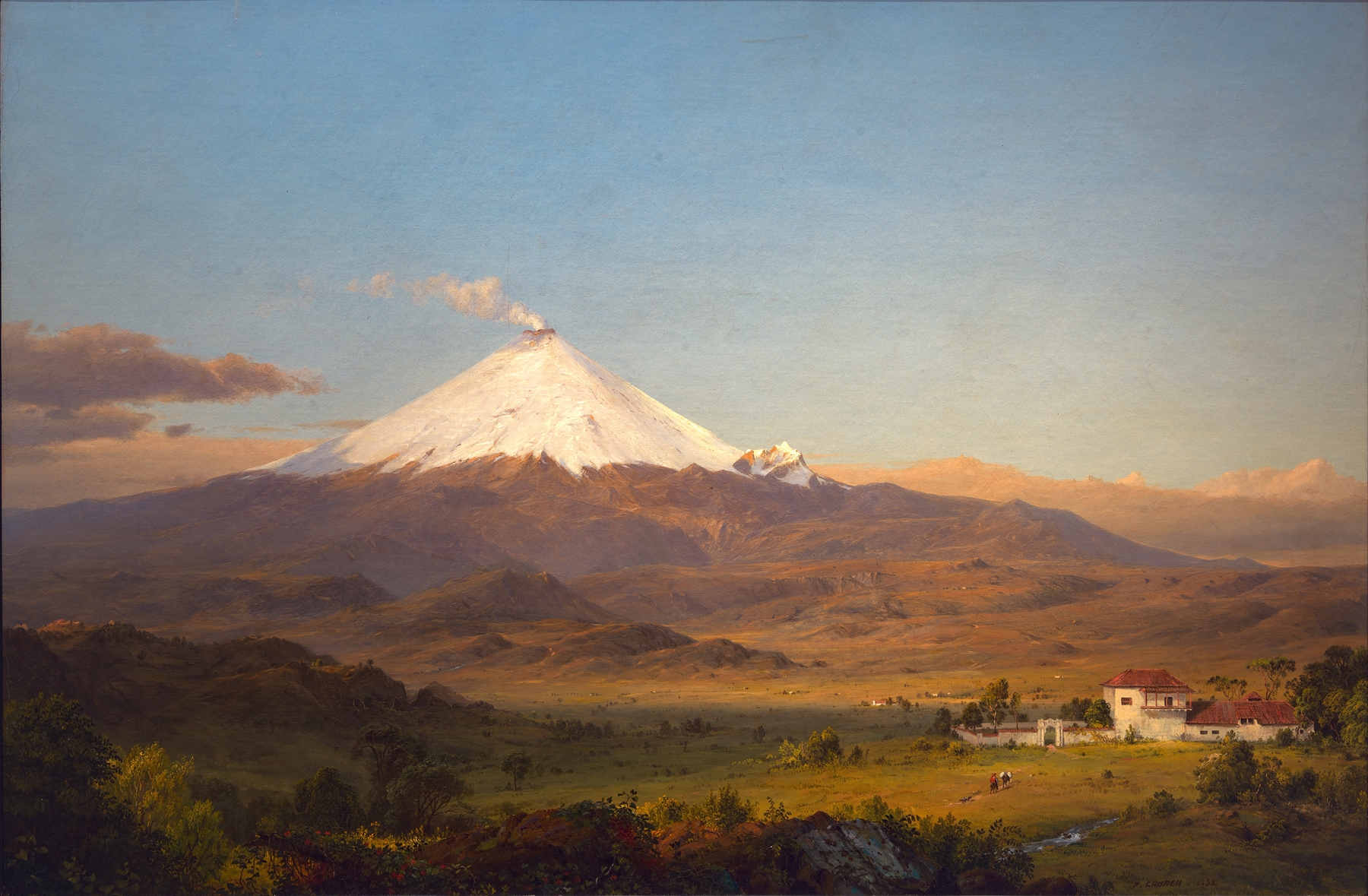
“Sometimes beauty is just pain, disguised in gold.” The rugged majesty of untouched landscapes often conceals stories of transformation, revealing the delicate balance between paradise and peril. Focus on the sweeping vistas that dominate the foreground; the verdant valleys and towering peaks beckon your gaze. Notice how the sunlight bathes the Andes in a golden hue, illuminating the intricate textures of the foliage and rocks. The masterful use of color creates an emotional resonance—deep greens and vibrant blues, contrasted against the warm, luminous sky. Every brushstroke hints at nature’s grandeur, yet simultaneously whispers of its fragility, inviting the viewer to pause and reflect. Within this breathtaking panorama lies a poignant duality. The shimmering river, a symbol of life and renewal, flows through the dense landscape, whilst in the distance, the looming mountains stand as silent witnesses to the passage of time. Here, Church captures not only the allure of the natural world but also the notion of transformation; each element, from the gentle curve of the river to the encroaching shadows, suggests a story of change and resilience. The interplay of light and shadow hints at the hidden struggles beneath the surface of this idyllic scene. In 1859, the artist was at the apex of his career, having recently traveled to South America, and he painted this work in his studio in New York. The mid-19th century was a period of burgeoning interest in landscape painting, particularly within the Hudson River School, reflecting a growing fascination with the American wilderness. Church's work, particularly this piece, captured the spirit of exploration and the quest for beauty, resonating with a society grappling with its own transformation amid the industrial age.