Hudson Valley at Sunset — History & Analysis
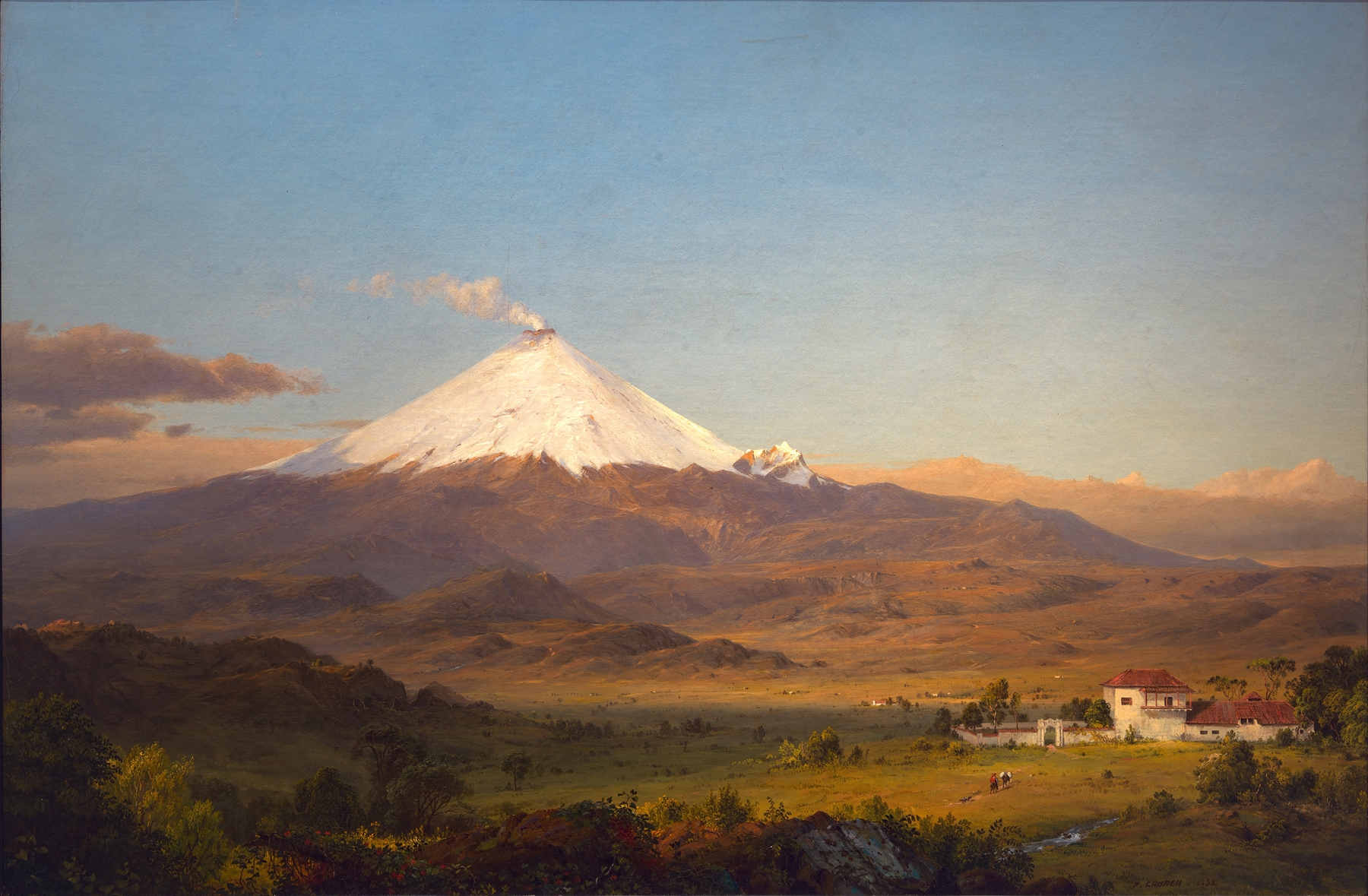
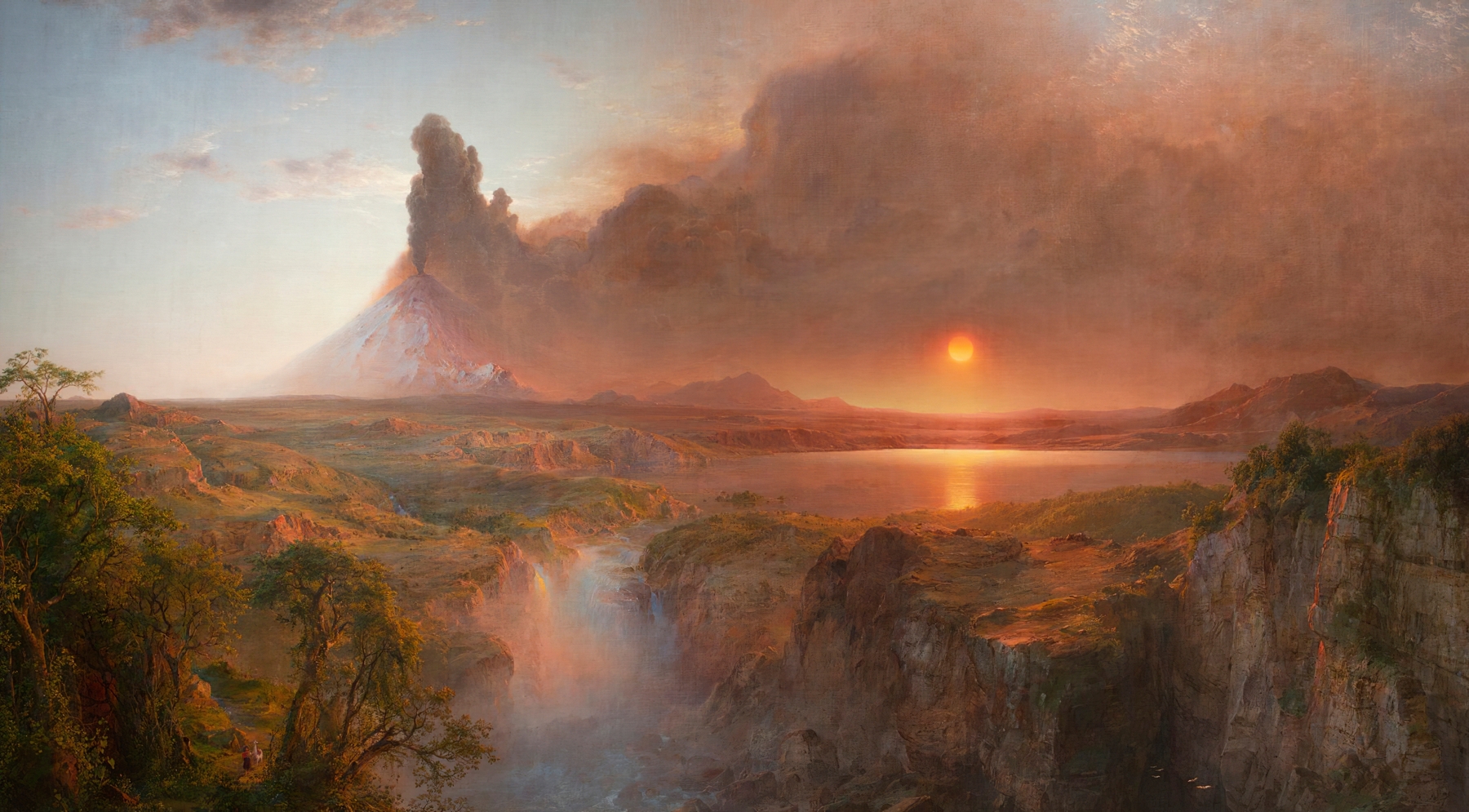
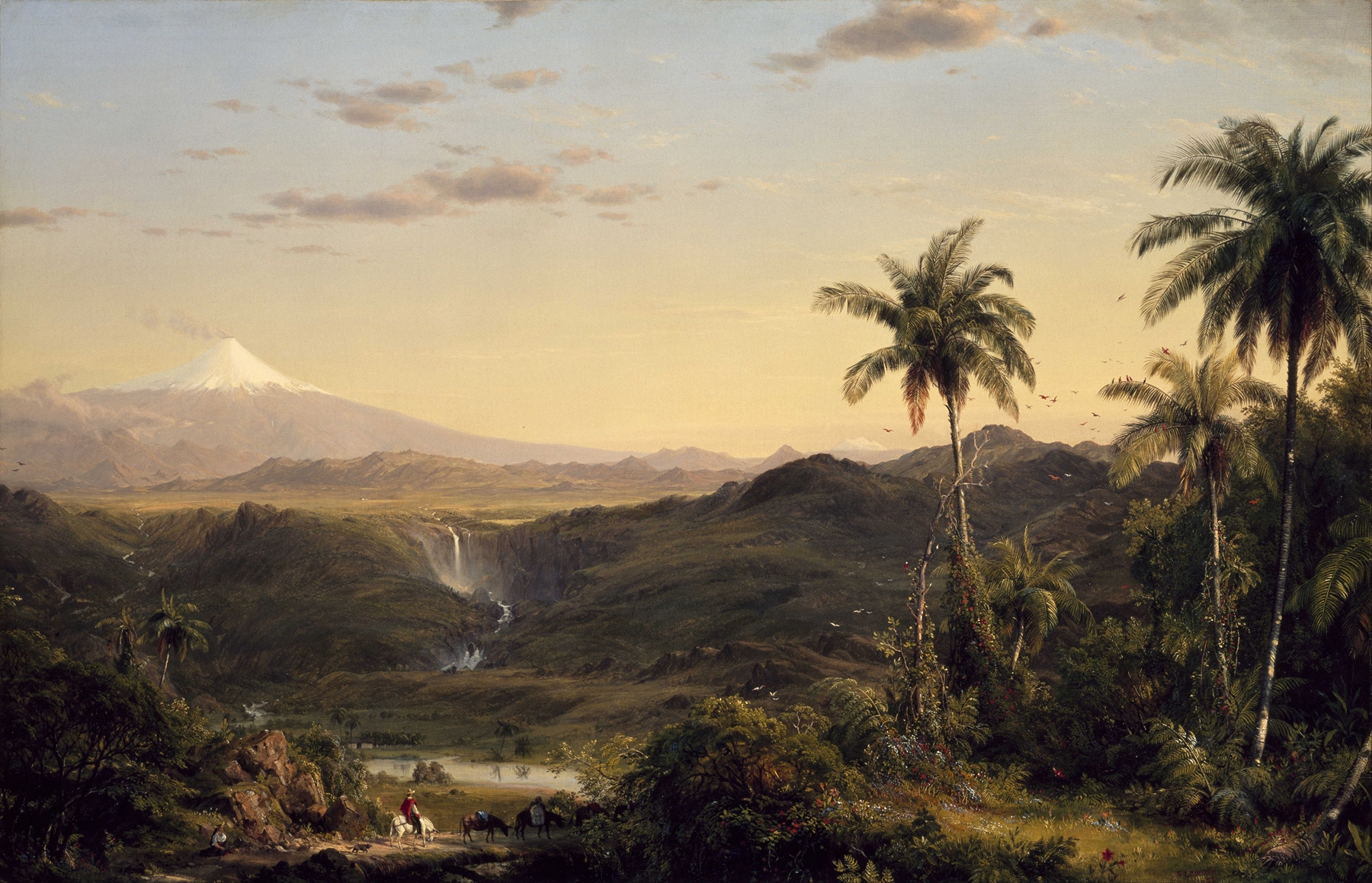
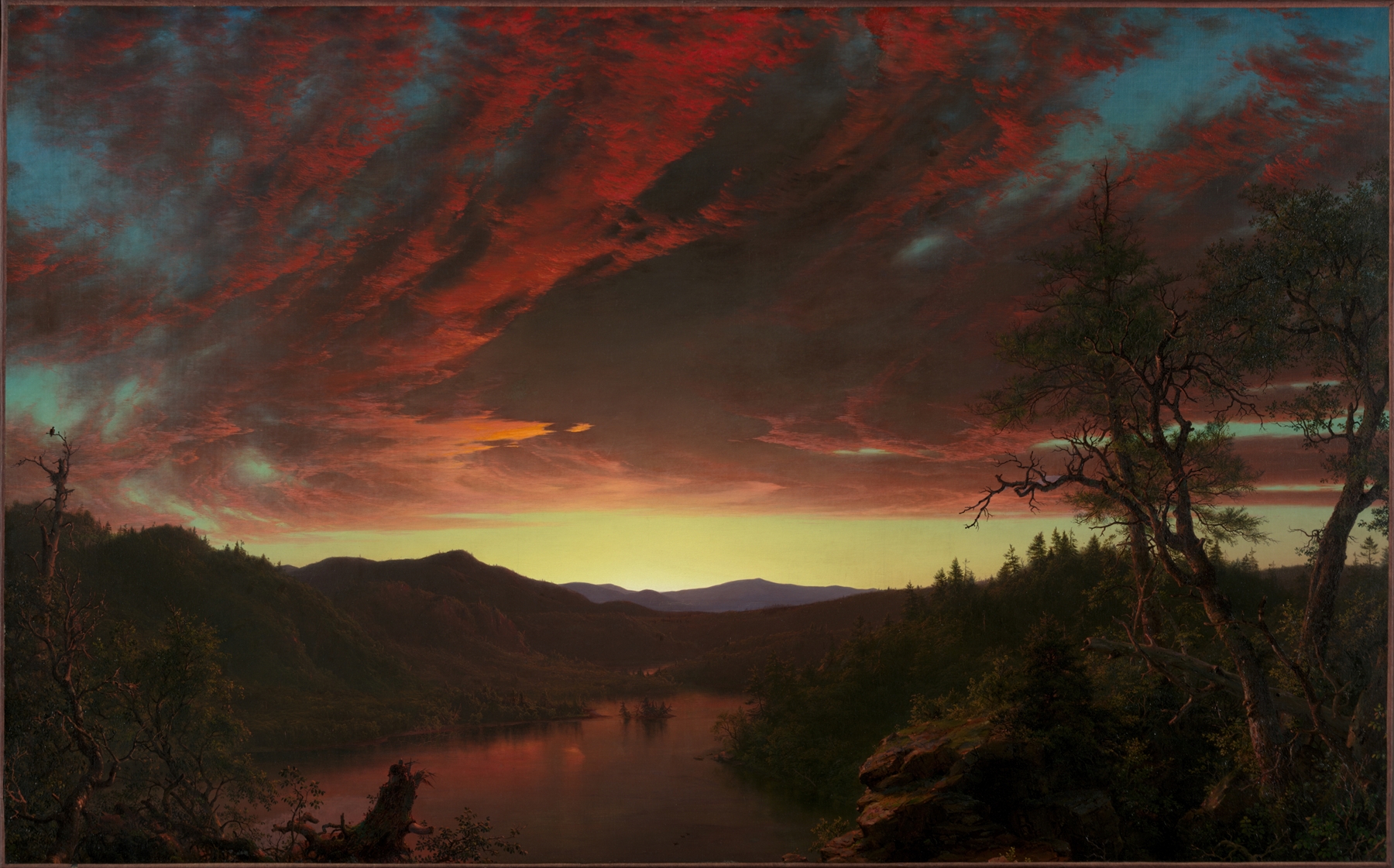
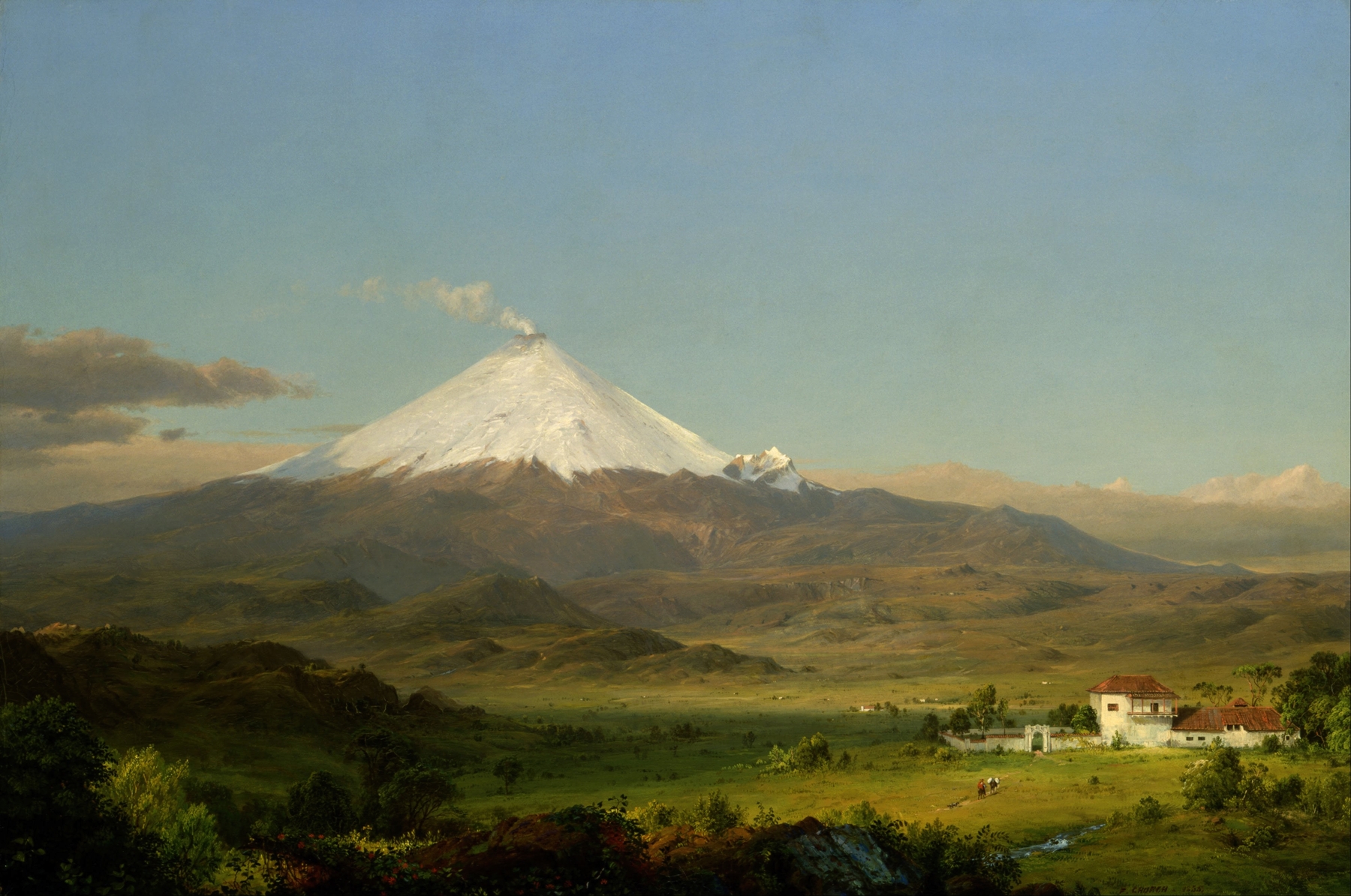
“To paint is to remember what time wants us to forget.” In the gentle embrace of twilight, the fleeting essence of a moment comes alive, capturing a paradox of beauty and grief that lingers in the heart. Look to the left at the cascading hills, their contours softened by the golden hues of the setting sun. Notice how light dances through the clouds, casting an ethereal glow that both captivates and melancholically hints at day’s inevitable end. The palette blends warm oranges and cool purples, a masterful juxtaposition that evokes both tranquility and a deep sense of longing.
Every brushstroke vibrates with the imminence of dusk, a reminder of life’s transience. The interplay of light and shadow carries deeper meaning; the brilliance of sunset symbolizes fleeting joy, while the encroaching darkness signals the weight of sorrow. In the foreground, a solitary tree stands resilient yet isolated, mirroring the artist's exploration of solitude and emotional depth. This scene invites reflection on the impermanence of beauty, the heartache of change, and the delicate line between hope and despair.
Frederic Edwin Church created this work during the transformative period of the late 19th century, a time when the Hudson River School was at its zenith. Living in New York, he was deeply influenced by the American Romanticism movement, which emphasized nature’s majesty intertwined with human emotion. In this phase of his life, he grappled with personal loss, and Hudson Valley at Sunset resonates with his reflections on memory, loss, and the sublime beauty found in nature’s cycles.