
Niagara Falls, from the American Side — History & Facts
Sheets of water plunge over the edge of a rocky cliff, filling the left side of the composition with a torrent of white spray and mist. A dense cloud of vapor rises from the base of the falls, obscuring much of the lower centre and right, while sunlight filters through to create a faint rainbow in the lower right corner. The river above the falls appears calm and blue-green, its surface broken only at the brink where it begins its dramatic descent.
On the far left, a patch of rocky ground with sparse vegetation clings to the edge, and a small wooden platform juts out precariously, suggesting a viewpoint for visitors. Across the top of the falls, a line of dark green trees marks the distant shore, their forms softened by the haze of spray. The rocks at the bottom right are slick and angular, painted in earthy browns and mossy greens, glistening with the constant moisture from the falls.
The composition is arranged so that the viewer looks down into the churning water and mist, with the horizon high and the falls dominating the scene. Brushwork varies from smooth, almost photographic treatment of water and mist to more textured, angular strokes in the rocks and foliage. The light is diffuse and golden, illuminating the spray and giving the entire scene a luminous, atmospheric quality. Niagara Falls, from the American Side was created by Frederic Edwin Church in 1867.
The work depicts the view from the east, or American, side of Niagara Falls, capturing the sensation of water in constant, roaring motion. This is the only major work by Frederic Edwin Church in a public collection in Europe.
Sources: Scottish National Gallery · Wikidata Q18353189 · Wikipedia: Niagara Falls, from the American Side
More Artworks by Frederic Edwin Church

The Icebergs
Frederic Edwin Church
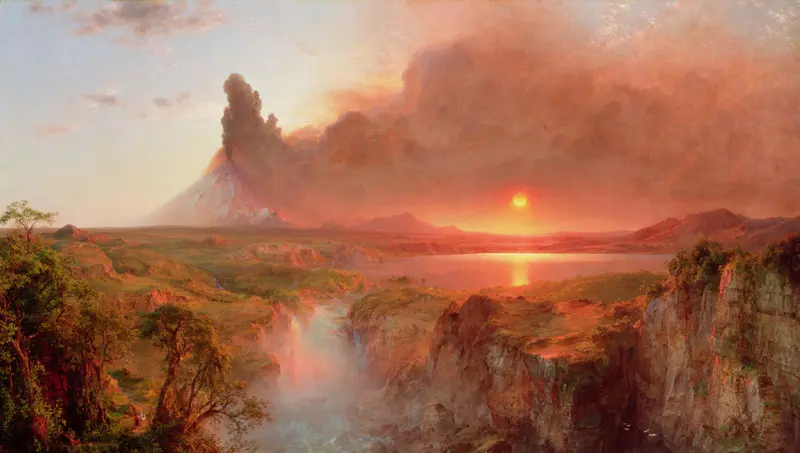
Cotopaxi
Frederic Edwin Church

Niagara
Frederic Edwin Church
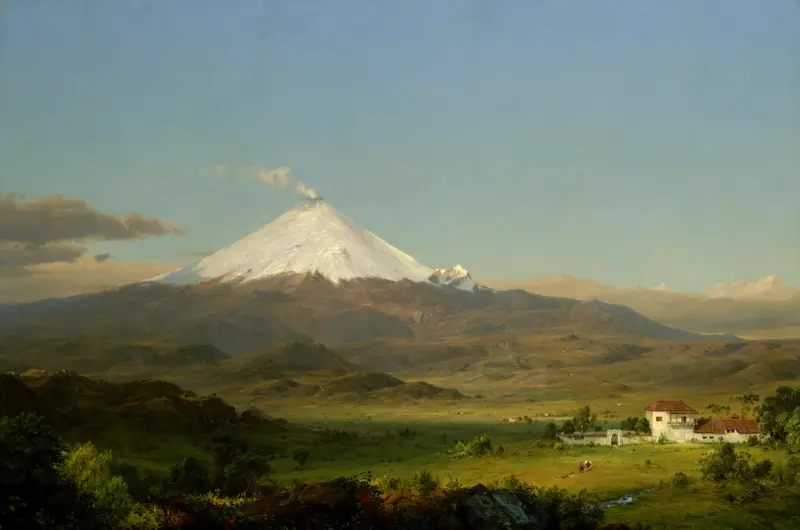
Cotopaxi
Frederic Edwin Church
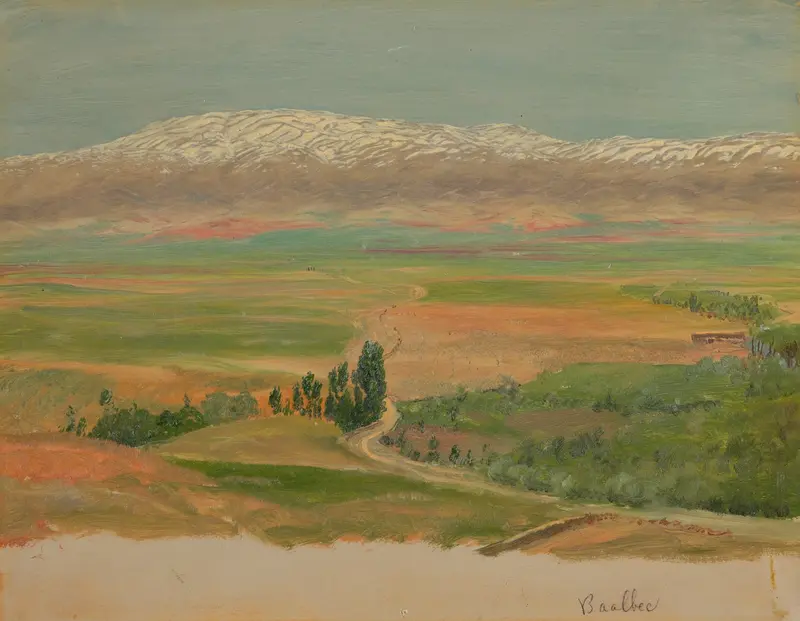
Mountains near Baalbec
Frederic Edwin Church
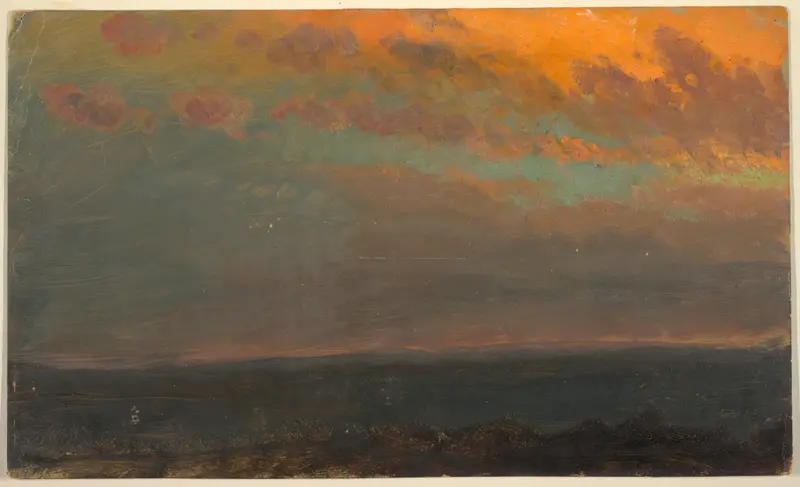
Hudson Valley at Sunset
Frederic Edwin Church

The Hintersee, near Berchtesgaden, Bavaria
Frederic Edwin Church
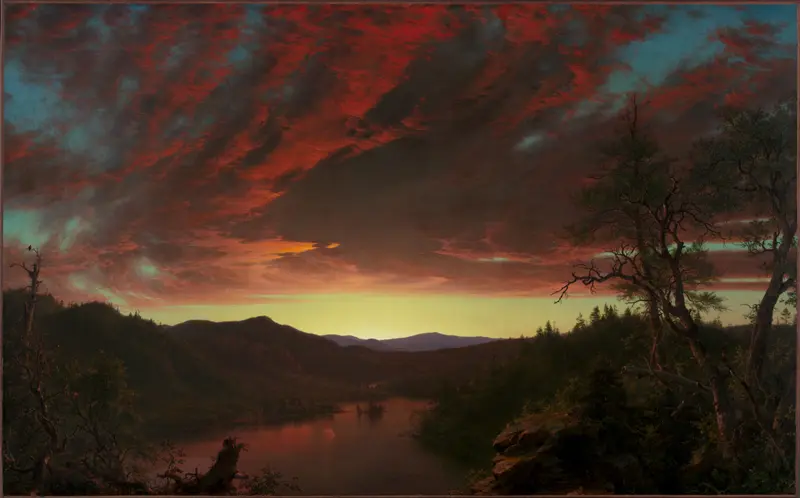
Twilight in the Wilderness
Frederic Edwin Church
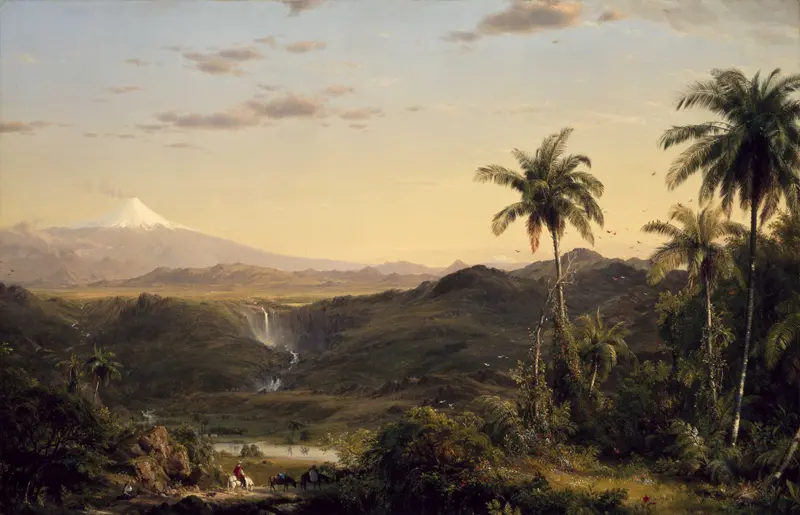
Cotopaxi
Frederic Edwin Church
Cotopaxi
Frederic Edwin Church
More Landscape Art

The Starry Night
Vincent van Gogh

View of Delft
Johannes Vermeer

Water Lilies
Claude Monet

The Grand Canal, Venice, looking north-west from the Ca' Corner to the Ca' Contarini degli Scrigni, with the campanile of Santa Maria della Carità
Canaletto

Windsor Castle
Canaletto

The Grand Canal looking North-East from the Palazzo Dolfin-Manin to the Rialto Bridge
Canaletto