Cotopaxi — History & Analysis
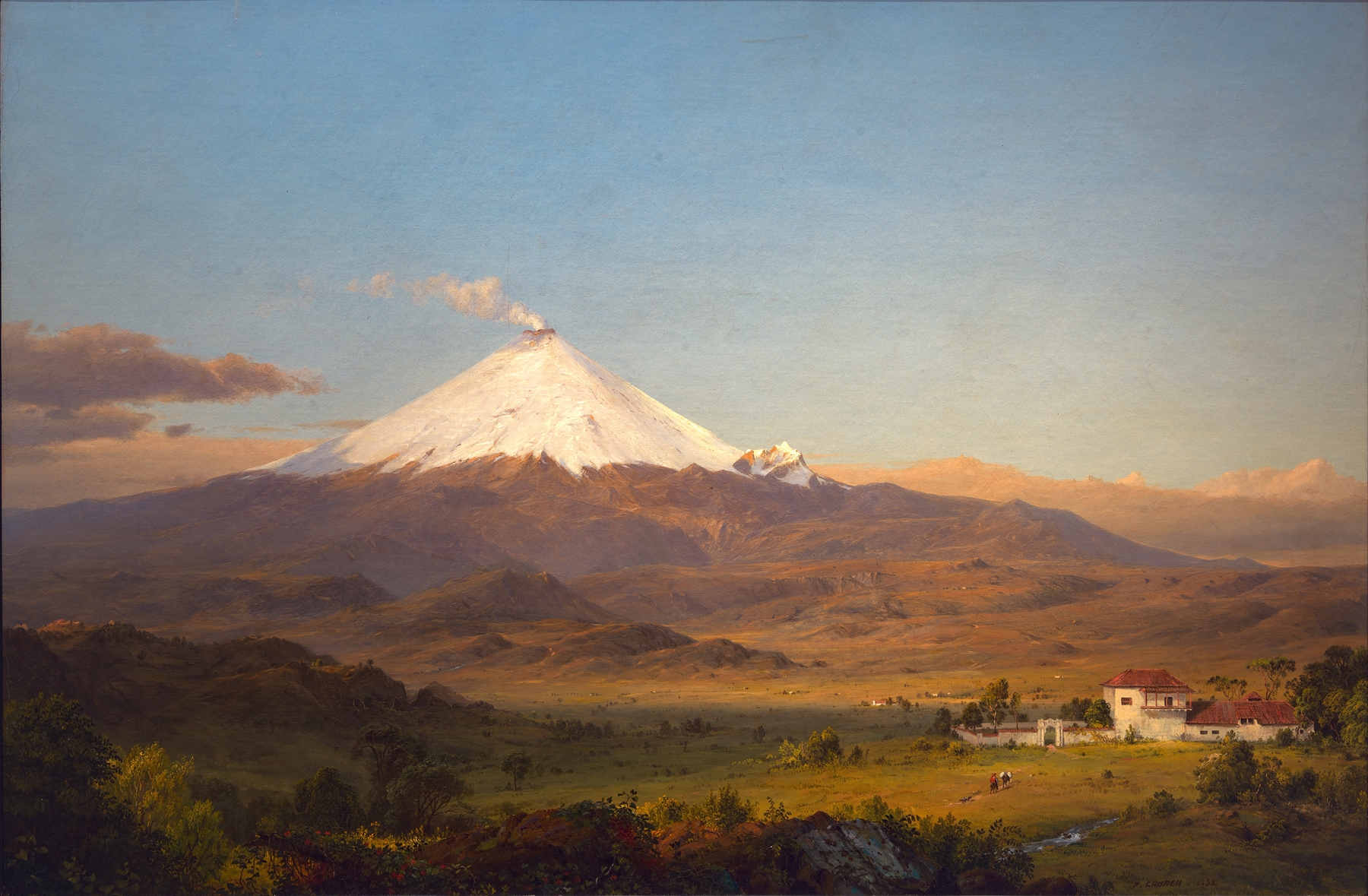
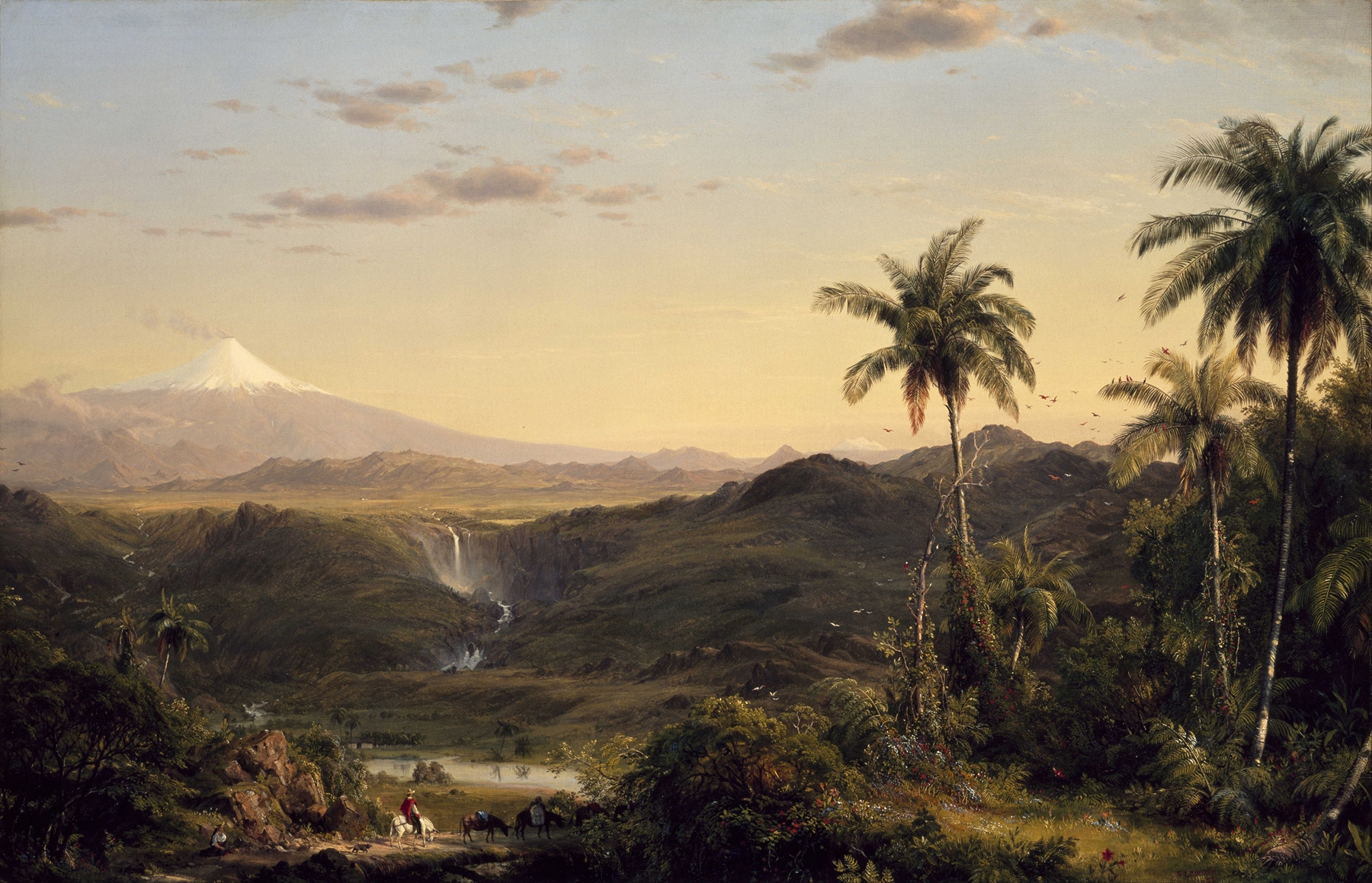
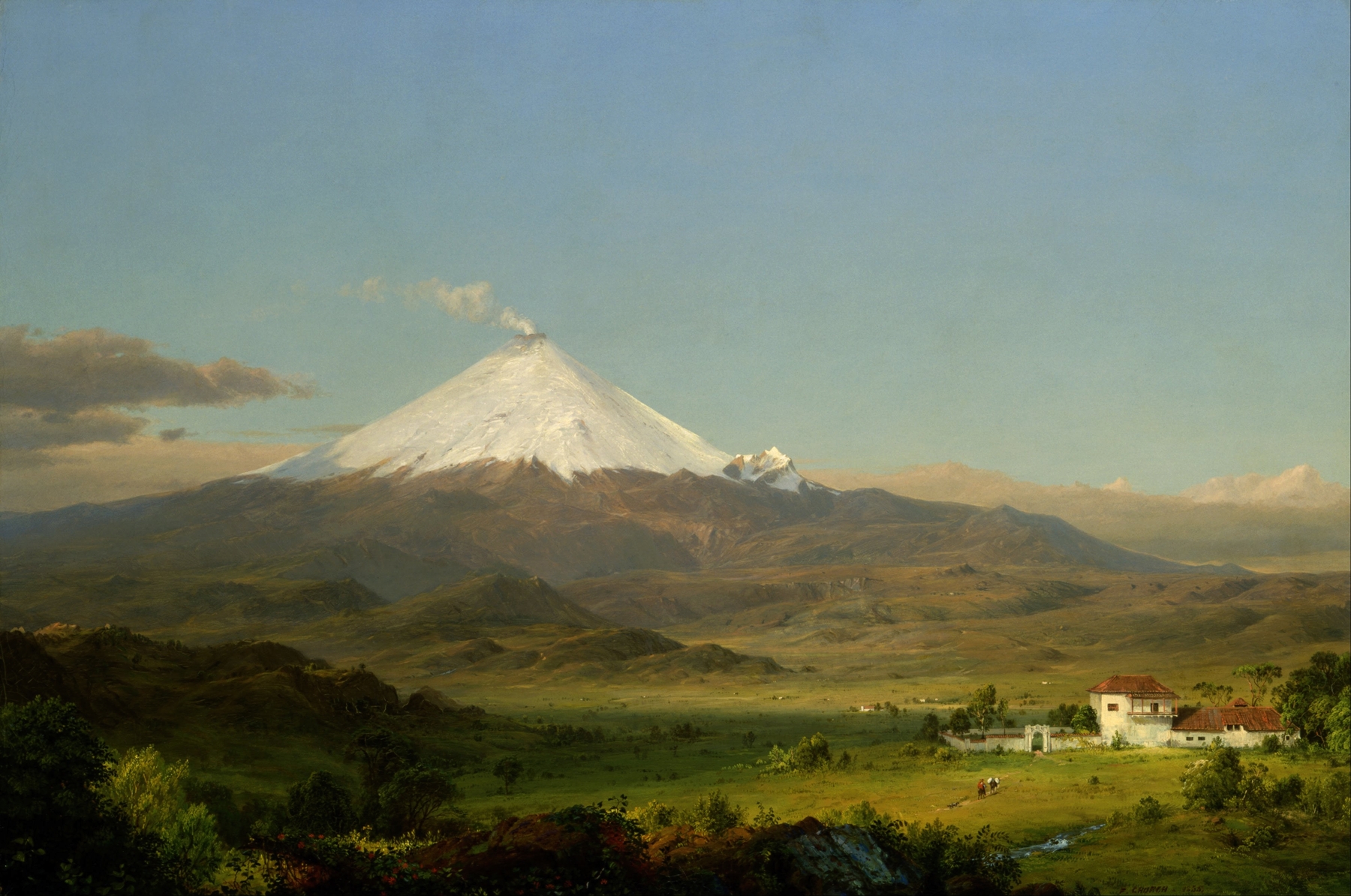
“Sometimes beauty is just pain, disguised in gold.” This sentiment resonates deeply within the expansive canvas before you, where the allure of nature intertwines with hidden betrayals. Look to the center of the painting, where the majestic Cotopaxi volcano rises, its summit cloaked in a shimmering layer of snow. The rich oranges and reds in the foreground contrast dramatically with the cool blues of the distant sky, creating a palpable tension. Notice the meticulous brushstrokes that illuminate the verdant landscape, as if the artist captured each leaf and stone with reverent care, yet beneath this beauty lies an undercurrent of volcanic energy waiting to erupt.
The juxtaposition of light and shadow carries a weight of emotion; the vibrant hues of the foreground starkly oppose the looming darkness of the mountain's base. This contrast serves as a metaphor for internal conflict—beauty and danger coexisting, reminding viewers of the fragility of life and the potential for destruction hidden within nature's embrace. The ominous clouds gathering above subtly hint at a coming storm, an ever-present reminder that tranquility can swiftly turn to chaos. Frederic Edwin Church painted Cotopaxi in 1862 during a tumultuous time in his personal life and the world of art.
He was part of the Hudson River School, which was characterized by a deep appreciation of nature and transcendental themes. While his career was flourishing, the country was on the brink of the Civil War, echoing themes of conflict that would soon permeate the lives of many. This painting, with its majestic beauty and veiled tension, captures not just a landscape but the complexities of a moment in time.