Aus der Zwettler Gegend — History & Analysis
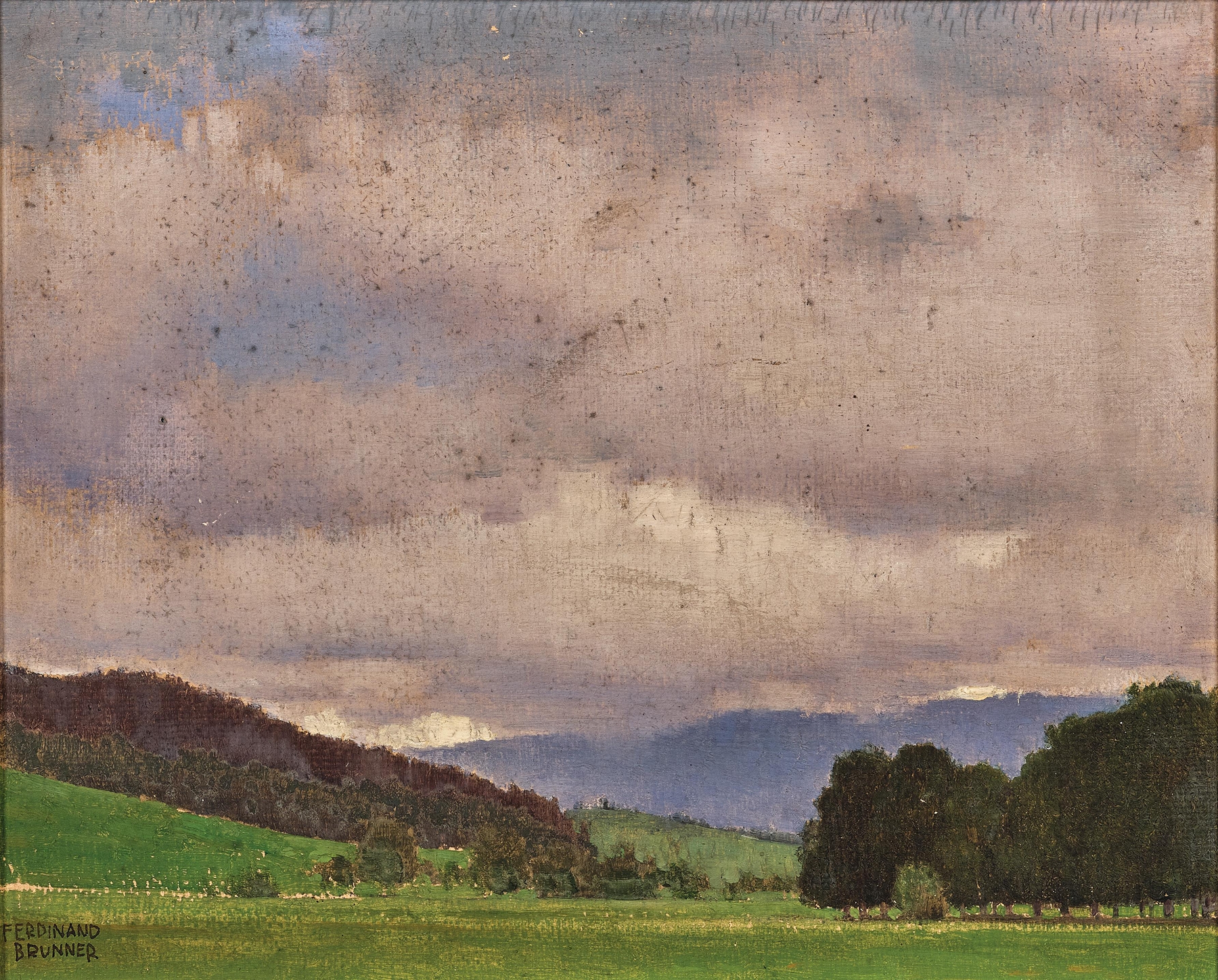
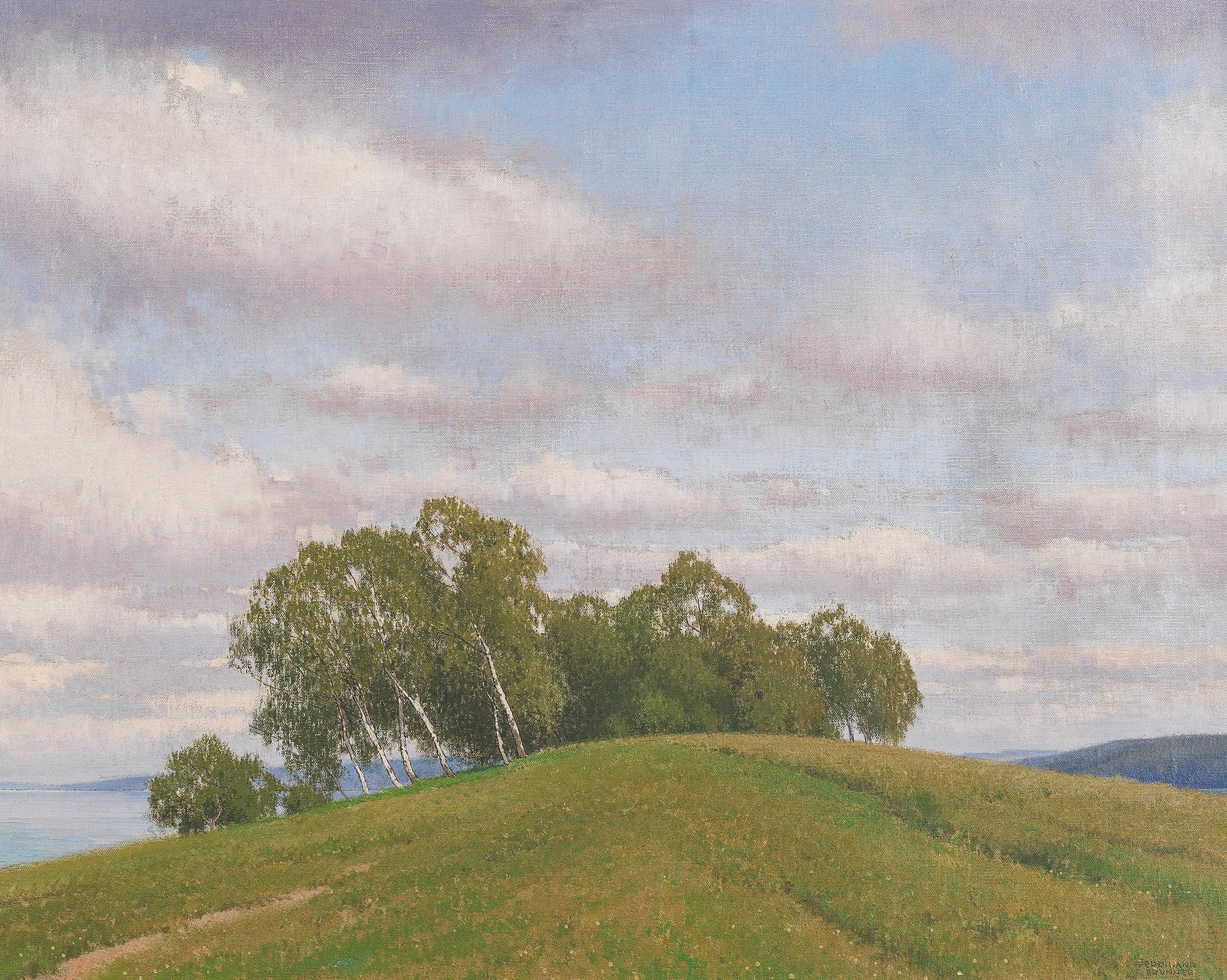
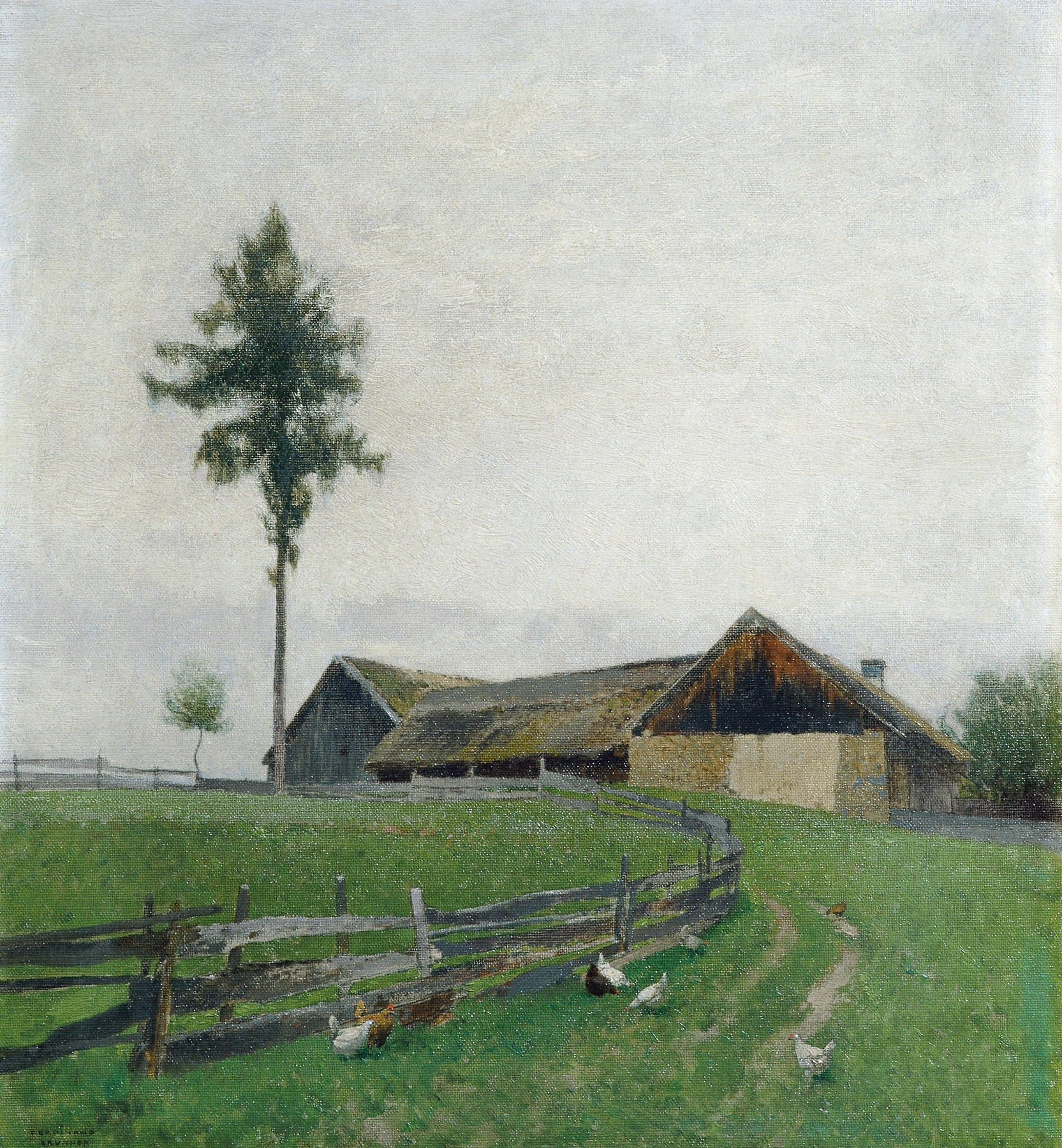
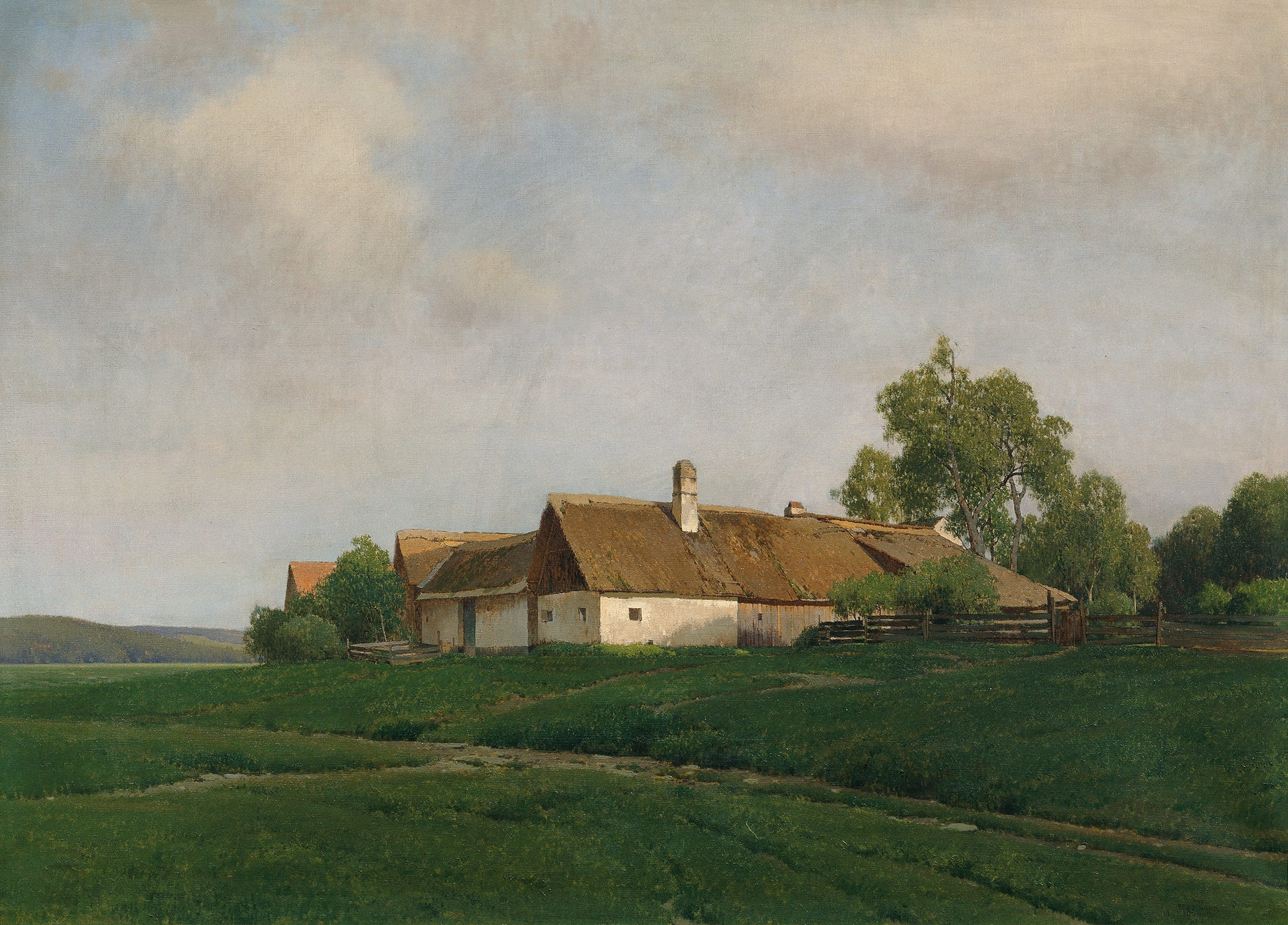
What secret hides in the quiet of the canvas? Silence speaks volumes in Aus der Zwettler Gegend, where the stillness of the landscape beckons us to listen closely to the whispers of nature. Look to the expansive horizon, where gentle hills roll under a muted sky. The soft, earthy tones of the foreground contrast with the cool blues above, drawing your eye to a solitary tree standing sentinel against the vastness. The brushwork is delicate yet deliberate, capturing the subtle play of light as it filters through the clouds, creating an atmospheric depth that envelops the viewer.
Notice how the muted colors coalesce into a serene composition, evoking a sense of contemplative peace. Yet, beneath this placid exterior, there is an undercurrent of solitude and reflection. The lone tree, stripped of its surroundings, seems to embody a yearning for connection, while the vastness of the landscape invites introspection. This quiet moment can also reflect the tension between humanity and nature, as the viewer is reminded of their solitude within the grandeur of the world.
Each detail reinforces the emotional weight of the scene, turning simplicity into profound contemplation. In 1899, Ferdinand Brunner was immersed in the artistic dialogues of Austria, where the transition of styles was in full swing. Far from the frenetic energy of urban life, this work emerged during a period of introspection and exploration, both personally and artistically. Brunner's focus on landscape painting resonated with the Symbolist movement, marrying the beauty of nature with deeper emotional currents, and Aus der Zwettler Gegend stands as a testament to his mastery of evoking mood through simplicity.