Autumn afternoon — History & Analysis
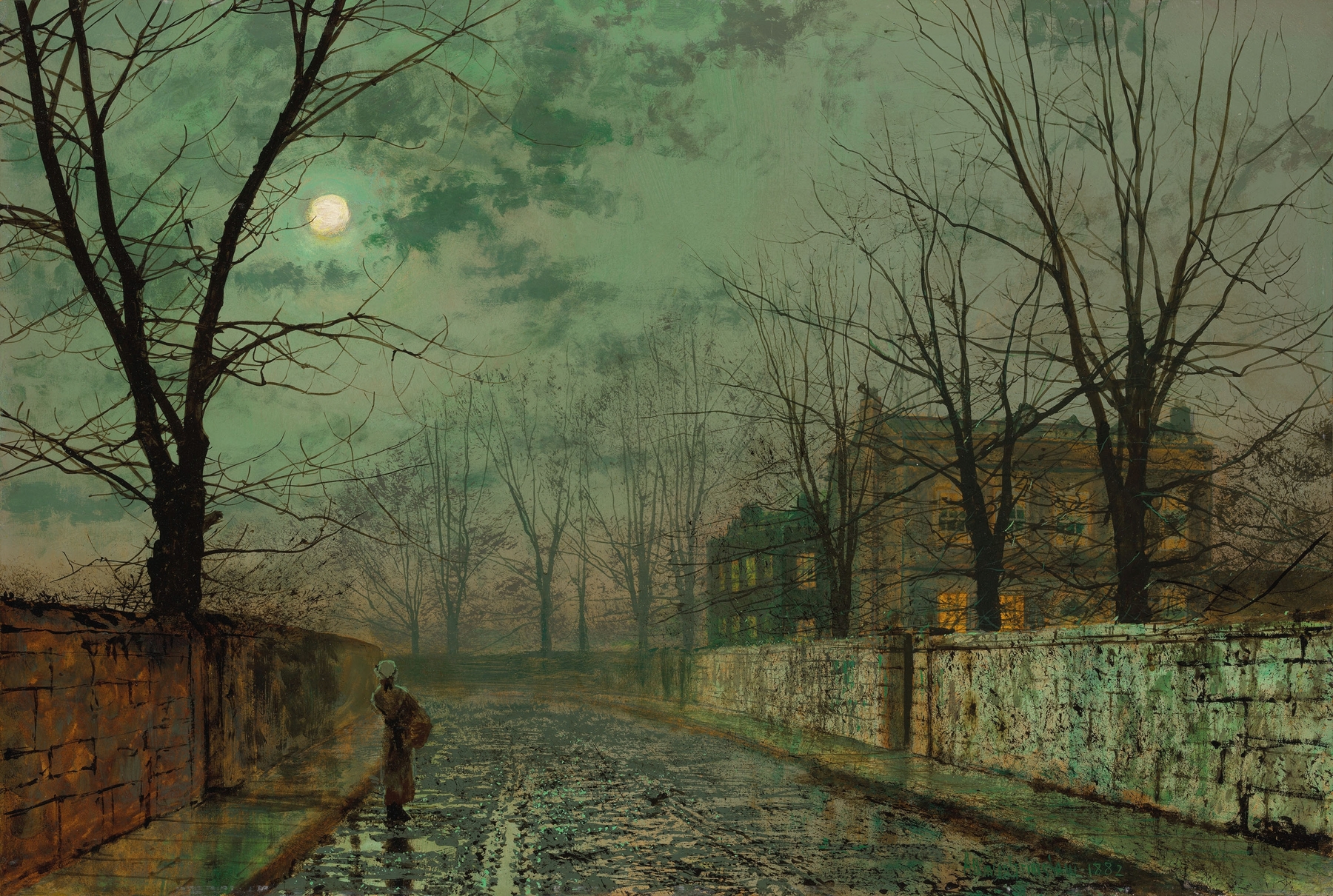
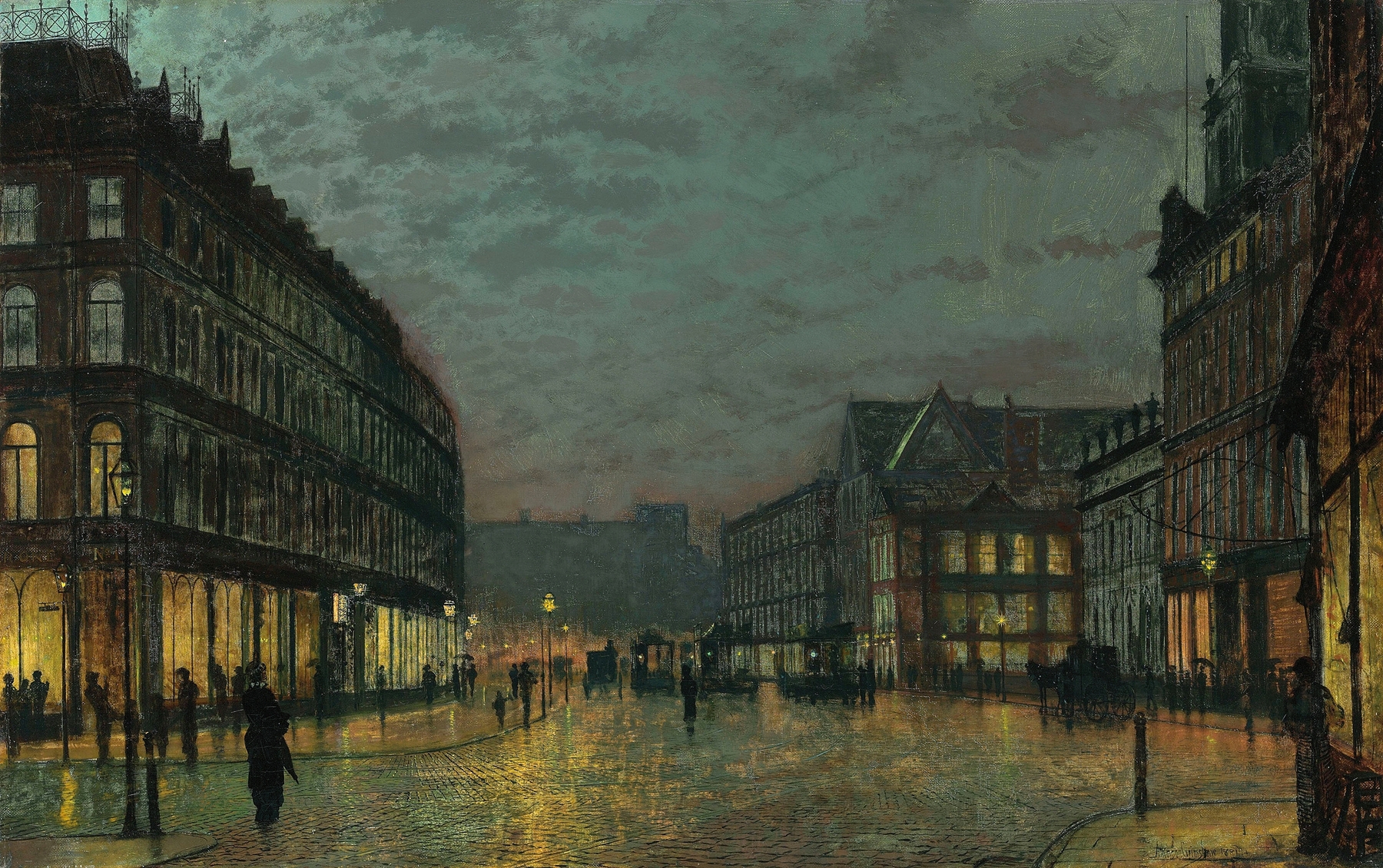
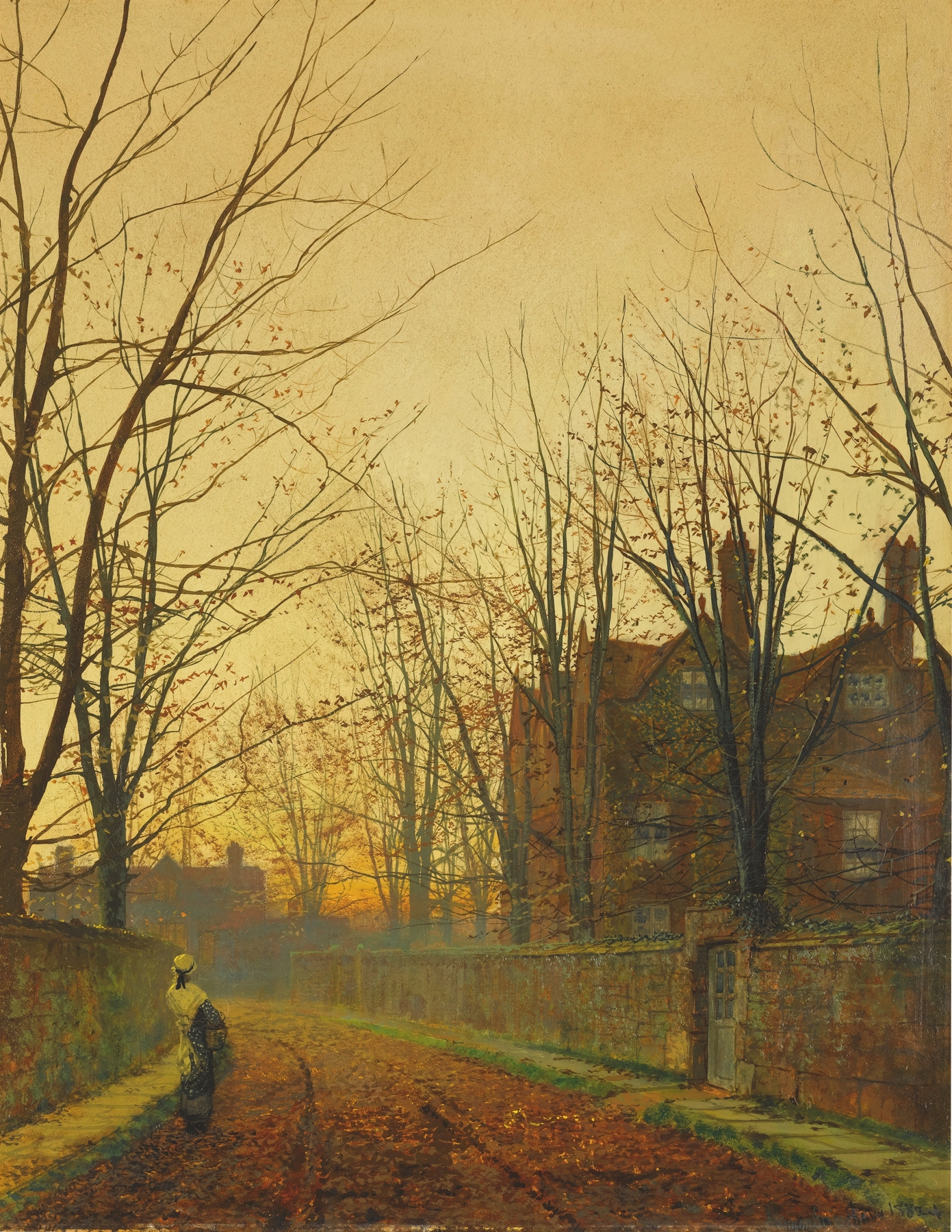
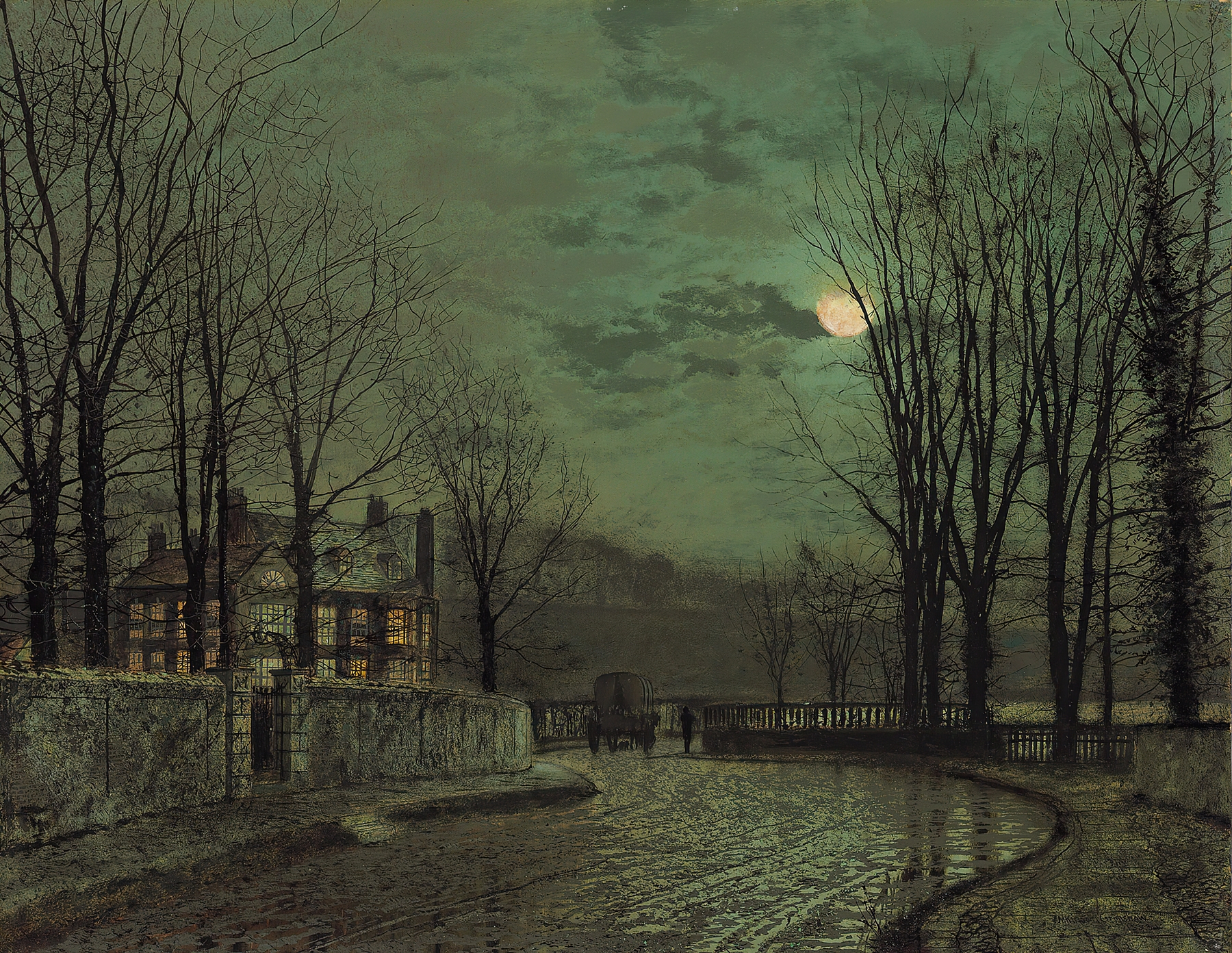
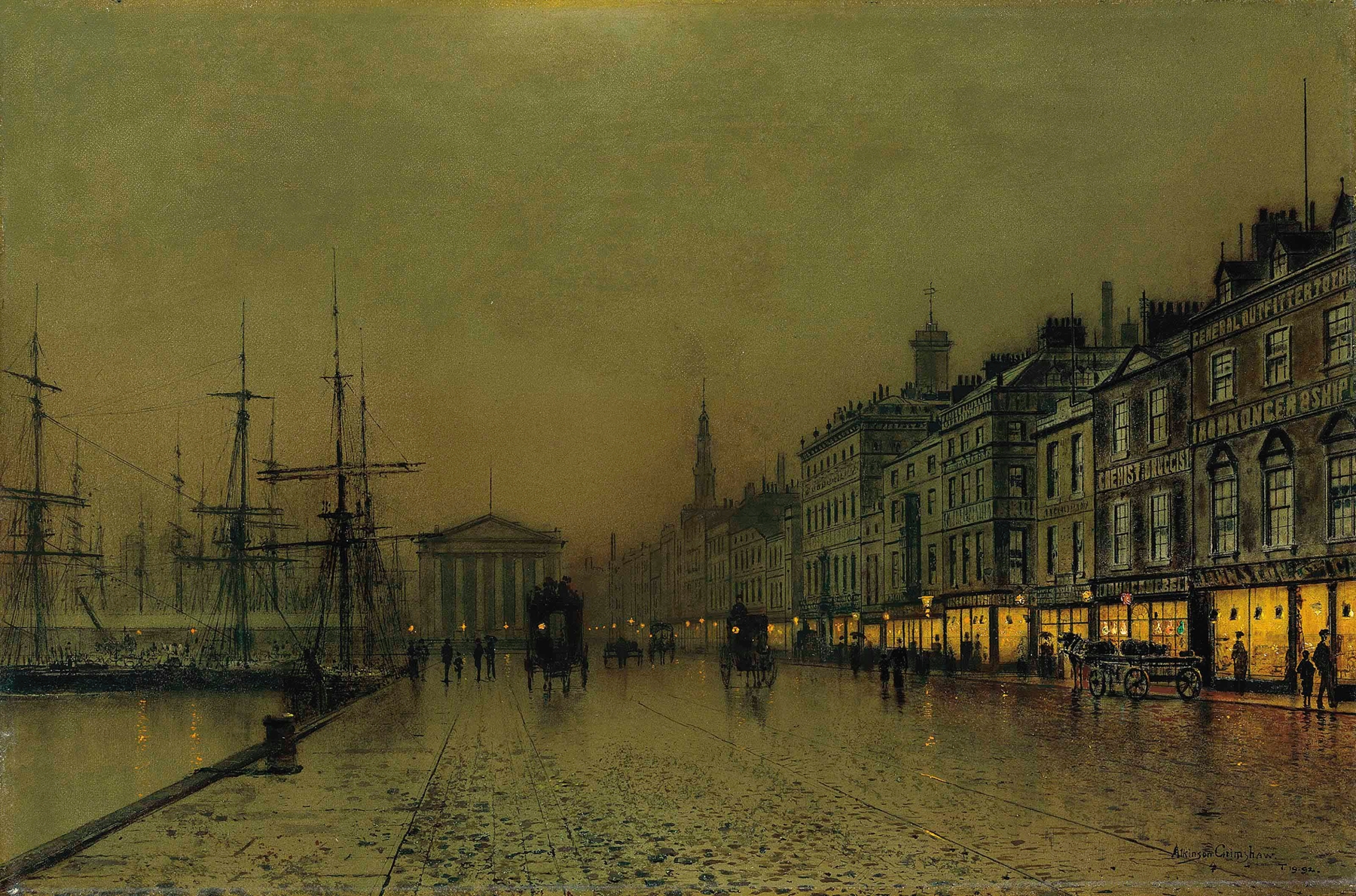
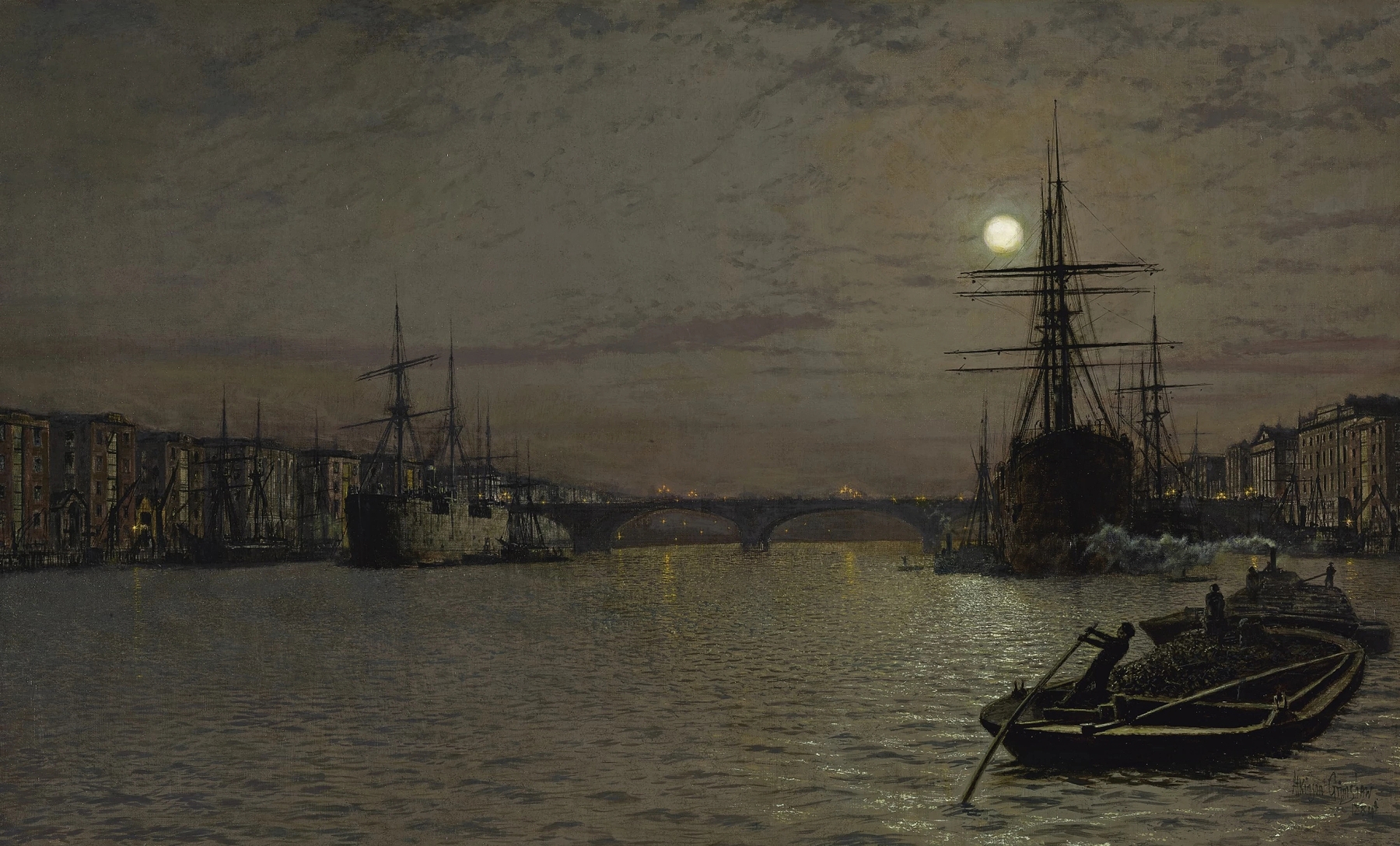
What if beauty was never meant to be finished? In a world of transience, the fleeting moments of ecstasy linger like whispers in the crisp air of an autumn afternoon, inviting us to pause and reflect. Look to the left at the vibrant interplay of russet and gold leaves, each brushstroke encapsulating the fiery spirit of fall. The soft glow of the setting sun bathes the scene in a warm, ethereal light, creating a striking contrast against the shadows that stretch lazily across the cobblestone path.
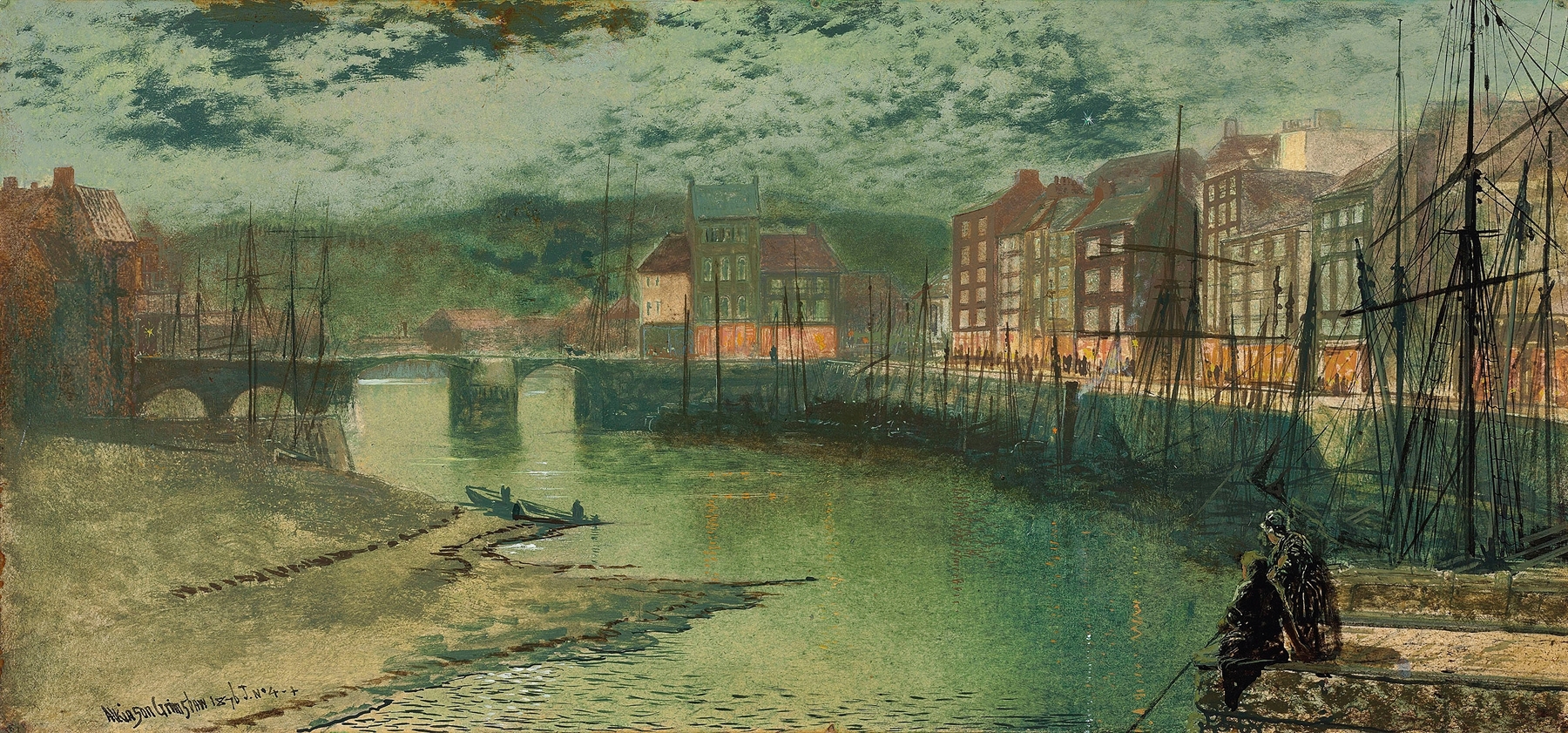
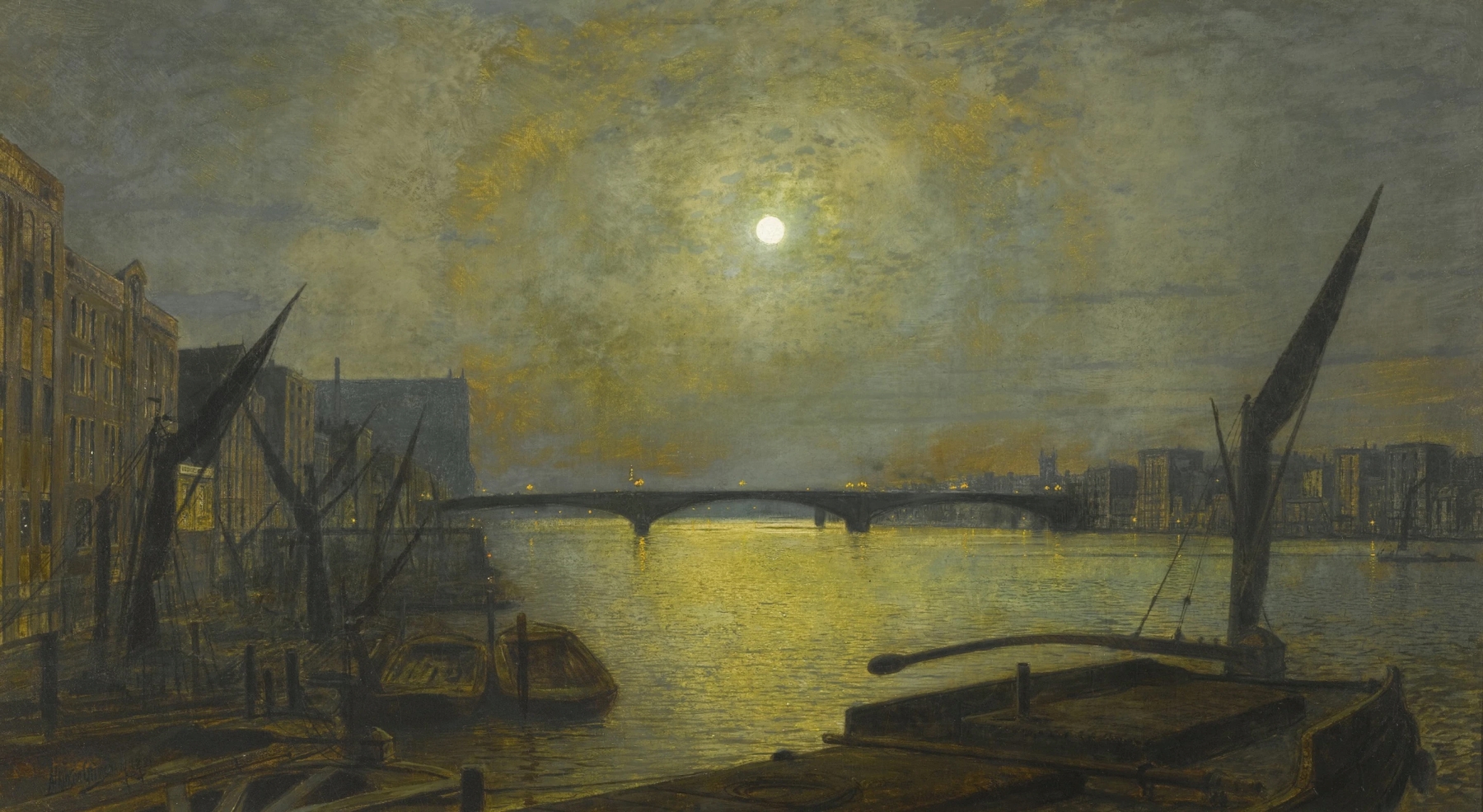
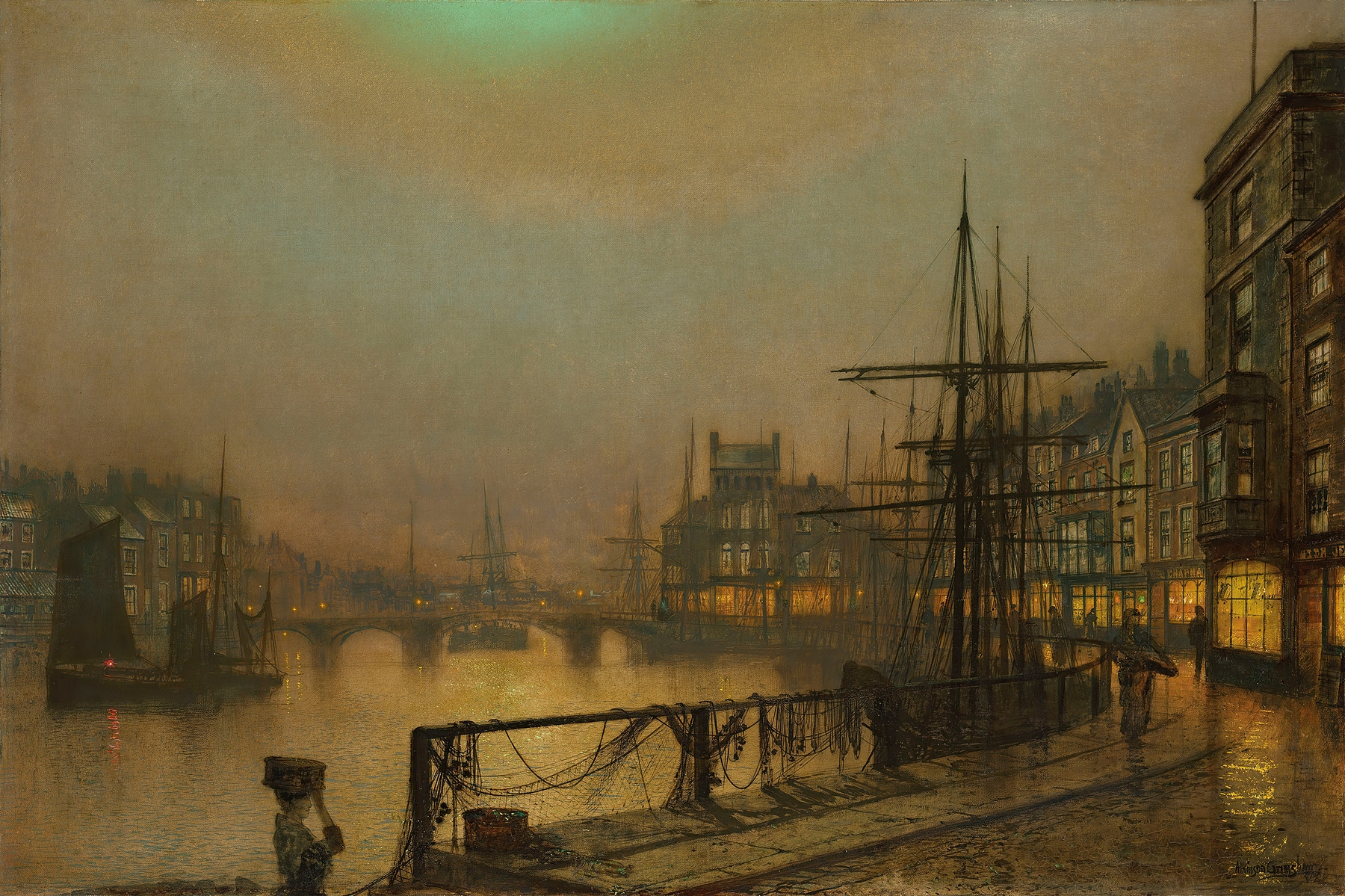
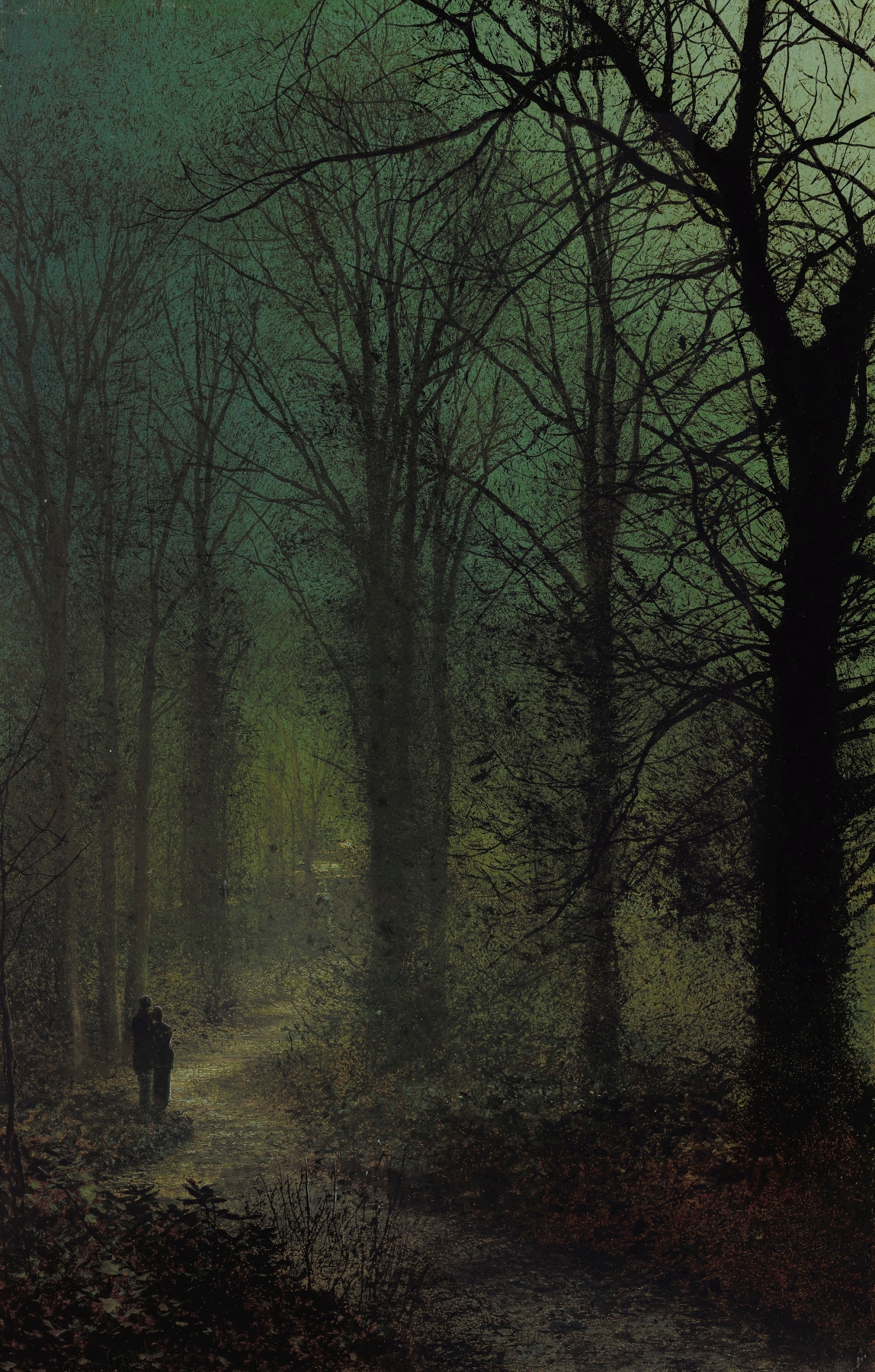
Notice how the figures in the distance, cloaked in deep blues and greens, appear to glide through this enchanted landscape, their silhouettes merging with the tranquil essence of nature. The careful detailing of the trees and the reflective stillness of the water evoke a sense of harmony that is both calming and exhilarating. Delve deeper into the painting, and you may uncover the emotional tensions embedded within its tranquil exterior. The blending of light and shadow not only highlights the beauty of the moment but hints at the inevitable passage of time and the melancholy that accompanies change.
The juxtaposition of warmth in the foliage and the cooler tones of the figures suggests a deeper narrative, one of longing and connection to nature that resonates with the viewer, encapsulating the bittersweet essence of autumn itself. Created in 1889, this piece emerged during a period of significant change in Grimshaw's life. Located in Leeds, England, he was establishing himself as a leading figure in the Aesthetic Movement, reflecting a growing appreciation for beauty and the sublime in art. This era, marked by rapid industrialization, saw artists seeking solace in the natural world, and Grimshaw’s work became a poignant exploration of light, atmosphere, and the quiet moments that life offers amid chaos.