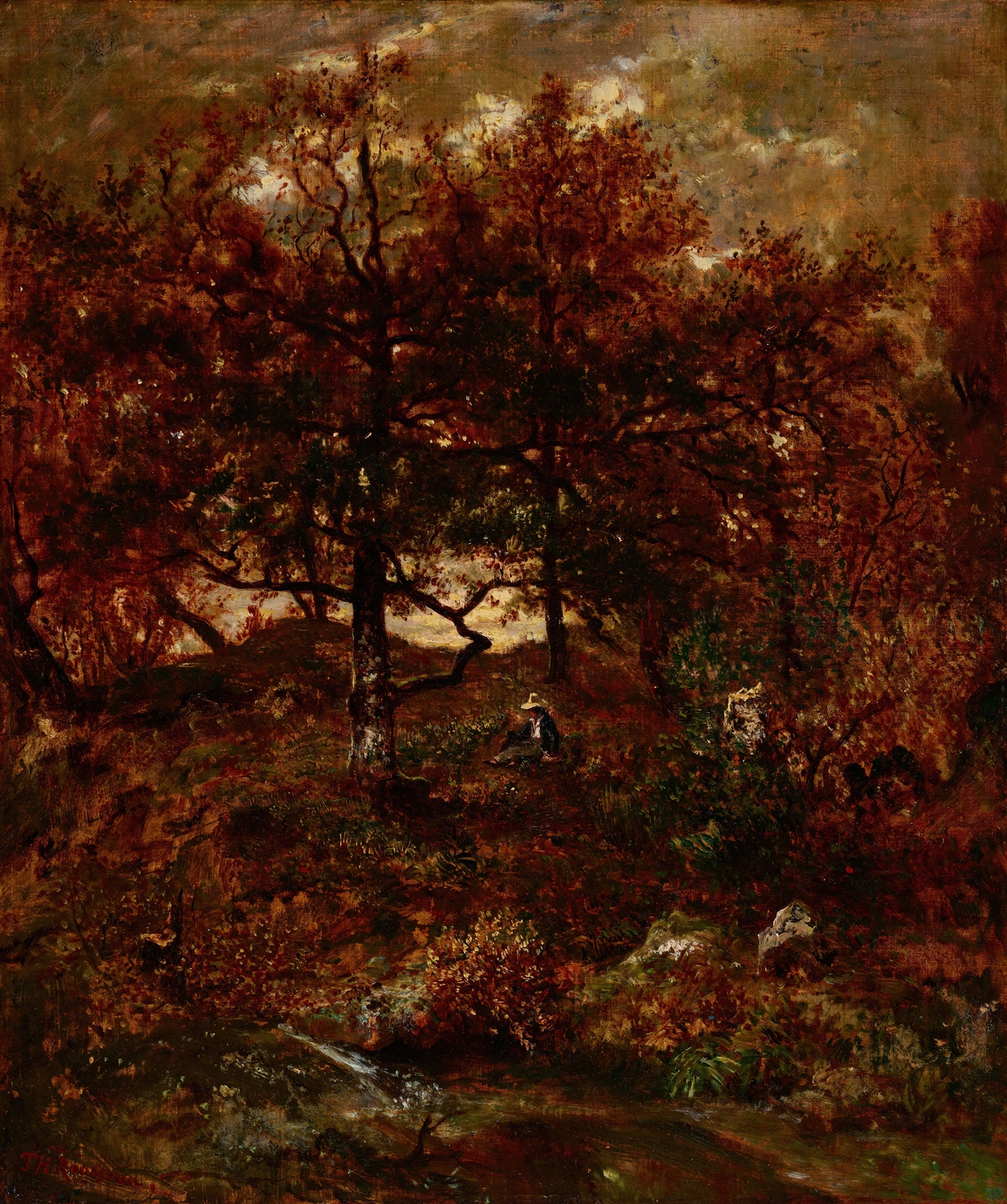
Autumn at St. Jean de Paris, Forest of Fontainebleau — History & Analysis
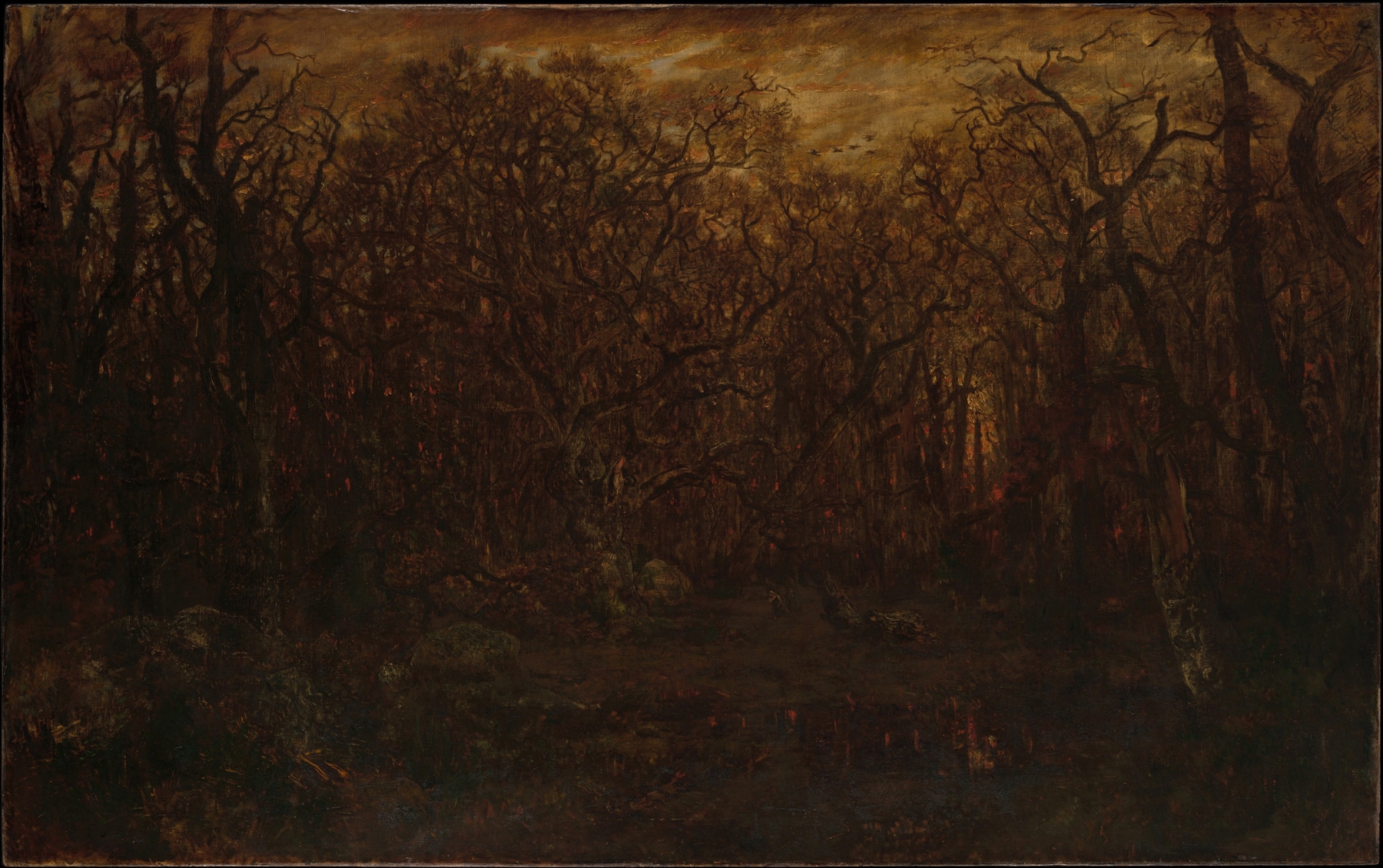
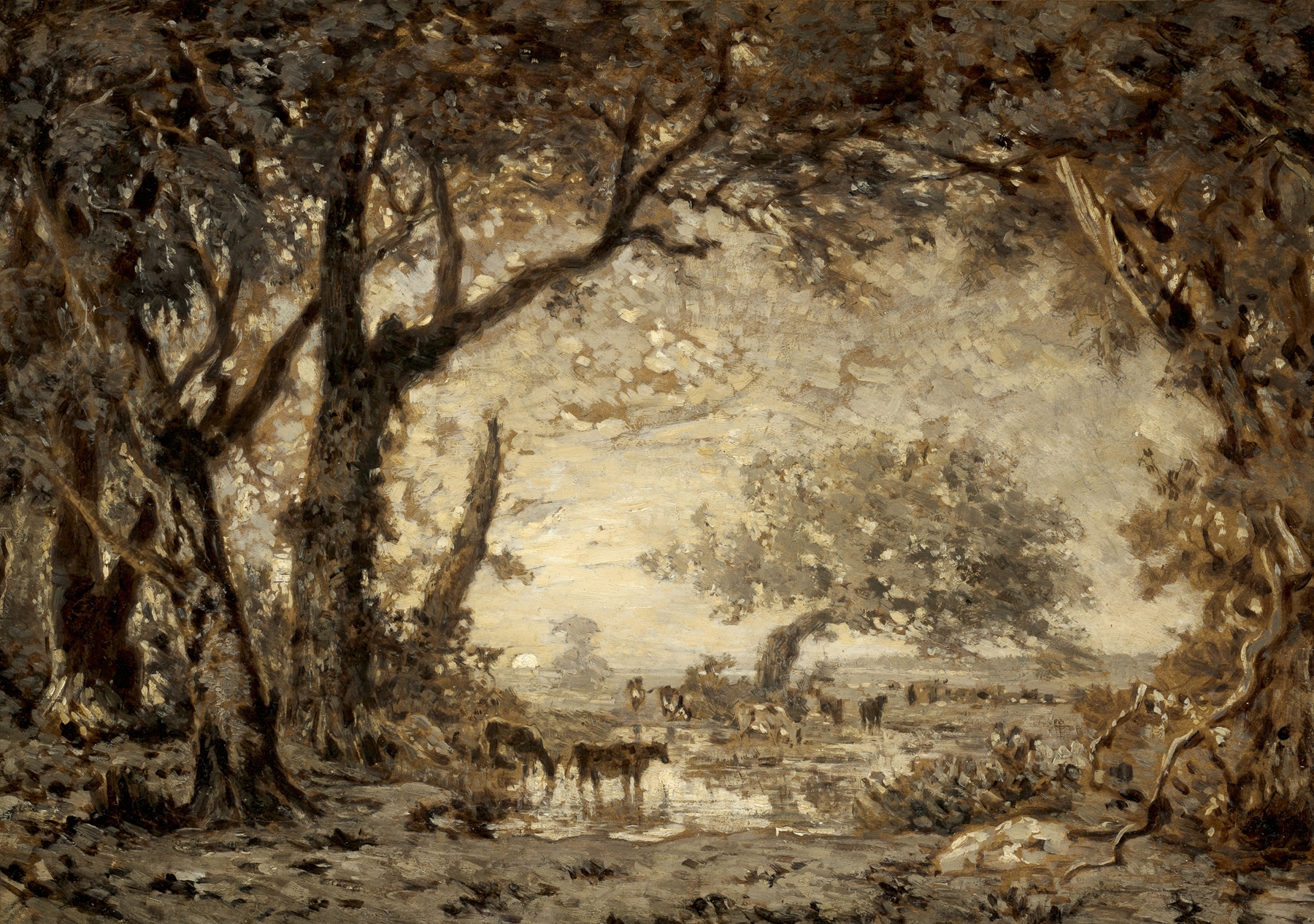
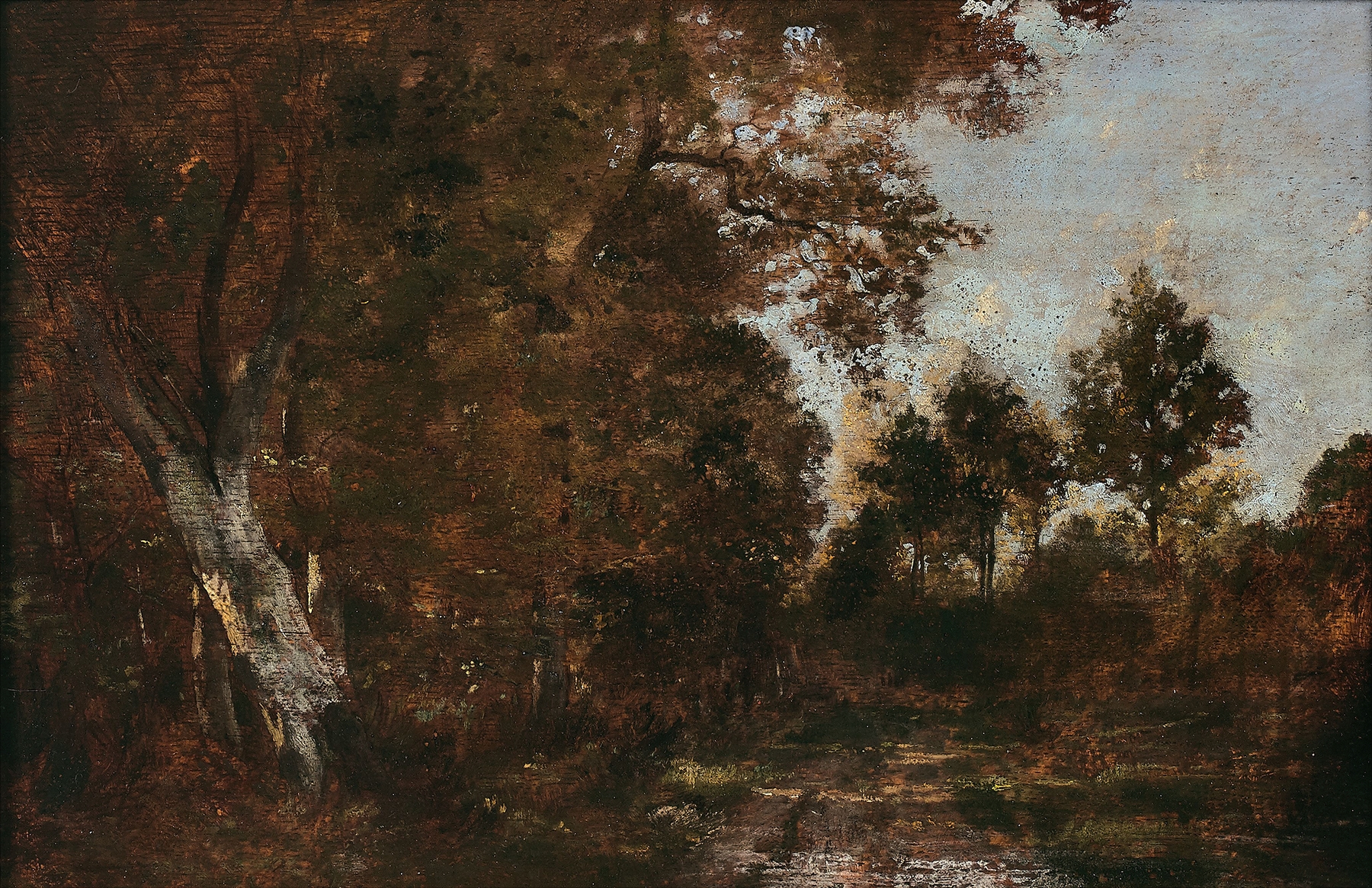
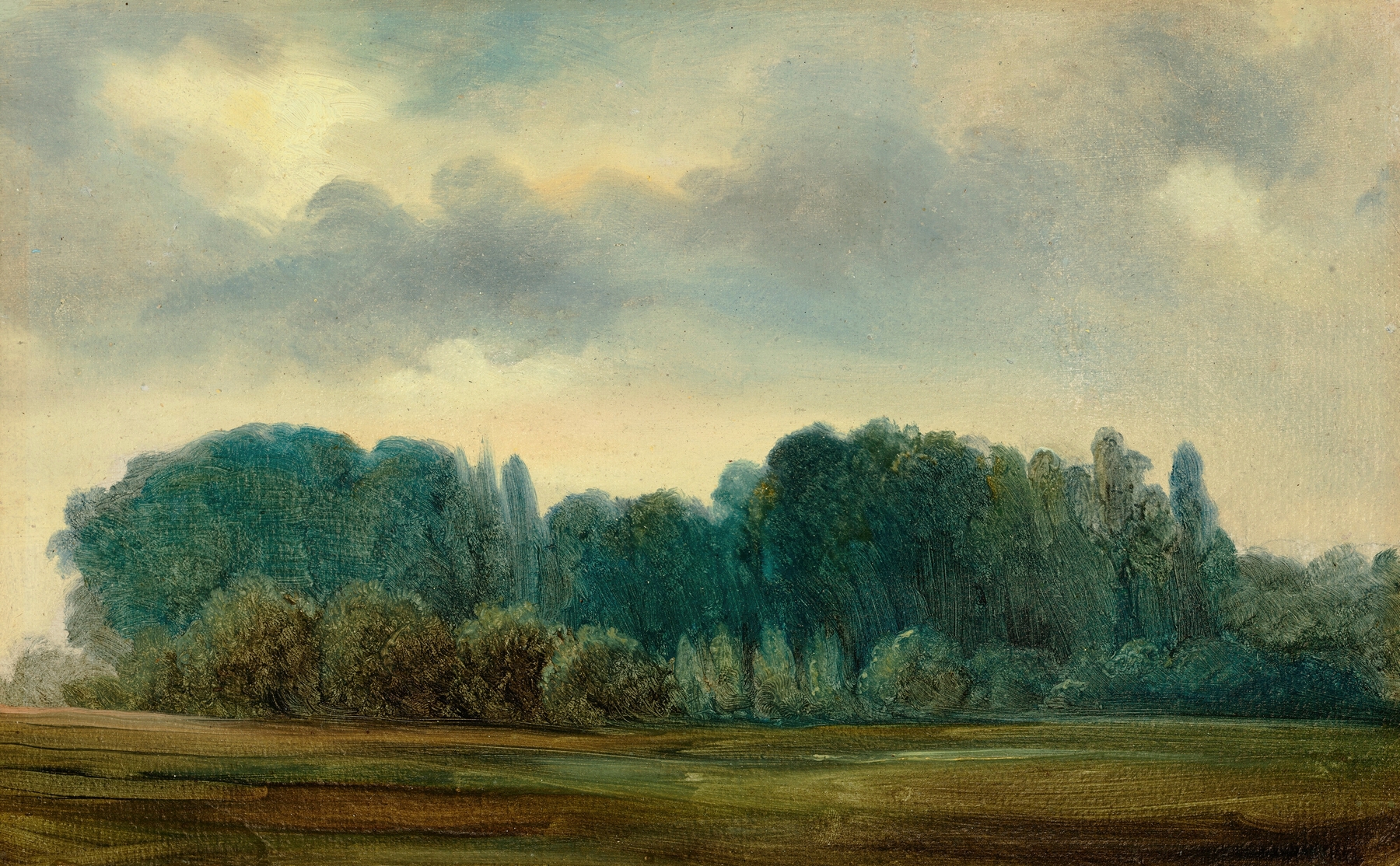
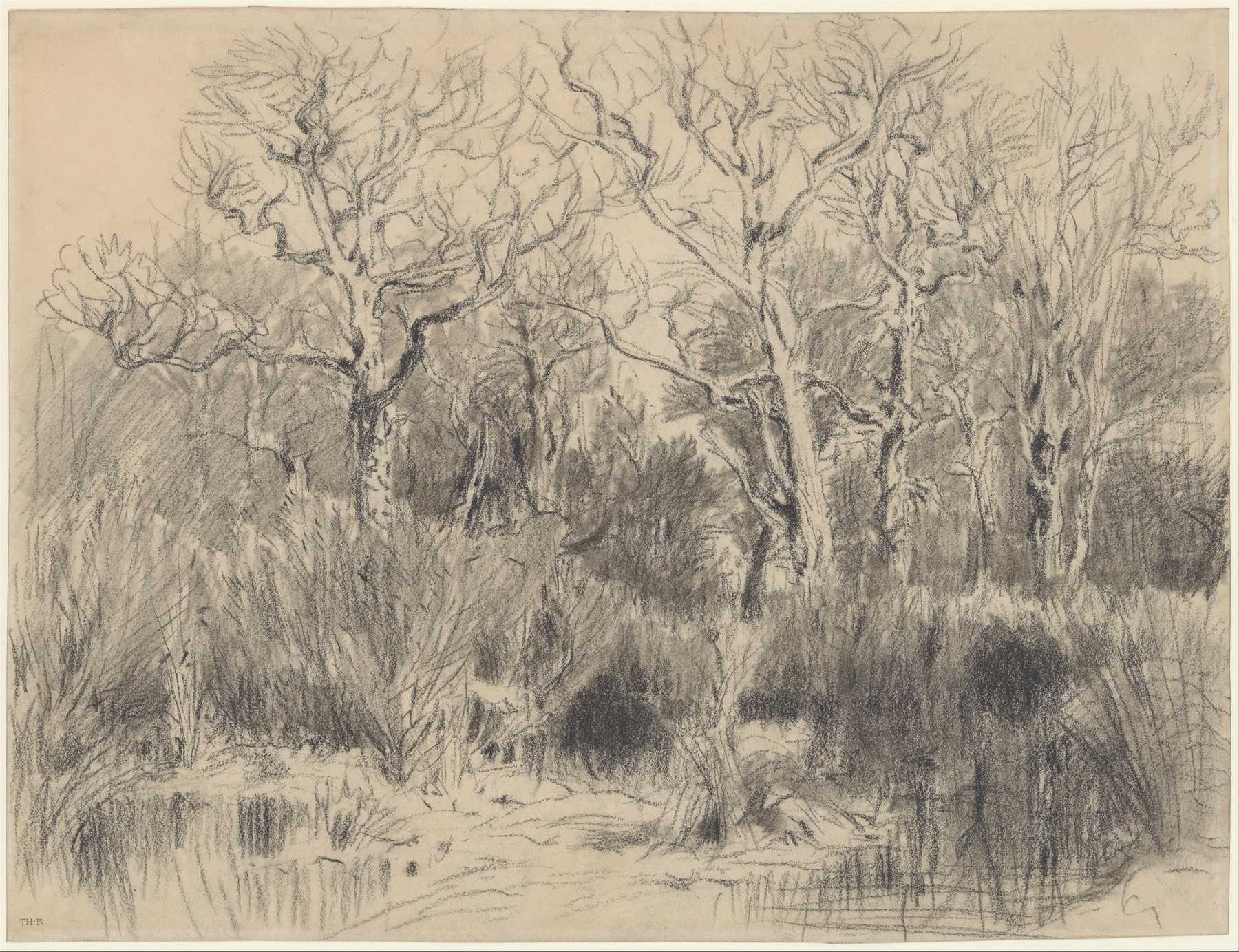
Can beauty exist without sorrow? In the vibrant hues of nature, where the golden leaves dance above a tranquil stream, this poignant question lingers. The duality of existence is a theme beautifully encapsulated in the depths of autumn’s embrace, inviting contemplation on life’s fleeting moments. Look to the left at the gentle curve of the river as it winds through the composition, reflecting the dappled sunlight filtering through the foliage. Notice how the warm oranges and brilliant yellows of the trees contrast with the cool blues of the water, creating a harmonious yet dynamic interplay. The painter’s brushstrokes convey a rich texture, from the rugged bark of the trees to the soft ripples on the water's surface, drawing the viewer into a vivid experience of this serene landscape. Deeper meanings emerge within this scene; the trees stand tall, representing resilience amid the inevitable decay of fall. Each leaf, a fleeting memory, whispers stories of beauty and transience, while the serene waters below suggest a deeper abyss of reflection and introspection. This artwork speaks to the viewer not just visually but emotionally, inviting a dialogue between the joy of nature's beauty and the melancholy of its impermanence. Created in 1846, the work reflects *Rousseau’s* deep connection to the Forest of Fontainebleau during a transformative period in his life. As one of the leading figures in the Barbizon School, he sought to capture the raw essence of nature in a world increasingly consumed by industrialization. His paintings during this time revealed a yearning for authenticity and an exploration of the divine found in the natural world, echoing the broader Romantic movement.