Autumn Gold — History & Analysis
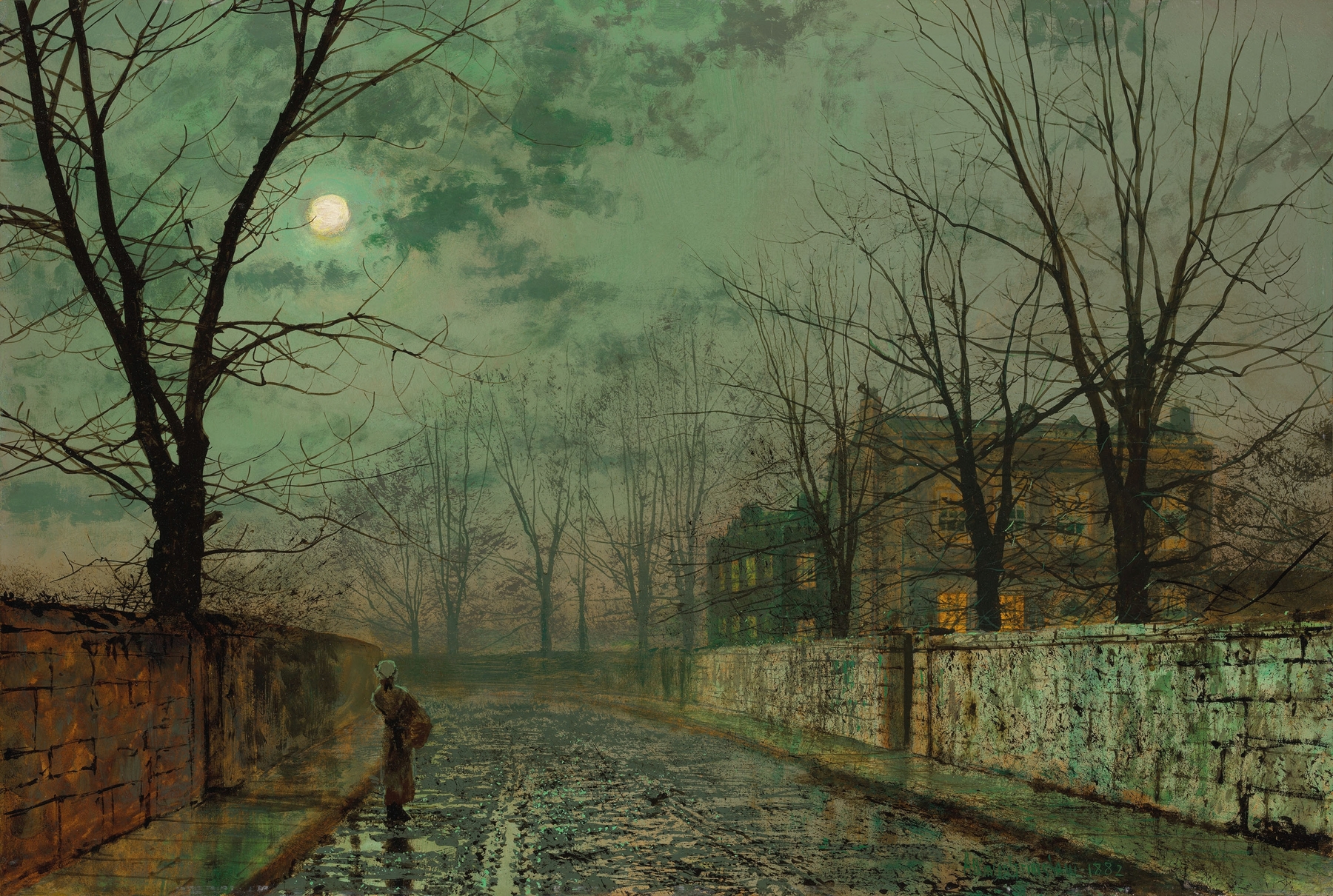
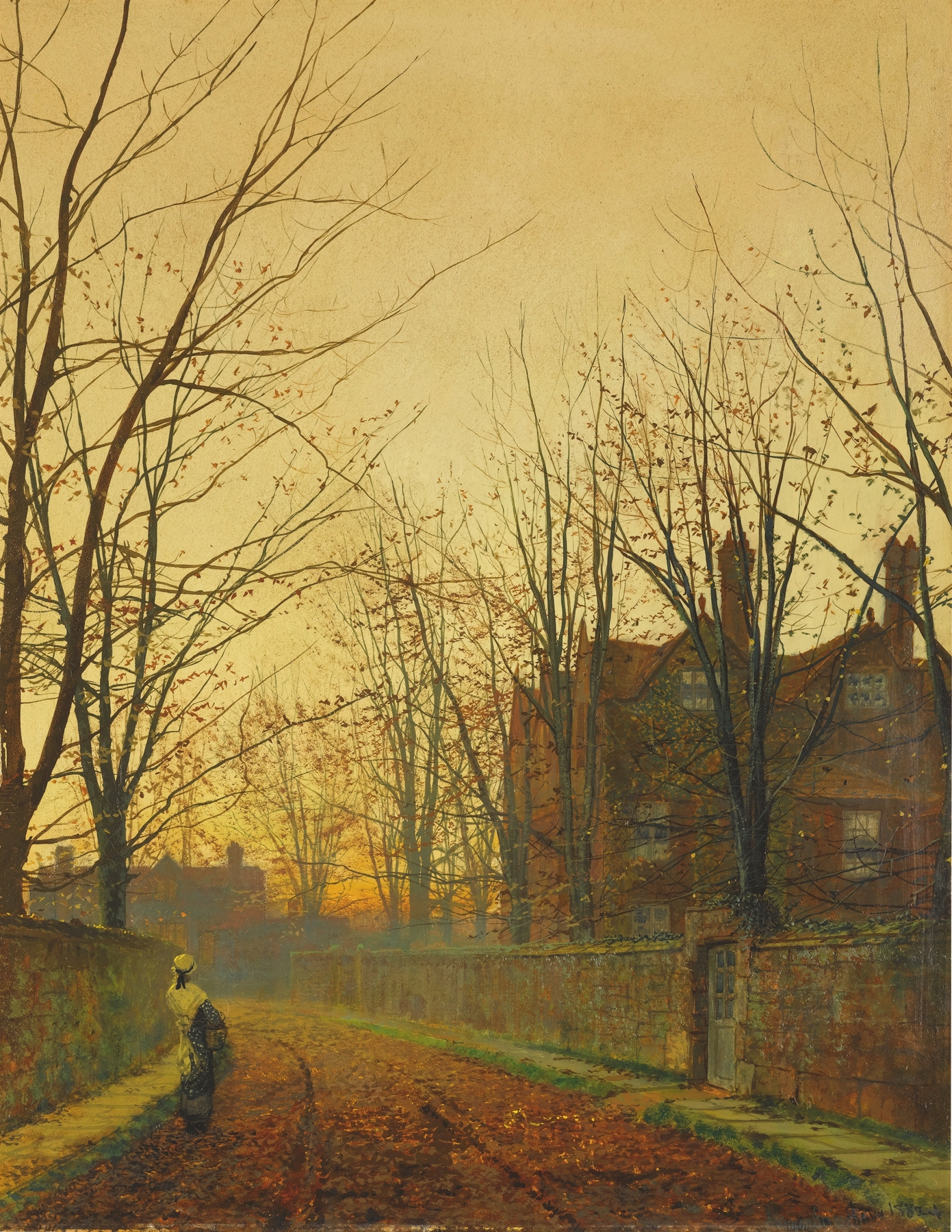
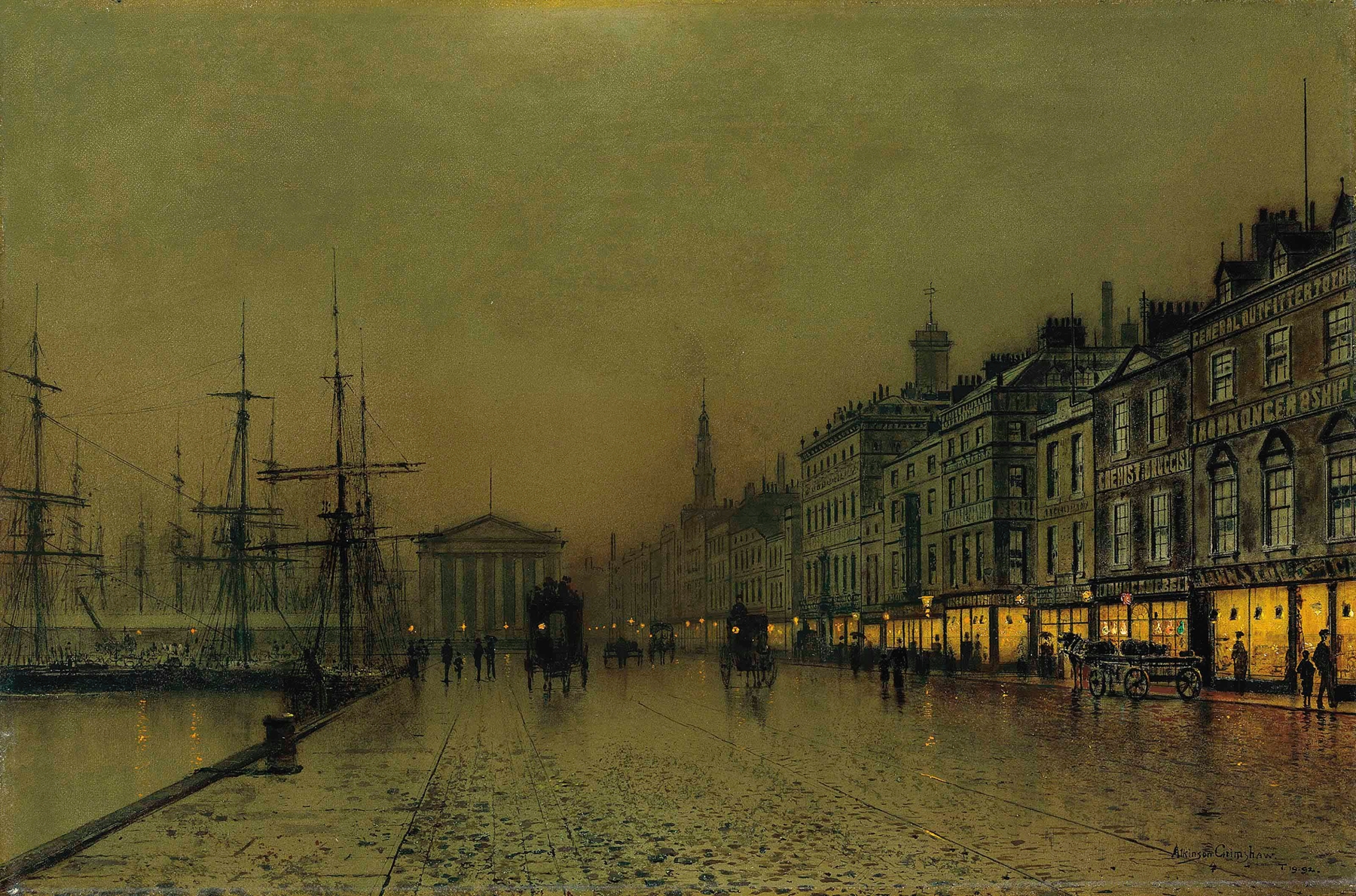
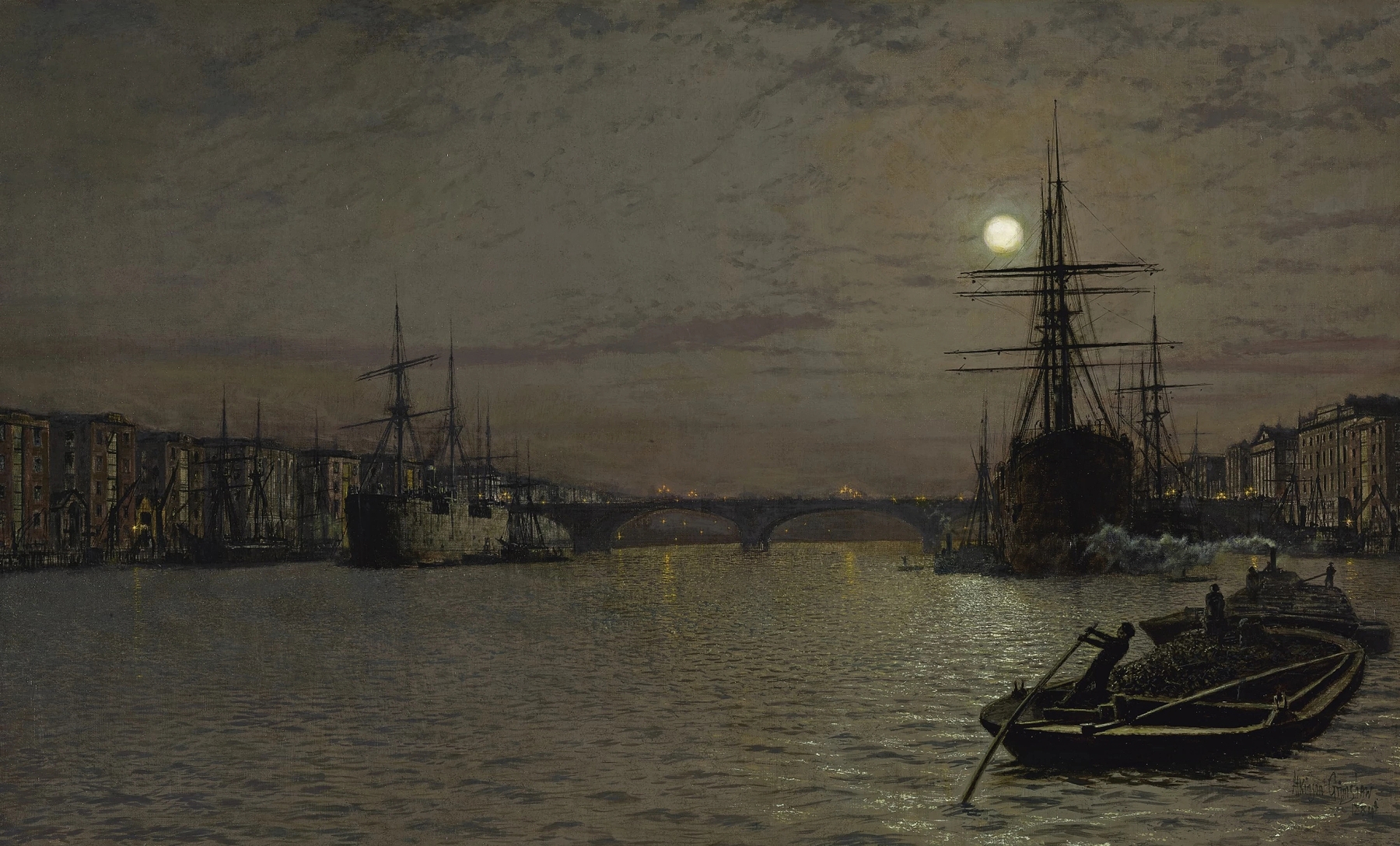
What if beauty was never meant to be finished? In Autumn Gold, the colors of a fading day whisper stories of fleeting moments, urging viewers to pause and reflect. Look to the center of the canvas where a golden-hued path winds its way through a dense forest. The warm earth tones blend seamlessly with soft ambers and deep russets, creating a sense of harmony with nature.
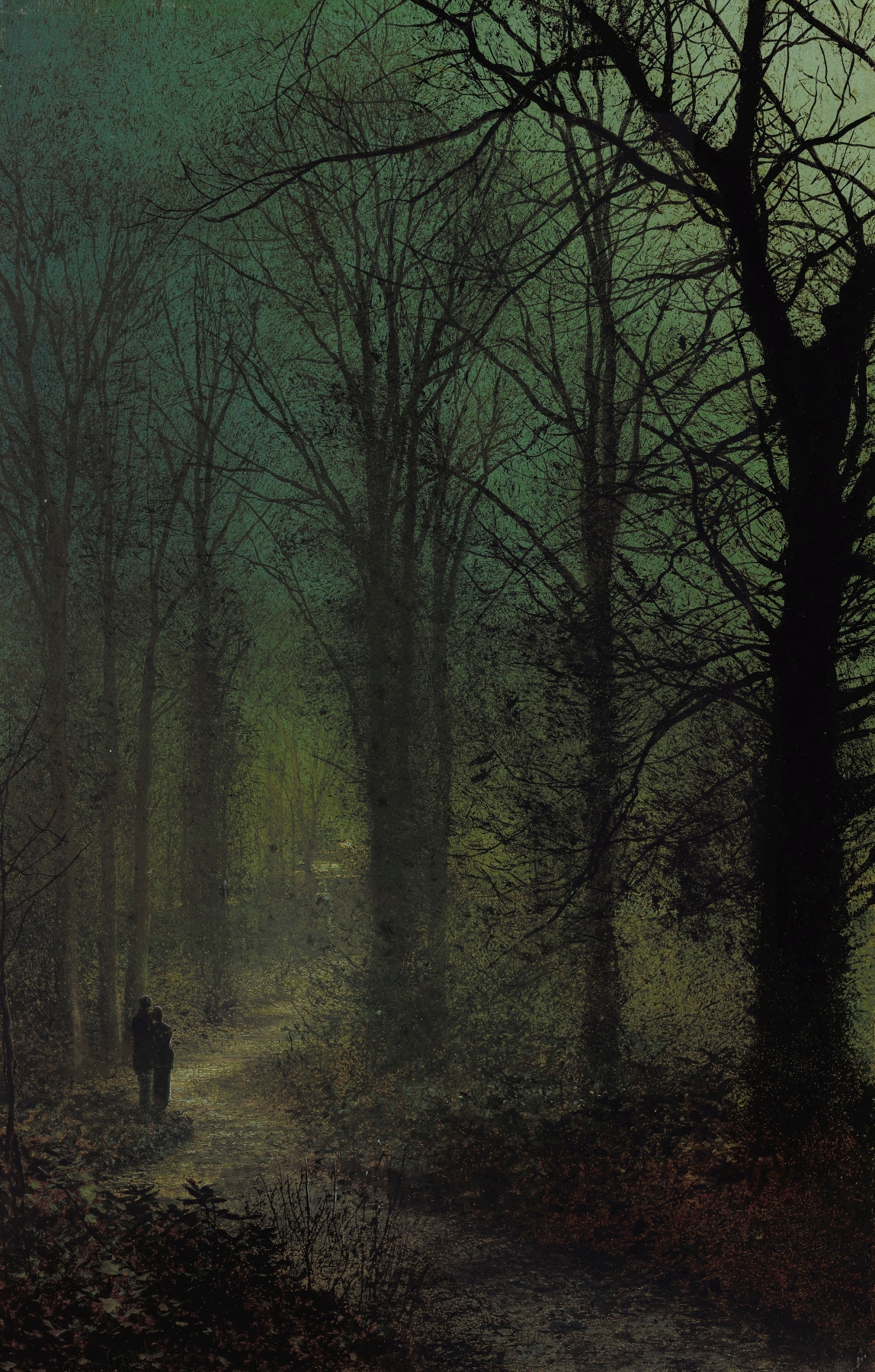
Notice how the light filters through the branches, casting intricate patterns on the ground, while a delicate mist clings to the trees, evoking both mystery and warmth. Grimshaw’s masterful use of chiaroscuro heightens the contrast between the illuminated areas and the shadowy depths, inviting us deeper into this autumnal reverie. Delve into the subtle contrasts embedded within this landscape. The richness of the golds against the cool blues hints at the transitional nature of autumn, a time of letting go yet bursting with vibrant life.
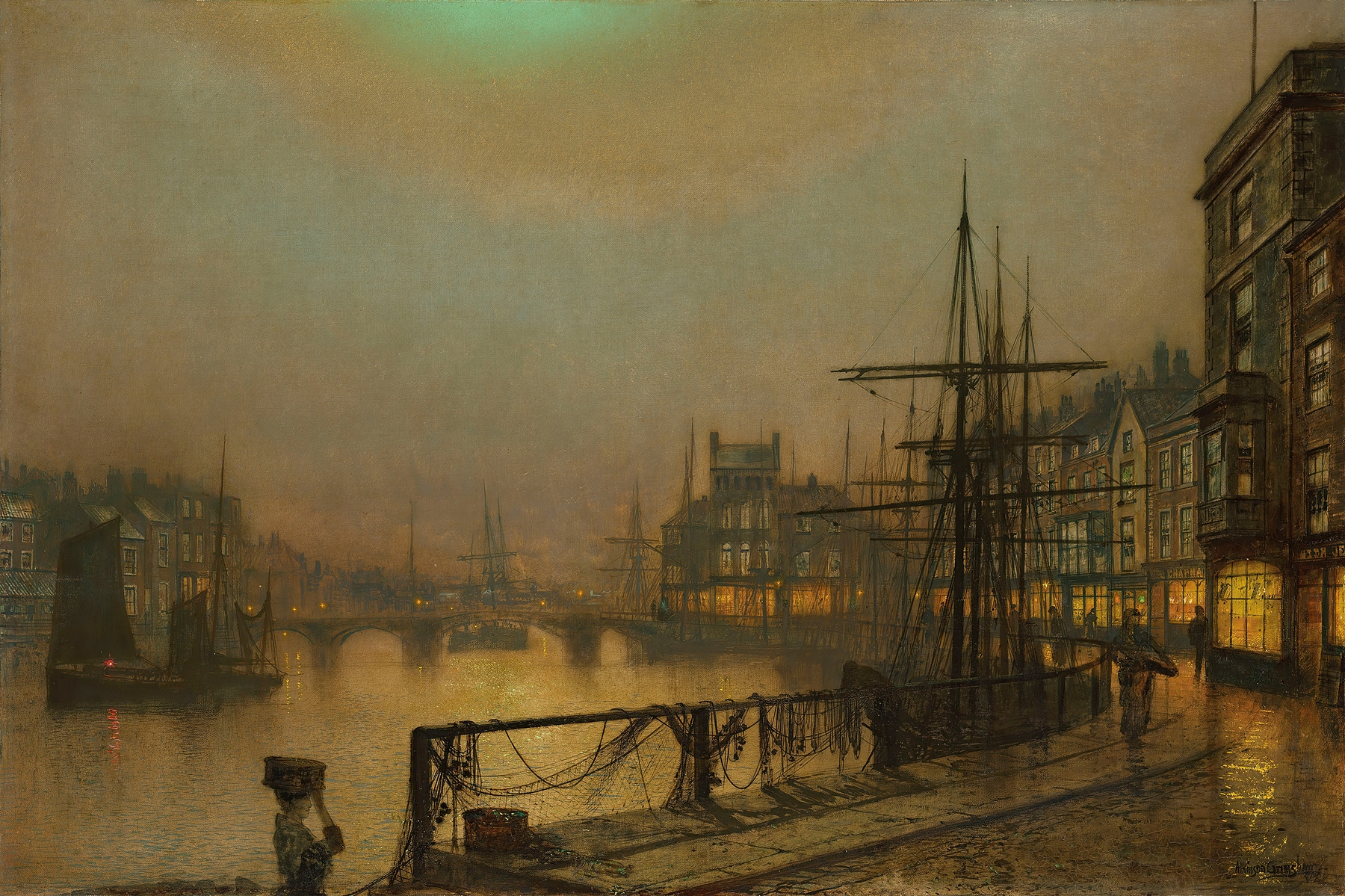
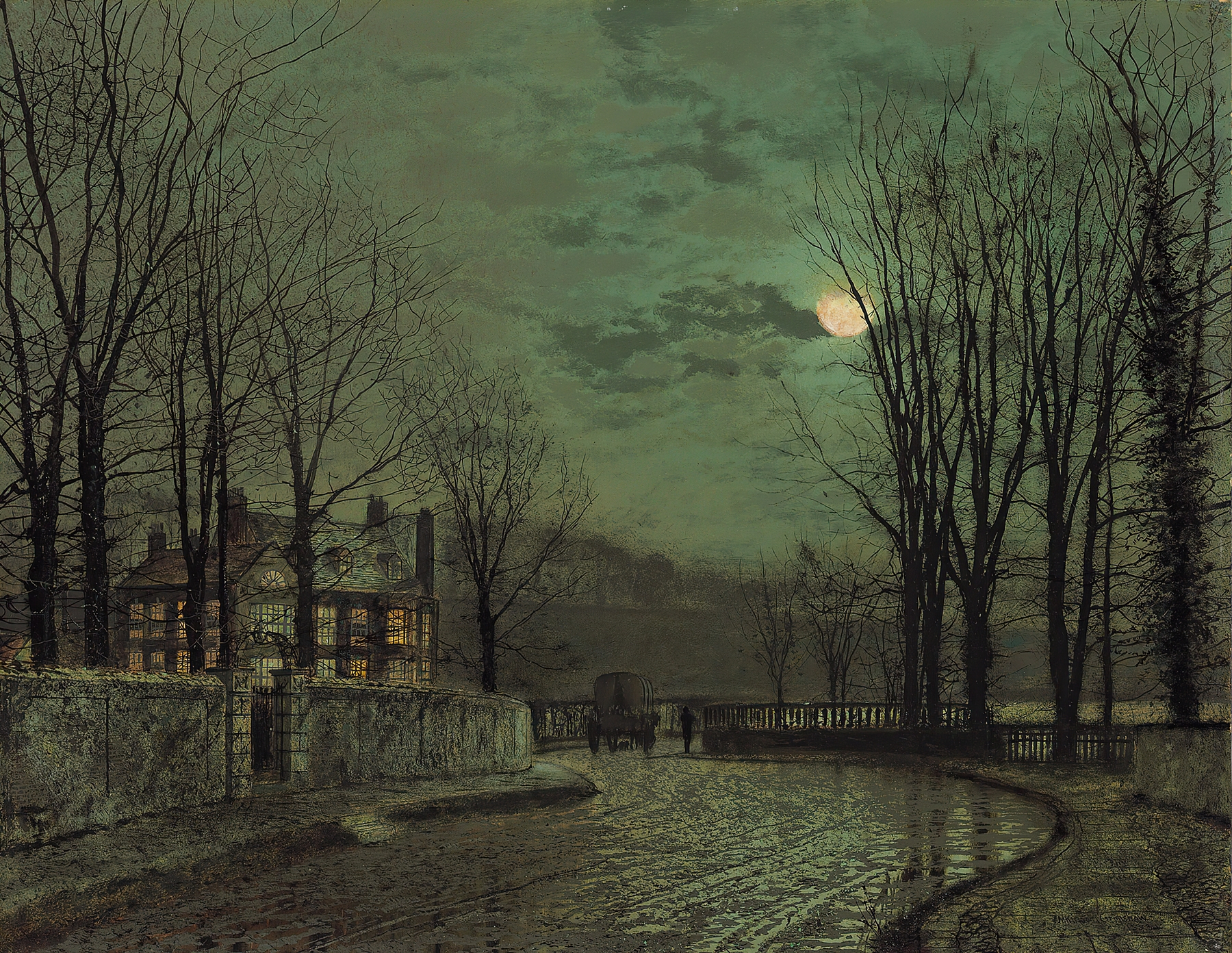
Every leaf appears to hold a story, shimmering with life before the inevitable stillness of winter descends. The composition radiates a tranquil yet melancholic energy, suggesting that beauty, while breathtaking, is often ephemeral. In 1880, while residing in Leeds, Grimshaw created this piece amidst a growing fascination with the Pre-Raphaelite movement, which emphasized vivid color and natural beauty. At a time when industrialization threatened the pastoral landscape, he sought to capture the essence of nature in all its glory, reflecting both his personal artistry and the broader context of the Victorian era’s appreciation for the sublime in the natural world.