Autumn Landscape, Sugar Loaf Mountain, Orange County, New York — History & Analysis
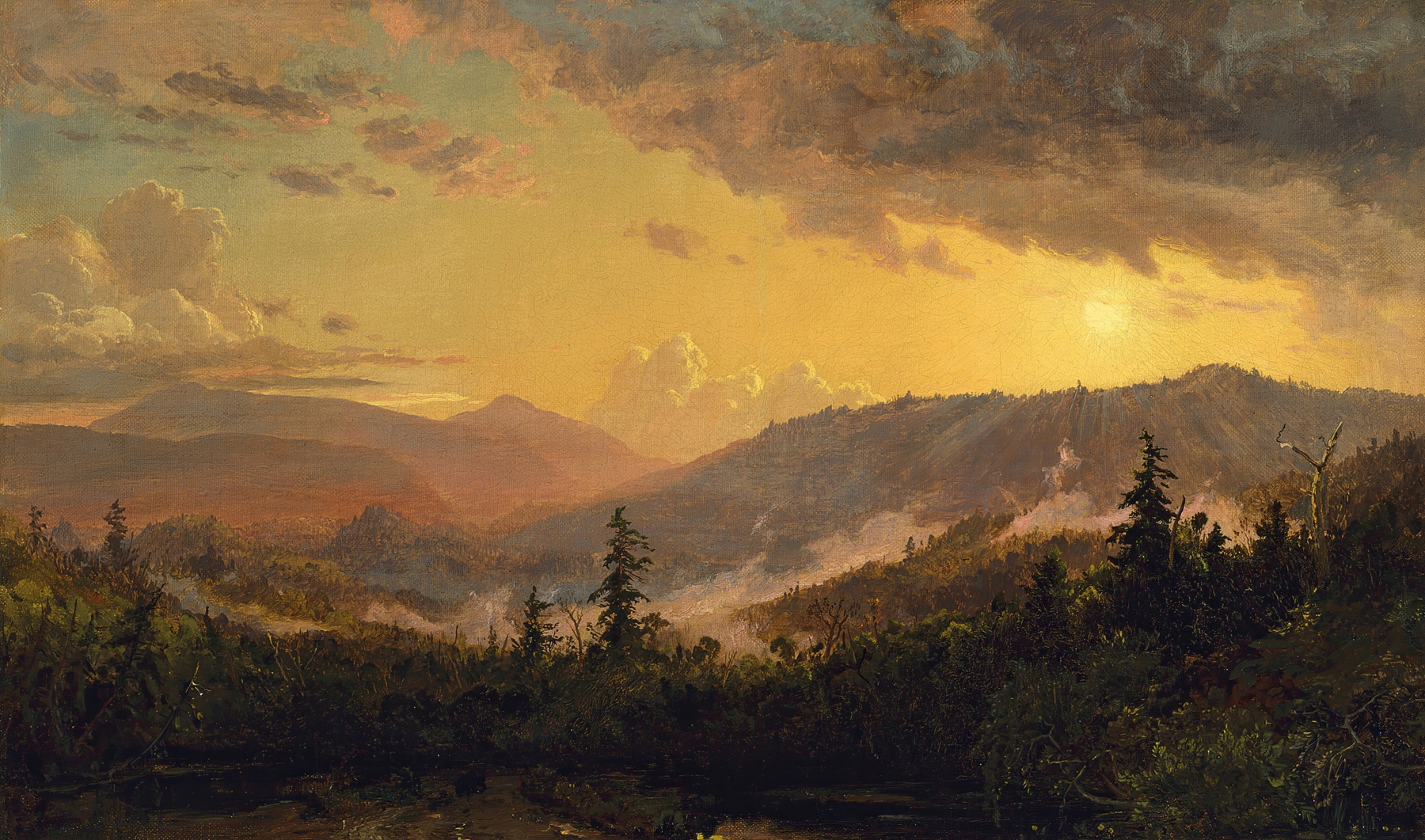
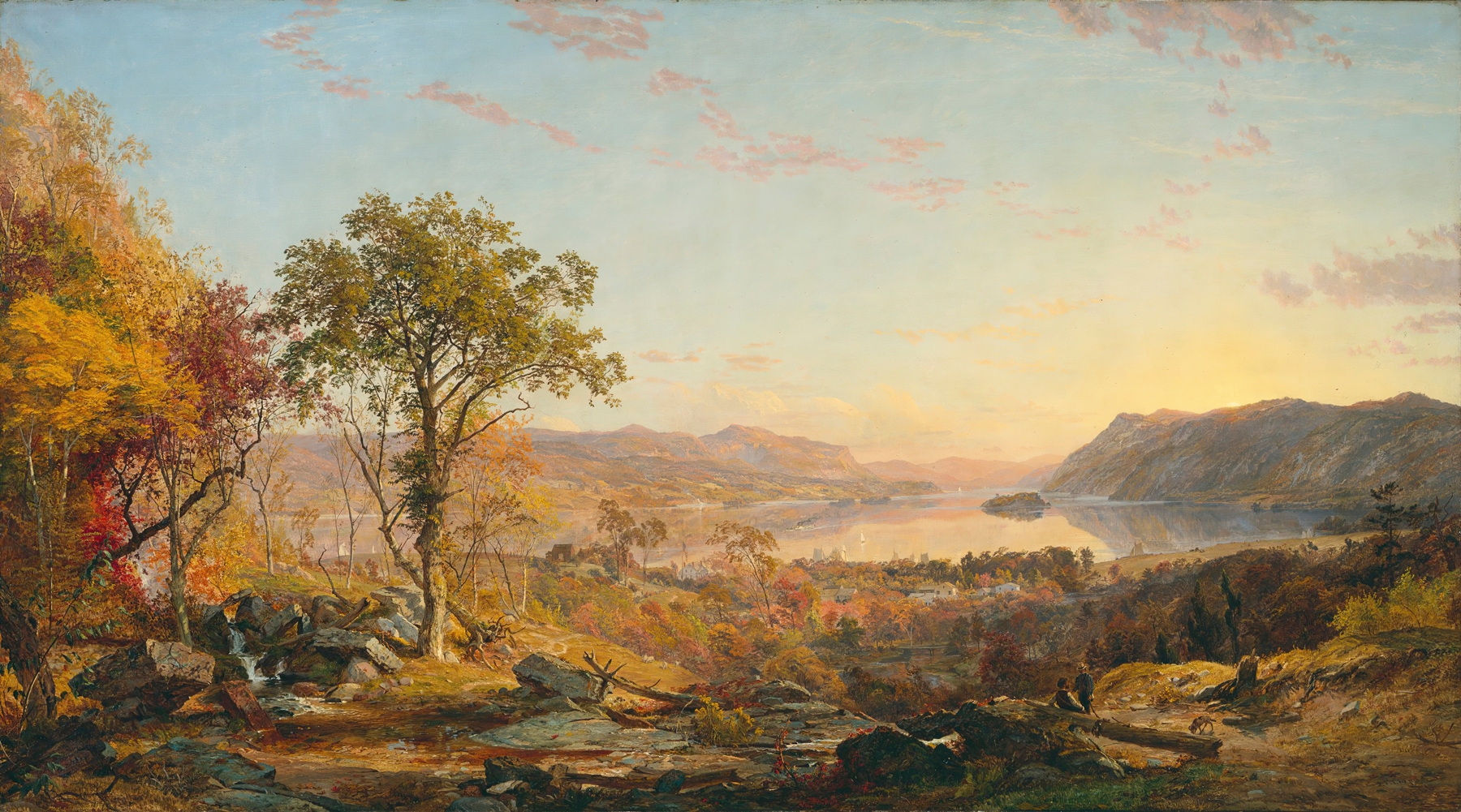
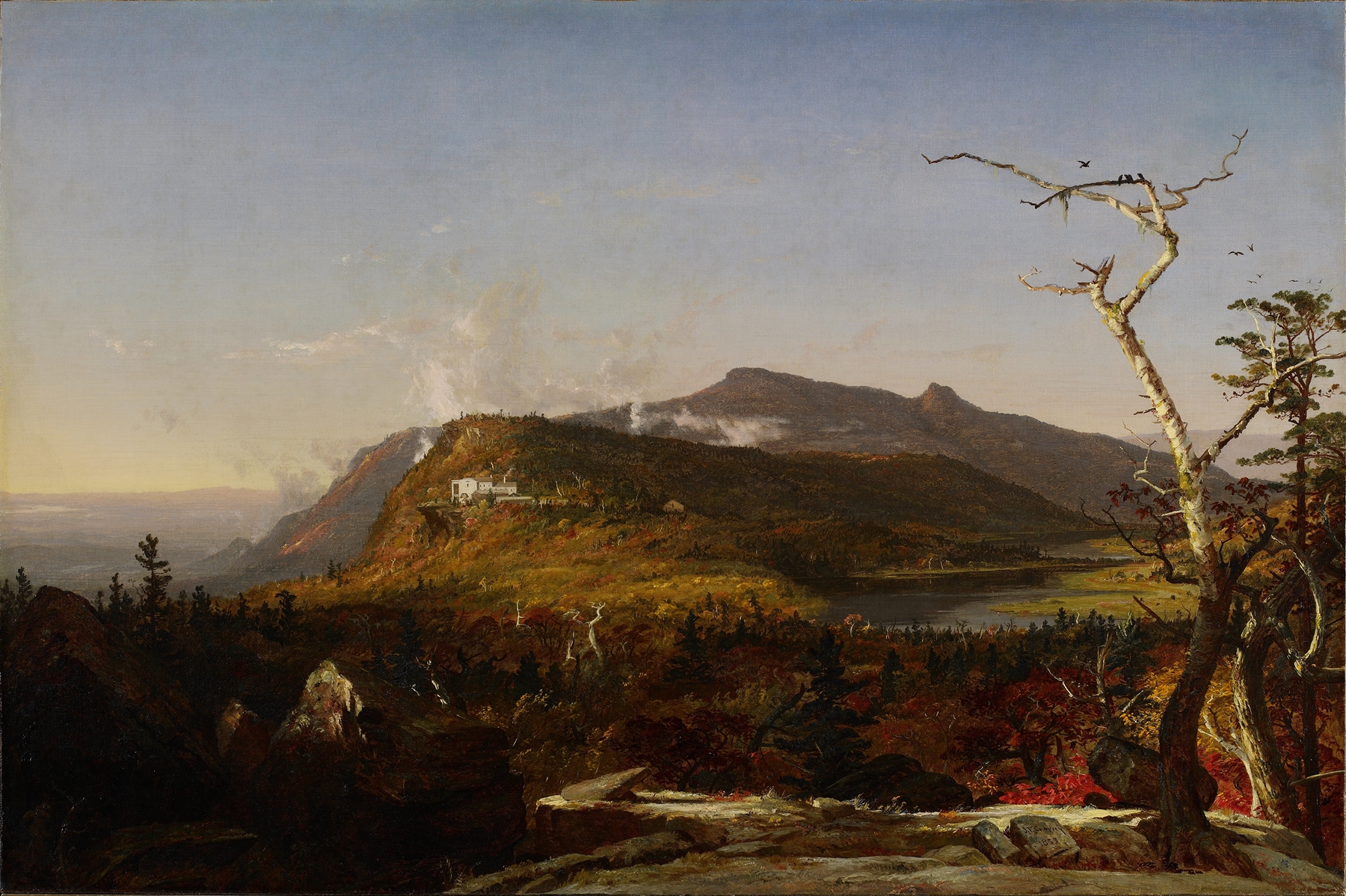
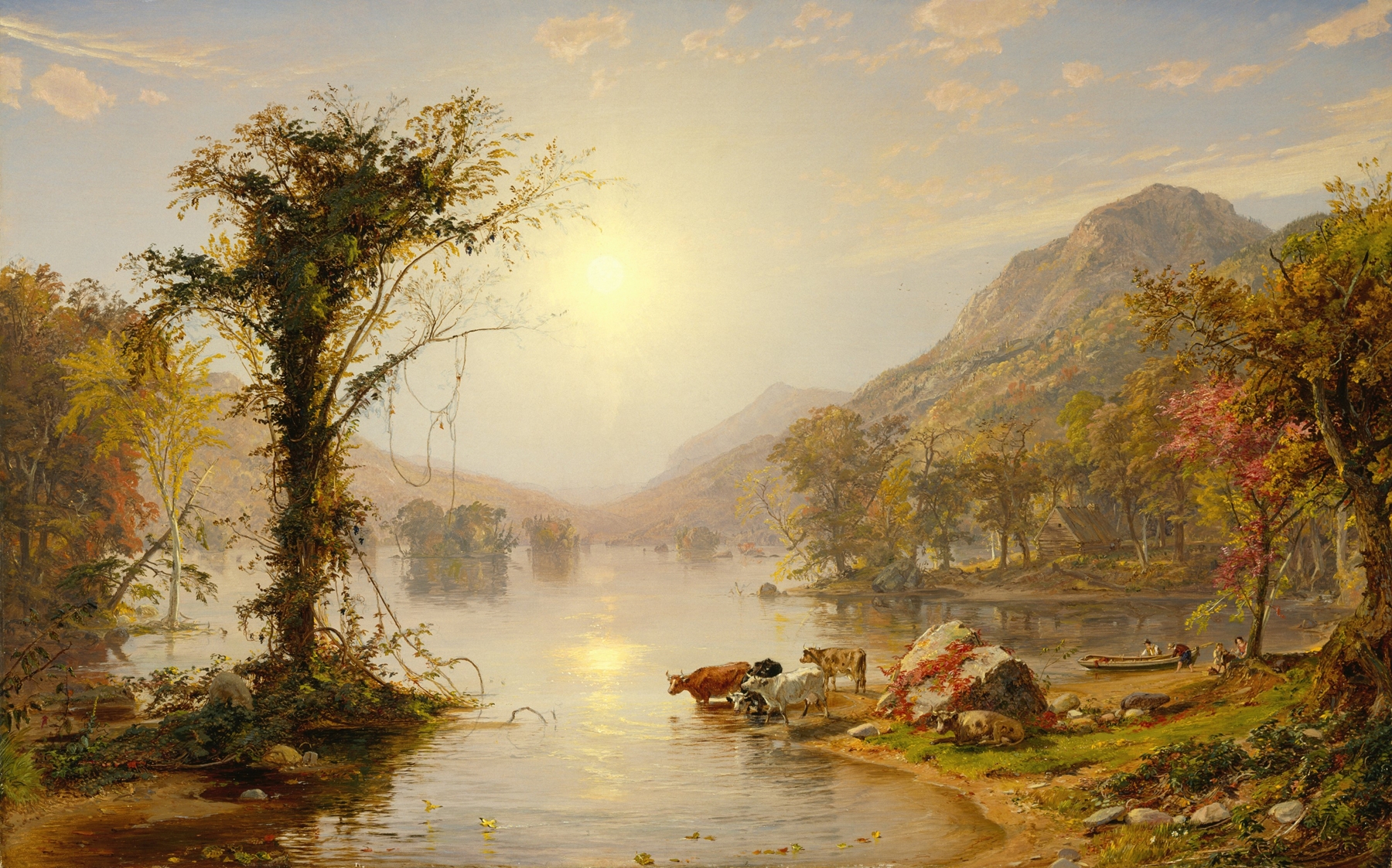
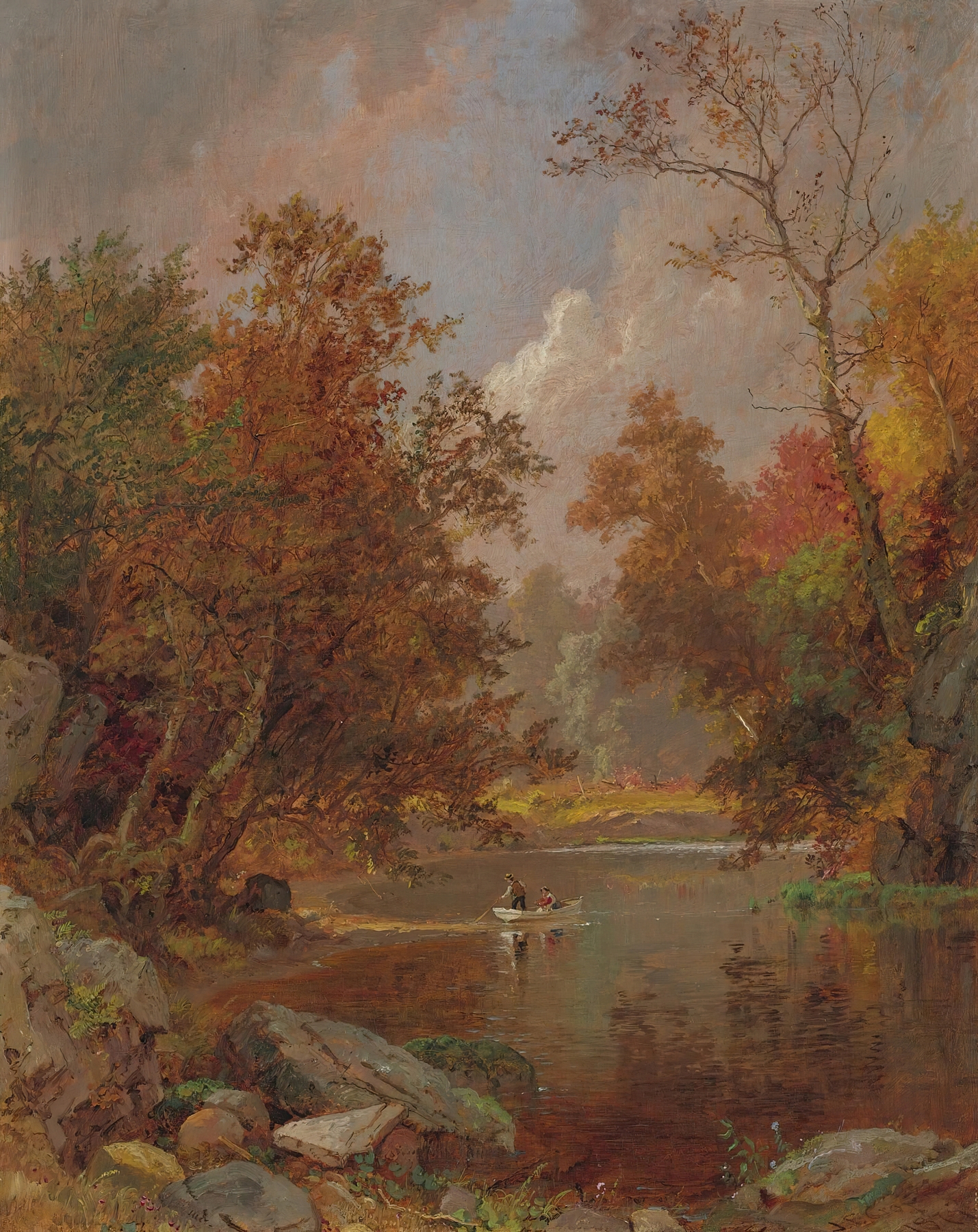
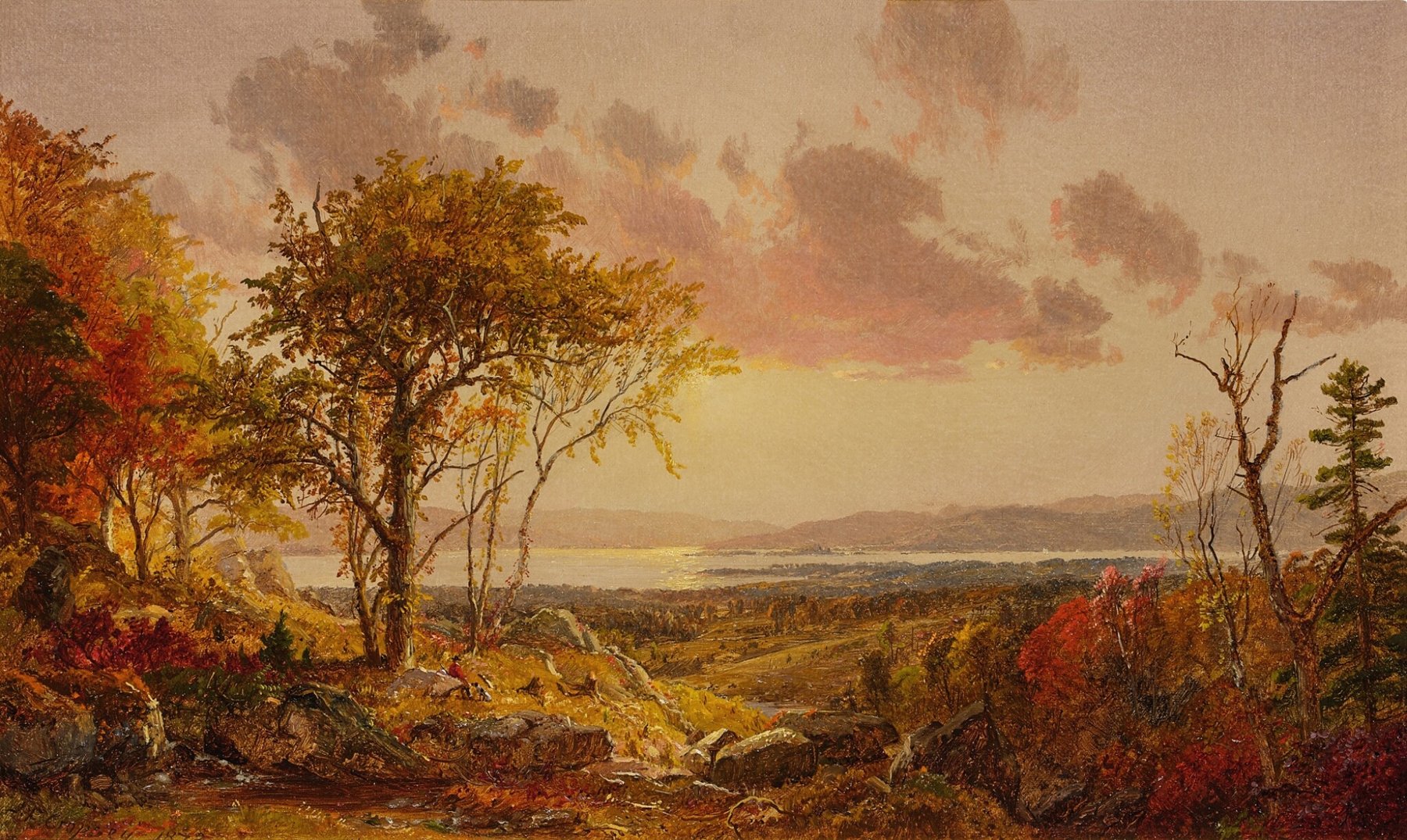
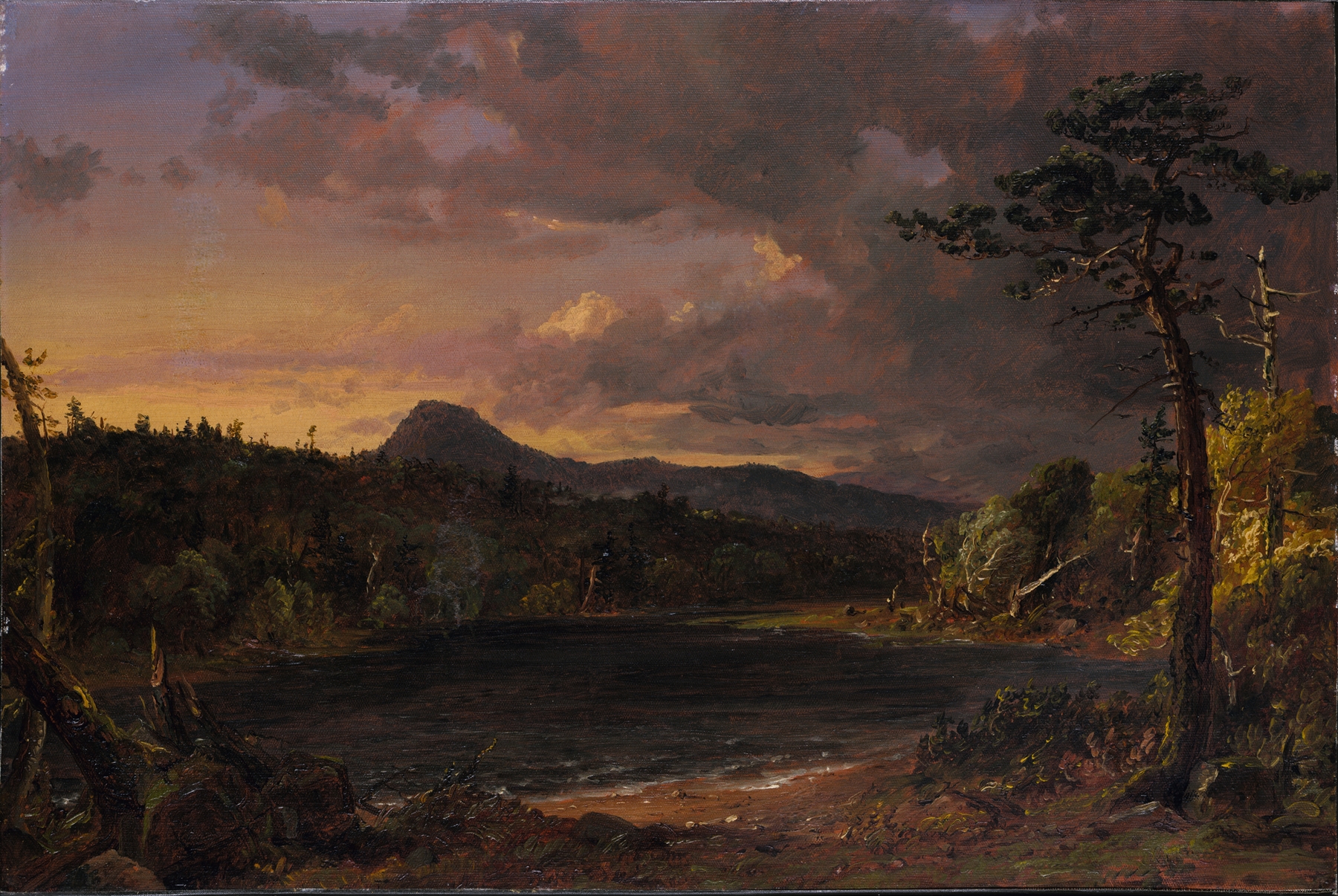
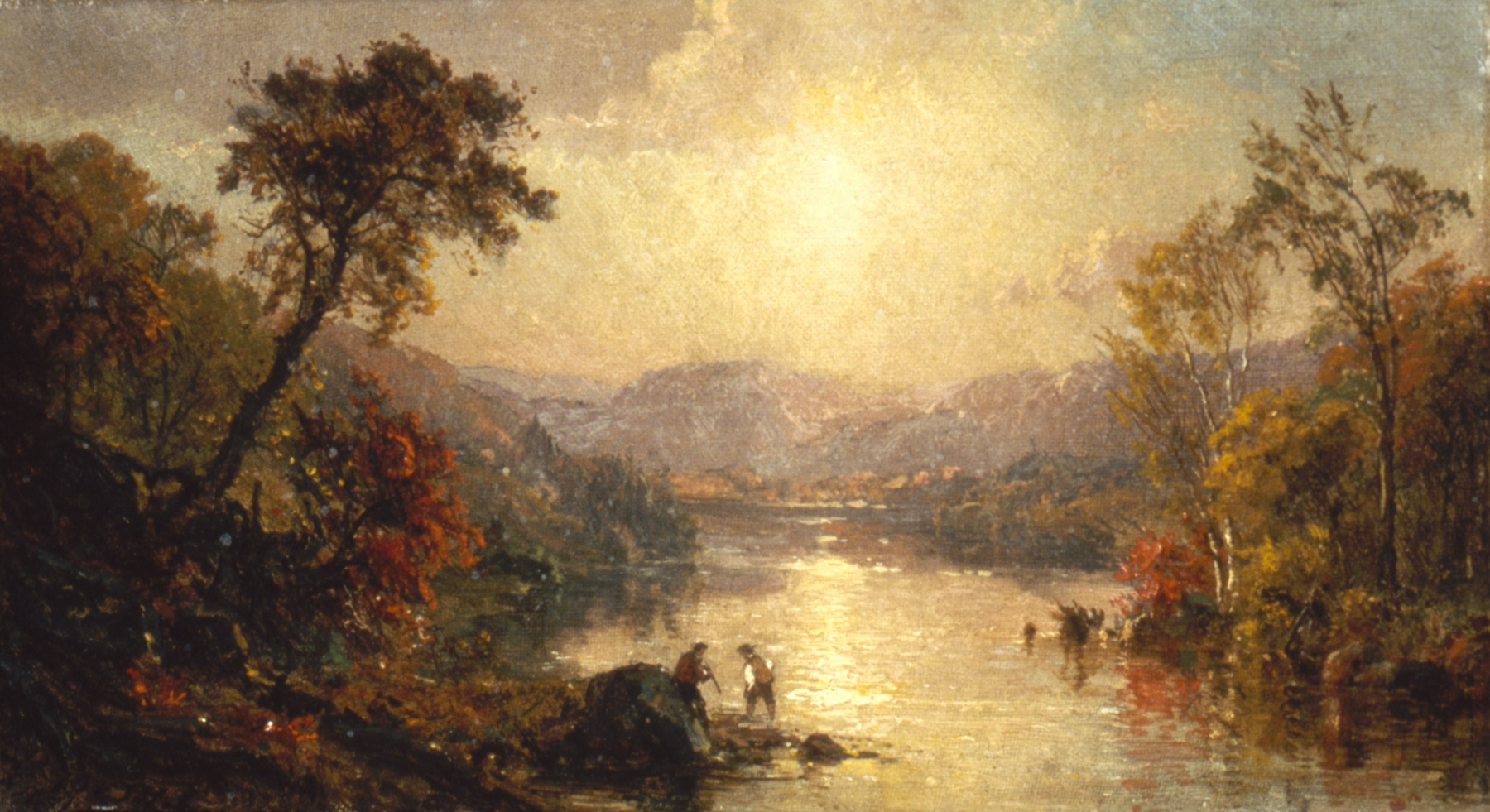
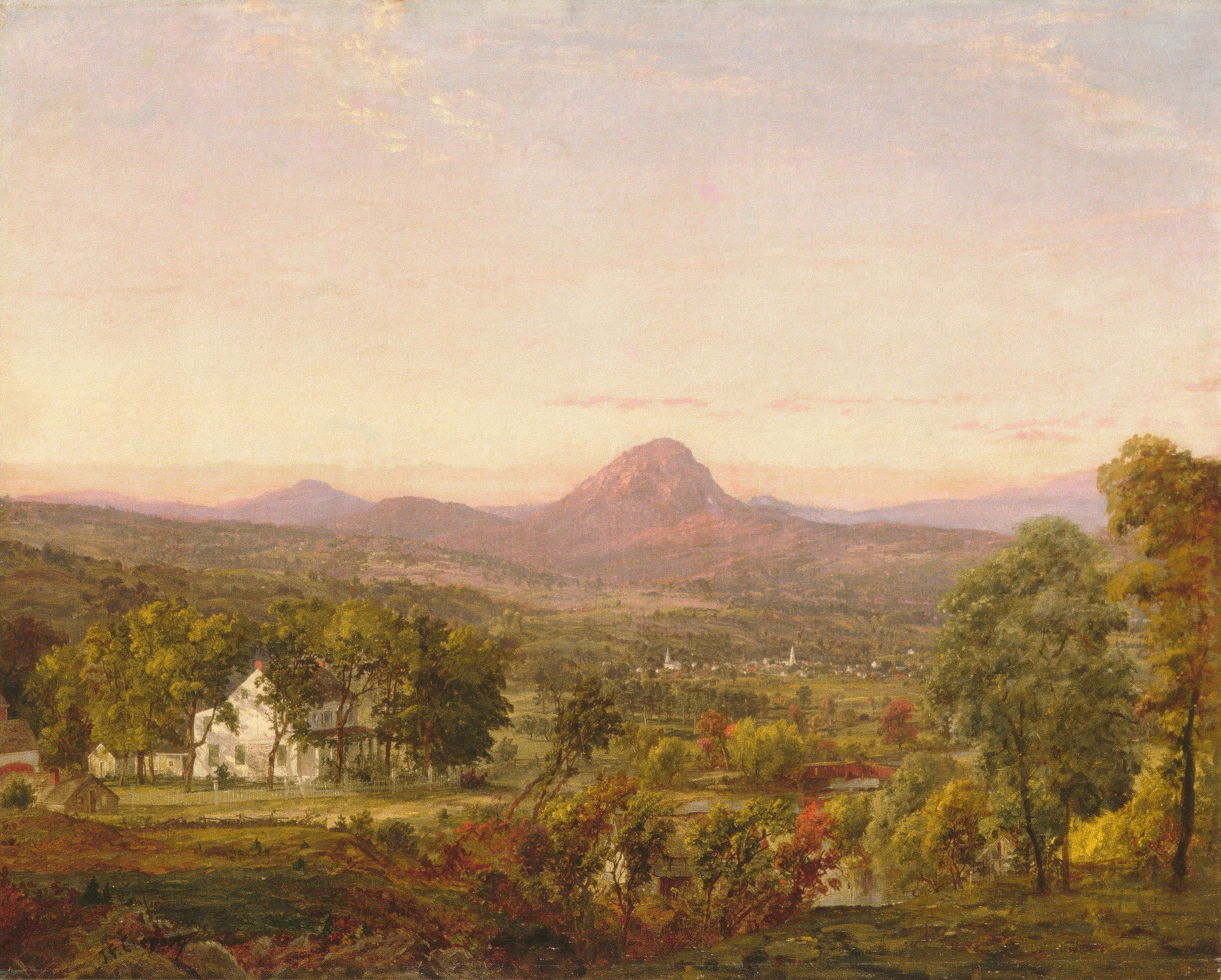
What secret hides in the quiet of the canvas? A landscape clothed in the hues of autumn breathes a soft melancholy, inviting reflection on nature's fleeting beauty and the passage of time. Focus on the sweeping vista painted before you, where the Sugar Loaf Mountain rises regally amid a tapestry of ember and gold foliage. Notice how the vibrant oranges and deep reds stretch across the canvas, mirroring the light of a fading day, enveloping the scene in a soft, warming glow.
The brushstrokes are both deliberate and gentle, guiding the eye through a serene expanse that feels both expansive and intimate. As you delve deeper, observe the subtle contrasts between the vibrant leaves and the cool, muted sky, suggesting a tension between life and decay. The distant mountains appear resolute, yet shrouded in mist, evoking a sense of longing and the inevitable cycle of change.
This interplay of light and shadow encapsulates the bittersweet nature of autumn, a time when beauty is at its peak, yet already on the verge of retreat. In this period of 1870-75, the artist was rooted in the Hudson River School tradition, focusing on American landscapes and the transcendence of nature. Cropsey was reflecting a growing national identity in a post-Civil War America, where the landscape became a symbol of both solace and reflection, capturing the shared human experience of melancholy in the embrace of the natural world.