Autumn on the Hudson River — History & Analysis
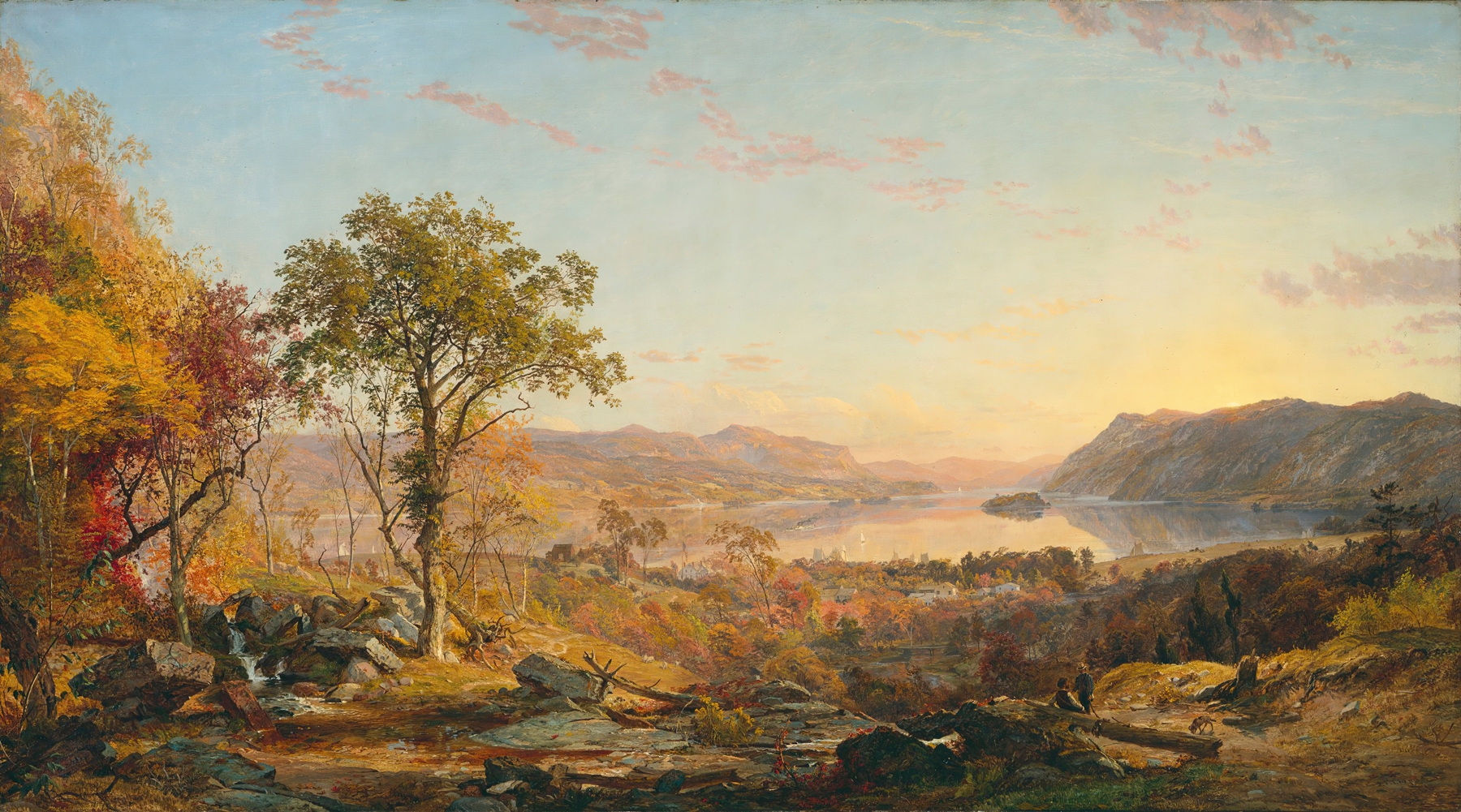
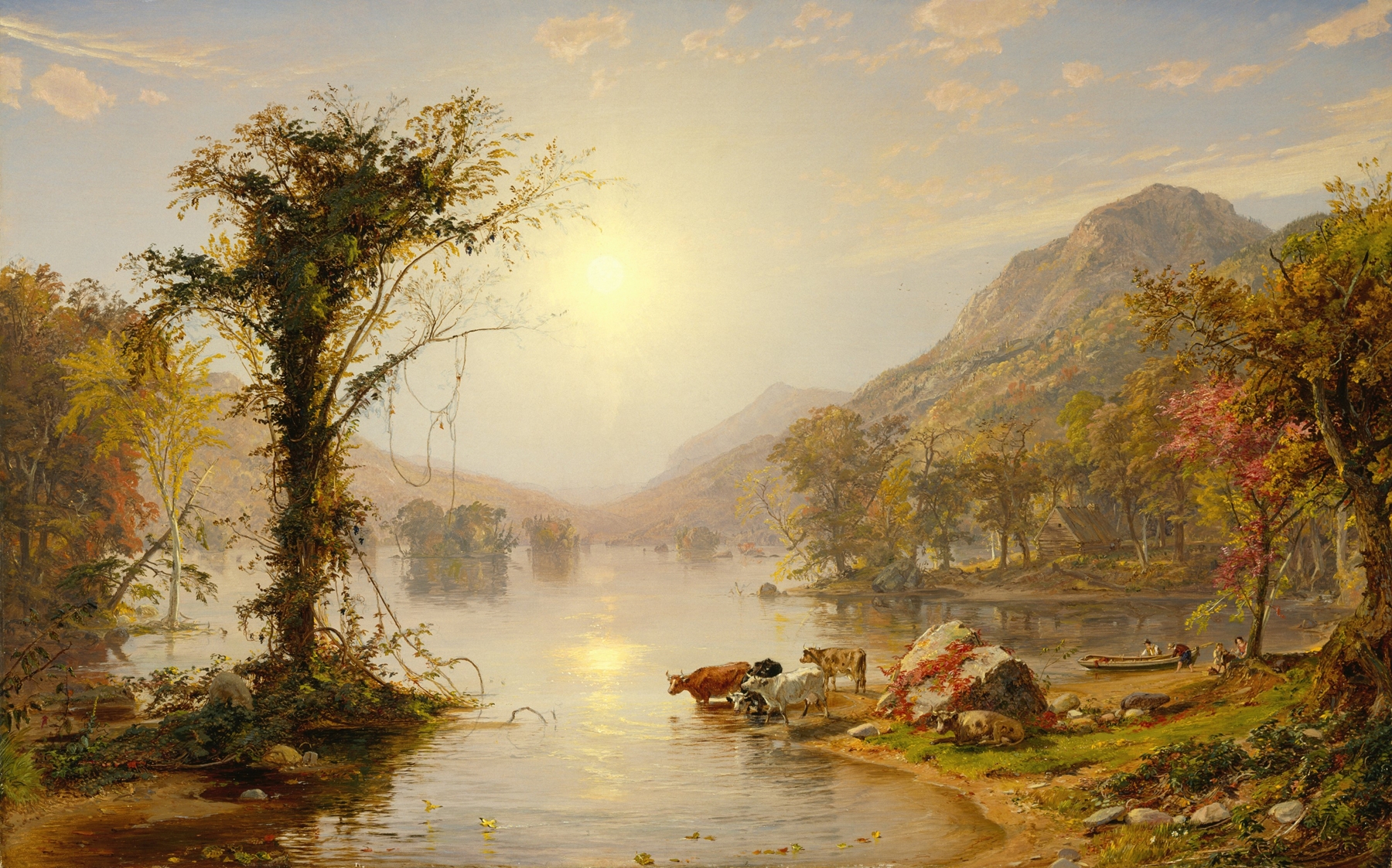
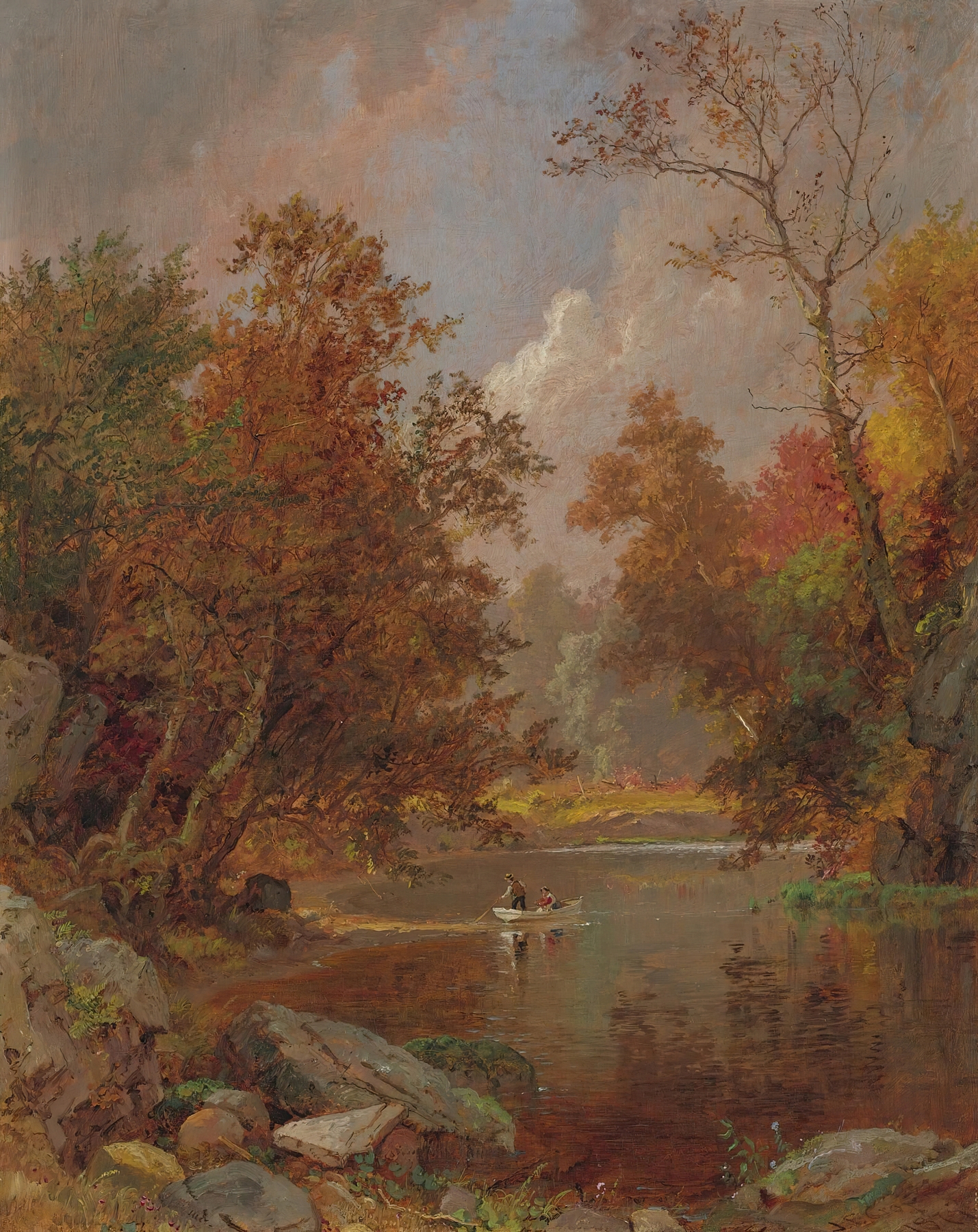
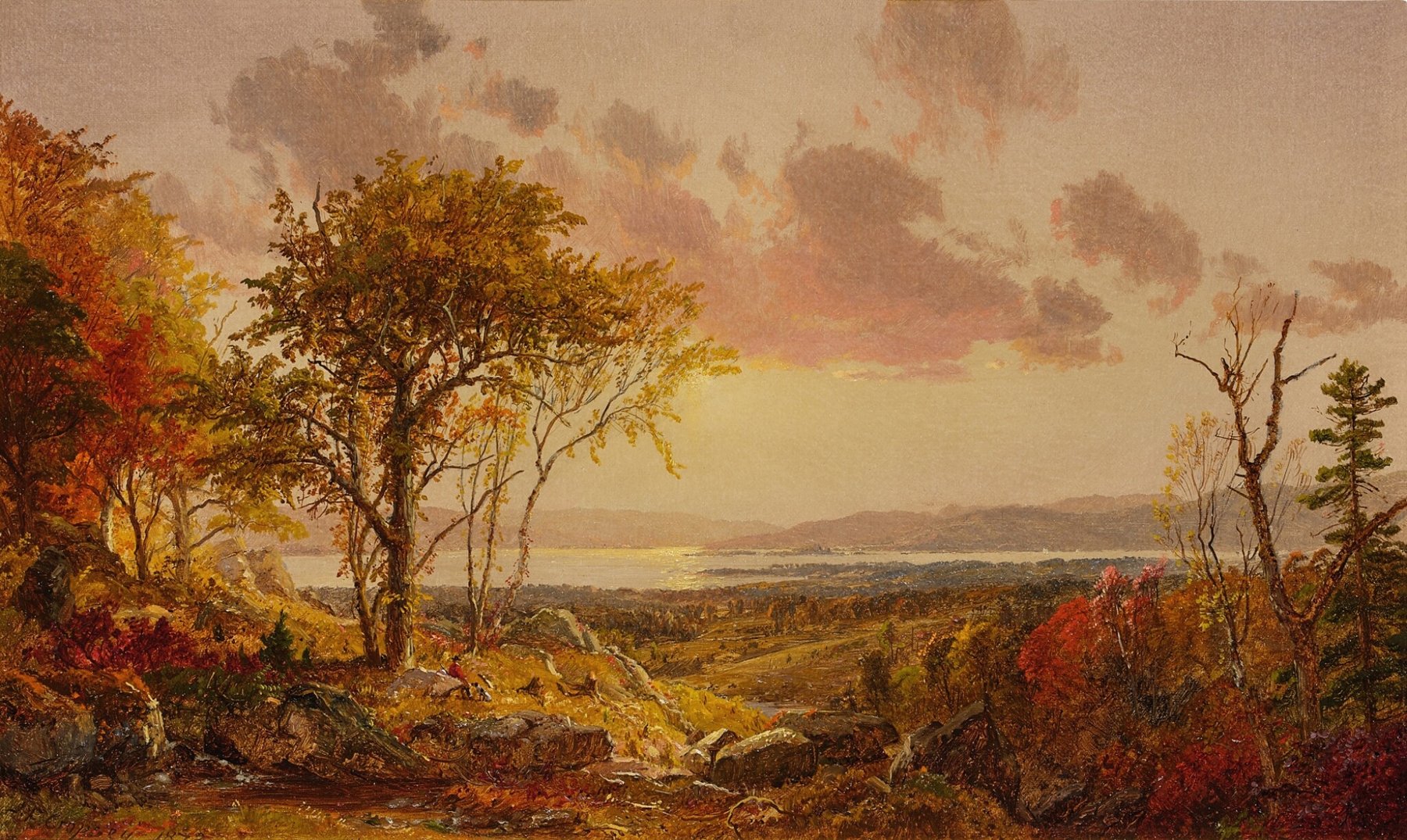
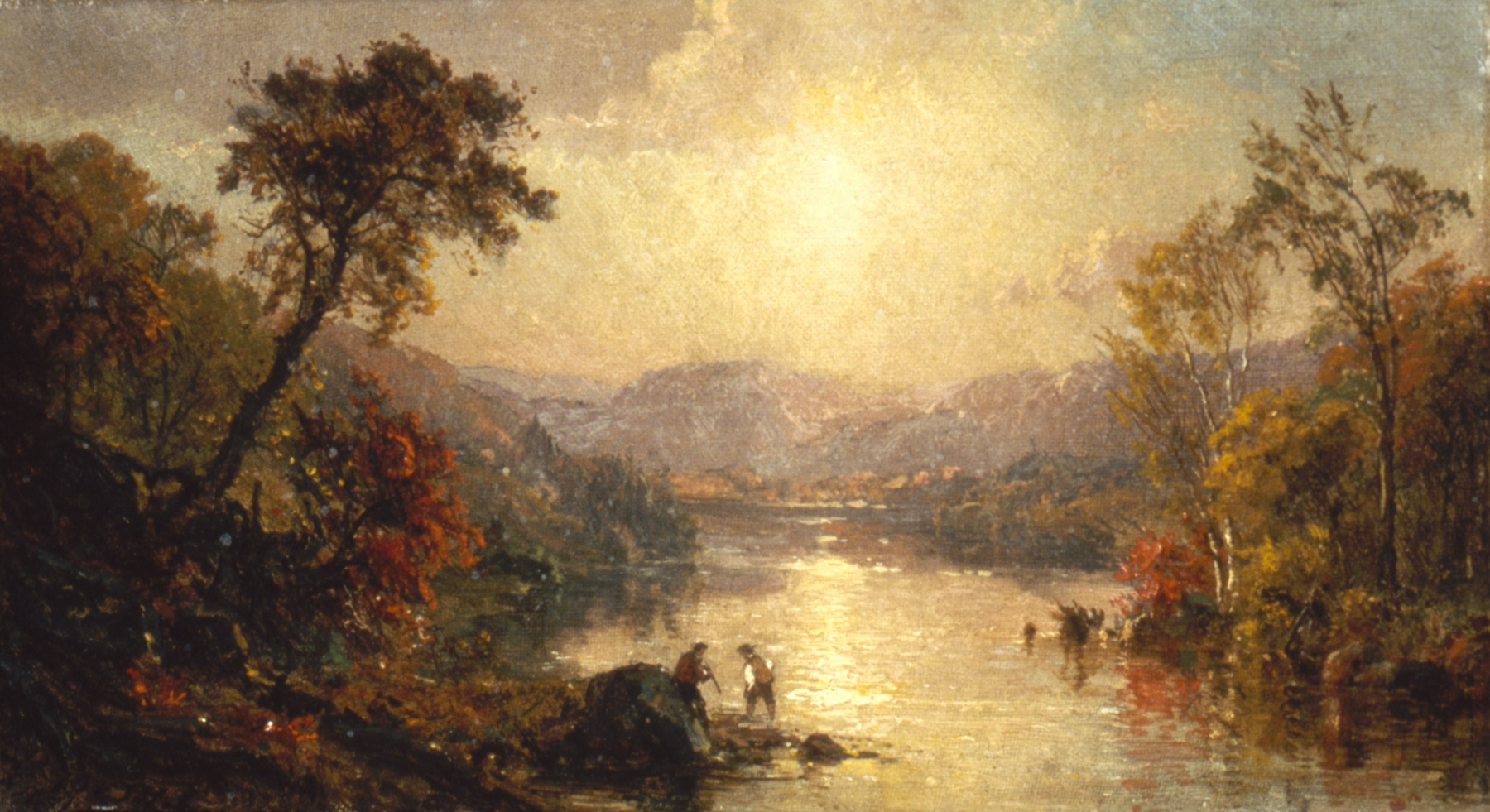
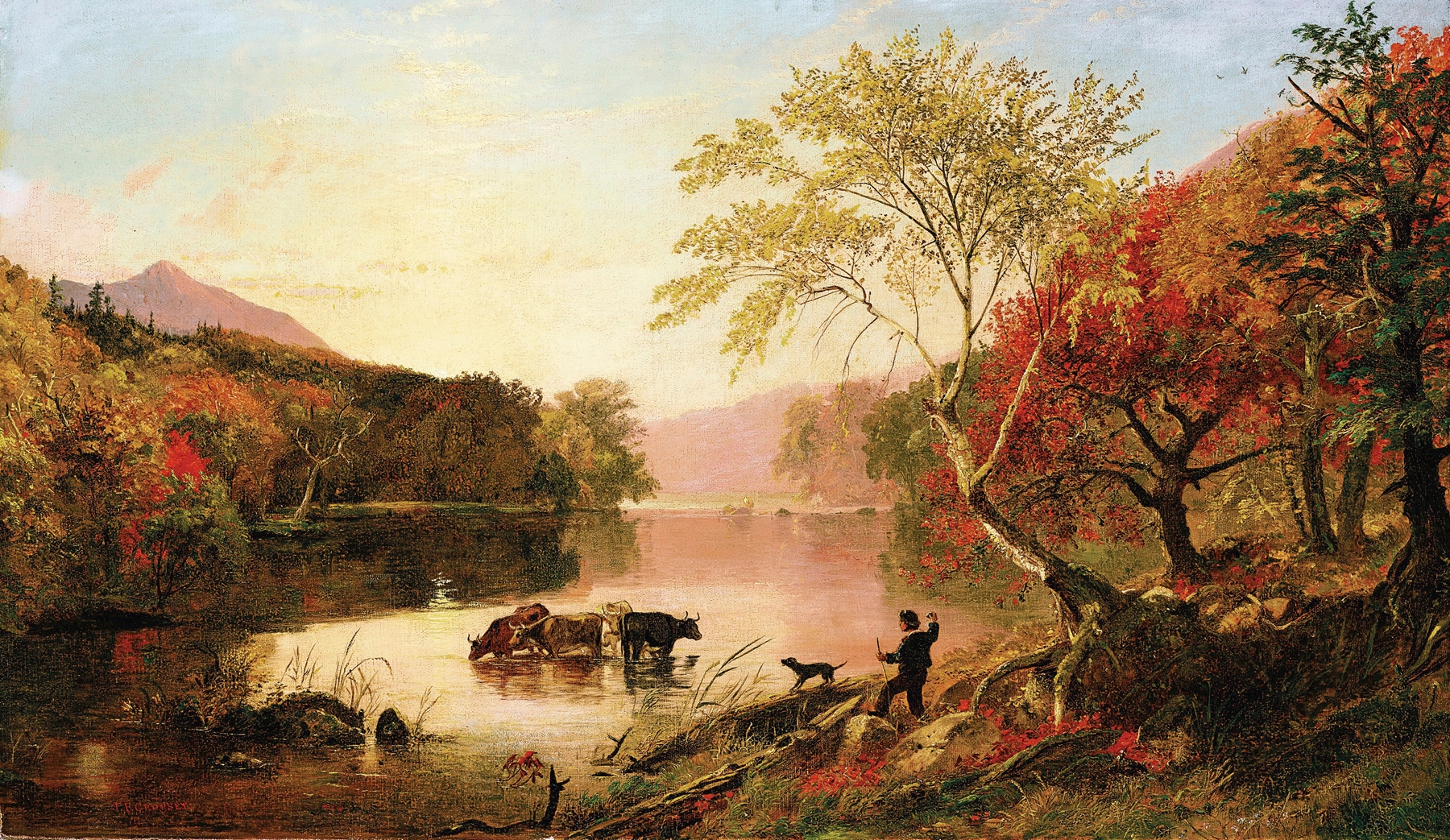
“The canvas doesn’t lie — it simply waits.” Grief lingers in the air like the fading warmth of autumn, a silent companion in a season of transition. As the vibrant leaves surrender to the inevitable chill of winter, the artist captures not only the landscape but the poignant emotion woven into the very fabric of nature. Look to the left at the brilliant oranges and reds that dance across the treetops, a fiery testament to nature’s splendor. Notice how the calm waters of the Hudson reflect this kaleidoscope of colors, creating a serene balance between reality and its reflection. The warm hues of the foliage contrast delicately with the cooler tones of the sky, suggesting a fragile equilibrium between life and loss.
Each brushstroke invites the viewer to explore the tranquility of the moment, while the broad expanse of the river draws the eye deeper into the scene. Beneath this picturesque façade lies a deeper narrative of longing. The horizon is shrouded in mist, evoking a sense of the unknown, perhaps mirroring the heartache of a season’s end. The solitary figure in the foreground, gazing out toward the vastness, embodies contemplation and solitude, hinting at personal grief that resonates universally.
The interplay of light and shadow subtly emphasizes the transient nature of beauty, reminding us that all joys must eventually yield to sorrow. In 1861, Cropsey painted this work during a period marked by personal challenges, including the loss of loved ones. The nation was on the brink of civil war, a tumultuous time that seeped into the consciousness of artists like him, influencing their explorations of emotion and landscape. Autumn on the Hudson River stands as a poignant reflection of both personal and collective grief, capturing a fleeting moment that echoes through time.