Baigneuses — History & Analysis
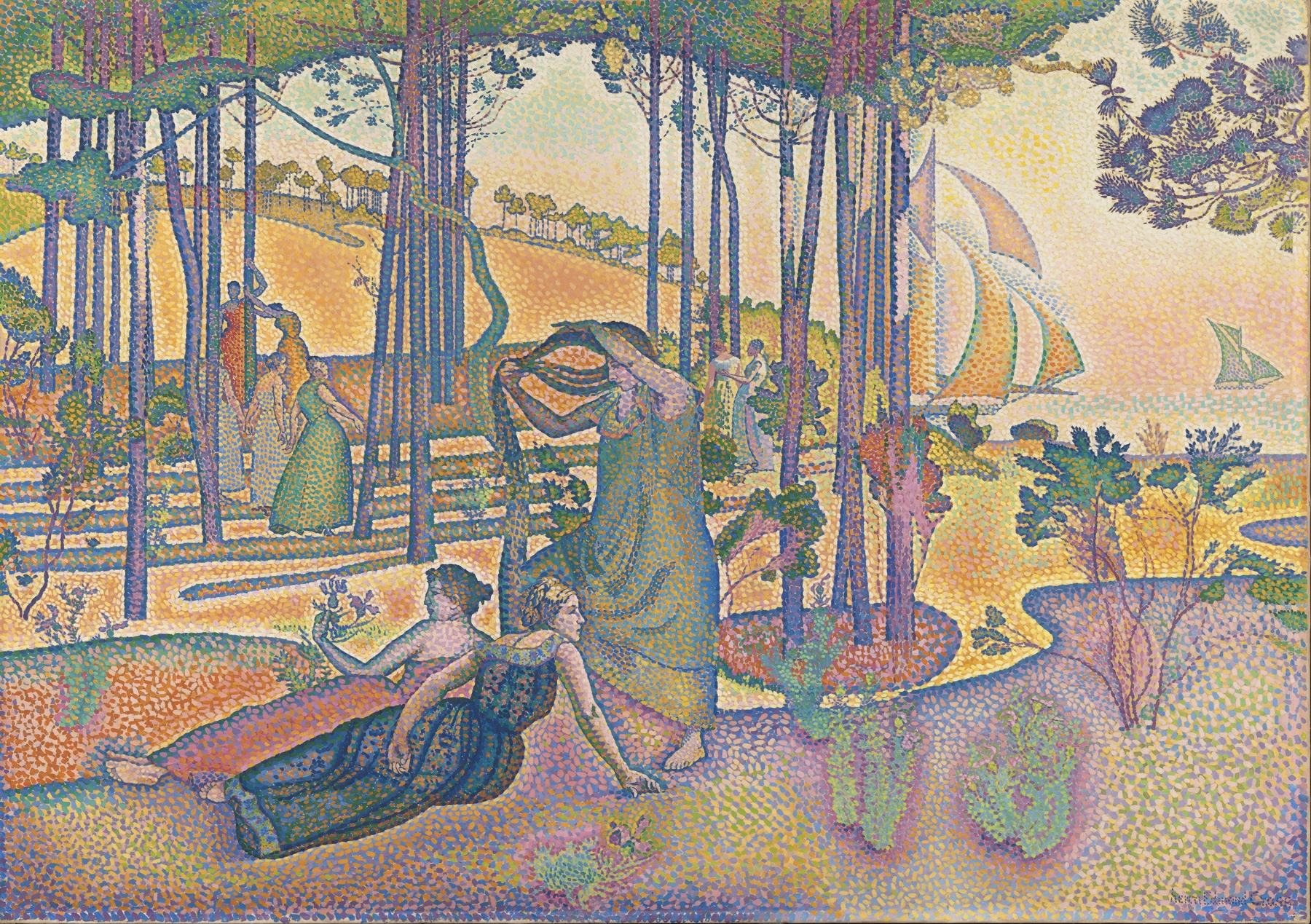
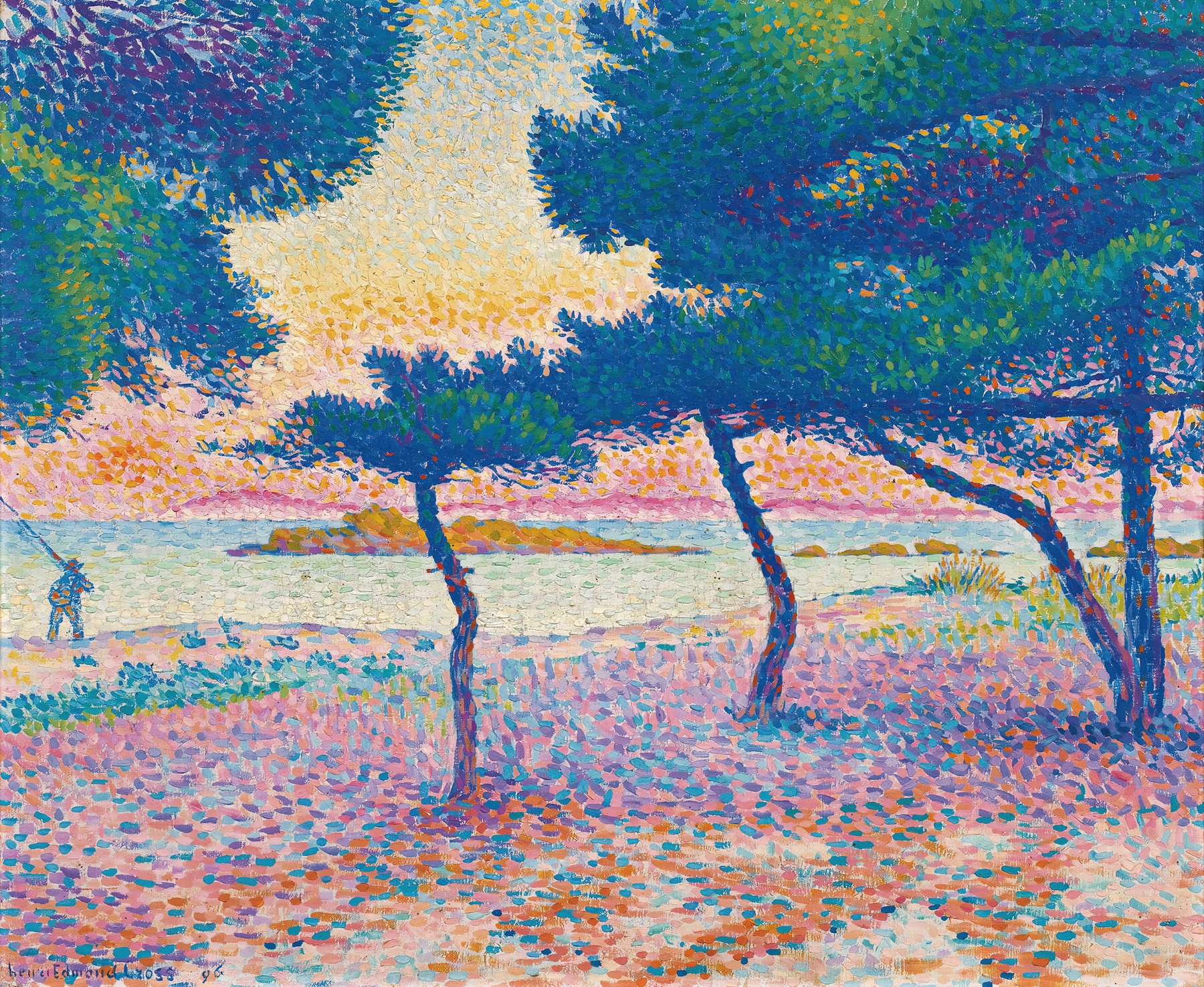
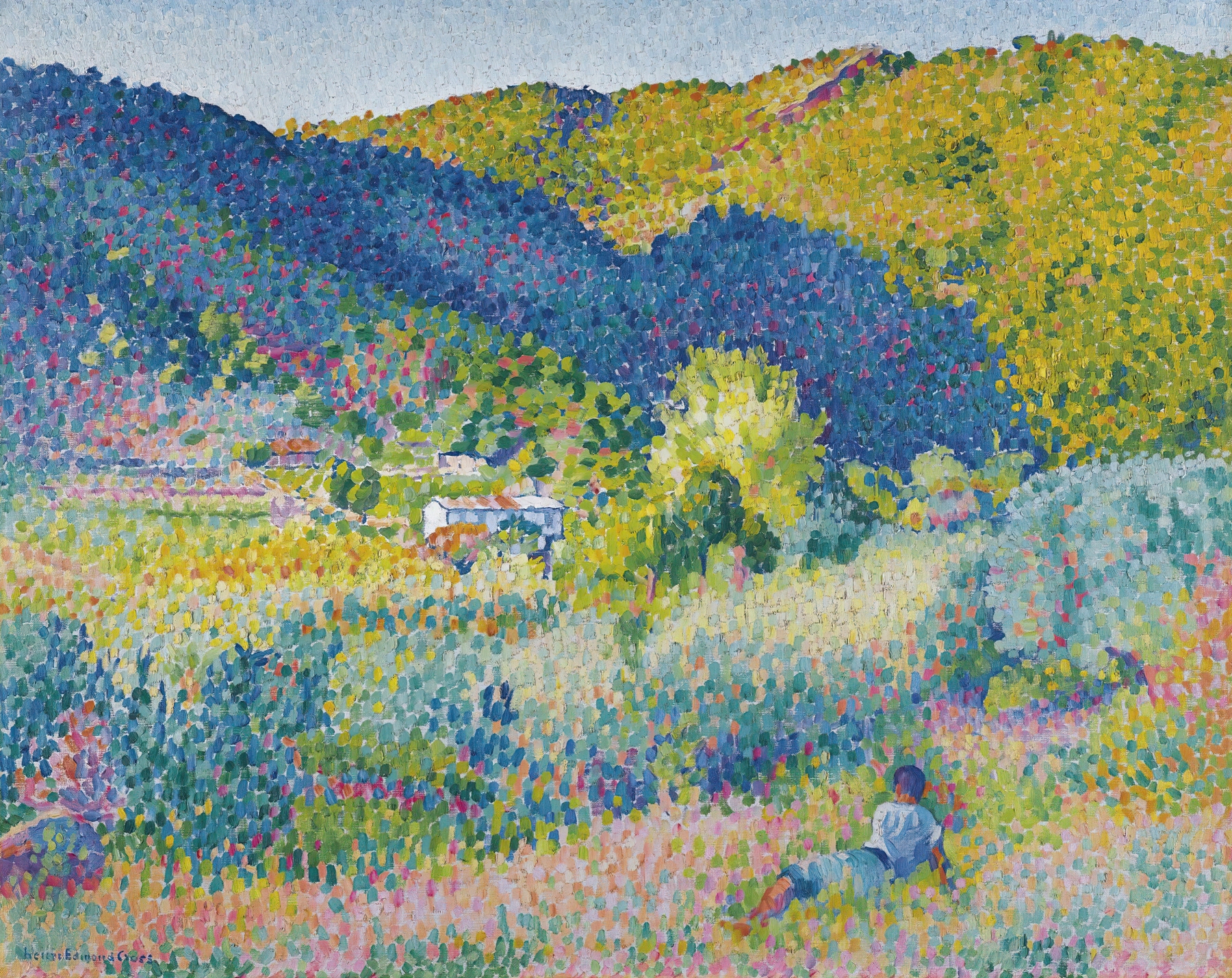
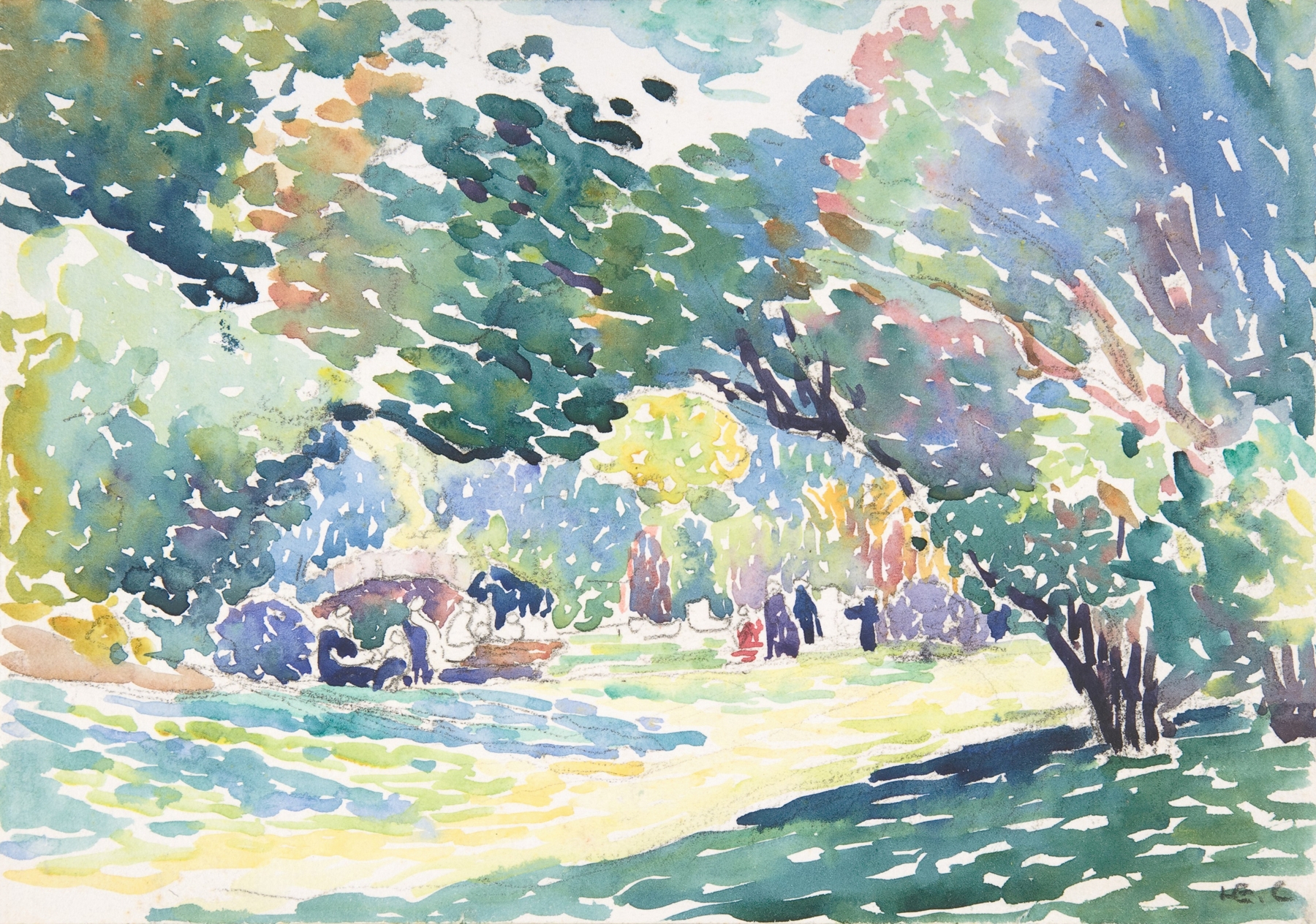
“The canvas doesn’t lie — it simply waits.” In the interplay of color and shadow, a vivid dialogue unfolds between light and darkness, revealing unspoken stories beneath the surface. Focus on the vibrant splashes of color that ripple across the canvas, leading your eyes to the gentle curves of the figures. Notice how the lavender hues blend seamlessly with soft greens and sunlit yellows, creating a sense of warmth and intimacy. The delicate brushstrokes suggest movement, inviting you to feel the soothing caress of the sun on the bathers’ skin, while shadows flicker at their feet, hinting at the transient nature of this serene moment.
As you delve deeper, pay attention to the contrasting emotions embodied in each figure. Some bask joyfully in the warmth, their poses radiating happiness, while others retreat into themselves, cloaked in the shadows that protect them. This duality evokes a poignant tension; it speaks to the complexity of human experience, where joy and solitude coexist, amplified by the surrounding environment. The subtle gradation of colors reinforces this idea, as vibrant shades meet the muted tones that suggest a fleeting memory.
Created during the late 19th century, the work reflects Henri-Edmond Cross's engagement with the evolving post-impressionist movement, characterized by an exploration of light and color. As he painted, advancements in color theory were reshaping artistic expression, allowing him to experiment with vivid palettes that captured the essence of a moment. This period in his life was marked by personal and artistic growth, as he sought new ways to express emotion through the interaction of light and shadow, ultimately influencing a generation of artists to come.