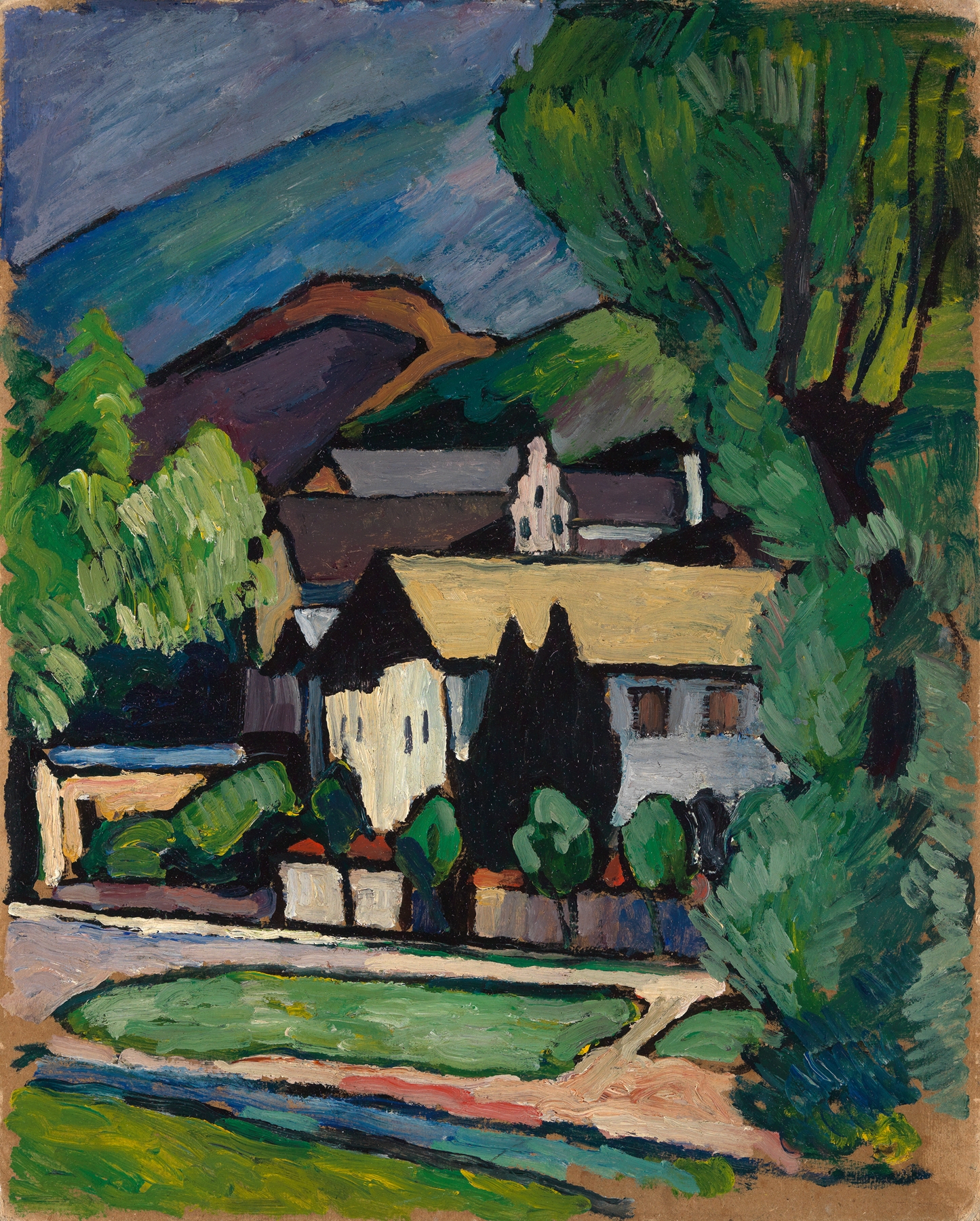
Bayerische Dorfhäuser unter Bäumen — History & Analysis
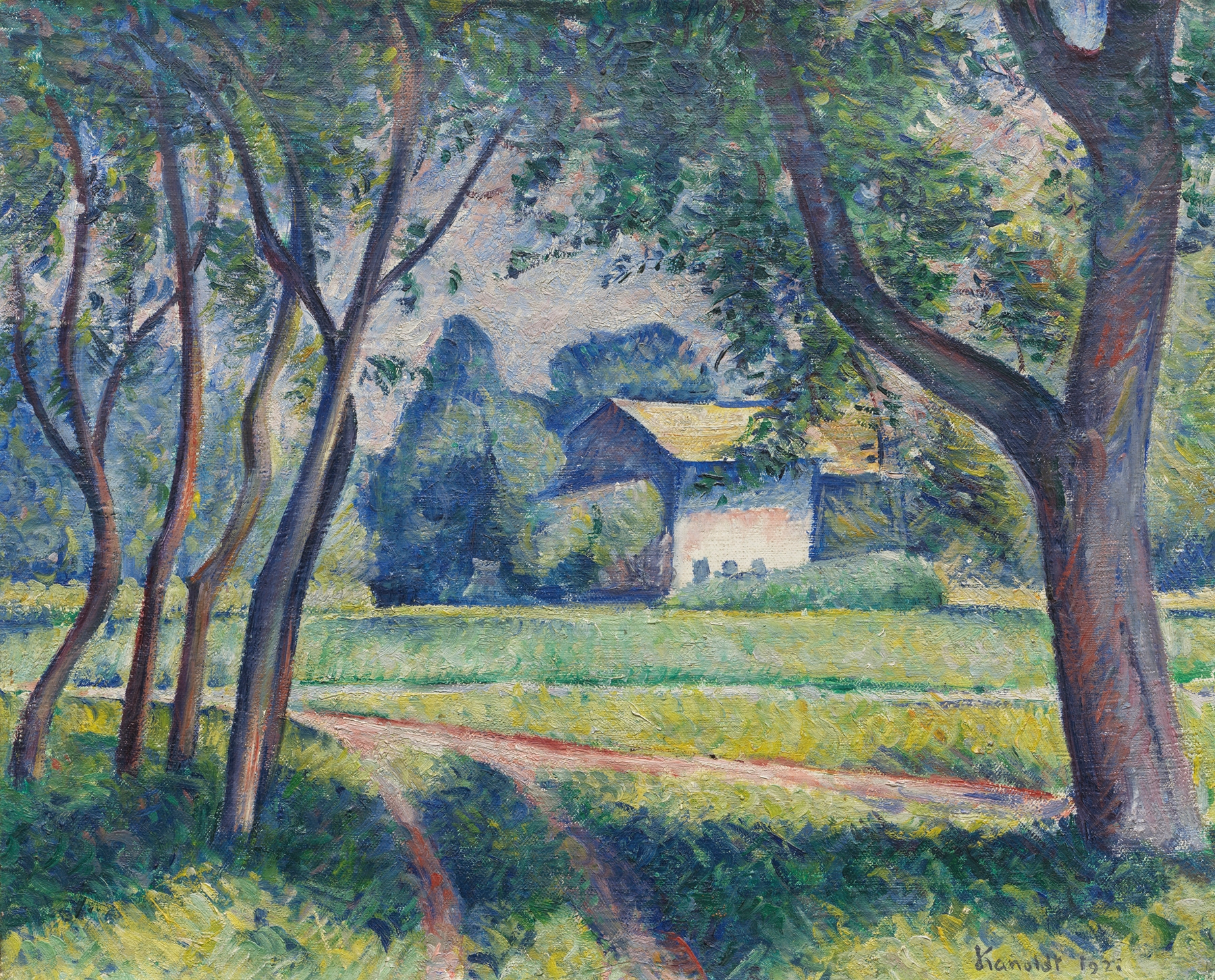
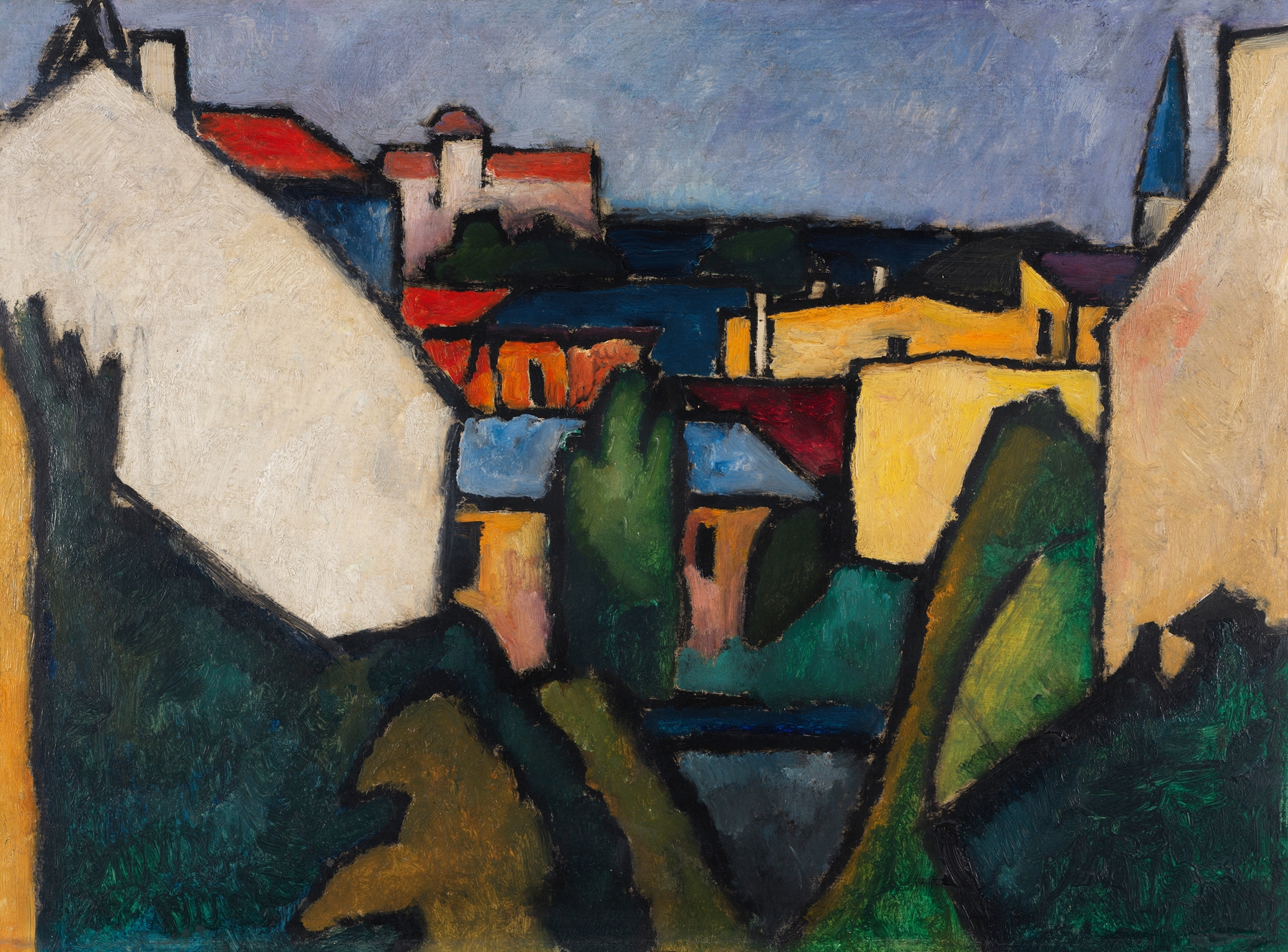
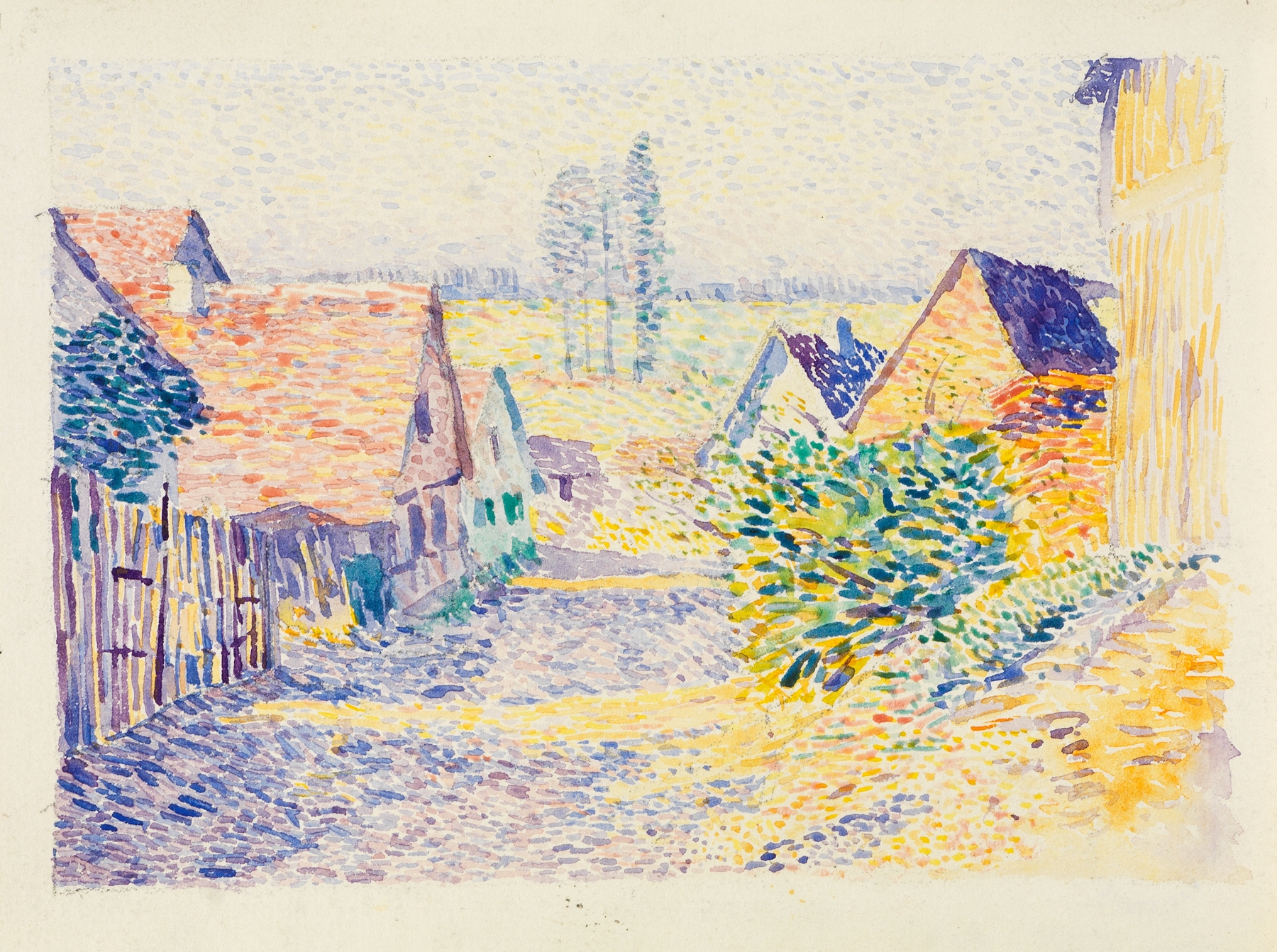
“Every silence here is a confession.” Within the tranquil embrace of nature, a scene unfolds, weaving an intricate tapestry of human existence and serenity. Look to the foreground, where the sturdy outlines of quaint Bavarian houses emerge from the soft, verdant backdrop. Their muted colors—earthy browns and subdued greens—harmonize with the dappled sunlight filtering through the lush trees, creating a sense of grounding and peace. Notice the meticulous brushstrokes that define the textures of the wooden facades, lending a tactile quality to the scene.
Your gaze is drawn upward as the trees stretch toward the sky, their leafy canopies casting playful shadows that hint at the gentle whispers of an unseen breeze. Beyond the structures and foliage lies a deeper narrative. The juxtaposition of human habitation against the vastness of nature evokes a sense of awe and humility, inviting the viewer to ponder the delicate balance between existence and the natural world. Each element—the trees standing tall, the houses anchored to the earth—speaks to resilience, while the serene silence encapsulates a longing for connection and understanding.
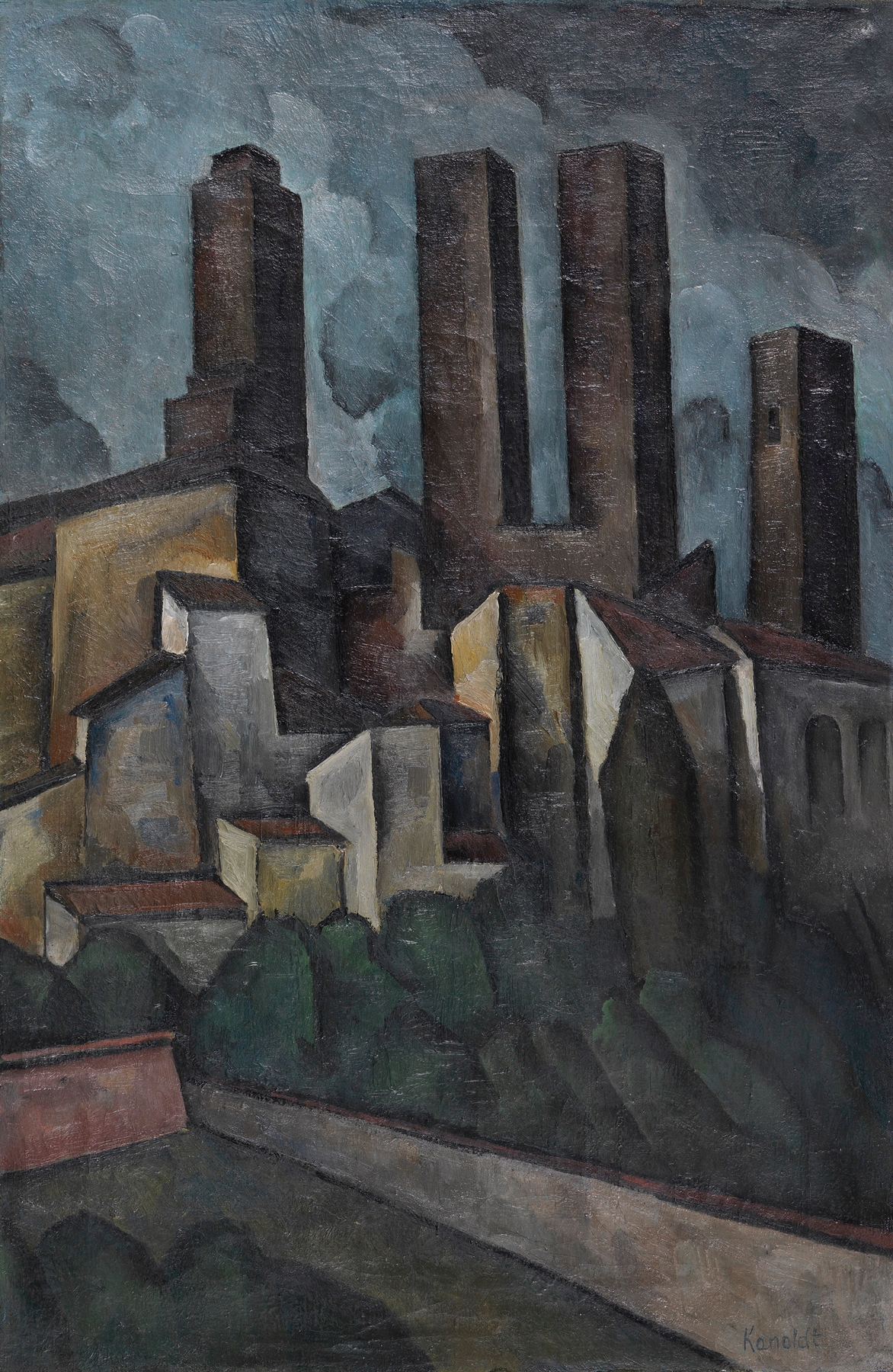
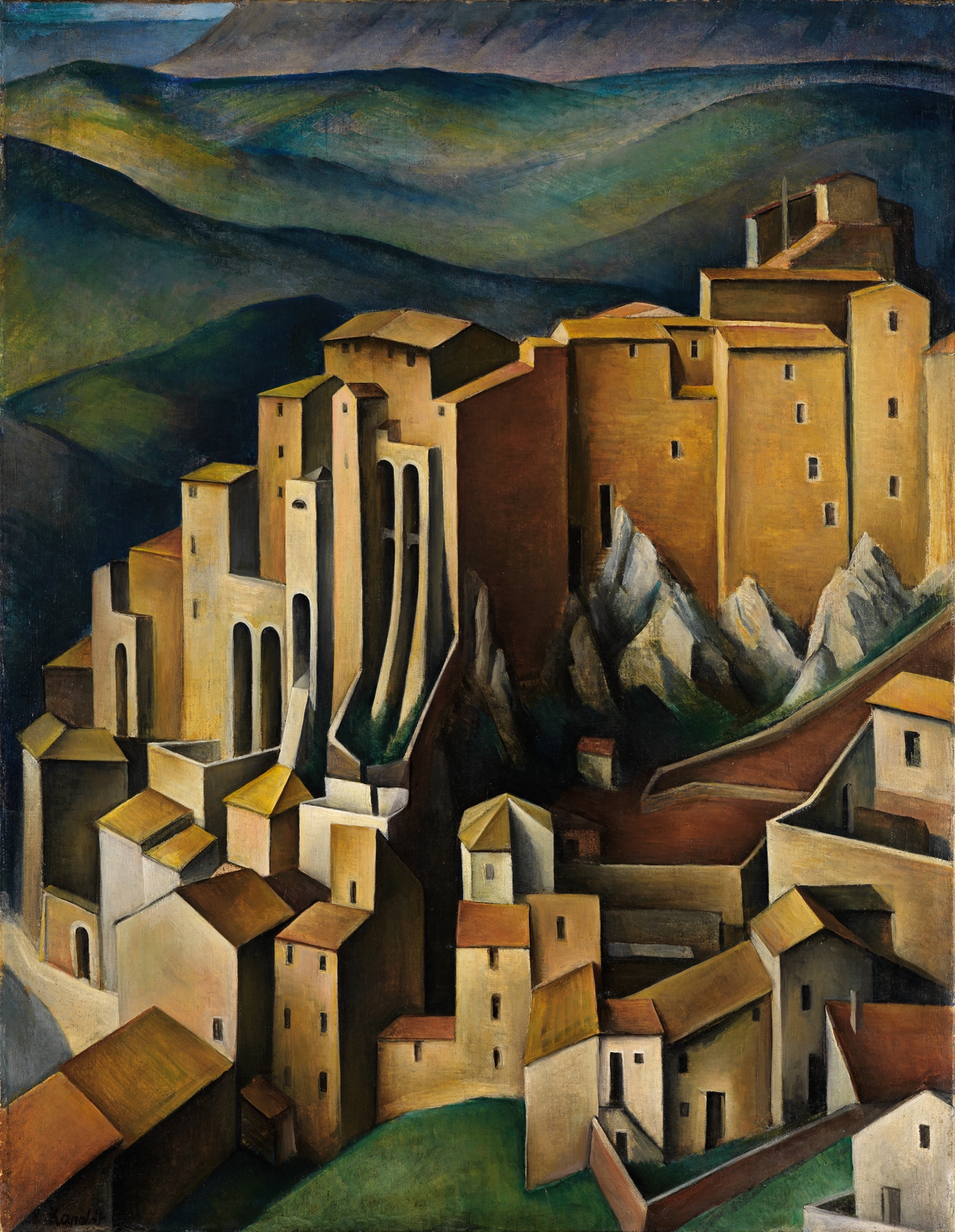
The composition invites reflection on how these quiet dwellings coexist with their surroundings, hinting at stories of life, love, and the passage of time. In 1911, the artist painted this piece during a period marked by a burgeoning interest in the interplay of light and landscape in the art world. Living in Germany, Kanoldt was influenced by the emerging avant-garde movements that sought to capture the essence of modern life with a nod to the pastoral. As he captured these idyllic village houses, he aligned himself with a desire to celebrate the beauty of everyday moments, encapsulating a rural existence that stood in contrast to the industrializing world around him.