Kreuzgang I — History & Analysis
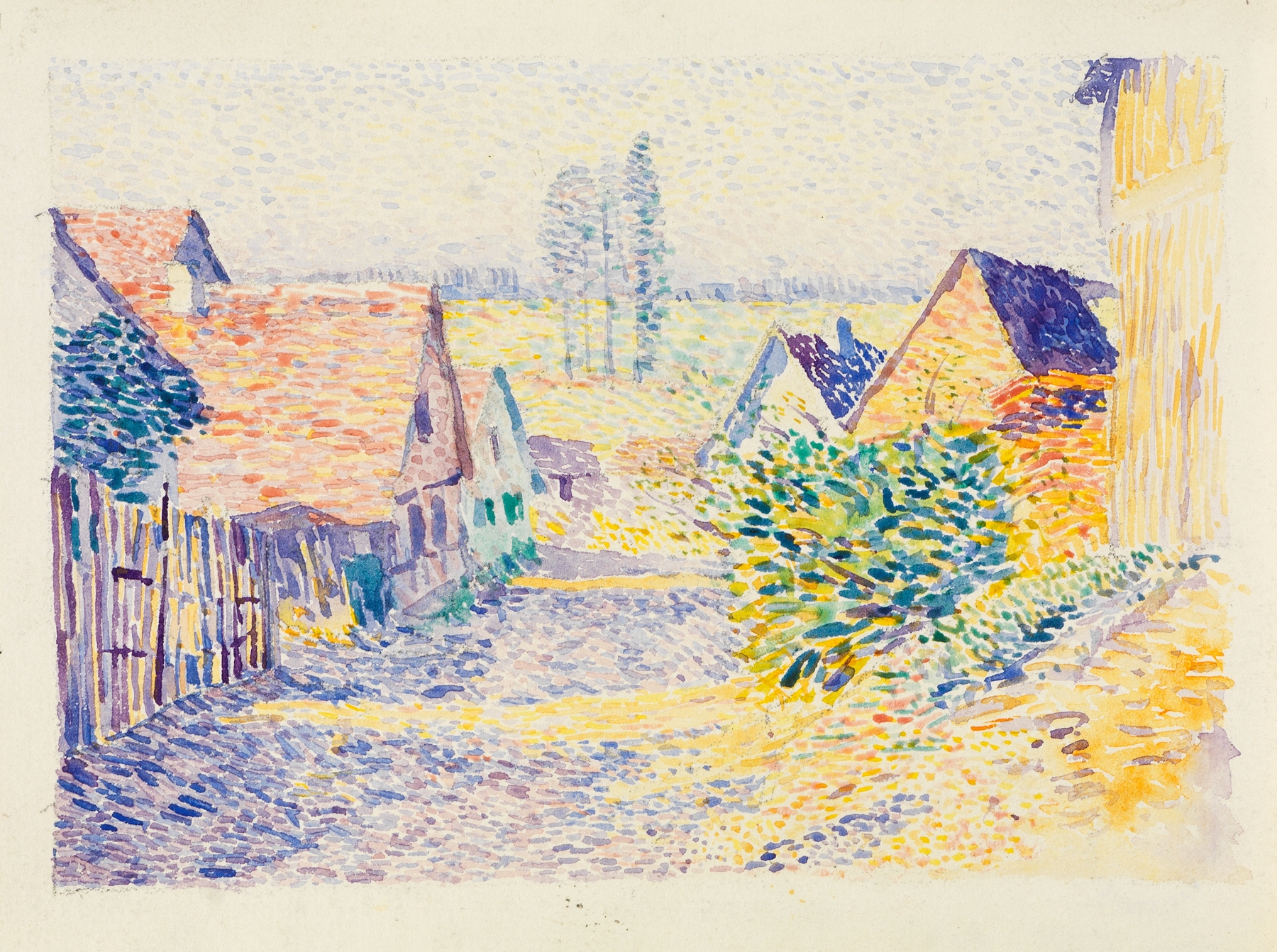
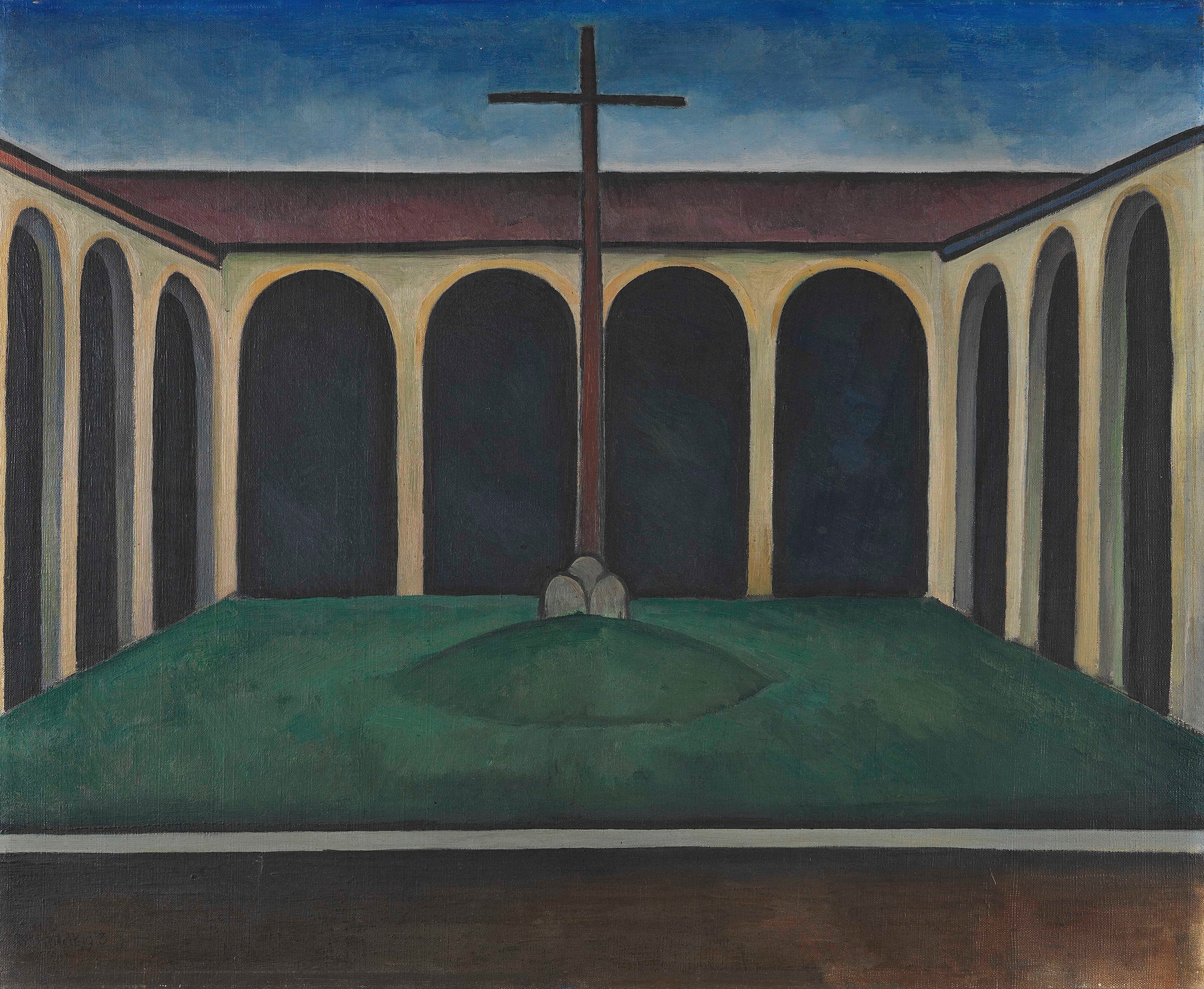
When did color learn to lie? In Kreuzgang I, the hues of sunlight dance upon the stone, whispering secrets of a past that feels both haunting and achingly familiar. Look to the left at the intricate archways, where muted tones of ochre and gray converge, framing a desolate corridor. The light filters through, illuminating the textured surfaces with a soft glow, casting shadows that stretch like forgotten memories.
Every element seems deliberately placed; the composition strikes a balance between the coolness of the stone and the warmth of the sunlight, evoking a sense of both sanctuary and isolation. Beneath the surface, the artwork speaks to loss and longing. The contrast between the light and dark areas hints at the fragility of life and the permanence of absence, suggesting that what remains can be as poignant as what is lost. The empty space within the arches can be interpreted as a lingering void, a reminder of departed souls or unfulfilled promises, inviting the viewer to reflect on their own experiences of loss.
In 1913, the artist worked in Germany, a time marked by great upheaval and transition in the art world. The early 20th century saw a shift toward modernism, with artists exploring abstraction and emotional depth. Kanoldt’s focus on architectural forms and light reflects both his personal introspections and the broader currents of a society grappling with change, establishing a visual language that resonates through themes of memory and transition.