Olevano — History & Analysis
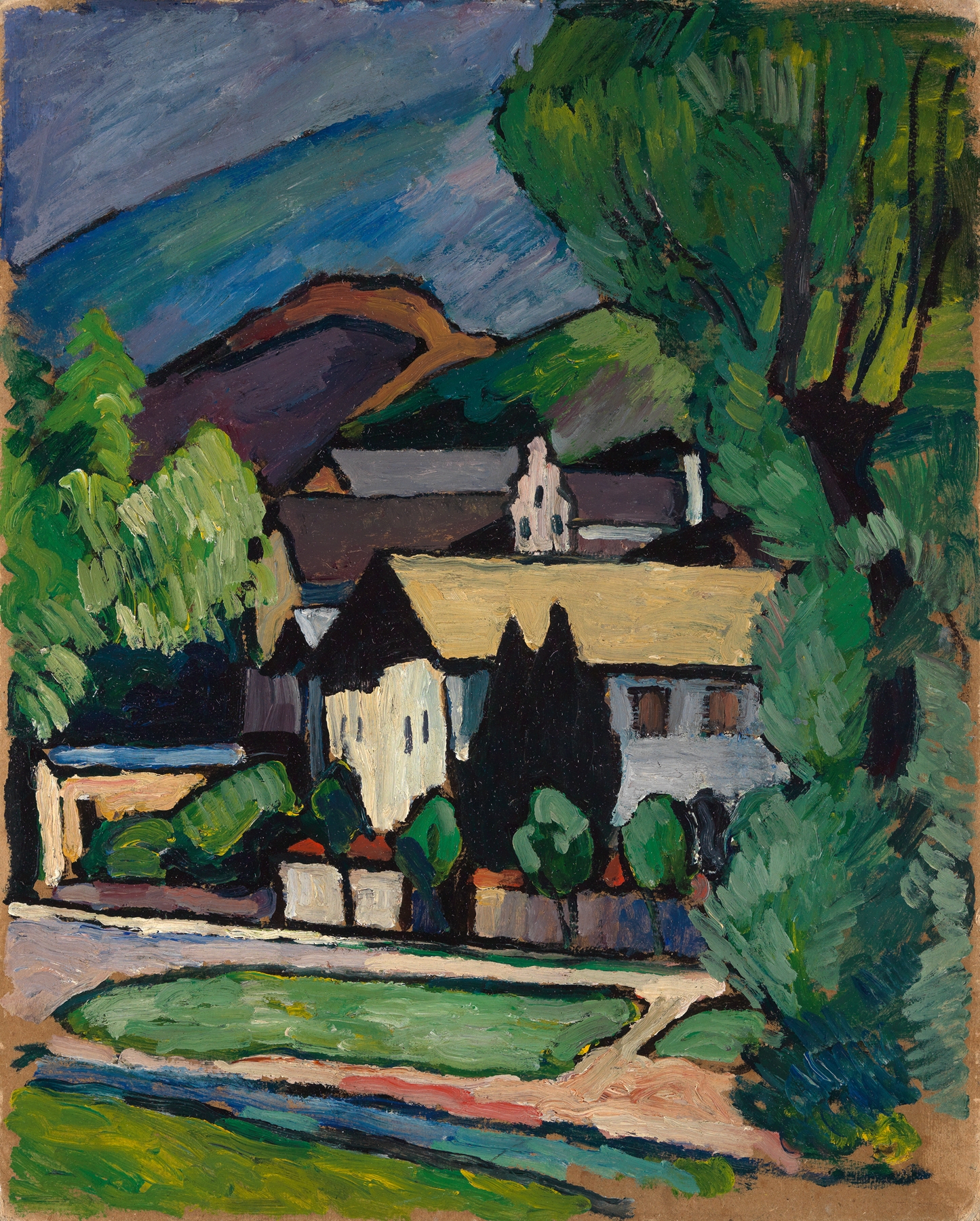
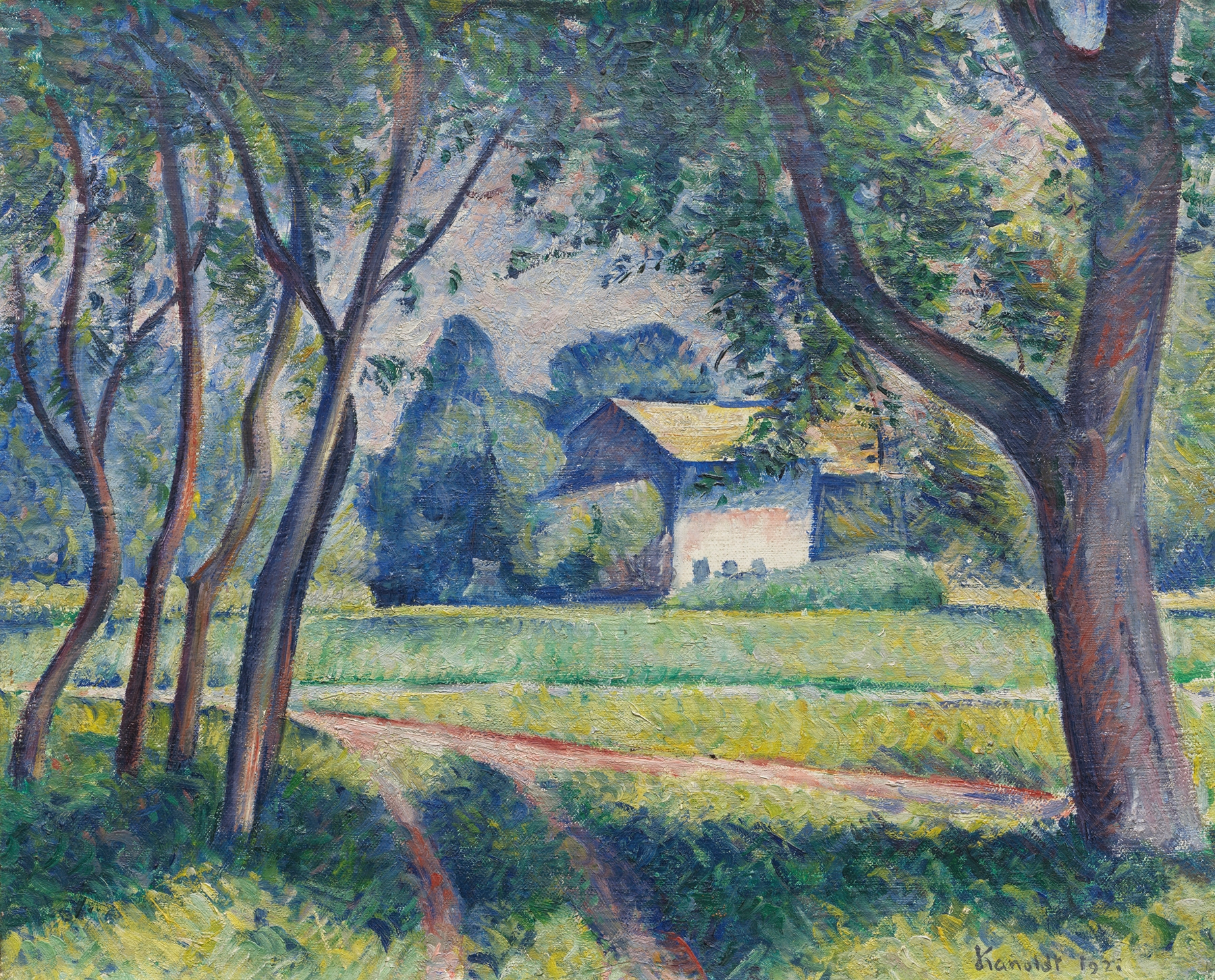
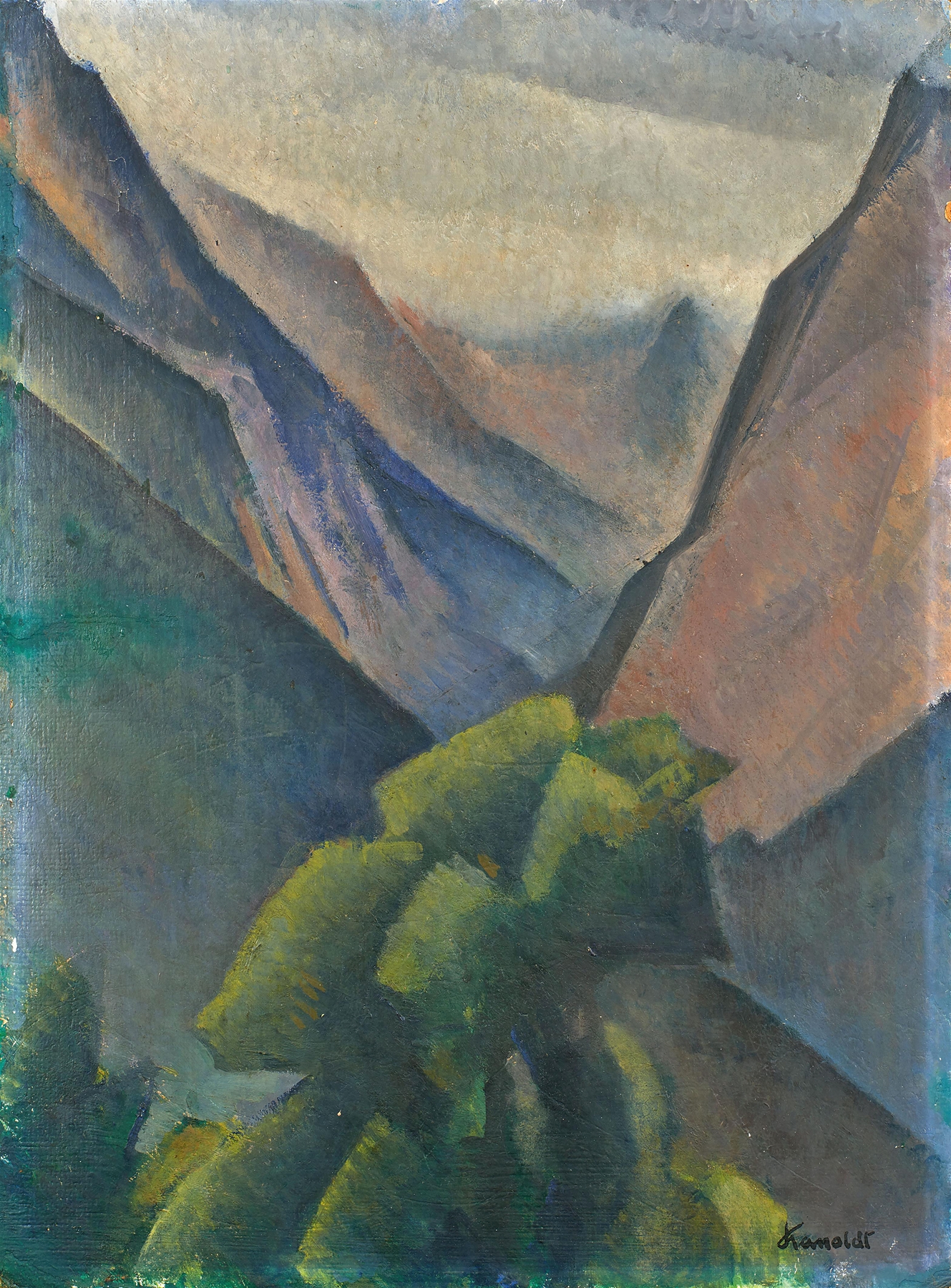
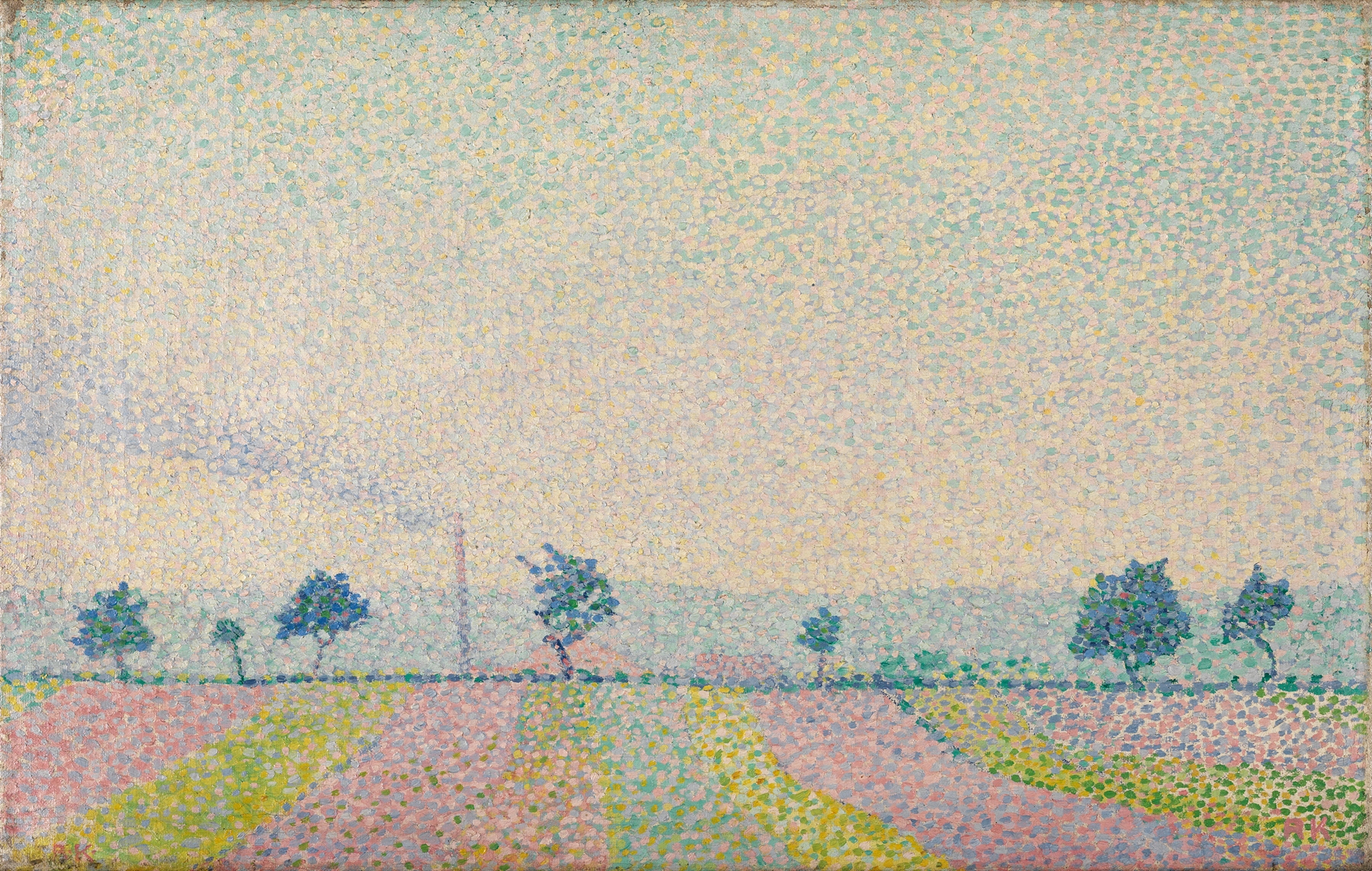
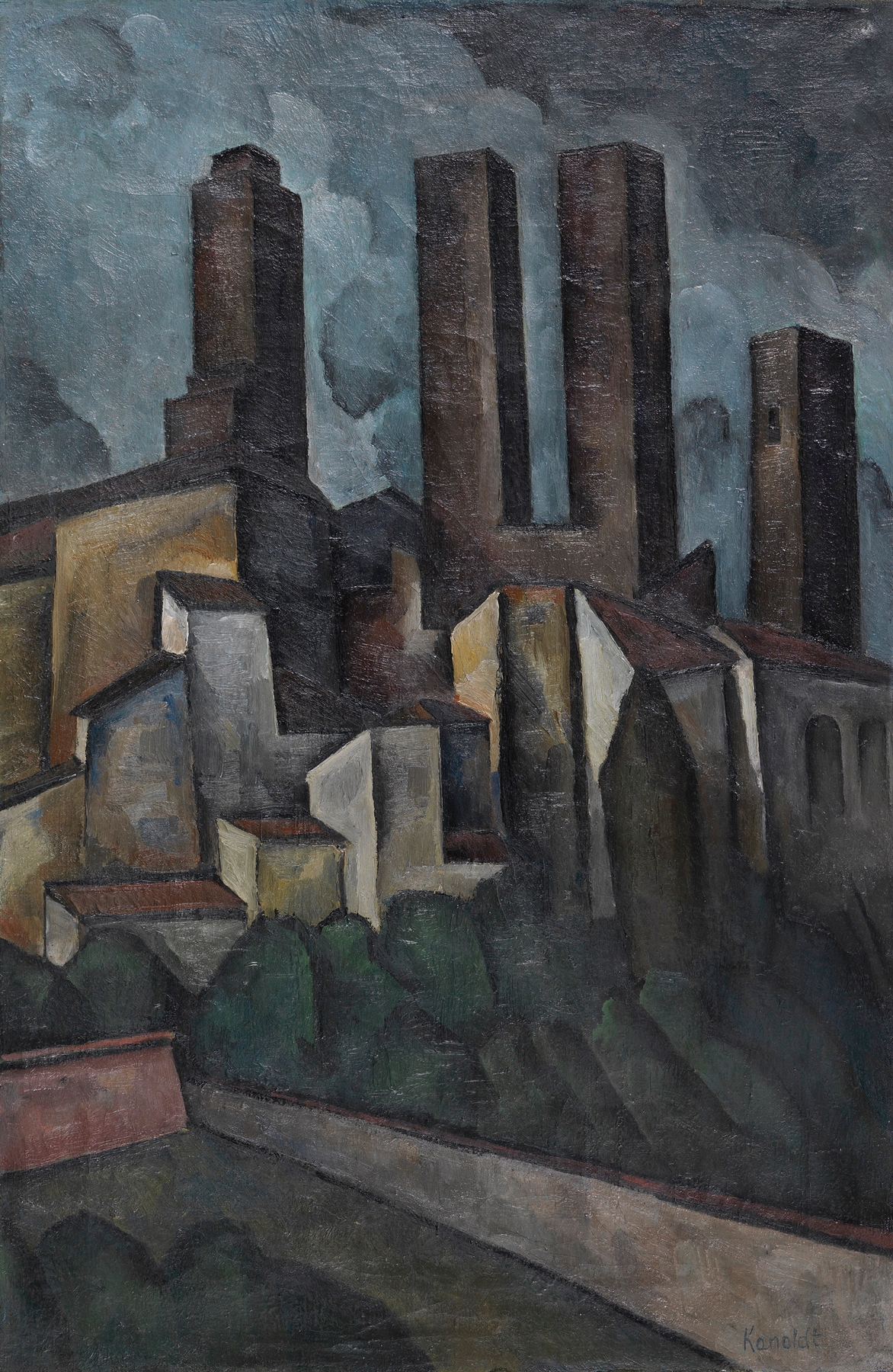
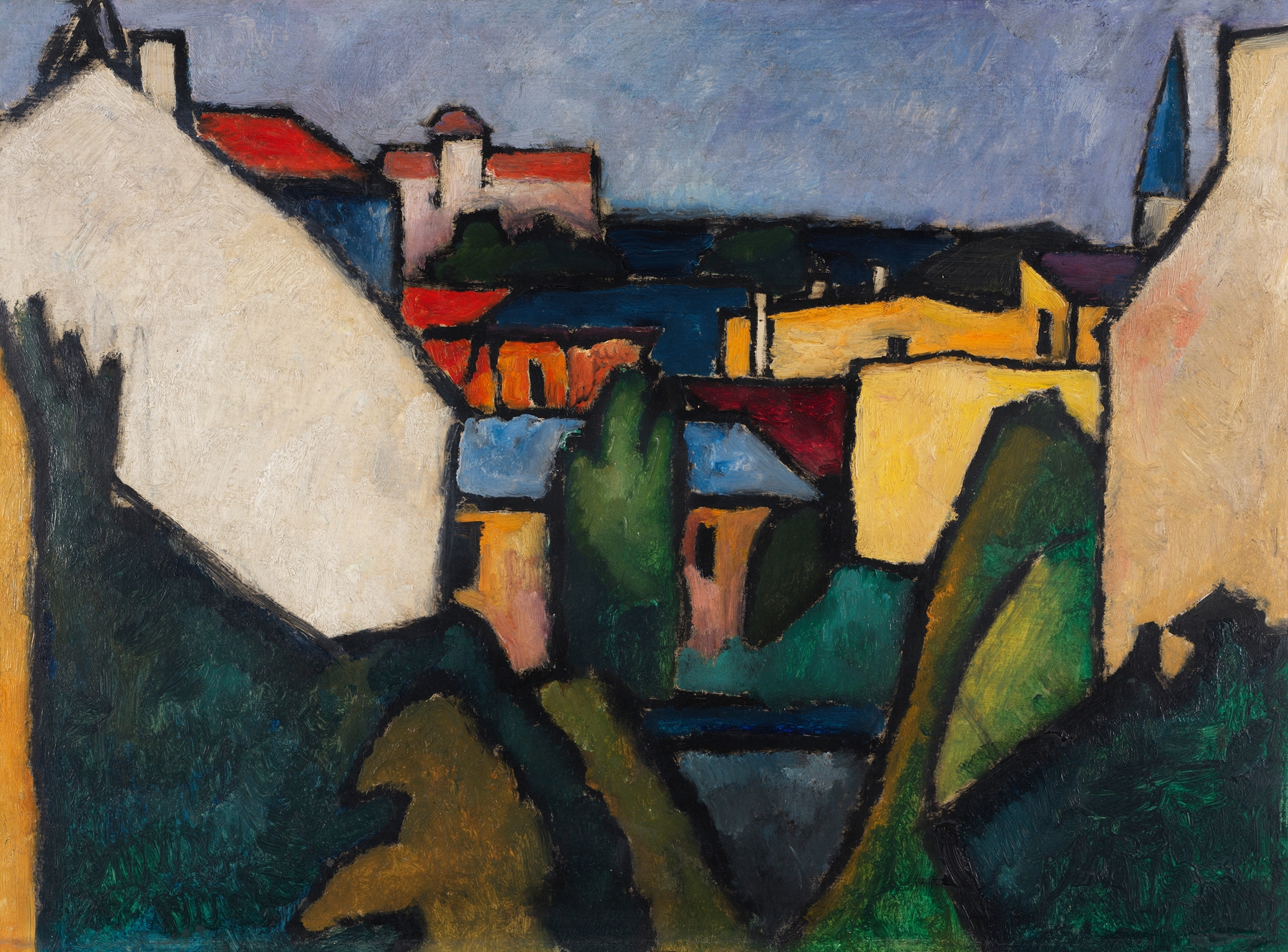
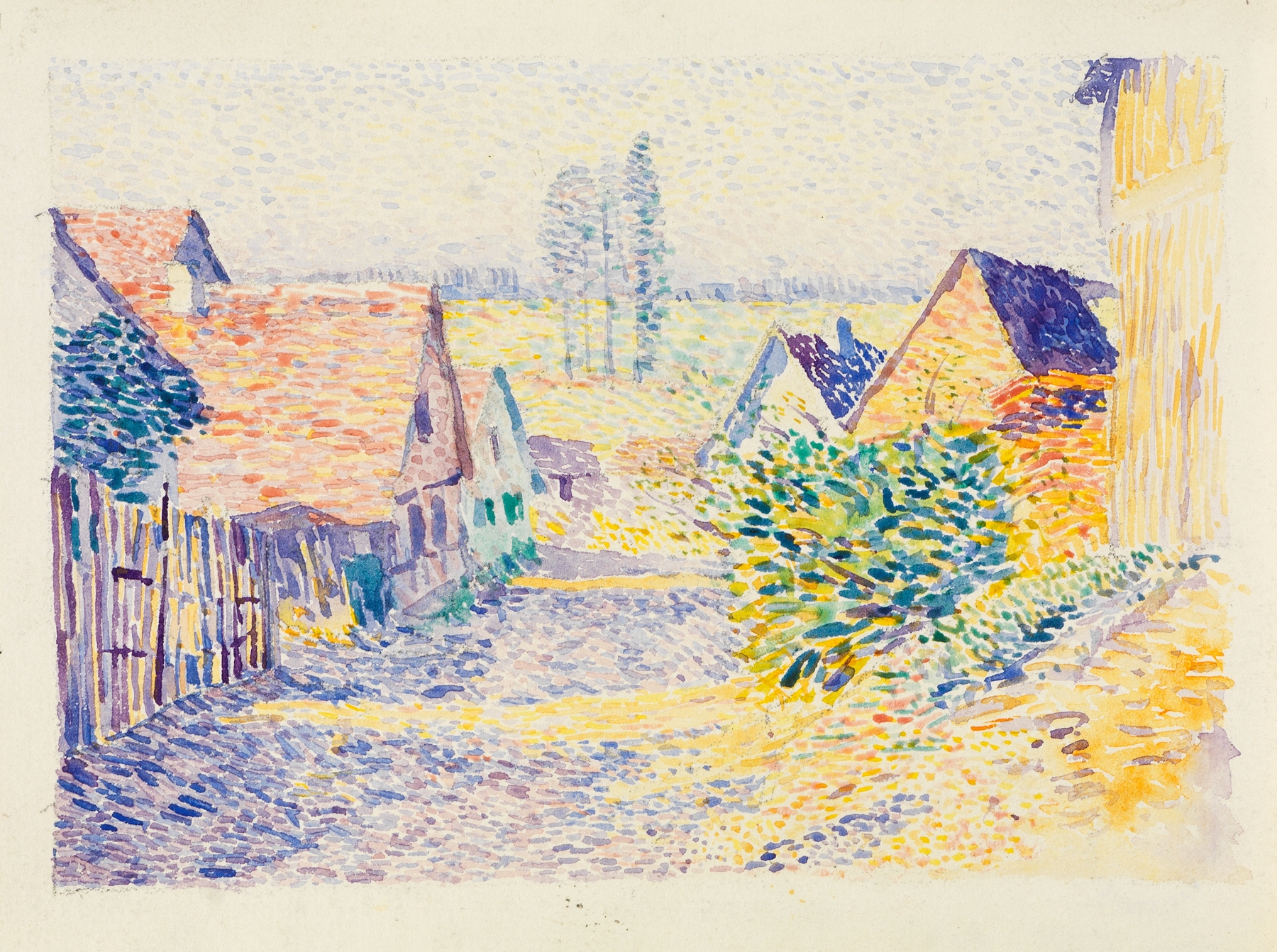
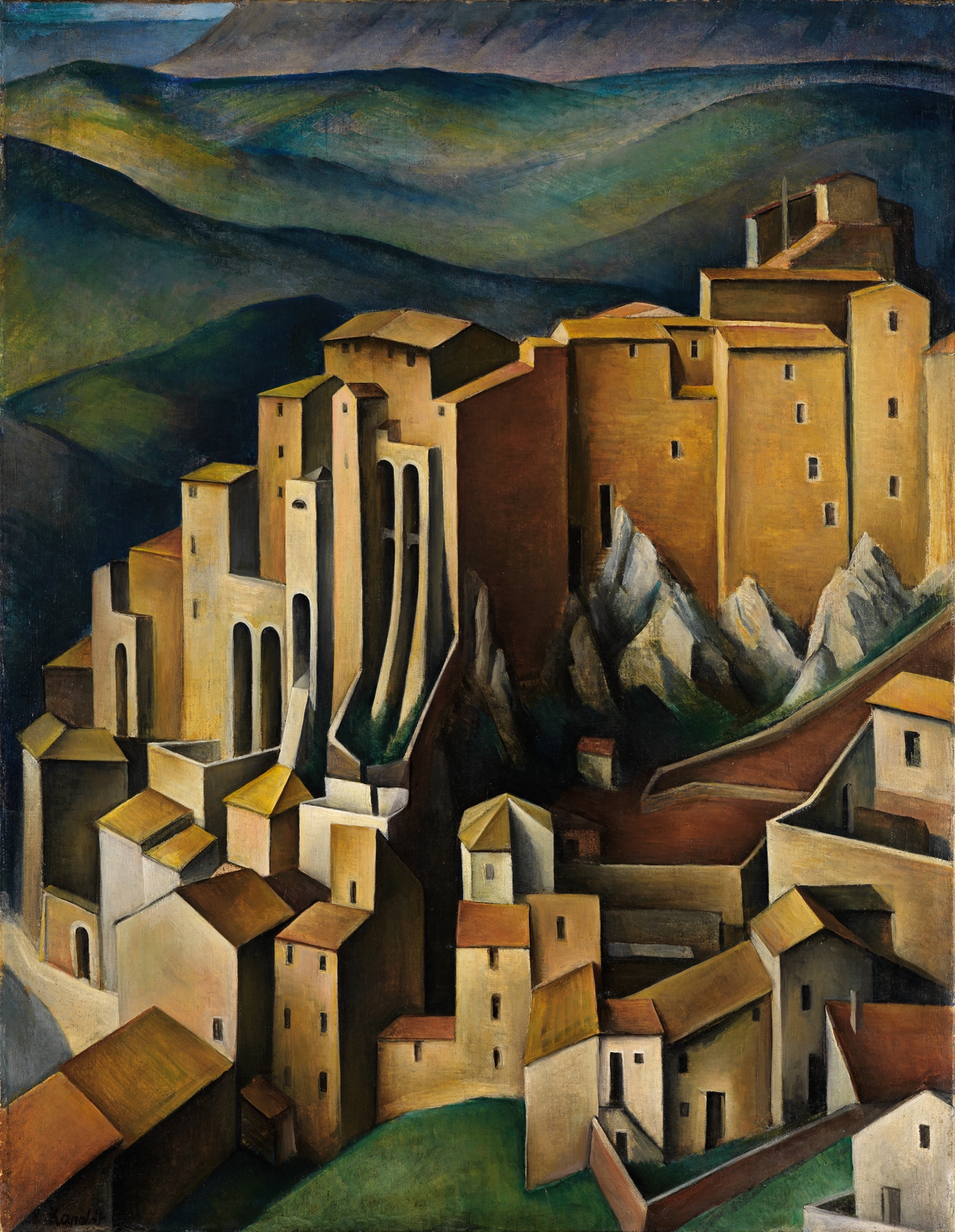
When did color learn to lie? In Olevano, hues dance vividly, yet they whisper secrets of an unseen reality, leading the viewer down a path of contemplation and wonder. First, look to the brilliant blue of the sky that envelops the landscape, a striking contrast to the earthy tones below. The mountain ranges, carved with precision, rise majestically in the background, their shadows deepening as they make way for the sun.
Notice how the soft brushstrokes blend the vibrant colors, giving life to the rolling hills and the quaint village nestled at their base—each stroke serving to guide your eye and draw you into Kanoldt's vision. Beneath the surface, contrasts emerge: the sheer vibrancy of color against the tranquil tranquility of the scene evokes a sense of tension, as if there’s an underlying story waiting to unfold. The villagers appear almost ethereal under the warm glow, their presence hinting at a narrative of daily life intertwined with nature. This duality prompts reflection on the interplay between human existence and the untamed beauty of the world, urging viewers to question the authenticity of what they see.
Created in 1927 while the artist lived in Germany, Olevano emerged during a period of significant change in the art world, as movements like Expressionism were evolving. Kanoldt was known for his explorations of color and form, crafting landscapes that breathed life into the ordinary while reflecting a deeper emotional landscape. The choice of this particular scene speaks to his desire to capture both the essence of place and the subtleties of human experience.