Dorfstraße in Leopoldshafen II — History & Analysis
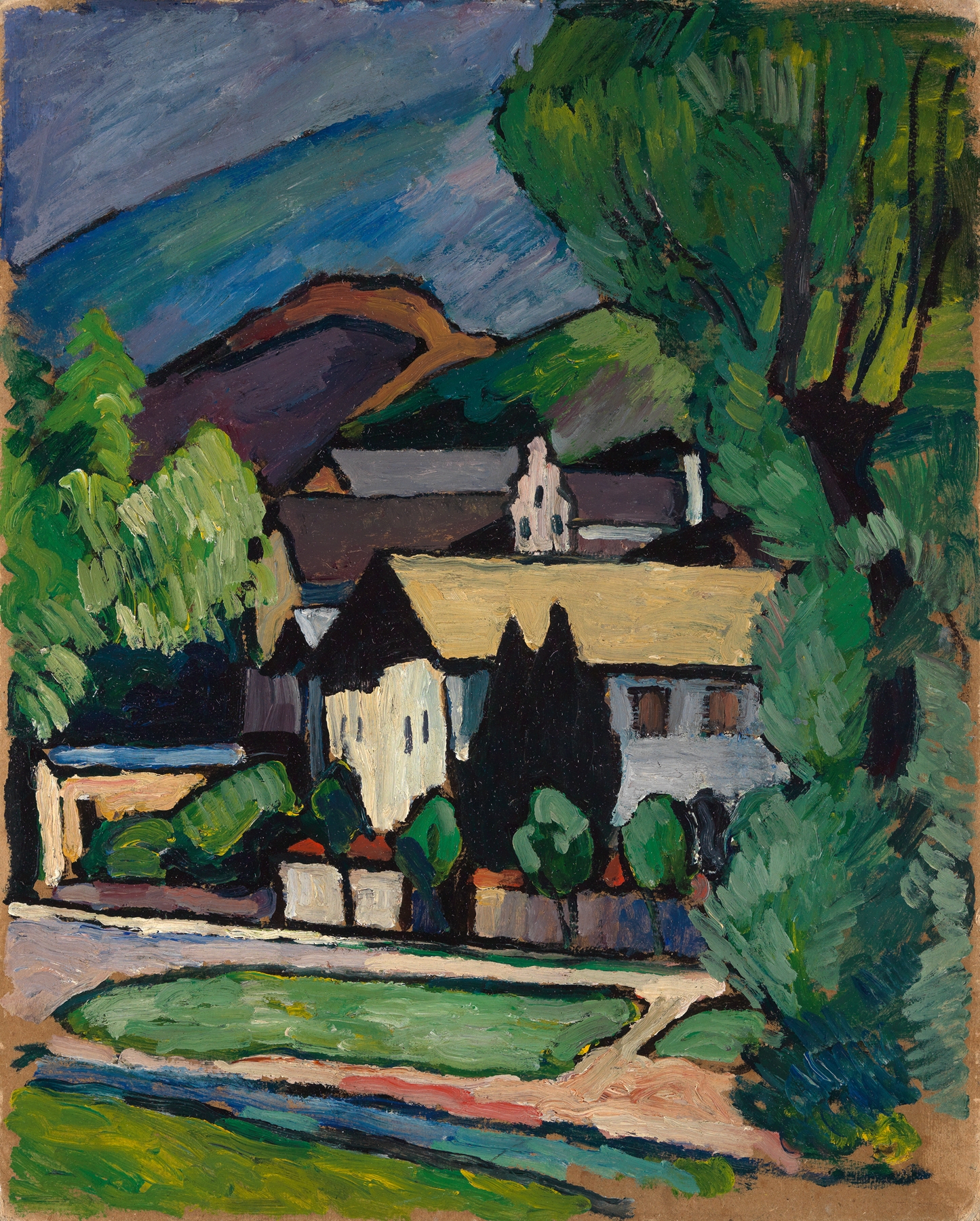
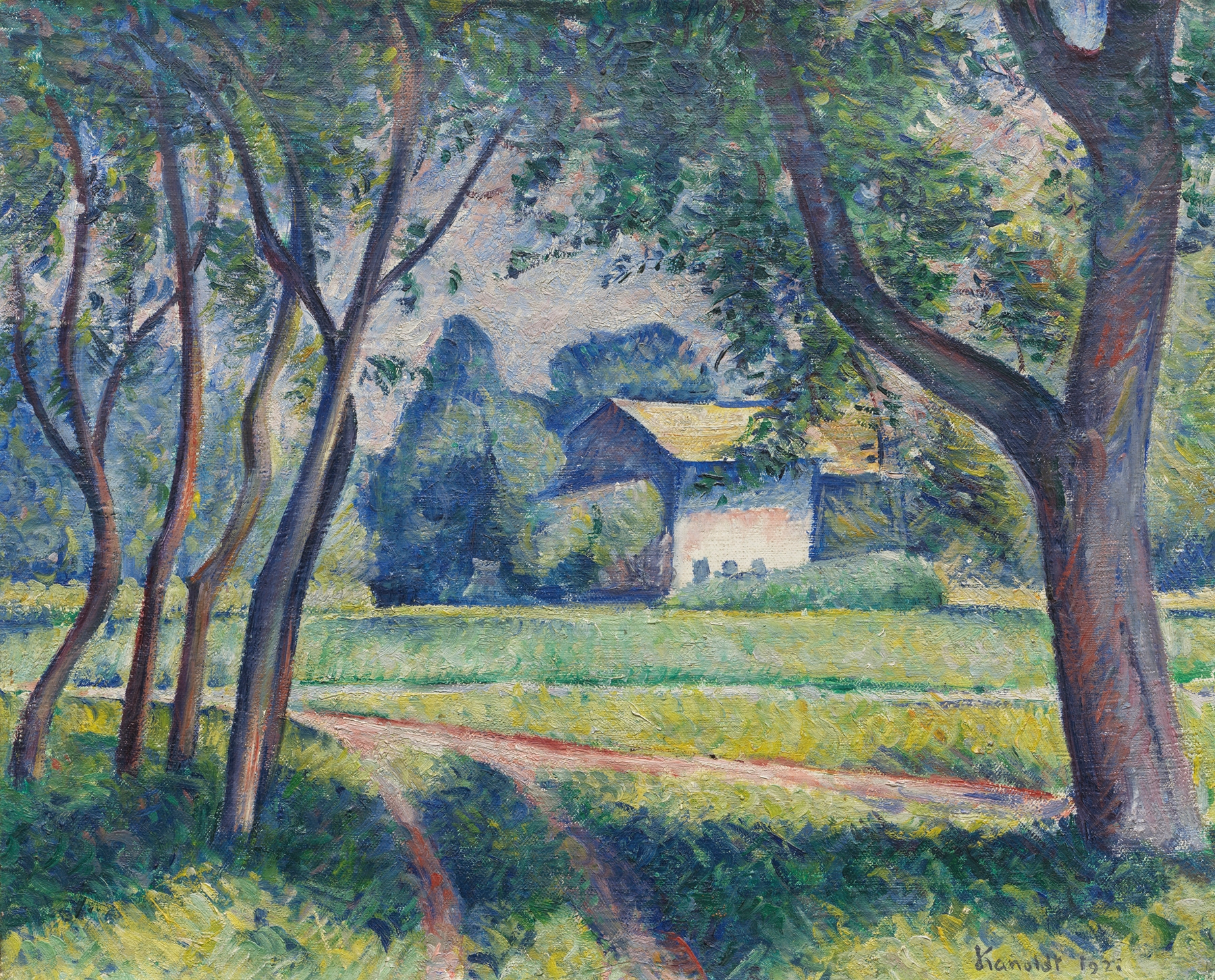
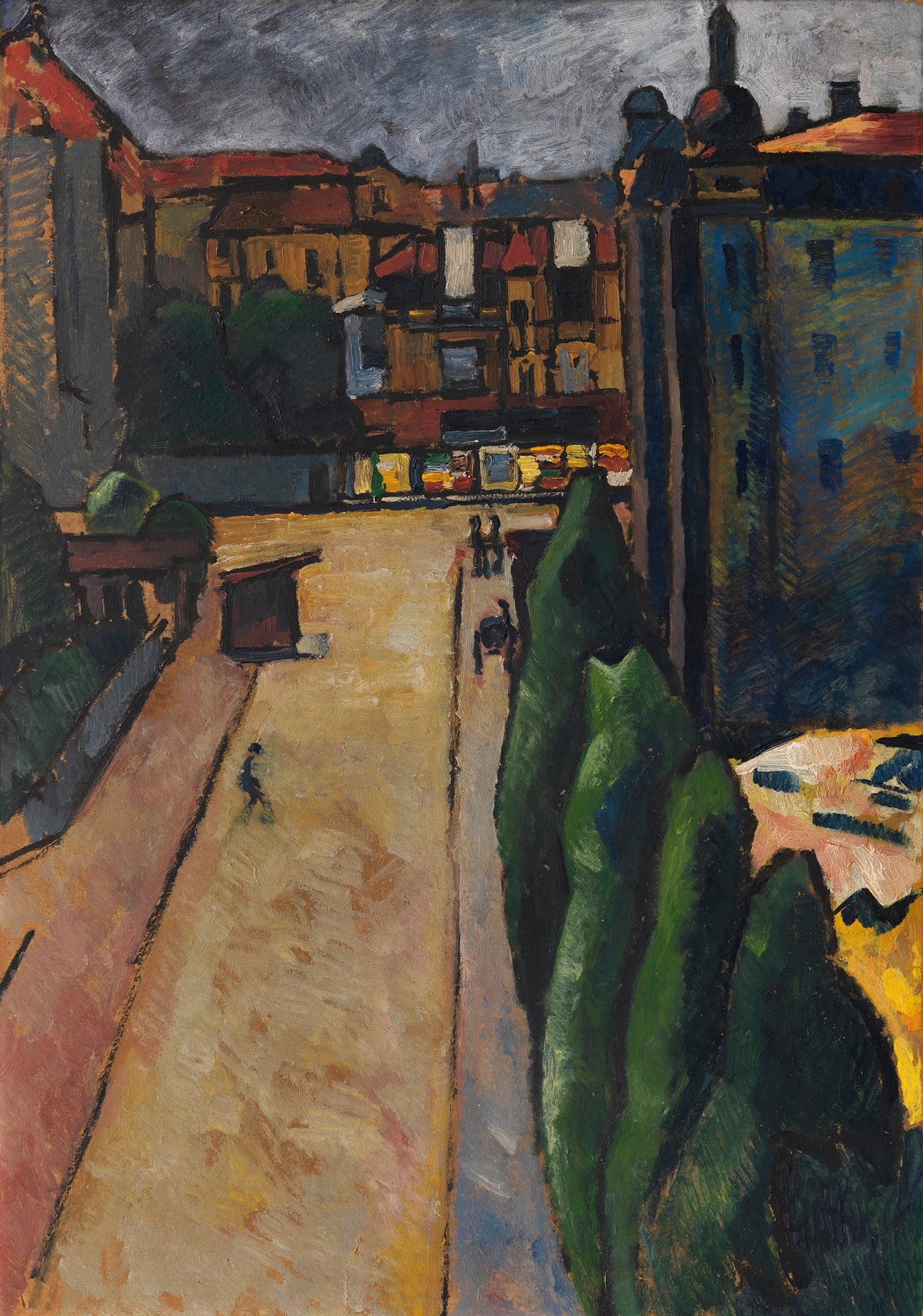
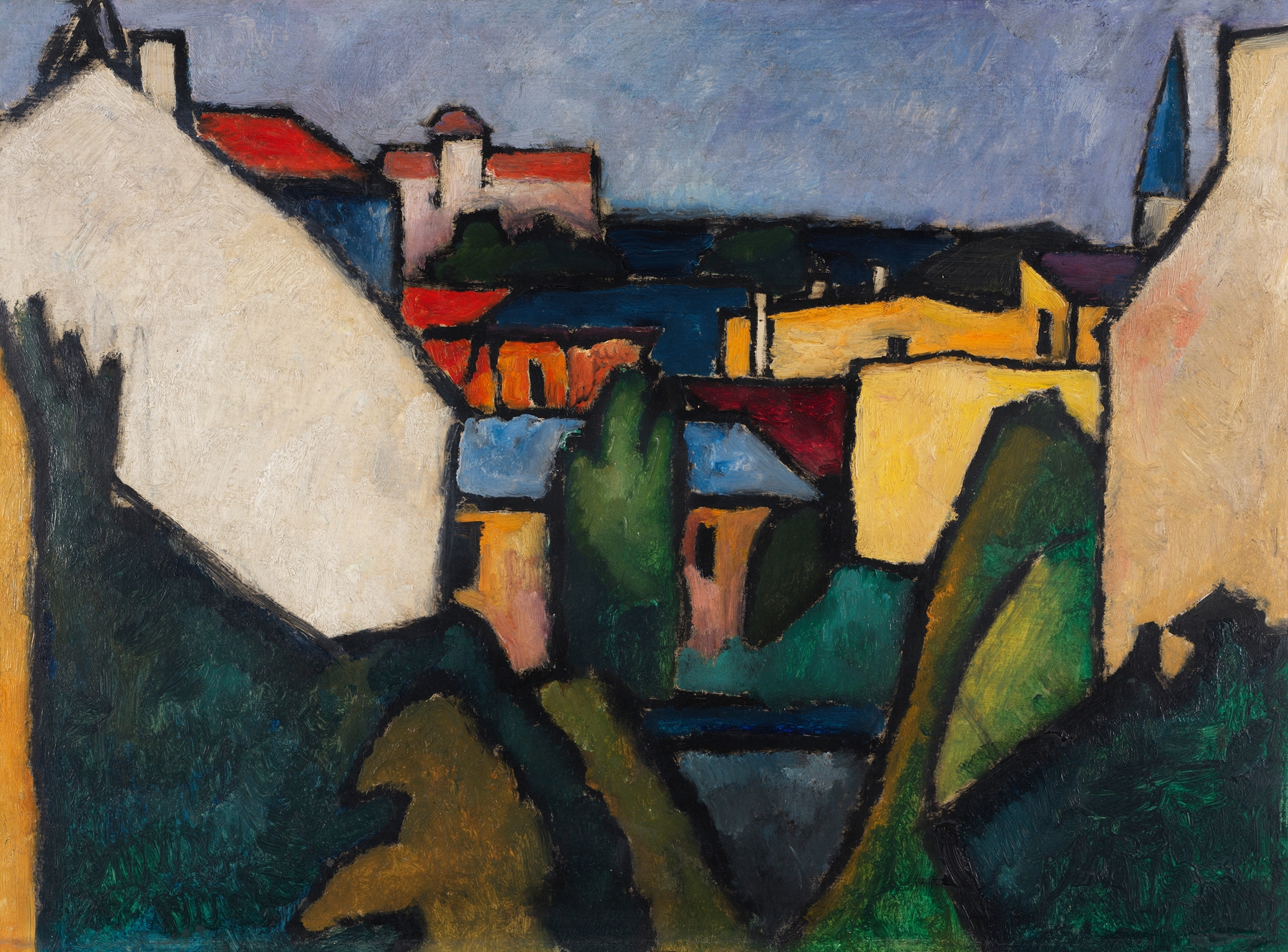
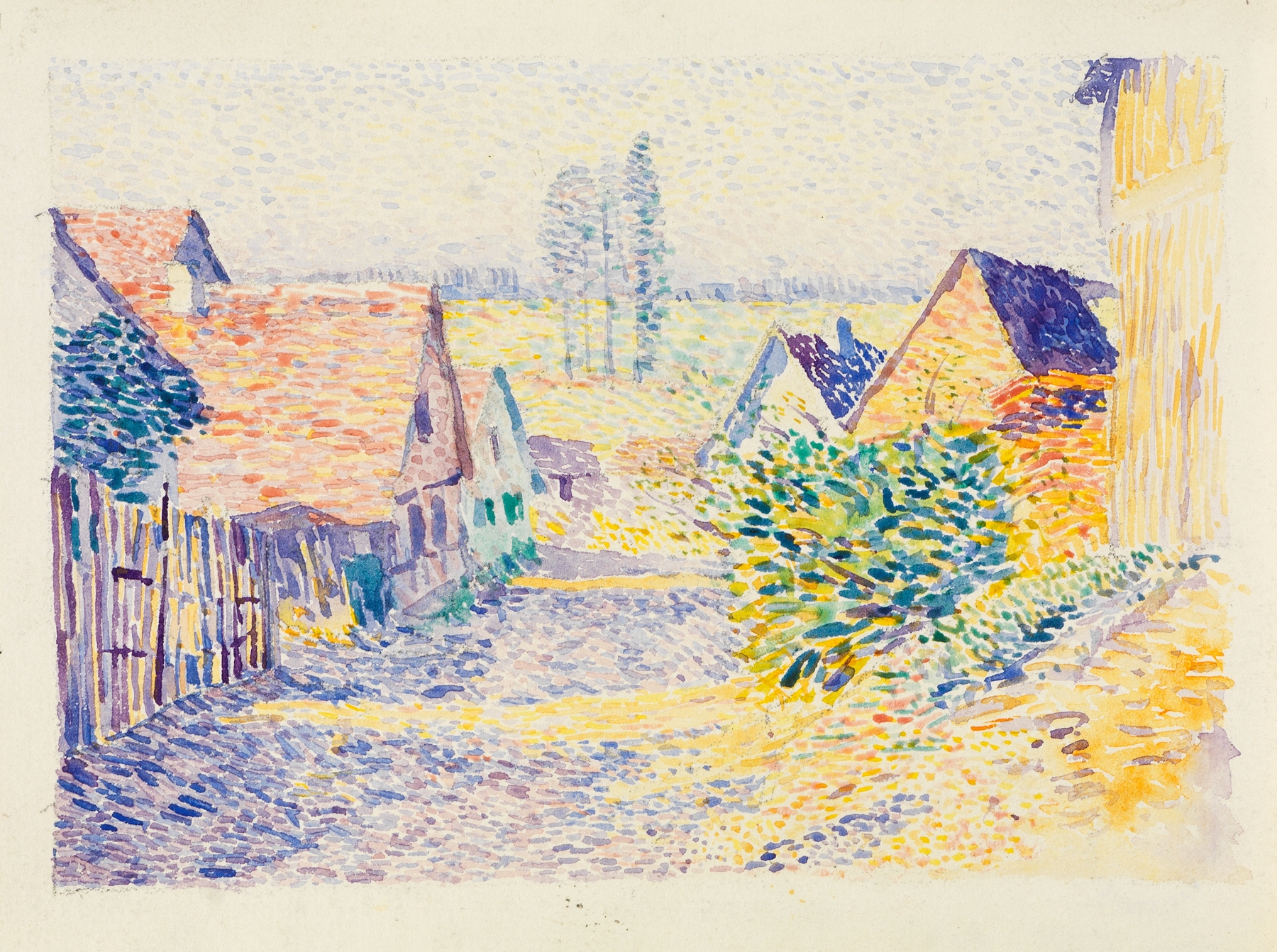
What if beauty was never meant to be finished? In Dorfstraße in Leopoldshafen II, the essence of rebirth unfolds through the delicate layers of color and form, inviting contemplation of life’s continuous renewal. Look to the left at the soft, gradient hues of a fading day, where the sun’s final rays accentuate the rustic charm of the cobblestone path. Notice how the artist employs a gentle touch, allowing each brushstroke to breathe life into the buildings, their facades imbued with subtle warmth.
The interplay of light and shadow creates a tranquil balance, transforming everyday architecture into a serene escape that beckons the viewer’s gaze. Deeper insights emerge amid the muted tones: the contrast between the natural world and human habitation, suggesting a harmonious coexistence. The greenery framing the street symbolizes nature’s resilience, while the quaint structures evoke a sense of nostalgia for simpler times. This relationship between the manmade and the organic speaks to the cyclical nature of existence, where beauty persists in the face of change.
In 1907, Alexander Kanoldt painted this piece in Germany during a time of artistic exploration and transformation. The world was witnessing the rise of modernism, and the artist sought to capture the serenity of ordinary life amid an era of rapid change. His work reflects a moment of introspection, as he embraced the beauty of stillness while grappling with the shifting currents of society and art.