San Gimignano — History & Analysis
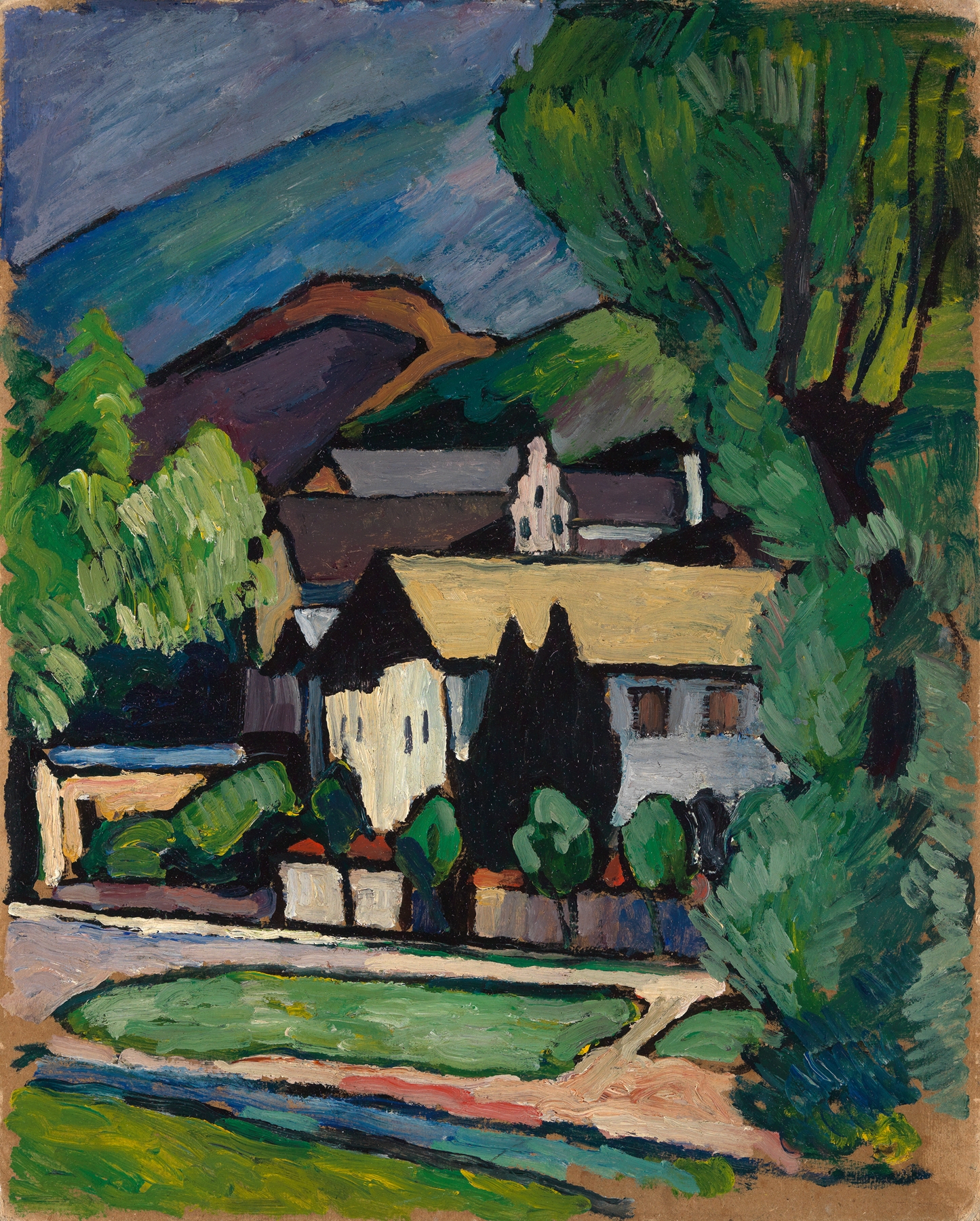
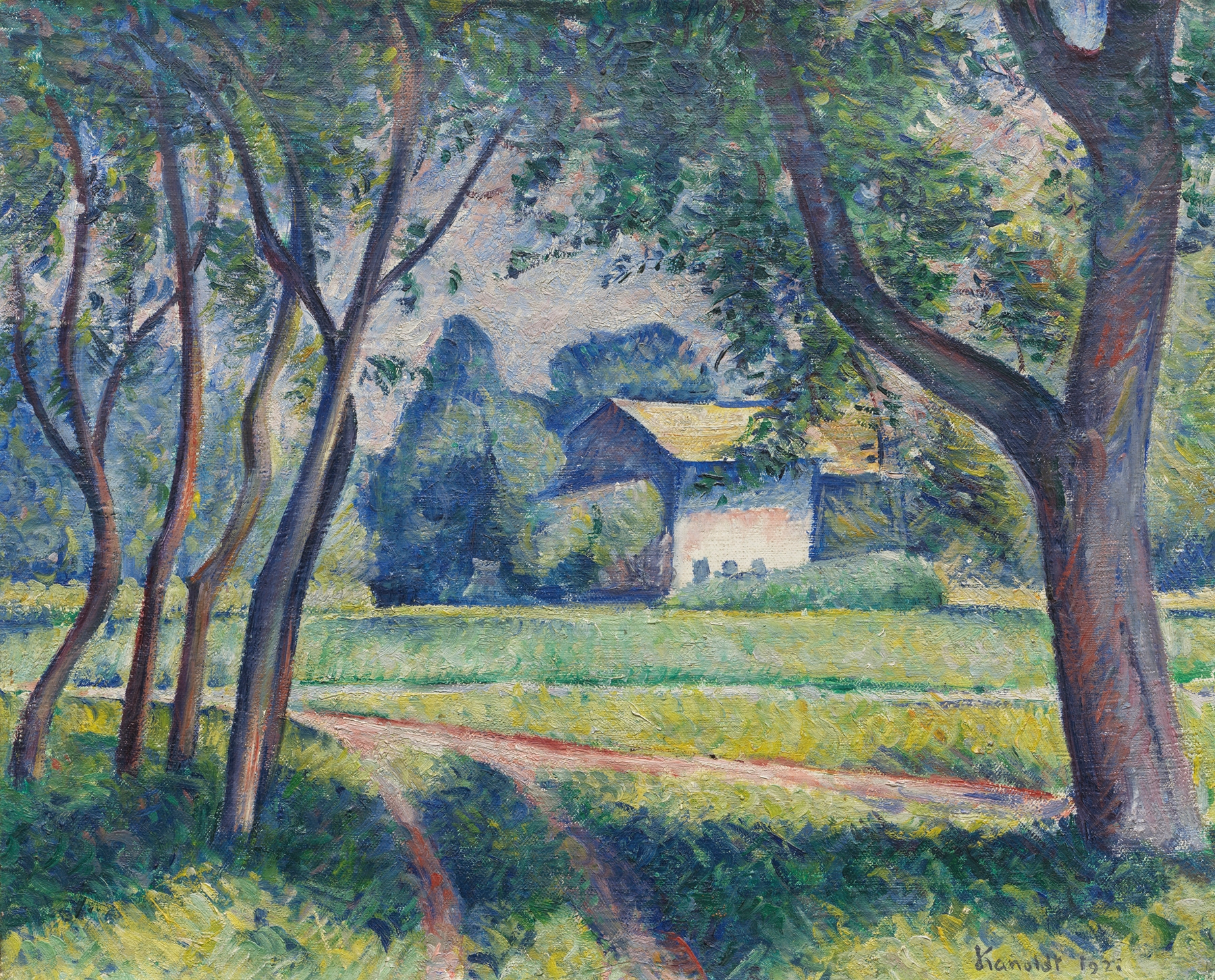
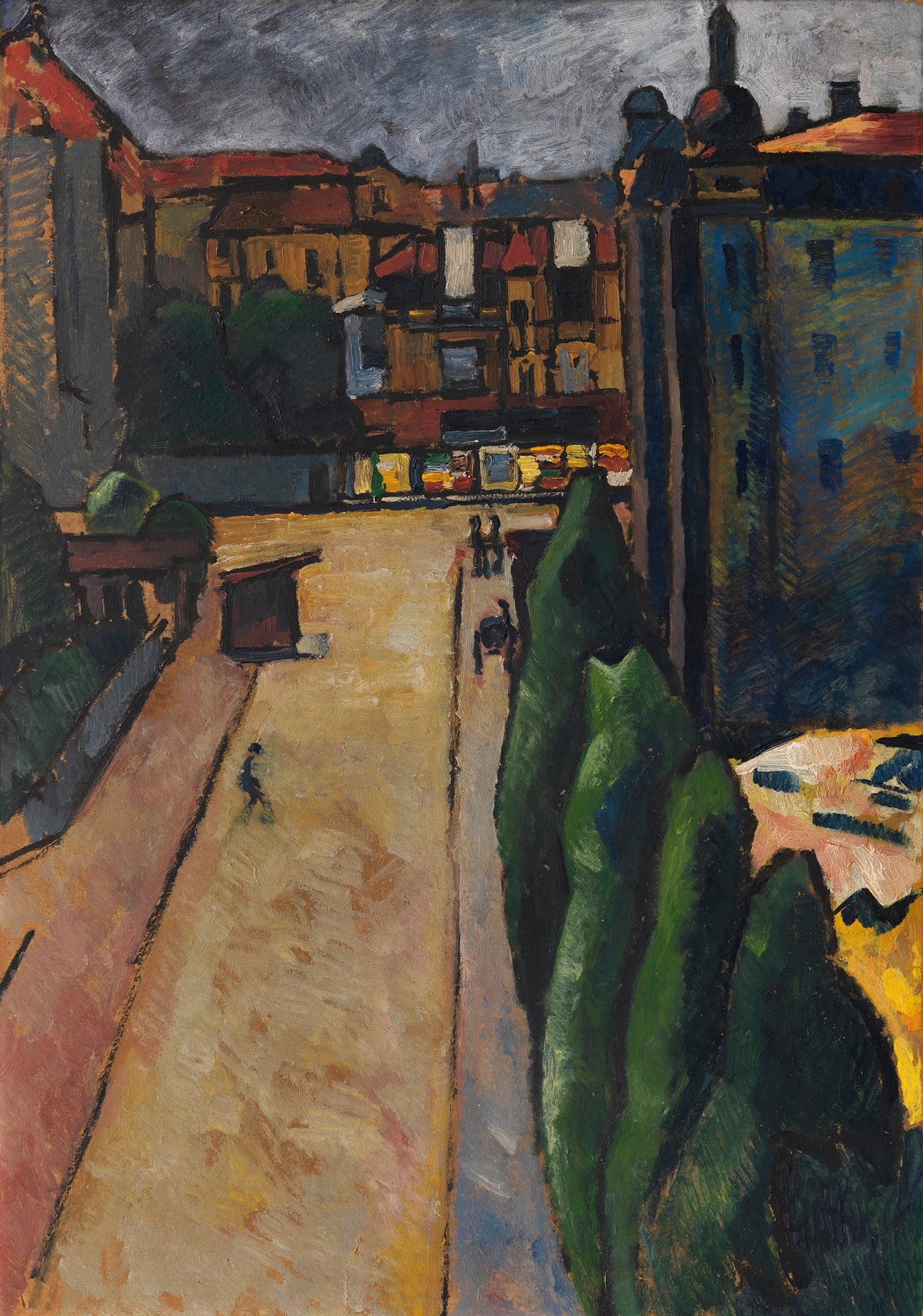
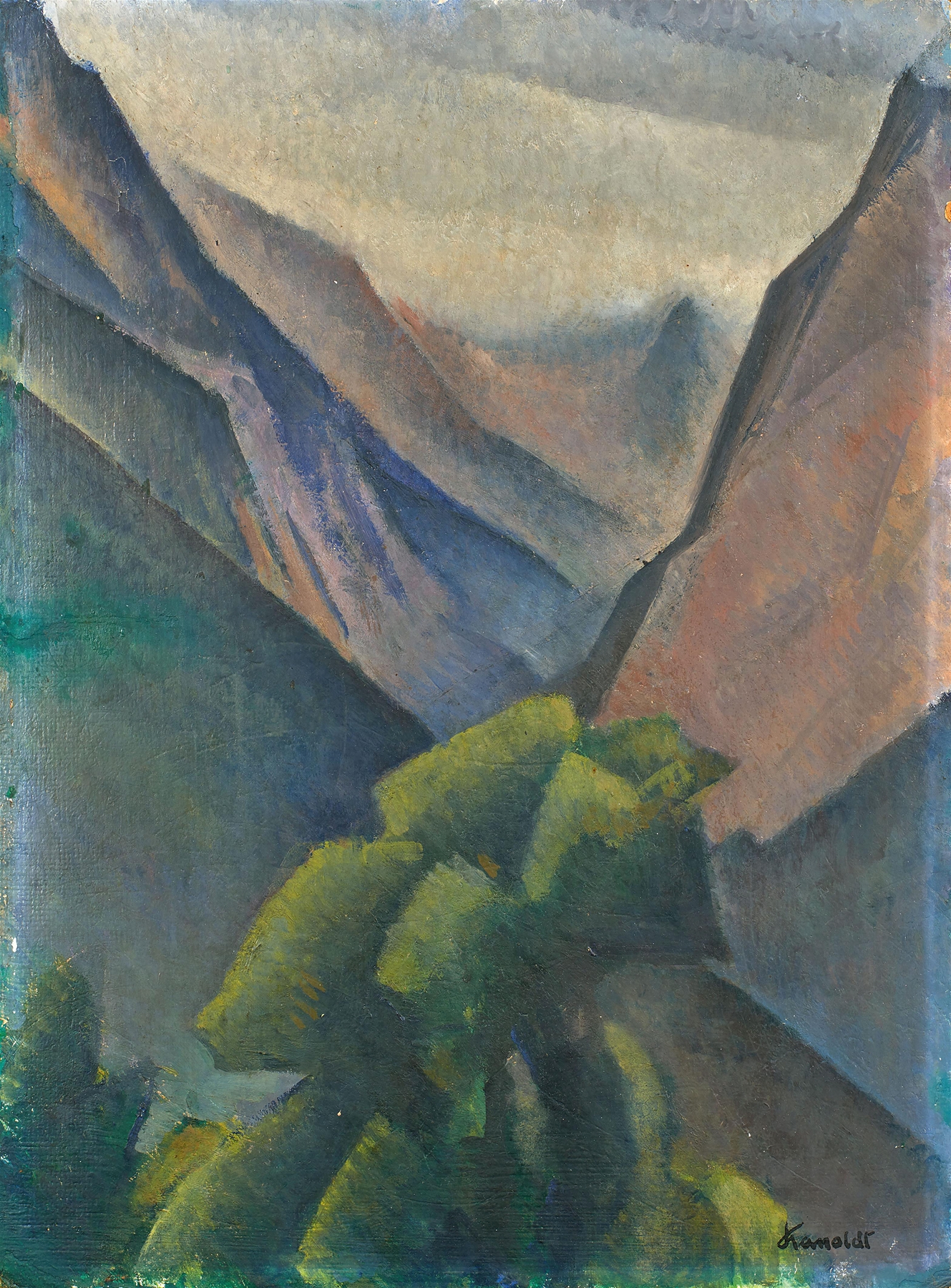
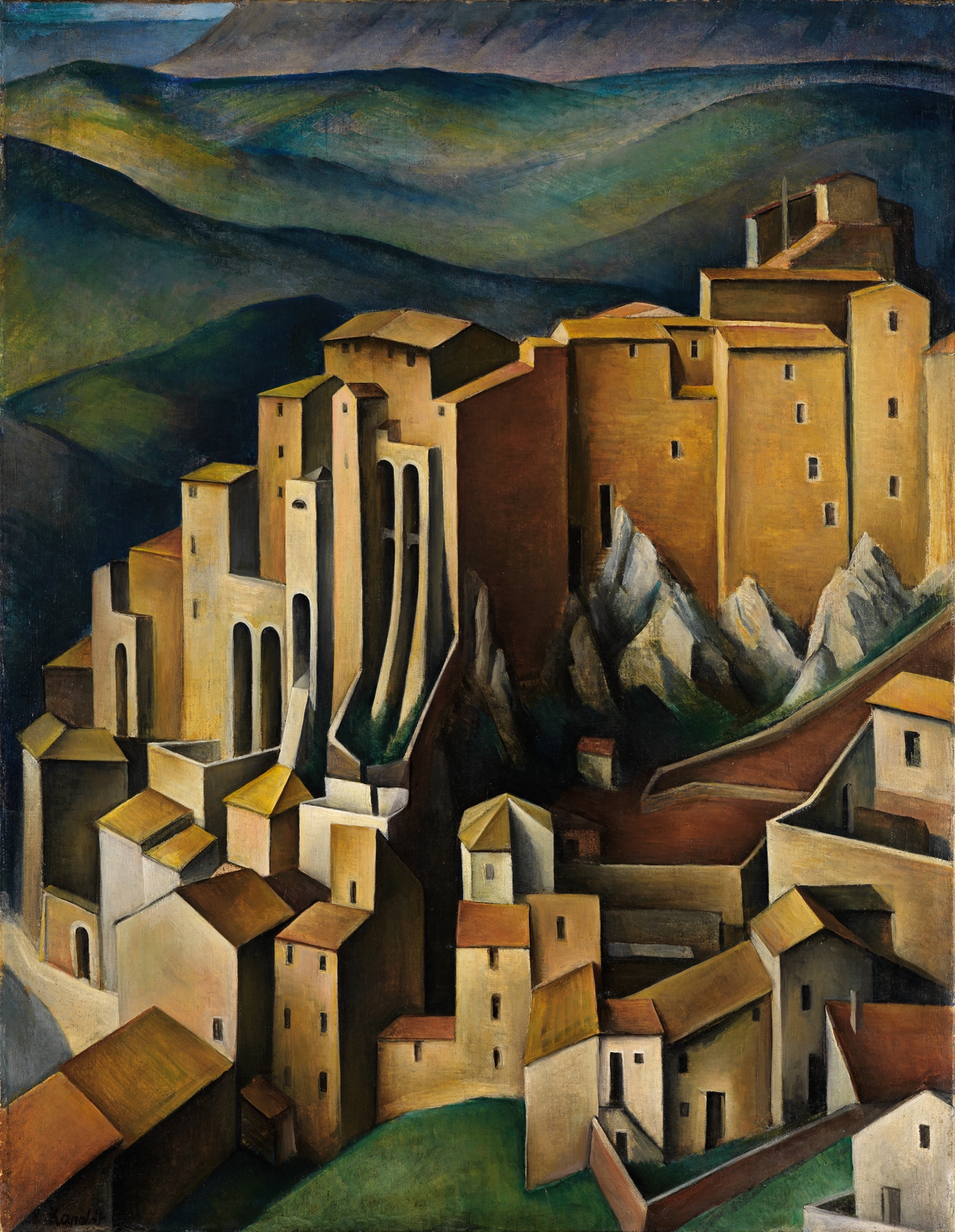
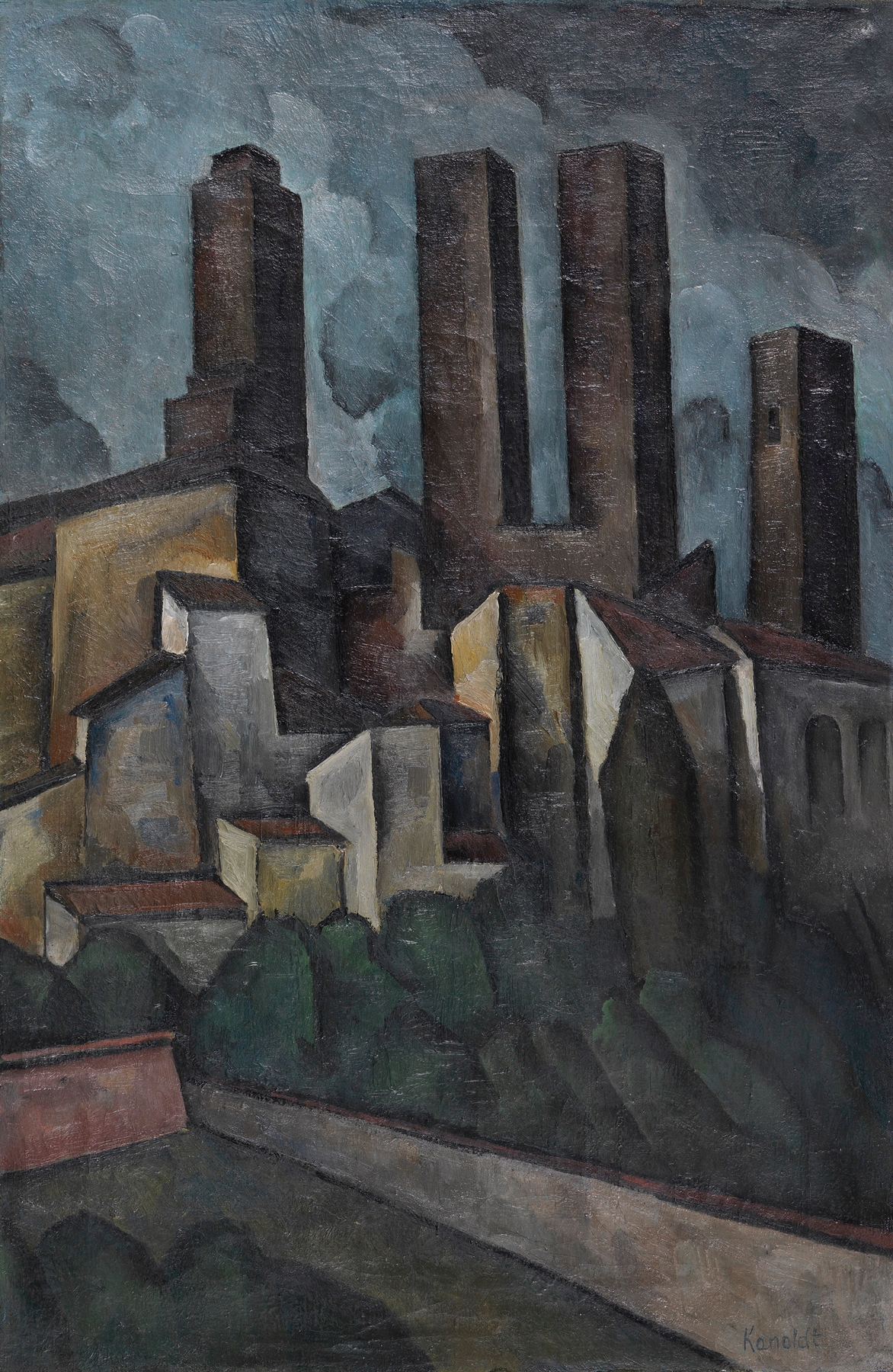
“To paint is to remember what time wants us to forget.” In a world filled with transience, some truths remain anchored in the canvas, defying the impermanence of life. Look closely at the delicate interplay of light and shadow in San Gimignano, where the muted tones of ochre and blue converge to capture the essence of a timeless Italian landscape. Focus on the tall, slender towers that reach skyward, standing resolute against a backdrop of soft, rolling hills.
Notice how Kanoldt employs a gentle gradient in the sky, evoking a sense of serenity that envelops the entire scene, allowing the viewer’s gaze to wander through the architectural beauty and lush scenery intertwined in harmony. As you explore the painting, consider the emotional weight carried by the juxtaposition of the towering structures against the expansive sky. Each building may symbolize the aspirations of humanity, while the vastness above reflects the infinite mysteries of existence.
The subtle brushstrokes reveal not just the physical landscape but also an internal dialogue of longing and stability—a reminder of what we wish to preserve amidst the relentless passage of time. Created in 1916 during a period of upheaval in Europe, the artist found himself navigating the struggles of World War I while seeking solace in the serenity of Italian landscapes. Living in a time when modern art was emerging, Kanoldt’s San Gimignano captures both a moment of clarity and a longing for permanence amidst chaos, marking a significant point in his exploration of place and memory within the modern context.