Blick auf die Alpspitze — History & Analysis
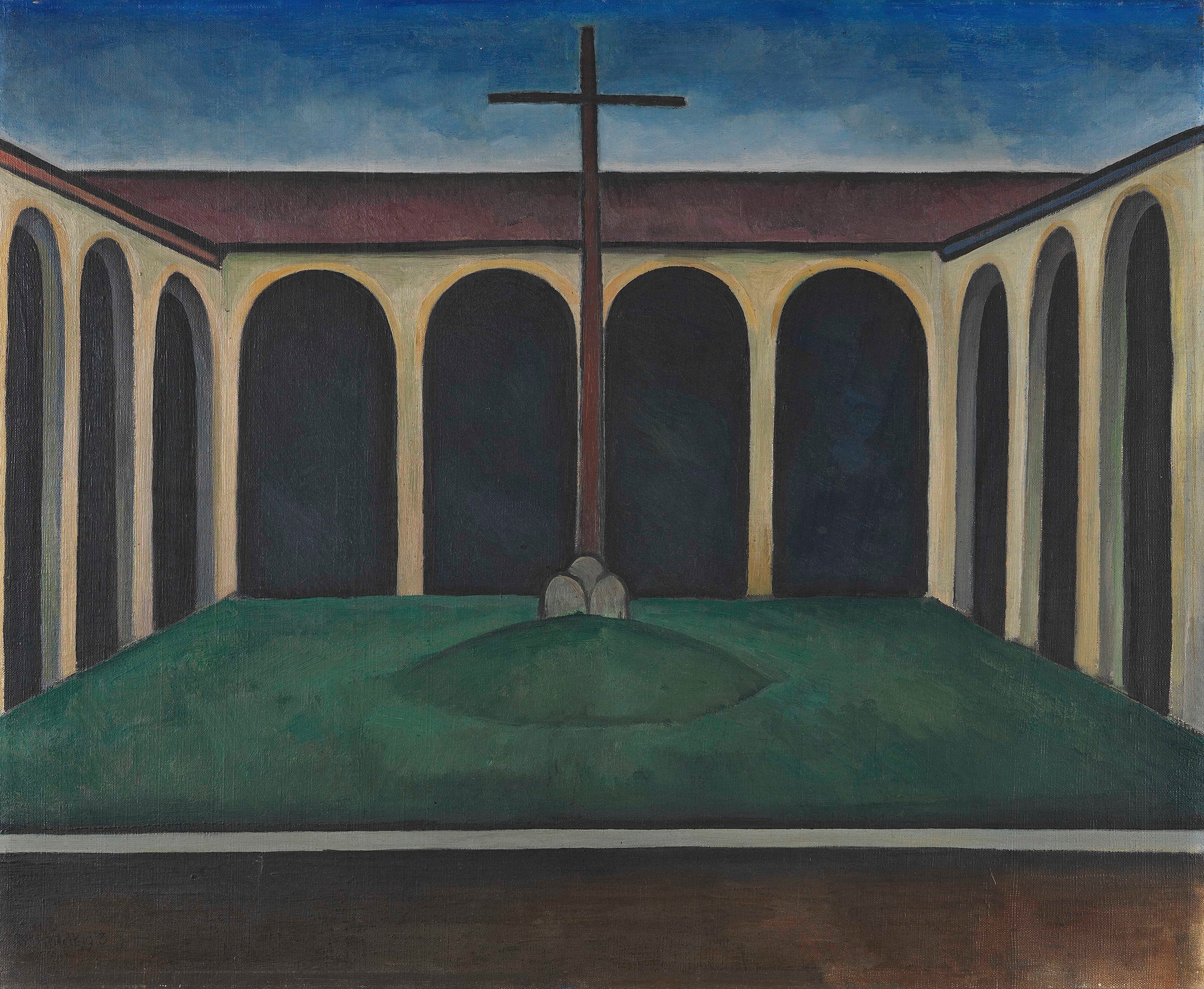
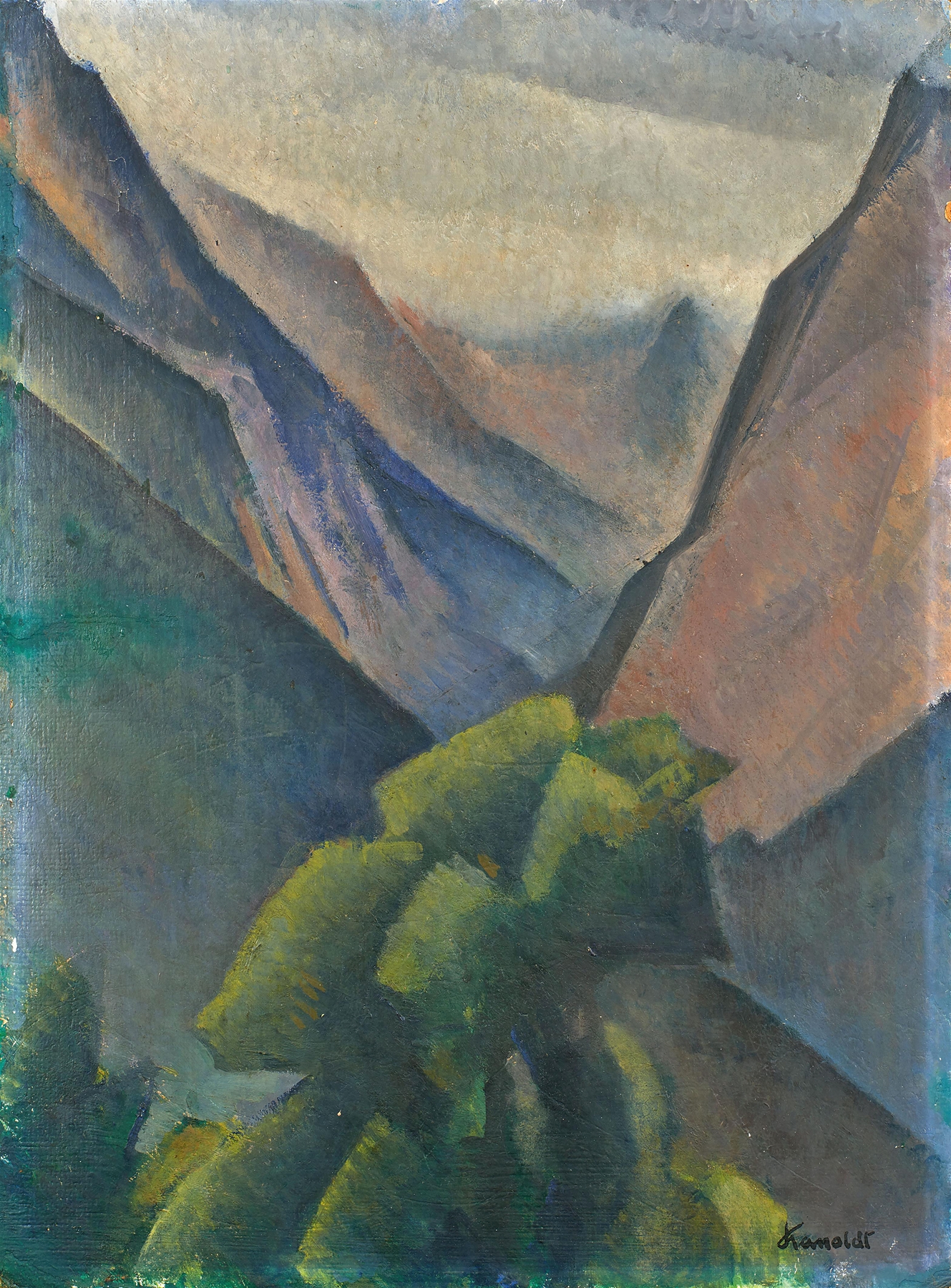
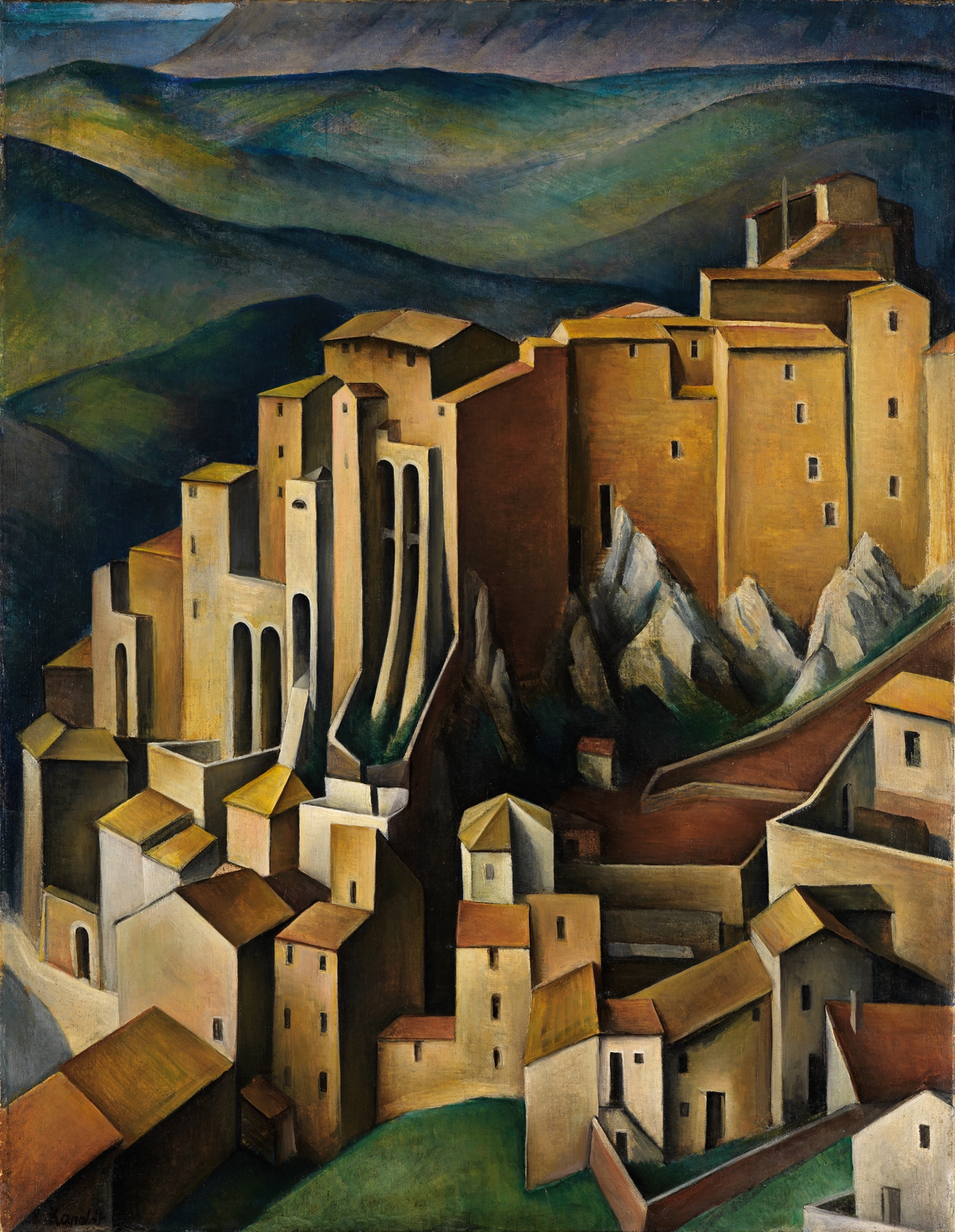
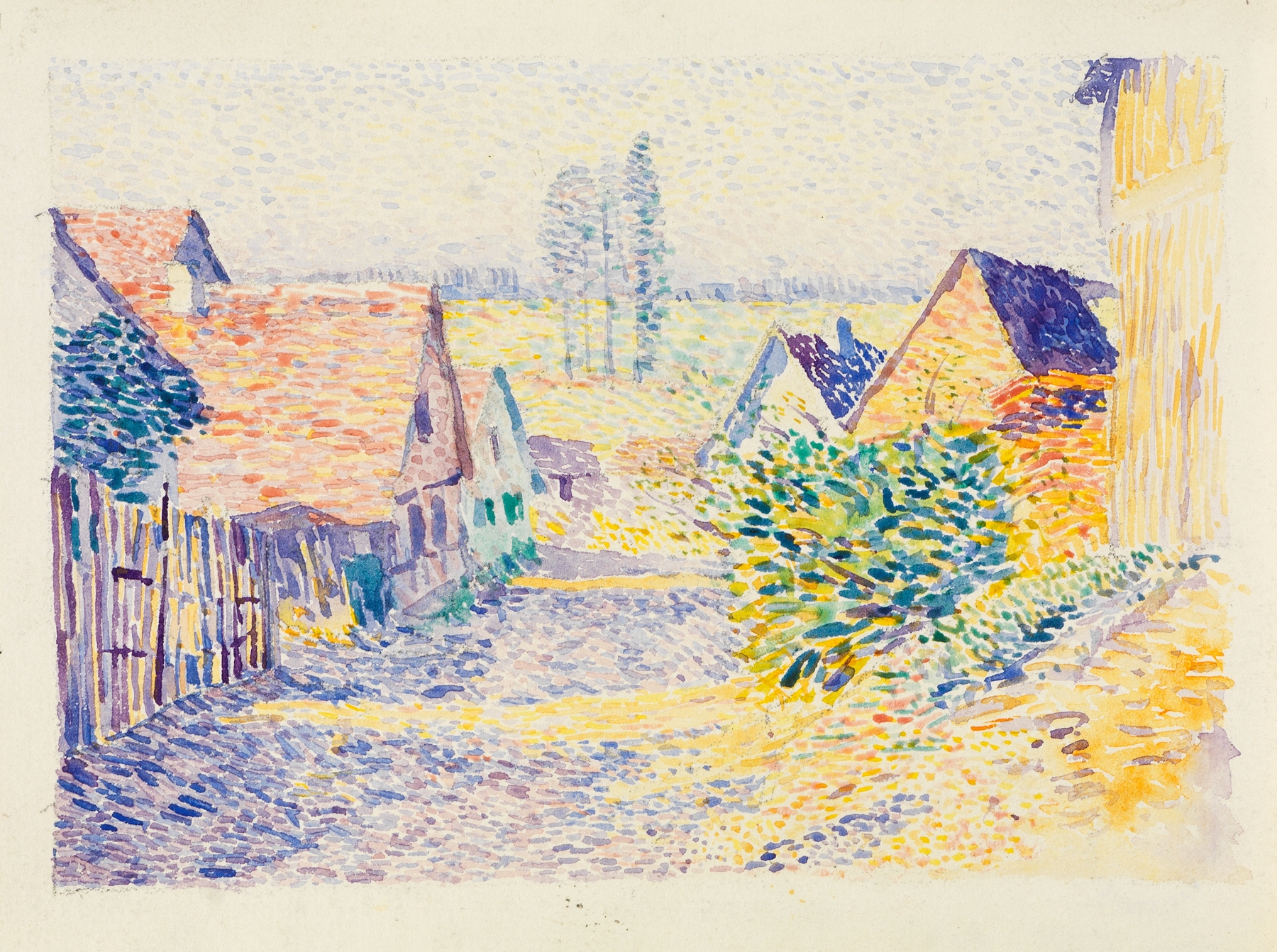
Can paint confess what words never could? In *Blick auf die Alpspitze*, the mountain peaks stand solemnly, beckoning whispers of truth from the viewer, inviting introspection and reverie. Look to the center of the canvas, where the Alpspitze rises majestically, its rugged silhouette etched against a serene sky. Notice how the cool hues of blue and gray envelop the mountain, contrasting with the warm, golden light that washes over the foreground. This interplay of color is a masterful technique, drawing your gaze toward the sharp contours of the rock face and the soft undulations of the meadow below, creating a dialogue between the harshness of nature and its breathtaking beauty. As you delve deeper, consider the juxtaposition of solitude and grandeur. The starkness of the mountain evokes feelings of isolation, yet the lush green valley speaks to the warmth of life below. The artist cleverly employs light and shadow to suggest the passage of time, hinting at nature’s relentless cycle of change and permanence. Each brushstroke carries an emotional weight, urging you to reflect on the relationship between humanity and the sublime forces of the natural world. Created around 1932, *Blick auf die Alpspitze* emerged during a tumultuous period in Europe. Alexander Kanoldt painted this piece in Germany, a time when the art world wrestled with the rise of modernism. As the interwar years unfolded, the artist sought solace in landscapes, using them to explore themes of identity and belonging, while quietly commenting on the shifts occurring in society and the environment.