Gebirgsansicht — History & Analysis
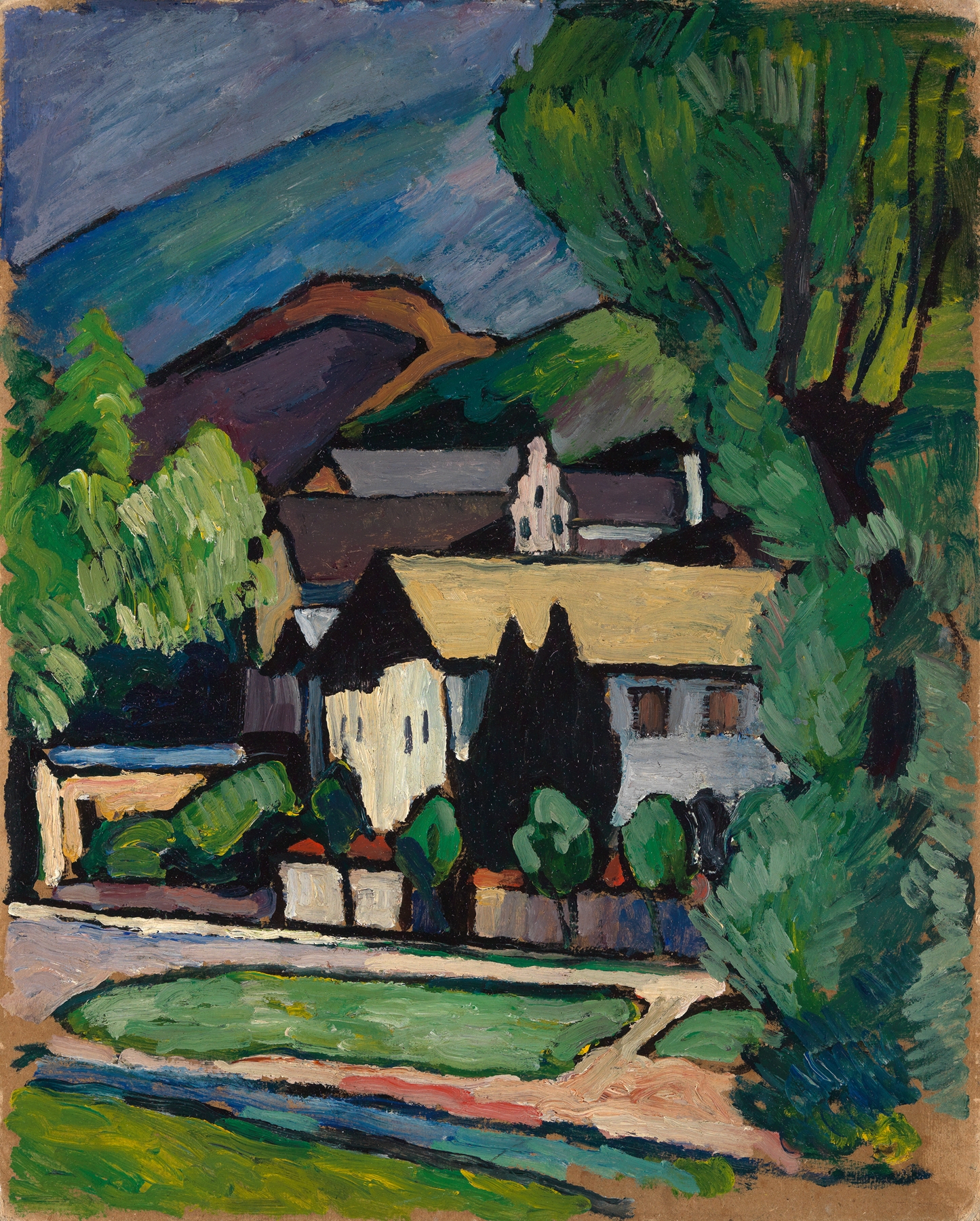
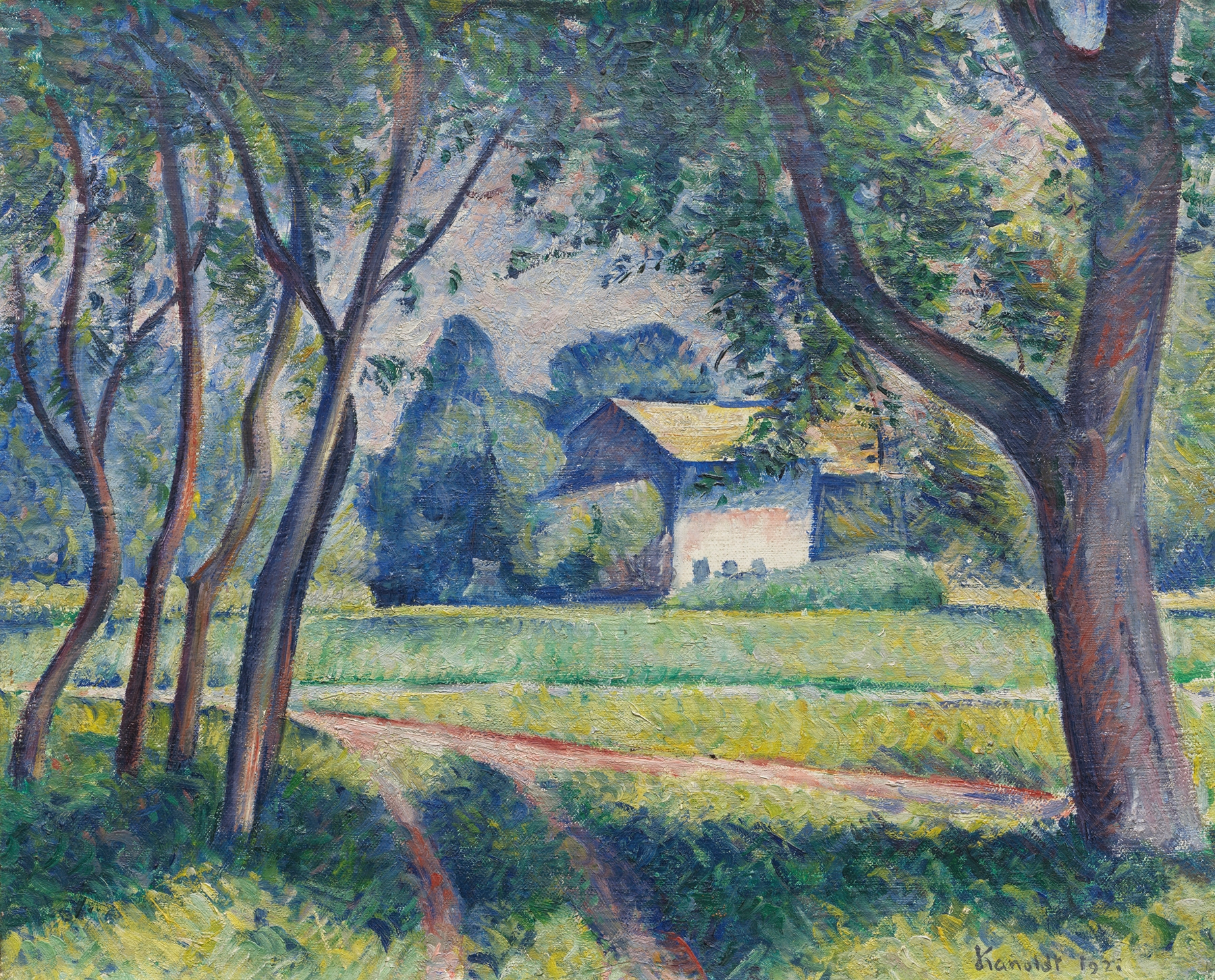
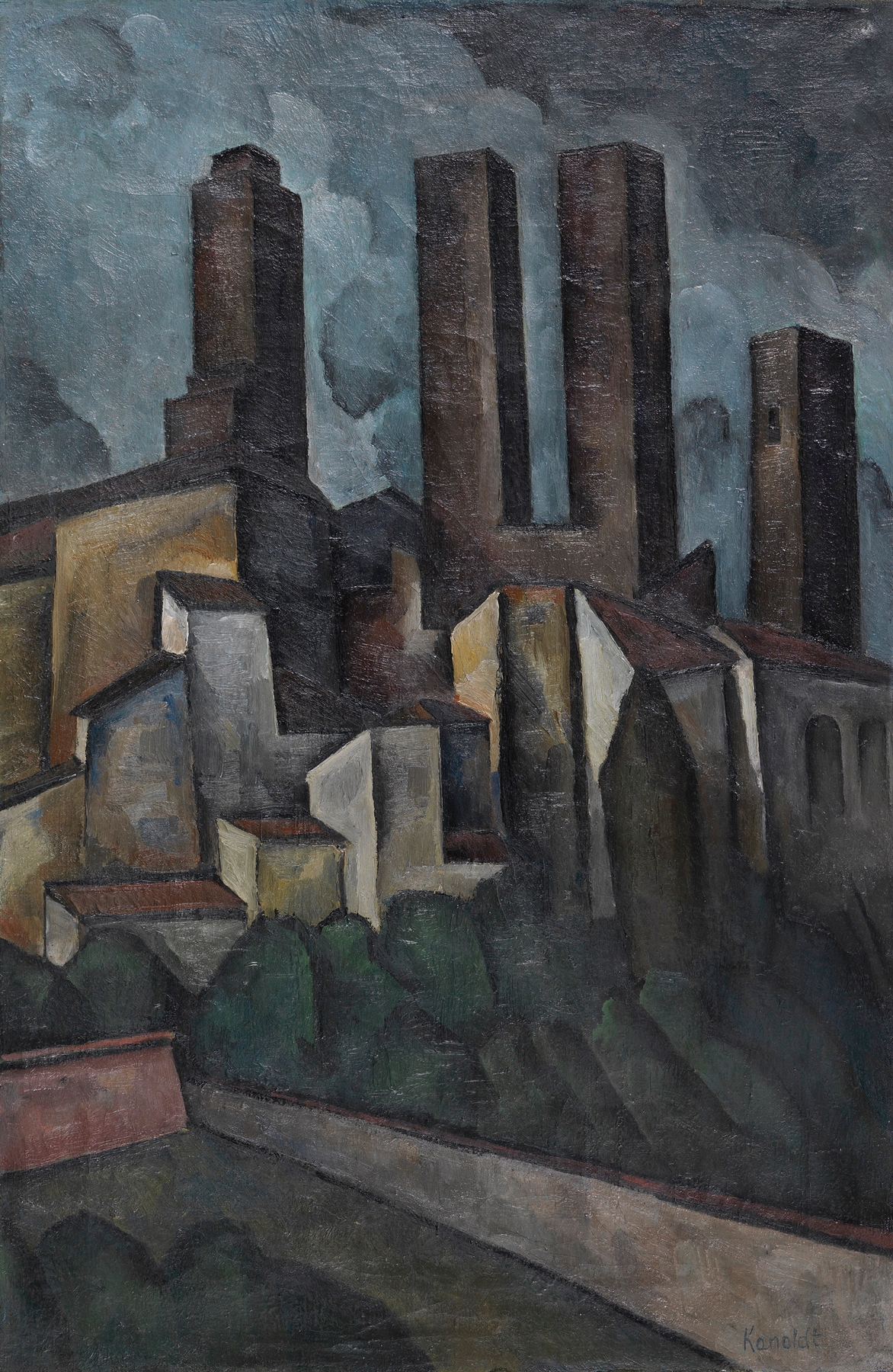
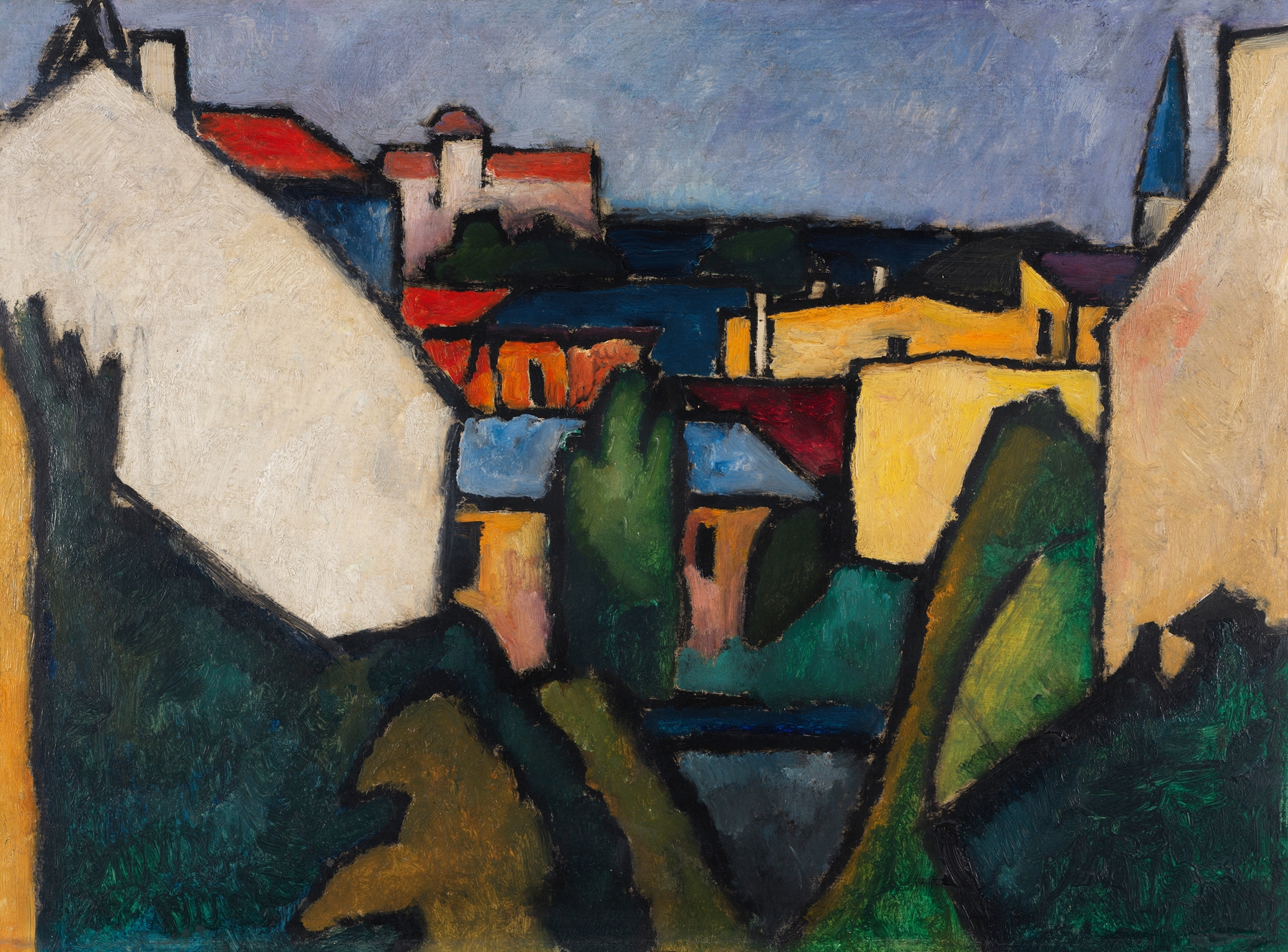
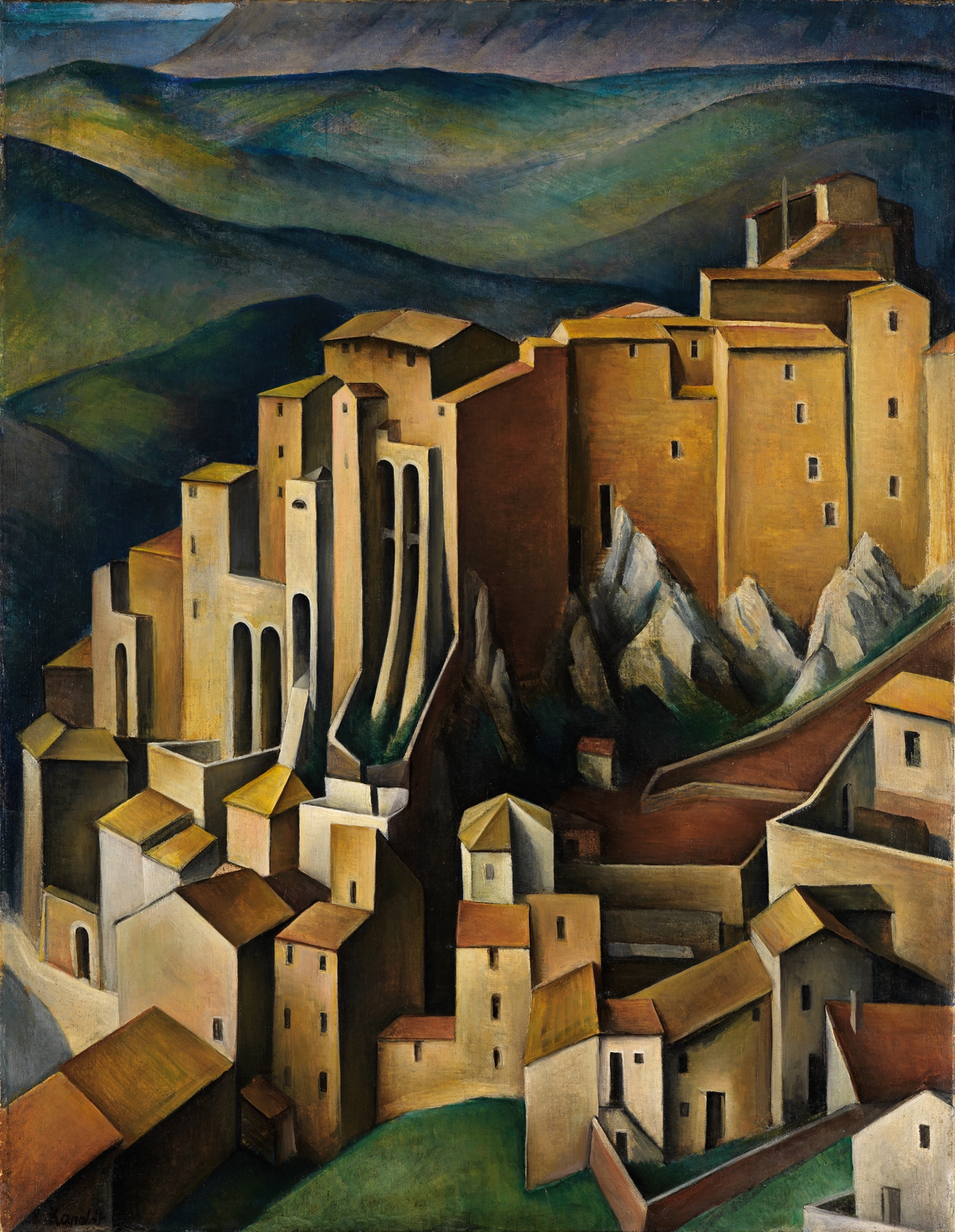
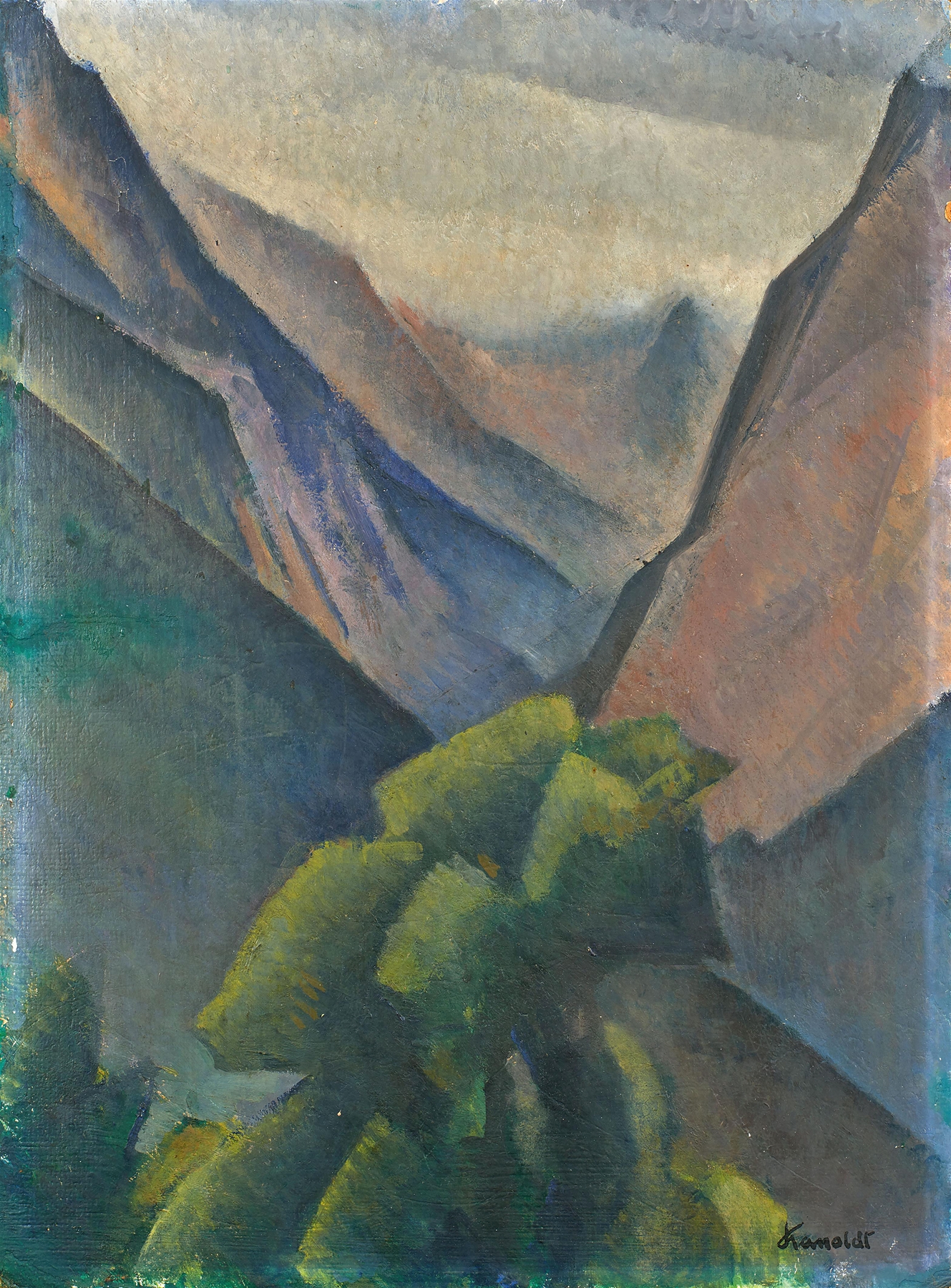
What secret hides in the quiet of the canvas? In Gebirgsansicht, the serenity of a mountain landscape hints at deeper turmoil, revealing the tension beneath the surface of tranquility. Look to the left at the craggy peaks rising majestically against the pale sky, their sharp edges softened by a gentle mist. The cool blues and grays dominate the scene, while subtle touches of earthy browns ground the composition.
Notice how the light gently caresses the mountains, casting elongated shadows that evoke an unsettling stillness. The restrained palette and deliberate brushstrokes create a serene atmosphere that belies the latent violence of nature's overwhelming power. Beneath the calm facade lies a duality—the beauty of the untouched landscape contrasted with the underlying threat of an impending storm. The majestic mountains, though awe-inspiring, evoke feelings of isolation and vulnerability, suggesting that beneath their grandeur, destruction lurks.
This juxtaposition reflects the human experience of grappling with beauty that is intertwined with fear, hinting at the potential violence of nature that can erupt at any moment. In 1930, Kanoldt was deeply influenced by the tumultuous political climate in Germany, leading up to the rise of National Socialism. Working within a context where art was both celebrated and scrutinized, he sought to capture the raw essence of landscape painting while infusing it with emotional depth. His works reveal a world caught in a fragile balance, where beauty exists alongside the threat of chaos, an echo of the era's uncertainties.