Beach Scene — History & Analysis
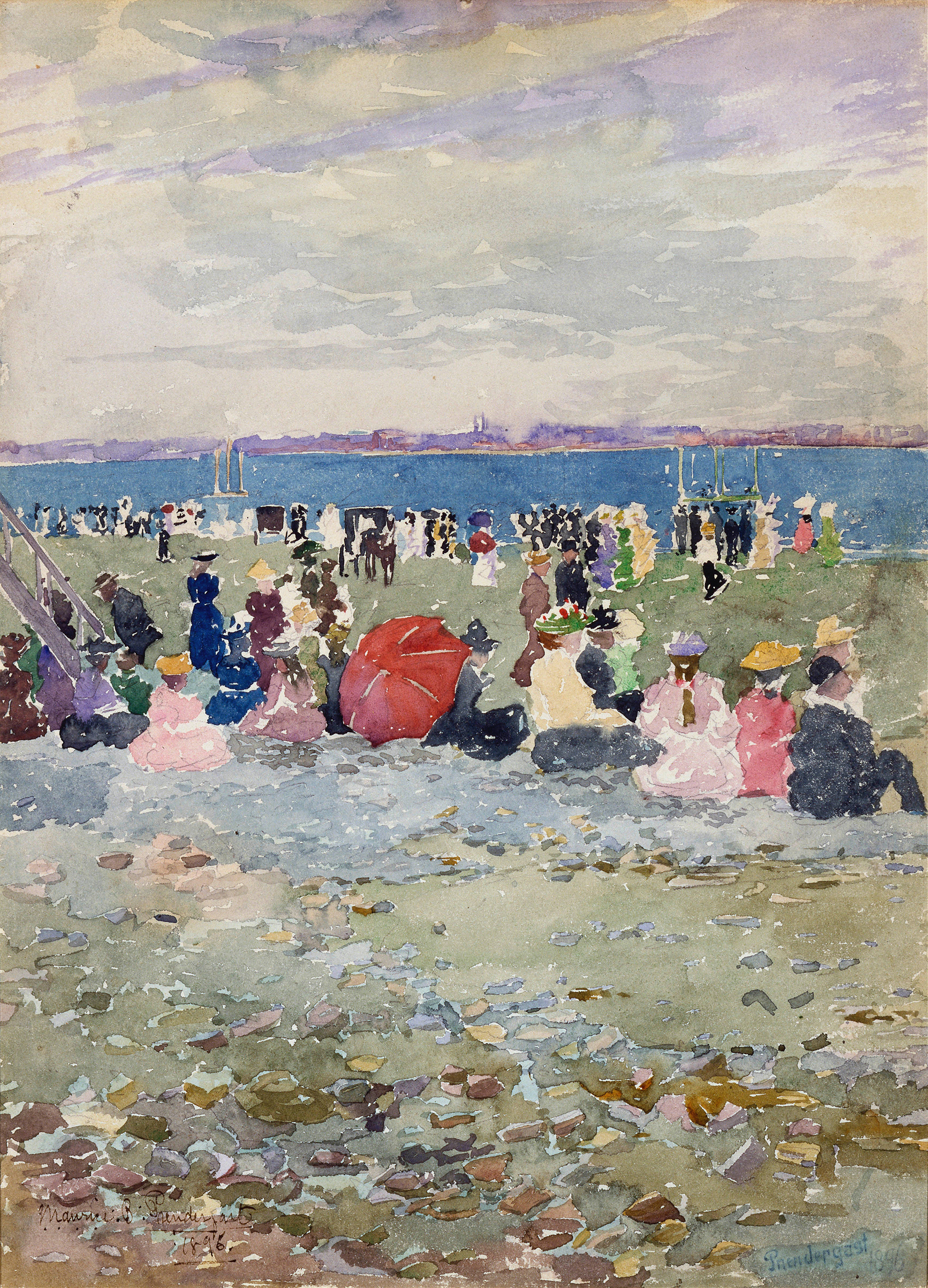
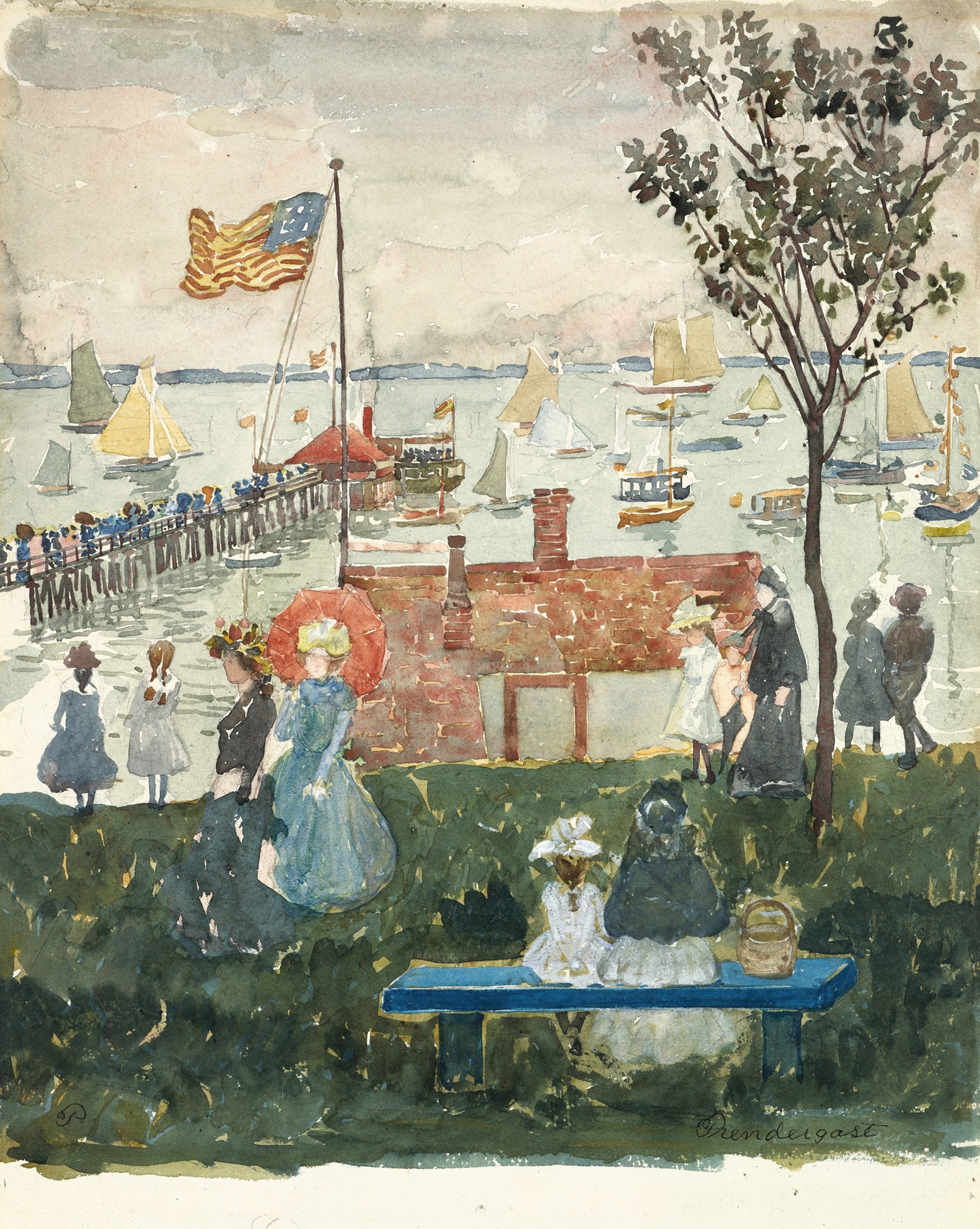
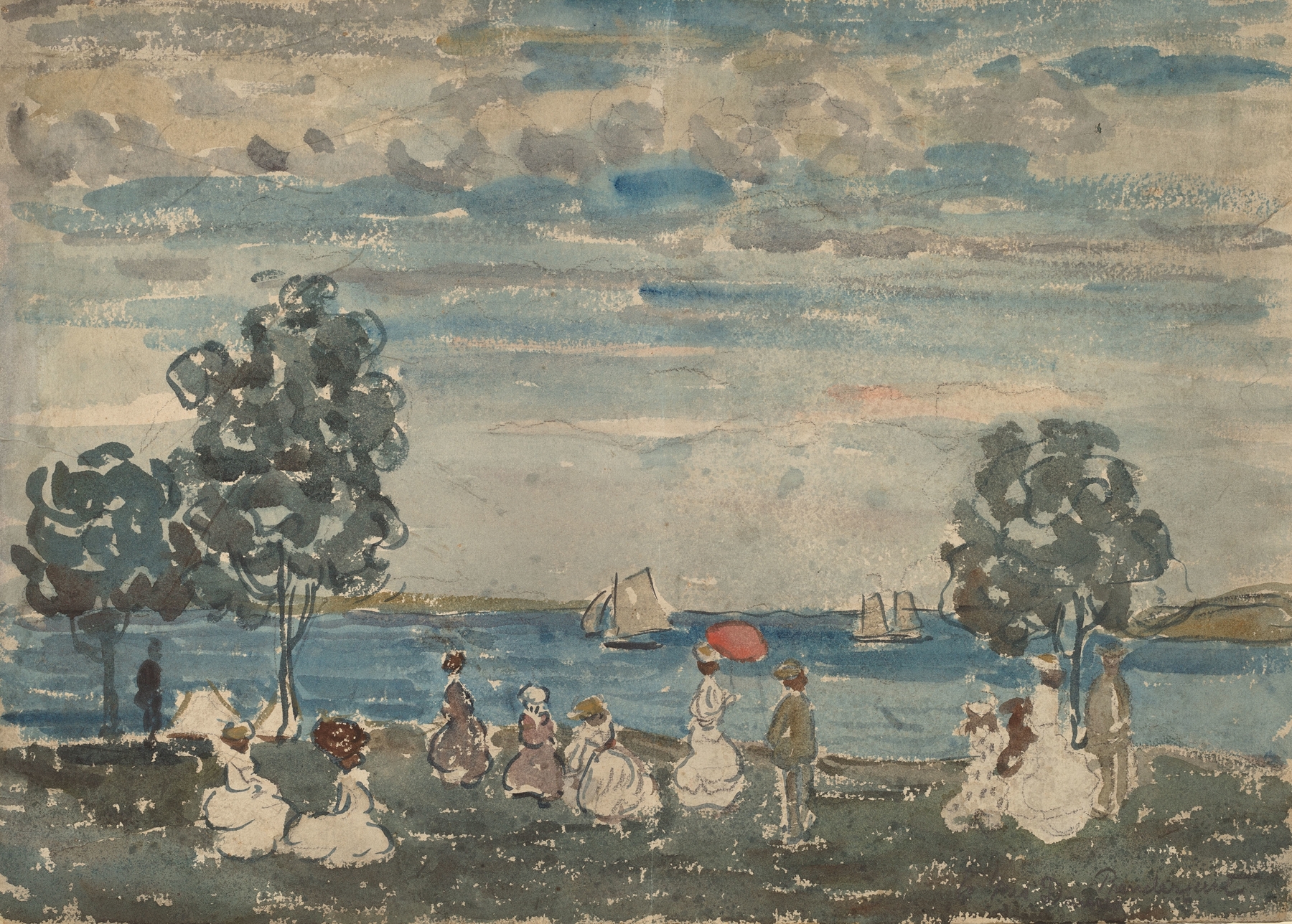
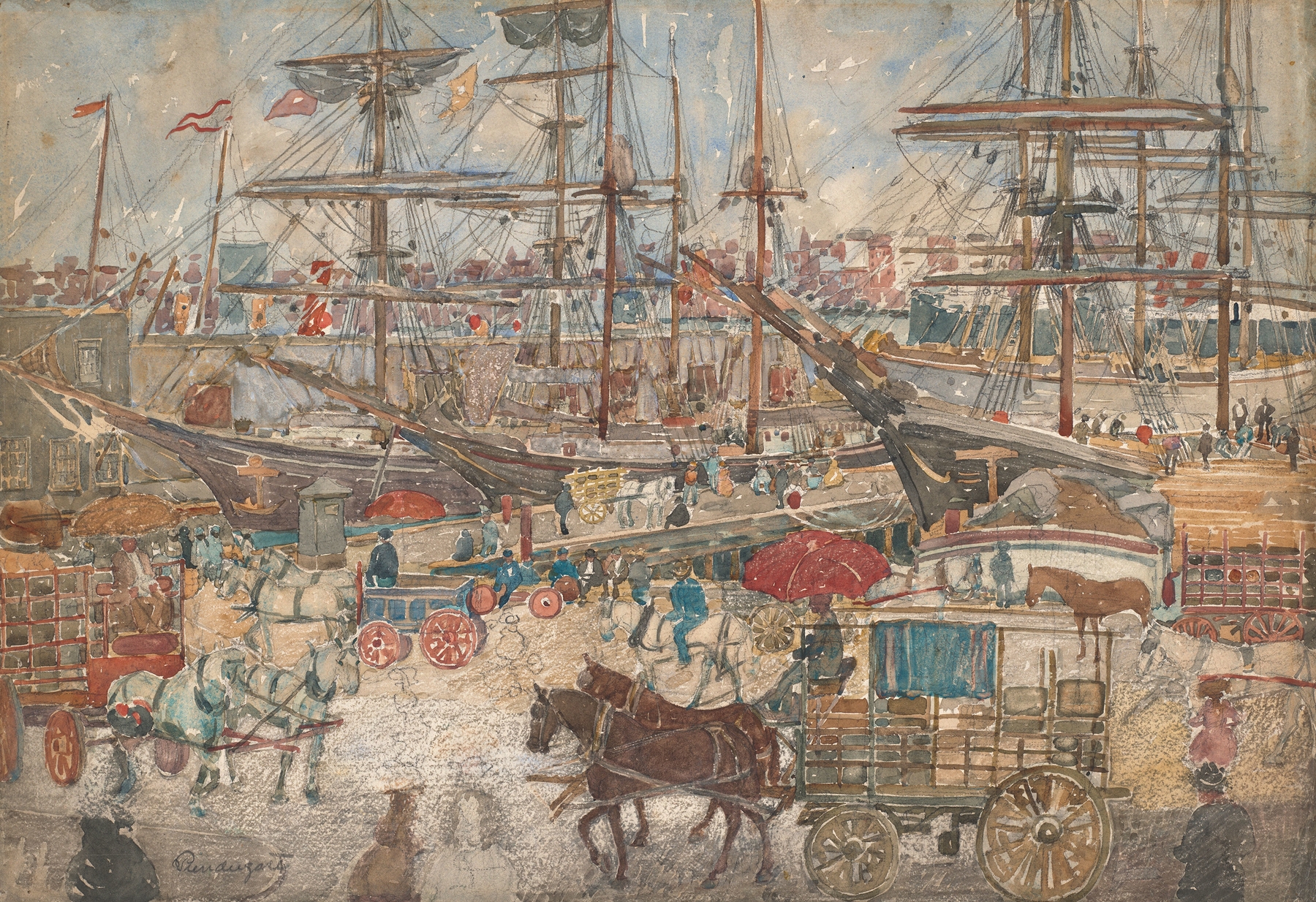
Who listens when art speaks of silence? In Beach Scene, the essence of transcendent joy unfolds before us, echoing the gentle rhythm of waves and whispers of summer air. Focus on the vibrant swathes of color that dance across the canvas, inviting your gaze to the myriad figures sprawled across the shore. Look to the bottom left, where a child, half-hidden in bright hues, builds a sandcastle, her small hands busy with purpose.
Notice how the painter's brushstrokes mimic the soft undulation of the sea, creating a harmonious blend of movement and light. Prendergast’s choice of pastel shades captures an ethereal quality, evoking the warmth of the sun that bathes each figure in golden hues. Delve deeper, and you’ll find contrasts that speak volumes—between the animated chatter of beachgoers and the serene backdrop of the ocean. The playful splashes of color not only suggest leisure but hint at the fleeting nature of joy.
Each figure is distinct yet unified, as if sharing in a collective experience, while the gentle horizon symbolizes endless possibilities and the ephemeral quality of summer days. During the years 1907 to 1910, the artist immersed himself in the vibrant colors of the American scene, seeking to capture the essence of modern life. Living in Boston, he was influenced by the Impressionist movement, which celebrated light and momentary effects. This period marked a transformation in Prendergast's work as he embraced the seaside as a motif, reflecting both personal escape and a broader cultural fascination with leisure.