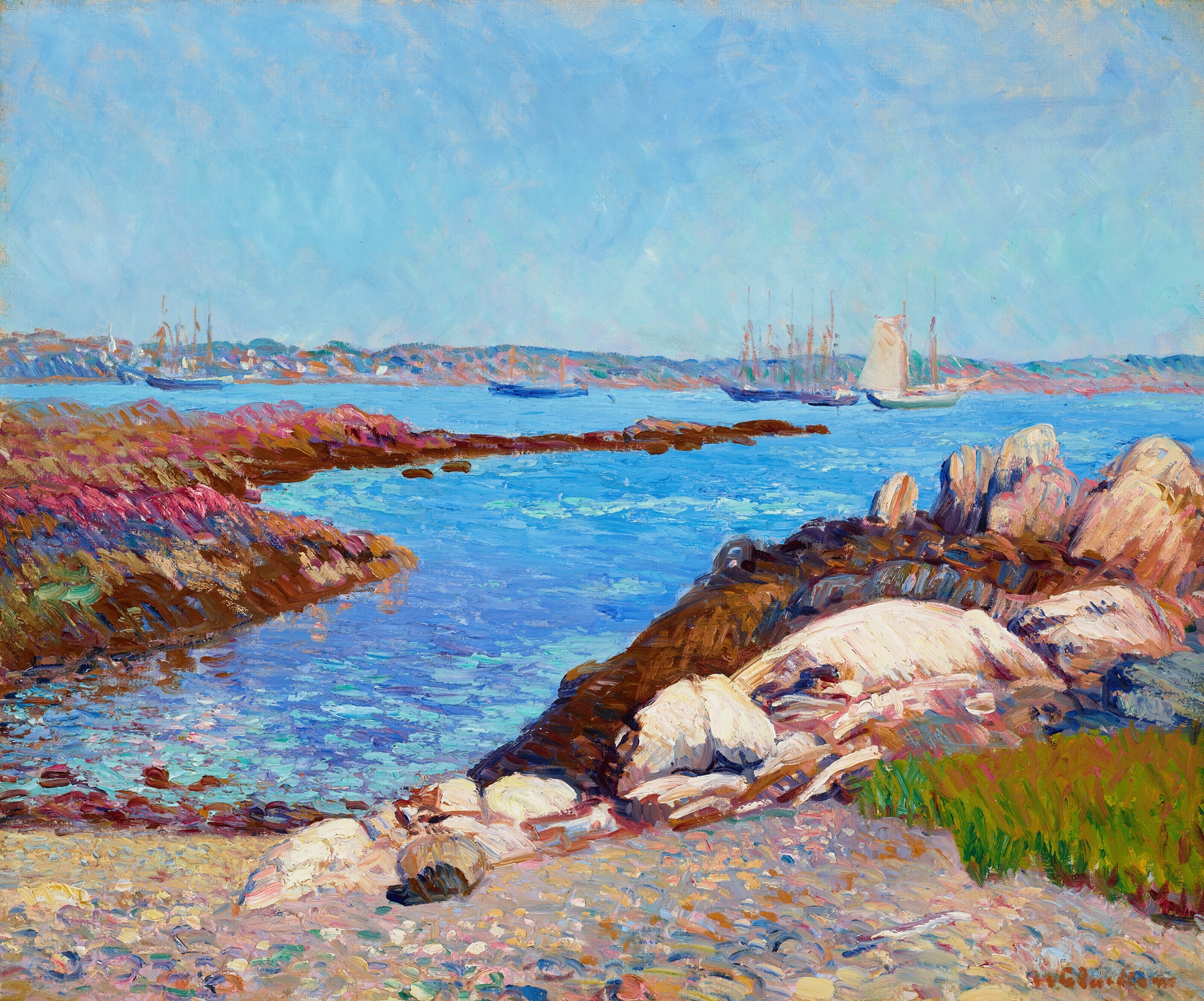
Beach Scene — History & Analysis
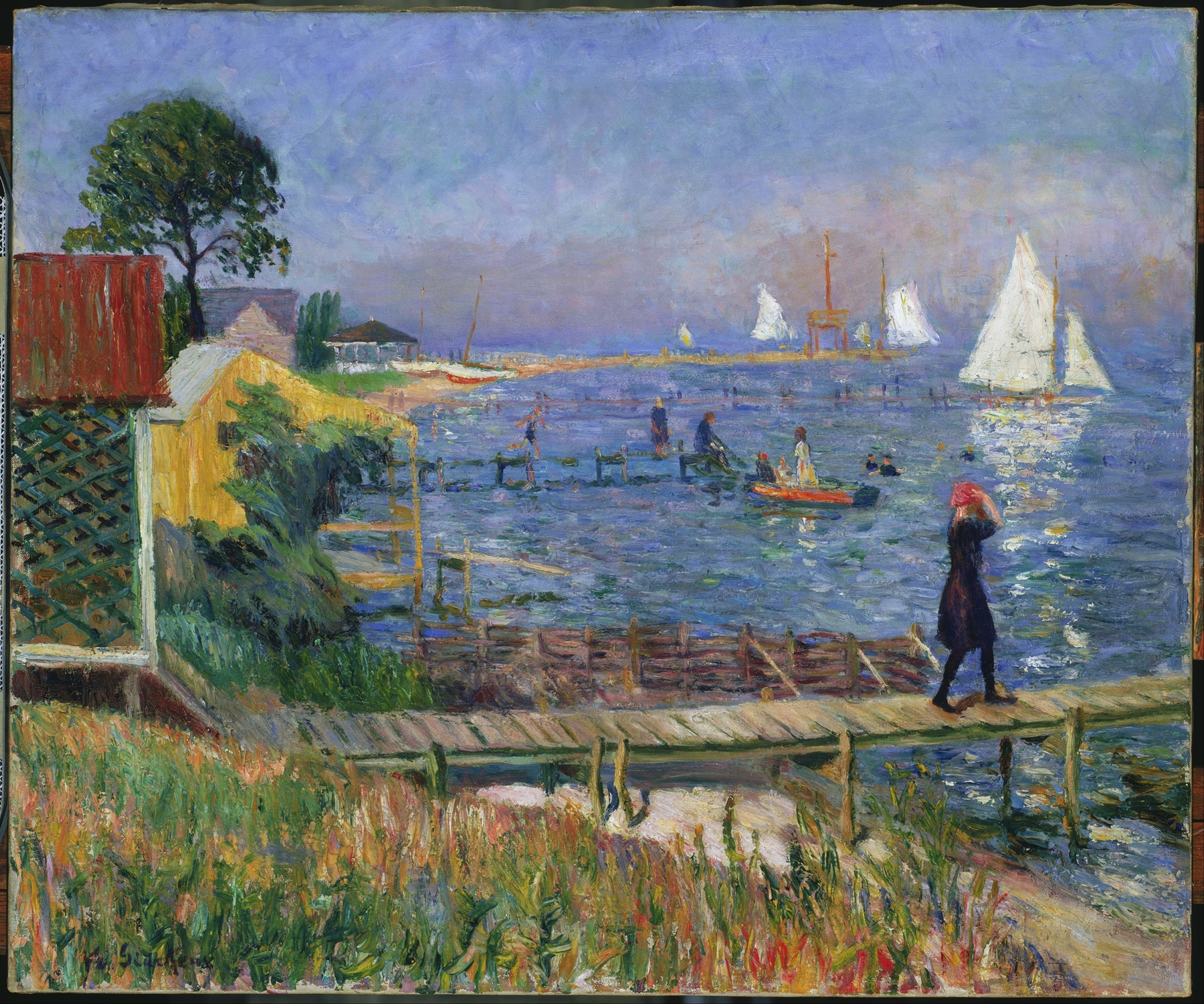
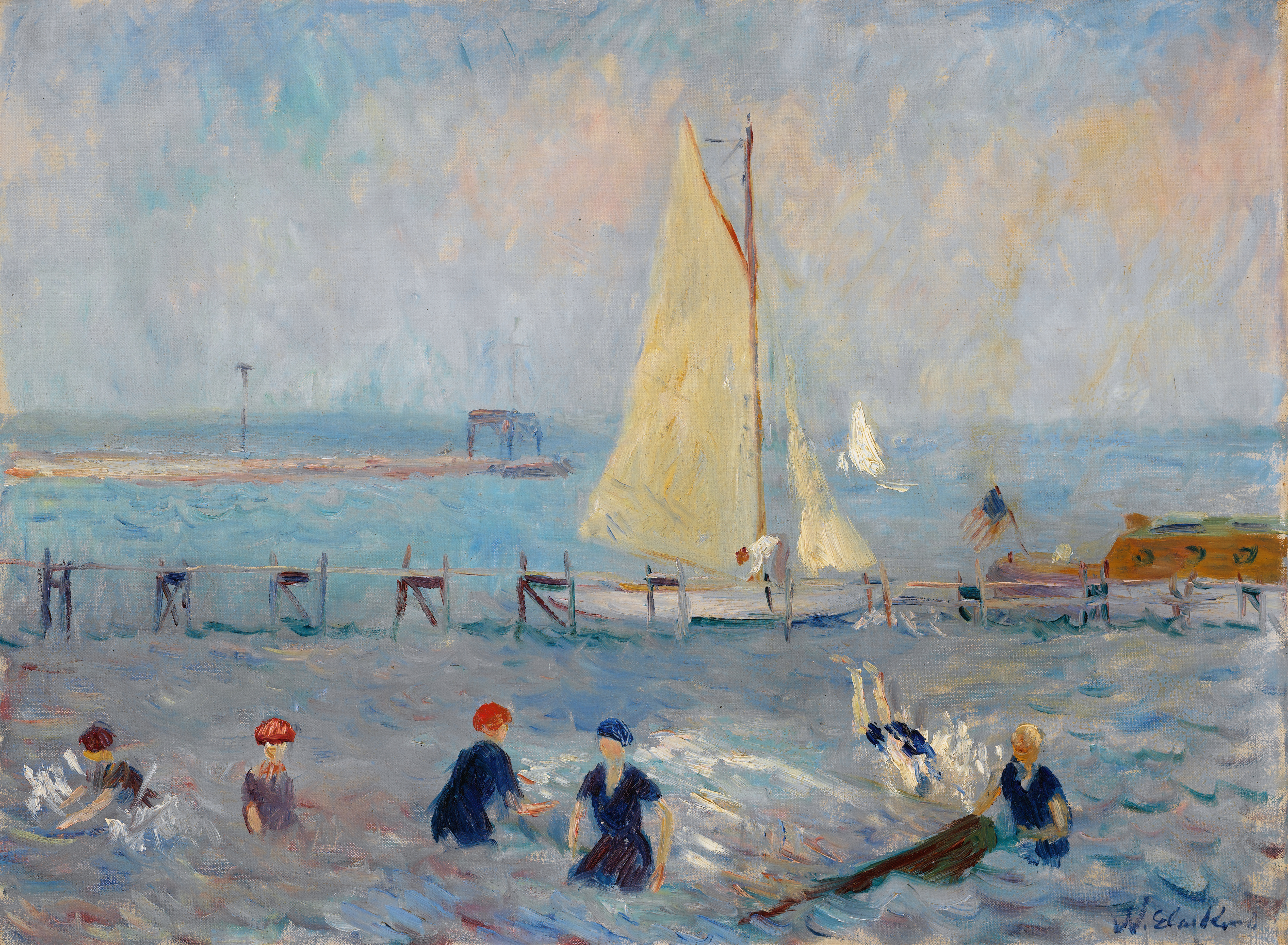
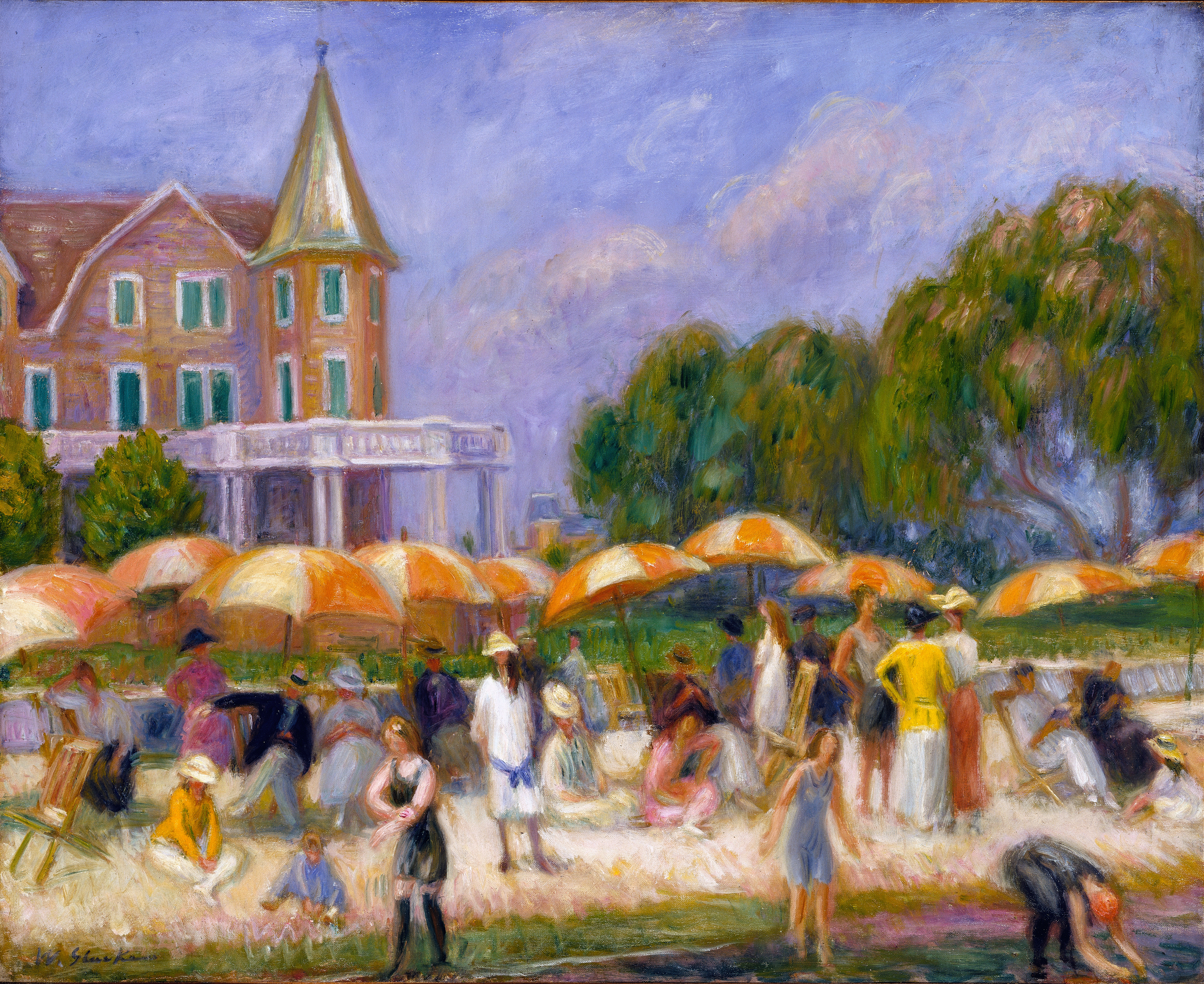
When did color learn to lie? The vibrancy of hues can mask deeper truths, wrapping layers of ecstasy in their luminous embrace. In Beach Scene, the viewer’s gaze is immediately drawn to the sunlit figures scattered along the shore. Look closely at the bold strokes of blue and sandy beige, which dance together, capturing the essence of a sun-drenched day. The deft application of paint creates a palpable texture, inviting you to touch the warmth radiating from the canvas.
Notice how the light spills over the scene, illuminating faces filled with joy and laughter, while shadows hint at untold stories lurking just beneath the surface. Within this seemingly carefree moment lies a juxtaposition of liberation and isolation. The bustling beachgoers, lost in their revelry, become a microcosm of society, reflecting both unity and solitude. Observe the solitary figure at the edge of the composition, who gazes out to sea; their posture conveys a longing that contrasts sharply with the exuberance of those nearby.
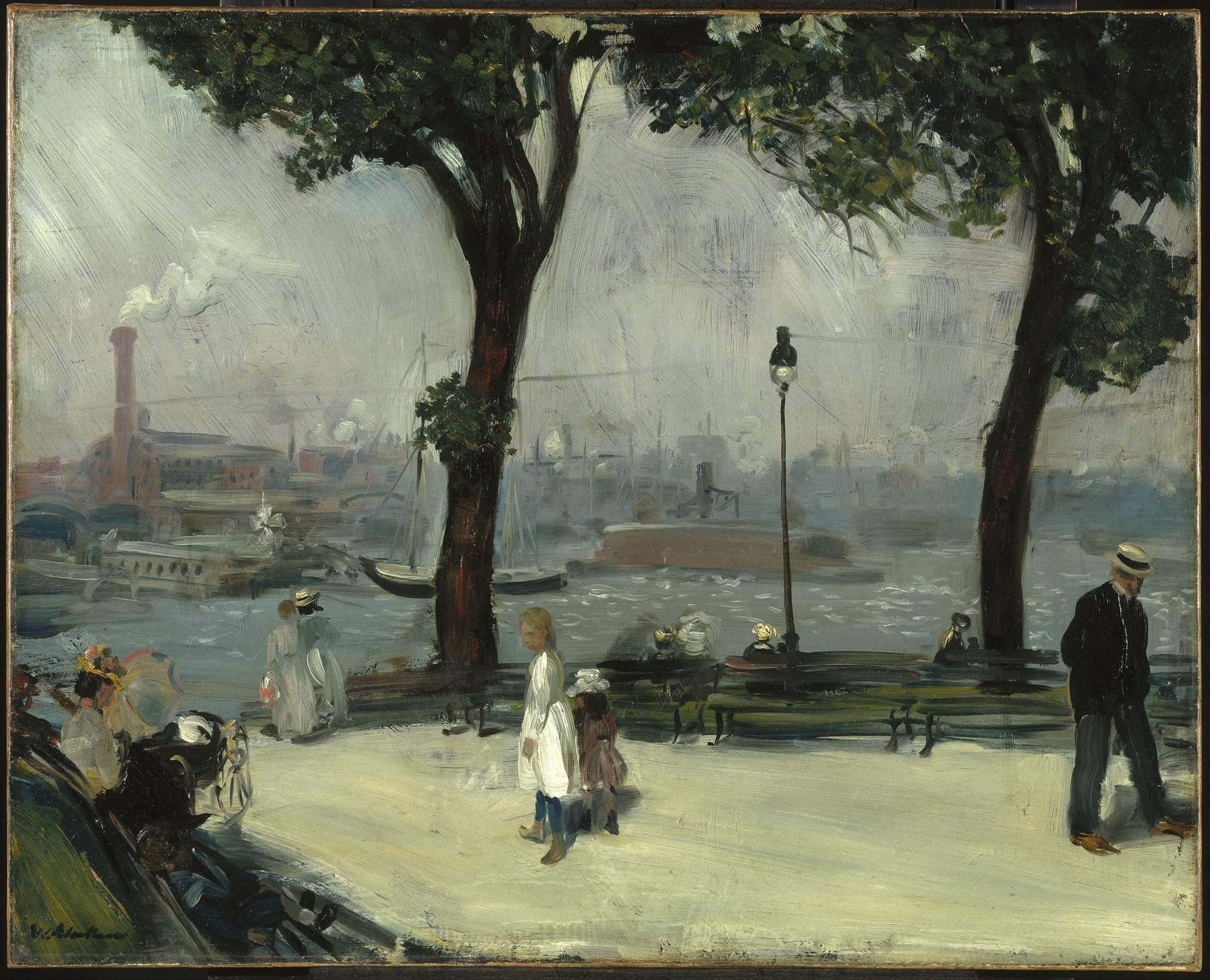
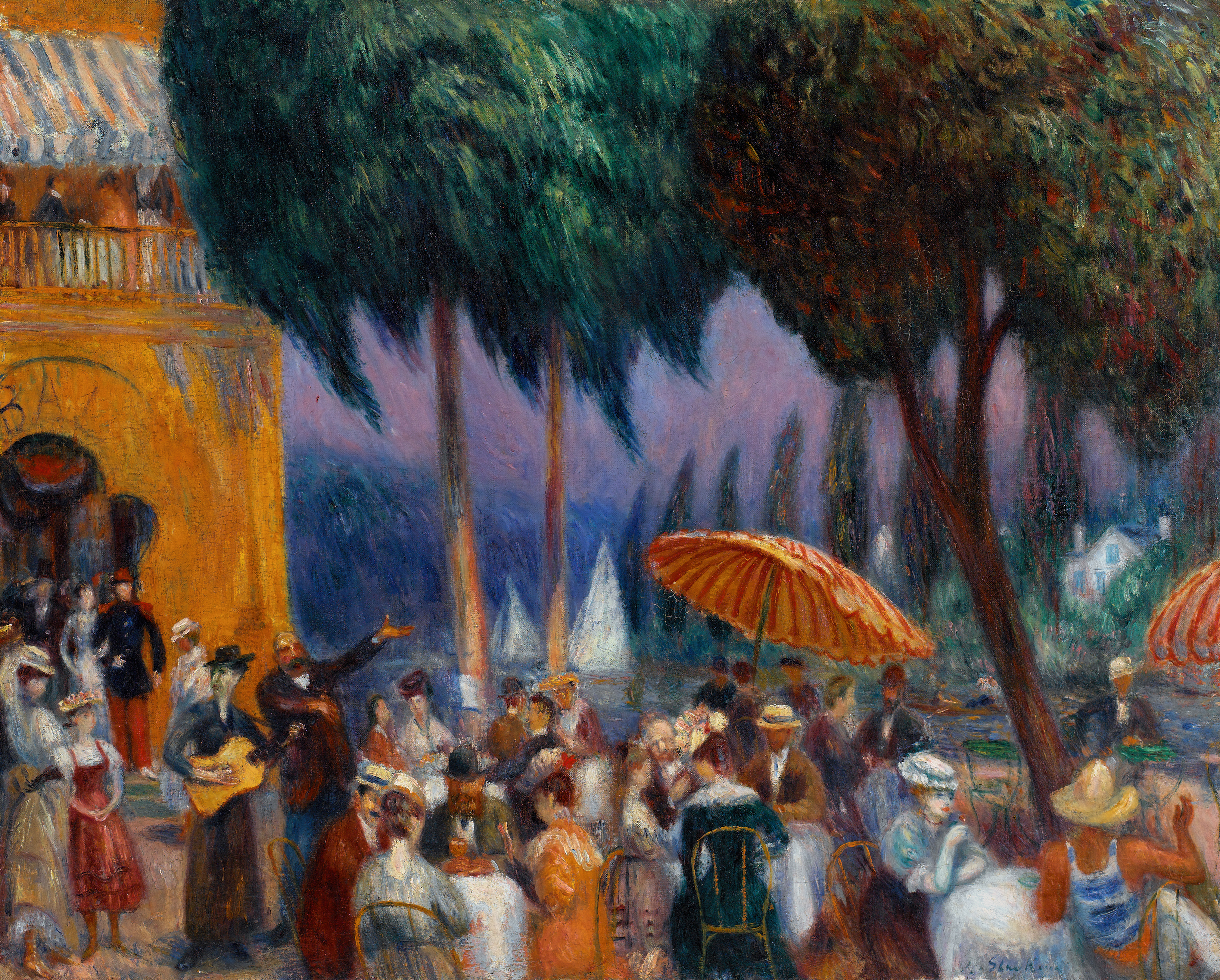
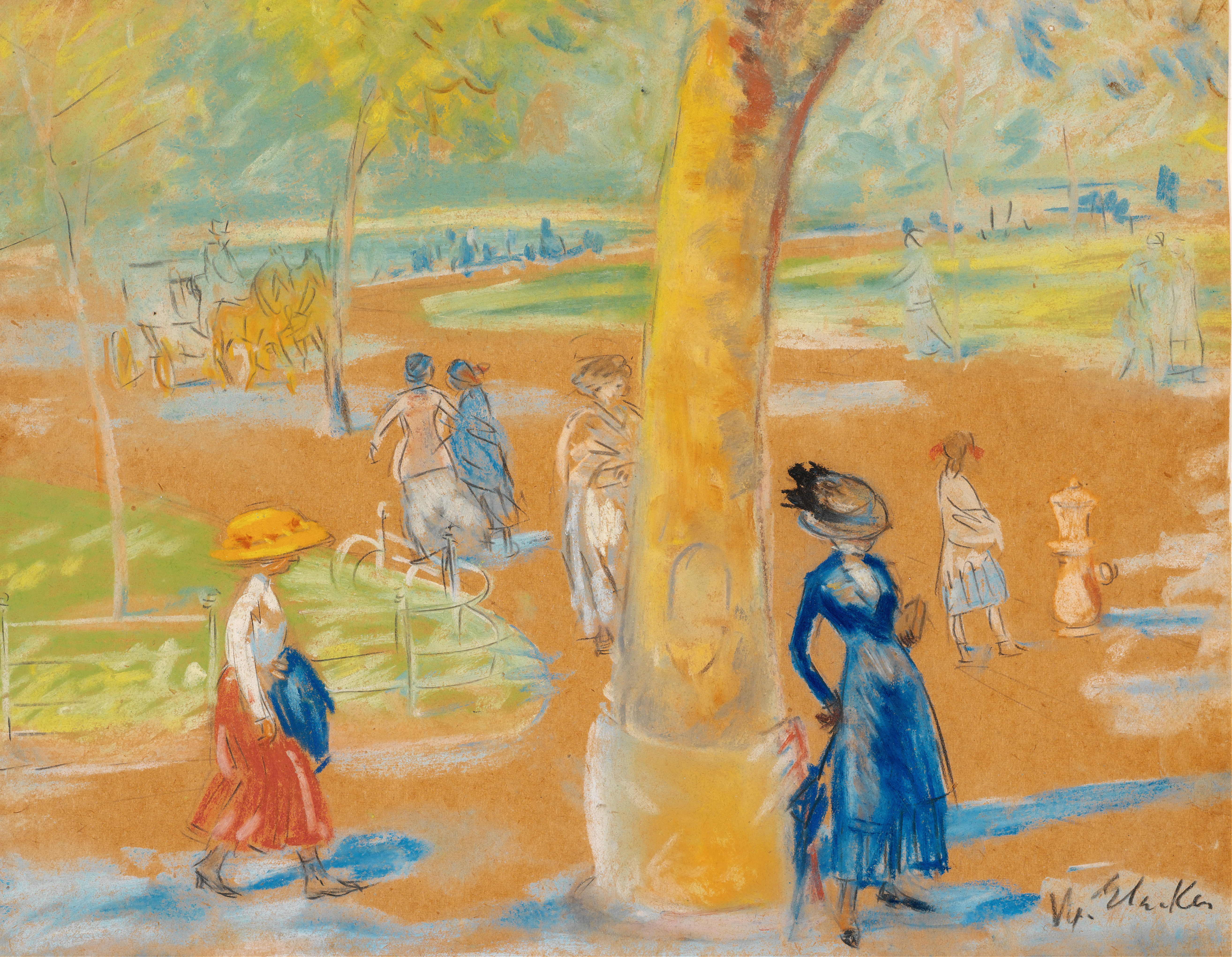
This tension between connection and detachment deepens the emotional impact, inviting reflection on the nature of happiness and the human condition. William James Glackens painted Beach Scene shortly before 1930, during a period of significant change in both his life and the art world. As a key figure in the Ashcan School, he sought to capture the vibrancy of urban life while evolving towards a more impressionistic style. At this time, Glackens was experiencing personal and artistic growth, navigating the complexities of modernity and the emerging movements that would soon redefine American art.