Berlin Zehlendorf — History & Analysis
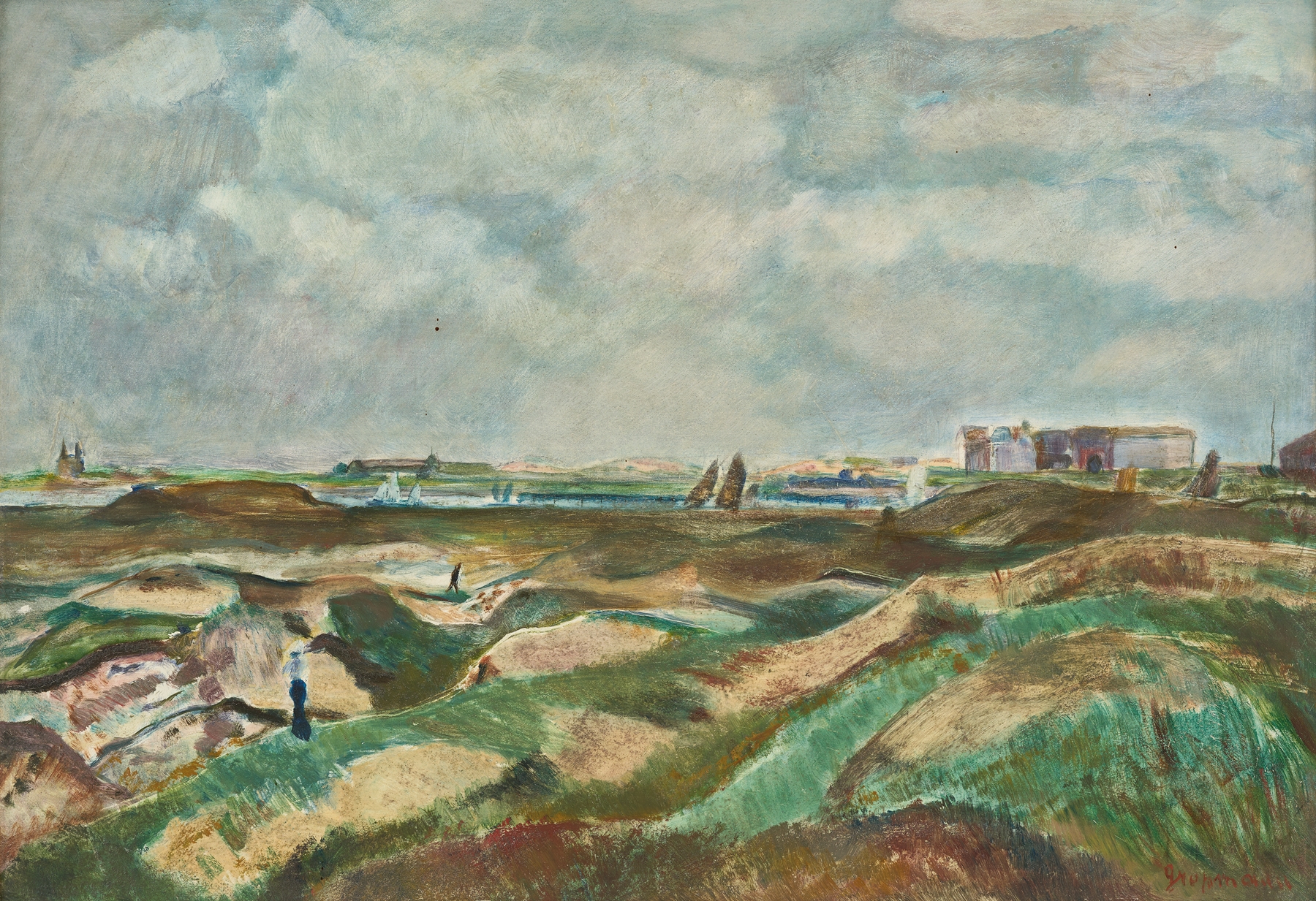
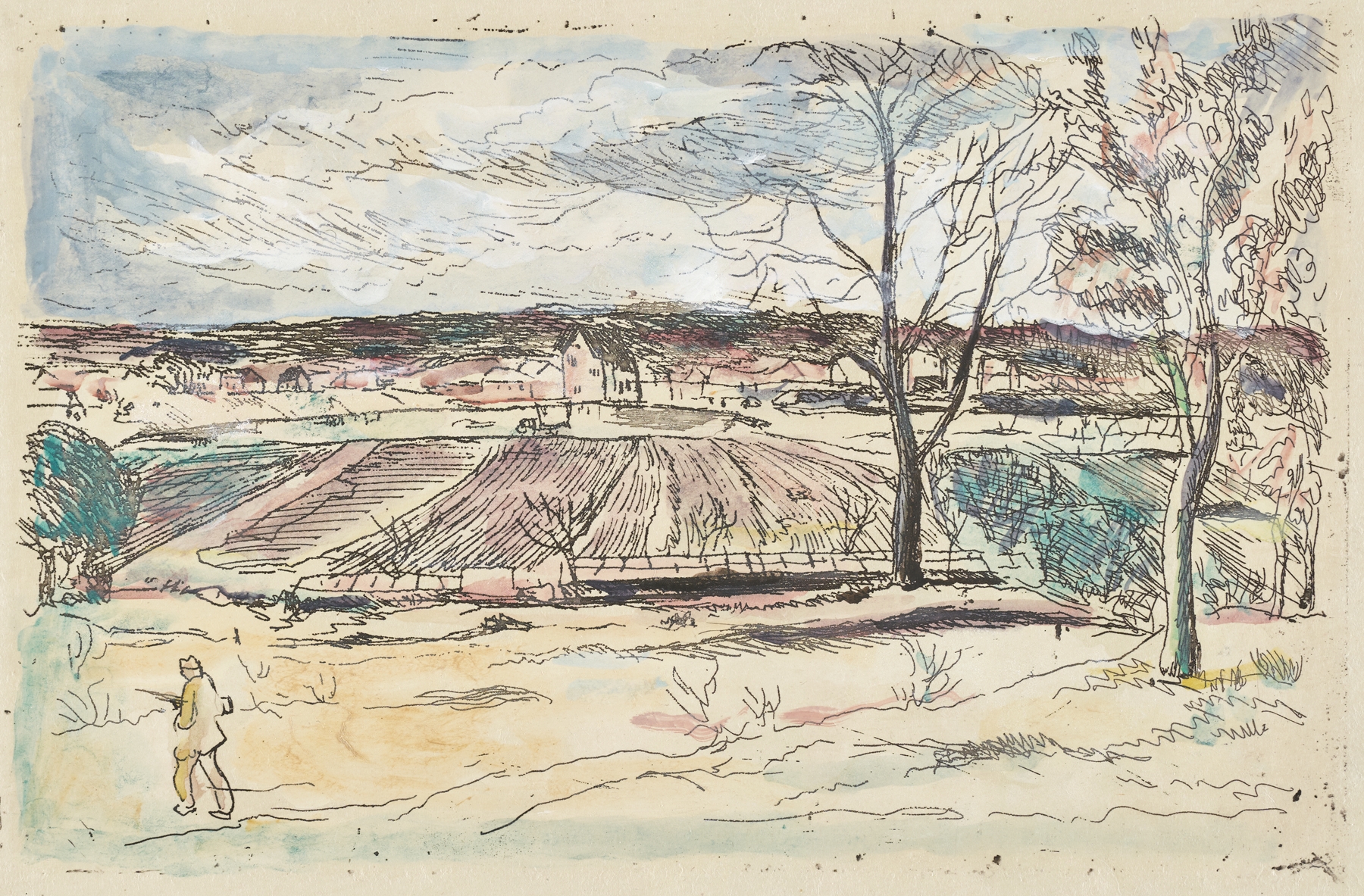
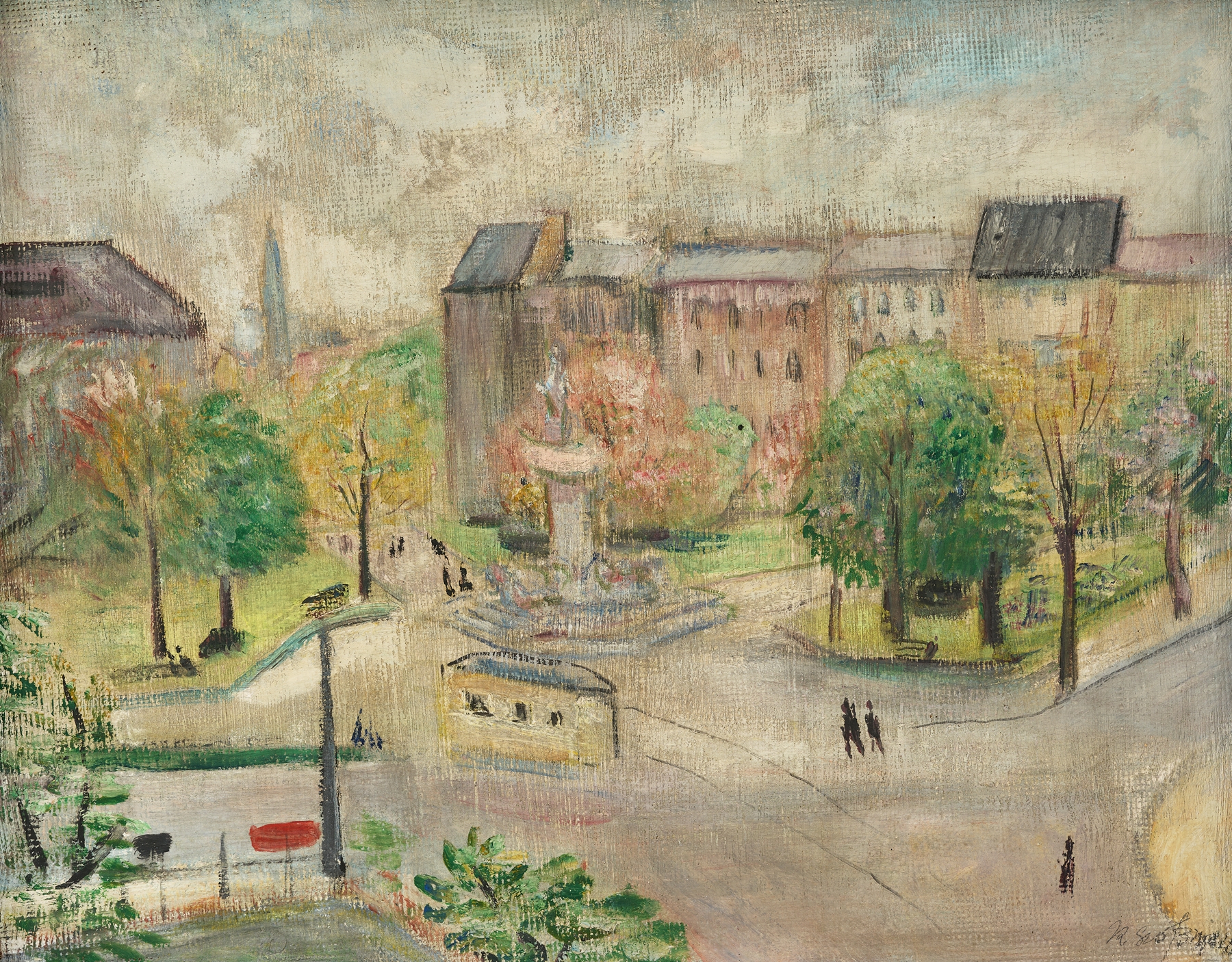
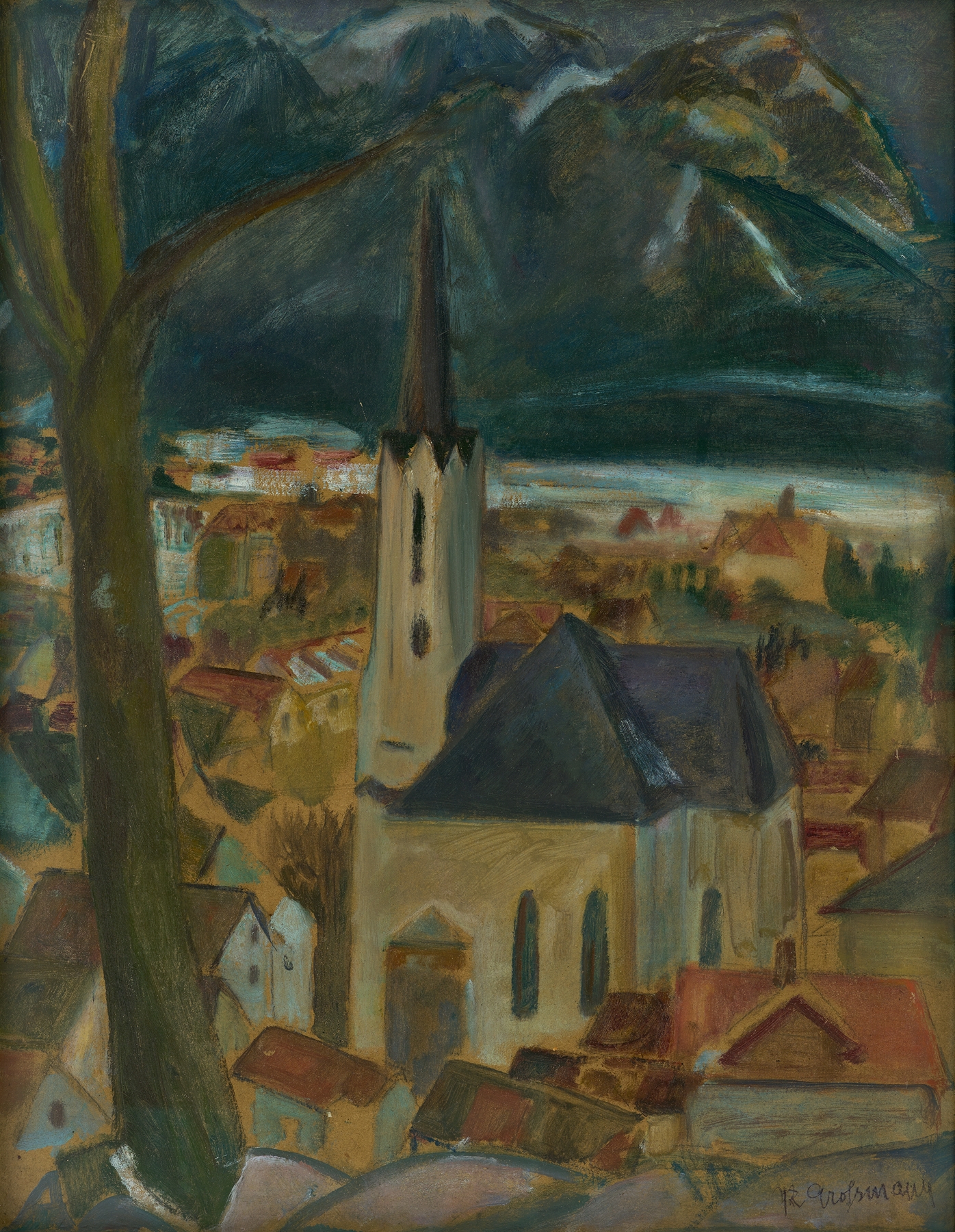
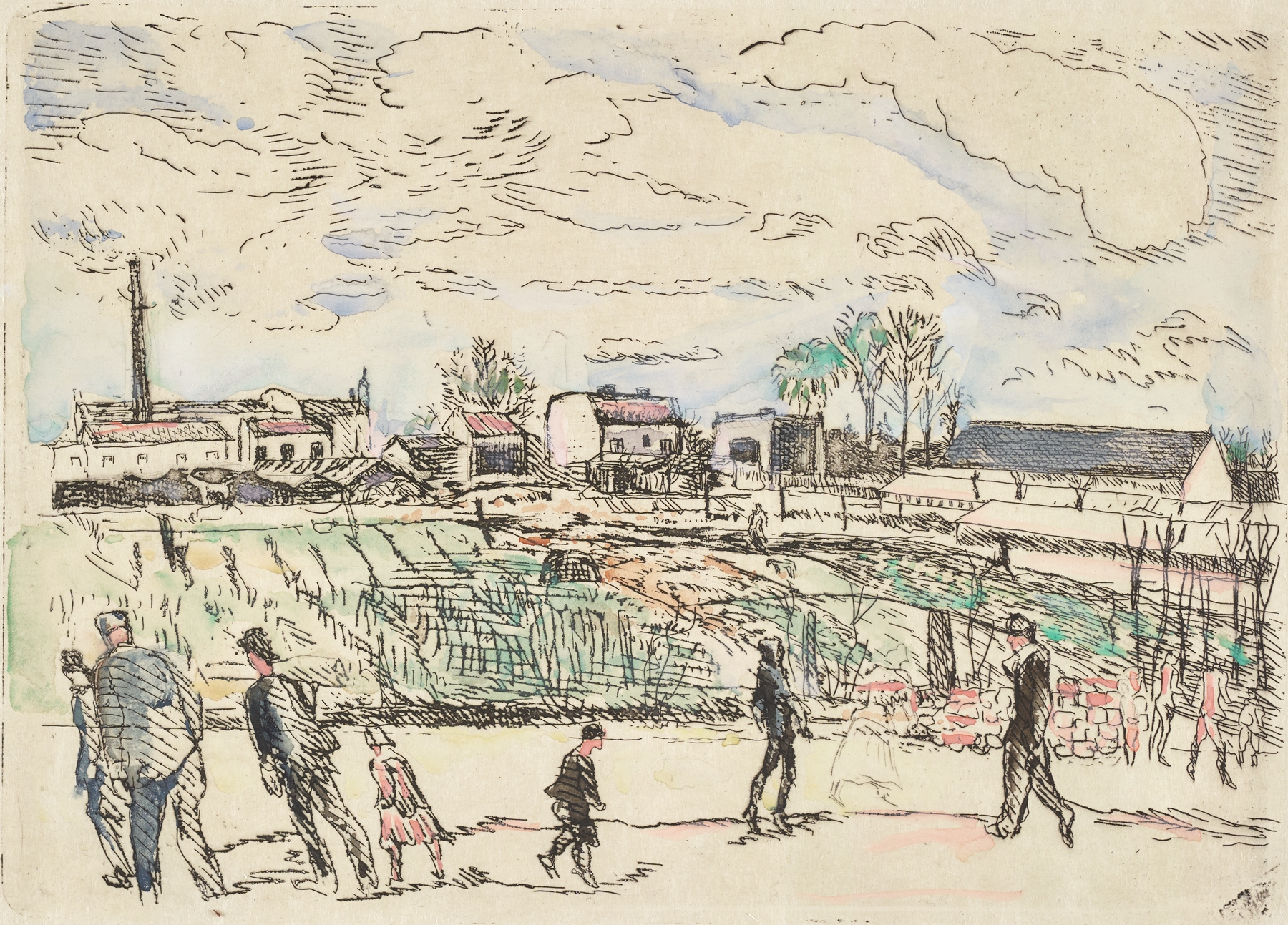
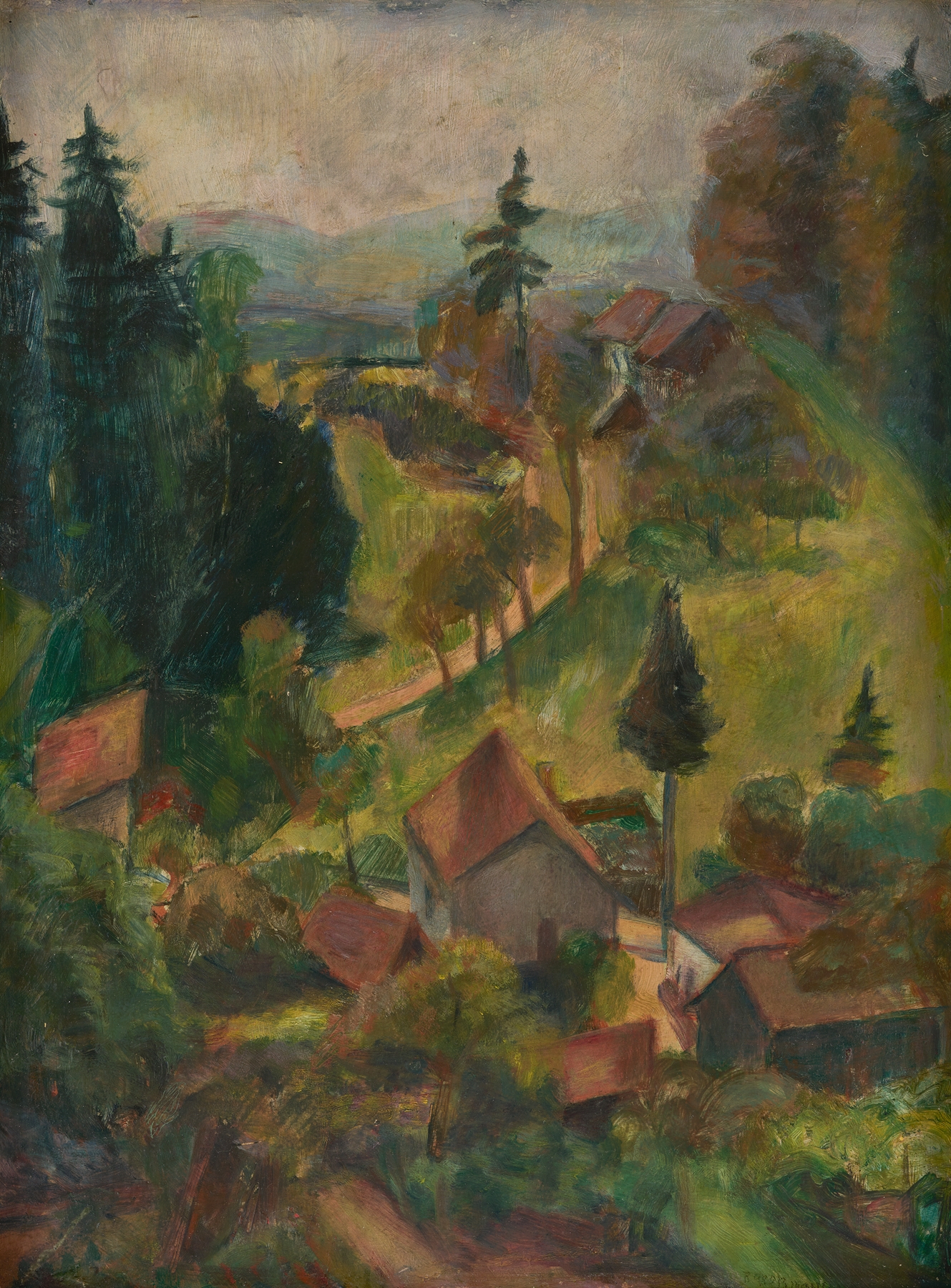
Can beauty exist without sorrow? In Berlin Zehlendorf, Rudolf Grossmann grapples with this poignant question through his evocative portrayal of an idyllic landscape seemingly marred by an undercurrent of betrayal. Look closely at the foreground, where vibrant greens of the lush foliage pulse with life. The dappled sunlight filters through the trees, casting intricate patterns on the ground that invite the viewer to wander deeper into this serene setting.
To the right, a tranquil lake reflects the gentle curves of the landscape, yet its stillness hints at a story waiting to unfold, urging one to delve into the unspoken tensions that lie beneath the surface. Amidst the beauty, there exists a stark contrast between the vivid colors and the looming shadows that whisper of hidden truths. The painting's composition subtly suggests the fragile balance between nature's splendor and the weight of human emotions, echoing the betrayal that can take root in such peaceful surroundings. The juxtaposition of vibrant life and an unsettling stillness prompts contemplation of the duality of existence—where joy and sorrow coexist, often intertwined.
Created between 1910 and 1914 during a time of great change in Europe, Grossmann’s work reflects his response to the shifting artistic landscape and societal tensions. As the world braced for the turbulence of World War I, he captured a moment of quiet beauty, while in his own life, the strains of modernity and disillusionment loomed large. This painting serves as a visual meditation on the complexities of beauty, fraught with the weight of impending change.